Don Edwards San Francisco Bay National Wildlife Refuge
Don Edwards San Francisco Bay National Wildlife Refuge
Top 4 Natural Monuments in Don Edwards San Francisco Bay National Wildlife Refuge
Best natural monuments in Don Edwards San Francisco Bay National Wildlife Refuge encompass 30,000 acres of diverse habitats, including tidal marshes, salt ponds, mudflats, and seasonal wetlands. This refuge is the first and largest urban national wildlife refuge in the United States. It provides critical habitat for numerous species, including migratory birds along the Pacific Flyway and several federally listed threatened or endangered species. The landscape is characterized by dynamic wetland environments and ongoing restoration efforts.
Best natural monuments in…
Last updated: October 23, 2026
Former salt ponds – Alviso wetlands
Highlight • Natural
Tip by

Pond SF2 with Historical Baylands Exhibit
Highlight • Historical Site
Tip by

Sign up now to discover places like this
Get recommendations on the best single tracks, peaks, & plenty of other exciting outdoor places.
Salt Pond Pier
Highlight • Lake
Tip by
Viewing platform
Highlight • Viewpoint
Tip by

Start today with a free account
Your next adventure awaits.
Popular around Don Edwards San Francisco Bay National Wildlife Refuge
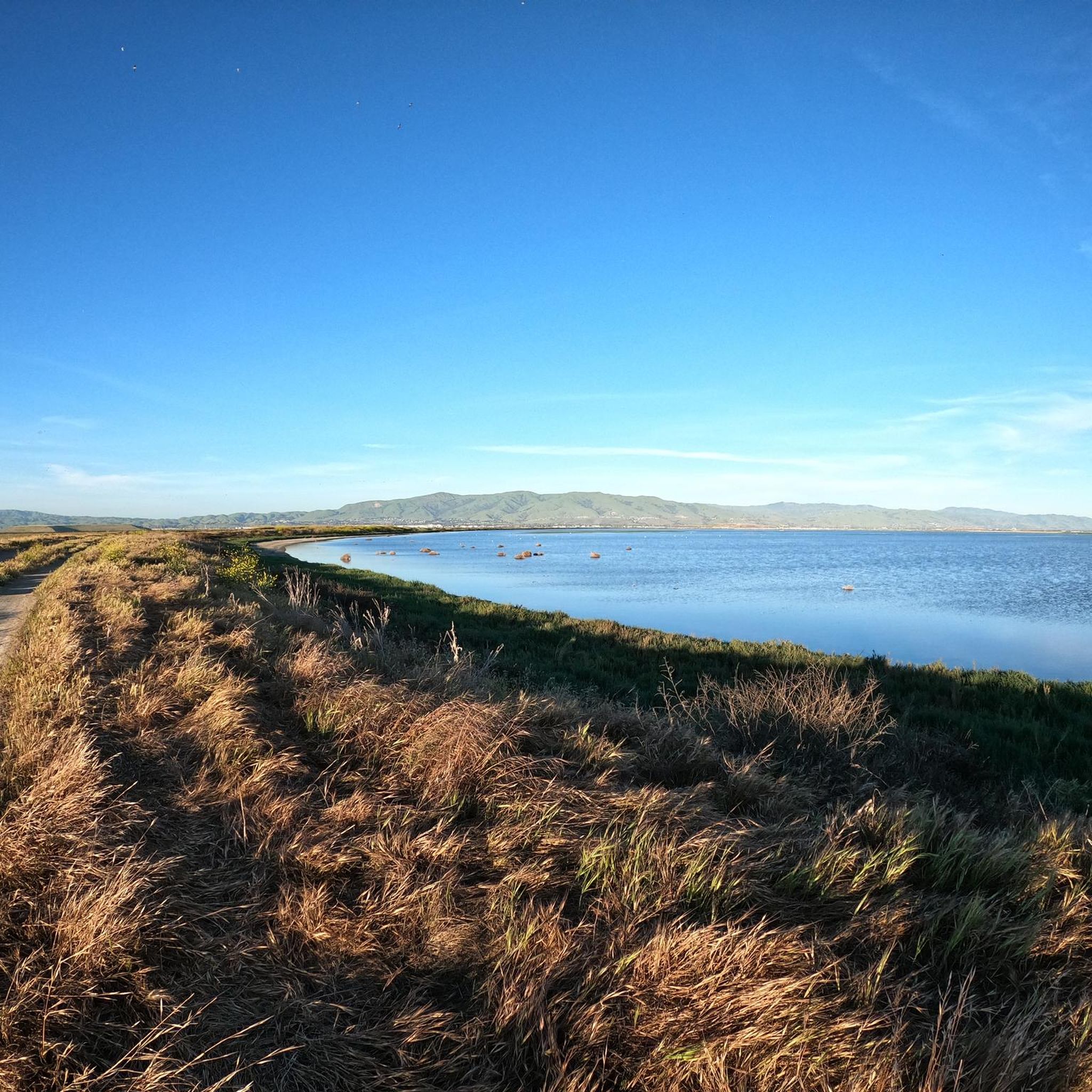
Running Trails in Don Edwards San Francisco Bay National Wildlife Refuge
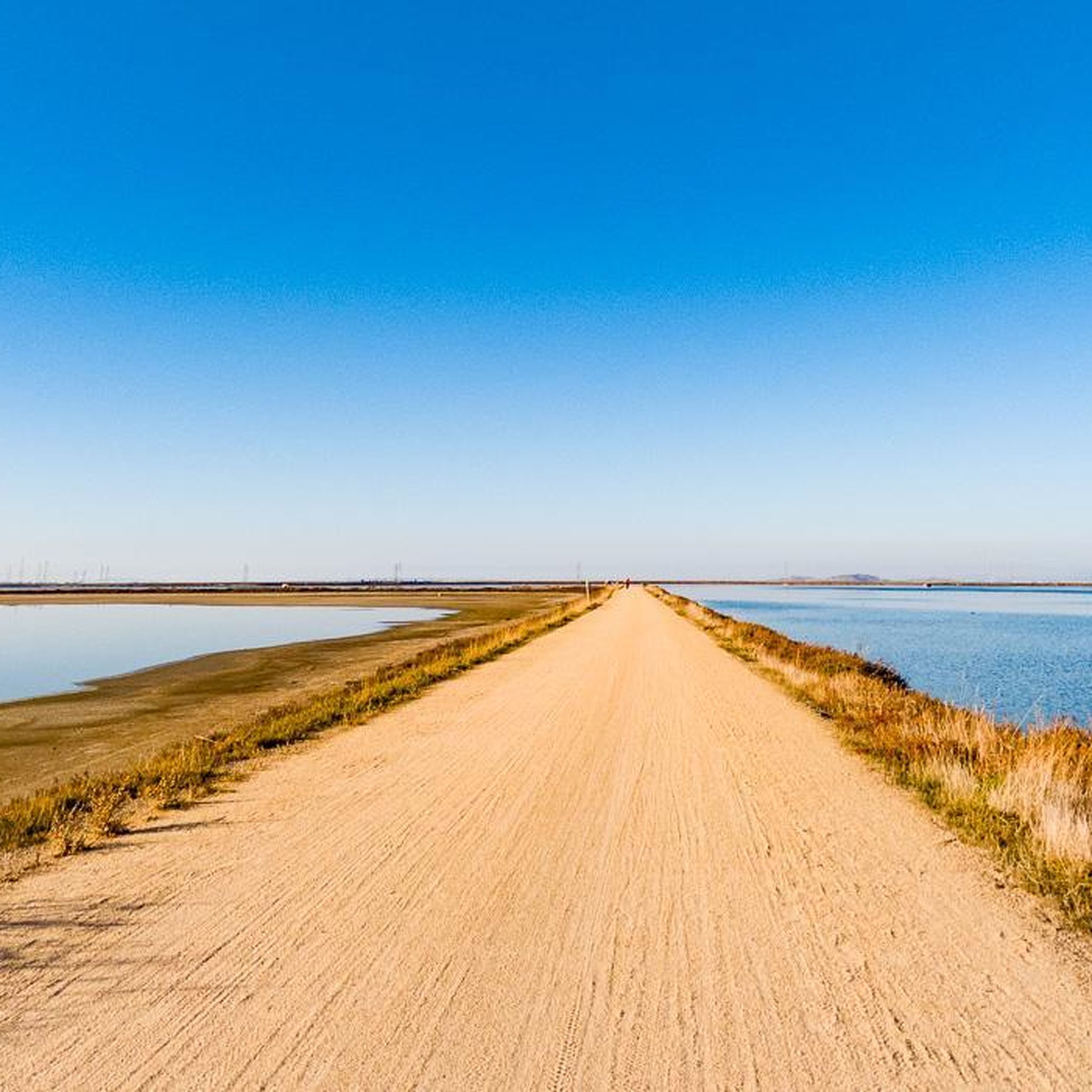
Hiking in Don Edwards San Francisco Bay National Wildlife Refuge
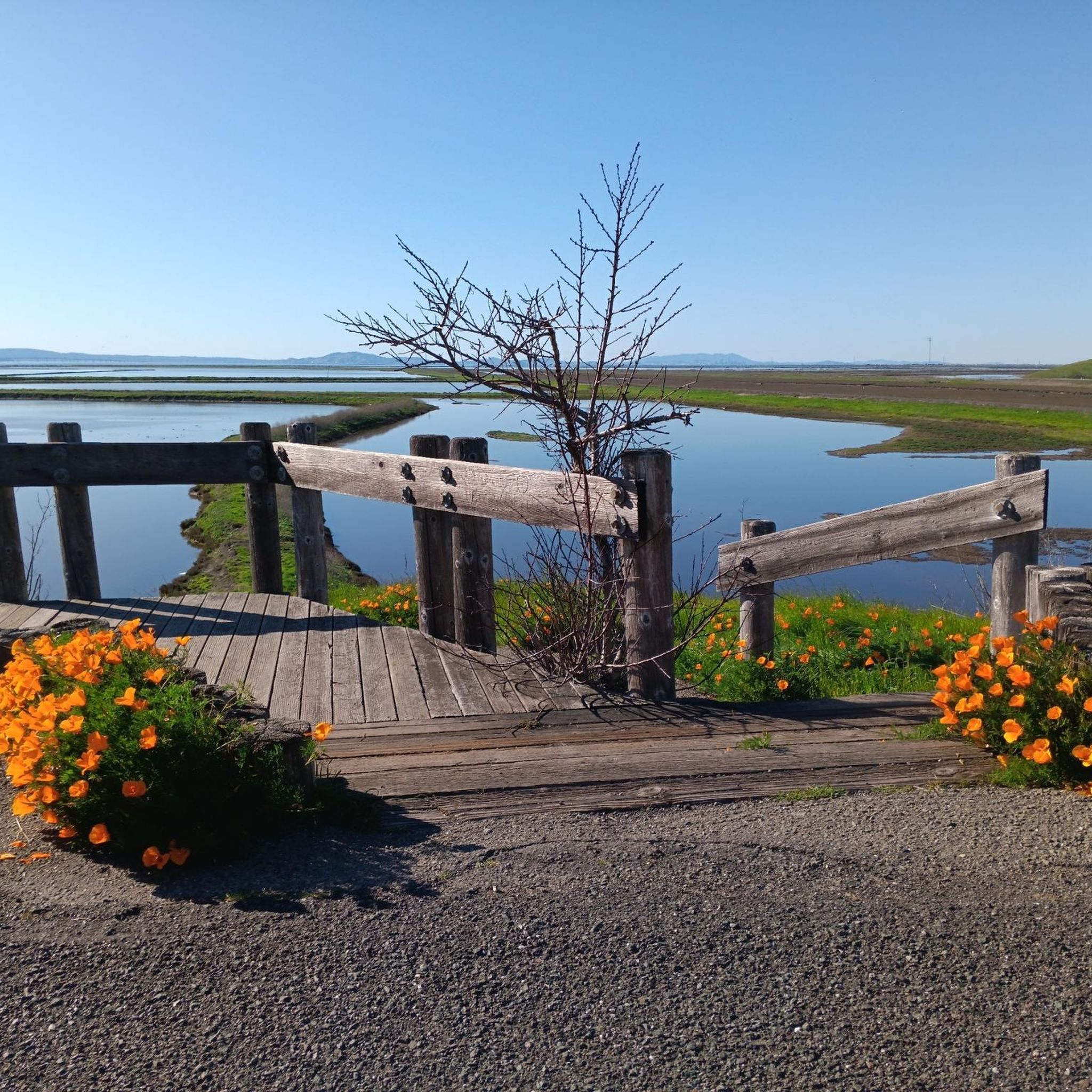
Cycling in Don Edwards San Francisco Bay National Wildlife Refuge
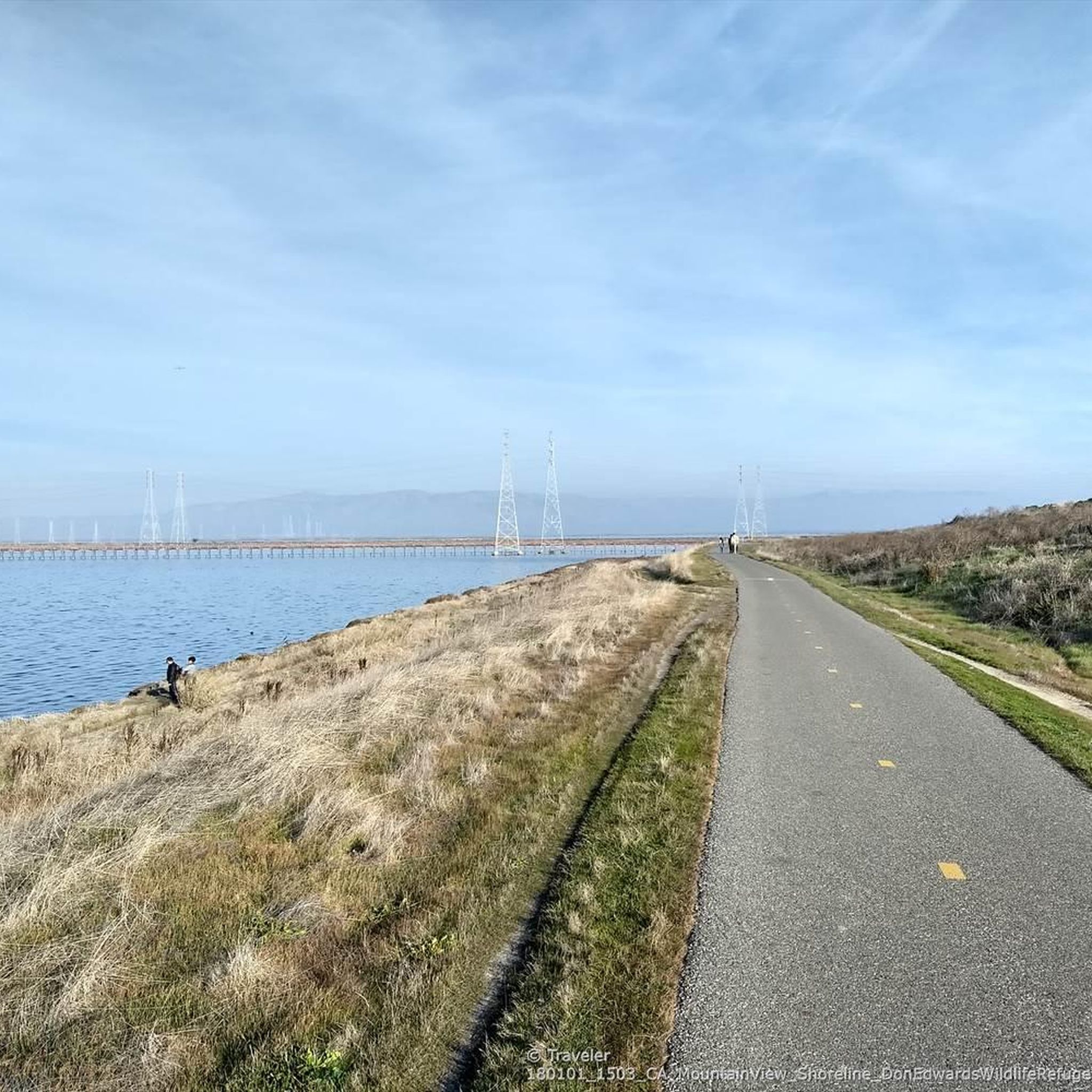
Road Cycling Routes in Don Edwards San Francisco Bay National Wildlife Refuge
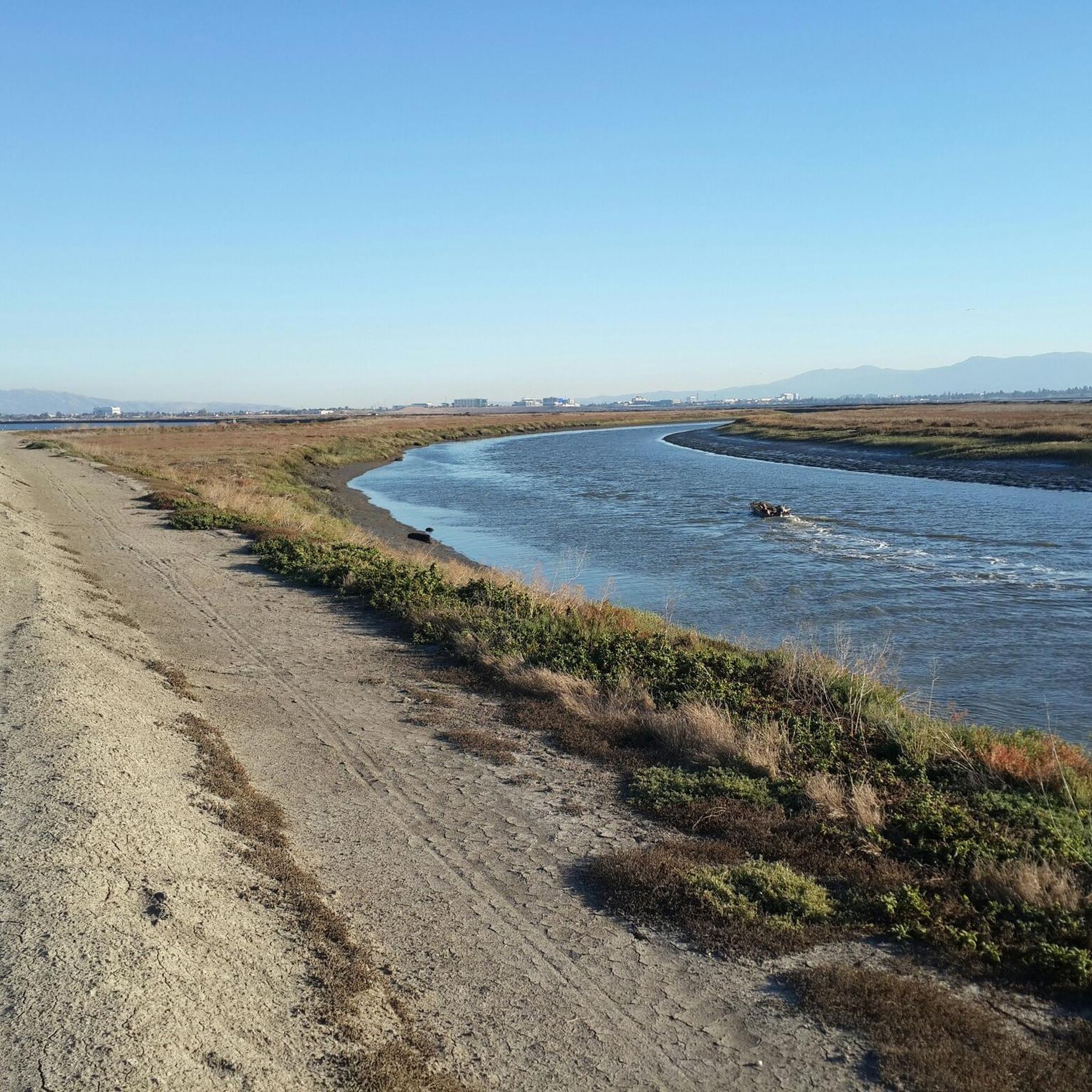
Gravel biking in Don Edwards San Francisco Bay National Wildlife Refuge
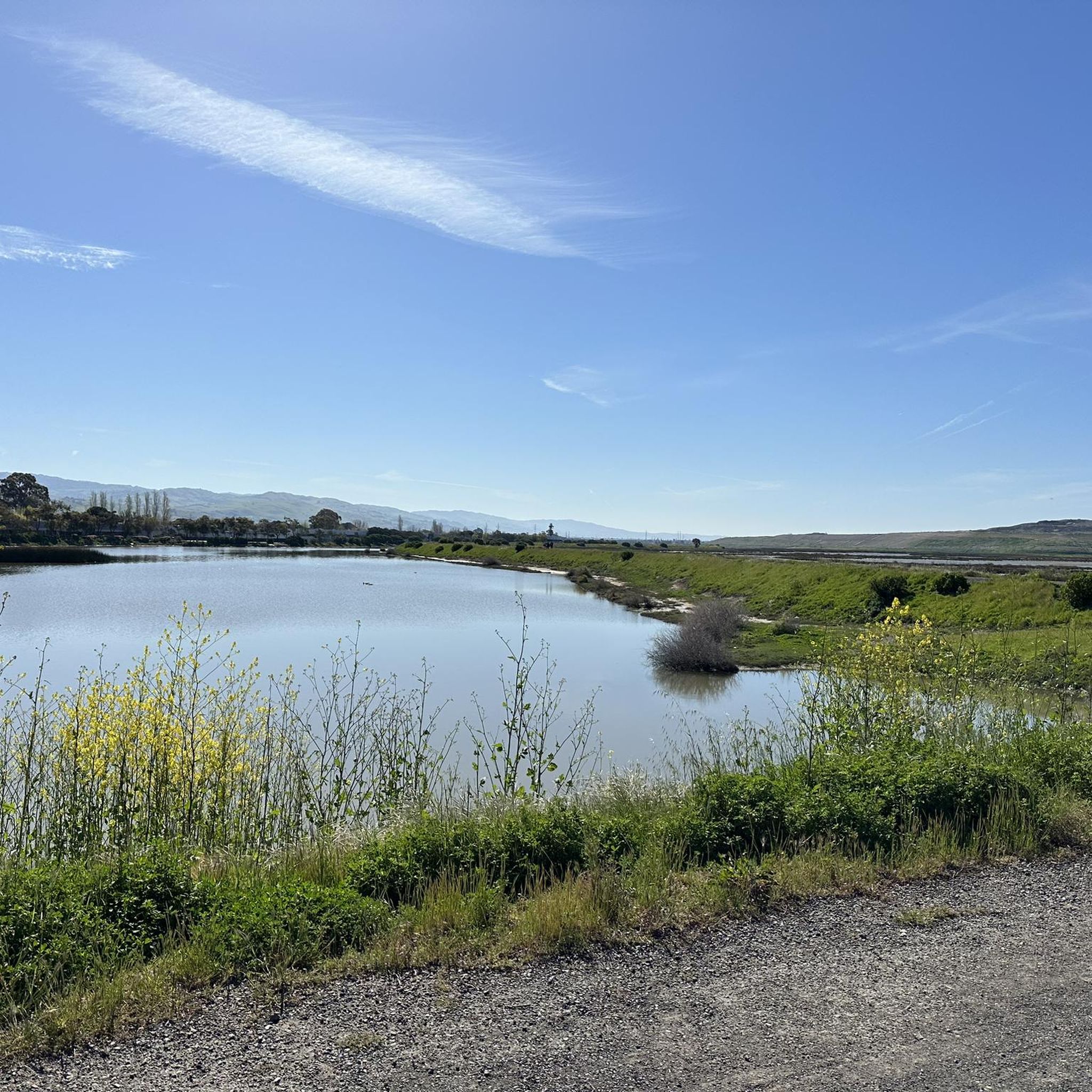
MTB Trails in Don Edwards San Francisco Bay National Wildlife Refuge
Tips from the Community

This observation deck is an excellent spot overlooking the slough to view the wildlife in the wetlands and marshes. While you're here, watch for the California clapper rail and the salt marsh harvest mouse, both endangered species protected in this area.
0
0

(May-30, 2023) Closed off with heavy construction on it. Didn't find a sign saying until when.
0
0

Informative panels provide historical context for the former salt production ponds that were built into the fragile bay wetlands in the 19th century and are being partially restored to more natural wetlands in the past few decades.
0
0
The former salt ponds are increasingly managed as natural wetlands, restoring some of the 90% of the wetlands around the SF Bay that were lost to development since the 1850s.
0
0

The scenery is stunning here, as you ride between marshes and wetlands.
0
0
Frequently Asked Questions
What natural features can I expect to see in the Don Edwards San Francisco Bay National Wildlife Refuge?
The refuge is primarily composed of extensive tidal marshes, salt ponds, mudflats, and seasonal wetlands. These dynamic landscapes are shaped by the bay's tides, and the salt ponds are particularly striking, with water that ranges in color from green to mauve depending on the season and salt development.
Are there specific natural monuments that offer historical insights into the region?
Yes, the Pond SF2 with Historical Baylands Exhibit features informative panels that provide historical context for the former salt production ponds. These ponds, built into the fragile bay wetlands in the 19th century, are now undergoing restoration to more natural wetlands.
Where can I observe wildlife, especially birds, within the refuge?
The refuge is a prime destination for birdwatching, especially during spring and fall migrations. The Viewing platform is an excellent spot overlooking the slough to view wildlife. LaRiviere Marsh is also a great place to see white pelicans, cormorants, and various ducks, while the New Chicago Marsh Trail is home to shorebirds and grebes.
Are there family-friendly natural monuments or areas to visit?
Yes, the Viewing platform is considered family-friendly, offering an accessible spot to observe wildlife. Many trails, particularly in the Alviso section, are wheelchair accessible, making these natural wonders available to a broader audience.
What kind of outdoor activities can I do near these natural monuments?
The area around the natural monuments offers various outdoor activities. You can explore numerous trails for running, such as the Alviso Slough Loop Trail, or enjoy traffic-free bike rides like the Stevens Creek bridge – Moffett Federal Airfield loop. For more adventurous cycling, there are gravel biking routes available. You can find more details on these activities in the gravel biking, running, and traffic-free bike ride guides for the region.
What is the best time to visit the Don Edwards San Francisco Bay National Wildlife Refuge?
The refuge offers unique experiences throughout the year. Spring and fall are ideal for birdwatching due to migratory patterns. The changing appearance of the refuge with the seasons and the varying colors of the salt ponds add to its allure, making every visit a unique experience.
Can I learn about wetland restoration efforts while visiting?
Yes, the Salt Pond Pier highlights how former salt ponds are increasingly managed as natural wetlands, restoring some of the 90% of wetlands lost around the SF Bay. The Alviso Slough Trail also features interpretive panels explaining ongoing restoration work.
Are there any specific trails that showcase the diverse ecosystems of the refuge?
The New Chicago Marsh Trail traverses several habitat types, including tidal marsh, tidal slough, and salt ponds. The Alviso Slough Trail also highlights salt marsh restoration, attracting various wildlife and pollinators. Both offer immersive experiences into the refuge's natural habitats.
What makes the salt ponds a significant natural feature?
The salt ponds are a core feature of the refuge, providing critical habitat for numerous species. Their water ranges in color from green to mauve due to flourishing salt-tolerant microorganisms, creating a visually striking landscape. They are also part of extensive wetland restoration efforts, like the South Bay Salt Pond Restoration Project.
What endangered species can be found in the Don Edwards San Francisco Bay National Wildlife Refuge?
The refuge is vital for protecting nine federally listed threatened or endangered species. When visiting the Viewing platform, you might spot the California clapper rail (Ridgway's rail) and the salt marsh harvest mouse, both of which are protected in this area.
What do visitors enjoy most about the natural monuments in this refuge?
Visitors often appreciate the stunning scenery, especially when riding between marshes and wetlands, as noted at the Former salt ponds – Alviso wetlands. The opportunity to observe a rich array of wildlife and witness conservation efforts in action also contributes to a rewarding experience.
Most popular routes in Don Edwards San Francisco Bay National Wildlife Refuge
Most popular attractions in Don Edwards San Francisco Bay National Wildlife Refuge

Get inspired with the komoot mobile app


Explore more
Extend your search for the best caves by checking out these guides of the top ones in Don Edwards San Francisco Bay National Wildlife Refuge:
