Florissant Fossil Beds National Monument
Florissant Fossil Beds National Monument
Top 5 Natural Monuments in Florissant Fossil Beds National Monument
Best natural monuments in Florissant Fossil Beds National Monument include fossilized remains that offer a glimpse into a prehistoric ecosystem. The park is renowned for its petrified redwood stumps, which preserve ancient trees from 34 million years ago. Fine-grained shale layers also contain thousands of detailed fossils of insects, spiders, and plants. This area provides significant insights into Eocene-era climate and ecosystems.
Best natural monuments in Florissant Fossil Beds National Monument
- The most popular natural monuments is Florissant Fossil Beds…
Last updated: July 6, 2026
Florissant Fossil Beds National Monument Visitor Center
Highlight • Monument
Tip by

The Big Stump
Highlight • Natural Monument
Tip by
Sign up now to discover places like this
Get recommendations on the best single tracks, peaks, & plenty of other exciting outdoor places.
Sign up for free
Path of the Old Ones
Highlight • Natural Monument
Tip by
Petrified Forest Loop
Highlight (Segment) • Natural Monument
Tip by
Hans Loop
Highlight (Segment) • Trail
Tip by

Start today with a free account
Your next adventure awaits.
Login or Signup
Popular around Florissant Fossil Beds National Monument
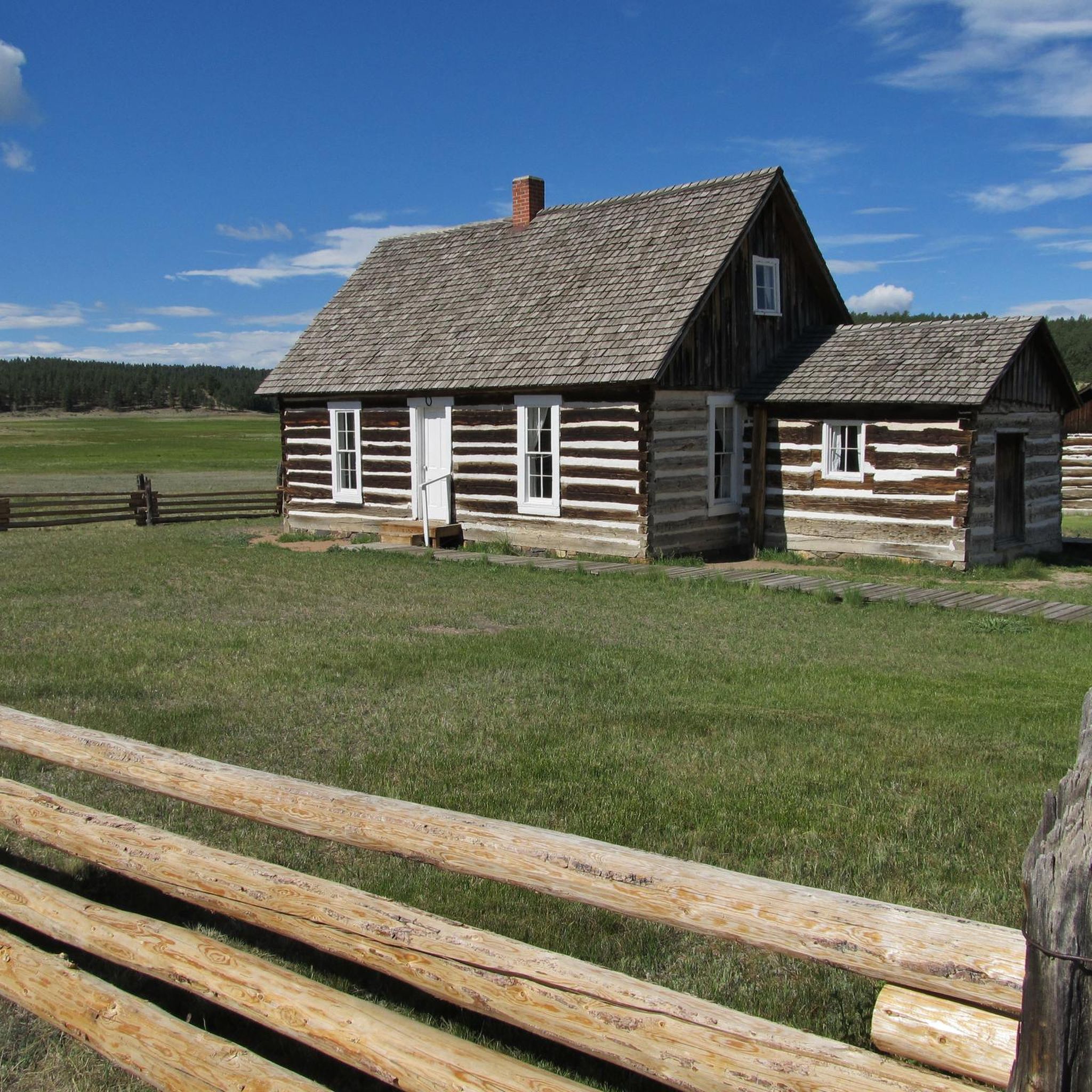
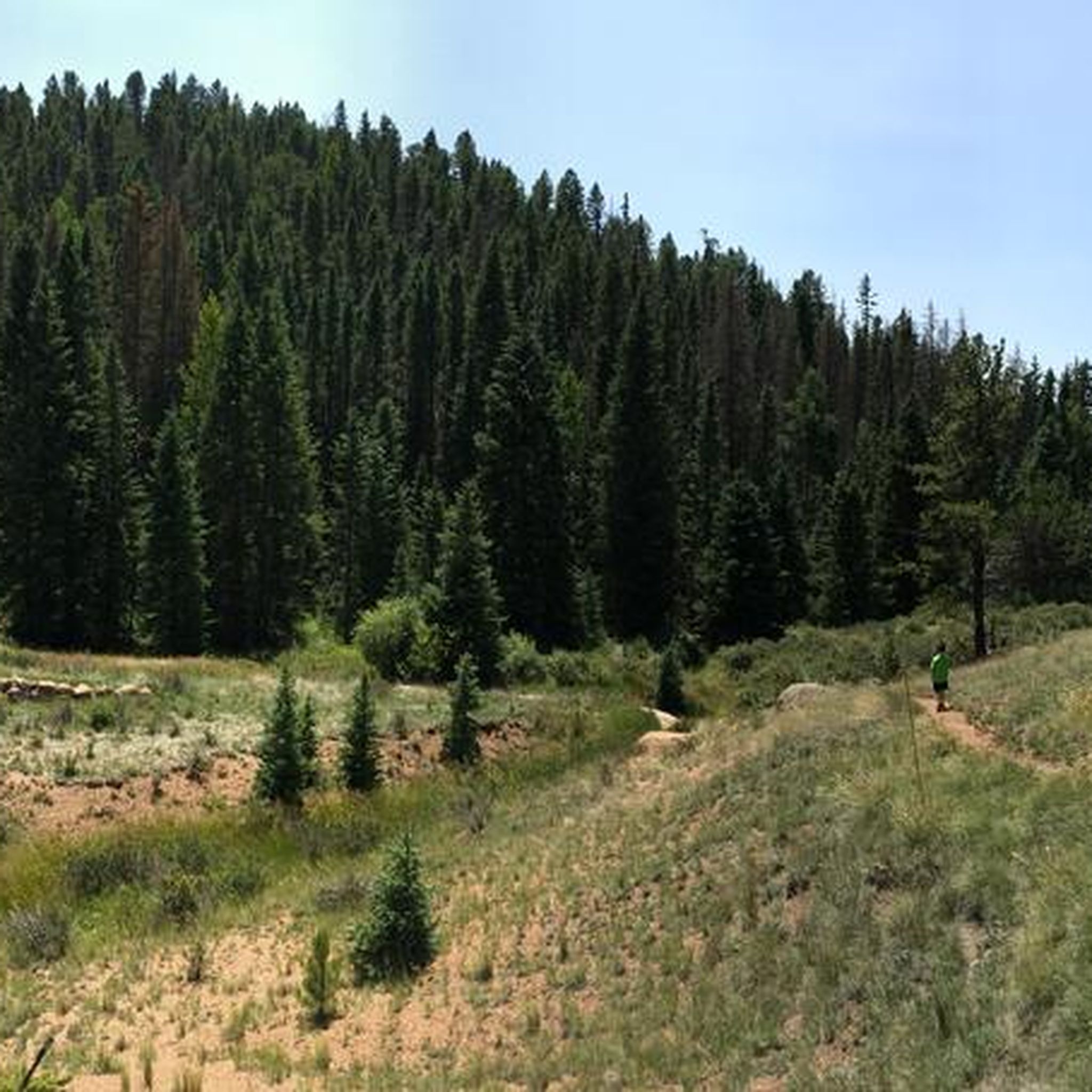
Tips from the Community

Welcome to the valley of the ancient trees. Early accounts describe this site as being littered with petrified wood. You are meeting some them on this path.
0
0

Hans Loop is a trail in the Florissant Fossil Beds National Monument and is often connected with the Sawmill Trail for a nice loop. Along the trail, you get several nice vistas of Pikes Peak.
0
0

The most impressive tribe in this small park.
0
0
Beautiful little park with petrified trees.
1
0
Lots of information at the visitor center and your first fossilized trees, right at the exit.
1
0
Welcome to the valley of the ancient trees. Early accounts describe this site as being littered with petrified wood. You are meeting some them on this path.
0
0
The "Big Stump" is one of the attractions of Florissant Bed National Monument. It is the remains of a thousand-year-old Sequoia that fossilized on site.
0
0
Frequently Asked Questions
What unique geological features can I explore at Florissant Fossil Beds National Monument?
The monument is renowned for its extraordinary geological features. You can explore the remains of a vast redwood forest, including impressive petrified stumps like The Big Stump, which can measure 12 to 14 feet in diameter. Additionally, the fine-grained shale layers preserve thousands of detailed fossils of insects, spiders, and plants, offering a rare glimpse into a prehistoric ecosystem. The underlying Pikes Peak Granite also provides context for the region's deep geological history.
Are there family-friendly activities or trails at Florissant Fossil Beds National Monument?
Yes, Florissant Fossil Beds National Monument offers several family-friendly options. The Florissant Fossil Beds National Monument Visitor Center is a great starting point, providing extensive information and displays of fossilized trees. Trails like the Petrified Forest Loop are suitable for families, allowing visitors to encounter numerous petrified wood specimens. Many trails within the monument are rated as easy, such as the Ponderosa Loop Trail and the Petrified Forest Loop, making them accessible for various ages.
What kind of fossils can be found at Florissant Fossil Beds National Monument?
The monument protects one of the world's richest and most diverse fossil deposits. Within its fine-grained shale layers, you can find thousands of exceptionally detailed fossils of insects, spiders, and plants. These include delicate imprints of flies, butterflies, leaves, seeds, and flowers, providing crucial insights into the Eocene-era climate and ecosystems.
What is the best time of year to visit Florissant Fossil Beds National Monument?
While the monument is open year-round, the best time to visit often depends on your preferred activities. Spring and fall offer pleasant temperatures for hiking and exploring the outdoor exhibits. Summer is also popular, though it can be warmer. Winter provides a unique, serene experience, with opportunities for snowshoeing or cross-country skiing on trails, but some facilities or trails might have limited access due to snow.
Are there hiking trails available near the natural monuments?
Yes, there are several hiking trails that allow you to explore the natural monuments and surrounding landscape. For example, the Path of the Old Ones leads you through areas rich with petrified wood. You can find various hiking options, including easy trails like the Ponderosa Loop Trail and the Petrified Forest Loop, or more moderate routes such as the Hornbek Wildlife Loop. For more detailed information on hiking routes, you can explore the Hiking in Florissant Fossil Beds National Monument guide.
Can I bring my dog to Florissant Fossil Beds National Monument?
Yes, leashed dogs are generally welcome on the trails and in outdoor areas of Florissant Fossil Beds National Monument. It's always a good idea to check the official National Park Service website for the most current regulations regarding pets, as rules can vary for specific areas or during certain times of the year. Remember to keep your dog on a leash and clean up after them.
What educational opportunities does the monument offer?
The monument provides a rich educational experience, connecting visitors to a prehistoric world. The visitor center features exhibits and displays of delicate fossils. Interpretive trails, such as the Petrified Forest Loop, offer insights into the ancient trees and the process of petrification. Ranger-led programs and guided walks are often available, enhancing understanding of the Eocene-era climate, ecosystems, and evolution.
Is Florissant Fossil Beds National Monument accessible for visitors with disabilities?
The Florissant Fossil Beds National Monument Visitor Center and its immediate surroundings are generally accessible. Some trails, particularly shorter, paved loops, may be wheelchair-friendly. It's recommended to check the official National Park Service website or contact the visitor center directly for specific information on accessible trails and facilities to plan your visit accordingly.
What do visitors enjoy most about Florissant Fossil Beds National Monument?
Visitors frequently appreciate the unique opportunity to see ancient petrified trees and diverse fossils up close. Many highlight the educational value, the well-maintained trails, and the peaceful atmosphere. The monument's ability to transport you back 34 million years to a subtropical forest in central Colorado is a common point of fascination, as is the chance to see the immense size of ancient trees like the one at The Big Stump.
Are there opportunities for stargazing at Florissant Fossil Beds National Monument?
Yes, Florissant Fossil Beds National Monument is recognized as a great location for stargazing. Its relatively dark skies, away from major city lights, provide excellent conditions for observing celestial phenomena. The monument often hosts special night sky programs, allowing visitors to experience the beauty of the cosmos in a unique natural setting.
What is the significance of the Pikes Peak Granite found in the monument?
While the fossils are the primary attraction, the underlying Pikes Peak Granite is a significant geological feature. This coarse-grained, pink to reddish-orange rock is approximately 1.08 billion years old. It provides crucial context for the deep geological history of the region, predating the ancient lake and volcanic activity that led to the formation of the fossil beds, showcasing the profound and continuous geological changes that have shaped the landscape over billions of years.
Are there any running trails within Florissant Fossil Beds National Monument?
Yes, the monument offers several trails suitable for running. Routes like the Hans Loop and Sawmill Trail, Hornbek Wildlife Loop, and Buffalo Rock Loop are popular choices for runners, often featuring moderate difficulty and scenic views. You can find more details on these and other running options in the Running Trails in Florissant Fossil Beds National Monument guide.
Most popular routes in Florissant Fossil Beds National Monument
Most popular attractions in Florissant Fossil Beds National Monument

Get inspired with the komoot mobile app


Explore more
Extend your search for the best caves by checking out these guides of the top ones in Florissant Fossil Beds National Monument:
