Top 20 Natural Monuments in Cotswolds Aonb
Best natural monuments in Cotswolds Aonb encompass a diverse range of geological formations and ecological habitats. The Cotswolds National Landscape, covering approximately 790 square miles, is characterized by rolling hills and a distinctive Jurassic oolitic limestone escarpment. This region features ancient woodlands, wildflower grasslands, and extensive dry stone walls, all contributing to its unique natural character. These elements provide insights into the area's geology, ecology, and historical human interaction with the landscape.
Best natural monuments in Cotswolds Aonb
- The most…
Last updated: May 9, 2026
Haresfield Beacon
Highlight • Viewpoint
Tip by

Broadway Tower
Highlight • Castle
Tip by
Sign up now to discover places like this
Get recommendations on the best single tracks, peaks, & plenty of other exciting outdoor places.
Sign up for free
Kelston Roundhill
Highlight • Viewpoint
Tip by
Belas Knap Long Barrow
Highlight • Historical Site
Tip by
Painswick Beacon
Highlight • Natural Monument
Tip by
Sign up for free to discover even more natural monuments in Cotswolds Aonb.
Sign up for free
Already have an account?
Start today with a free account
Your next adventure awaits.
Login or Signup
Popular around Cotswolds Aonb
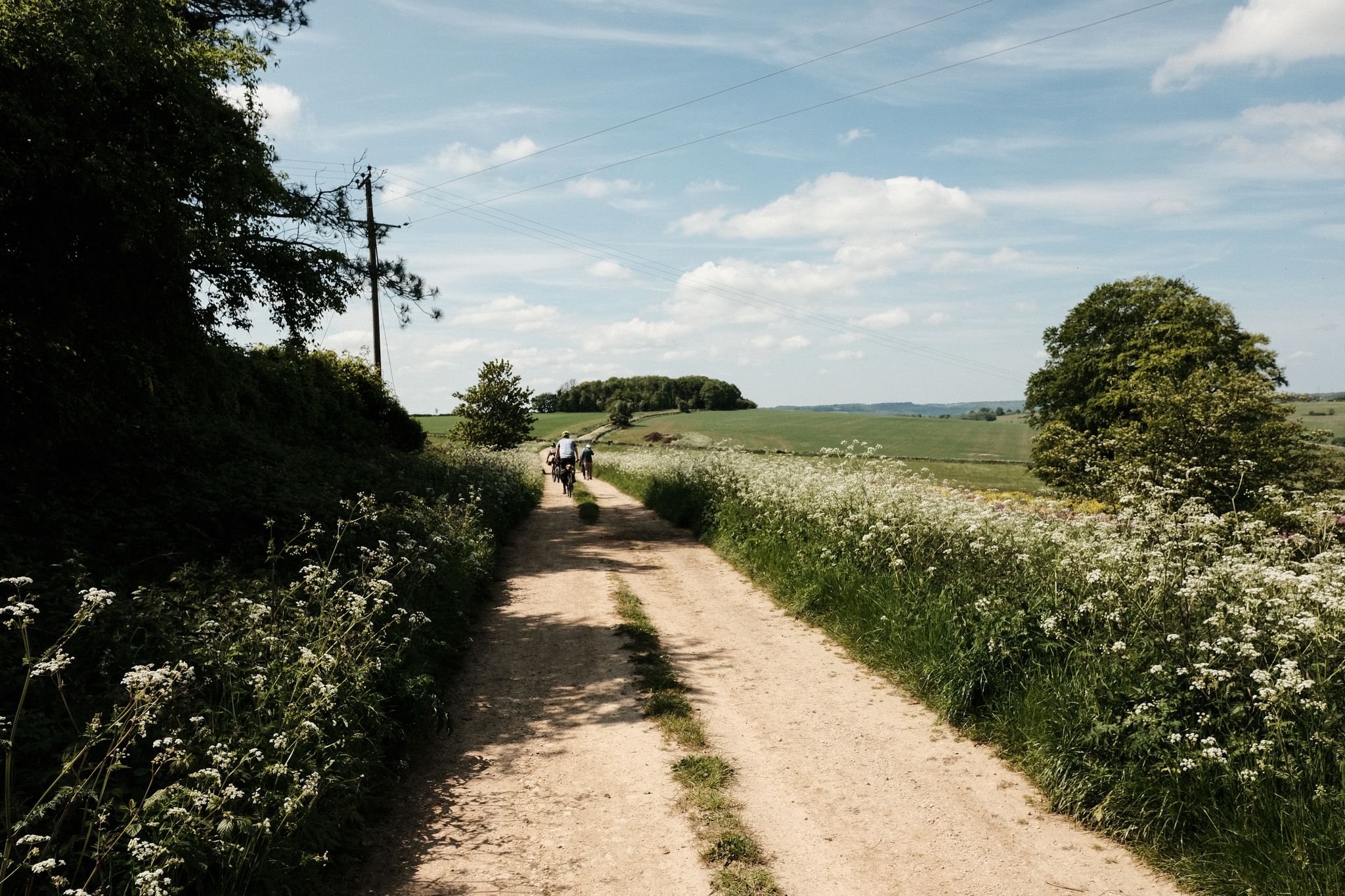
Middle Earth Loop — bikepacking the Wye, Malverns and Cotswolds
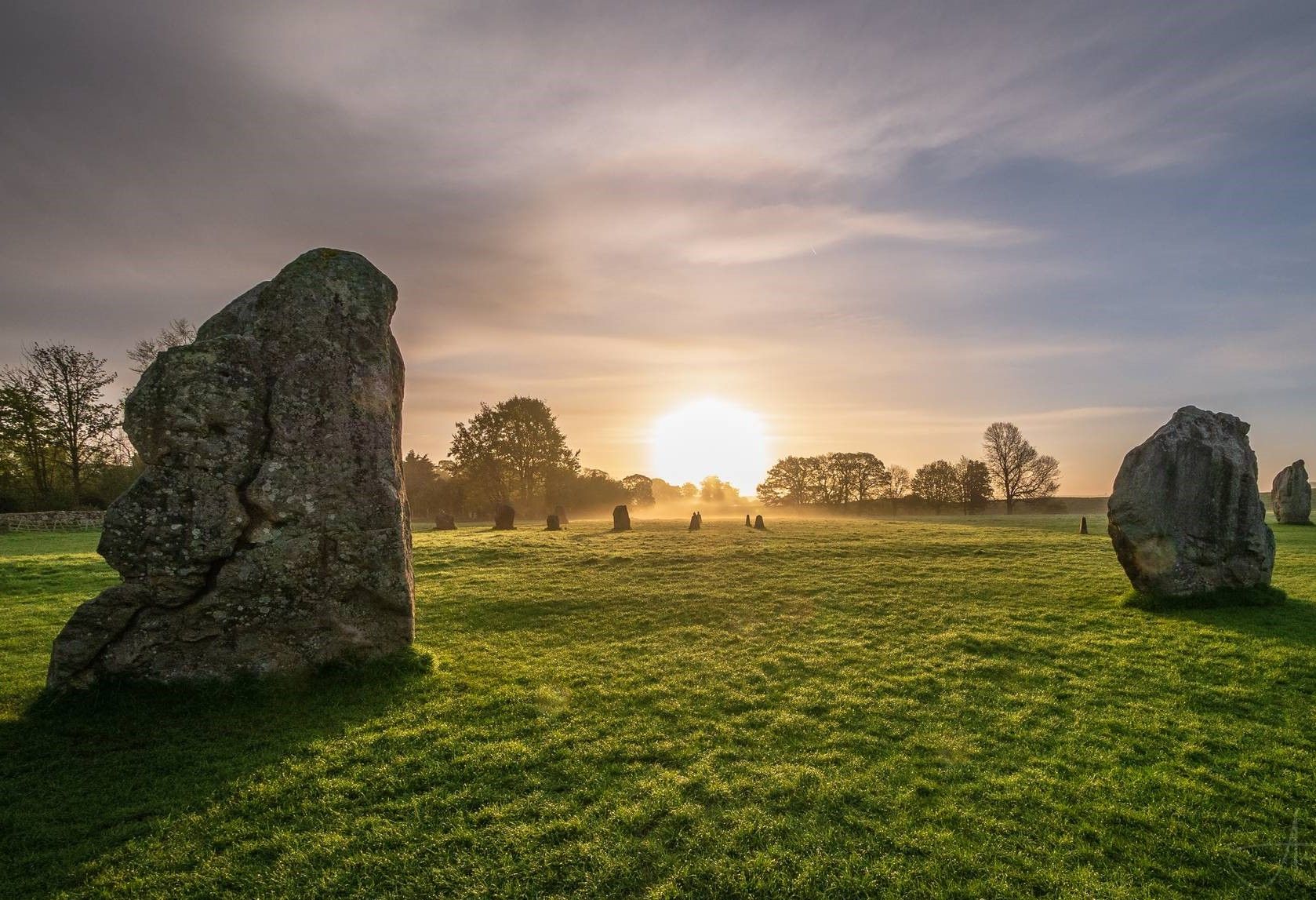
Celtic Way — An epic pilgrimage through prehistory and wild beauty
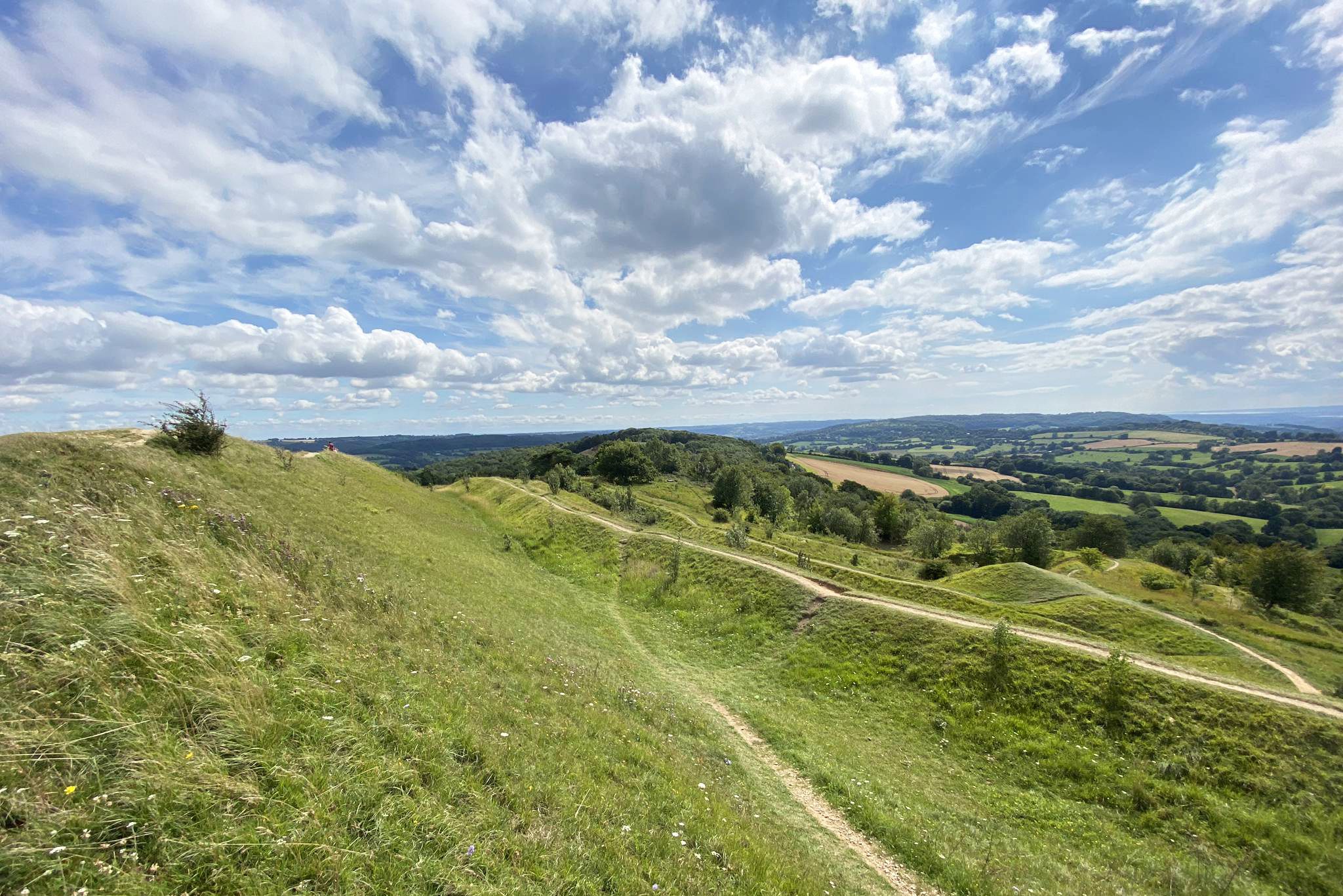
Wysis Way — Hike the golden link between the Wye and Thames
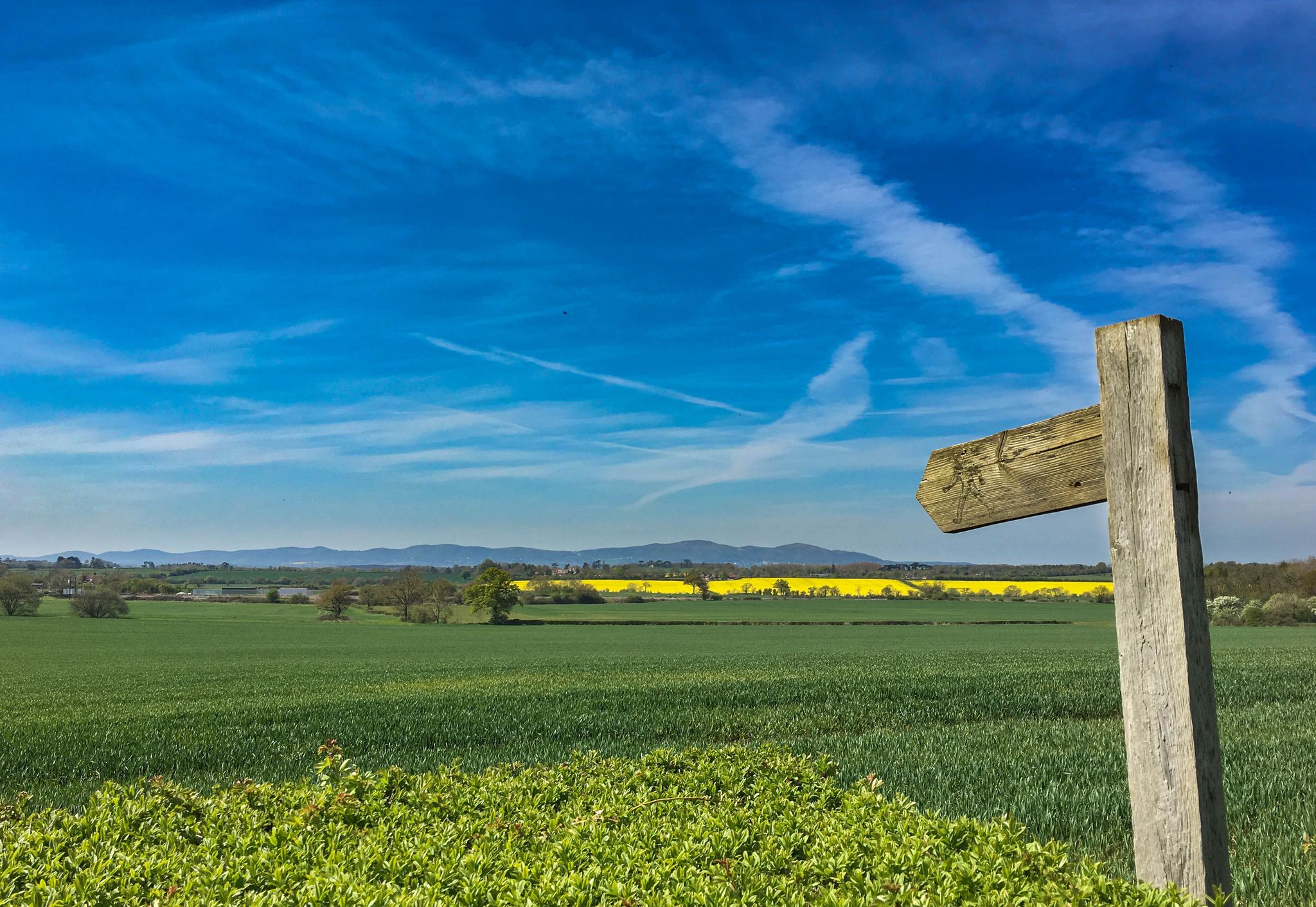
Wychavon Way — Hike rolling Cotswold hills and Worcestershire vales
Oxfordshire Way — An idyllic walk in the heart of rural England
Heart of England Way — A historic hike filled with wildlife and beauty
Monarch's Way: Part 2 — Conquer the longest inland trail in England

West Midlands Cycle Route – Where history comes alive
The Cotswold Way — hike the iconic trail in one week
Gravel bike in the UK's wildest landscapes with Wild Cycles


Tips from the Community


Fantastically beautiful views all around
0
0
Reasonably easy walk and great view from tower that contributes mid journey to being refreshed.
2
0
The Cotswold Way path is easy to lose at the crest of the hill at the entrance to the Broadway Tower property, as it takes a right angle turn to head toward Broadway along the stone wall and across the fields or, going the opposite direction, toward Chipping Campden down the rocky path.
2
0

The views from the top of the hill on the approach to the Long Barrow are well worth the calf and thigh burning walk up the steep path. Magnificent landscape.
0
0
Frequently Asked Questions
What are some of the most popular natural monuments to visit in the Cotswolds National Landscape?
The Cotswolds National Landscape offers a variety of popular natural monuments. Among the most highly rated by the komoot community are Kelston Roundhill, known for its spellbinding views over Bath, Bristol, and Somerset, and Broadway Tower, the second highest point on the Cotswold escarpment with views stretching into 16 counties. Other notable sites include Belas Knap Long Barrow, an ancient Neolithic burial site, and Haresfield Beacon, offering glorious views over the Severn Estuary and the Forest of Dean.
What unique geological features can I explore in the Cotswolds National Landscape?
The Cotswolds National Landscape is defined by its distinctive geology. The most prominent feature is the Cotswold Edge, a 52-mile escarpment of Jurassic oolitic limestone. This limestone is responsible for the region's golden 'Cotswold stone' and creates dramatic west-facing slopes and deep valleys. You can also find rare Jurassic limestone wildflower grasslands, rich in biodiversity, and ancient woodlands, particularly beech, along the escarpment.
Are there any historical or archaeological natural monuments in the Cotswolds?
Yes, the Cotswolds are rich in historical and archaeological sites that are intrinsically linked to the natural landscape. Examples include Neolithic long barrows like Belas Knap Long Barrow near Winchcombe, which provides insight into ancient burial practices. Iron Age hill forts, such as Uley Bury and Crickley Hill, also utilize prominent natural vantage points, offering both archaeological interest and strategic views.
Where can I find the best panoramic views of the Cotswolds?
For breathtaking panoramic views, several natural monuments stand out. The Cotswold Edge itself offers expansive vistas across the Vale of Evesham and the River Severn. Specific viewpoints include Kelston Roundhill, with 360-degree views encompassing Bath, Bristol, and even Wales on clear days. Broadway Tower and Painswick Beacon also provide exceptional panoramas from their elevated positions on the escarpment.
Are there family-friendly natural monuments in the Cotswolds AONB?
Yes, some natural monuments are well-suited for families. Broadway Tower is categorized as family-friendly and offers a unique castle experience at a high vantage point. Many of the wildflower grasslands and ancient woodlands also provide gentle paths suitable for family walks and nature observation.
What outdoor activities can I do near these natural monuments?
The natural monuments in the Cotswolds are excellent starting points for various outdoor activities, especially hiking. You can find numerous trails that incorporate these sites. For example, there are many hiking routes throughout the Cotswolds AONB, including moderate loops like the 'Broadway Tower loop from Broadway'. If you're looking for easier options, there are also easy hikes available, such as the 'Burford and River Windrush Roman Way'.
What is the best time of year to visit the natural monuments in the Cotswolds?
The best time to visit depends on what you wish to experience. For vibrant displays of wildflowers and butterflies, spring and summer are ideal, particularly in areas like Crickley Hill Country Park. Autumn is spectacular for viewing the ancient beechwoods along the escarpment, which turn brilliant colors. The panoramic views from sites like Kelston Roundhill are impressive year-round, though clearer conditions are more common outside of winter.
How difficult are the walks to these natural monuments?
The difficulty varies depending on the specific monument and chosen route. Many natural monuments, especially those along the Cotswold Edge, involve some climbing to reach viewpoints. For instance, the path to Haresfield Beacon is described as 'a bit of a climb but worth it'. However, there are also many easy hikes throughout the region that allow you to experience the natural beauty without strenuous effort.
What are the distinctive man-made features that integrate with the natural landscape?
Beyond the purely natural elements, the Cotswolds are famously characterized by their extensive dry stone walls. An estimated 4,000 miles of these mortar-less walls crisscross the landscape, built from local Cotswold limestone. They are not only aesthetically iconic but also serve as important ecological corridors and a testament to traditional craftsmanship and agricultural history.
Are there specific areas known for their rich biodiversity?
Yes, the Cotswolds National Landscape is home to several areas of significant biodiversity. The wildflower grasslands, particularly the Jurassic limestone grasslands, are incredibly rich, often hosting over 100 species of wildflowers and grasses, including various orchids. These grasslands are vital for wildlife, supporting species like the Adonis blue butterfly. The ancient woodlands also provide essential habitats for water voles, otters, brown hares, and horseshoe bats.
Can I find ancient woodlands to explore in the Cotswolds?
Absolutely. Around 10% of the Cotswolds National Landscape is covered by ancient and semi-natural woodlands. Beech woodlands are particularly prominent along the escarpment and in incised valleys, but you'll also find mixed oak, ash, sycamore, and maple. These woodlands offer tranquil spaces for walking and are crucial habitats for a variety of wildlife. The Cotswold Commons and Beechwoods National Nature Reserve contains some of the finest examples.
What do visitors enjoy most about the natural monuments in the Cotswolds AONB?
Visitors consistently praise the breathtaking panoramic views from various points along the Cotswold Edge, such as Kelston Roundhill and Painswick Beacon. The combination of fascinating archaeology, geology, and nature at sites like Haresfield Beacon is also highly appreciated. Many enjoy the serene beauty of the ancient woodlands and the vibrant colors of the wildflower grasslands, especially during spring and summer.
Most popular routes in Cotswolds Aonb
Most popular attractions in Cotswolds Aonb

Get inspired with the komoot mobile app


Explore more
Extend your search for the best caves by checking out these guides of the top ones in Cotswolds Aonb:
