Top 20 Natural Monuments in Mývatn-Laxá Region
Best natural monuments in Mývatn-Laxá Region showcase a landscape shaped by intense volcanic and geothermal activity. This area in Iceland offers unique insights into Earth's raw power, featuring diverse geological formations. Visitors can explore a variety of sites, from ancient lava fields to active geothermal areas. The region's natural features provide a comprehensive experience of Iceland's dynamic geology.
Best natural monuments in Mývatn-Laxá Region
- The most popular natural monuments is Hverfjall Crater, a volcano that formed about 2,500 to…
Last updated: July 5, 2026
Hverfjall Crater
Highlight • Volcano
Translated by Google •
Tip by

Gatklettur (The Kissing Trolls), Dimmuborgir
Highlight • Natural Monument
Translated by Google •
Tip by

Sign up now to discover places like this
Get recommendations on the best single tracks, peaks, & plenty of other exciting outdoor places.
Sign up for free
Dimmuborgir Lava Formations
Highlight • Natural Monument
Big Circle: 850 meters, a 20-minute walk. (yellow)
Krókastígur: 800 meters, a 40-minute walk. (light blue)
Mellönd Circle: 1200 meters, …
Tip by

Dimmuborgir
Highlight • Natural Monument
Translated by Google •
Tip by
Skútustaðagígar
Highlight • Natural Monument
The pseudocraters at Skutustadagigar, the Myvatn lake, are one of the most interesting geological features …
Showing Translation
Tip by
Sign up for free to discover even more natural monuments in Mývatn-Laxá Region.
Sign up for free
Already have an account?
Start today with a free account
Your next adventure awaits.
Login or Signup
Popular around Mývatn-Laxá Region
Tips from the Community

Dimmuborgir is a lava field and the remains of a lava lake east of Lake Mývatn in Iceland. It is located in a volcanically active region in the area of the Krafla volcanic system, directly east of the lake. To the northeast, adjacent, lies the tuff ring Hverfjall (SOURCE: Wikipedia)
0
0

Take the trail that is marked “difficult “ which keeps you out of the tour bus crowd
0
0

Gatklettur or "hole rock", is a lava gate or indeed a rock with a hole.
6
0
There is confusion about the kissing trolls. There are two rocks where you can see this image, but many call the lava gate that leads to Hverfjall that, while it is the Gatklettur.
6
0
Small Circle: 550 meters, a 10 or 15-minute walk. (blue) Big Circle: 850 meters, a 20-minute walk. (yellow) Krókastígur: 800 meters, a 40-minute walk. (light blue) Mellönd Circle: 1200 meters, a 30-minute walk. (green) Church Circle: 2,400 meters, a 60-minute walk. (red)
6
0
Shortly after the entrance you only have 1 viewpoint on the right and two viewpoints on the left. Before the visit you must choose a color code and follow posts.
7
0
Immediately after the entrance you have the first viewing platform on the right. Here you get a first impression of the Dimmiborgir (dark castles). You will also find an information board about the "sandflow erosion".
7
0
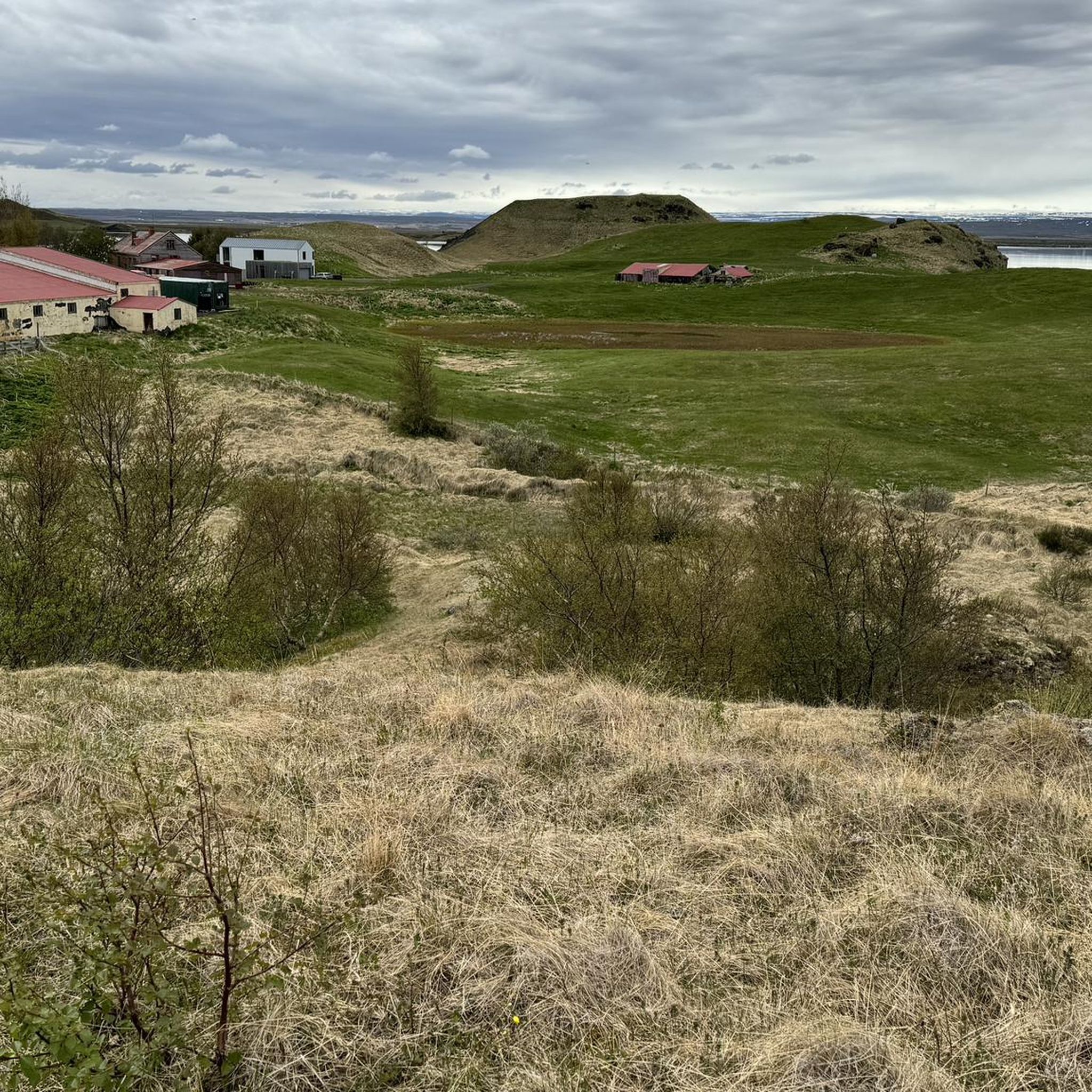
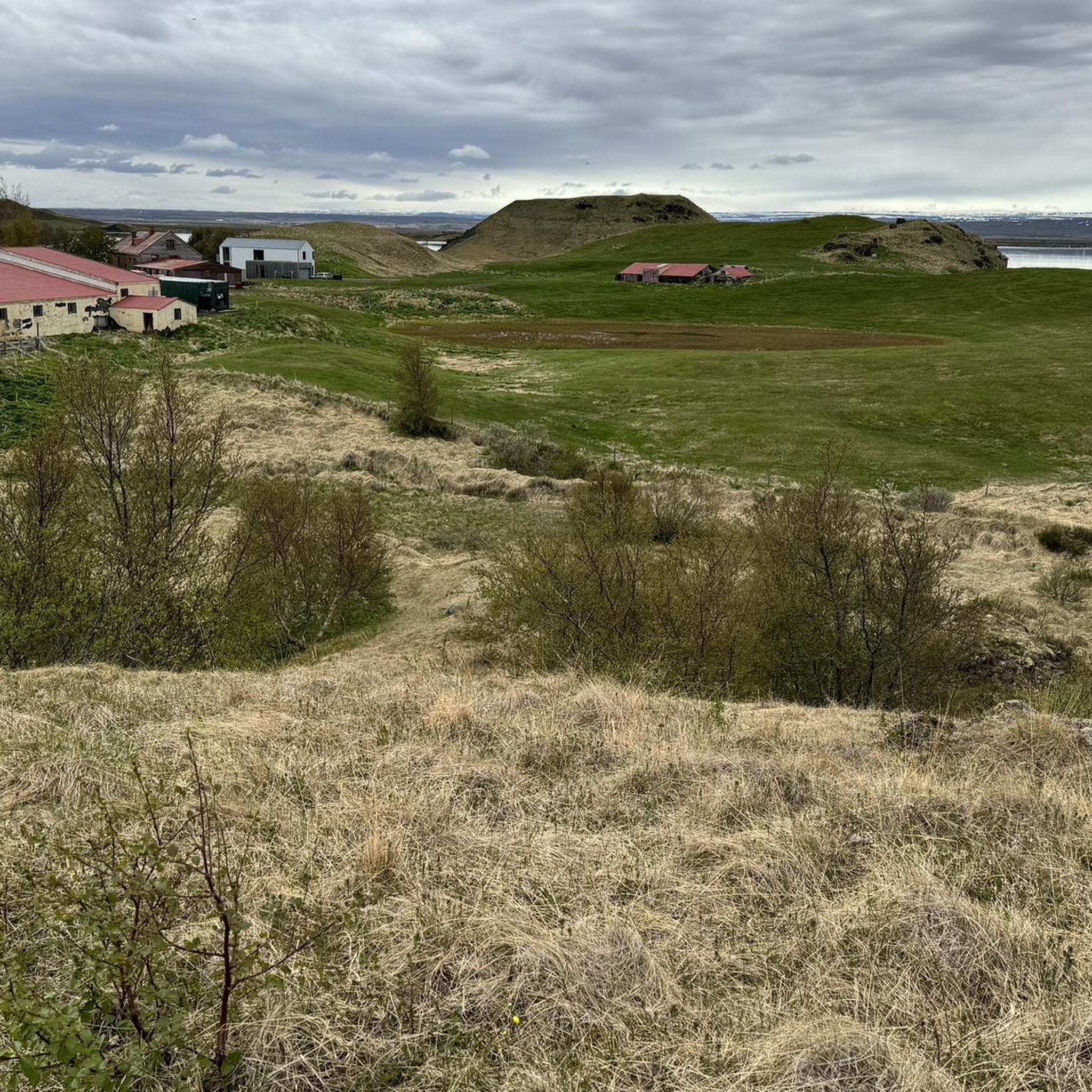
The Skútustaðagígar craters are a series of impressive pseudo-craters located in the Mývatn area of North Iceland. They are formed by steam explosions when hot lava flows over wet ground. Surrounded by the beautiful landscape of Lake Mývatn, these craters offer breathtaking views and are a popular destination for nature lovers and bird watchers.
8
0
Frequently Asked Questions
What kind of geological features can I expect to see in the Mývatn-Laxá Region?
The Mývatn-Laxá Region is a geological marvel, showcasing a diverse array of natural monuments shaped by intense volcanic and geothermal activity. You can expect to see unique formations like pseudocraters, towering lava pillars, massive volcanic craters, geothermal hot springs, and active geothermal areas with mud pots and steam vents. The landscape is a testament to Earth's raw power.
Are there hiking opportunities at the natural monuments in the Mývatn-Laxá Region?
Yes, many natural monuments offer excellent hiking opportunities. For instance, you can hike to the rim of Hverfjall Crater for panoramic views, or explore the various trails through the Dimmuborgir Lava Formations. The Easy hikes in Mývatn-Laxá Region guide offers routes like the Skútustaðagígar Pseudocraters loop.
What is special about the Dimmuborgir lava formations?
Dimmuborgir, meaning 'dark castles,' is a surreal lava field known for its unique and towering lava pillars, natural arches, and deep caverns. Formed by a volcanic eruption about 2,300 years ago, it's steeped in Icelandic folklore, said to be home to trolls and the Icelandic Yule Lads. Visitors can explore various well-marked hiking trails, including the 'Church Circle' which leads to the iconic 'Lava Church' (Kirkjan).
Can I bathe in the Grjótagjá Cave hot spring?
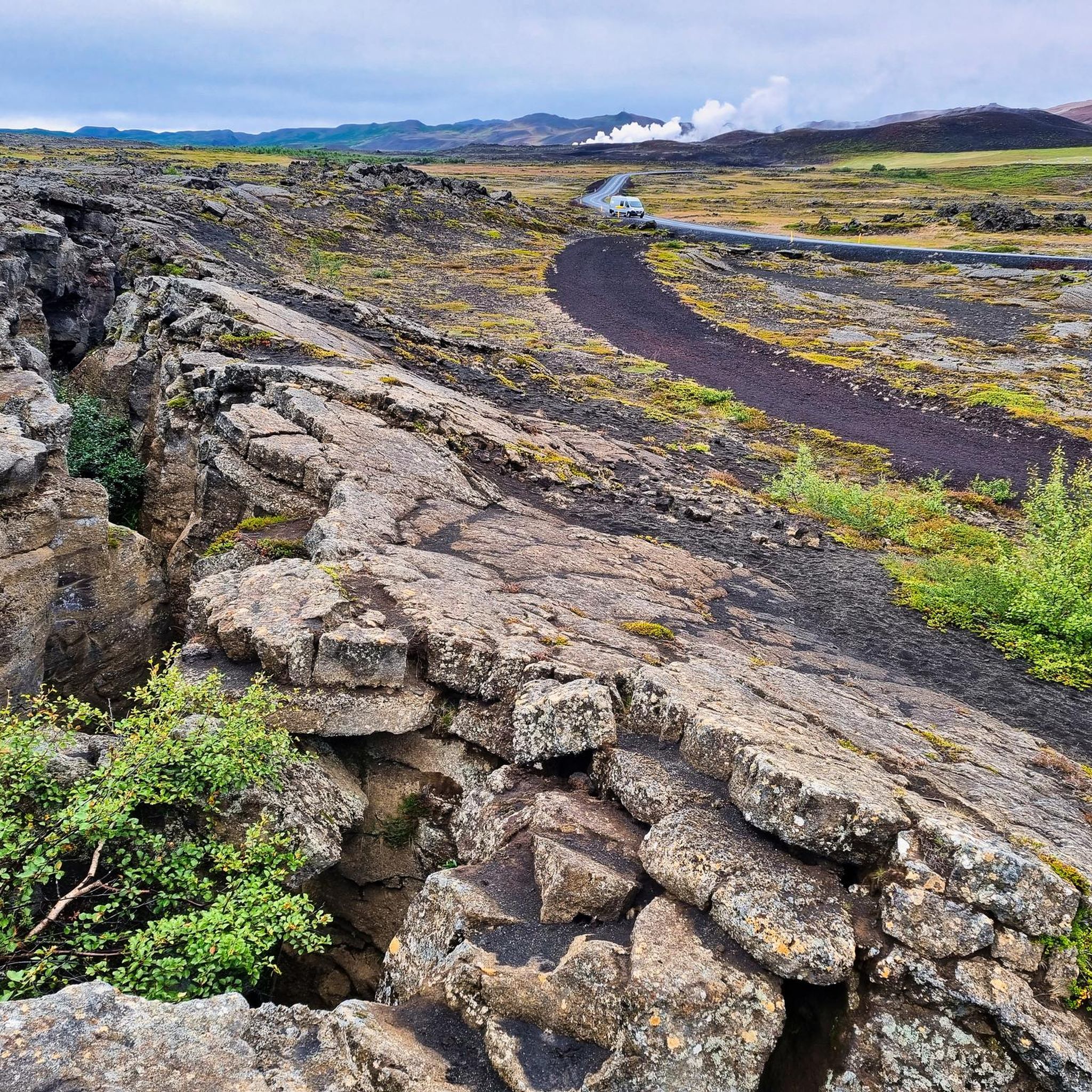
While Grjótagjá Cave is known for its vivid geothermal hot spring and once served as a popular bathing spot, bathing is no longer recommended due to temperature fluctuations. The cave's mysterious ambiance and intricate rock formations, along with its fame as a filming location for 'Game of Thrones,' still make it a captivating site to visit.
What makes Hverfjall Crater a significant natural monument?
Hverfjall is a massive and nearly circular tephra cone volcano, one of the largest and best-preserved volcanic craters of its kind in the world. It formed about 2,500 to 2,800 years ago in a single explosive eruption. Hiking to its rim provides breathtaking panoramic views of Lake Mývatn, the Dimmuborgir lava fields, and the surrounding volcanic landscape.
What are the Skútustaðagígar pseudocraters?
Skútustaðagígar are unusual 'pseudo-craters' formed about 2,300 years ago when hot lava flowed over wetlands, causing steam explosions. These circular mounds resemble volcanic craters but lack a magma chamber. It's one of the world's largest pseudocrater fields, offering easy hiking trails and excellent birdwatching opportunities, especially for waterfowl.
What can I expect at the Námafjall Hverir geothermal area?
Námafjall Hverir is a vibrant geothermal area characterized by boiling mud pots, bubbling geysers, and steaming vents (fumaroles and solfataras) that release a strong sulfur smell. The soil is devoid of vegetation and takes on striking shades of red, orange, and yellow due to mineral deposits, creating a surreal, otherworldly landscape often compared to Mars.
Is Goðafoss waterfall considered a natural monument in this region?
Yes, Goðafoss, known as the 'Waterfall of the Gods,' is one of Iceland's most famous waterfalls and a significant natural monument. It stands at 12 meters tall and 30 meters wide, fed by the Skjálfandafljót River. Beyond its natural beauty, it holds historical importance as the site where pagan idols were reportedly thrown, symbolizing Iceland's conversion to Christianity.
What is the Krafla Víti explosion crater?
Víti, meaning 'Hell' in Icelandic, is a striking geothermal explosion crater within the active Krafla volcanic system. Formed during a massive eruption in 1724, it's approximately 300 meters wide and contains a vividly colored blue-green lake. Visitors can walk along the crater rim to enjoy sweeping views and the contrast between the colorful lake and rugged volcanic surroundings.
Are there easy or family-friendly walks among the natural monuments?
Absolutely. The Dimmuborgir Lava Formations offer several well-marked trails of varying lengths, including a 'Small Circle' (10-15 minutes) and a 'Mellönd Circle' (30 minutes), making them suitable for families. The Skútustaðagígar pseudocraters also have easy hiking trails. For more options, check the Easy hikes in Mývatn-Laxá Region guide.
What kind of outdoor activities can I do near the natural monuments?
Beyond exploring the monuments themselves, the region offers various outdoor activities. You can find numerous running trails, such as loops around Grjótagjá Cave or from Skútustaðagígar, as detailed in the Running Trails in Mývatn-Laxá Region guide. Cycling is also popular, with routes like the Skútustaðagígar Pseudocraters to Grjótagjá Cave loop, available in the Cycling in Mývatn-Laxá Region guide.
When is the best time to visit the natural monuments in the Mývatn-Laxá Region?
The best time to visit largely depends on your preferred activities. Summer (June to August) offers milder weather, longer daylight hours, and easier access to all sites, ideal for hiking and birdwatching. Spring and autumn provide beautiful colors and fewer crowds. Winter offers a unique, snow-covered landscape and opportunities to see the Northern Lights, though some areas might be less accessible.
Most popular attractions in Mývatn-Laxá Region

Get inspired with the komoot mobile app


Explore more
Extend your search for the best caves by checking out these guides of the top ones in Mývatn-Laxá Region:
