Top 20 Natural Monuments in Parc Naturel Régional De La Martinique
Best natural monuments in Parc Naturel Régional De La Martinique showcase diverse landscapes, rich biodiversity, and unique geological formations. The region features Mount Pelée, an active stratovolcano, and the Pitons du Carbet, volcanic spires designated as a UNESCO World Heritage Site. These areas are characterized by lush rainforests and rugged volcanic terrain. The Caravelle Peninsula Nature Reserve further contributes with varied coastal ecosystems, mangroves, and dry forests.
Best natural monuments in Parc Naturel Régional De La Martinique
- The most popular…
Last updated: July 5, 2026
Mount Pelée Trail
Highlight • Trail
Translated by Google •
Tip by

Jardin de Balata
Highlight • Natural Monument
Translated by Google •
Tip by

Sign up now to discover places like this
Get recommendations on the best single tracks, peaks, & plenty of other exciting outdoor places.
Sign up for free
Caravelle Lighthouse
Highlight • Monument
Translated by Google •
Tip by

Ascent to L'Aileron (Montagne Pelée)
Highlight • Climb
Translated by Google •
Tip by

Cliffs of La Trinité
Highlight • Natural Monument
Translated by Google •
Tip by
Sign up for free to discover even more natural monuments in Parc Naturel Régional De La Martinique.
Sign up for free
Already have an account?
Start today with a free account
Your next adventure awaits.
Login or Signup
Popular around Parc Naturel Régional De La Martinique
Tips from the Community

A very difficult hike; it's astonishing how many people are wearing inadequate footwear. Steep ascents and descents with high steps, often slippery due to the frequent cloud cover. The final section from the third refuge to the summit of "Le Chinois" is only recommended for experienced hikers, as it consists almost entirely of boulders. It's also advisable to wear long trousers, as you'll frequently be scraping along bushes. The detour of about 150 meters to the summit cross to the left of the arrival point on the crater rim is a good path, but unfortunately very overgrown. Nevertheless, it's an absolutely worthwhile detour because the cross offers a fantastic view south across the entire island, and you can also look down into the crater.
0
0
Difficult hike, unmaintained trails, broken steps, lots of climbing and crevasses on the way up. Very cloudy at the summit despite arriving around 7 a.m. But very beautiful view of the Caldera Pass.
0
0

take enough water with you so you can enjoy the whole way
0
0

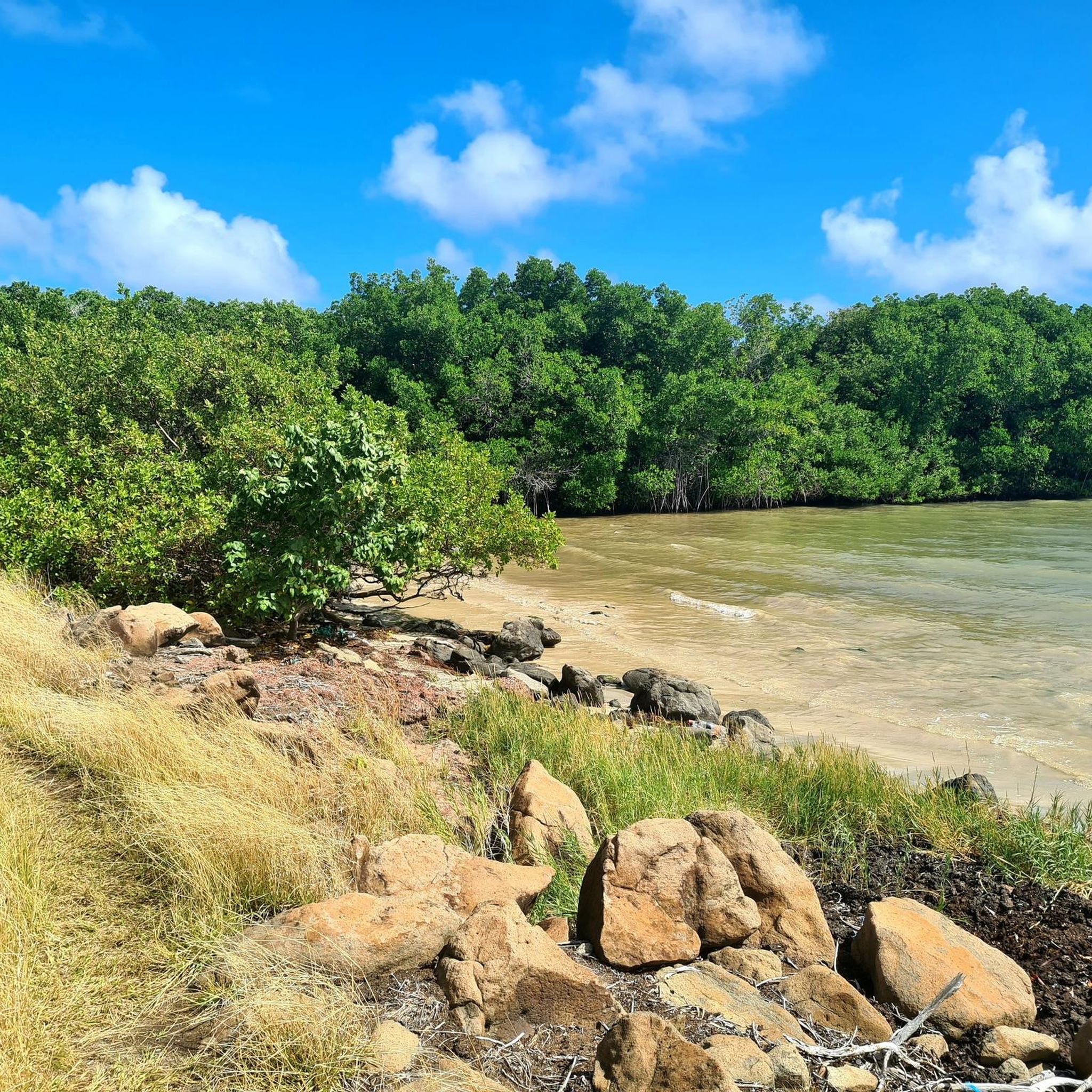
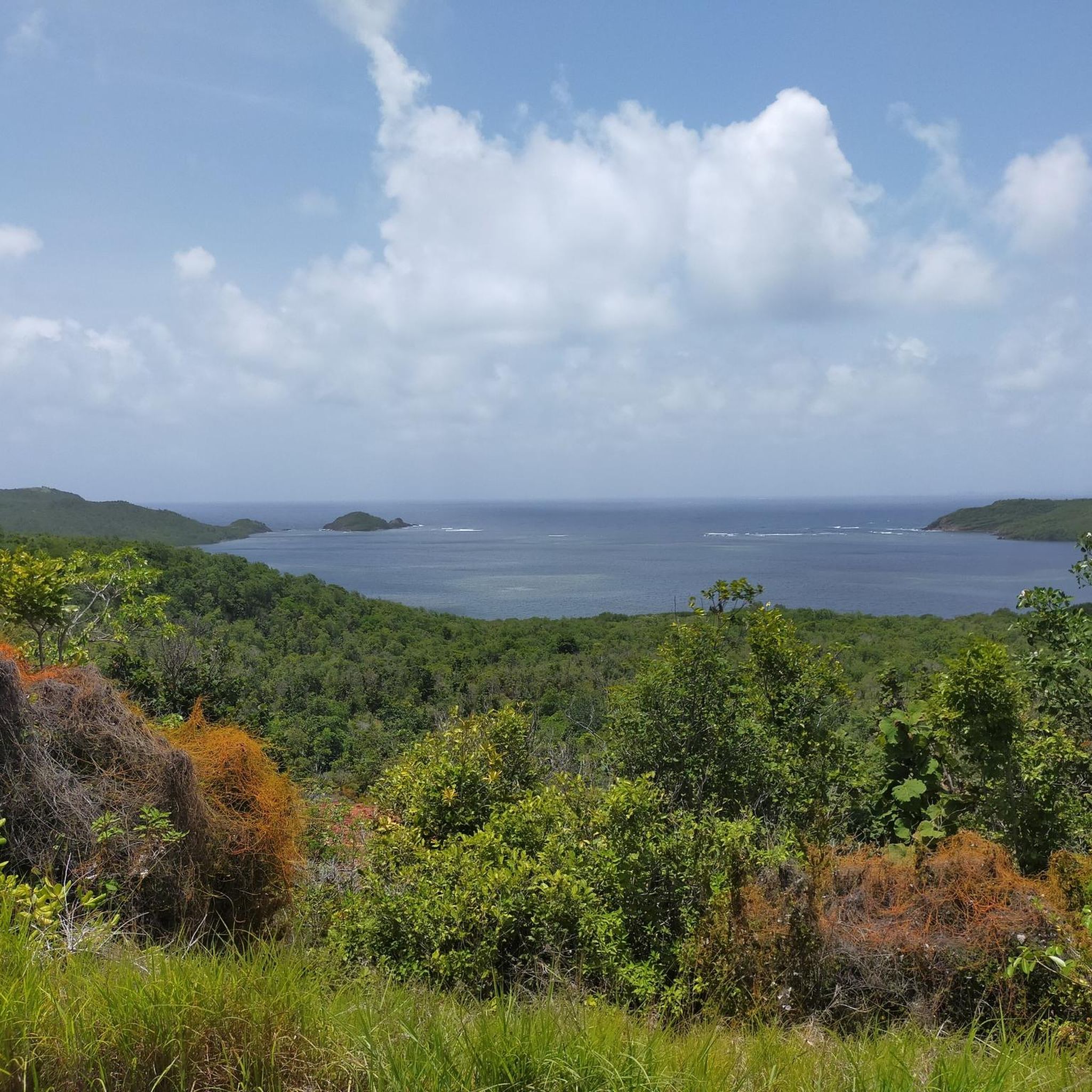
Perched above the Atlantic Ocean, these steep cliffs reveal breathtaking views of the rough sea and wild coastline. The trail along the cliffs winds through lush tropical vegetation, where mangroves, dry forests and secret coves mingle.
0
0
This trail, which winds through lush tropical vegetation, leads hikers to breathtaking viewpoints of the island and the Atlantic Ocean. As you climb, the landscapes reveal themselves with cliffs, green valleys, and at the top, a breathtaking view of the caldera and the surrounding area.
1
1

As its name suggests, this lighthouse is located on the tip of the Caravelle peninsula. Built on a small peak, it peaks at 162.55 meters, which is in fact one of the highest in France. This allows for beautiful views overlooking the ocean and Martinique.
0
0

Along the Sentier de la Montagne Pelée, you will hike one of the most iconic volcanoes in the Caribbean. During your climb, you will pass through lush rainforests and rugged volcanic landscapes, with breathtaking views of the island of Martinique, but also of the Atlantic and the Caribbean Sea.
3
1
Frequently Asked Questions
What are some unique natural monuments to explore in Parc Naturel Régional De La Martinique?
The region offers several unique natural monuments. You can explore the dramatic Cliffs of La Trinité, which reveal breathtaking views of the wild coastline and rough Atlantic sea. Another distinctive experience is the Mount Pelée Trail, leading you through lush rainforests and rugged volcanic landscapes of the active stratovolcano, offering panoramic views of the island.
Are there family-friendly natural monuments in Parc Naturel Régional De La Martinique?
Yes, for a family-friendly experience, the Saut du Gendarme waterfall is an excellent choice. It's easily accessible by road and features a natural pool and a shallow river downstream, perfect for children. Coeur Bouliki also offers a relaxing environment with marked trails, rivers for bathing, and amenities, making it comfortable for a day out with the family.
What kind of wildlife can I expect to see at the natural monuments?
The natural monuments in Parc Naturel Régional De La Martinique are rich in biodiversity. At the Caravelle Peninsula Nature Reserve, you might spot sucriers, Antillean crested hummingbirds, Martinique orioles, and various crabs. The volcanic regions, including Mount Pelée and the Pitons du Carbet, are havens for globally threatened species like the Martinique Volcano Frog and the Martinique Oriole, alongside 90% of the trees endemic to the Lesser Antilles.
What are the best natural monuments for hiking and scenic views?
For challenging hikes and stunning panoramic views, consider the Ascent to L'Aileron (Montagne Pelée), which reveals cliffs, green valleys, and a view of the caldera. The Pitons du Carbet also offer some of the best hiking opportunities on the island, with routes through thick tropical rainforests. For coastal vistas, the Caravelle Peninsula Nature Reserve has marked circuits and superb viewpoints, including from the Caravelle Lighthouse.
What is the historical significance of the natural monuments in the region?
Mount Pelée holds significant historical importance due to its devastating 1902 eruption. The entire northern region, encompassing Mount Pelée and the Pitons du Carbet, was designated a UNESCO World Heritage Site in 2023, recognizing its exceptional geology and biodiversity. The Caravelle Peninsula also features the historical Château Dubuc, a starting point for its hiking trails.
What outdoor activities can I do near these natural monuments?
Beyond exploring the natural monuments themselves, the Parc Naturel Régional De La Martinique offers various outdoor activities. You can find numerous road cycling routes, such as the 'Vue sur le Diamant loop from Parking du Casino,' or explore mountain biking trails like the 'Savane des Pétrifications – Grande Terre des Salines Beach loop from Sainte-Anne.' For more options, you can check out the guides for Road Cycling Routes, MTB Trails, and Cycling in the region.
What is the best time to visit the natural monuments in Parc Naturel Régional De La Martinique?
The dry season, typically from December to May, is generally considered the best time to visit. During these months, the weather is sunnier and less humid, making hiking and outdoor exploration more comfortable. This period also offers clearer views from elevated points like Mount Pelée and the Caravelle Lighthouse.
Are there any natural monuments suitable for beginners or those looking for easier access?
Yes, the Saut du Gendarme waterfall is very easily accessible, located right by the roadside, making it a perfect, refreshing stop for all visitors. Coeur Bouliki also offers marked trails that are suitable for various fitness levels, allowing for a deep dive into the tropical forest without overly strenuous effort.
What should I wear when visiting the natural monuments, especially for hiking?
When hiking, especially on trails like Mount Pelée, it's advisable to wear sturdy hiking shoes with good grip, as paths can be slippery and unmaintained. Long trousers are recommended to protect against bushes. Due to frequent cloud cover and potential rain, bringing a waterproof jacket is also a good idea. For less strenuous visits, comfortable clothing and walking shoes are sufficient.
What natural features characterize the Caravelle Peninsula Nature Reserve?
The Caravelle Peninsula Nature Reserve is characterized by a remarkable range of landscapes, including grassy savannahs, mangroves, rocky coasts, steep cliffs, and dry forests. It rests on volcanic soil and is a protected area showcasing diverse ecosystems and endemic plant species of the Lesser Antilles.
Can I swim in any of the natural monuments?
Yes, at Coeur Bouliki, you can swim in the cool, invigorating waters of the Rivière Blanche, which is a popular spot for bathing. The Saut du Gendarme waterfall also cascades into a natural pool, and the area downstream features a shallow river, both suitable for a refreshing dip.
What do visitors enjoy most about the natural monuments in Parc Naturel Régional De La Martinique?
Visitors frequently highlight the breathtaking panoramic views, especially from volcanic peaks and coastal cliffs. The immersion in lush tropical vegetation, the unique biodiversity, and the refreshing experience of waterfalls and rivers are also highly appreciated. Many enjoy the challenging yet rewarding hikes and the sense of adventure these natural sites provide.
Most popular routes in Parc Naturel Régional De La Martinique
Most popular attractions in Parc Naturel Régional De La Martinique

Get inspired with the komoot mobile app


Explore more
Extend your search for the best caves by checking out these guides of the top ones in Parc Naturel Régional De La Martinique:
