Espai D'Interès Natural De L'Estany De Banyoles
Espai D'Interès Natural De L'Estany De Banyoles
Top 6 Natural Monuments in Espai D'Interès Natural De L'Estany De Banyoles
Best natural monuments in Espai D'Interès Natural De L'Estany De Banyoles are centered around the Lake of Banyoles, Catalonia's largest natural lake. This area is recognized for its extensive karstic complex, formed by geological activity and subterranean aquifers. The region holds significant ecological and scenic value, protected under various designations. Visitors can explore a landscape shaped by water and limestone, featuring unique geological formations and diverse natural habitats.
Best natural monuments in Espai D'Interès Natural De L'Estany De Banyoles
- The…
Last updated: July 5, 2026
Lake Banyoles
Highlight • Lake
Translated by Google •
Tip by

Rector's Spring
Highlight • Natural Monument
Translated by Google •
Tip by

Sign up now to discover places like this
Get recommendations on the best single tracks, peaks, & plenty of other exciting outdoor places.
Sign up for free
Travertine Formations at Les Estunes
Highlight • Natural Monument
Translated by Google •
Tip by

Lake Banyoles
Highlight • Lake
Tip by

Camp de Baix Spring
Highlight • Natural Monument
Translated by Google •
Tip by
Sign up for free to discover even more natural monuments in Espai D'Interès Natural De L'Estany De Banyoles.
Sign up for free
Already have an account?
Start today with a free account
Your next adventure awaits.
Login or Signup
Popular around Espai D'Interès Natural De L'Estany De Banyoles
From the Mediterranean to the Pre-Pyrenees – Historical Path in Catalonia (GR 1)
Road Cycling Routes in Espai D'Interès Natural De L'Estany De Banyoles
Cycling in Espai D'Interès Natural De L'Estany De Banyoles
MTB Trails in Espai D'Interès Natural De L'Estany De Banyoles

Gravel biking in Espai D'Interès Natural De L'Estany De Banyoles
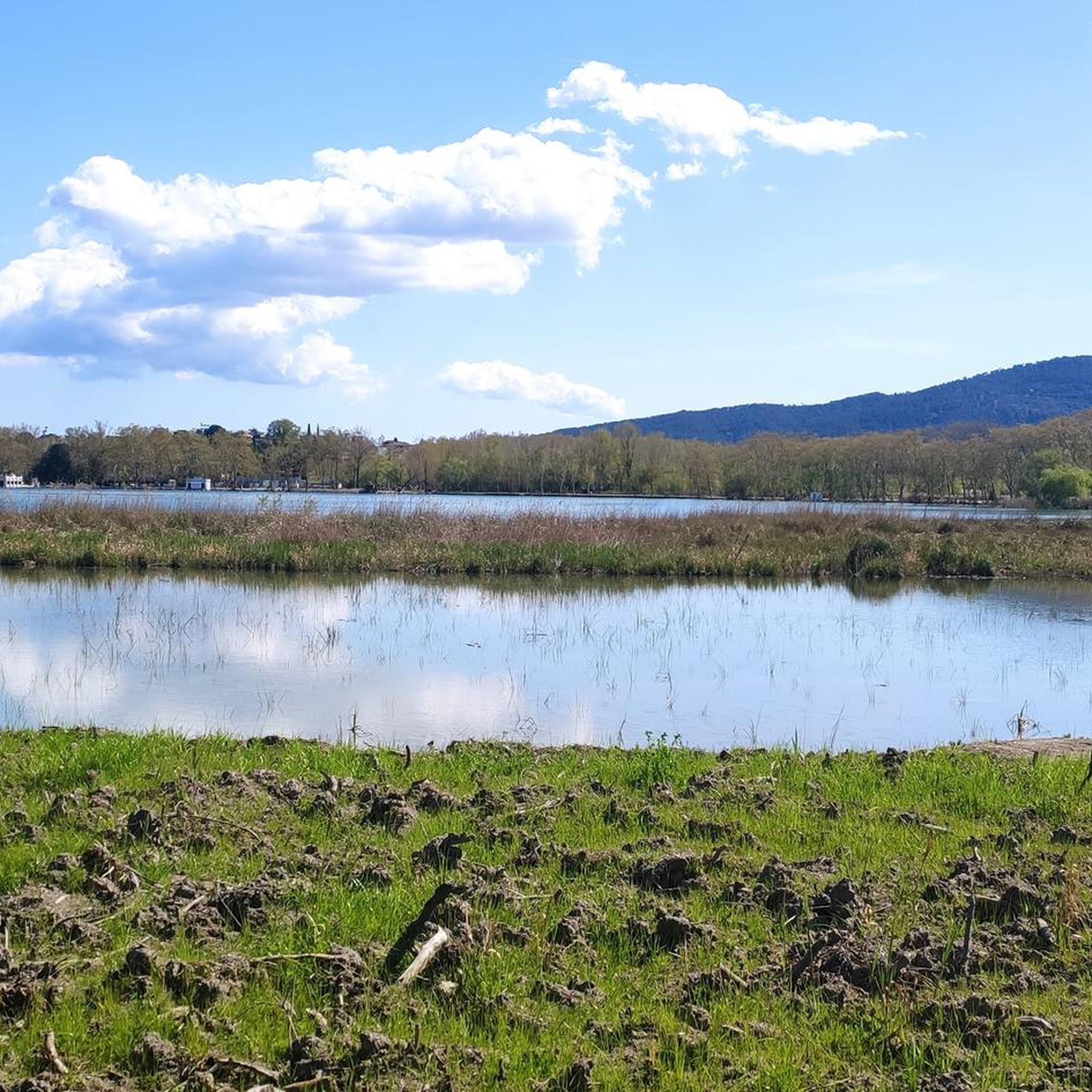
Hiking in Espai D'Interès Natural De L'Estany De Banyoles
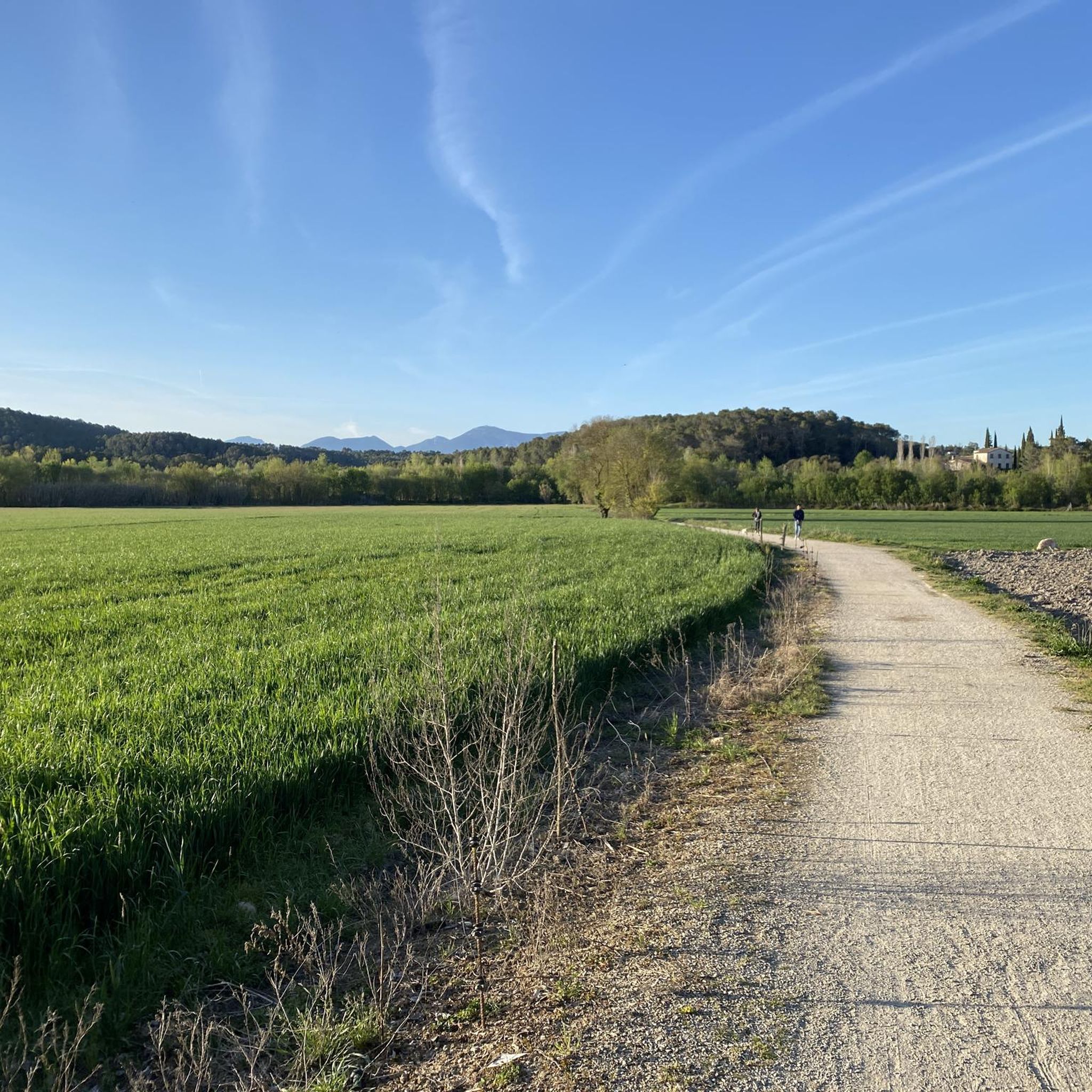
Running Trails in Espai D'Interès Natural De L'Estany De Banyoles
Other adventures in Espai D'Interès Natural De L'Estany De Banyoles

Tips from the Community

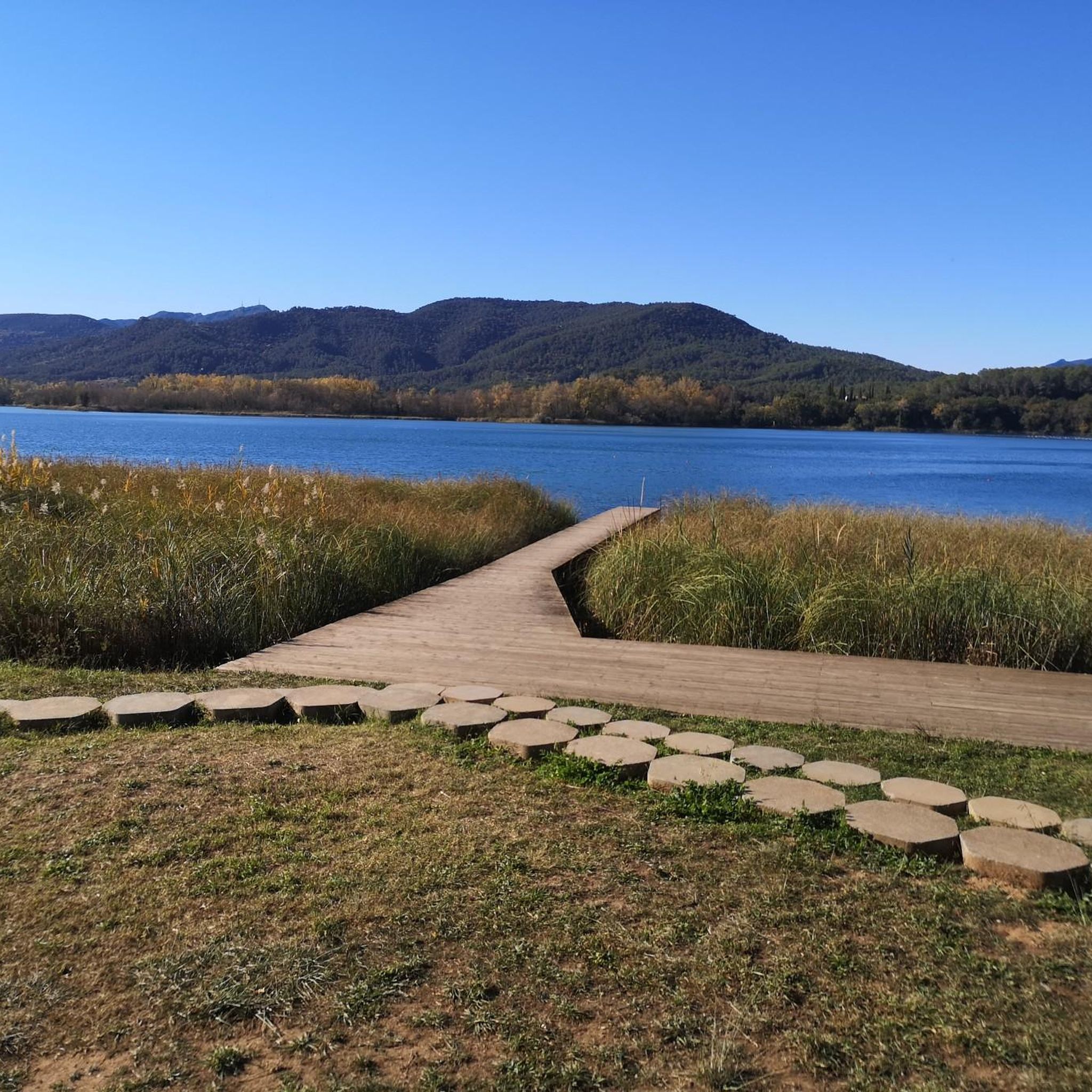
Lake of Banyoles is located in northeastern Catalonia, Spain and is the region's largest natural lake, covering approximately 1.575 square kilometers. Formed over 250,000 years ago due to tectonic activity, it is fed by subterranean channels with natural in/outflow. Surrounded by green hills the lake is a popular destination for rowing. The lake hosted the rowing competitions during the 1992 Barcelona Olympics. Its clear waters and scenic surroundings make it a favored spot for swimming, boating, and hiking.
0
1


Lots of cafes to choose from but I recommend Aquarium!
3
0

Best place to be. Wonderful mute in teh hole village
1
1

Lake Banyoles is the largest non-coastal pond, and whose water springs naturally, in Catalonia. The lake is a classic cycling destination in Girona, since one of the province's greenways reaches the town of Banyoles, and it also has a bike lane that allows you to go around the lake.
5
0

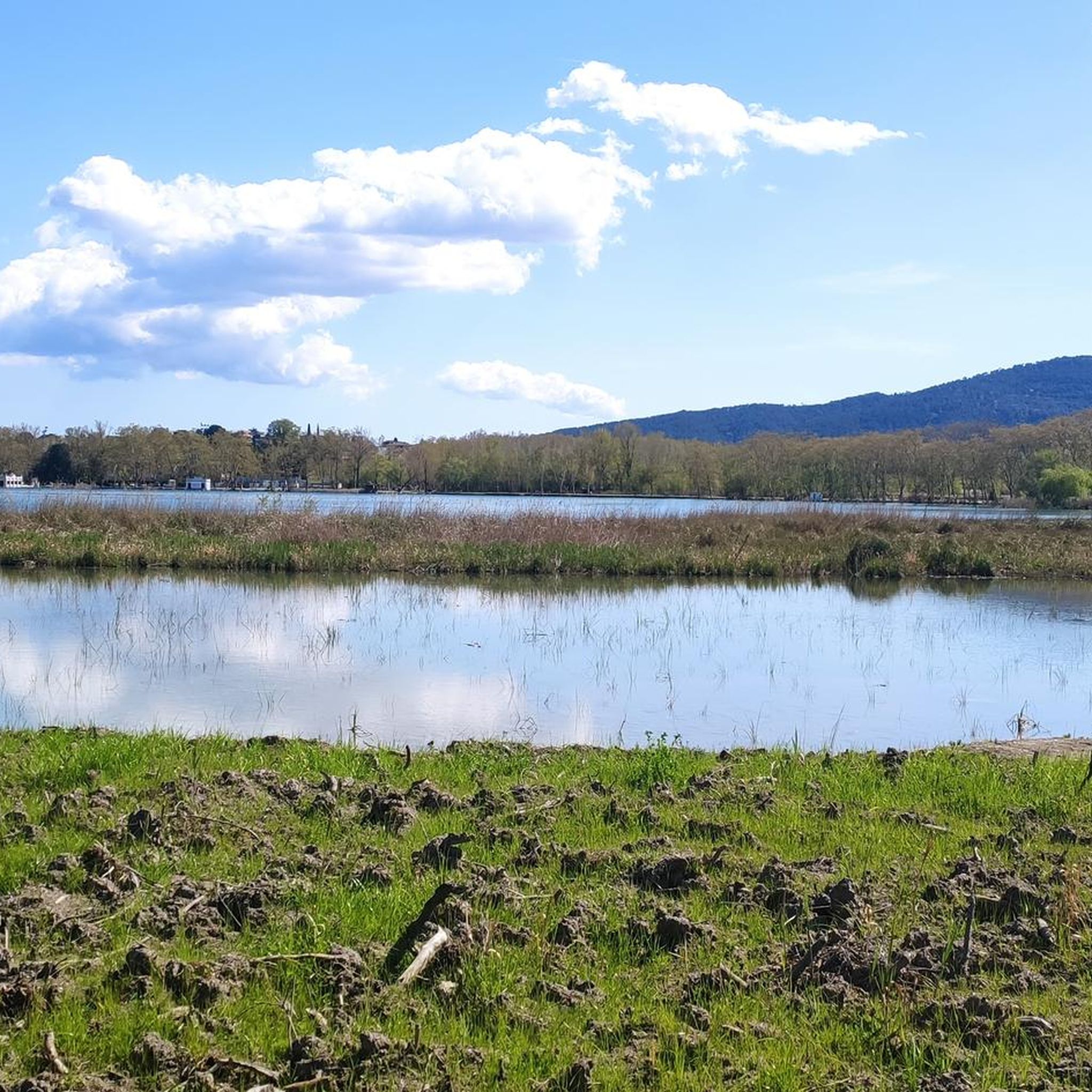
It will depend a lot on the time of year, whether you have water or not. Also, you may find that the pond rises in level flooding the fountain space or well, there is a lot of mud, so you is difficult to access. The Fountain set is very simple, the water exits through a metal tube located in the middle of the wall and above it there is a closed cistern ventilation window through a fence. It's a very beautiful place because of the vegetation in the area, as the Fountain is located so close to the lake, it gets very humid in certain seasons of the year.
0
1
Around the Font is one of the few protected plants in the natural area of the Lake. It is a small fern (Thelypteris palustris) that grows next to the pond in this area. To avoid damaging the fern, the space has been adapted so that people do not step on or access the edges of the Pond around the Fountain. It is recommended not to leave the marked areas. Iberian remains have also been found that would indicate human presence in this area between the 5th and 2nd centuries BC
0
1
Frequently Asked Questions
What unique natural features define the Espai D'Interès Natural De L'Estany De Banyoles?
The region is renowned for its extensive karstic complex, centered around the Lake Banyoles, Catalonia's largest natural lake. You'll find unique geological formations like the travertine cracks and crevices at Travertine Formations at Les Estunes, as well as various springs and smaller lagoons.
What is the geological origin of the Lake of Banyoles?
The Lake of Banyoles was formed approximately 250,000 years ago during the Quaternary period. Its origins are attributed to tectonic activity and subsequent karst phenomena, which caused the ground to sink. The lake is primarily fed by subterranean aquifers originating from the Alta Garrotxa region.
Are there other notable water bodies besides Lake Banyoles in the area?
Yes, the broader lacustrine system includes several smaller lagoons and marshes that contribute to the rich karstic landscape. These include the Estanyol del Vilar, Estanyol d'en Montalt, Estanyol de can Cisó, Estanyol Nou, Estanyol d'Ordis, and the temporary Estany d'Espolla.
What outdoor activities can I do near these natural monuments?
The area offers a variety of outdoor activities. You can enjoy easy hikes, cycling, and gravel biking. For specific routes, explore the guides for easy hikes, cycling, and gravel biking in Espai D'Interès Natural De L'Estany De Banyoles.
Can I swim in the Lake of Banyoles?
Bathing in the Lake Banyoles is generally restricted for nature conservation. However, swimming is permitted at approved areas such as La Caseta de Fusta bathing area, which is one of the few designated spots where you can enjoy the lake's waters.
Are the natural monuments in Espai D'Interès Natural De L'Estany De Banyoles family-friendly?
Many areas are suitable for families. The perimeter path around Lake Banyoles is flat and well-maintained, perfect for walks or cycling with children. The Rector's Spring and La Caseta de Fusta bathing area are also considered family-friendly spots.
What kind of wildlife can be observed around the natural monuments?
The area is rich in biodiversity. Around Lake Banyoles, you might spot various fish species, birds like mallards and kingfishers, and even mammals such as otters. The protected fern, Thelypteris palustris, can be found near the Rector's Spring.
Are there any historical or cultural aspects associated with the natural monuments?
Yes, Travertine Formations at Les Estunes is steeped in local folklore, known as the legendary dwelling of the 'Goges' or water women. Tales suggest their songs and parties can be heard on calm nights. Additionally, Iberian remains dating back to the 5th to 2nd centuries BC have been found near the Rector's Spring, indicating ancient human presence.
What is the best way to explore the perimeter of Lake Banyoles?
The Lake Banyoles offers an approximately 7-kilometer perimeter path that is flat and well-maintained. It's ideal for walking, running, or cycling, allowing visitors to enjoy the changing scenery and explore traditional 'pesqueres' (small recreational constructions) on the eastern shore.
What makes Les Estunes a unique natural monument?
Les Estunes is characterized by its unique travertine formations, including cracks and crevices, set within a tranquil oak and spongy oak forest. It's recognized as a geotope for its geological interest and is also known for its local folklore about the 'Goges' or water women, adding a mystical element to its natural beauty.
What do visitors enjoy most about the natural monuments in Espai D'Interès Natural De L'Estany De Banyoles?
Visitors particularly appreciate the serene beauty and diverse activities offered. The Lake Banyoles is a classic cycling destination with a dedicated bike lane, and its designated bathing area at La Caseta de Fusta is highly popular. The unique geological features and tranquil atmosphere of places like Les Estunes also receive high praise for peaceful walks.
Are there any natural springs to visit in the area?
Yes, the region features several natural springs. The Rector's Spring is a notable ferrous spring located near the church of Santa Maria de Porqueres. Another is the Camp de Baix Spring, known for its simple setting and lush vegetation, though its water flow can vary seasonally.
Most popular routes in Espai D'Interès Natural De L'Estany De Banyoles
Most popular attractions in Espai D'Interès Natural De L'Estany De Banyoles

Get inspired with the komoot mobile app


Explore more
Extend your search for the best caves by checking out these guides of the top ones in Espai D'Interès Natural De L'Estany De Banyoles:
