Top 4 Natural Monuments in Riserva Naturale Provinciale Monte Soratte
Natural monuments in Riserva Naturale Provinciale Monte Soratte are characterized by a distinctive limestone massif rising from the Tiber Valley, north of Rome. The reserve encompasses an isolated ridge, spanning over 5 km with six peaks, the highest reaching 691 meters. This geological formation, once an island during the Pliocene period, offers expansive panoramic views of the surrounding countryside. The area features unique karst pits and prominent viewpoints, making it a notable destination for geological and natural exploration.
Best natural…
Last updated: October 8, 2026
Meri del Soratte Karst Sinkholes
Highlight • Cave
Translated by Google •
Tip by

Monte Soratte Nature Reserve
Highlight • Natural Monument
Translated by Google •
Tip by

Sign up now to discover places like this
Get recommendations on the best single tracks, peaks, & plenty of other exciting outdoor places.
San Nonnoso Rock
Highlight • Natural Monument
Translated by Google •
Tip by

Monte Soratte Summit
Highlight • Summit
Translated by Google •
Tip by

Casaccia dei Ladri Ruins
Highlight • Historical Site
Translated by Google •
Tip by

Start today with a free account
Your next adventure awaits.
Popular around Riserva Naturale Provinciale Monte Soratte
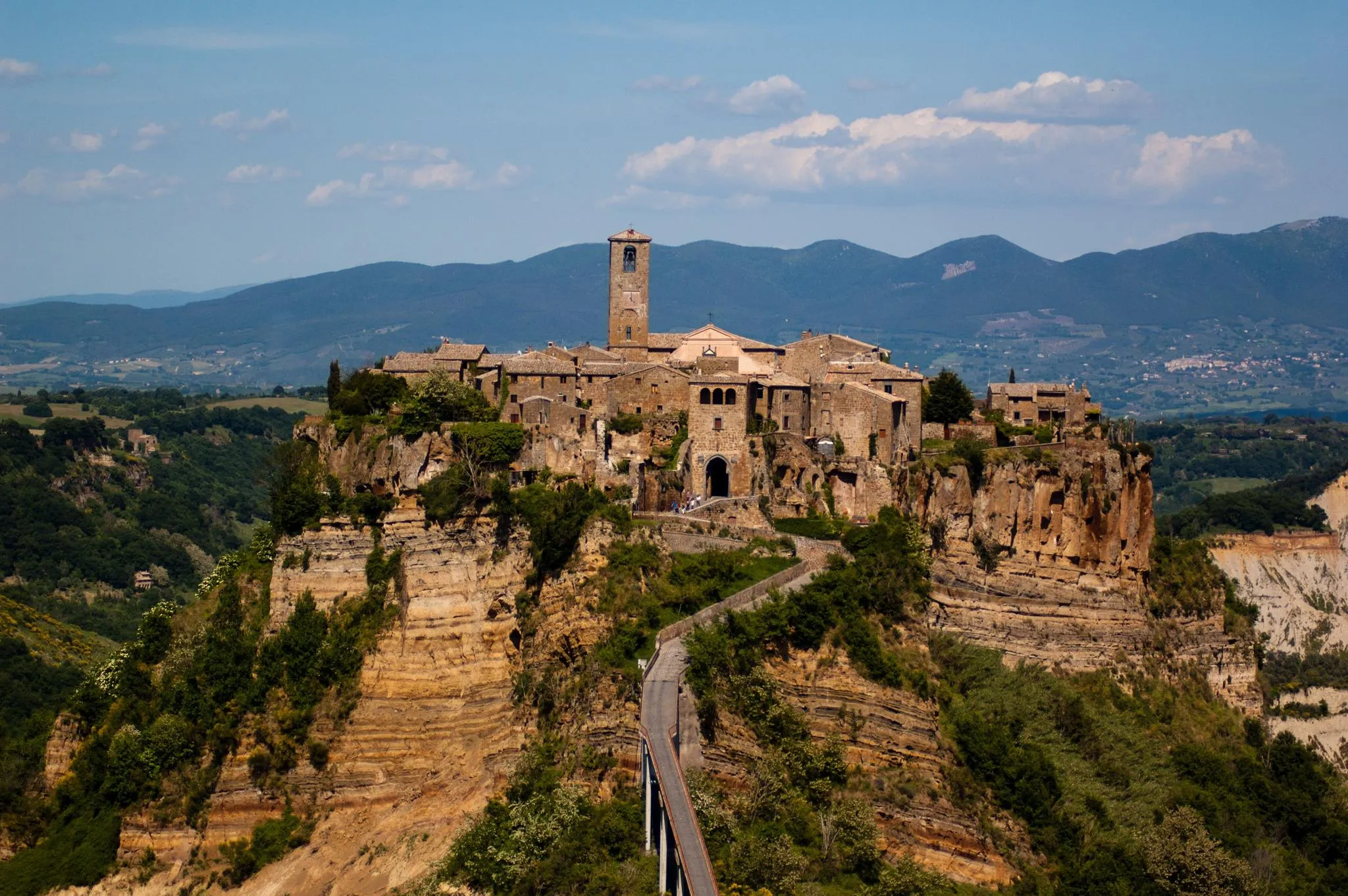
Lazio by bike – suspended villages, turquoise waters and natural parks
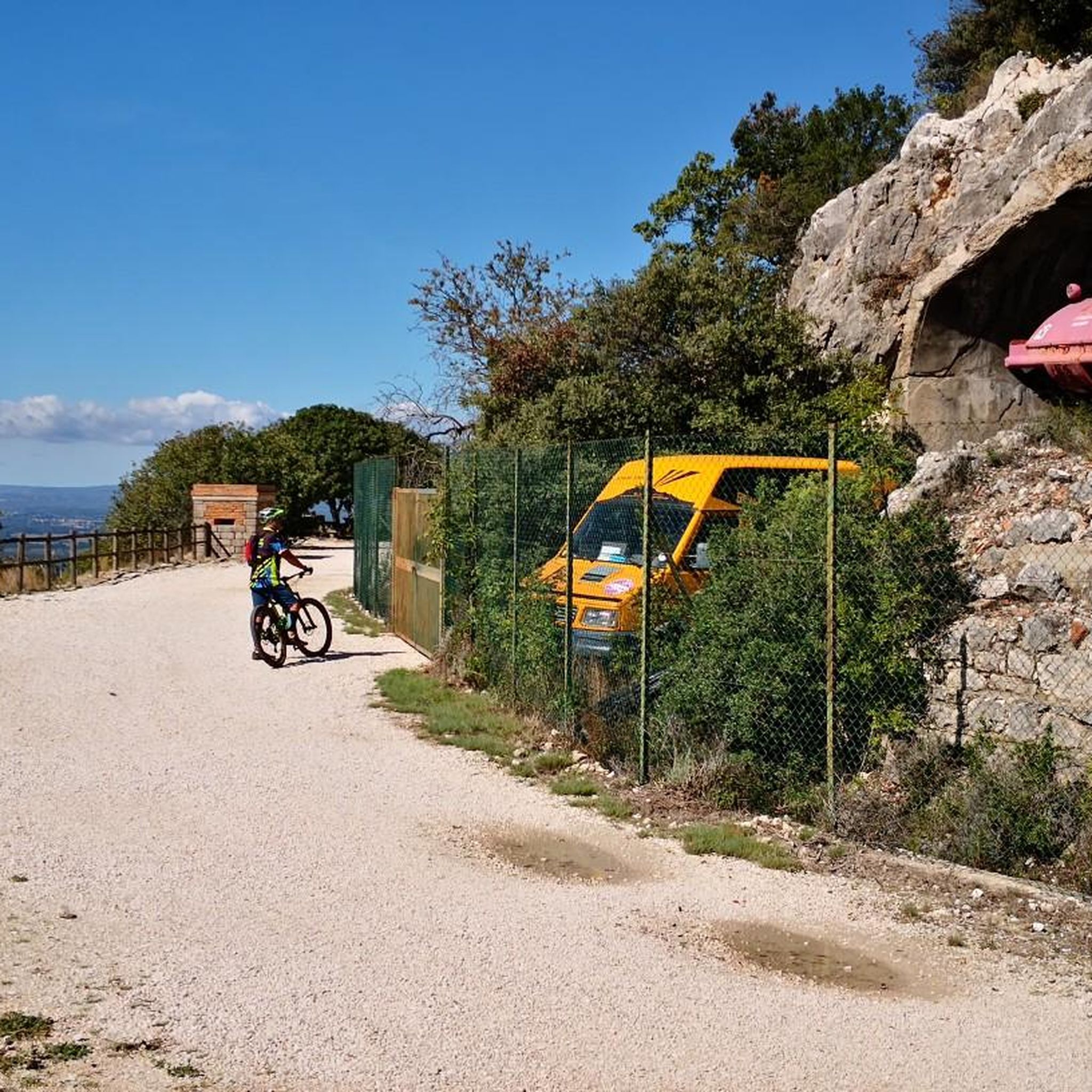
Hiking in Riserva Naturale Provinciale Monte Soratte
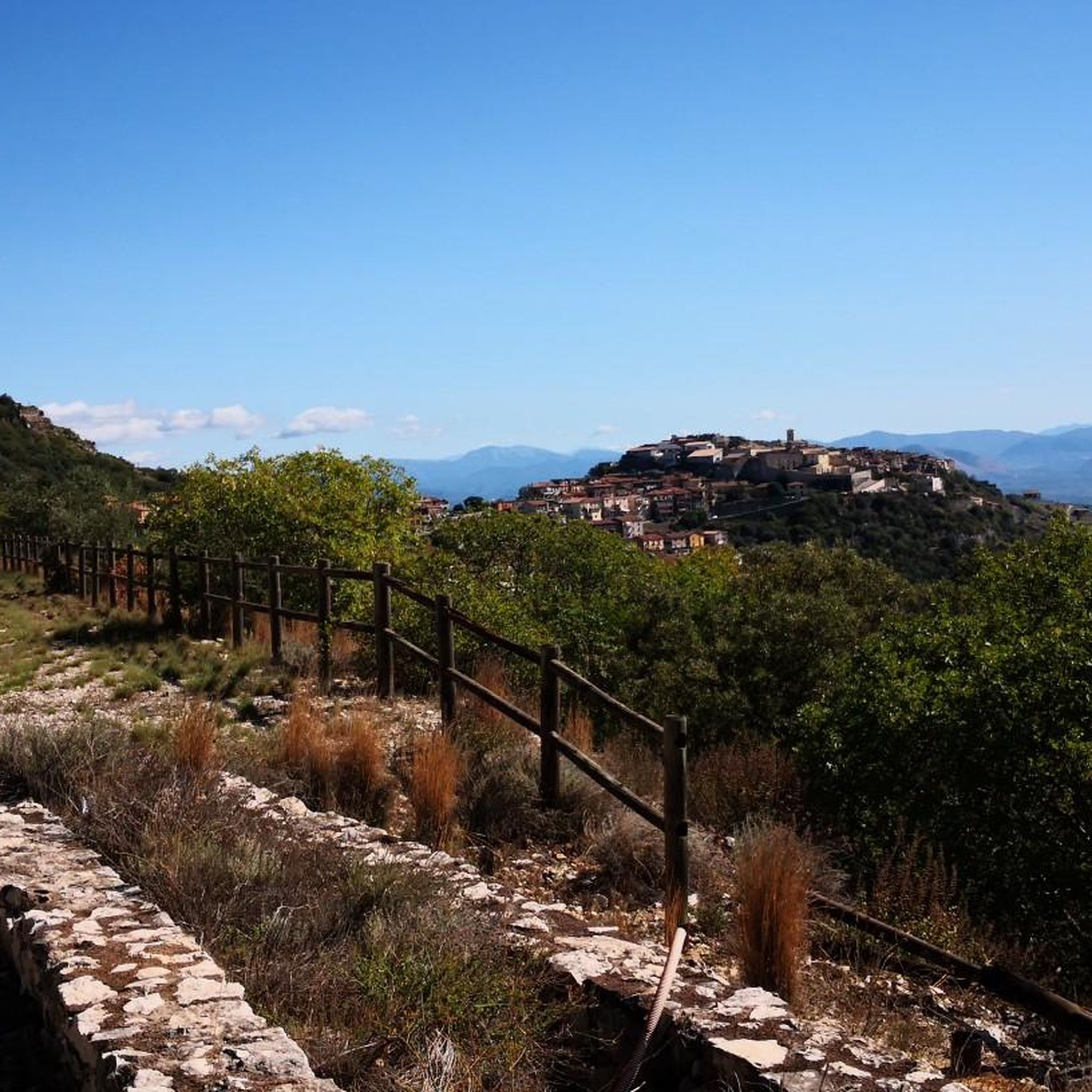
Road Cycling Routes in Riserva Naturale Provinciale Monte Soratte
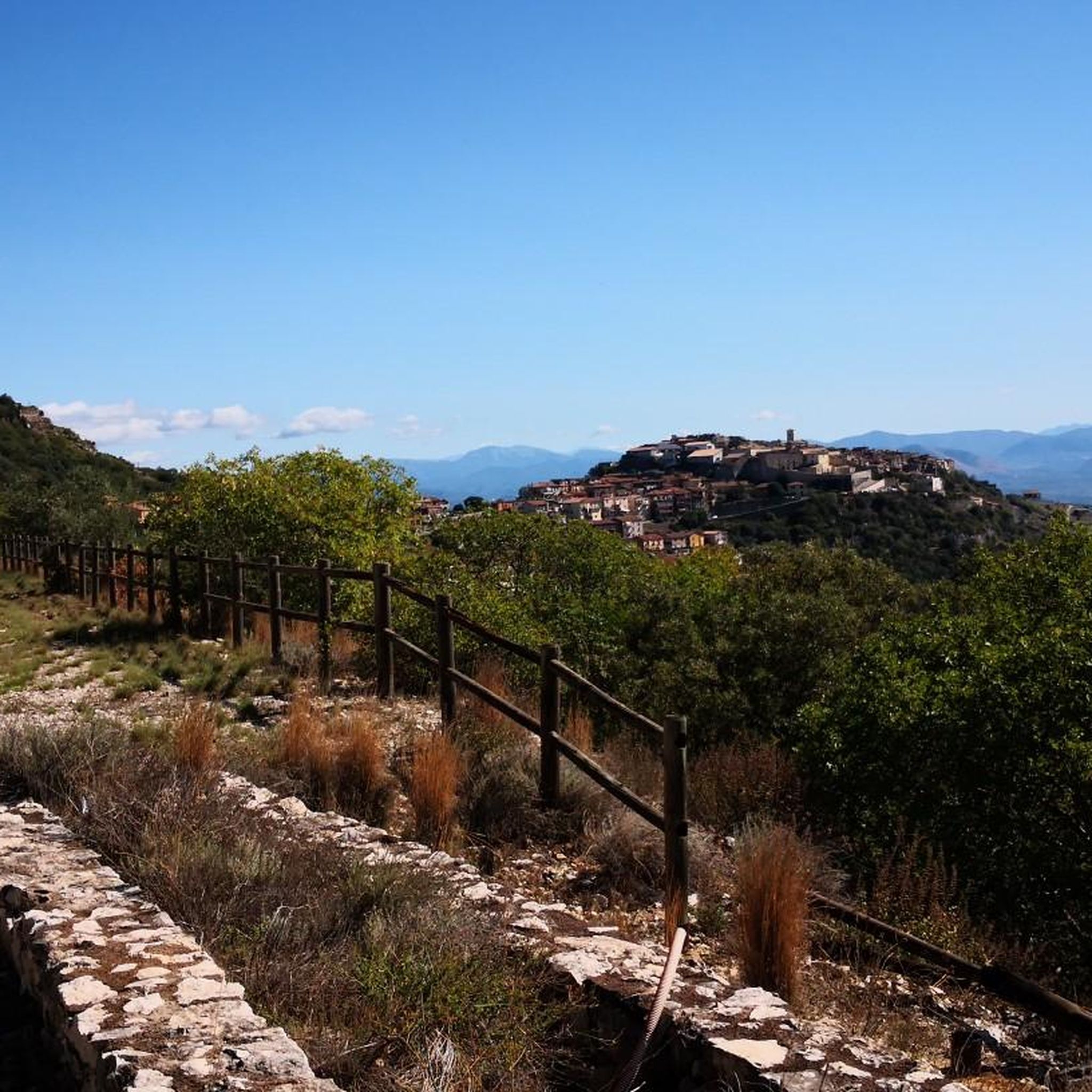
MTB Trails in Riserva Naturale Provinciale Monte Soratte
Running Trails in Riserva Naturale Provinciale Monte Soratte
Cycling in Riserva Naturale Provinciale Monte Soratte

Gravel biking in Riserva Naturale Provinciale Monte Soratte
Other adventures in Riserva Naturale Provinciale Monte Soratte

Tips from the Community

Huge boulder leaning against the rock, looking at it it seems like it is about to fall down. Legend has it that Saint Nonnosus was a monk and that rock is in that spot because he managed to move it from the top of Soratte to make room for a vegetable garden for the monks. Panoramic point
0
0
Remains of a building which legend has it belonged to bandits. Very panoramic point on the path to get to the top of Soratte
0
0
The meri are very deep karst cavities. Easy path to follow. Start from the large Sant'Oreste car park, the one below the road. There are three of them, all close together. On the same path, a little further on, there is the church in the cave of Santa Romana, a beautiful place that deserves to be visited.
0
0

A beautiful walk that winds along the eastern side of Soratte, from which you can then follow other paths to get to the hermitage or go around the mountain
0
0

beautiful route which at the beginning appears to be easy, well signposted and with various places to stop; From around the halfway point you start to climb and the difficulty increases as you get to the top. The descent is often even more difficult than the ascent. trekking equipment and clothing recommended.
0
0

Panoramic point with overhanging rock, watch out for vertigo!
0
0

The Meri del Soratte are wells (three in total) that are connected to each other. Already known in the times of Pliny the Elder, these wells, according to him, are the gateway to the Kingdom of the Underworld.
1
0

Due to its shape and position in the center of the Tiber valley, Monte Soratte offers a 360 ° panorama of considerable effect.
2
0
Frequently Asked Questions
What unique geological features can I explore in Riserva Naturale Provinciale Monte Soratte?
The reserve is renowned for its distinctive geological formations. You can explore the Meri del Soratte Karst Sinkholes, which are deep sinkholes, some reaching up to 115 meters, formed over millions of years. The mountain itself, Monte Soratte, is an isolated limestone ridge that was once a sea island, offering a unique geological presence in the Tiber Valley.
Are there family-friendly natural monuments or activities in Riserva Naturale Provinciale Monte Soratte?
Yes, the Meri del Soratte Karst Sinkholes are considered family-friendly, offering an easy path to follow. Exploring these ancient geological formations can be an engaging experience for all ages. The reserve also offers various trails suitable for different fitness levels, making it possible to find a route that works for your family.
What kind of panoramic views can I expect from Monte Soratte?
From the Monte Soratte Summit, you can enjoy expansive 360° panoramic views. Due to its isolated position, even at a modest elevation, the summit offers breathtaking vistas across the Tiber Valley and the wild Roman countryside, dotted with woods and distant towns. The San Nonnoso Rock also provides a notable panoramic point.
What historical sites are located within or near the natural monuments of Monte Soratte?
While primarily a natural reserve, Monte Soratte also holds historical interest. You can visit the Casaccia dei Ladri Ruins, which are the remains of a building with a legend of belonging to bandits, offering a panoramic viewpoint on the path to the summit. Additionally, the Meri del Soratte were known even in ancient Roman times, with Pliny the Elder describing them as a gateway to the underworld.
What outdoor activities can I do near the natural monuments in Riserva Naturale Provinciale Monte Soratte?
Beyond exploring the natural monuments, the area is excellent for various outdoor activities. You can find numerous routes for cycling, gravel biking, and road cycling. Many trails within the Monte Soratte Nature Reserve are also suitable for hiking, ranging from easy to intermediate difficulty.
What is the best time of year to visit Riserva Naturale Provinciale Monte Soratte?
The Riserva Naturale Provinciale Monte Soratte can be enjoyed throughout the year, but spring and autumn offer the most pleasant conditions for hiking and exploring. During these seasons, the weather is mild, and the natural scenery is particularly vibrant with blooming flora or rich autumn colors. Summer can be hot, making early morning or late afternoon visits preferable, while winter offers a different, often quieter, experience.
Are there hiking trails suitable for beginners in Monte Soratte?
While some trails, especially those leading to the Monte Soratte Summit, can be intermediate in difficulty with steeper sections, there are also easier paths. The route to the Meri del Soratte Karst Sinkholes, for instance, is described as an easy path to follow. It's advisable to check specific trail descriptions for elevation and terrain to match your experience level.
What do visitors enjoy most about the natural monuments in Riserva Naturale Provinciale Monte Soratte?
Visitors frequently highlight the stunning panoramic views from the summit and other viewpoints, offering a 360° panorama of the Tiber Valley. The unique geological formations, particularly the deep karst sinkholes, also captivate many. The sense of an 'isolated island' mountain and the varied trails within the nature reserve are also highly appreciated for their natural beauty and opportunities for exploration.
Is Monte Soratte accessible by public transport?
While the reserve is located north of Rome, direct public transport options to the trailheads can be limited. Typically, visitors travel by car to reach the main parking areas, such as the large car park in Sant'Oreste, which serves as a common starting point for exploring the natural monuments and trails. It's recommended to check local bus schedules or consider carpooling for easier access.
Are dogs allowed on the trails in Riserva Naturale Provinciale Monte Soratte?
Generally, dogs are allowed on trails within natural reserves in Italy, provided they are kept on a leash and owners adhere to responsible pet ownership guidelines, including cleaning up after their pets. It's always a good practice to check for any specific local regulations or signage within the Riserva Naturale Provinciale Monte Soratte upon arrival to ensure compliance.
How long does it typically take to hike to the Monte Soratte Summit?
The time required to hike to the Monte Soratte Summit can vary depending on your starting point and fitness level. A typical ascent from a base like Sant'Oreste might take a few hours, with the difficulty increasing as you get closer to the top. The entire experience, including exploring other highlights and enjoying the views, could easily fill half a day.
Are there facilities like cafes or accommodation near Riserva Naturale Provinciale Monte Soratte?
The Riserva Naturale Provinciale Monte Soratte itself is a protected natural area, so facilities within the immediate reserve are minimal. However, the nearby town of Sant'Oreste, located at the foot of Monte Soratte, offers amenities such as cafes, restaurants, and some accommodation options. It's a convenient place to find refreshments or stay overnight before or after your visit to the natural monuments.
Most popular routes in Riserva Naturale Provinciale Monte Soratte
Most popular attractions in Riserva Naturale Provinciale Monte Soratte

Get inspired with the komoot mobile app


Explore more
Extend your search for the best caves by checking out these guides of the top ones in Riserva Naturale Provinciale Monte Soratte:
