Top 8 Natural Monuments in Riserva Naturale Di Monte Mario
Best natural monuments in Riserva Naturale Di Monte Mario are found within a significant natural area in northwestern Rome. This reserve is known for its ecological diversity and historical geological features, centered around Monte Mario Hill, the highest point of the Farnesina hills. The area provides panoramic views of Rome and features diverse ecosystems, including Mediterranean woodland and mixed forests. Geological formations with marine fossil remains offer insight into the region's ancient history.
Best natural monuments in Riserva Naturale Di…
Last updated: July 5, 2026
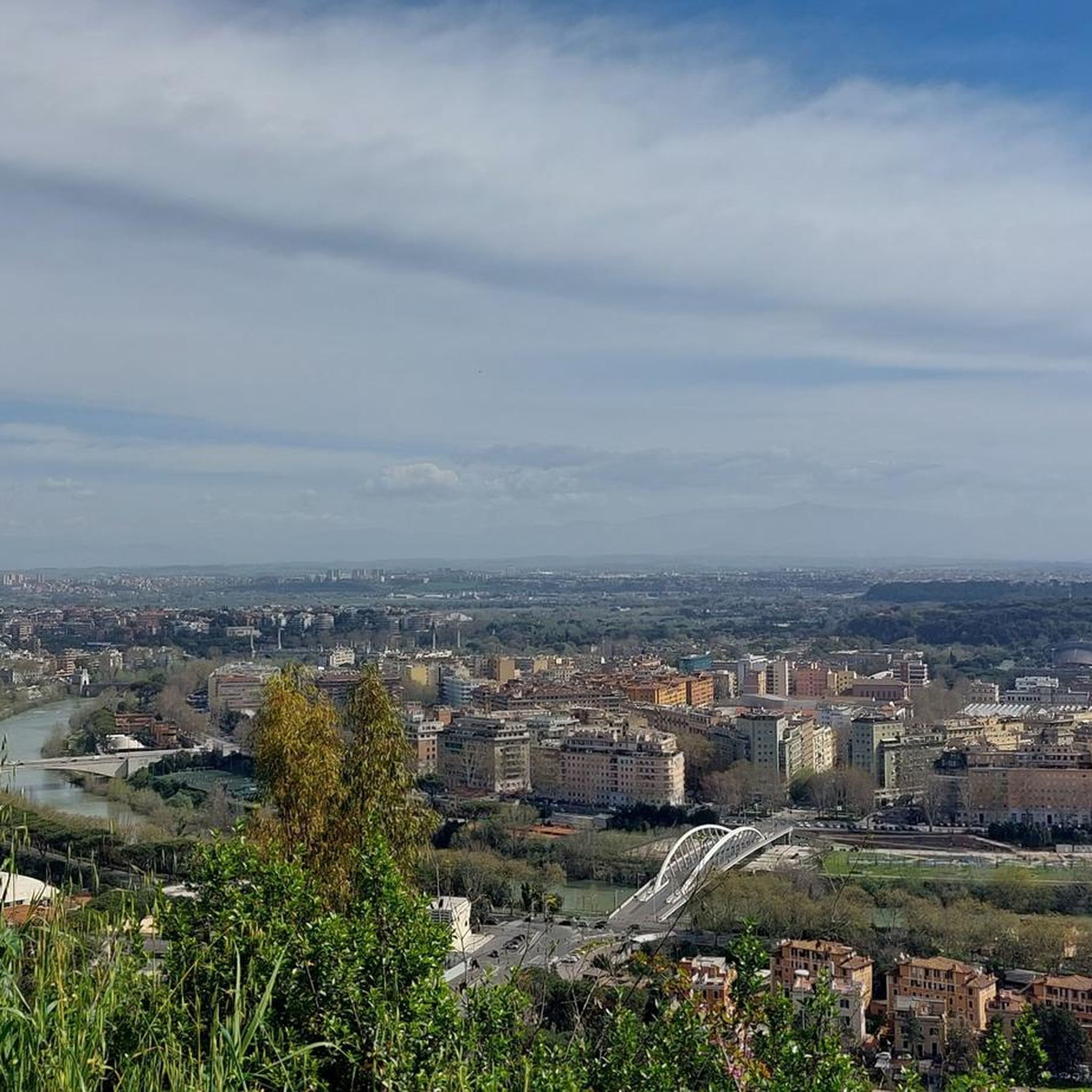
Belvedere Monte Ciocci - View over the rooftops of Rome
Highlight • Viewpoint
Translated by Google •
Tip by

Monte Mario Nature Reserve
Highlight • Forest
Translated by Google •
Tip by

Sign up now to discover places like this
Get recommendations on the best single tracks, peaks, & plenty of other exciting outdoor places.
Sign up for free
Monte Mario Observatory
Highlight • Viewpoint
Tip by

Green Fence With Peroni Bottles – Riserva Naturale di Monte Mario
Highlight • Structure
Translated by Google •
Tip by
Bee Hotel Paul Harris, Monte Mario Nature Reserve
Highlight • Structure
Translated by Google •
Tip by

Sign up for free to discover even more natural monuments in Riserva Naturale Di Monte Mario.
Sign up for free
Already have an account?
Start today with a free account
Your next adventure awaits.
Login or Signup
Popular around Riserva Naturale Di Monte Mario
Tips from the Community

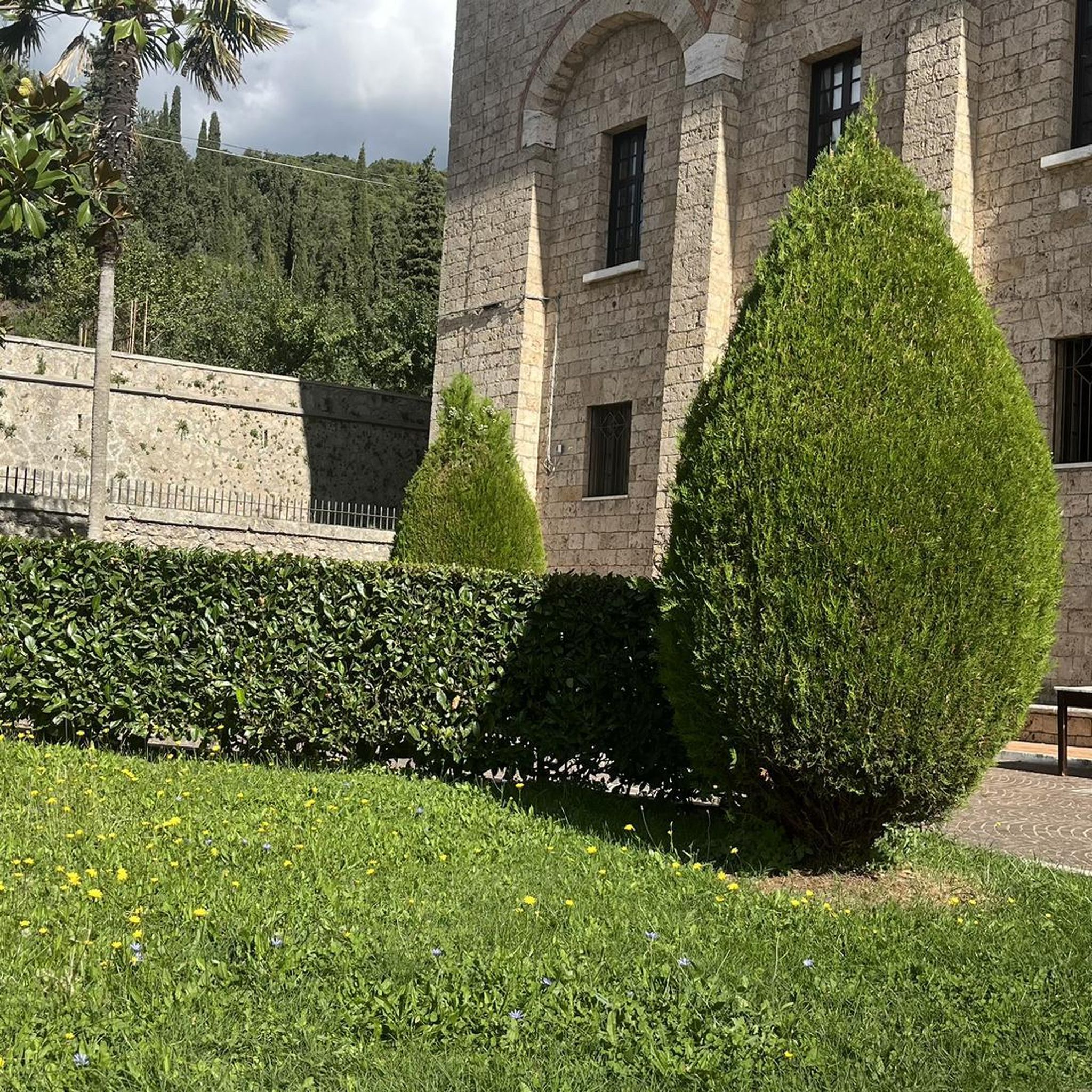
The BeeHotel was inaugurated on June 5, 2024 inside the Monte Mario Park, under the Astronomical Observatory and adjacent to the last mile of the Via Francigena that leads to San Pietro. It is a hotel for solitary bees and will favor their reproduction, as well as a laboratory to monitor the surrounding environment.
0
0

Belvedere Ettore Scola in the Monte Ciocci Park.
0
0

Monte Mario is also the location of Rome's Long Linear Park, which covers about 4 km and connects Roma Monte Mario station with Monte Ciocci Park, which is close to the Vatican. This spot also served as the geodetic reference point for the Gauss-Boaga projection, resulting in the Roma 40 datum.
13
0
No more bottles on the fence.
12
0
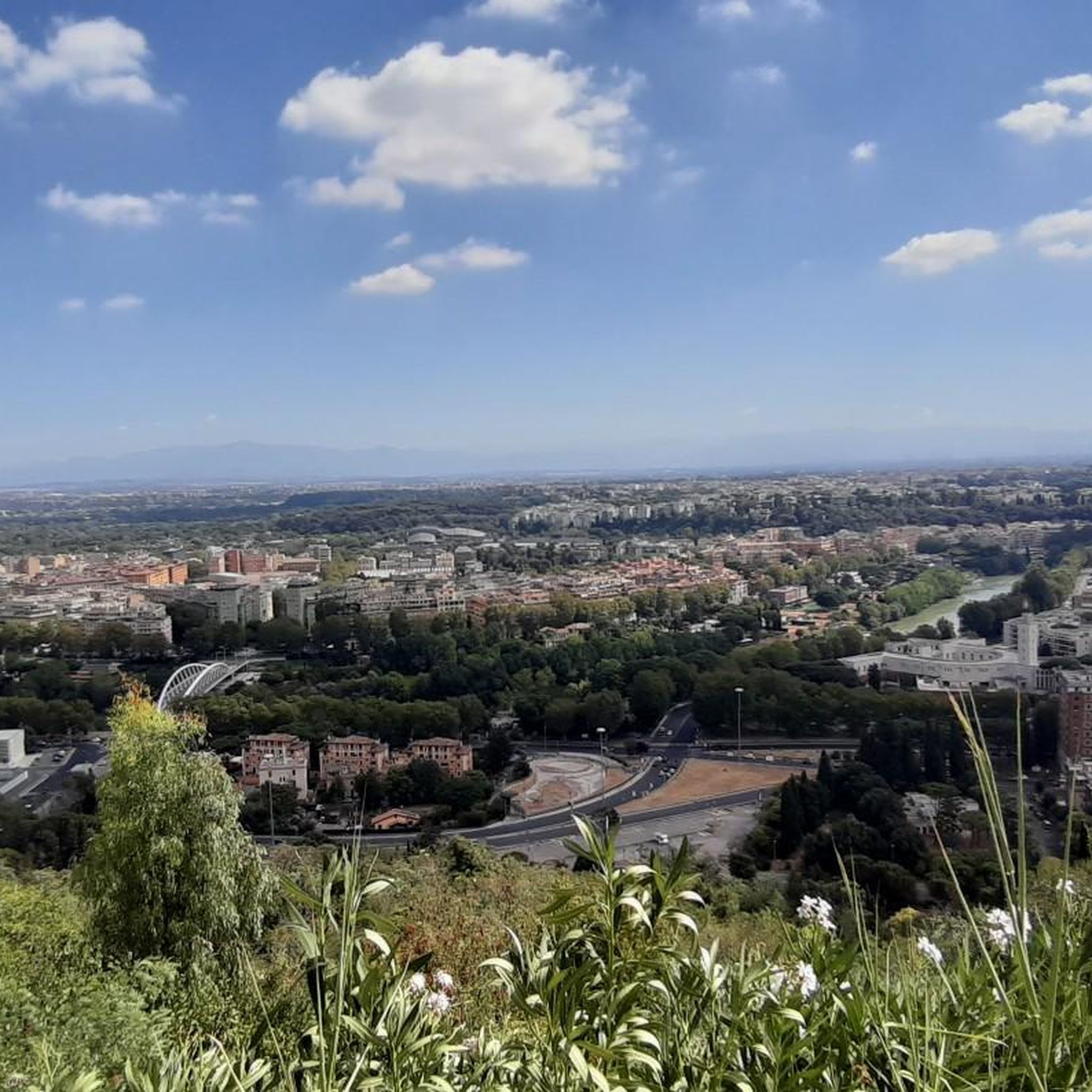
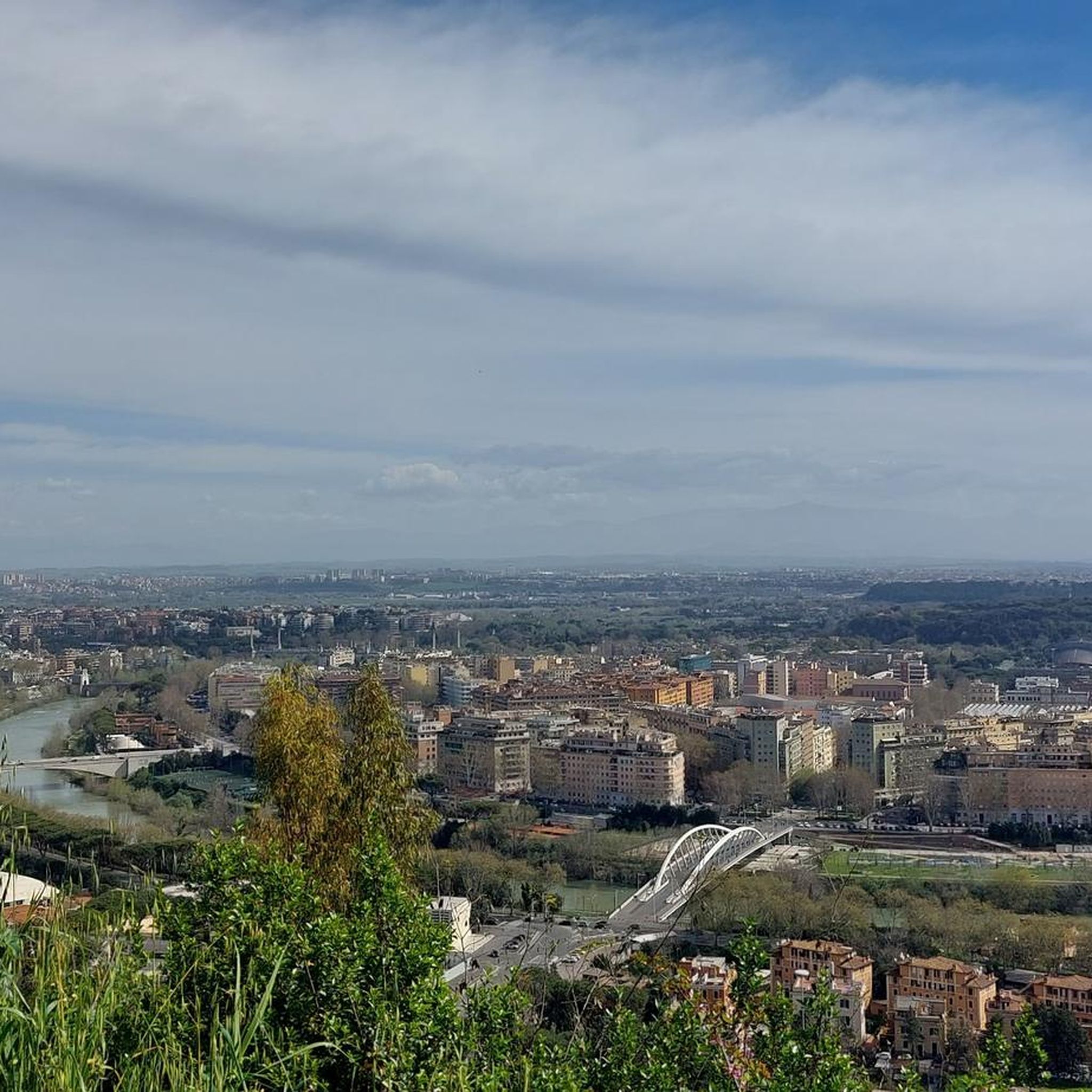
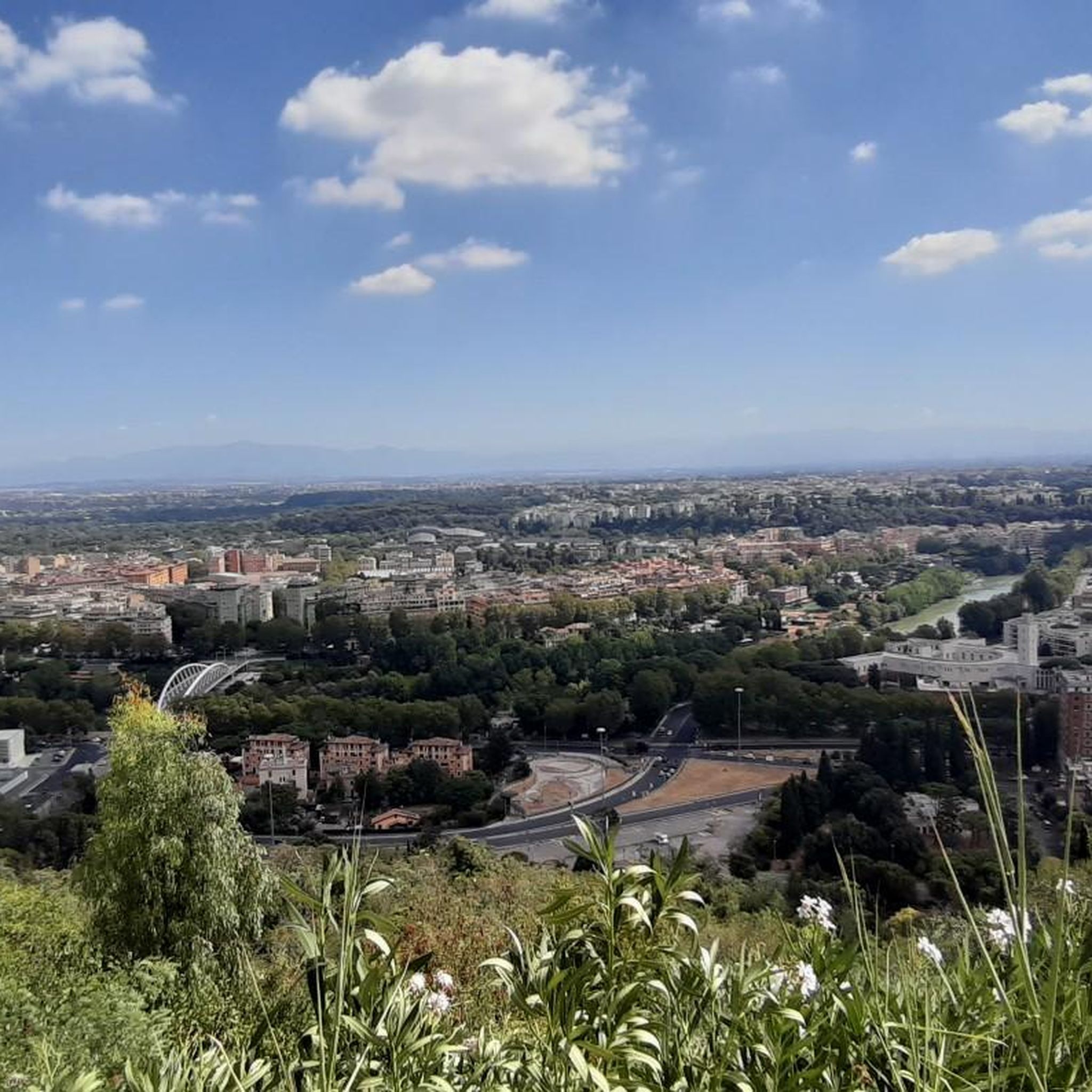
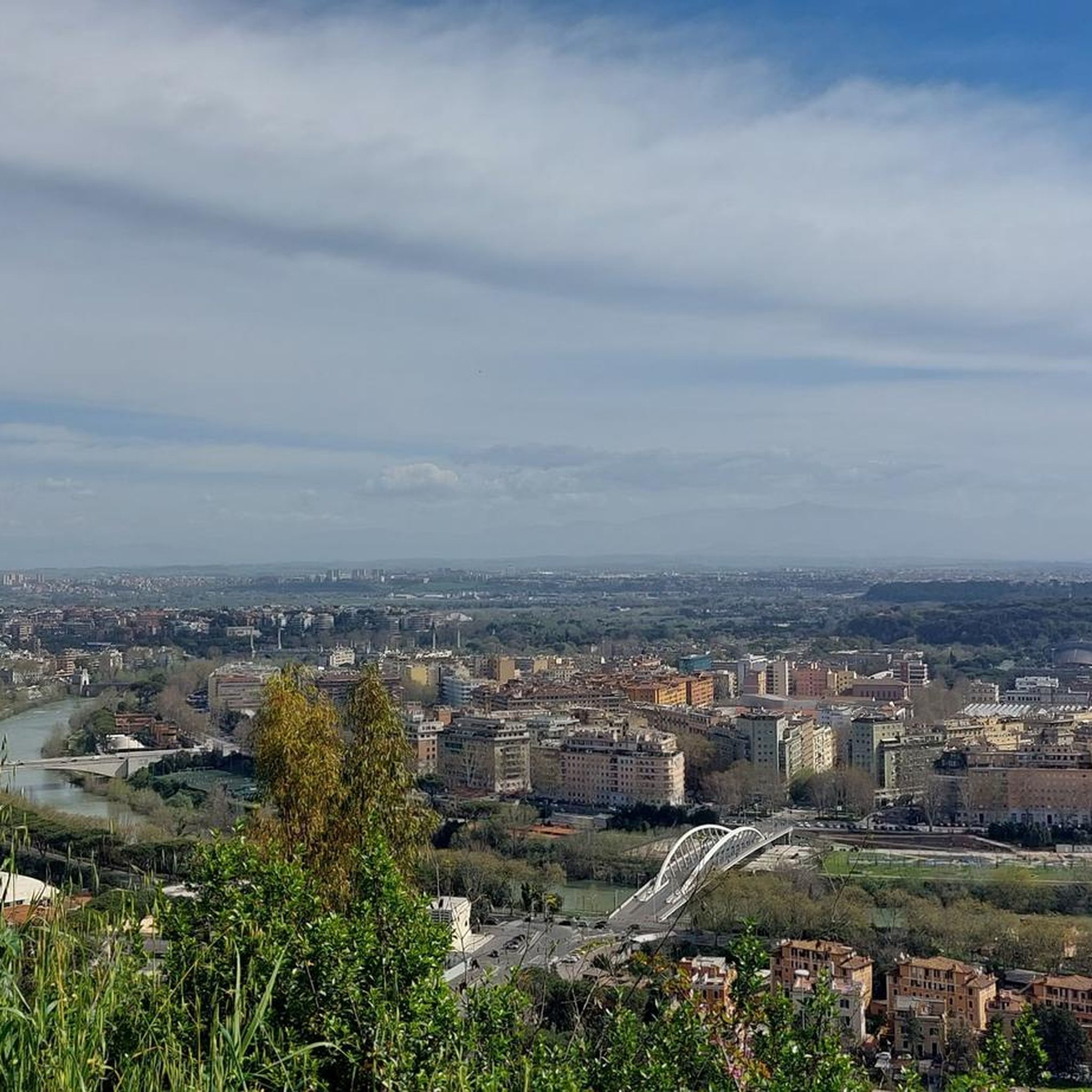
Belvédère Monte Ciocci: The Monte Ciocci park is one of Rome's relatively young parks, opened in 2013 and later included in the Monte Mario Nature Reserve. The park is located between the Vatican and the Monte Mario district and offers an exceptional panoramic view of almost all of Rome, particularly of the majestic Basilica di San Pietro. The Belvédère is one of the most evocative corners of the city, with a breathtaking view of the iconic Cupolone (dome of St. Peter's).
12
0
No open air cinema in February.
13
0
The Monte Ciocci park, one of the lesser-known panoramic areas, with a view of the Cupolone. You can admire the Eternal City from a privileged perspective.
0
0

The view makes up for the many steps
5
0
Frequently Asked Questions
What kind of natural features can I expect to see in Riserva Naturale Di Monte Mario?
Riserva Naturale Di Monte Mario is characterized by its diverse ecosystems. You'll find Mediterranean woodland with holm oaks and cork oaks at lower elevations, transitioning to mixed forests higher up with hornbeams, maples, hazels, lindens, and dogwoods. The reserve also features significant geological formations, including sand and gravel deposits that have yielded numerous marine fossil remains, indicating its ancient history as a seabed.
Are there good viewpoints for panoramic city views within the reserve?
Yes, the reserve offers exceptional panoramic views of Rome. The Monte Mario hill itself, at 139 meters, is the highest point of the Farnesina hills. A particularly popular spot is the View of St. Peter's Basilica from Monte Mario, which provides a clear perspective of iconic Roman landmarks, including St. Peter's Dome. The Monte Mario Observatory also offers fantastic vistas over the Eternal City.
What kind of wildlife can be observed in Riserva Naturale Di Monte Mario?
The diverse flora of the reserve supports a variety of fauna. You might spot rodents like the hazel dormouse and wild mouse. Birdwatchers can look out for numerous species, including kites, grey herons, peregrine falcons, hoopoes, and kestrels, making it a valuable ecological mosaic within Rome.
Are there family-friendly trails or activities in the natural monuments of Riserva Naturale Di Monte Mario?
Yes, the Monte Mario Nature Reserve itself is considered family-friendly, offering a mosaic of biological diversity and scenic paths. The reserve's trails provide opportunities for peaceful walks suitable for families to connect with nature away from the urban bustle. One notable route is the 'Sentiero Natura: the Collina della Farnesina,' a circular path that includes a bike lane.
What outdoor activities can I do near these natural monuments?
Riserva Naturale Di Monte Mario offers various outdoor activities. You can enjoy easy hikes on trails like the 'Milvian Bridge – Milvian Bridge loop' or 'Belvedere Ettore Scola – Linear Park loop'. For runners, there are routes such as the 'Monte Ciocci Street Art Murals – Monte Mario Cycle Path loop'. Cyclists can explore road cycling routes like the 'Monte Mario Cycle Path – View of the Rooftops of Rome loop'. Find more details on these activities in the easy hikes, running trails, and road cycling routes guides.
What is the geological significance of Riserva Naturale Di Monte Mario?
Geologically, Riserva Naturale Di Monte Mario is composed of sand and gravel, which are rich in marine fossil remains. These fossils provide compelling evidence that the region was once submerged beneath the sea millions of years ago, offering a unique insight into Rome's ancient geological history. Some paths, accessible from Viale del Parco Mellini or Piazzale Maresciallo Giardino, feature cliffs that further reveal these geological origins.
Are there specific trails for mountain biking in the reserve?
Yes, the reserve includes trails suitable for mountain biking. The Track in the Monte Mario Nature Reserve is a notable stretch that offers a beautiful and sometimes challenging experience for mountain bikers, allowing for a connection with nature right within the city.
What is the best time to visit Riserva Naturale Di Monte Mario?
The reserve can be enjoyed year-round, but spring and autumn offer particularly pleasant weather for exploring the trails and enjoying the panoramic views. During these seasons, the flora is vibrant, and the temperatures are ideal for outdoor activities. Early mornings often provide the clearest views of Rome.
What historical aspects are associated with Monte Mario?
Monte Mario has a rich history. Pilgrims historically referred to it as Mons Gaudii (Mount of Joy) due to its commanding views. The hill is also home to historic villas, including Villa Mazzanti and Villa Mellini, where the Terrazza dello Zodiaco is located. The Monte Mario Observatory, situated atop the hill, was once used as the prime meridian for Italian maps.
How can I access Riserva Naturale Di Monte Mario using public transport?
Riserva Naturale Di Monte Mario is located in the northwestern part of Rome, making it accessible from various points in the city. Specific public transport routes will depend on your starting location, but generally, buses serve the areas surrounding the reserve. You can plan your journey to access paths from points like Viale del Parco Mellini or Piazzale Maresciallo Giardino.
What do visitors enjoy most about the natural monuments in Riserva Naturale Di Monte Mario?
Visitors frequently praise the breathtaking panoramic views of Rome, especially from spots like the View of St. Peter's Basilica from Monte Mario. The opportunity to engage in outdoor activities like hiking and mountain biking on trails within a natural setting, right in the heart of Rome, is also highly valued. The biological diversity and the peaceful escape from urban bustle are often highlighted as key attractions.
Most popular routes in Riserva Naturale Di Monte Mario
Most popular attractions in Riserva Naturale Di Monte Mario

Get inspired with the komoot mobile app


Explore more
Extend your search for the best caves by checking out these guides of the top ones in Riserva Naturale Di Monte Mario:
