Top 20 Natural Monuments in Lechtal-Nord
Best natural monuments in Lechtal-Nord are situated within the Lechtal and Allgäu Alps, featuring diverse natural landscapes. The region is characterized by the Lech river, one of the last near-natural alpine river valleys in Austria, and its surrounding alluvial forests. These areas offer a variety of geological features and ecosystems for exploration.
Best natural monuments in Lechtal-Nord
- The most popular natural monuments is Lech Weir 18 – Kaufering, a lake and river area that serves as a barrage of the Lech. This location offers views of the Alps and features a fish ladder.
- Another must-see spot is Haltenberger Aue Beaver Habitat, an other natural area with a path winding along the water. Visitors can observe bird life and the natural landscape within this nature reserve.
- Visitors also love Lech Dam 19, a lake and river area. This site provides an all-round view of the Lech and is popular for hiking and biking.
- Lechtal-Nord is known for its lakes, rivers, and beaver habitats, alongside other natural features like waterfalls and gorges. The region offers a variety of natural monuments to see and explore.
- The natural monuments in Lechtal-Nord are appreciated by the komoot community, with over 800 upvotes and more than 170 photos shared.
Last updated: July 5, 2026
Lech Reservoir 18
Highlight • Lake
Translated by Google •
Tip by

Haltenberger Aue Beaver Habitat
Highlight (Segment) • Natural
Translated by Google •
Tip by

Sign up now to discover places like this
Get recommendations on the best single tracks, peaks, & plenty of other exciting outdoor places.
Sign up for free
Lech Weir 18
Highlight • Monument
Translated by Google •
Tip by

Lech Dam 19
Highlight • Lake
Translated by Google •
Tip by

Lech Weir 18 – Kaufering
Highlight • Lake
Wikipedia
Translated by Google •
Tip by

Sign up for free to discover even more natural monuments in Lechtal-Nord.
Sign up for free
Already have an account?
Start today with a free account
Your next adventure awaits.
Login or Signup
Other adventures in Lechtal-Nord

Tips from the Community

The Lechsee and the Lech itself are always worth a visit.
0
0

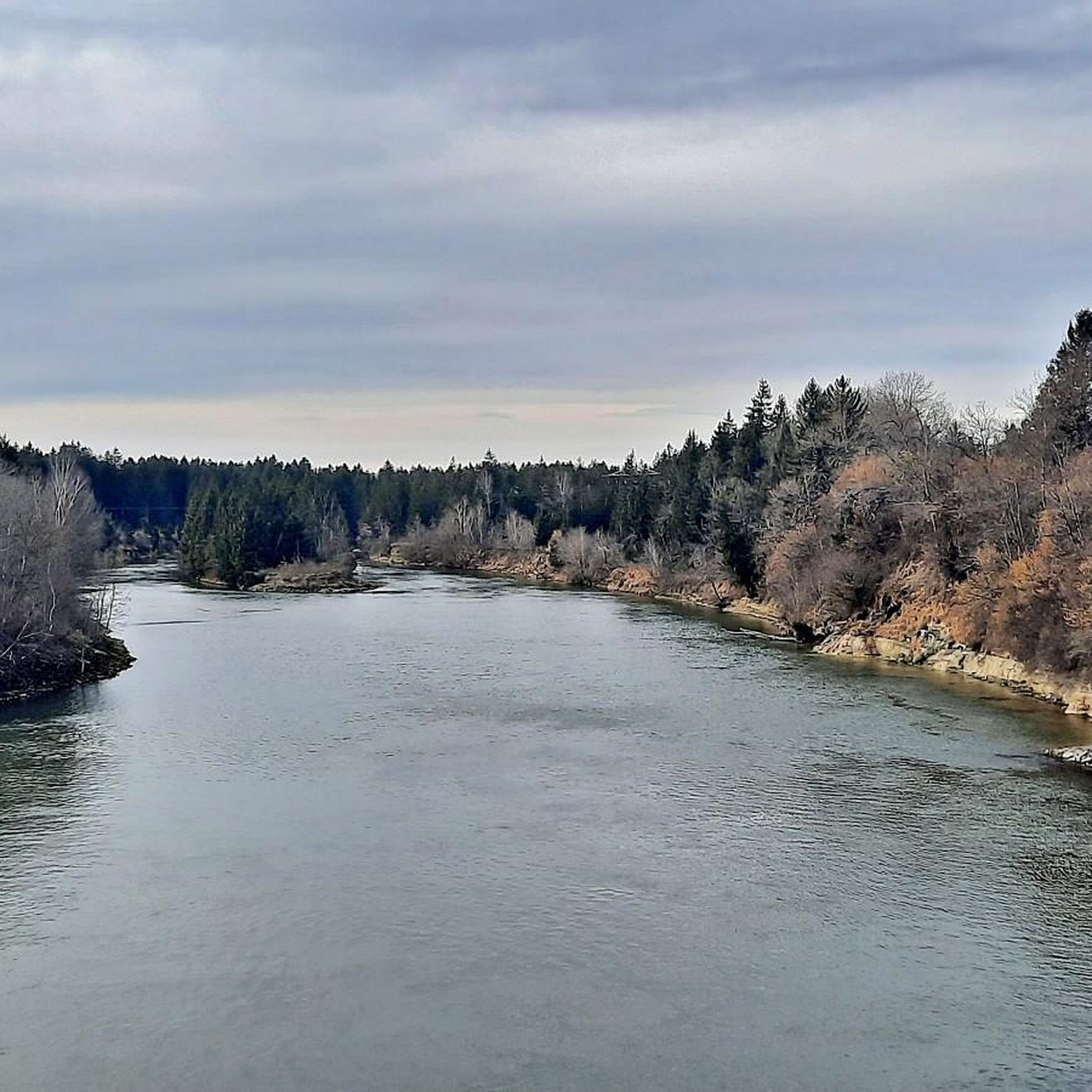
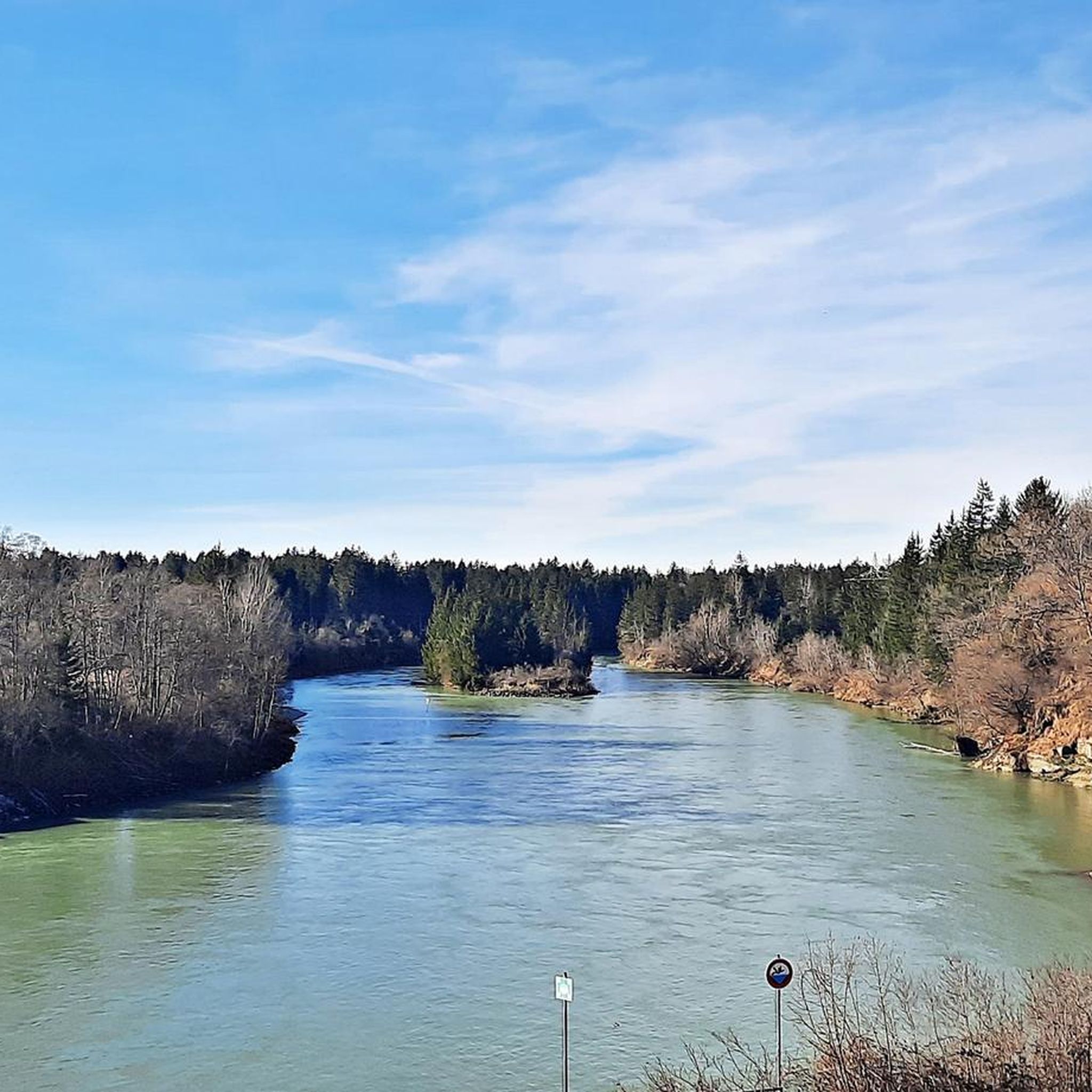
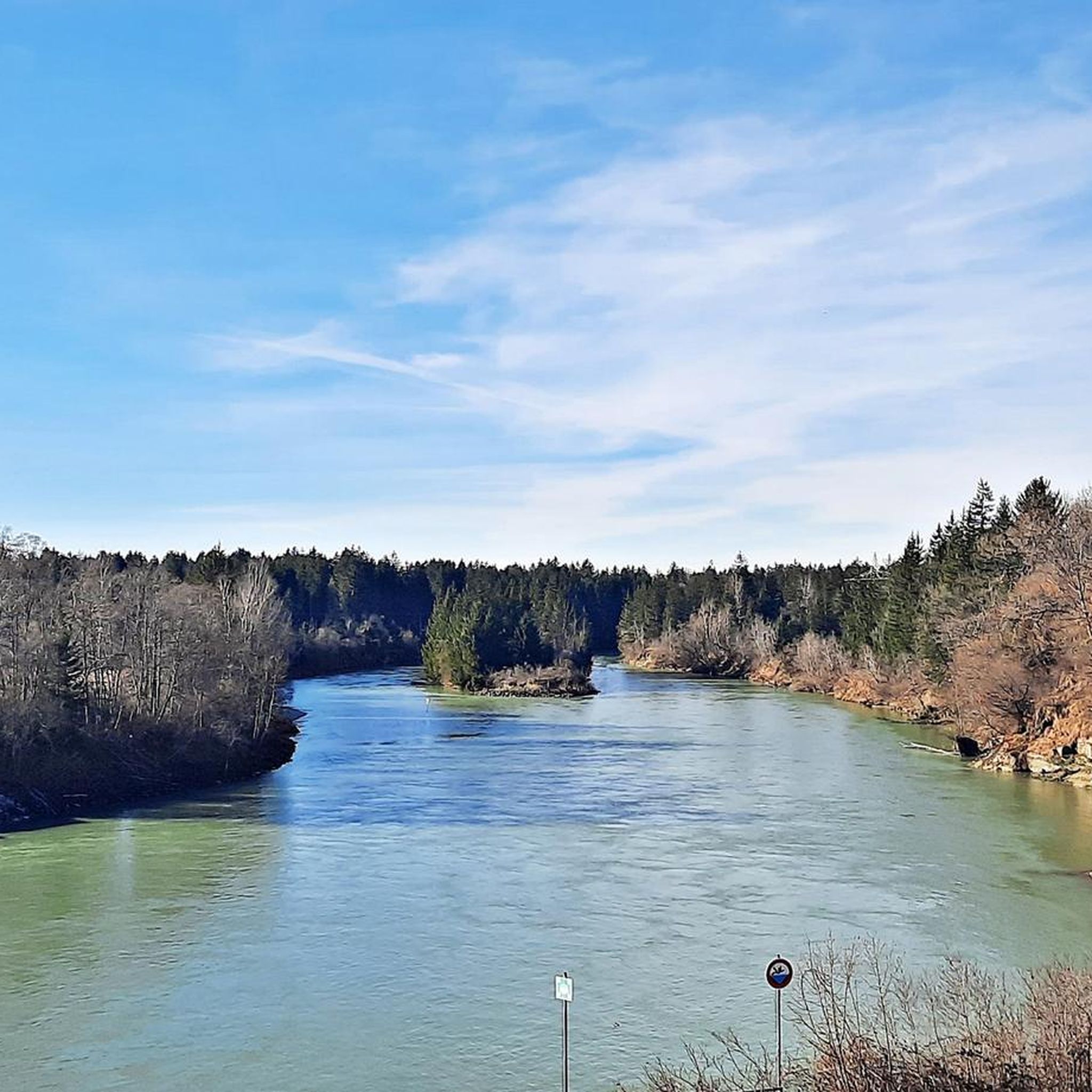
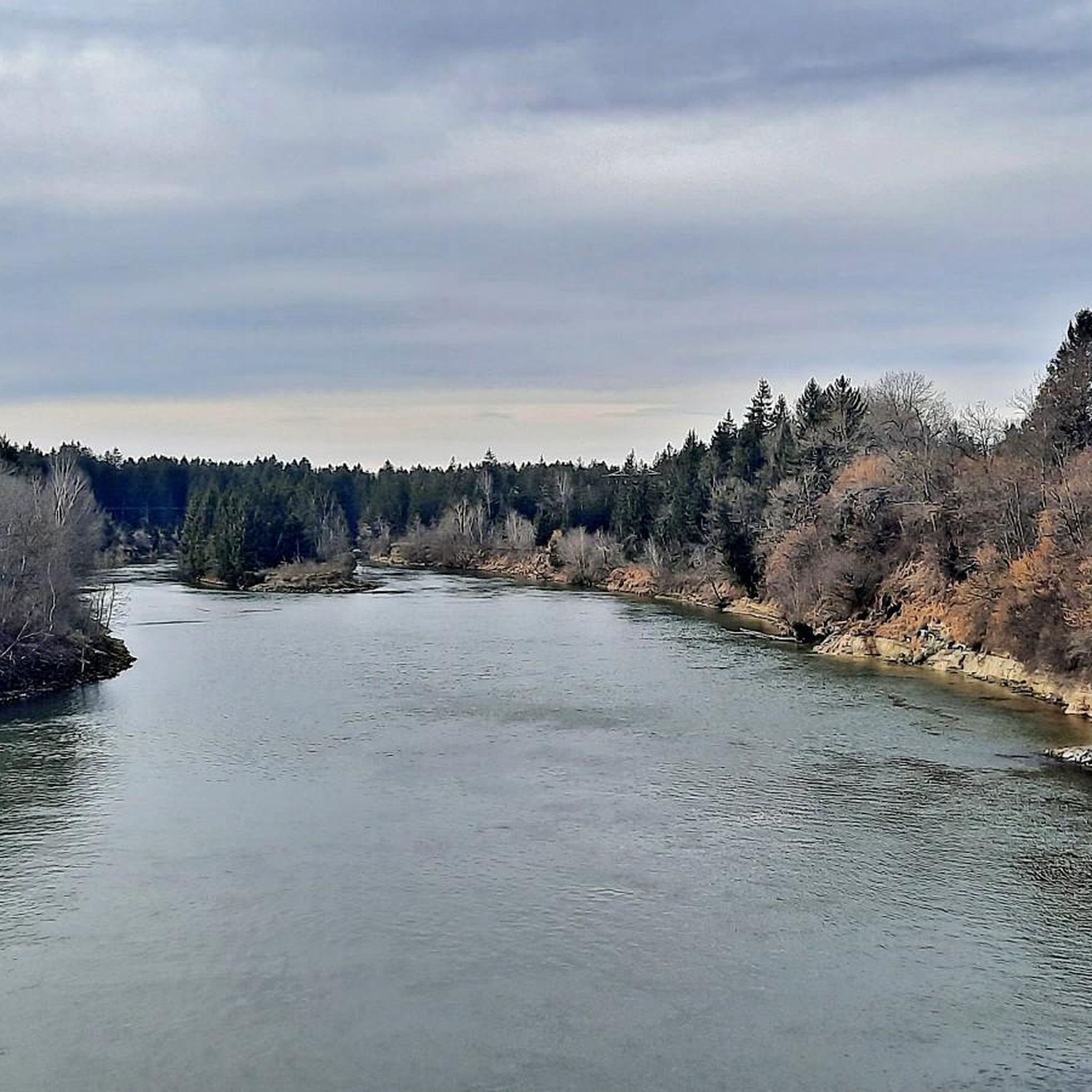
The water is usually still, reflecting the surrounding floodplains and forest strips, while rolling hills loom on the horizon. The vastness of the reservoir can be best appreciated, especially from the dam or the riverside paths—a peaceful place where waterfowl circle and nature reveals its tranquil side.
6
0
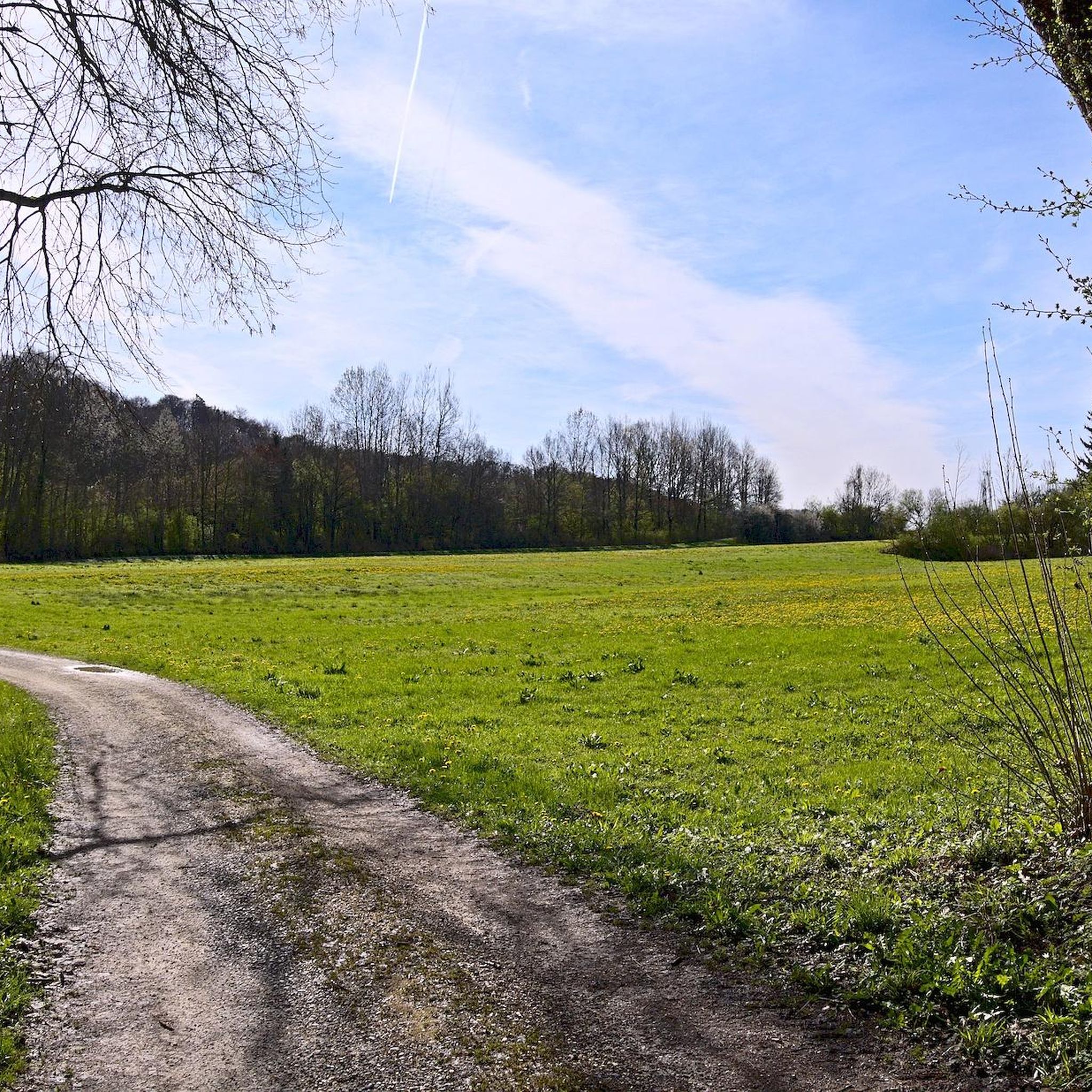
The Haltenberger Aue beaver reserve is located between Lech barrages 18 and 19 near Kaufering 🦫. It is a protected natural area with narrow, partly overgrown paths directly along the Lech River.
6
0
Lech Dam 18 near Kaufering is a run-of-river power plant on the Lech River with a capacity of 16.7 MW and a head of 13.3 m. In operation since 1975, it is operated by Uniper Kraftwerke and feeds electricity into the Bayernwerk AG grid.
10
0

The Haltenberger Aue beaver area is a picturesque nature reserve along the Lech, which stretches between the communities of Scheuring and Kaufering in the Landsberg am Lech district in Bavaria. This area is characterized by its diverse flora and fauna and offers visitors the opportunity to discover the traces of the beavers that live here. Location and surroundings: The Haltenberger Aue lies on the eastern bank of the Lech and is part of the “Lechtal-Nord” nature reserve. The region is characterized by alluvial forests, wetlands and a rich animal world, which is positively influenced by the activities of the beavers. Hikes and activities: For nature lovers and hikers, there are numerous ways to explore the beaver area. A popular starting point is the Oskar Weinert Hut, which is run by the Klosterlechfeld Nature Friends. From there, various hiking trails lead through the floodplain, offering insights into the beavers’ way of life and the beauty of the landscape. A recommended route is the circular hike from Lechstaustufe 18 to the Haltenberg castle ruins and back, which is about 6.1 km long and can be completed in about 1.5 hours. Special features: The presence of beavers has had a significant impact on the landscape of the Haltenberger Aue. By building dams and castles, they create new habitats for numerous other animal and plant species. With a little luck, visitors can discover beaver dams, felled trees and other traces of these fascinating animals. A visit to the Haltenberger Aue beaver area offers a wonderful opportunity to experience nature up close and learn more about the important role of beavers in the ecosystem.
5
0
The Lech barrage 18 is not only a technical structure, but also an important nature and recreation area. Here are some additional interesting facts and details: Technical features The barrage is part of a larger system of barrages along the Lech, which has been used to generate energy and regulate floods since the 1920s. The power plant itself uses Kaplan turbines, which are particularly efficient at lower head heights and ensure a uniform flow. This type of turbine is ideal for rivers such as the Lech, which have rather low gradients in this region. Ecological significance and renaturation Like many barrages, the Lech barrage 18 also has a major impact on nature. In recent decades, however, there have been extensive efforts to renature the banks and alluvial forests in order to protect the habitat for animals and plants and improve water quality. The floodplains of the Lech in particular offer valuable biotopes for numerous bird species, including rare species such as the little ringed plover and kingfisher populations.
5
0

You always see traces of the beaver and with a lot of luck even a specimen 👍
4
0

If you love nature, this is the place for you 🤩 Very varied paths
4
0
Frequently Asked Questions
What are some of the most popular natural monuments in Lechtal-Nord?
Visitors frequently enjoy the Lech Weir 18 – Kaufering, a lake and river area offering views of the Alps and a fish ladder. Another favorite is the Haltenberger Aue Beaver Habitat, a nature reserve with paths along the water ideal for observing bird life. The Lech Dam 19 is also popular for its panoramic views of the Lech River and opportunities for hiking and biking.
Are there family-friendly natural monuments in Lechtal-Nord?
Yes, several natural monuments are suitable for families. The Lech Reservoir 18 is noted as family-friendly, offering a pleasant spot to take a break with views of the Alps. The Haltenberger Aue Beaver Habitat also provides an accessible path along the water, where children can enjoy observing nature and bird life.
What kind of natural features can I expect to see in Lechtal-Nord?
Lechtal-Nord is rich in diverse natural features. You'll find the 'azure blue wild river Lech' with its expansive alluvial forests and gravel bars, part of the Tiroler Lech Nature Park. The region also boasts impressive waterfalls like the Simms Waterfall and the mystical Doser Waterfall, as well as dramatic gorges such as the Höhenbach Gorge, accessible via the Holzgau Suspension Bridge. Lakes and reservoirs along the Lech River are also prominent features.
What outdoor activities can I do near the natural monuments in Lechtal-Nord?
The natural monuments in Lechtal-Nord are excellent starting points for various outdoor activities. You can enjoy hiking along the Lech River, exploring the Tiroler Lech Nature Park's trails, or cycling along the riverbanks. The area also offers opportunities for road cycling and gravel biking, with routes like the 'Lech Weir 18 – Lech Weir No. 19 – Schwabstadl loop' for gravel bikers. For climbers, the Simms Waterfall features a via ferrata with rope bridges.
Are there hiking trails near these natural monuments?
Absolutely. The region offers numerous hiking trails, many of which pass by or lead directly to natural monuments. For instance, you can find trails like the 'Haltenberger Aue Beaver Habitat – View of the River Lech loop' or the 'View of Lech Reservoir No. 18 – Lech Weir 18 – Kaufering loop'. These trails allow you to experience the natural beauty of the Lech River and its surroundings. You can find more hiking options in the Hiking in Lechtal-Nord guide.
Where can I observe wildlife in Lechtal-Nord?
The Haltenberger Aue Beaver Habitat is an excellent spot for wildlife observation, particularly bird life, along its winding paths. The broader Tiroler Lech Nature Park is a haven for biodiversity, home to numerous rare plant and animal species, including natterjacks and rattle grasshoppers. A 17-meter-high bird observation tower within the nature park offers insights into the diverse birdlife around ponds and standing water bodies.
What is special about the Lech River in this region?
The Lech River in Lechtal-Nord is renowned as one of the last near-natural alpine river valleys in Austria. It's often described as an 'azure blue wild river' that has carved a wide riverbed and created vast gravel bars. This dynamic river system supports extensive alluvial forests and a rich biodiversity, making it a critical refuge for many plant and animal species that thrive in wild river landscapes. Sections like the Lech bei Lechaschau offer fantastic views and serene walking paths.
Are there any impressive waterfalls to visit?
Yes, Lechtal-Nord features two notable waterfalls. The Simms Waterfall is an impressive natural attraction, also offering a via ferrata for adventurers. The Doser Waterfall, located near Häselgehr, is considered one of the Lechtal's most mystical places, emerging spectacularly from a rock grotto.
What do visitors enjoy most about the natural monuments in Lechtal-Nord?
Visitors consistently praise the stunning natural beauty and the tranquility of the region. Many appreciate the 'fantastic' views of the Alps and the Lech River, especially from viewpoints like the Lech Weir 18. The opportunity to linger in nature, observe bird life, and enjoy well-maintained paths for hiking and biking are frequently mentioned highlights.
Can I learn about the local flora and fauna?
Yes, the region offers opportunities for learning about its natural environment. The Tiroler Lech Nature Park is a prime location, known for its rich biodiversity, including over a thousand flowering plants and rare animal species. Additionally, the Botanical Nature Trail on the Jöchelspitze (Bach) provides educational insights into the diverse flora, medicinal herbs, and alpine flowers of the Lechtal at an altitude of approximately 1800 meters.
Is there a good time of year to visit the natural monuments?
While specific seasonal tips for all monuments are not detailed, the region's natural beauty can be enjoyed throughout much of the year. Spring and summer are ideal for hiking and observing the diverse flora and fauna, especially in the Tiroler Lech Nature Park. Autumn offers picturesque landscapes with changing foliage. Winter hiking is also possible, though some higher alpine trails might be inaccessible.
Are there any unique geological features to explore?
The Lech River itself is a significant geological feature, having carved a deep gorge into the rock below dams like the Lech Weir 18. The dynamic nature of the river, with its wide riverbed and gravel bars, is a testament to its geological impact. The Doser Waterfall, emerging from a rock grotto, also presents a unique geological spectacle.
Most popular routes in Lechtal-Nord
Most popular attractions in Lechtal-Nord

Get inspired with the komoot mobile app


Explore more
Extend your search for the best caves by checking out these guides of the top ones in Lechtal-Nord:
