Top 5 Natural Monuments in Weidach- Und Zettachwald
Natural monuments in Weidach- Und Zettachwald encompass a protected forest area near Stuttgart, designated as a nature reserve in 1990. This region features diverse ecosystems, including forests, meadows, and sections of the Körsch stream. It is notable for Stuttgart's largest orchard area and the presence of rare flora like the blue squill. The area offers opportunities to observe varied plant and animal life within its natural landscape.
Best natural monuments in Weidach- Und Zettachwald
- The most popular natural monuments is…
Last updated: August 15, 2026
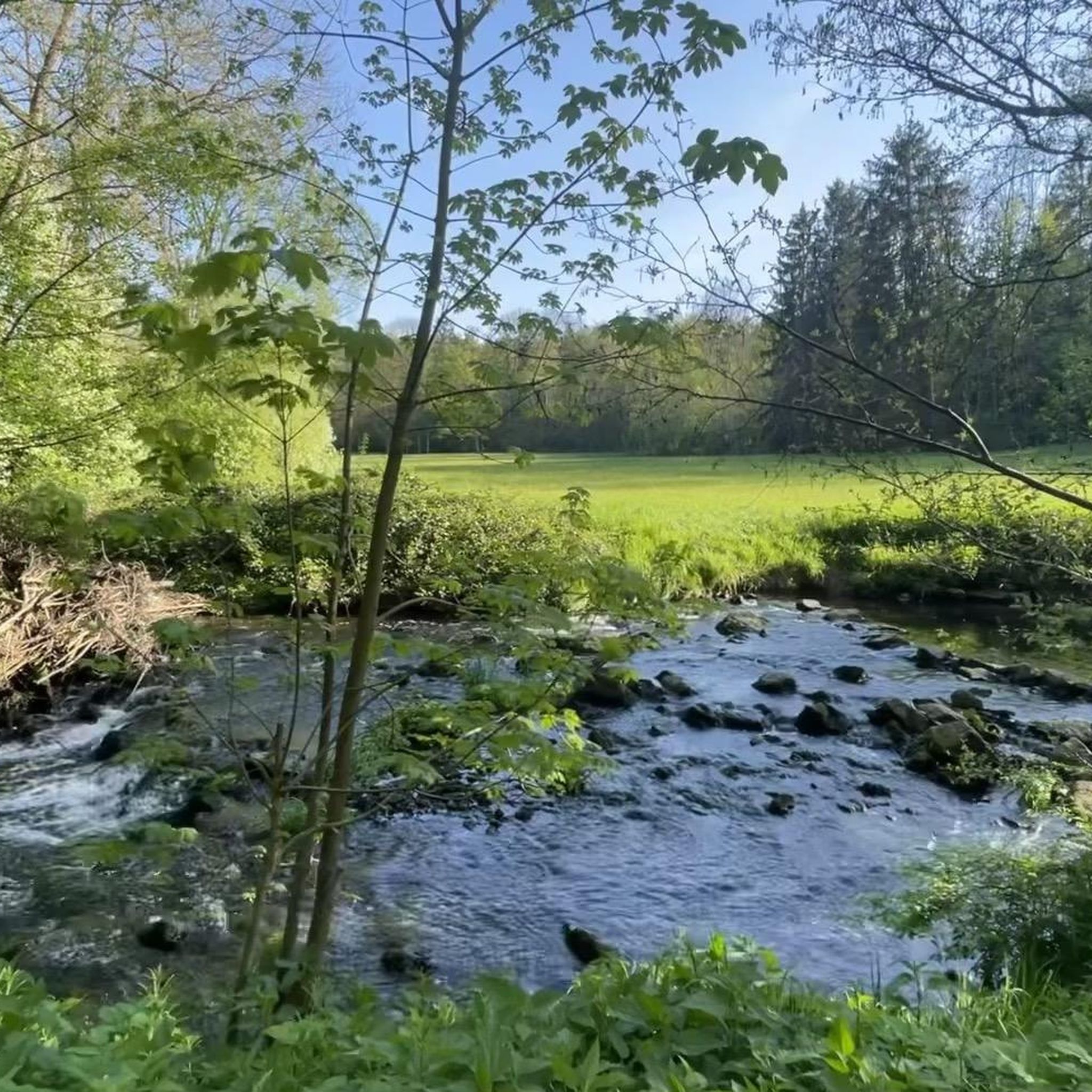
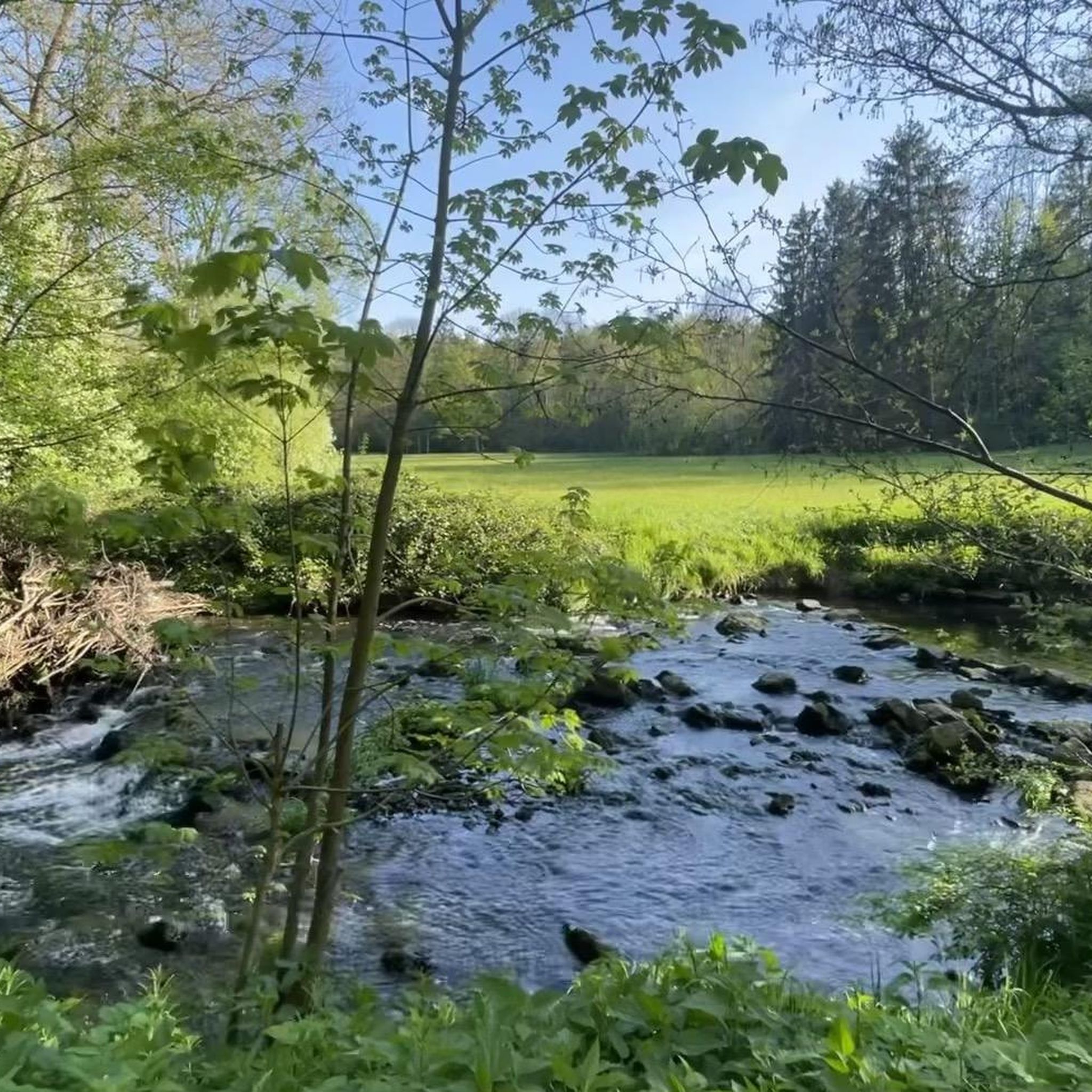
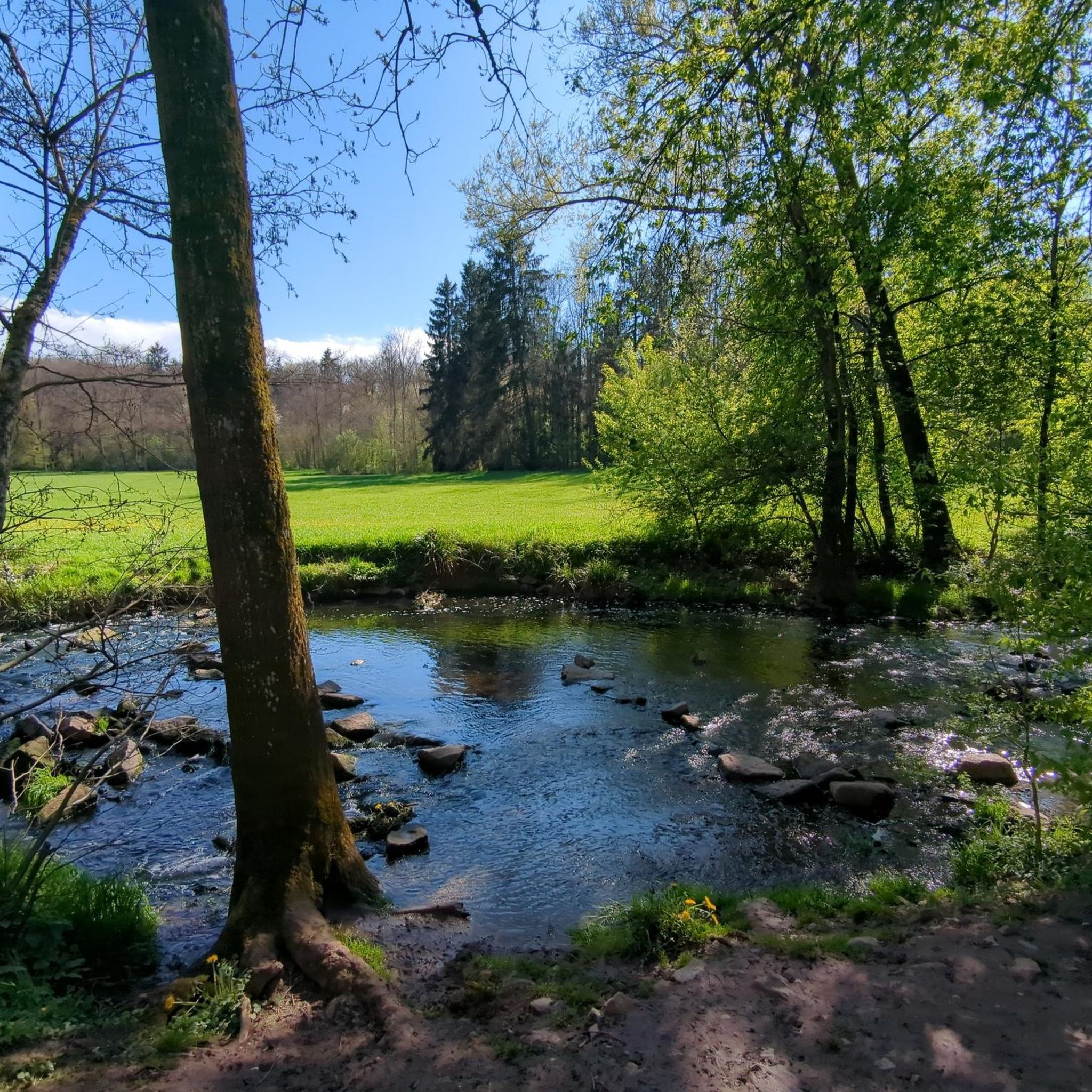
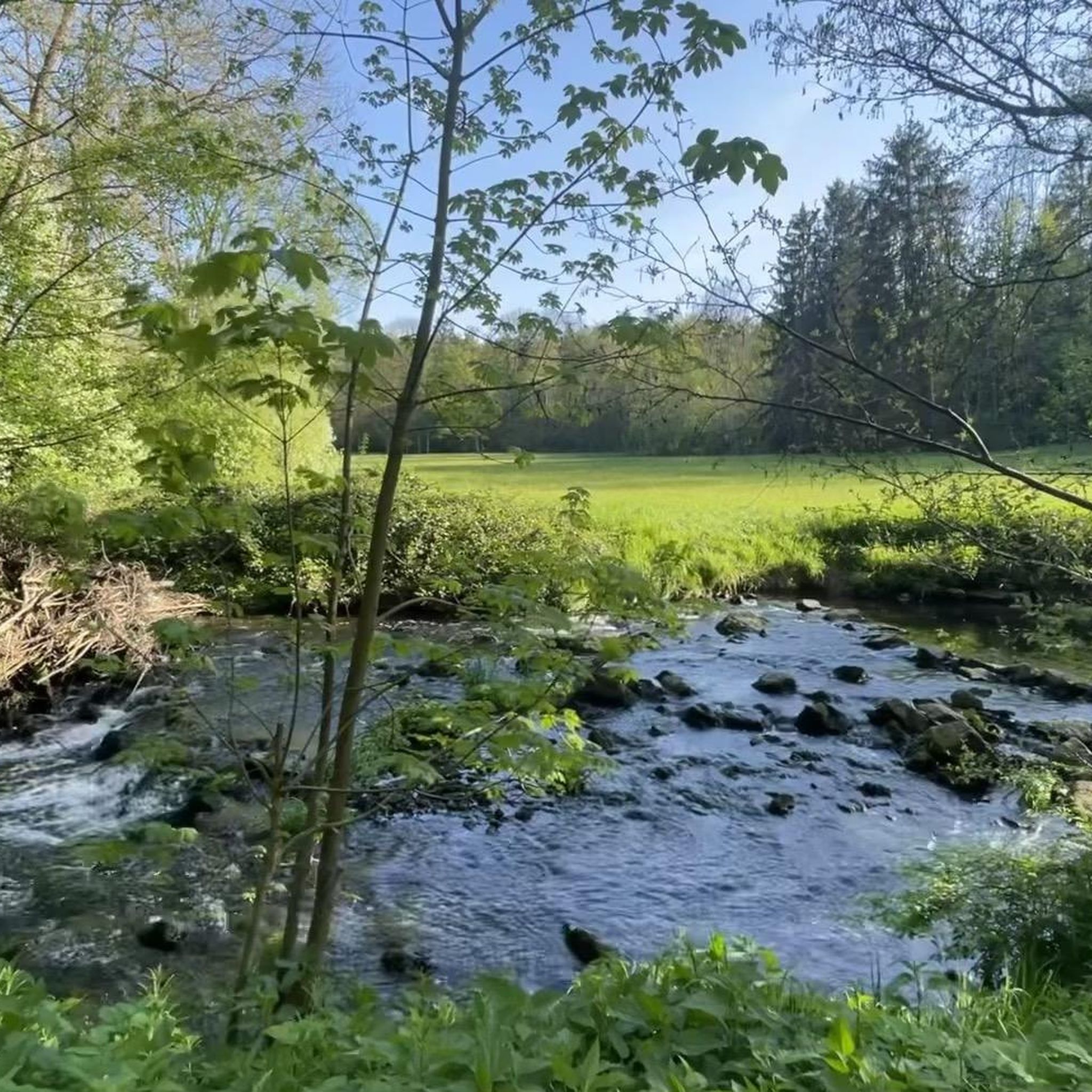
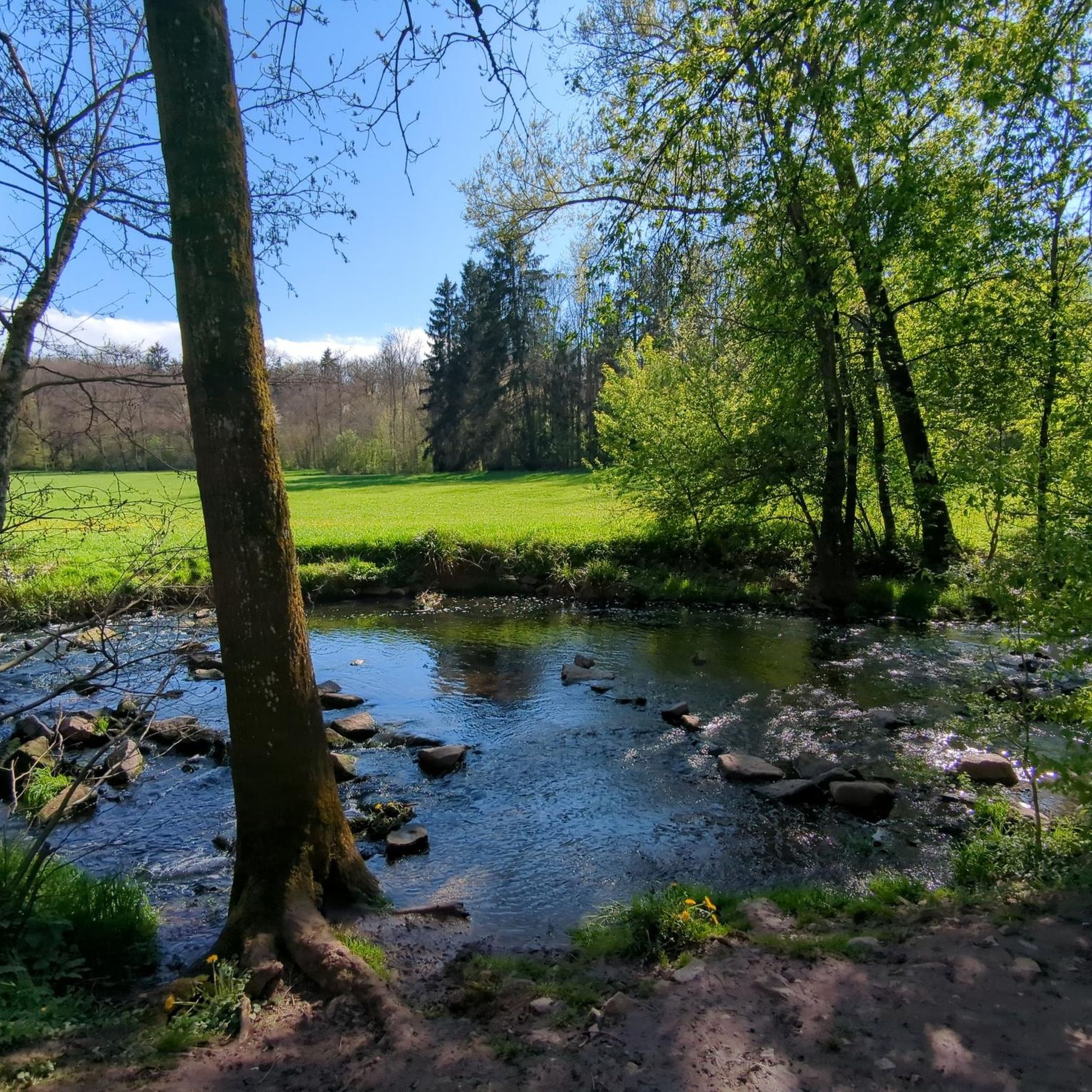
Körsch River in Weidach and Zettach Forest
Highlight (Segment) • River
Translated by Google •
Tip by

Heidbrünnele Fountain
Highlight • Natural Monument
Translated by Google •
Tip by

Sign up now to discover places like this
Get recommendations on the best single tracks, peaks, & plenty of other exciting outdoor places.
Sign up for free
Scilla (Blue Star) in Körschtal
Highlight • Forest
Translated by Google •
Tip by

Weidach Arboretum
Highlight • Forest
Translated by Google •
Tip by

Start today with a free account
Your next adventure awaits.
Login or Signup
Popular around Weidach- Und Zettachwald

Tips from the Community

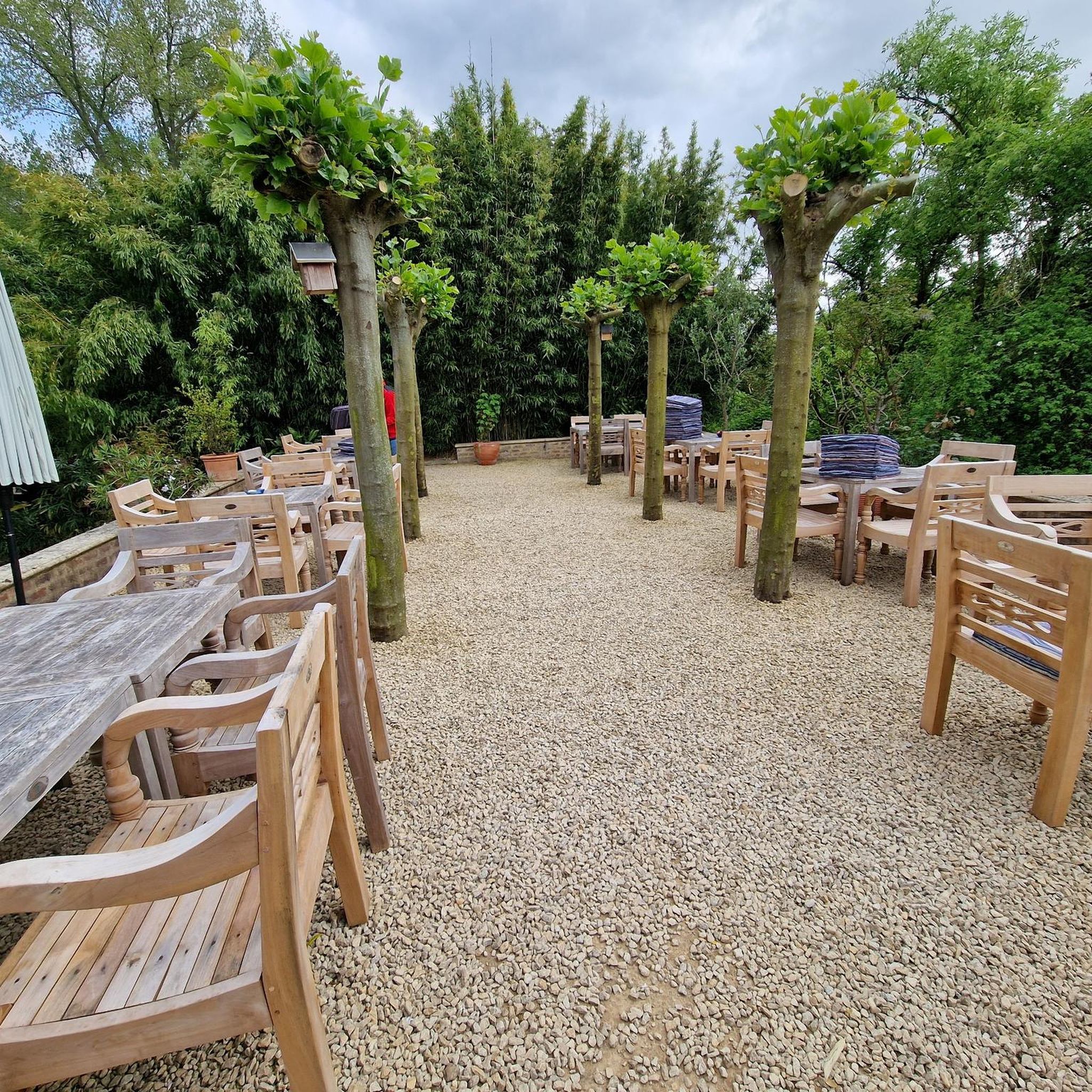
A pleasant rest area by the wayside, consisting of a small fountain and seating. I particularly like the single seat next to the fountain.
1
0

Heidbrünnele fountain with bench
1
0

A beautiful valley to hike
0
1
Beautiful to look at during flowering in March. Please follow the signs: Do not pick or dig up scillas. And do not trample around in the forest. Just look at them as they are!
0
0

The fountain was a real surprise on the way. It is a lovely place to relax and recharge your batteries.
1
0

Manageable arboretum with various trees and a very large hut that offers sufficient shelter in bad weather. Unfortunately, there is no place to sit and relax here.
0
0
Wonderful how many there are, the forest is literally soaked in blue👍🏻
1
0

The Heidbrünnele has a small, stone and semicircular fountain trough. The name of the fountain suggests Celtic origins.
2
0
Frequently Asked Questions
What are the main natural features to explore in Weidach- und Zettachwald?
The Weidach- und Zettachwald nature reserve offers a rich mosaic of habitats, including forests, meadows, and sections of the Körsch stream. You can explore Stuttgart's largest orchard area and discover rare flora like the blue squill, especially vibrant in spring. Key natural monuments include the Körsch River in Weidach and Zettach Forest, known for its ecological importance, and the Scilla (Blue Star) in Körschtal, famous for its stunning spring blooms.
Are there family-friendly natural monuments in Weidach- und Zettachwald?
Yes, many natural monuments in the area are suitable for families. The Giant Sequoia in Körschtal offers an impressive sight for all ages. The Heidbrünnele Fountain provides a pleasant, shady spot for a break, and the Weidach- und Zettachwald Spring is an accessible natural feature that children often enjoy.
What is the best time to visit Weidach- und Zettachwald to see its unique flora?
The best time to visit is in spring, typically from March to April, when the rare blue squill (Blaustern) carpets the forest floor in the Scilla (Blue Star) in Körschtal. This spectacular display is a major draw, transforming the light deciduous forests into a sea of blue flowers.
What kind of wildlife can be observed in Weidach- und Zettachwald?
The diverse ecosystems of Weidach- und Zettachwald provide a habitat for various animal species. Visitors can observe birds, and the reserve is known to host species like the European water shrew, the common shrew, and the great evening bat. The high-stemmed fruit trees in the orchard areas also provide crucial habitats, including tree hollows for birds and bats.
Are there hiking trails near the natural monuments in Weidach- und Zettachwald?
Yes, the area features well-marked trails suitable for hiking and walking, catering to various fitness levels. You can find numerous routes, including circular walks, that allow you to explore the natural monuments. For more detailed hiking options, refer to the Weidach- Und Zettachwald guide.
What other outdoor activities can I do near these natural monuments?
Beyond hiking, the Weidach- und Zettachwald area is excellent for cycling and mountain biking. There are dedicated guides for these activities, such as Cycling in Weidach- Und Zettachwald, Gravel biking in Weidach- Und Zettachwald, and MTB Trails in Weidach- Und Zettachwald, offering routes for various skill levels.
Is it possible to visit Weidach- und Zettachwald with a dog?
Yes, the Weidach- und Zettachwald area is generally dog-friendly, with many trails suitable for walks with your canine companion. However, it's always recommended to keep dogs on a leash, especially in nature reserve areas, to protect wildlife and ensure a pleasant experience for all visitors.
What should I know about the Giant Sequoia in Körschtal?
The Giant Sequoia in Körschtal is a remarkable natural monument. These sequoia trees were planted in the 19th century after King Wilhelm I of Württemberg ordered seeds from California. They are among the few that survived a severe winter in 1879/1880, making them a unique historical and botanical sight in the region.
Are there any viewpoints or scenic spots in Weidach- und Zettachwald?
While specific designated viewpoints are not highlighted, the diverse landscape of the Weidach- und Zettachwald, particularly along the Körsch stream and within the orchard areas, offers many picturesque natural scenes. The Giant Sequoia in Körschtal itself is considered a scenic spot due to the impressive size of the trees.
What do visitors enjoy most about the natural monuments in Weidach- und Zettachwald?
Visitors particularly enjoy the opportunity to connect with nature and observe the diverse plant and animal life. The spectacular spring display of blue squills is a major highlight. Many appreciate the well-marked trails for hiking and biking, and the peaceful, natural environment for relaxation and exploration. The unique historical aspect of the Giant Sequoias also draws considerable interest.
Is there parking available near the natural monuments?
While specific parking locations are not detailed in the guide, as a popular nature reserve near Stuttgart, there are typically designated parking areas at various entry points to the Weidach- und Zettachwald. It is advisable to check local signage upon arrival or consult online maps for parking options closest to your intended starting point.
How can I get to Weidach- und Zettachwald using public transport?
The Weidach- und Zettachwald is located near Stuttgart, and public transport options are available to reach the vicinity. Depending on your starting point, you can use local buses or trains to get to nearby towns or districts, from where you can access the reserve on foot. Checking the local public transport network (VVS in the Stuttgart region) for routes to areas like Plieningen or Hohenheim would be a good starting point.
Most popular routes in Weidach- Und Zettachwald
Most popular attractions in Weidach- Und Zettachwald

Get inspired with the komoot mobile app


Explore more
Extend your search for the best caves by checking out these guides of the top ones in Weidach- Und Zettachwald:
