Top 2 Natural Monuments in Luzenkamp
Best natural monuments in Luzenkamp are found within a region known for its diverse natural features and landscapes. The area, situated near the Dutch and German borders, offers a variety of ecosystems including forests, fens, and stream valleys. These natural monuments provide opportunities for outdoor recreation and observing local flora and fauna. The landscape is shaped by historical and natural processes, contributing to its unique character.
Best natural monuments in Luzenkamp
- The most popular natural monument is Melickerven Rest Area…
Last updated: June 21, 2026
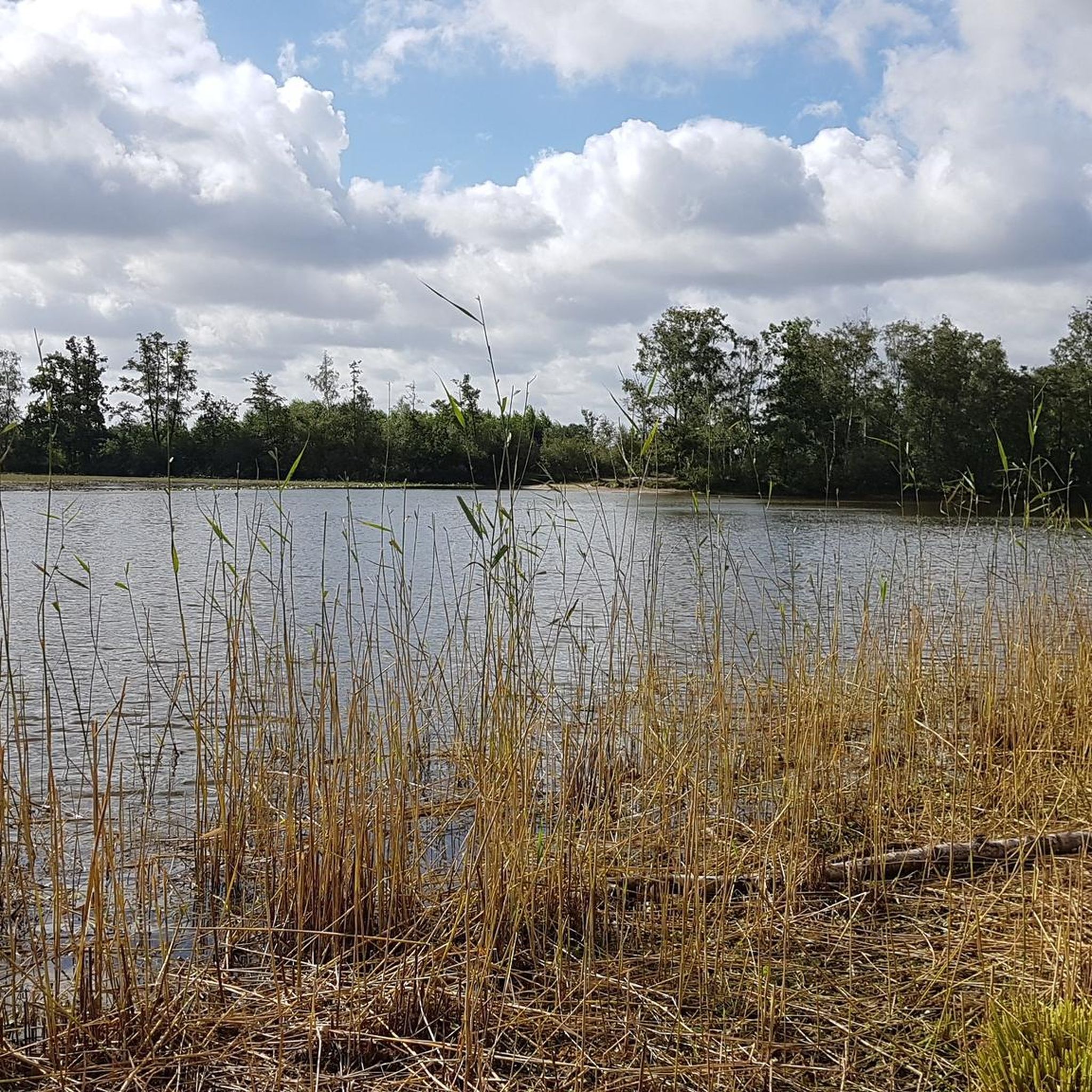
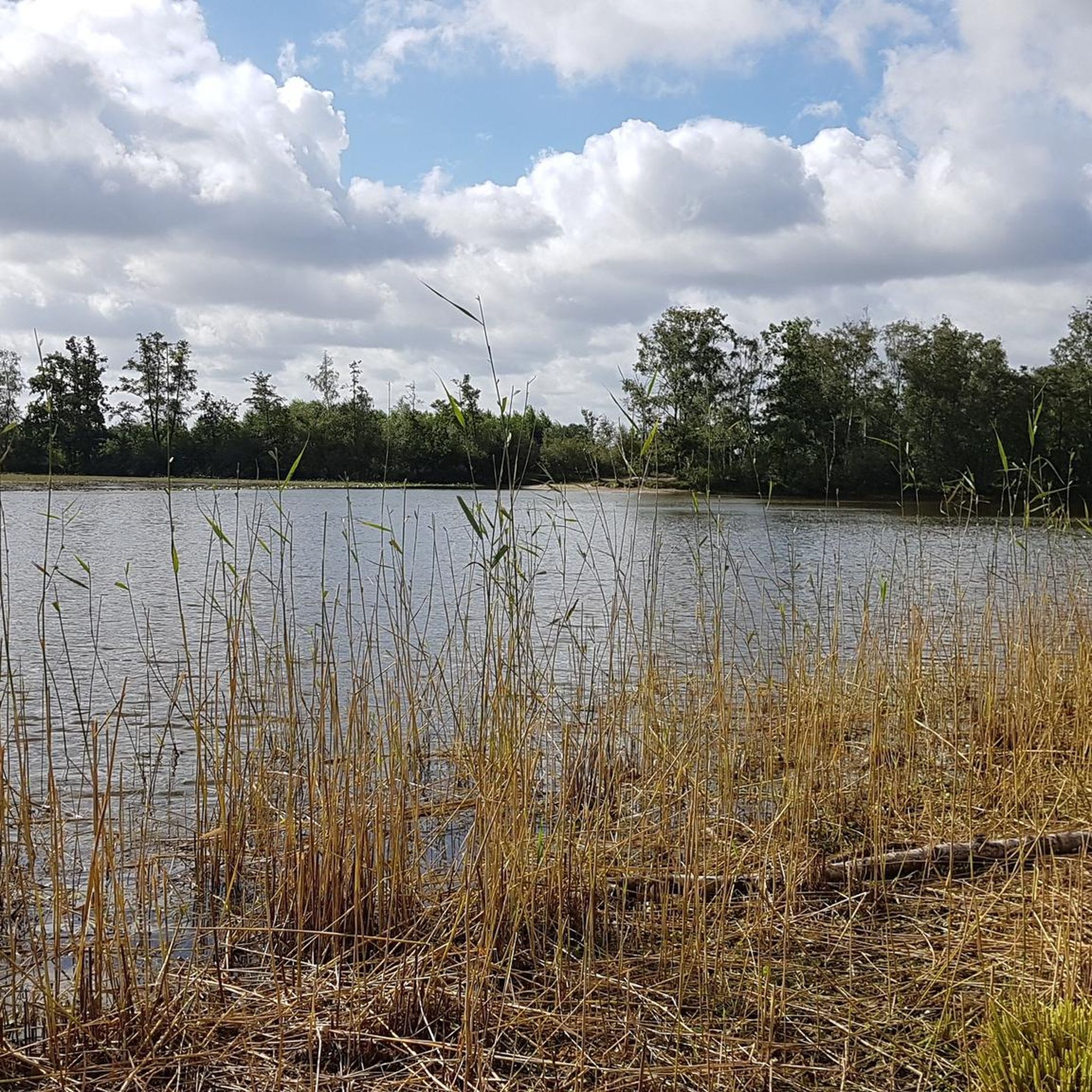
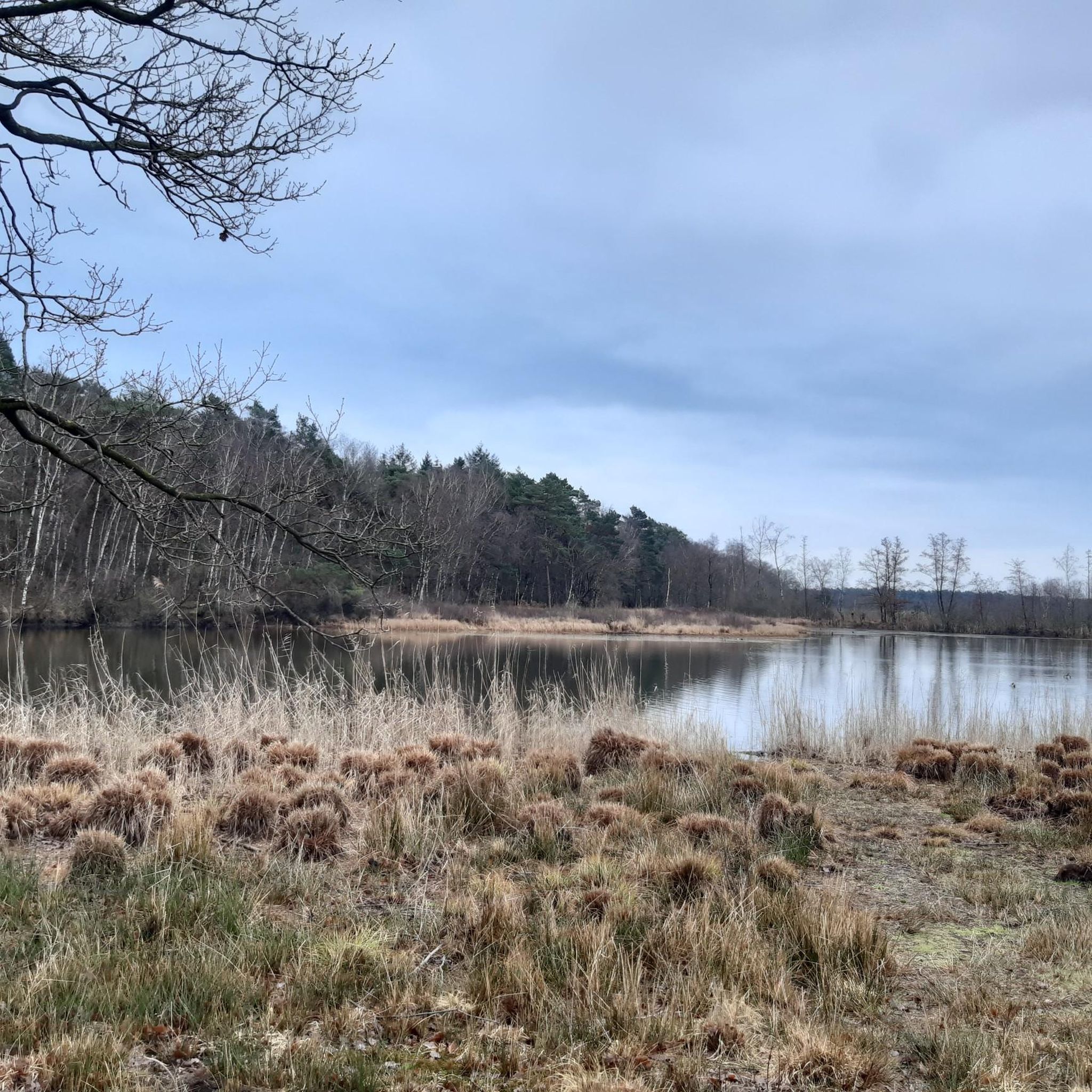
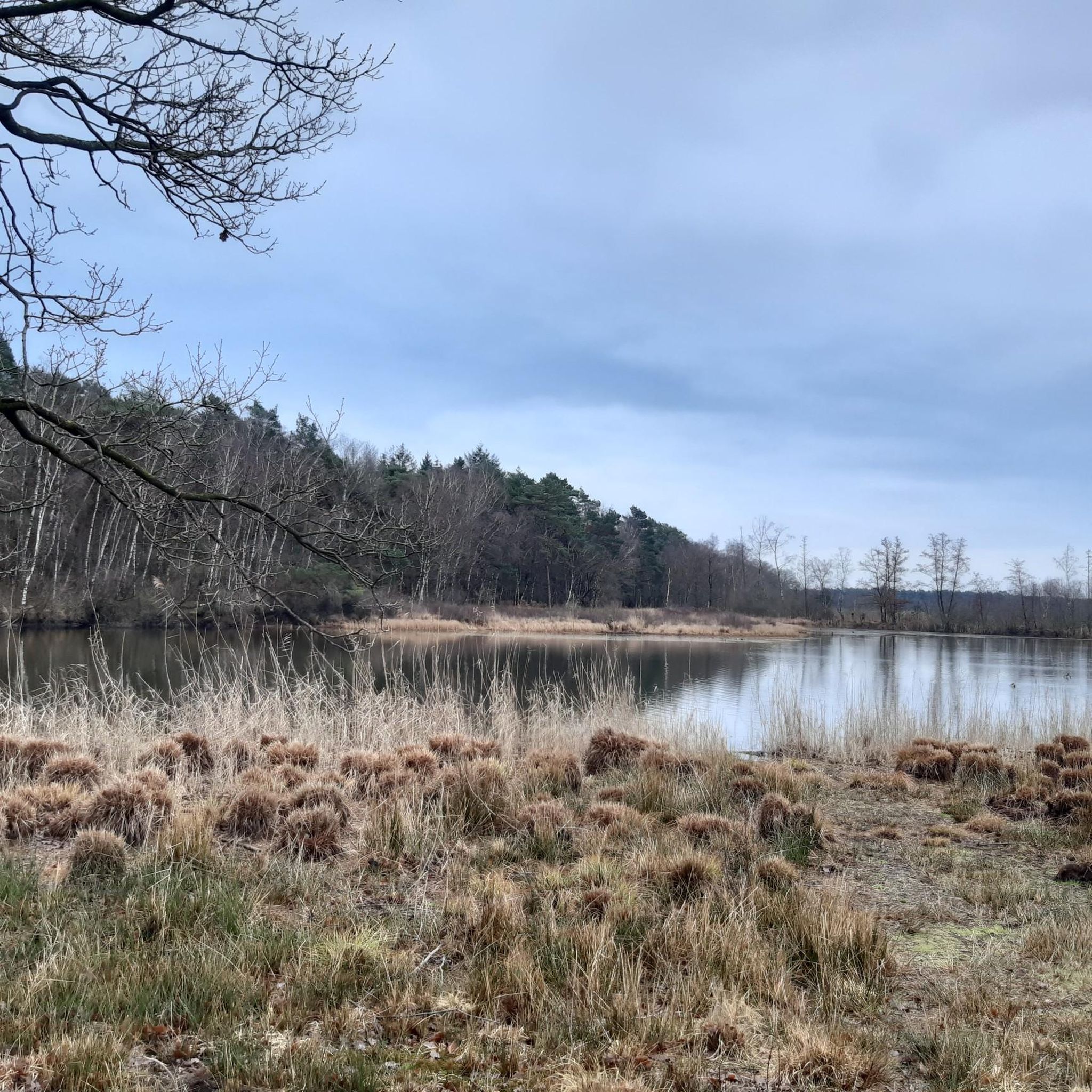
Melickerven Rest Area
Highlight • Lake
In the evening, you have wonderful lighting conditions here and you can enjoy the tranquility of nature, or listen to the sounds of nature.
Showing Translation
Tip by

Melickerven
Highlight • Lake
Translated by Google •
Tip by

Sign up now to discover places like this
Get recommendations on the best single tracks, peaks, & plenty of other exciting outdoor places.
Sign up for free
Beaver Dams on the Maasnielderbeek
Highlight • River
Source: Pieterpad walking guide
Translated by Google •
Tip by

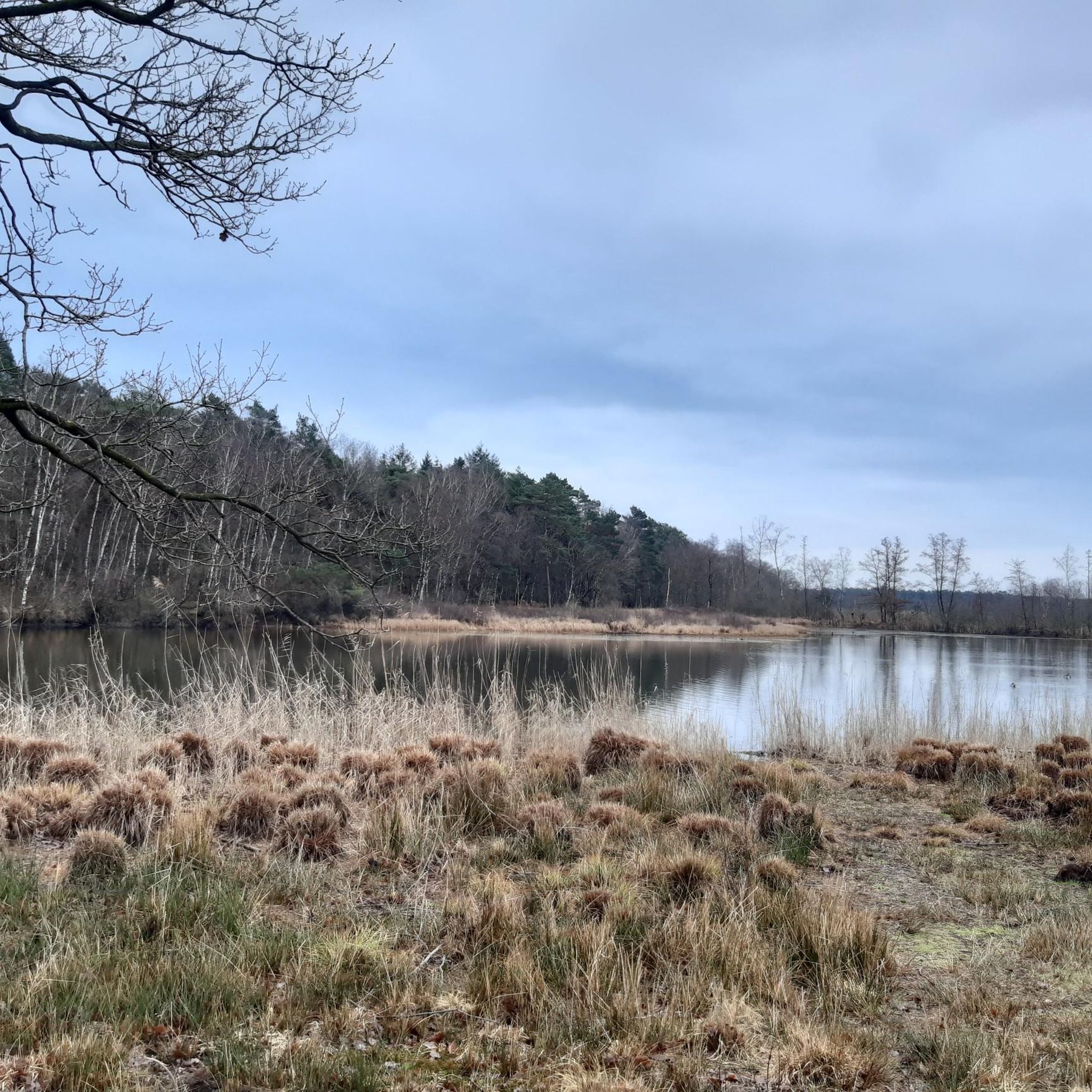
Wild horses in the Luesekamp and Boschbeek nature reserve 🐎
Highlight • Natural
Translated by Google •
Tip by

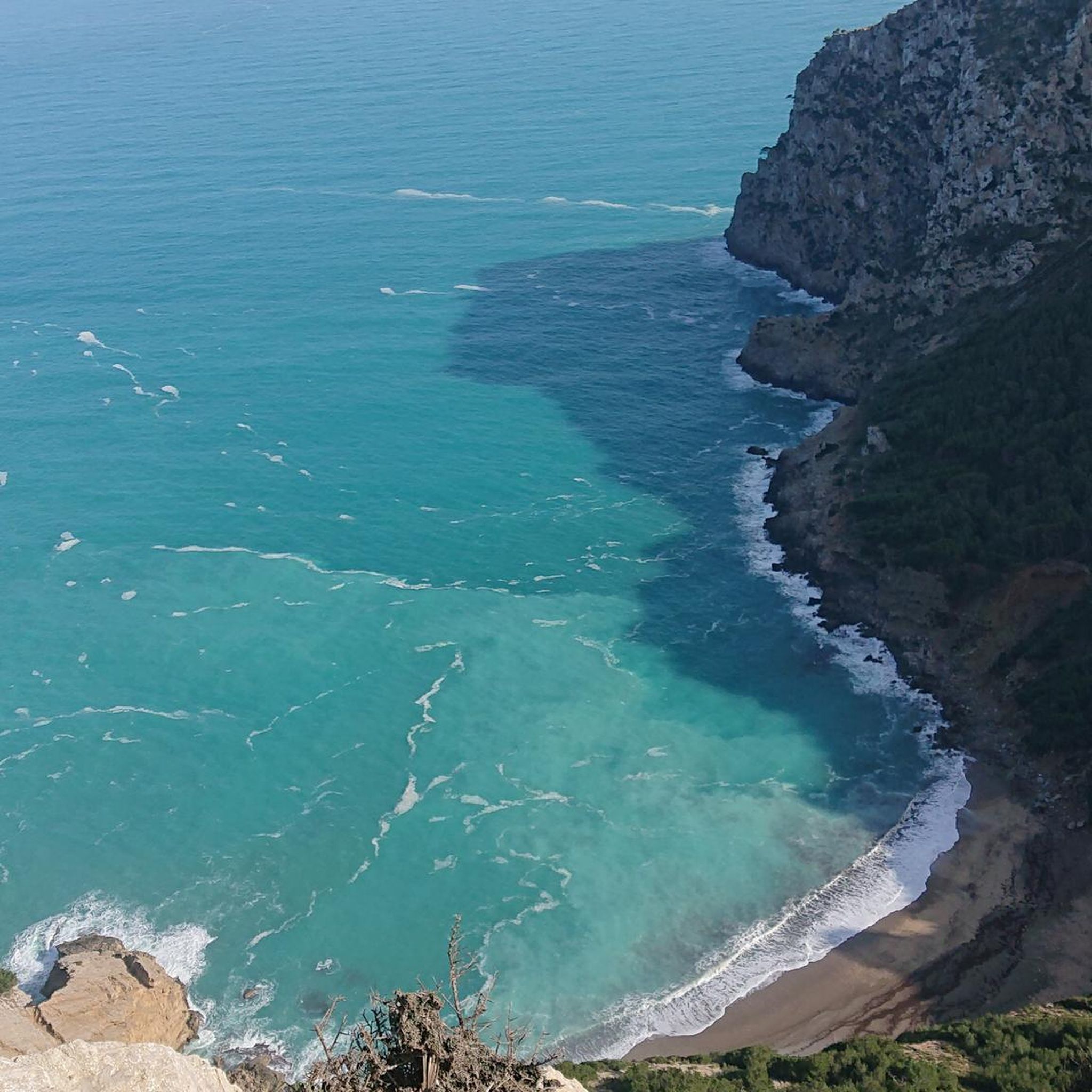
Schwalm-Nette Nature Park
Highlight • Forest
Translated by Google •
Tip by

Start today with a free account
Your next adventure awaits.
Login or Signup
Tips from the Community

Beautiful path on the Dutch border.
1
1

This is not the Schwalm-Nette Nature Park, but the Meinweg National Park in the Netherlands.
2
0

A region to slow down
3
0

The Maasnielderbeek is well out of its depth at the end of January
0
0

beautiful panoramic views.
2
0

maasnielderbeek All Images News Videos Short videos Products Books Web Financial Search tools Feedback Maasnielderbeek The Maasnielderbeek is a stream in the Dutch province of Limburg. The stream rises near Boukoul and Asenray and runs along the districts of Donderberg, Maasniel and Leeuwen to flow into the Maas there. The length of the stream is approximately 12 kilometers.
0
0

Enjoy the flora and fauna in this region
2
0

Here runs a herd of wild horses that keep the grass short.
1
0
Frequently Asked Questions
What are the most popular natural monuments to visit in Luzenkamp?
Among the most popular natural monuments in and around Luzenkamp are the serene Melickerven Rest Area, known for its tranquil moor lake that straddles the German-Dutch border, and the fascinating Beaver Dams on the Maasnielderbeek, where you can observe impressive wildlife engineering. Another highlight is the Wild horses in the Luesekamp and Boschbeek nature reserve, offering a chance to see these magnificent animals in their natural habitat.
Are there family-friendly natural monuments in Luzenkamp?
Yes, several natural monuments in the region are great for families. The Melickerven Rest Area and Melickerven lake are considered family-friendly, offering peaceful spots for rest and nature observation. The Beaver Dams on the Maasnielderbeek provide an educational experience for children to learn about wildlife. Additionally, the Wild horses in the Luesekamp and Boschbeek nature reserve are a popular attraction for families, with horses often visible near watering holes.
What kind of wildlife can I expect to see at the natural monuments?
The natural monuments in the Luzenkamp area are rich in wildlife. At the Beaver Dams on the Maasnielderbeek, you can observe active beaver populations. The Luesekamp and Boschbeek nature reserve is home to wild horses. Meinweg National Park (also known as Schwalm-Nette Nature Park) is unique for being the only area in Limburg where the adder, a venomous snake, can be found. GrensPark Kempen~Broek is excellent for birdwatching and spotting red deer and beavers, while National Park de Groote Peel is a significant breeding ground for over ninety bird species.
What are the best natural monuments for hiking?
For hikers, the Schwalm-Nette Nature Park (Meinweg National Park) offers diverse terrain including forests, heathland, and fens. Hoge Kempen National Park provides well-marked routes with some climbs and descents across its extensive forests and moors. Nature Reserve the Leudal is a very popular hiking area, distinguished by its picturesque stream valleys. You can find various hiking routes near these natural monuments, including family-friendly hikes and dog-friendly trails.
Are there any natural monuments with unique geological features?
Yes, the region offers interesting geological features. The Maasnielderbeek stream flows in an old bed of the Maas, with paths rising to a higher river terrace. RivierPark Maasvallei is characterized by an extensive network of river arms, embankments, stream channels, gravel ponds, and floodplains, showcasing the dynamic impact of the Maas River. The Litsberg Sand Dune near Nederweert also provides panoramic views and unique natural elements.
What is the best time of year to visit the natural monuments in Luzenkamp?
The best time to visit depends on your interests. Early mornings are particularly recommended for places like Melickerven to enjoy the tranquil atmosphere and dew. Late August is ideal for visiting Hoge Kempen National Park when its heathlands are covered in a beautiful carpet of purple flowers. Generally, spring and autumn offer pleasant temperatures for hiking and wildlife spotting, while winter can provide a unique, serene experience.
Can I go cycling near these natural monuments?
Absolutely! The region is well-suited for cycling. Meinweg National Park, for instance, has paths suitable for cycling, though some may be unpaved. You can explore various road cycling routes in Luzenkamp that pass through or near these natural areas, offering scenic rides through diverse landscapes.
Are there any natural monuments that are good for birdwatching?
Yes, birdwatching enthusiasts will find excellent spots. GrensPark Kempen~Broek is known for its open spaces and tranquility, making it an excellent spot for birdwatching. National Park de Groote Peel, despite being the smallest National Park in the Netherlands, is an important breeding ground, hosting over ninety bird species during the breeding season, making it a prime location for avian observation.
What makes the Melickerven lake special?
The Melickerven is an idyllic moor lake that is unique because the German and Dutch border runs right through it. It's described as a very beautiful, small fen, sometimes partially obscured by vegetation, adding to its mysterious charm. Visitors particularly enjoy the tranquility, especially in the early mornings when the dew creates a beautiful and serene atmosphere, perfect for enjoying nature's sounds.
Where can I find more information about the natural reserves in the wider Limburg region?
For more information on the beautiful nature reserves in the wider Limburg region, including those in Belgian Limburg, you can visit visitlimburg.be. This resource can provide additional context and details about the diverse natural landscapes beyond Luzenkamp.
What are the unique characteristics of the RivierPark Maasvallei?
RivierPark Maasvallei, stretching along Limburg's Maas River, is characterized by its extensive network of river arms, embankments, stream channels, gravel ponds, and floodplains. Around 630 hectares of this landscape are designated nature reserves, providing a unique environment shaped by the river's dynamics and supporting diverse flora and fauna. It's a prime example of a riverine landscape.
Can I see evidence of historical land use at any of the natural monuments?
Yes, National Park de Groote Peel is particularly significant for its visible history of peat extraction. This smallest National Park in the Netherlands offers insights into historical land use and how it has shaped the unique landscape you see today, alongside its importance as a bird breeding ground.
Most popular routes in Luzenkamp
Most popular attractions in Luzenkamp

Get inspired with the komoot mobile app


Explore more
Extend your search for the best caves by checking out these guides of the top ones in Luzenkamp:
