Top 20 Natural Monuments in Naturpark Südheide
Natural monuments in Naturpark Südheide feature diverse landscapes shaped by the Ice Age, including extensive heathlands, deep valleys, ancient forests, and rich moors. The region offers unique geological formations and preserves traditional heathland ecosystems. Over 90% of the park's area is protected as landscape or nature reserves, ensuring the conservation of these natural assets.
Best natural monuments in Naturpark Südheide
- The most popular natural monument is Misselhorner Heath – Tiefental, an other natural area that features a deep dry…
Last updated: July 5, 2026
Misselhorner Heath – Tiefental
Highlight (Segment) • Natural
Although the deep valley …
Translated by Google •
Tip by

Lönsstein (Hermann Löns Memorial) on Wietzer Berg
Highlight • Monument
Showing Translation
Tip by

Sign up now to discover places like this
Get recommendations on the best single tracks, peaks, & plenty of other exciting outdoor places.
Sign up for free
Rest area and water-treading spot at the old mill
Highlight • Monument
The tourist information center is located in the mill itself.
Translated by Google •
Tip by

Kettle in the Misselhorner Heath
Highlight • Natural Monument
Translated by Google •
Tip by

Misselhorner Heath
Highlight • Natural
Translated by Google •
Tip by

Sign up for free to discover even more natural monuments in Naturpark Südheide.
Sign up for free
Already have an account?
Start today with a free account
Your next adventure awaits.
Login or Signup
Popular around Naturpark Südheide

The National Natural Landscapes in Niedersachsen
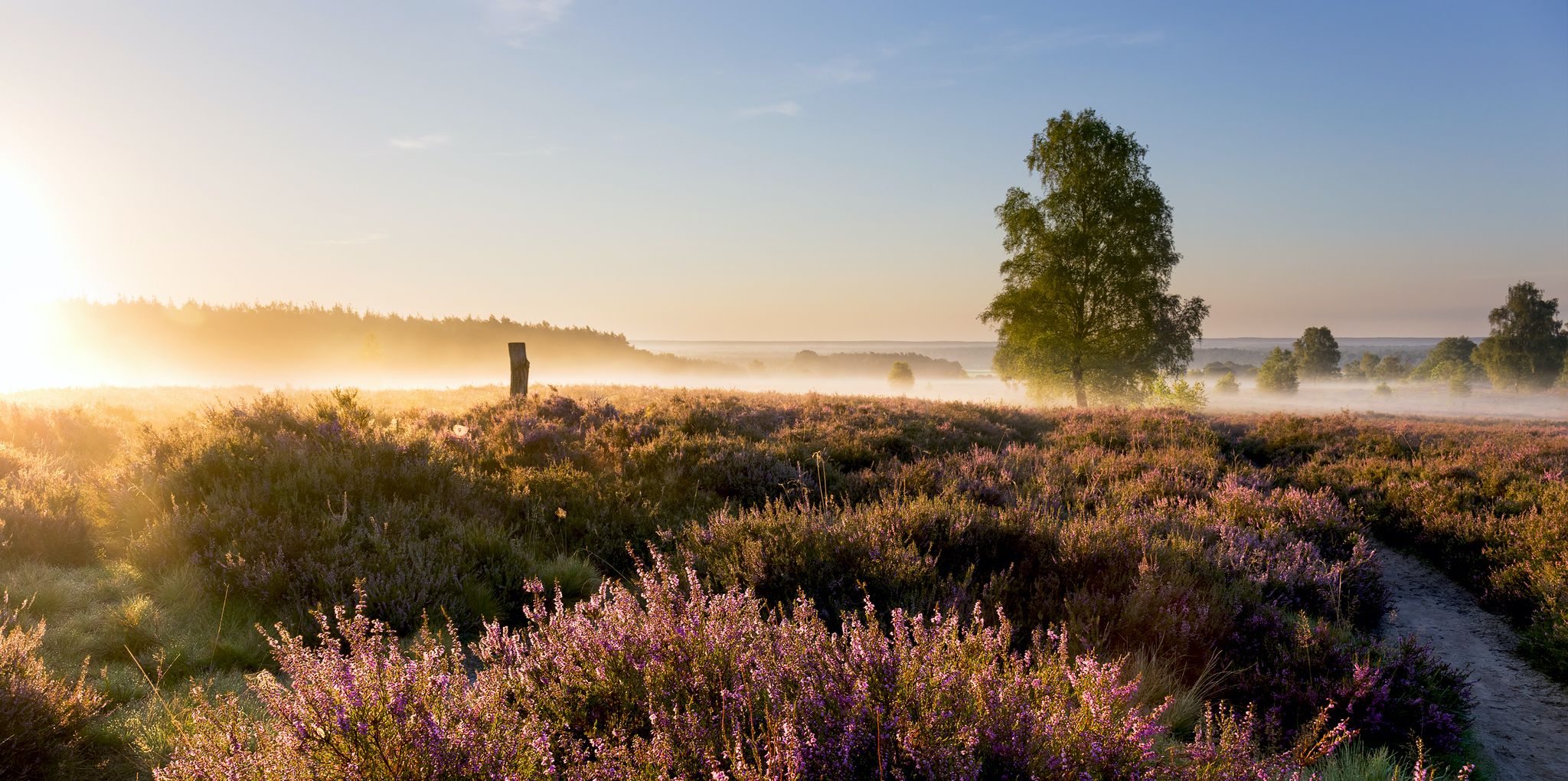
The most beautiful path high up in the north — the Heidschnuckenweg
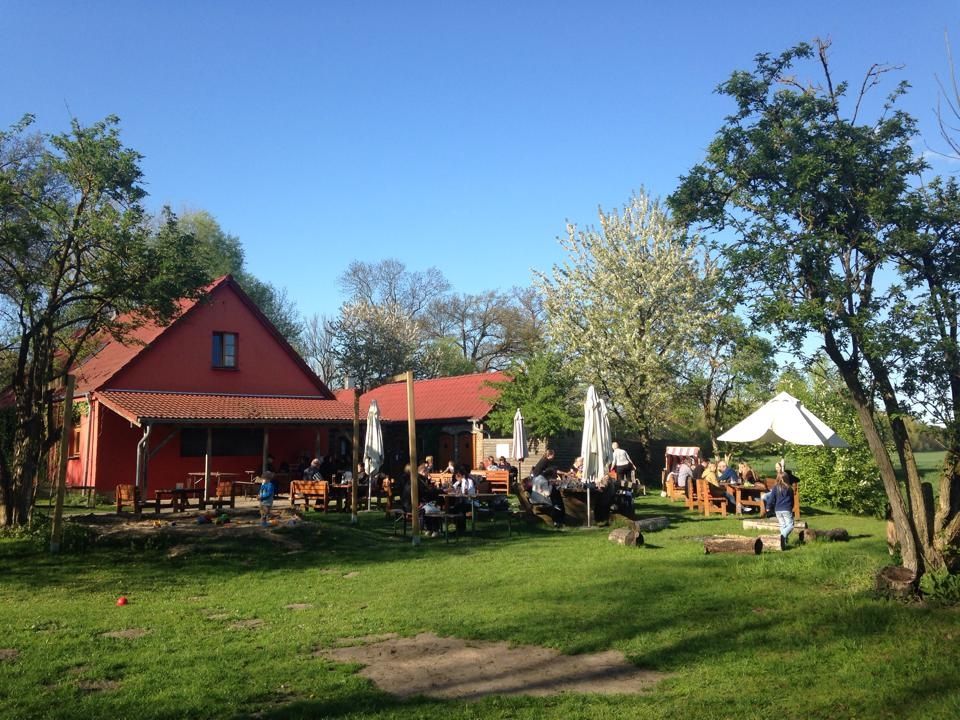
Farmer's shops — escape to the country
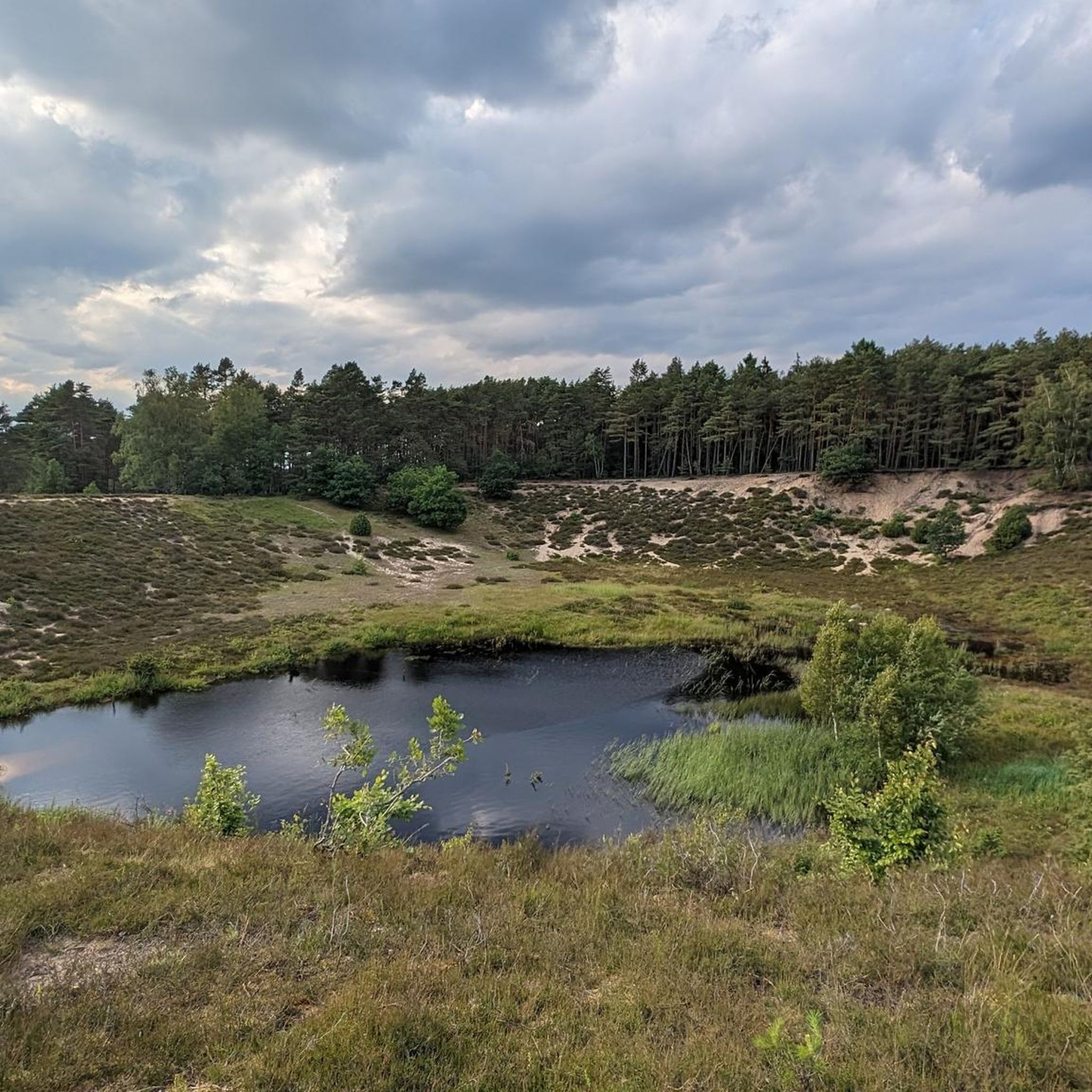
Hiking in Naturpark Südheide
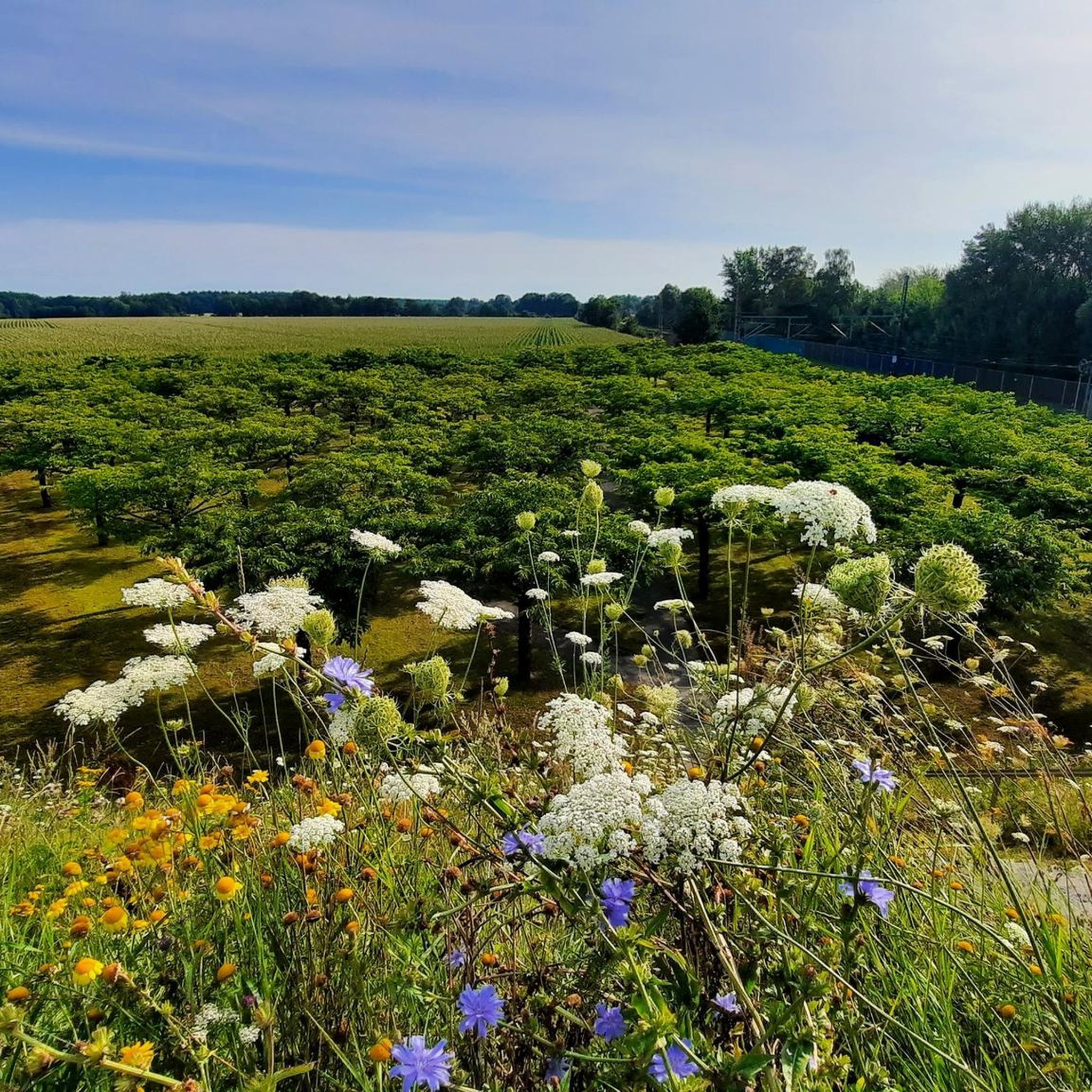
Cycling in Naturpark Südheide
MTB Trails in Naturpark Südheide
Road Cycling Routes in Naturpark Südheide
Running Trails in Naturpark Südheide

Gravel biking in Naturpark Südheide
Other adventures in Naturpark Südheide


Tips from the Community

You can book forest and heath yoga at: https://www.lueneburger-heide.de/natur/landschaftsfuehrungen/0100315303/wald-und-heideyoga.html#/
0
0

After a wet period, a pond forms here in the hollow... but it often dries up in summer
1
0
Beautiful heathland surrounded by magnificent forest... the path leads through this idyllic landscape with gentle ups and downs... especially during the heather bloom, a force of nature
2
0
Not only the historic mill is an eye-catcher, but the Örtze, flowing quietly at this point, is also very idyllic.
1
0

The Misselhorner Heide is one of the most typical heath landscapes in the Südheide. Characteristic of this area are the wide heathlands, juniper bushes, and birches that shape the landscape. The heath is particularly impressive during the heather bloom from August to September, when the areas transform into a sea of purple colors. Compared to the better-known heath areas near Wilsede, the Misselhorner Heide is considered quieter and less visited. The German landscape painter Arnold Lyongrün was also inspired by this landscape and captured it in numerous heath paintings, which made the area known beyond the region.
2
0

The Heidschnuckenweg also runs along here. All information about the Heidschnuckenweg can be found under the following link: www.heidschnuckenweg.de/etappen (as of August 27, 2024).
1
1

The road in the middle is wonderful to ride.
5
4

Here two large heath areas flow into one another: the Misselhorner Heide and the Tiefental, which is often called the “heath area on the Eicksberg”. Heathlands are old cultural landscapes, created by agriculture in earlier centuries. Today they are protected thanks to their very own flora and fauna. Characteristic of this diverse landscape are the nutrient-poor sandy soils on which birch and pine forests thrive - and of course the heather: the common heather (Calluna vulgaris). https://www.lueneburger-heide.de/natur/gehenswuerdigkeit/3408/misselhorner-heide-naturpark-suedheide.html
7
1
Frequently Asked Questions
What are some of the most unique natural features to explore in Naturpark Südheide?
Naturpark Südheide offers diverse landscapes. You can explore the Misselhorner Heath – Tiefental, a deep dry valley formed during the Ice Age, which presents a unique panorama. The park also features extensive moor landscapes like Becklinger Moor and Postmoor, vital habitats for rare species and offering views of phenomena like wool grass blooming or crane dances. Additionally, the Kettle in the Misselhorner Heath is a small, interesting landscape feature.
Are there any natural monuments in Naturpark Südheide with historical significance?
Yes, several natural monuments have historical connections. The Lönsstein (Hermann Löns Memorial) on Wietzer Berg is a significant memorial stone on an idyllic heathland, honoring Hermann Löns, whose advocacy helped establish the Lüneburg Heath as one of Germany's first nature reserves. The Angelbeck Pond features a large memorial stone commemorating firefighters who died in the 1975 Great Heath Fire.
What kind of wildlife can I expect to see in the natural monuments of Naturpark Südheide?
The natural monuments are rich in biodiversity. The Lutter Stream, for instance, is a critical habitat for over 160 endangered plant and animal species, including freshwater pearl mussels, otters, and black storks. In the moor landscapes, you might spot cranes and small red damselflies. The vast Lüßwald forests are home to boreal owls and pygmy owls, while Heidschnucken (heathland sheep) graze the heathlands like Misselhorner Heath.
Are there family-friendly natural monuments or trails in Naturpark Südheide?
Many natural monuments in Naturpark Südheide are suitable for families. The Misselhorner Heath – Tiefental offers guided hikes and information boards, making it engaging for all ages. The Old Mill and Wading Spot on the Örtze is perfect for cooling off legs in the shallow river. The Angelbeck Pond and Lönsstein on Wietzer Berg are also listed as family-friendly highlights, offering scenic views and easy access.
What outdoor activities can I do near the natural monuments in Naturpark Südheide?
The Naturpark Südheide is ideal for various outdoor activities. You can find numerous routes for cycling, mountain biking, and gravel biking. For example, there are many MTB trails, cycling routes, and gravel biking tours that pass through or near these natural areas, offering opportunities to explore the heathlands, forests, and moors.
What is the best time of year to visit the natural monuments in Naturpark Südheide?
The natural monuments in Naturpark Südheide offer unique experiences throughout the year. The heathlands, such as Misselhorner Heath, are particularly beautiful during the heath blossom season in late summer (August/September). In autumn, the bell heather and moor grass in the wetlands turn bright yellow, and the Lüßwald forests display vibrant colors. Winter, with sufficient snow, even offers prepared skiing trails in Misselhorner Heide.
Are there any natural monuments in Naturpark Südheide that are wheelchair accessible?
Yes, some natural monuments offer wheelchair-accessible paths. The Old Mill and Wading Spot on the Örtze is noted for its accessibility. Additionally, the area around Angelbeck Pond also has wheelchair-friendly sections, allowing more visitors to enjoy the picturesque setting.
Where can I find extensive forest areas within Naturpark Südheide?
The Lüßwald is one of the largest contiguous forest areas in Lower Saxony, with some parts even described as 'ancient forest'. These extensive pine and spruce forests, largely resulting from 19th-century afforestation, are perfect for tranquil cycling or hiking, especially pleasant in the shade during summer or when autumn foliage is vibrant. They are also known for wild berries and mushrooms.
What do visitors enjoy most about the natural monuments in Naturpark Südheide?
Visitors frequently praise the unique geological formations and the well-preserved traditional heathland landscapes. The rich biodiversity, including rare plant and animal species, is a major draw. Many appreciate the opportunities for outdoor activities like hiking and wildlife observation, as well as the serene atmosphere and scenic views, such as those from observation towers in the moorlands or the panorama at Tiefental.
Are there specific viewpoints or scenic spots among the natural monuments?
Absolutely. The Tiefental, adjacent to Misselhorner Heath, offers a unique and impressive panorama. The Wietzer Berg provides scenic views over idyllic heathland. Observation towers at Becklinger Moor and Postmoor offer special views over the mystical expanse of these moorlands, allowing visitors to observe natural phenomena.
Can I bring my dog to the natural monuments in Naturpark Südheide?
While specific dog-friendly trails are not explicitly listed for each monument, Naturpark Südheide generally welcomes dogs on trails, provided they are kept on a leash to protect wildlife and other visitors. It's always recommended to check local signage or park regulations for specific areas, especially around sensitive habitats like moorlands or nature reserves.
Are there any natural monuments that are particularly good for winter activities?
Yes, the Misselhorner Heide is notable for winter activities. If there is enough snow, it even has a prepared skiing trail, offering a unique way to experience the heathland landscape during the colder months.
Most popular routes in Naturpark Südheide
Most popular attractions in Naturpark Südheide

Get inspired with the komoot mobile app


Explore more
Extend your search for the best caves by checking out these guides of the top ones in Naturpark Südheide:
