Top 8 Natural Monuments in Witte Moor
Natural monuments in Witte Moor encompass a unique regenerated high moorland, part of the Holler- und Wittemoor Nature Reserve. This area showcases a rare ecosystem with typical moorland vegetation and diverse wildlife. It also features a significant historical site, the reconstructed Prehistoric Boardwalk, offering insights into ancient crossings and archaeological finds. The region provides opportunities to experience successful conservation efforts and connect with local history.
Best natural monuments in Witte Moor
- The most popular natural monuments is Observation Platform at…
Last updated: August 15, 2026
Prehistoric Boardwalk in Witte Moor
Highlight • Historical Site
Translated by Google •
Tip by

Observation Platform at Holler- und Wittemoor
Highlight • Viewpoint
Three designated hiking trails lead you through the …
Translated by Google •
Tip by

Sign up now to discover places like this
Get recommendations on the best single tracks, peaks, & plenty of other exciting outdoor places.
Sign up for free
Moorland in the Wildeshauser Geest Nature Park
Highlight (Segment) • Natural
However, it is difficult to ride a touring bike or, as others would say, very demanding.
Translated by Google •
Tip by

Biele and Wittenmoor Nature Experience
Highlight • Natural
Translated by Google •
Tip by

Hand-cut peat pit in Witte Moor
Highlight • Natural Monument
Translated by Google •
Tip by
Sign up for free to discover even more natural monuments in Witte Moor.
Sign up for free
Already have an account?
Start today with a free account
Your next adventure awaits.
Login or Signup
Tips from the Community

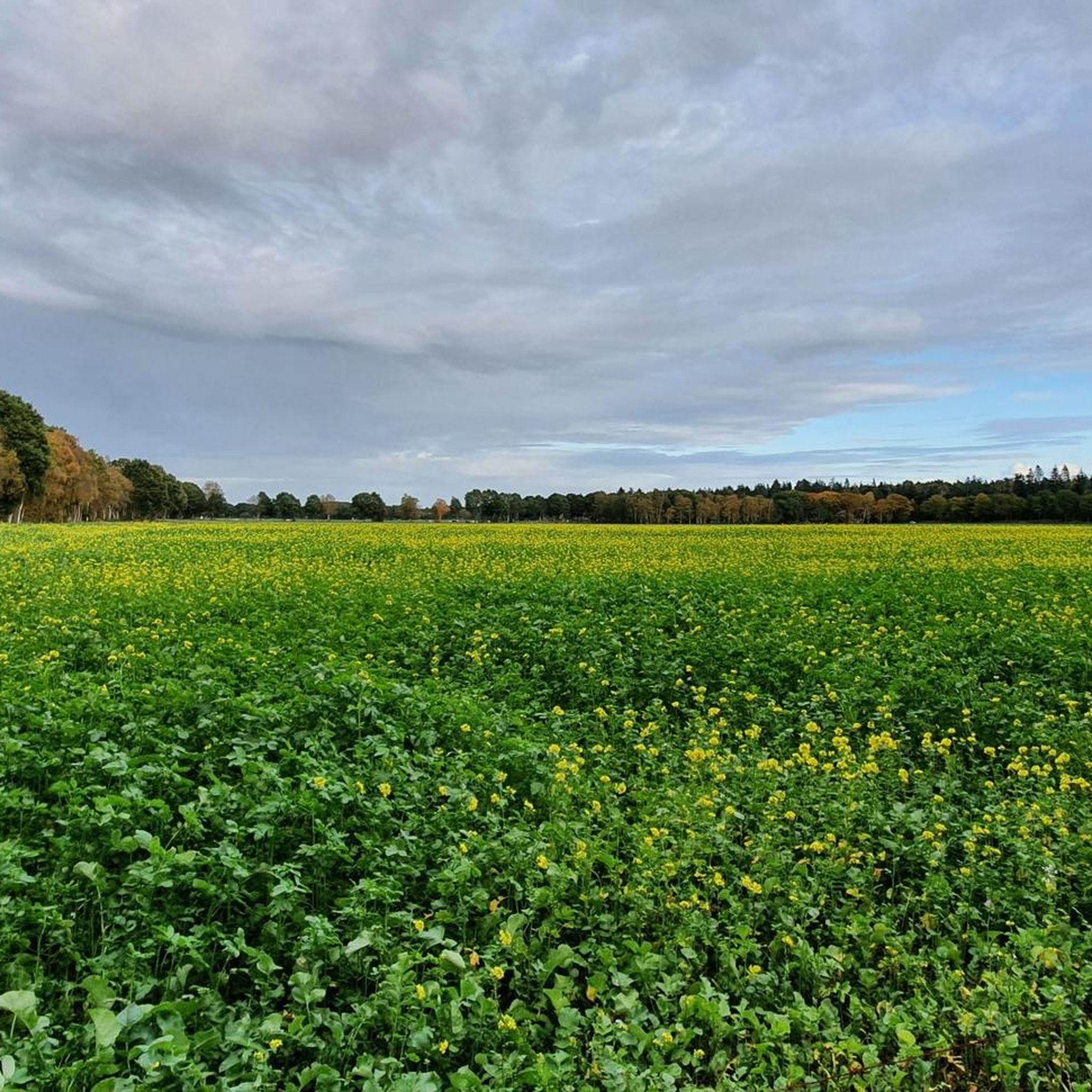
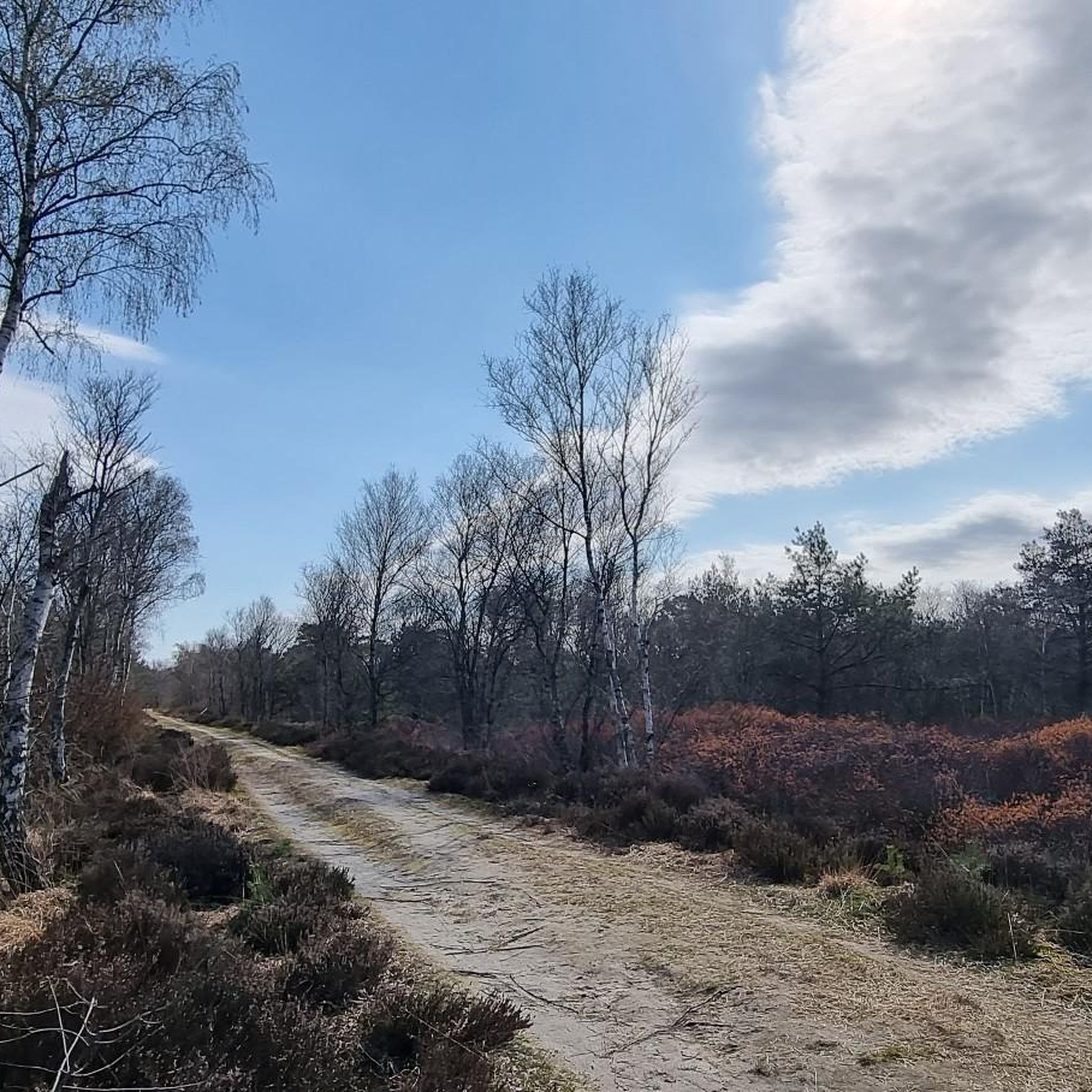
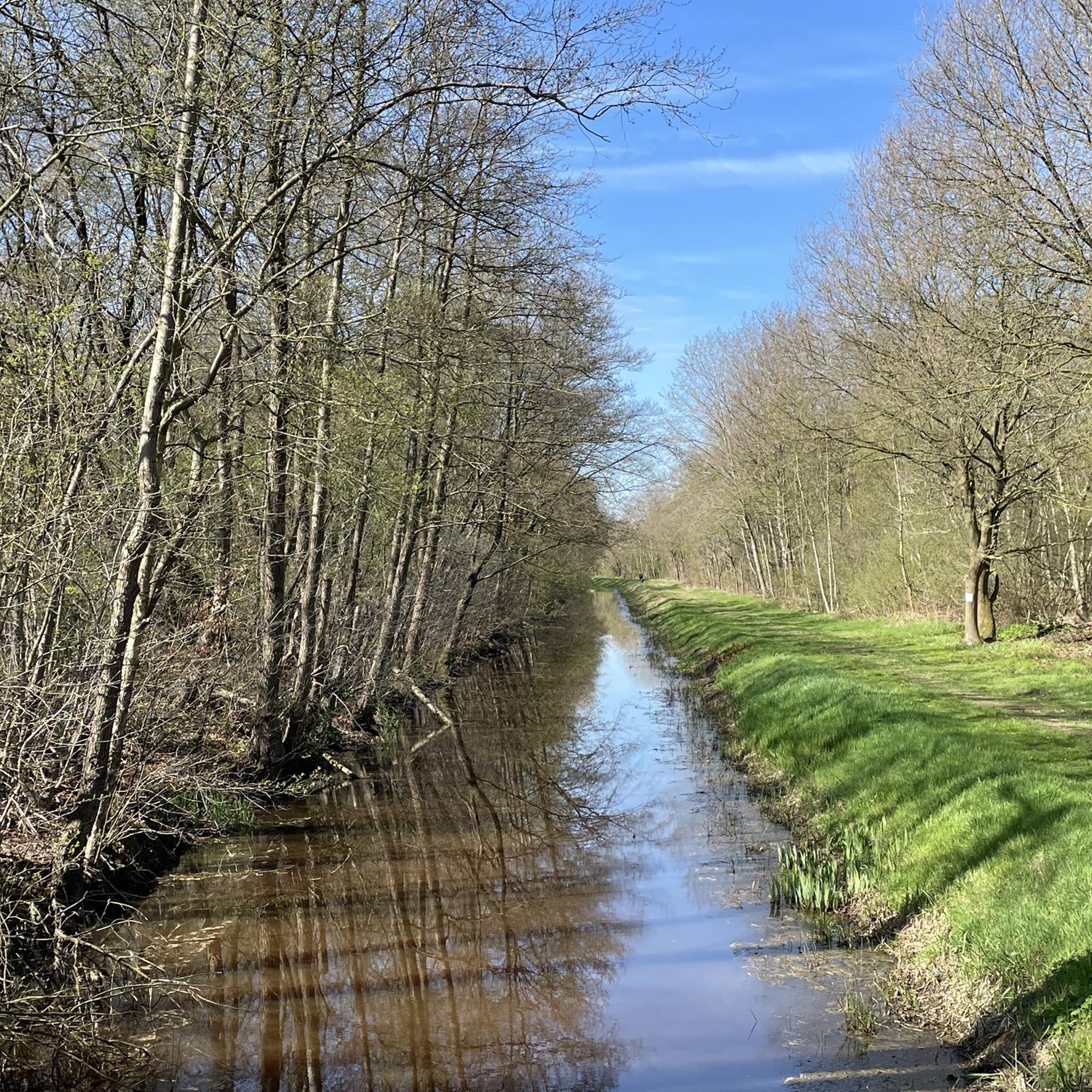
Great moor with three marked hiking trails. A bit difficult for cycling and only advisable and permitted on the main path. There is a viewing platform that offers a great view over the moor. Information boards also give an overview of life in the moor.
1
0

A special experience can be had here in April/May, when the bog myrtle blooms.
2
0

I always enjoy coming here. This peace and nature, today I saw lots of dragonflies dancing over the water. Flowering cotton grass.....🥰
1
0

The rural population used to get their fuel from such hand peat cuttings.
4
0

Along the way out of the moor you can find many old hand peat cuttings. People there used to get fuel.
5
0
The Holler Moor borders directly on the Witte Moor. A nice re-wetted murder area. This means it once again offers a habitat for many animals and plants.
4
0
The observation tower only slightly improves the view. It was difficult to get to the tower today. There is still a lot of water in the moor.
5
0
The reconstruction of this prehistoric boardwalk stands on the edge of the Witte Moor. In the past, when the moor was not yet drained, there was no other way to cross it. Today everything is much easier. Some boards provide information about the history and a large seating area invites you to take a break.
6
0
Frequently Asked Questions
What makes the natural monuments in Witte Moor unique?
The natural monuments in Witte Moor are unique for their regenerated high moorland landscape, which is part of the Holler- und Wittemoor Nature Reserve. This area showcases a rare ecosystem with typical moorland vegetation and diverse wildlife. It also features a significant historical site, the reconstructed Prehistoric Boardwalk in Witte Moor, offering insights into ancient crossings and archaeological finds, including replicas of Iron Age cult figures.
What kind of nature and wildlife can I expect to see in Witte Moor?
Witte Moor offers a chance to experience a regenerating high moor landscape. You can observe a diverse range of plants characteristic of moor ecosystems, such as various peat mosses and cotton grass. The rewetting efforts have created a valuable habitat for numerous species, making it a retreat for wildlife amidst the surrounding agricultural landscape.
Are there historical sites among the natural monuments in Witte Moor?
Yes, a prominent historical site is the Prehistoric Boardwalk in Witte Moor. This reconstructed ancient wooden trackway, known as Bohlenweg XLII (IP), dates back to 135 BCE and once provided a vital connection across the bog. Replicas of ancient wooden figures, discovered during excavations, are also displayed along the path, adding a layer of archaeological and cultural intrigue.
Are the natural monuments in Witte Moor suitable for families with children?
Yes, several natural monuments in Witte Moor are family-friendly. For instance, the Observation Platform at Holler- und Wittemoor and the Holler Moor are great for families. The reconstructed Prehistoric Boardwalk in Witte Moor also includes informational panels and seating areas, making it an engaging experience for all ages. Many trails in the area are considered easy, perfect for a family outing.
What outdoor activities can I do near the Witte Moor natural monuments?
The Witte Moor area offers various outdoor activities. You can enjoy hiking on trails like the 'Holler Moor – Dohlenweg – Witte Moor loop' or 'Picnic Area at Wittemoor – Witte Moor Nature Reserve loop'. For cyclists, there are options for gravel biking and road cycling, with routes such as the 'Hunte Riverside Cycle Path' or 'Hude Abbey Ruins – Nordenholzer Hof loop'. You can find more details on hiking in Witte Moor.
When is the best time to visit Witte Moor?
Witte Moor has its charm in every season. However, spring and autumn are particularly beautiful for observing the moorland flora and fauna. Spring brings new growth and bird activity, while autumn offers vibrant colors. The trails are generally accessible year-round, but conditions can be wet, especially after rain, so appropriate footwear is recommended.
How can I get to the Witte Moor natural monuments by public transport?
The Witte Moor is located near Hude in Lower Saxony, Germany. While direct public transport to the heart of the moor might be limited, you can typically reach Hude by train. From Hude, local bus connections or a short taxi ride might be necessary to get closer to the main access points of the nature reserve. It's advisable to check local bus schedules from Hude towards the Holler- und Wittemoor area.
Where can I park when visiting Witte Moor?
There are designated parking areas available near the main entrances to the Holler- und Wittemoor Nature Reserve. These parking spots are typically located at trailheads or near key points of interest, providing convenient access for visitors. Look for signs indicating visitor parking as you approach the area.
Are there easy walking trails to explore the natural monuments?
Yes, Witte Moor offers several easy walking trails suitable for a relaxed exploration of the natural monuments. For example, the 'Holler Moor – Dohlenweg – Witte Moor loop' is an easy 4.4 km hike. The reconstructed Prehistoric Boardwalk also provides an accessible path through a significant historical site. You can find more easy routes in the hiking guide for Witte Moor.
Can I bring my dog to the Witte Moor natural monuments?
Generally, dogs are welcome in many natural areas, but it's crucial to keep them on a leash to protect the sensitive moorland ecosystem and its wildlife. Always check local signage for specific rules and regulations within the Holler- und Wittemoor Nature Reserve, as some areas might have stricter guidelines or be off-limits to dogs.
What do visitors enjoy most about Witte Moor?
Visitors frequently appreciate the quiet and relaxing atmosphere of Witte Moor, making it ideal for peaceful walks. The unique moorland landscape, with its distinct flora and the historical significance of the Prehistoric Boardwalk, are also highly valued. Many enjoy the opportunity to observe the regenerating ecosystem and the informational boards found along the trails.
Are there other significant moorland areas near Witte Moor?
Yes, the Holler Moor borders directly on the Witte Moor and is another beautiful, rewetted moorland area that provides a habitat for many animals and plants. Additionally, you can find moorland landscapes within the broader Wildeshauser Geest Nature Park, offering further opportunities to experience this unique natural environment.
Most popular routes in Witte Moor
Most popular attractions in Witte Moor

Get inspired with the komoot mobile app


Explore more
Extend your search for the best caves by checking out these guides of the top ones in Witte Moor:
