Top 5 Natural Monuments in Venner Moor
Best natural monuments in Venner Moor encompass a former raised bog west of Senden, designated as a nature reserve. This area features water-filled peat-cutting pits undergoing renaturation and diverse landscapes with birch and pine forests. It serves as a habitat for various endangered animal species and unique plants, including cranberries and blueberries. The region offers opportunities to observe ecological recovery and conservation efforts.
Best natural monuments in Venner Moor
- The most popular natural monuments is Great Pond in Venner Moor…
Last updated: July 5, 2026
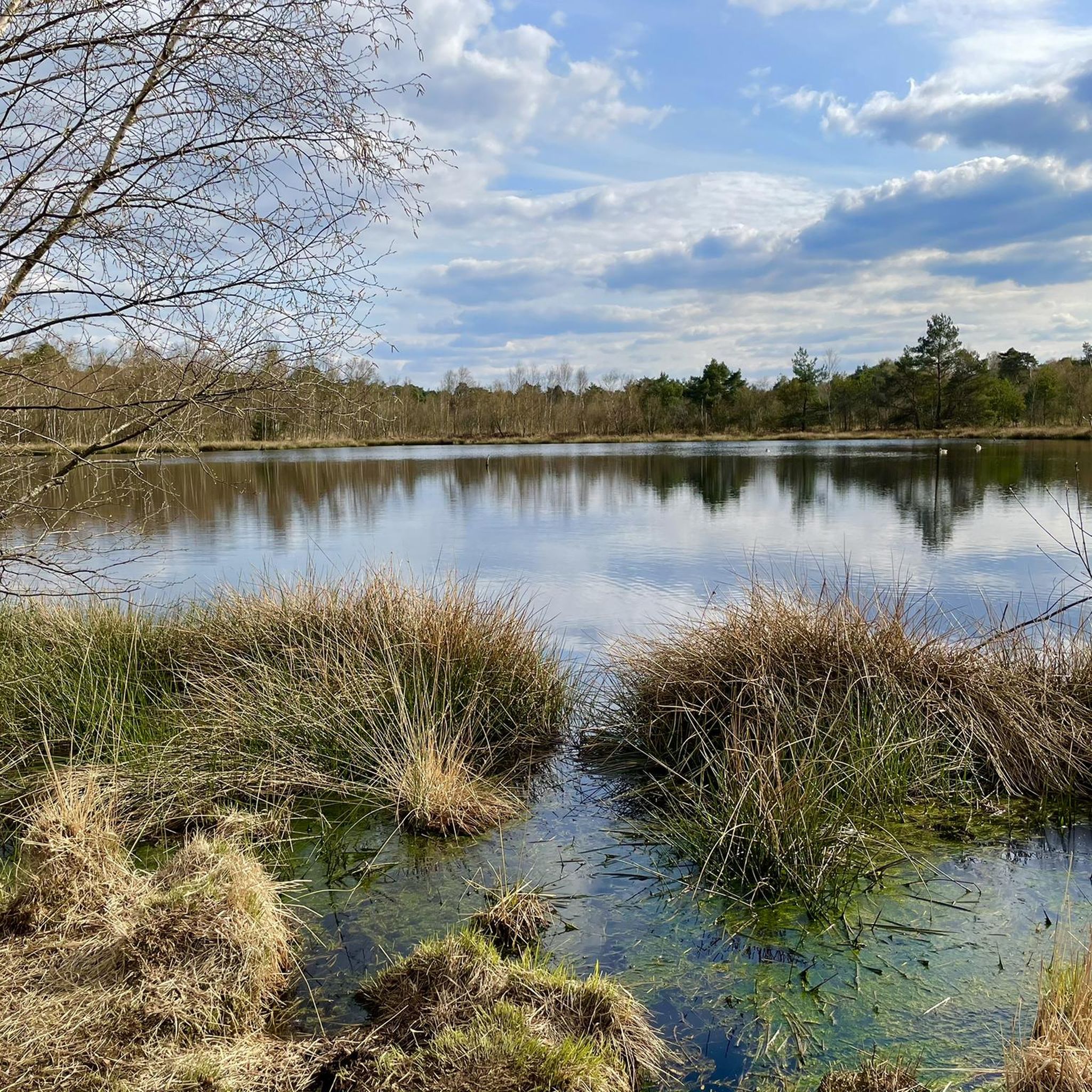
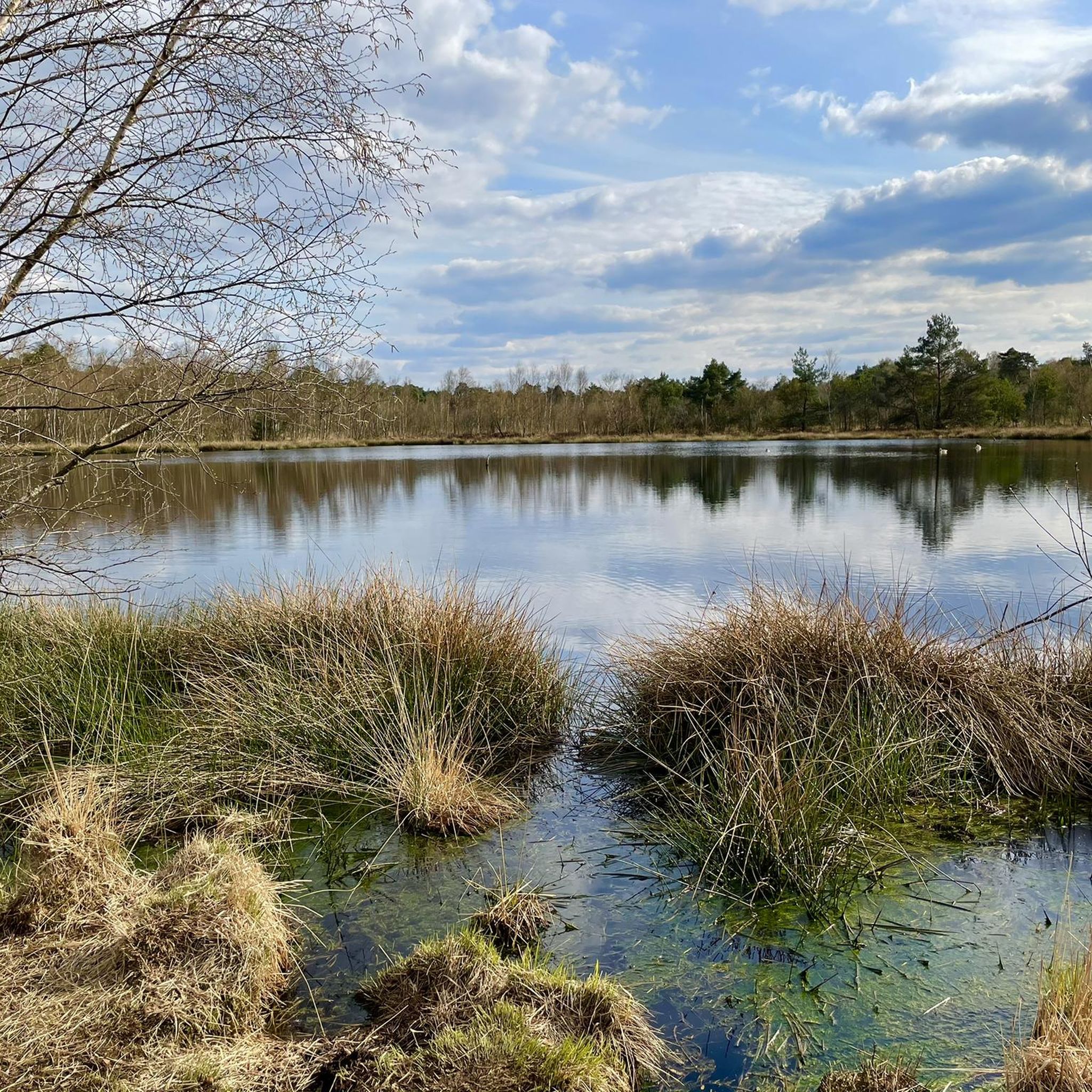
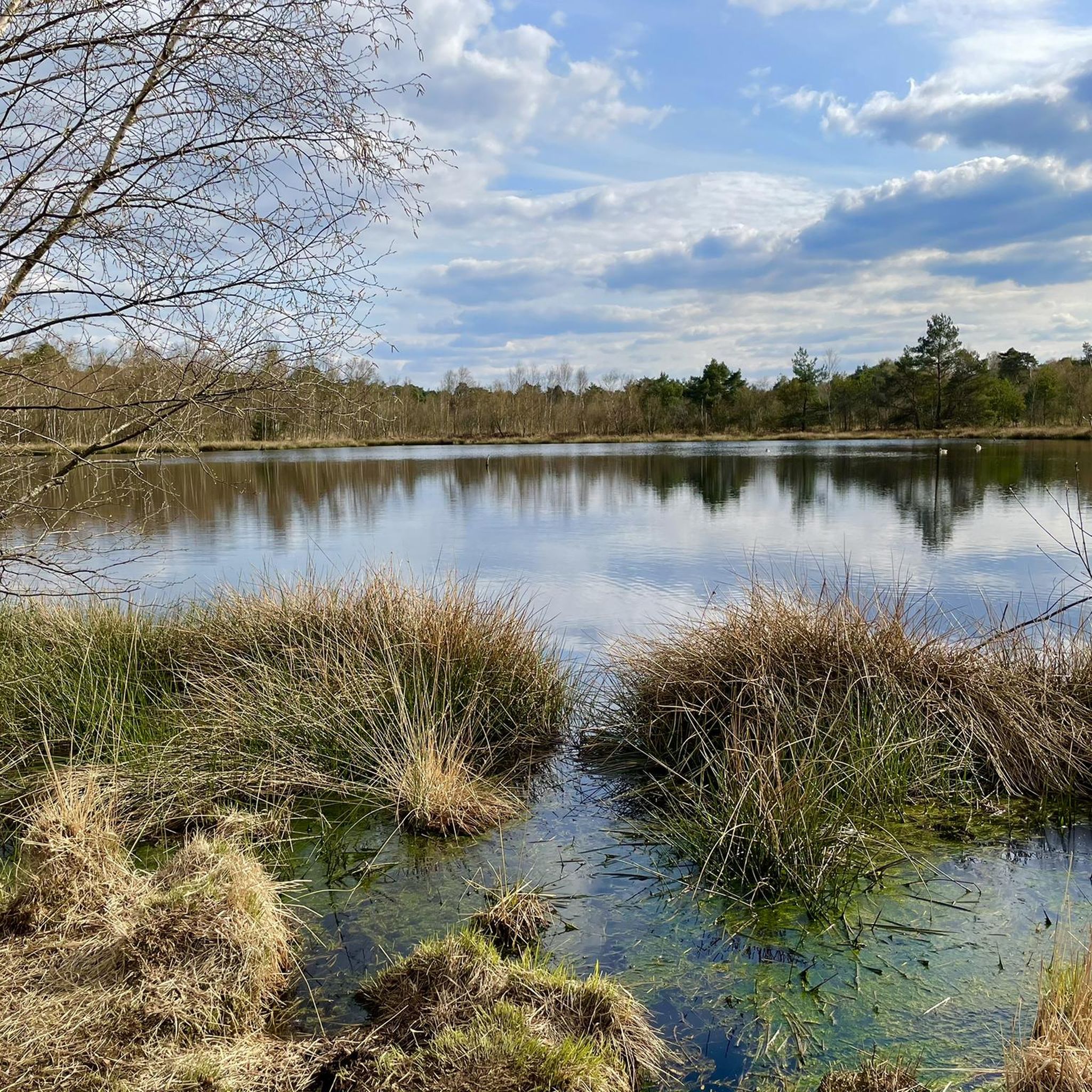
Great Pond in Venner Moor
Highlight • Lake
Translated by Google •
Tip by


Sign up now to discover places like this
Get recommendations on the best single tracks, peaks, & plenty of other exciting outdoor places.
Sign up for free
Heather on the heath at Venner Moor
Highlight • Natural
Translated by Google •
Tip by

Ancient beech tree with large exposed roots in Venner Moor
Highlight • Natural Monument
Translated by Google •
Tip by

Large firs in Venner Moor
Highlight • Forest
Translated by Google •
Tip by

Start today with a free account
Your next adventure awaits.
Login or Signup

Tips from the Community

Large and small fir trees are present.
0
0
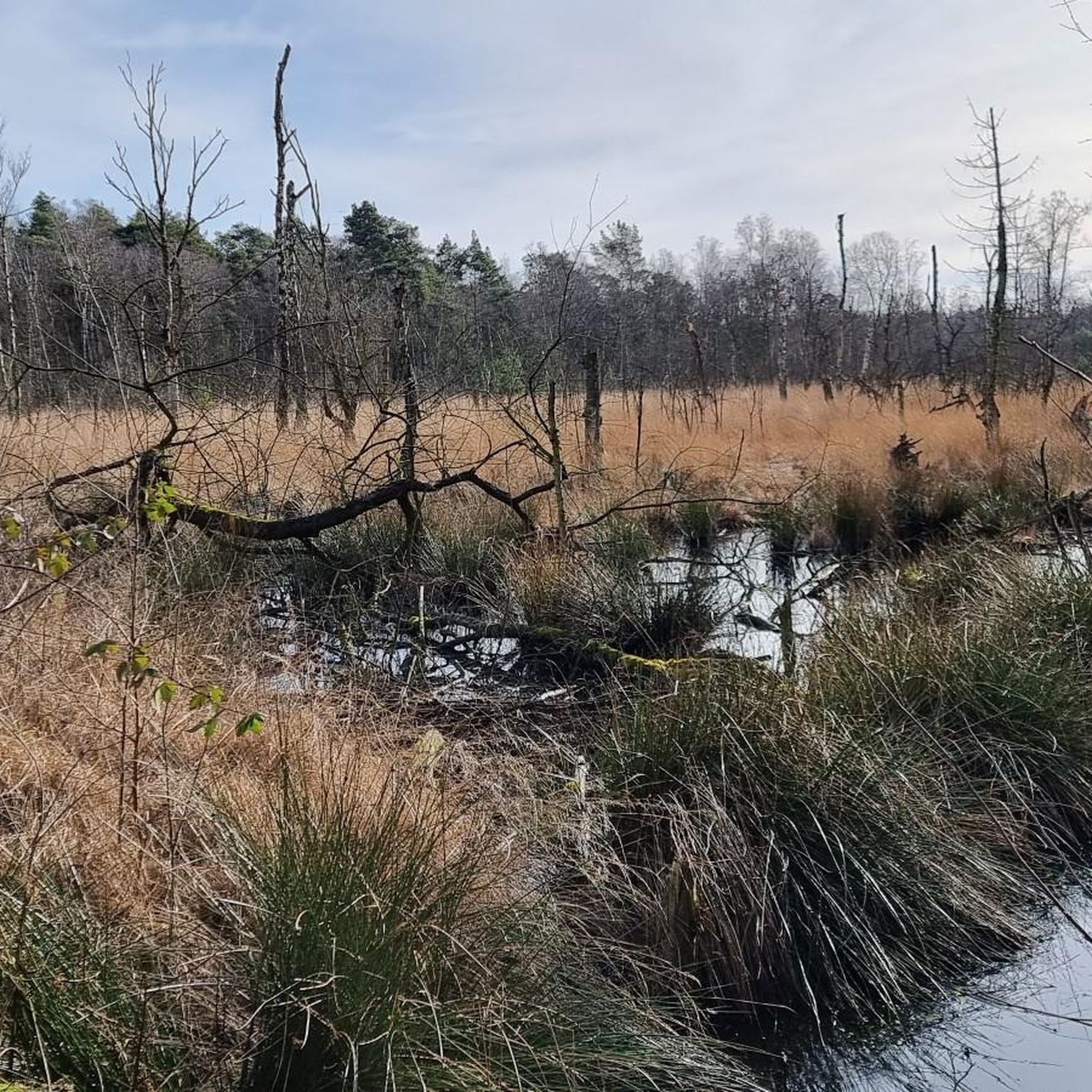
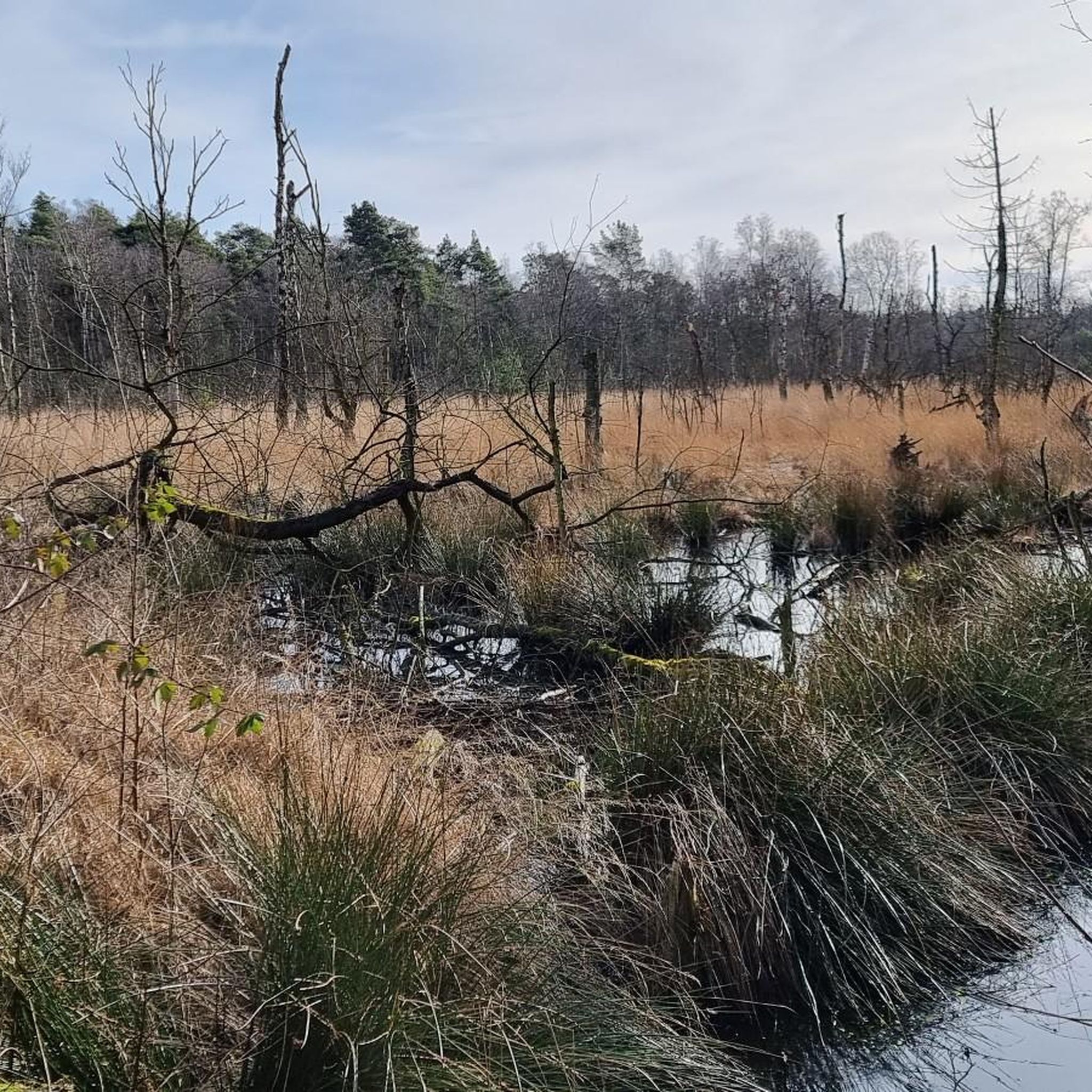
Sometimes with trees, sometimes with small plants... a varied environment.
0
0
Old trees are enduring witnesses to history, truly giving a forest its atmosphere.
0
0

Looks really great when the heather blooms.
0
2
The heath is simply part of the moor
0
3
On the Dortmund-Ems Canal you can easily observe ships. Another highlight are the painted bridge pillars. On our tour we were lucky enough to see a large flock of wild geese.
0
2

Take a break from everyday life with a relaxed walk through a piece of Münsterland that is more than 6,000 years old. Plants and animals typical of heathland have their home here. Birch, pine and rowan grow here on their own, and pedunculate oak and sessile oak have been planted. A 300-meter-long boardwalk guides visitors and thus protects the remaining raised bog area.
0
0

The Venner Moor is a wonderful destination. Fascinating landscape, exciting paths.
0
0
Frequently Asked Questions
What unique natural features can I explore in Venner Moor?
Venner Moor, particularly the area near Senden in North Rhine-Westphalia, offers a diverse landscape. You can explore water-filled peat-cutting pits undergoing renaturation, birch and pine forests, and areas with unique moorland vegetation. A notable feature is the Great Pond in Venner Moor, which has an instructive trail around it, and the Heather on the heath at Venner Moor, which is especially beautiful when in bloom.
Are there family-friendly natural monuments or activities in Venner Moor?
Yes, several natural monuments in Venner Moor are suitable for families. The Great Pond in Venner Moor, Venner Moor Nature Reserve, and Heather on the heath at Venner Moor are all categorized as family-friendly. These areas offer varied environments for exploration, with trails that are generally easy to navigate.
What kind of wildlife can I expect to see in Venner Moor?
Venner Moor is a crucial habitat for various endangered animal species. You might spot rare birds, different dragonfly species like the moorland hawker and northern emerald, and even the shy adder. The area is also home to birds such as the European nightjar, honey buzzard, and wood sandpiper. Keep an eye out for these diverse inhabitants, especially around the water-filled peat-cutting pits and reforested areas.
What are the best times to visit Venner Moor to experience its natural beauty?
The moor offers a unique experience throughout the year. It's particularly mystical and breathtaking in fog or frost. When the heather blooms, typically in late summer, the Heather on the heath at Venner Moor is especially impressive. For birdwatching, spring and autumn can be rewarding. Mosquito repellent is highly recommended during warmer months.
Are there hiking trails near the natural monuments in Venner Moor?
Yes, Venner Moor is crisscrossed with cycling and hiking trails. You can find various routes, including easy loops like the 5.3 km 'Forest clearing at Venner Moor – Great Pond in Venner Moor loop' or the 6 km 'Heather on the heath at Venner Moor – Venner Moor Nature Reserve loop'. For more options, explore the Hiking in Venner Moor guide.
What do visitors enjoy most about the natural monuments in Venner Moor?
Visitors frequently praise the variety and unique atmosphere of Venner Moor. Many appreciate the instructive trails, such as the one around the Great Pond in Venner Moor, which provides insights into past peat extraction. The mystical, sometimes 'desert and jungle-like' forested areas, and the chance to observe rare birds are also highly valued. The beauty of the heather in bloom is another highlight for many.
Can I find any ancient or particularly large trees in Venner Moor?
Yes, Venner Moor is home to impressive old trees. The Giant Beech in Venner Moor is explicitly recognized as a natural monument and is a specific point of interest for its immense size. You can also find Large firs in Venner Moor, adding to the diverse forest landscape.
What other outdoor activities are available in the Venner Moor area besides hiking?
Beyond hiking, the Venner Moor area offers opportunities for mountain biking. There are several MTB trails, including moderate routes like the 'Münster City Harbor – View of the Dortmund-Ems Canal loop'. You can find more details on these routes in the MTB Trails in Venner Moor guide.
Is there an educational trail to learn more about the moor's history and ecology?
While the guide focuses on the Venner Moor in North Rhine-Westphalia, which features instructive signs around the Great Pond, the Venner Moor in Lower Saxony (Osnabrück district) offers a 7.2 km long educational trail, the 'Venner Moorpfad', which provides information about the history of peat extraction and the unique plants and animals found there.
What is the significance of the renaturation efforts in Venner Moor?
The renaturation efforts in Venner Moor are crucial for restoring the former raised bog ecosystems. These projects involve rewetting areas to revive peat-forming vegetation and allow typical moorland plants like sundew, cotton grass, and peat moss to re-emerge. This work helps to restore the ecological balance and provides a chance to observe the recovery of a vital wetland ecosystem.
Are there any specific viewpoints or scenic spots within Venner Moor?
Yes, the Great Pond in Venner Moor offers excellent views, and it's a popular spot for observing rare birds. The general landscape, especially around the water-filled peat-cutting pits and the blooming heather areas, provides many scenic opportunities for photography and enjoying nature.
Can I bring my dog to the trails and natural monuments in Venner Moor?
While specific dog amenities are not detailed, many natural areas in Germany allow dogs on leash. Given the presence of sensitive wildlife and ongoing renaturation, it is generally recommended to keep dogs on a leash to protect the ecosystem and ensure a pleasant experience for all visitors. Always check local signage for specific regulations.
Most popular routes in Venner Moor
Most popular attractions in Venner Moor

Get inspired with the komoot mobile app


Explore more
Extend your search for the best caves by checking out these guides of the top ones in Venner Moor:
