Top 10 Natural Monuments in Spandauer Forst
Best natural monuments in Spandauer Forst are found within one of Berlin's largest forested areas, covering over 1,300 hectares. This region is recognized as part of the European Natura 2000 network, designated as both a Fauna-Flora-Habitat site and a Special Protection Area for birds. The forest offers diverse ecological features, including bogs, moorlands, and ponds, which are vital for rare plant and animal species. Its protected status underscores its ecological value and importance for conservation.
Best natural monuments in Spandauer…
Last updated: May 8, 2026
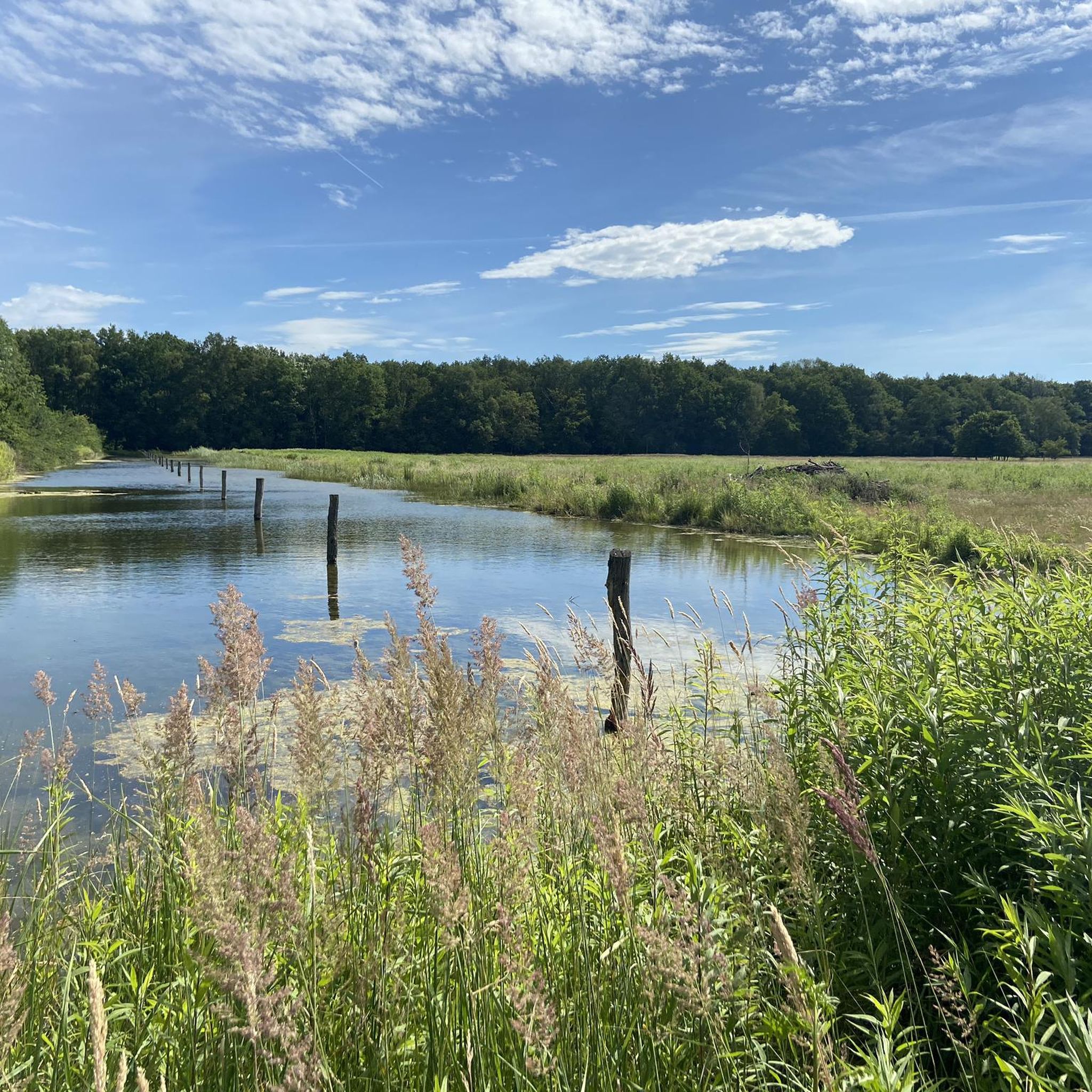
Cow pond at the Spandau game reserve
Highlight • Lake
Translated by Google •
Tip by

Kreuztränke / Shelter (mushroom-shaped)
Highlight • Structure
Translated by Google •
Tip by

Sign up now to discover places like this
Get recommendations on the best single tracks, peaks, & plenty of other exciting outdoor places.
Sign up for free
Spandau: Großer Rohrpfuhl
Highlight • Natural
Translated by Google •
Tip by

Eiskeller
Highlight • Natural
Tip by

Hoheheide Pond
Highlight • Lake
Translated by Google •
Tip by

Sign up for free to discover even more natural monuments in Spandauer Forst.
Sign up for free
Already have an account?
Start today with a free account
Your next adventure awaits.
Login or Signup
Popular around Spandauer Forst
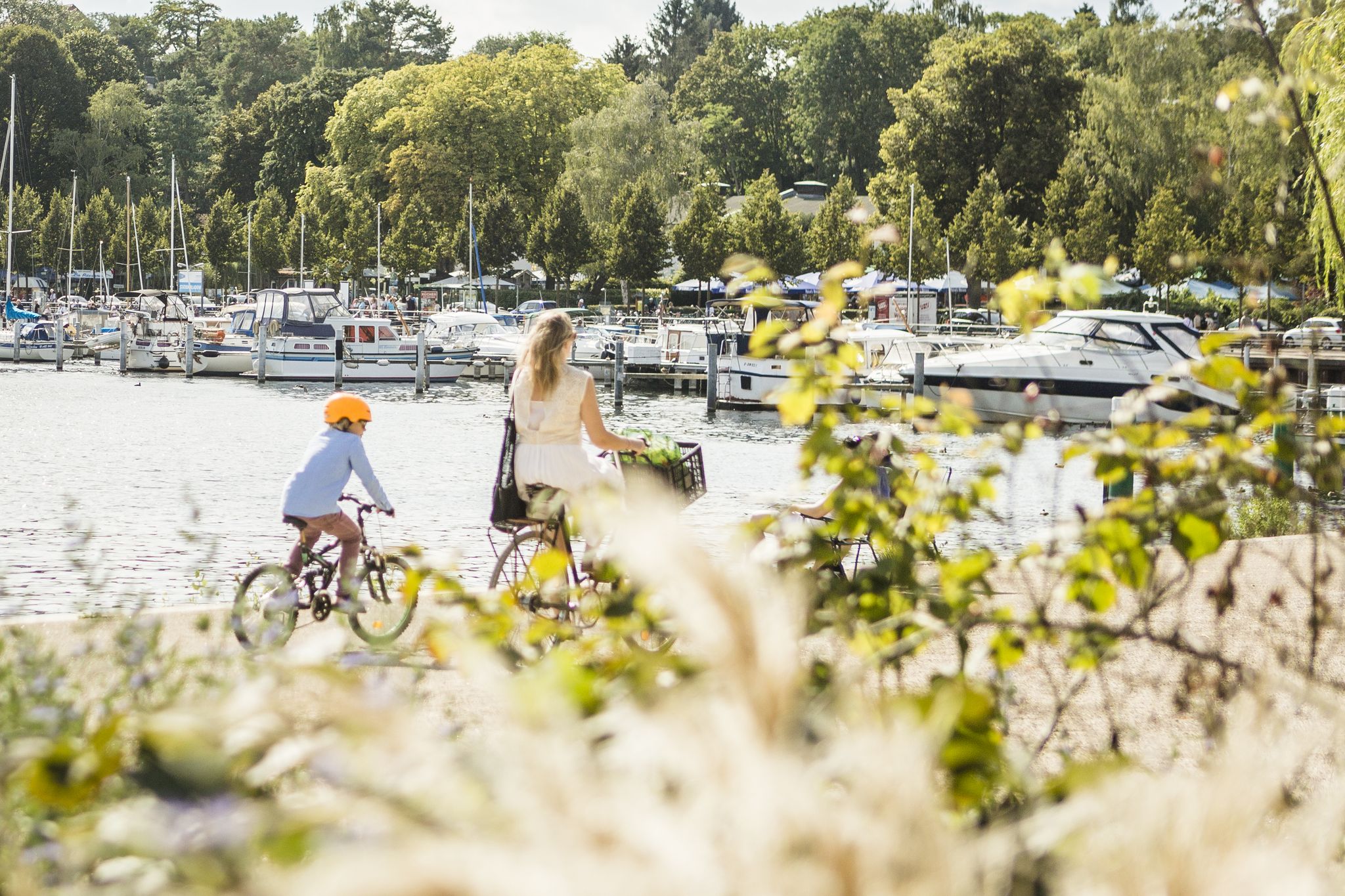
Discover Spandau – a fantastic cycling destination
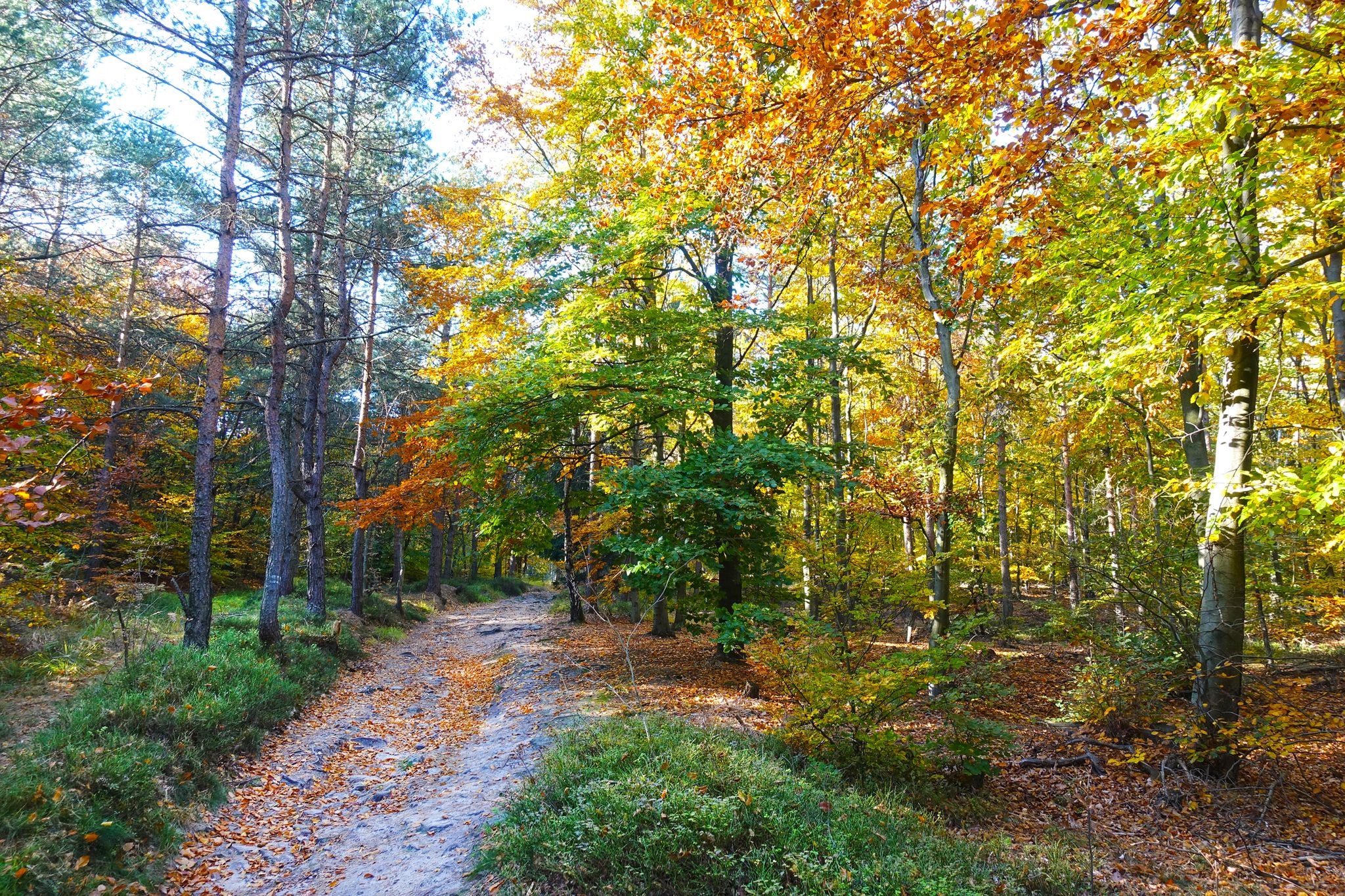
The most beautiful forests in and around Berlin during autumn
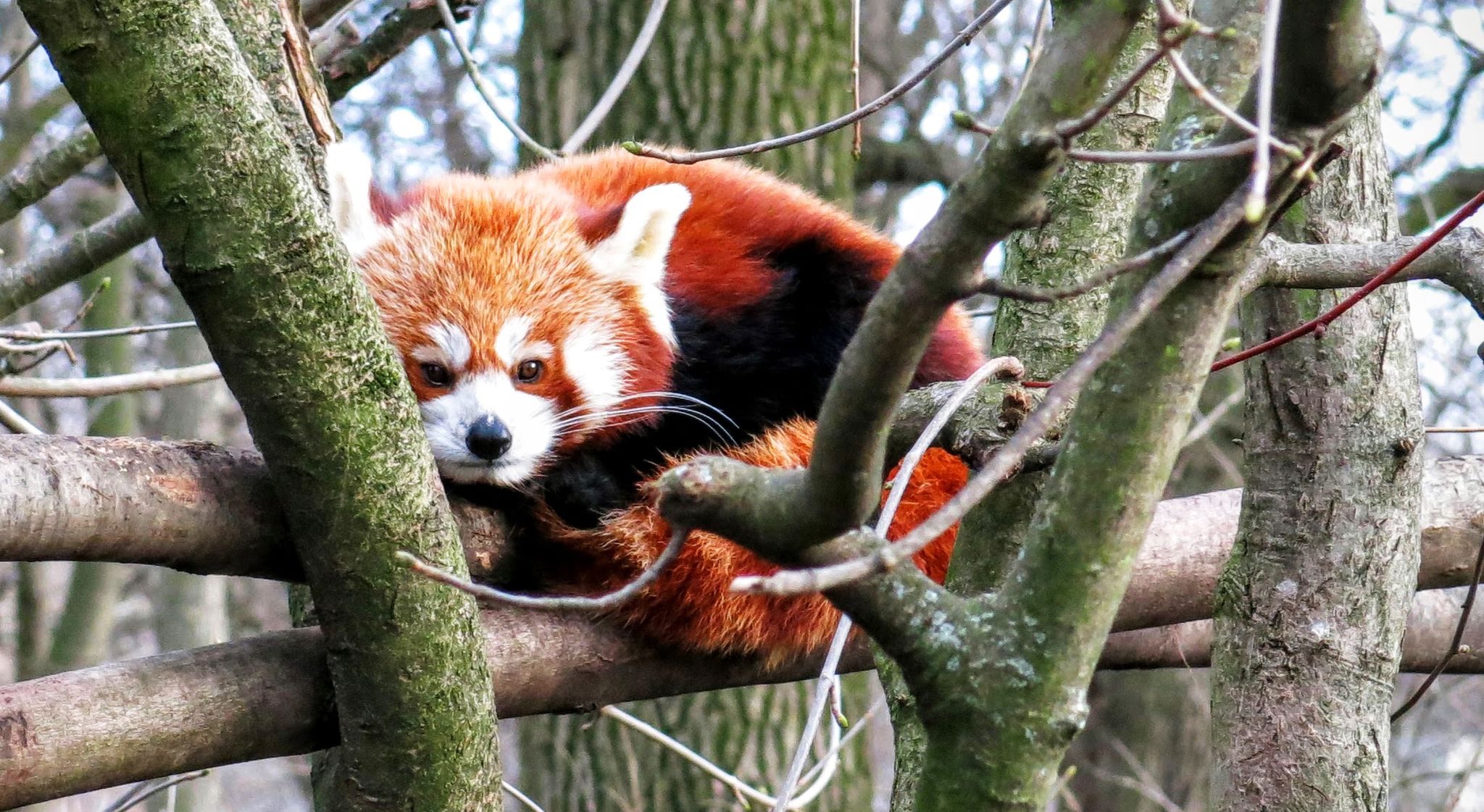
Safaris for kids in Berlin
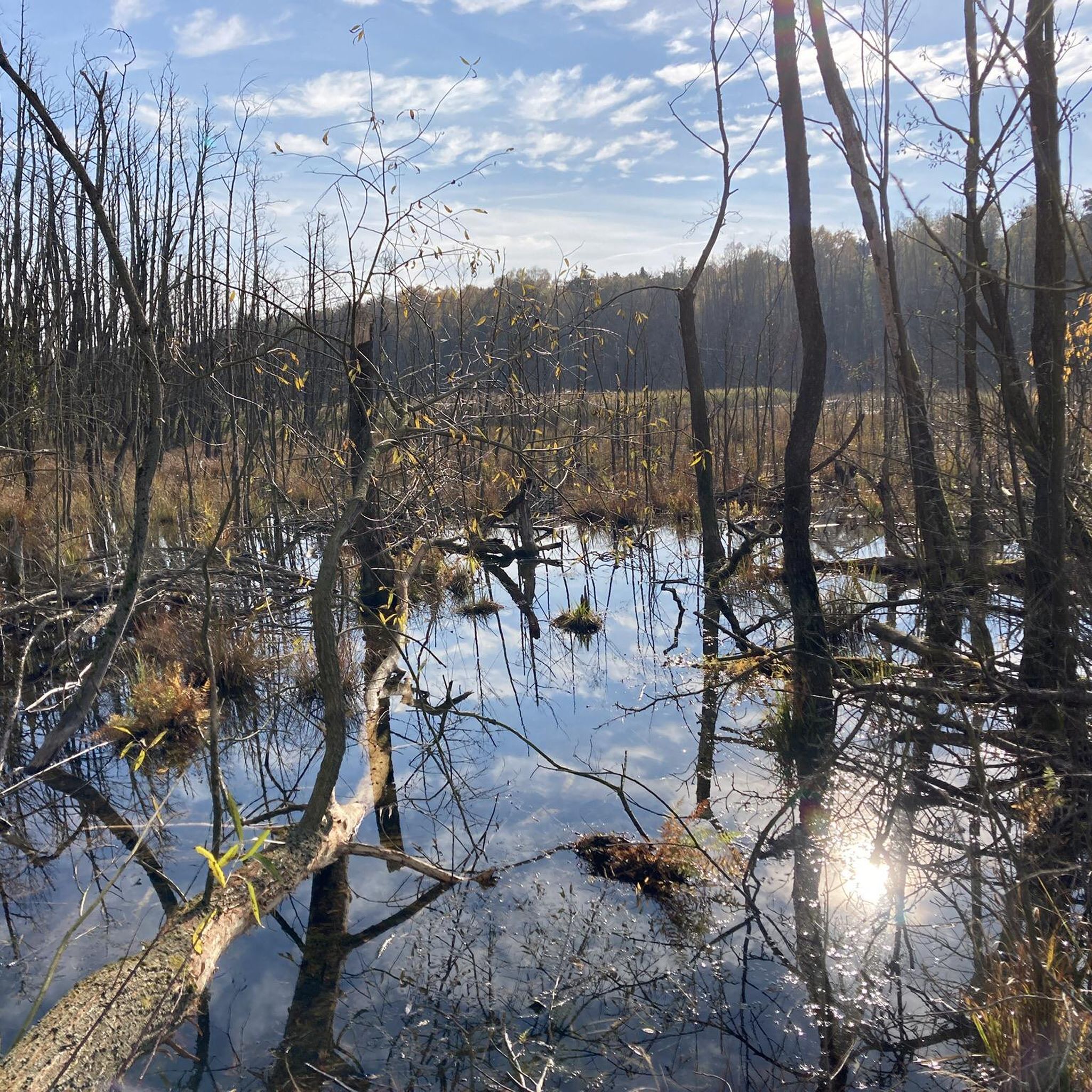
Hiking in Spandauer Forst
Road Cycling Routes in Spandauer Forst
Gravel biking in Spandauer Forst
Running Trails in Spandauer Forst
Cycling in Spandauer Forst
MTB Trails in Spandauer Forst


Tips from the Community

The small animal enclosure, a rather quiet wooded area, and the Kuhlake stream flowing through it make for a beautiful hiking area. Following the Kuhlake, you can reach places like Eiskeller, where the temperature regularly drops by 10 degrees Celsius in winter and is always hotter in summer than in the rest of Berlin. Those wishing to hike the Berlin Wall Trail will also find it in this wooded area. Thanks to the well-maintained paths, no high level of fitness is required. Mountain biking is also easily possible.
0
0

Pure wilderness! Here the landscape is still beautiful and natural.
1
0

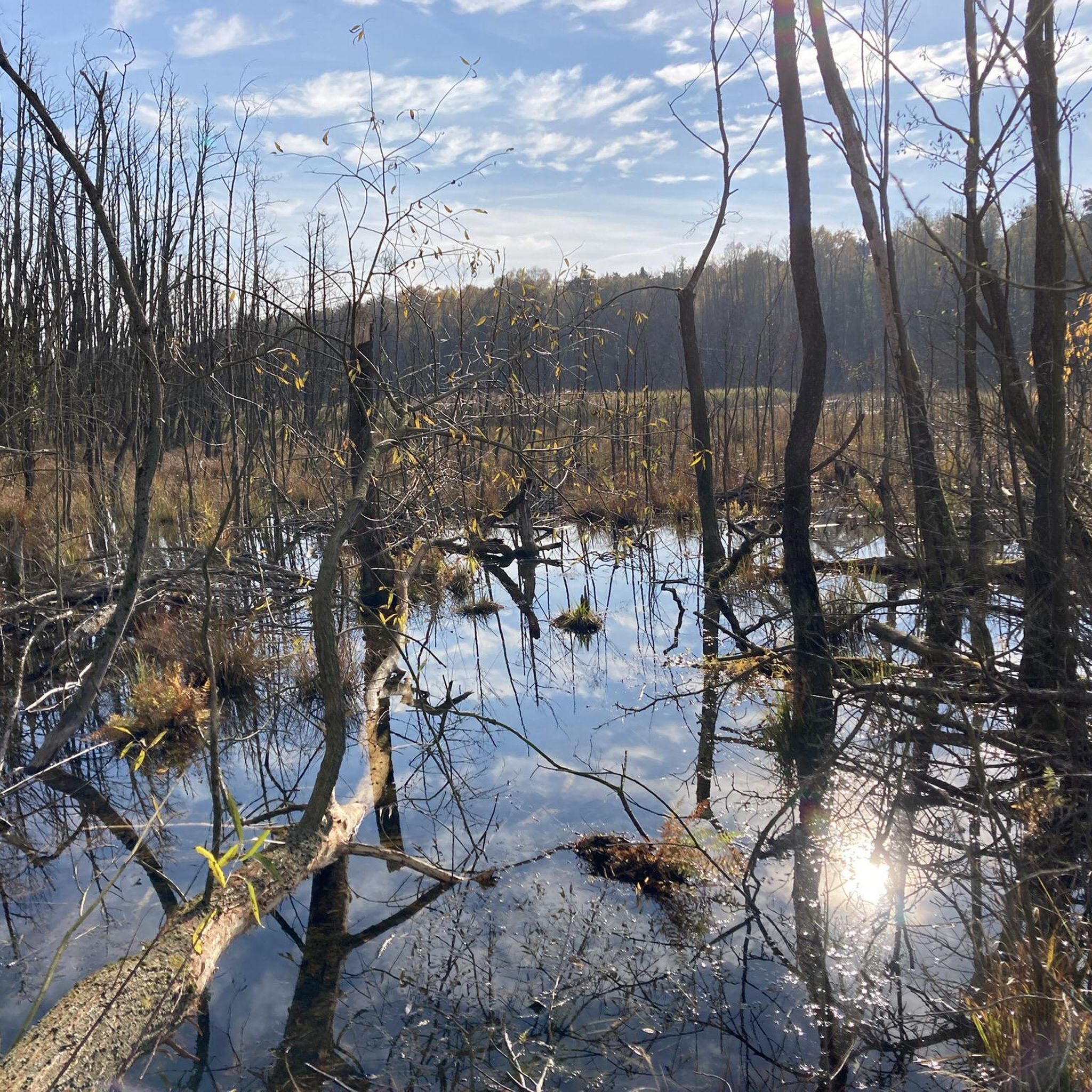
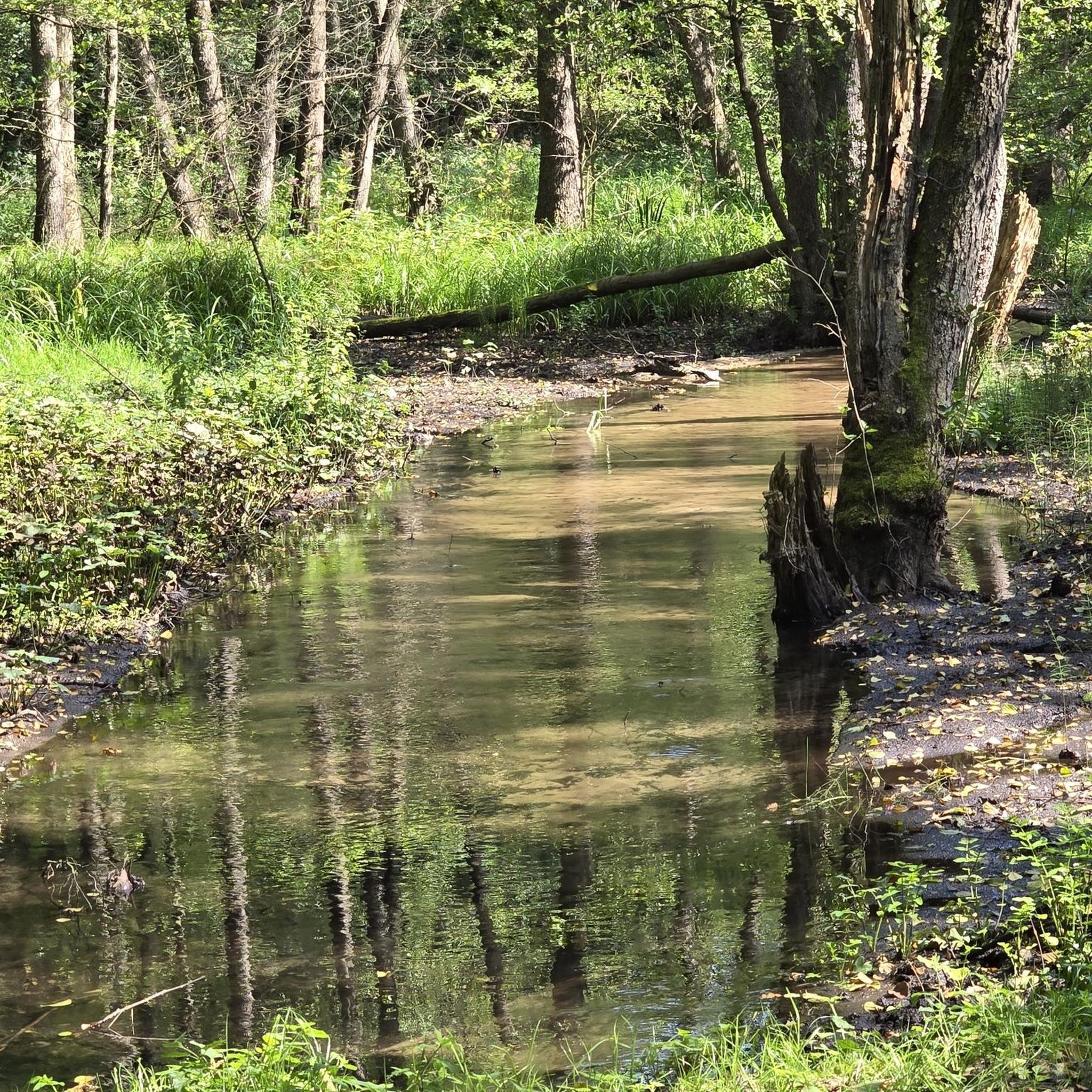
The Kuhlake is the main artery of the irrigation system of the Spandau Forest, behind the game reserves at Johannesstift. Surrounding it are some moorland areas with special flora and fauna.
6
0

The area was given the name Eiskeller due to its regularly significantly lower temperatures in the winter months than in the rest of Berlin. Temperature differences between the center of Berlin and the Eiskeller area can reach ten degrees Celsius. The exact origin of the name is unclear, however, since the term has probably only been used since the 1960s. The area's earlier names were Kienhorst and Teufelsbruchwiese. Eiskeller is considered the coldest place in Berlin in winter. For this reason, ice used to be stored there, which was cut from the nearby Falkenhagener See and sold to breweries and hospitals after being temporarily stored in ice cellars. In summer, on the other hand, it can get hotter in the steppe-like area than in the surrounding area.
0
0


The Hoheheideteich is currently being cleaned, but the water has been drained. You can only see one sand pit at the moment. The pond is to be flooded again at the end of February 2021. As of January 23, 2021
1
0

Very nice for a walk in the forest with children (or without). There is an educational tree trail and enclosures with red and wild boar.
6
0

The Kuhlake is an idyll in the Spandau Forest.
6
0
Frequently Asked Questions
What are the most popular natural monuments in Spandauer Forst?
The most popular natural monument is Kuhlake Pond in Spandauer Forest, offering a tranquil spot for experiencing nature's silence and beauty. Other highly appreciated spots include Kreuztränke / Shelter (mushroom-shaped), known for its historical drainage systems, and Hoheheide Pond, a vital habitat for various amphibian species.
Are there family-friendly natural monuments in Spandauer Forst?
Yes, several natural monuments in Spandauer Forst are suitable for families. Kuhlake Pond in Spandauer Forest and Kreuztränke / Shelter (mushroom-shaped) are both categorized as family-friendly. Additionally, the Eiskeller area is also considered family-friendly, offering unique natural features.
What kind of natural features can I expect to see in Spandauer Forst?
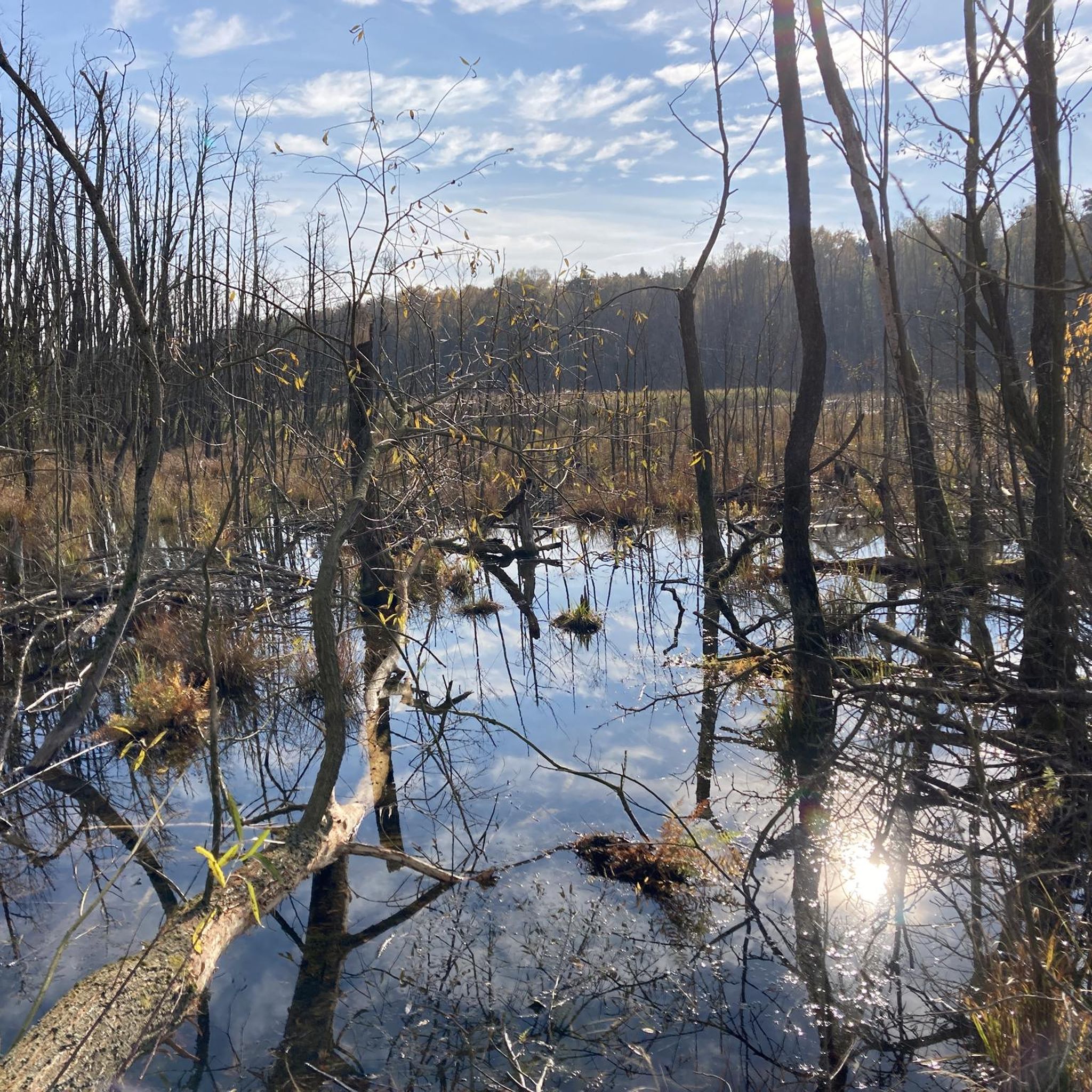
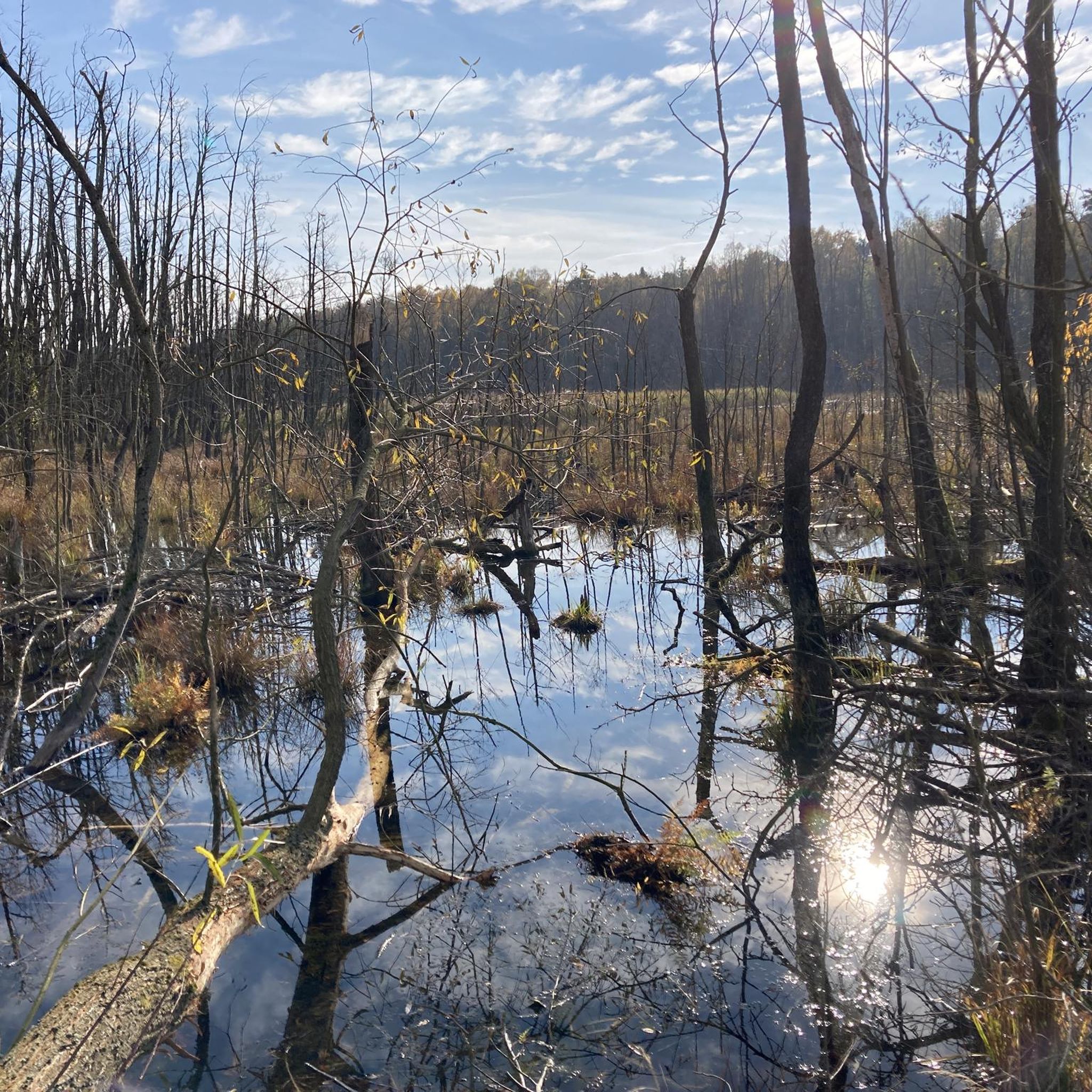
Spandauer Forst is rich in diverse natural features. You can explore bogs and moorlands like Teufelsbruch and Großer Rohrpfuhl, which are vital habitats for rare plants and animals. The forest also features serene ponds such as Kuhlake Pond and Hoheheide Pond, known for supporting amphibian life. The Eiskeller area presents a unique steppe-like environment with distinct temperature variations.
What outdoor activities can I do near these natural monuments?
Spandauer Forst offers numerous opportunities for outdoor activities. You can enjoy easy hikes on routes like the 'Hoheheide Pond – Moor Lake in Spandauer Forest loop' or explore longer, moderate trails such as the 'Kreuztränke / Shelter (mushroom-shaped) – Kuhlake Stream loop'. For more options, check out the guides for Easy hikes in Spandauer Forst and Hiking in Spandauer Forst. Mountain biking is also popular, with trails like the 'Tegeler Tannenallee loop' available; find more details in the MTB Trails in Spandauer Forst guide.
What makes Spandauer Forst important for nature conservation?
Spandauer Forst is a significant area for nature conservation, recognized as part of the European Natura 2000 network. It is designated as both a Fauna-Flora-Habitat (FFH) site and a Special Protection Area (SPA) for birds. This status highlights its importance for biodiversity, protecting unique habitats like bogs and moorlands, and supporting rare plant and animal species, including various bird species and amphibians.
Can I observe wildlife in Spandauer Forst?
Yes, Spandauer Forst is an excellent place for wildlife observation. The entire forest is an EU bird sanctuary, offering opportunities to spot species like kingfishers, cranes, hawks, and red-backed shrikes. Near the forest warden's station, there are enclosures where you can observe wild boars, fallow deer, roe deer, red deer, and mouflon sheep from a viewing tower.
What is the best time of year to visit the natural monuments in Spandauer Forst?
Spandauer Forst offers unique experiences throughout the year. Spring and summer are ideal for enjoying lush greenery, birdwatching, and observing amphibian life around ponds like Hoheheide Pond. Autumn brings beautiful foliage, while winter offers a serene, quiet atmosphere, especially in areas like the Eiskeller, known for its significantly lower temperatures.
Are there any historical aspects related to the natural monuments in Spandauer Forst?
Yes, some areas have historical significance. For instance, Kreuztränke / Shelter (mushroom-shaped) is notable for its historical drainage and irrigation ditches, which have influenced local groundwater levels since the 18th century. Additionally, the northern border of Spandauer Forst has a historical connection with the Berlin Wall Trail, adding a unique cultural dimension to the natural landscape.
What do visitors enjoy most about Spandauer Forst's natural monuments?
Visitors frequently praise the tranquil and idyllic atmosphere, describing spots like Kuhlake Pond in Spandauer Forest as 'almost fairytale-like' and 'quiet.' Many appreciate the opportunity to pause and immerse themselves in nature, finding the diverse landscapes, from bogs to serene ponds, to be a refreshing escape from urban life. The area's natural beauty and peacefulness are consistently highlighted.
How accessible are the natural monuments in Spandauer Forst?
Spandauer Forst is crisscrossed by numerous hiking and biking trails, making many areas accessible for exploration. While specific accessibility details for each monument vary, the forest generally provides a refreshing escape with paths suitable for walking and cycling. Some areas, like Großer Rohrpfuhl, are accessible only from the outside to protect their sensitive habitats.
Are there any unique natural phenomena in Spandauer Forst?
The Eiskeller area is known for a unique natural phenomenon: it is considered the coldest place in Berlin in winter, with temperature differences of up to ten degrees Celsius compared to the city center. This microclimate historically led to ice storage there. In summer, this steppe-like area can paradoxically become hotter than its surroundings.
What is the significance of the bogs and moorlands in Spandauer Forst?
The bogs and moorlands, such as Teufelsbruch and Großer Rohrpfuhl, are designated nature reserves within Spandauer Forst. They represent unique and vital habitats for rare plants, fungi, and various animal species. Re-wetting efforts since the 1980s have been crucial in restoring their biodiversity, making them prime examples of successful conservation and offering a glimpse into the forest's pristine character.
Most popular routes in Spandauer Forst
Most popular attractions in Spandauer Forst

Get inspired with the komoot mobile app


Explore more
Extend your search for the best caves by checking out these guides of the top ones in Spandauer Forst:
