Top 17 Natural Monuments in Hochwald
Best natural monuments in Hochwald are found across distinct regions in Germany, primarily within the Hunsrück-Hochwald National Park and the Bavarian Forest. This area is characterized by diverse natural landscapes, including extensive forests, heathlands, peat bogs, and dramatic rocky outcrops. The region's geological history is evident in its unique formations, offering a variety of natural features for exploration. These areas provide opportunities to experience pristine wilderness and observe local flora and fauna.
Best natural monuments in Hochwald
- The most popular…
Last updated: June 21, 2026
Dreisessel Rock
Highlight • Natural Monument
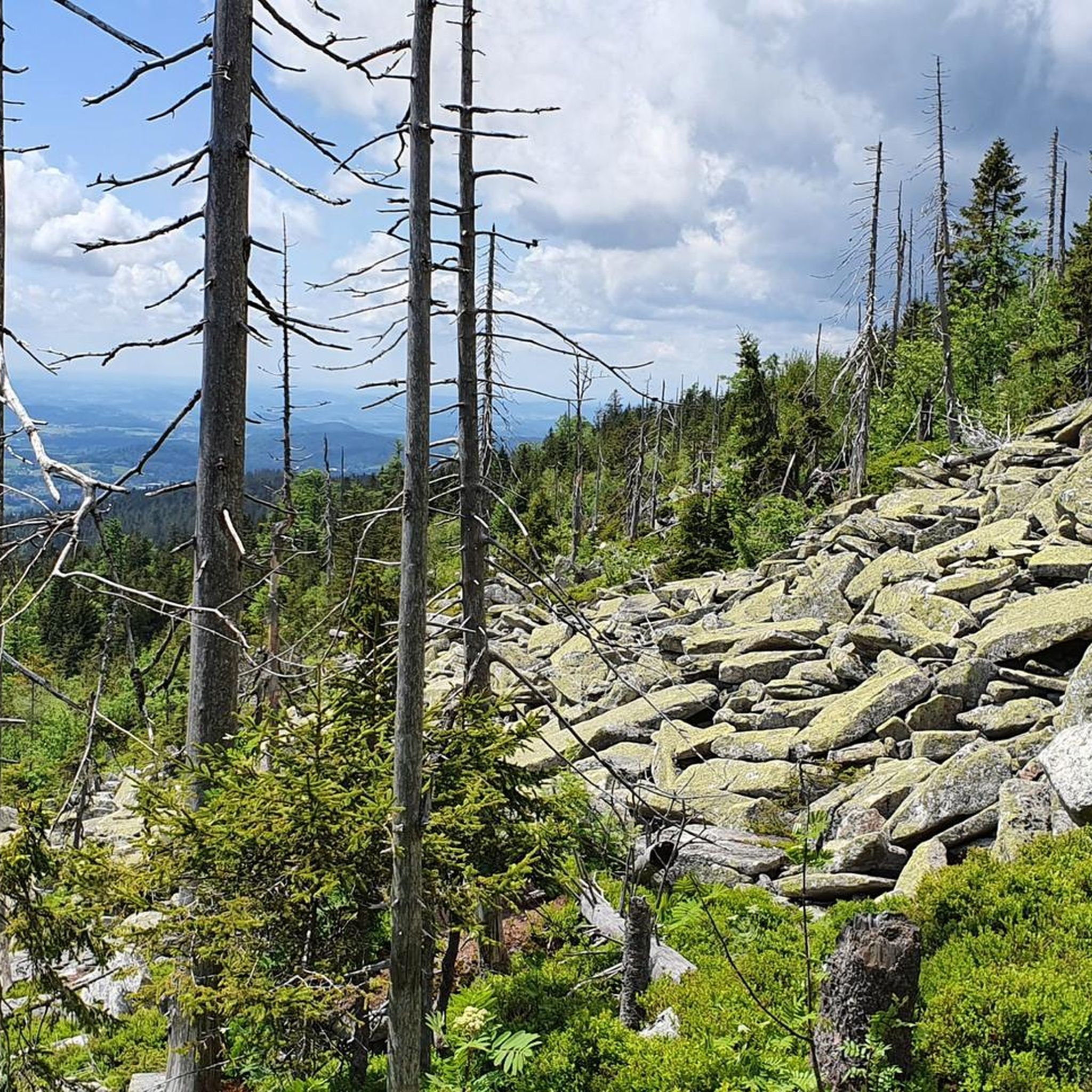
Impressive along the way is especially the "Stone Sea", a huge cluster of large …
Translated by Google •
Tip by

Tripoint Monument (Germany–Austria–Czech Republic)
Highlight • Monument
If …
Translated by Google •
Tip by

Sign up now to discover places like this
Get recommendations on the best single tracks, peaks, & plenty of other exciting outdoor places.
Sign up for free
Stone Sea at Plöckenstein
Highlight (Segment) • Natural Monument
Translated by Google •
Tip by

ridgeway
Highlight • Trail
Translated by Google •
Tip by

Hochstein Summit (Dreisesselberg)
Highlight • Summit
Translated by Google •
Tip by

Sign up for free to discover even more natural monuments in Hochwald.
Sign up for free
Already have an account?
Start today with a free account
Your next adventure awaits.
Login or Signup
Popular around Hochwald



Tips from the Community

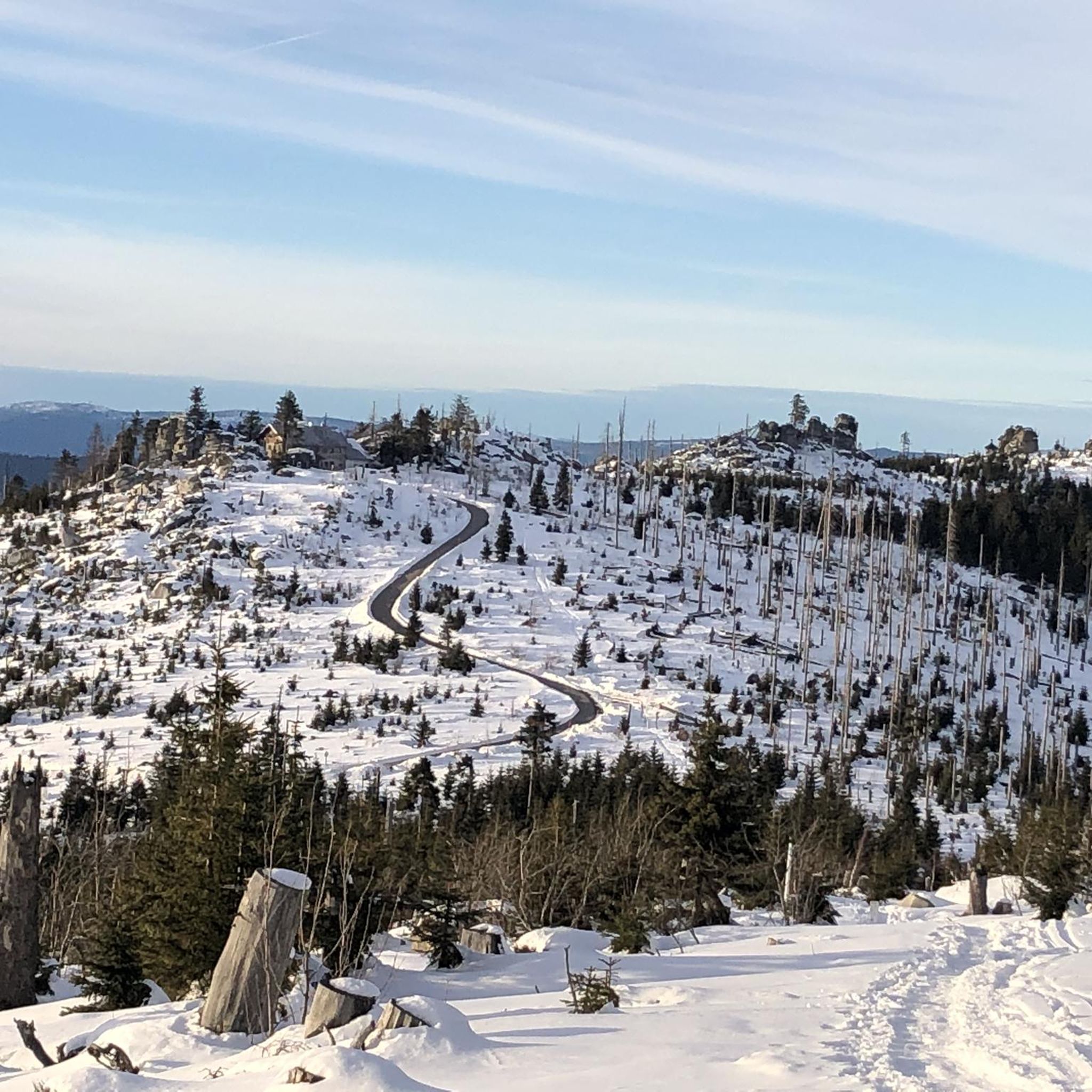
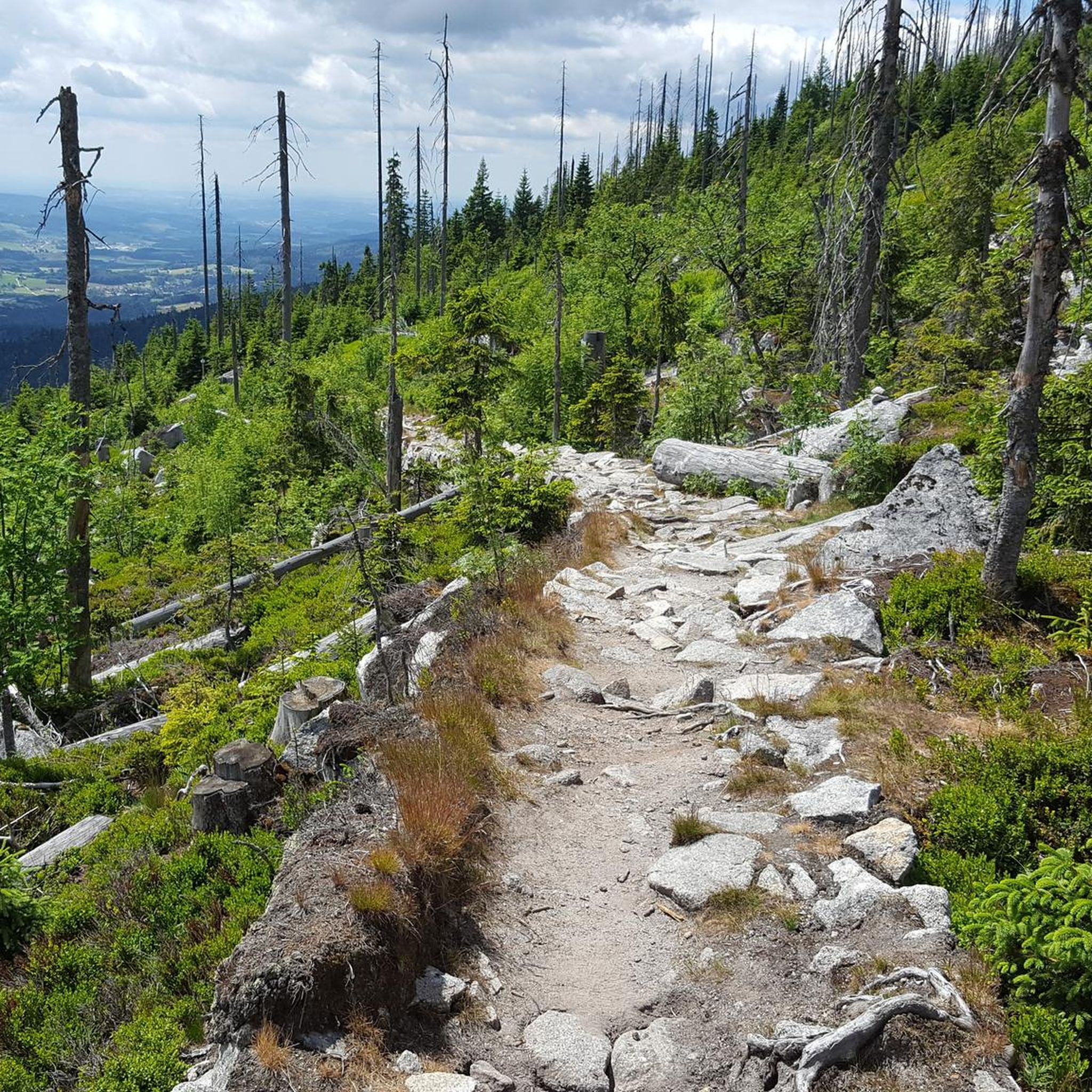
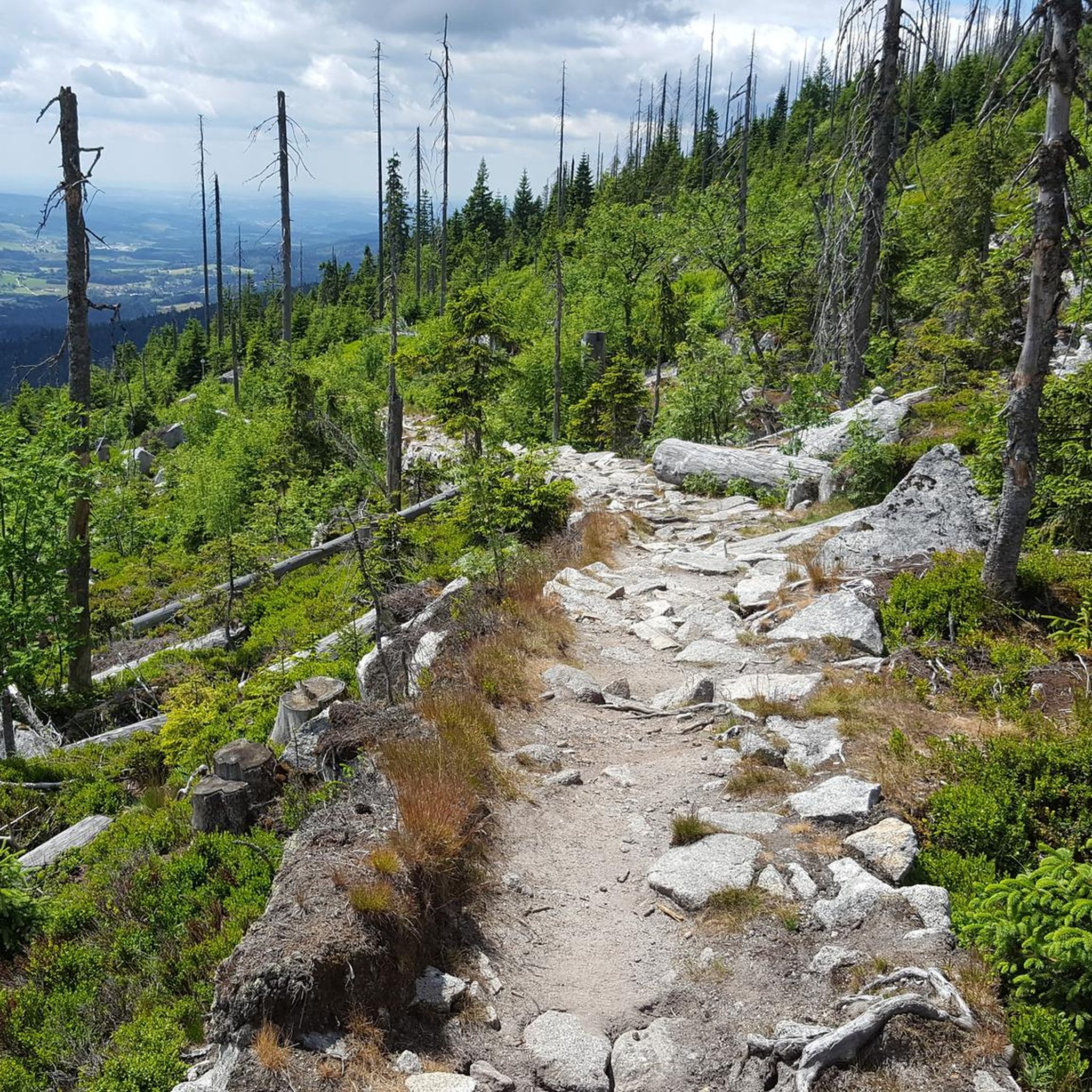
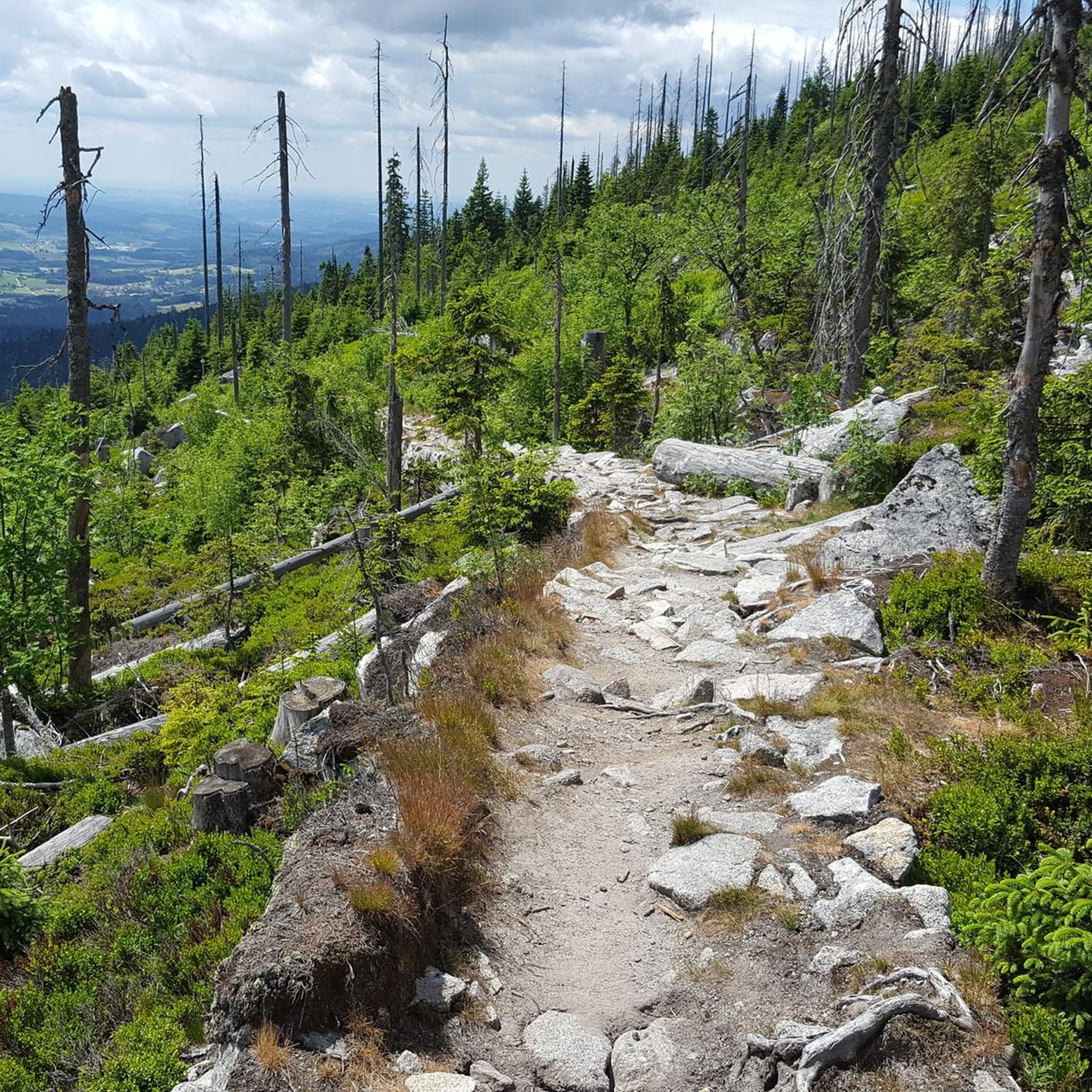
A path, which is partly heavily blocked and surrounded by thousands of dead trees, leads from the Dreisessel to the border triangle. The Hochkammweg is a really beautiful hiking trail. There are also wonderful views of the Bohemian Forest.
5
0
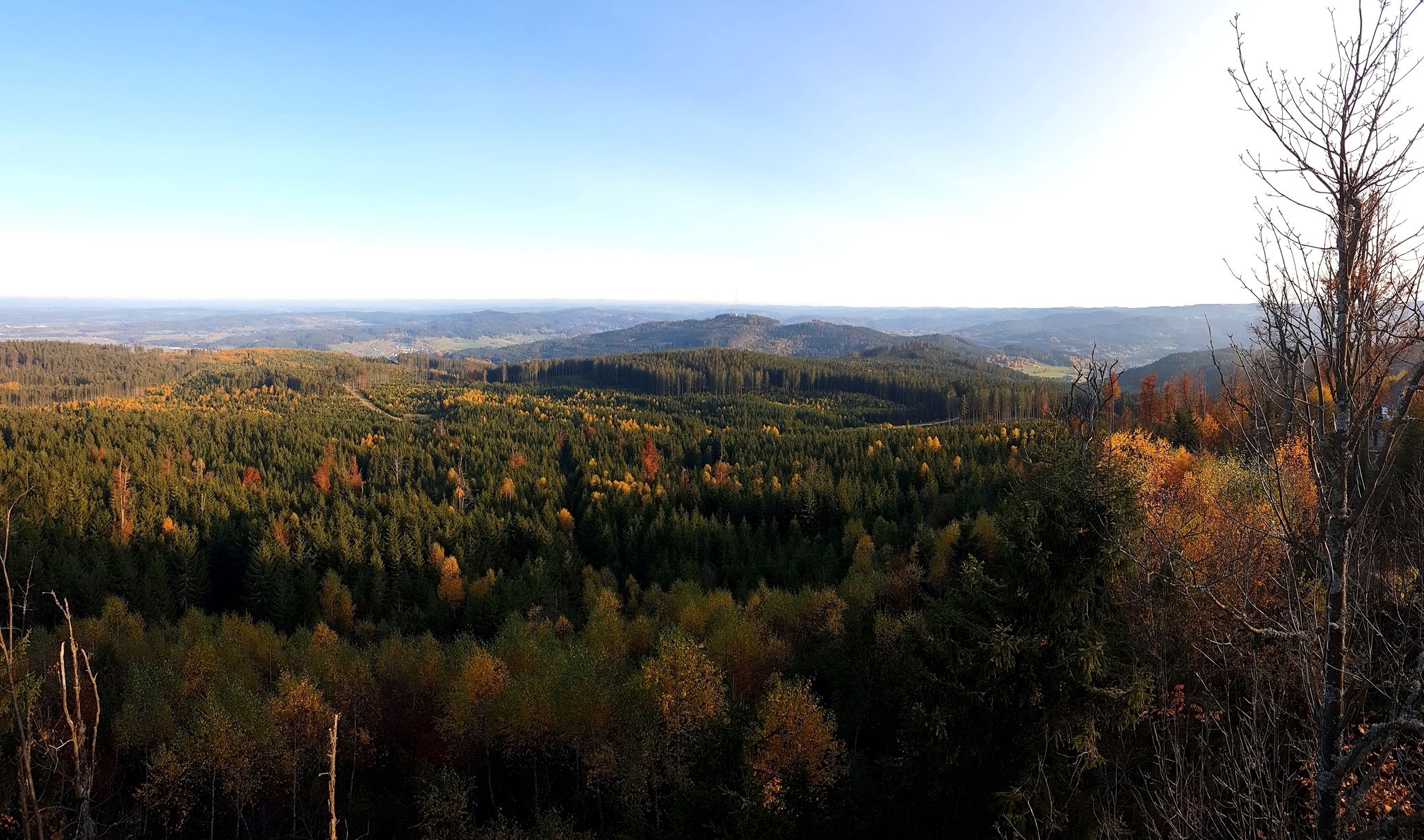
The Dreisessel in the Bavarian Forest border triangle is one of the most popular excursion and hiking destinations. Well-signposted paths lead to its peaks Dreisesselfels, Hochstein and Bayerischer Plöckenstein (Czech: Trojmezná hora), offering a wonderful view of the Bavarian Forest, the Bohemian Forest and the Mühlviertel.
5
0
A path, which is partly heavily blocked and surrounded by thousands of dead trees, leads from the Dreisessel to the border triangle. The ridge path is a really beautiful hiking trail. There are also beautiful views of the Bohemian Forest.
5
0

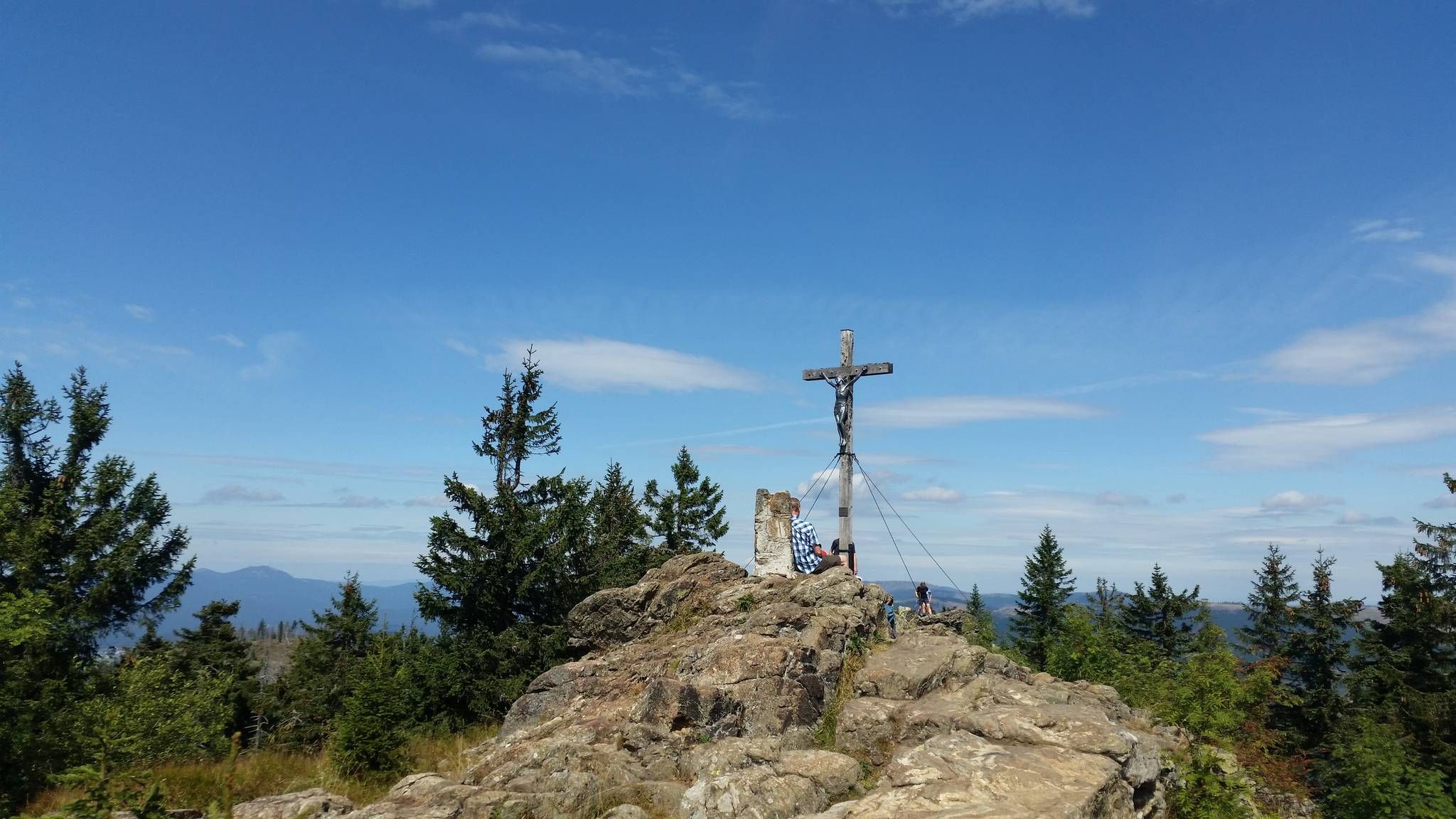
It is located in the Lower Bavarian district of Freyung-Grafenau around 370 m (as the crow flies) northwest of the German-Czech border. The mighty rock with a large summit cross can be climbed via a stone staircase. The panorama ranges from the Plöckenstein over parts of the Bohemian Forest, the Almberg, the Haidel and the Lusen to the Rachel. On a clear day, you can see as far as the Alps. Due to the public Dreisesselstraße, which leads to the Dreisesselhaus ("Berggasthof Dreisessel"), which is almost 450 m (as the crow flies) south of the Hochstein, the Dreisesselberg, especially the Hochstein, is often heavily frequented. But there are also marked hiking trails from all directions, for example from the Kreuzbachklause, from Haidmühle-Frauenberg or the Czech Nové Údolí to the Hochstein.
8
0

... worth a visit in every season ... Great hike
8
0
Always beautiful. A different, very special setting.
5
0

great view especially in the evening light
5
0

A wonderful view but also a lot going on
4
0
Frequently Asked Questions
What unique natural features can I expect to see in the Hochwald regions?
The Hochwald regions offer diverse natural features. In the Hunsrück-Hochwald National Park, you'll find extensive beech and oak forests, heathlands, peat bogs, and dramatic quartzite cliffs. The Bavarian Forest Hochwald, on the other hand, is known for its impressive granite formations, such as the Dreisessel Rock and the Stone Sea at Plöckenstein.
Are there specific natural monuments in the Hunsrück-Hochwald National Park?
Yes, the Hunsrück-Hochwald National Park features significant natural monuments like the Erbeskopf, which is the highest peak in Rhineland-Palatinate, and the striking Quartzite Cliffs of the Schwarzwälder Hochwald. The park also boasts extensive forests and peat bogs, offering pristine wilderness.
What makes the Bavarian Forest Hochwald region special for natural monuments?
The Bavarian Forest Hochwald is renowned for its unique granite formations. Highlights include the Dreisessel Rock with its 'Stone Sea' of large granite blocks, and the Stone Sea at Plöckenstein, a block heap formed during earlier ice age periods. This area also features the unique Tripoint Monument where Germany, the Czech Republic, and Austria meet.
What kind of hiking trails can I find near the natural monuments in Hochwald?
The Hochwald regions offer a variety of hiking trails. In the Bavarian Forest Hochwald, you can find trails leading to the Dreisessel Rock and through the Stone Sea. The ridgeway from Dreisessel to the border triangle is also a popular choice. For more options, explore the hiking guide for Hochwald.
Can I observe wildlife in the Hochwald natural monument areas?
Yes, both Hochwald regions provide opportunities for wildlife observation. The Hunsrück-Hochwald National Park is home to a wide variety of flora and fauna, including rare and endangered species like the European wildcat. The extensive forests and diverse habitats make it an excellent place for nature immersion and spotting local wildlife.
What is the significance of the 'Hochwald Deadwood Area'?
The Hochwald Deadwood Area is a fascinating example of natural regeneration. It demonstrates a nature park concept where dead and uprooted trees, often affected by bark beetles, are left to provide the breeding ground for new forest growth. It's a place where visitors can observe the natural cycle of dying and emerging forest.
Are there any historical or cultural points of interest near the natural monuments?
Yes, the Hochwald regions have historical significance. The Hunsrück-Hochwald National Park contains remnants of ancient Celtic settlements and Roman roads. In the Bavarian Forest, the Dreisessel Rock has a legend stating that the kings of Bavaria, Bohemia, and Austria once met there to define their kingdoms' borders, adding a unique cultural layer to its natural beauty.
What is the best time of year to visit the natural monuments in Hochwald?
The best time to visit depends on your preferred activities. Spring and autumn offer pleasant temperatures for hiking and enjoying the changing foliage. Summer is ideal for longer days and outdoor exploration. Winter can also be beautiful, especially for those interested in winter hiking, offering quiet and very nice views in all directions, as noted by visitors to the Tripoint Monument.
What do visitors enjoy most about the natural monuments in Hochwald?
Visitors frequently praise the incomparable views, especially from spots like the Dreisessel Rock and the Stone Sea at Plöckenstein. The unique geological formations, the serene atmosphere of the Hochwald Deadwood Area, and the special flair of the Tripoint Monument are also highly appreciated. Many enjoy the feeling of pristine wilderness and the opportunity for nature immersion.
Are there options for cycling near the natural monuments in Hochwald?
Yes, the Hochwald area offers various cycling opportunities. You can find routes for both road cycling and gravel biking. For detailed routes and guides, check out the Road Cycling Routes in Hochwald and Gravel Biking in Hochwald guides.
Can I bring my dog to the natural monuments in Hochwald?
Generally, natural areas in Germany are dog-friendly, but specific rules may apply within national parks or protected areas. It's always recommended to keep dogs on a leash to protect wildlife and ensure a pleasant experience for all visitors. Check local signage for any specific restrictions at individual natural monuments.
Are there any less-known natural monuments or hidden gems worth exploring in Hochwald?
While the Dreisessel Rock and Stone Sea are popular, exploring the extensive forests and peat bogs of the Hunsrück-Hochwald National Park can reveal quieter, less-trafficked spots. The Hochwald Deadwood Area, while mentioned, offers a unique and often contemplative experience away from typical tourist crowds, showcasing nature's raw power.
Most popular routes in Hochwald
Most popular attractions in Hochwald

Get inspired with the komoot mobile app


Explore more
Extend your search for the best caves by checking out these guides of the top ones in Hochwald:
