Südliche Fröttmaninger Heide
Südliche Fröttmaninger Heide
Top 5 Natural Monuments in Südliche Fröttmaninger Heide
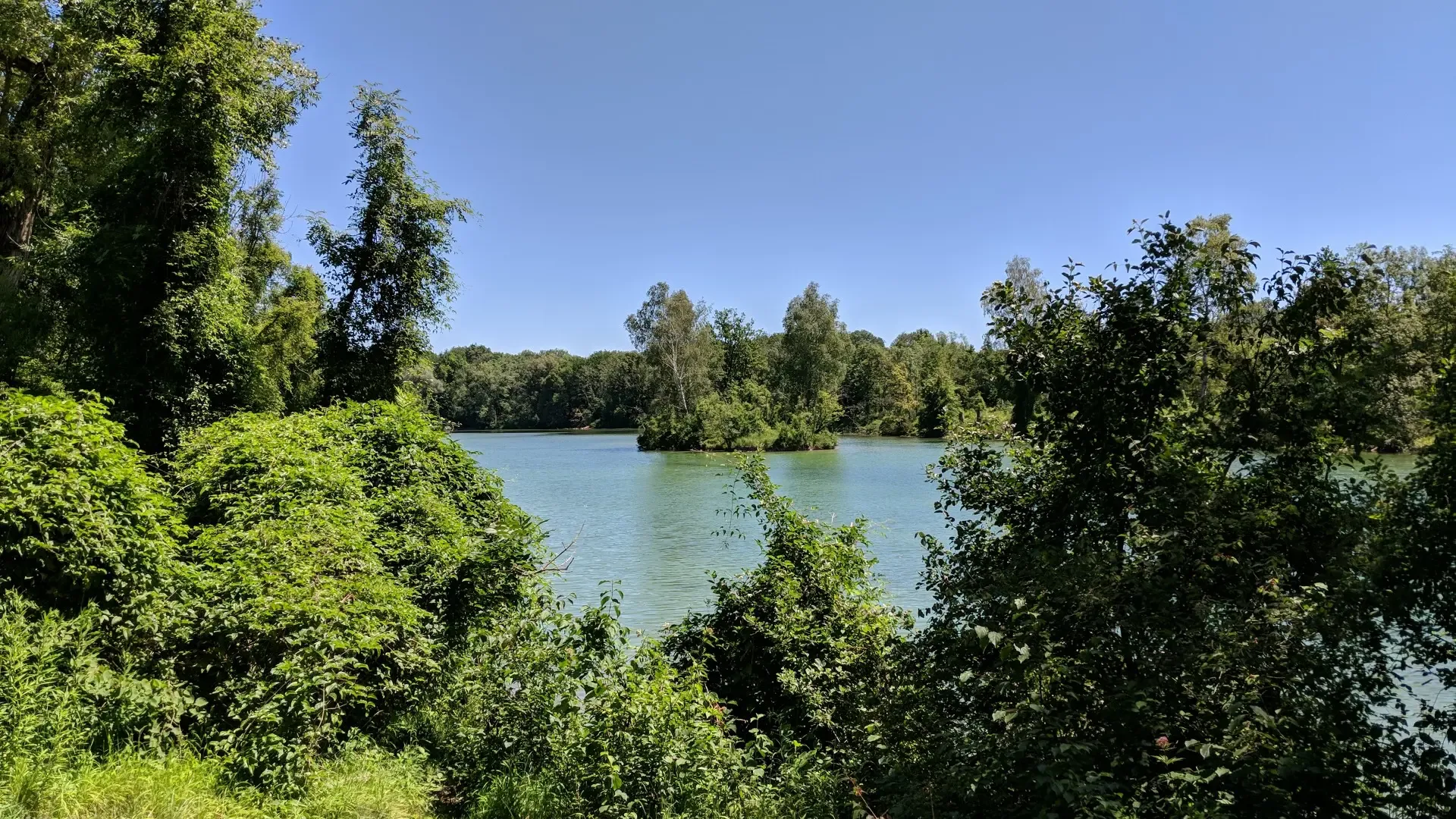
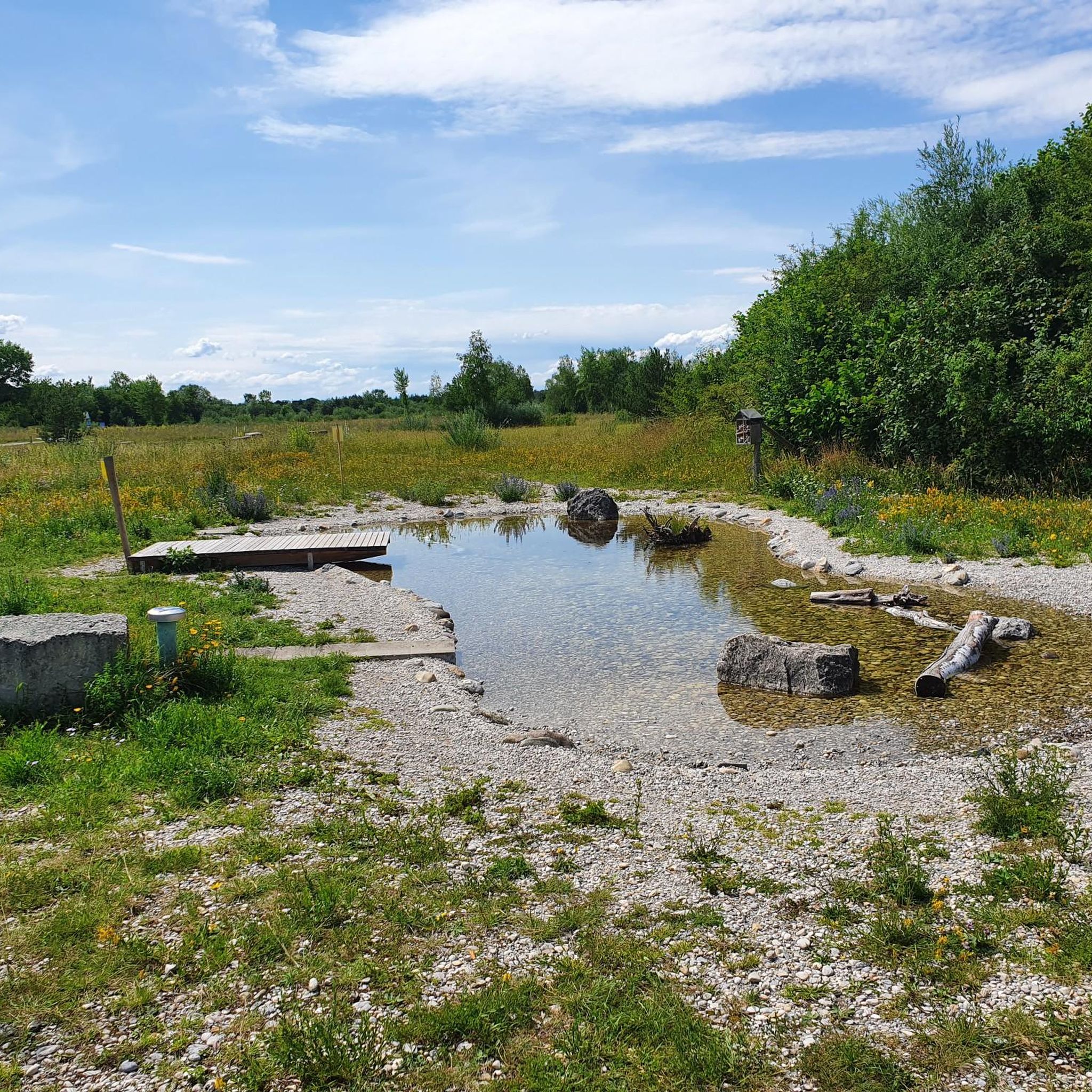
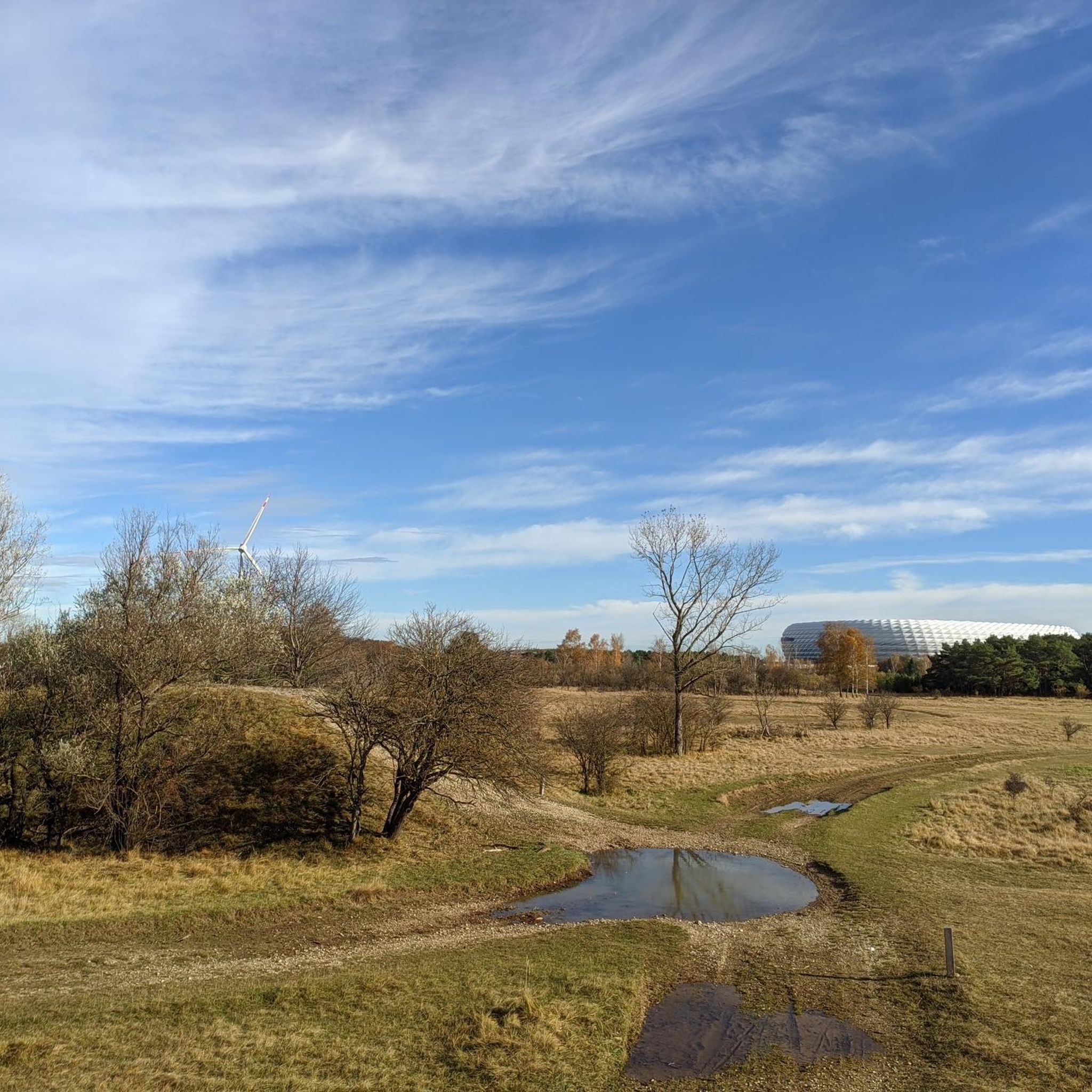
Natural monuments in Südliche Fröttmaninger Heide encompass a 347-hectare protected nature reserve north of Munich. This expansive area features a diverse landscape of grasslands, heathland, pine forests, and shallow ponds. It serves as a crucial habitat for over 350 plant species and various rare animal species, including insects, reptiles, and amphibians. A network of approximately 20 kilometers of marked paths allows for exploration of this unique environment, which also offers views of the Allianz Arena.
Best natural monuments in Südliche…
Last updated: July 5, 2026
Südliche Fröttmaninger Heide Nature Reserve
Highlight (Segment) • Natural
Translated by Google •
Tip by

Southern Fröttmaning Heath
Highlight • Natural
Translated by Google •
Tip by

Sign up now to discover places like this
Get recommendations on the best single tracks, peaks, & plenty of other exciting outdoor places.
Sign up for free
Through the heath
Highlight • Natural
Translated by Google •
Tip by

Heath Viewpoint
Highlight • Viewpoint
Translated by Google •
Tip by
Start today with a free account
Your next adventure awaits.
Login or Signup
Popular around Südliche Fröttmaninger Heide
Other adventures in Südliche Fröttmaninger Heide

Tips from the Community

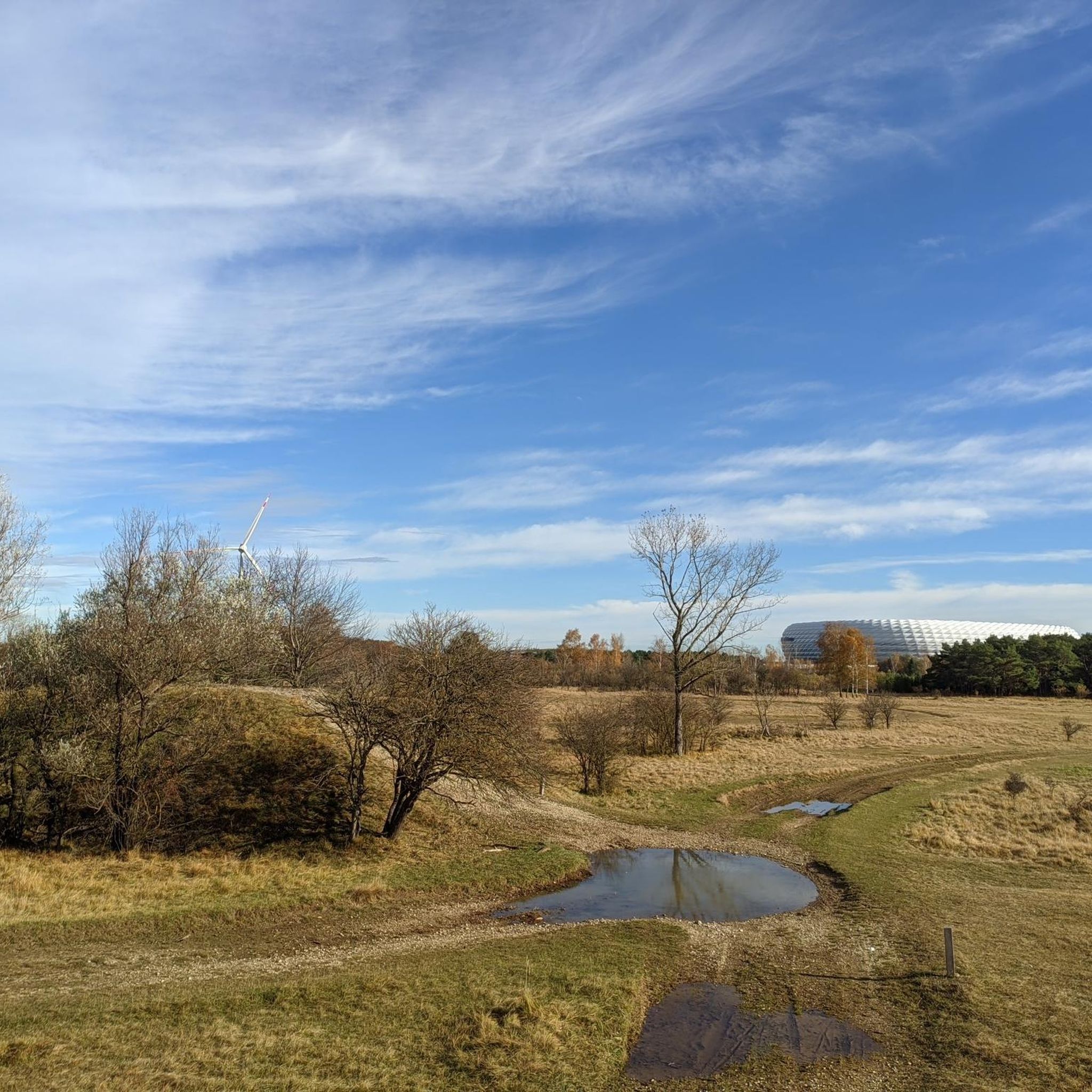
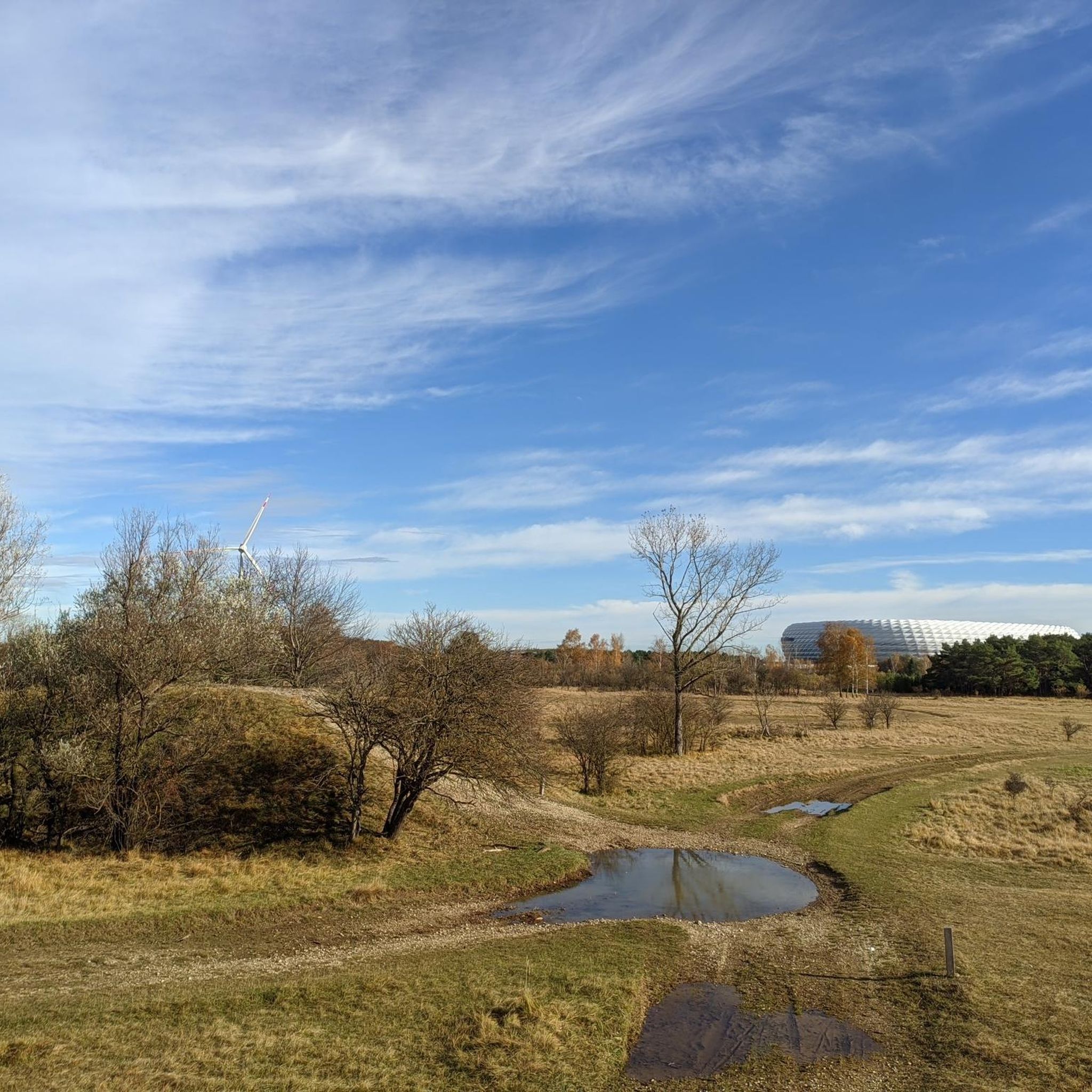
A stunning landscape with many trails crisscrossing the area. The sparse vegetation with scattered conifers, grass, and bushes has a charm all its own – the Highlight Tower and other city buildings in the background provide a whimsical contrast.
1
0

The beautiful heathland in the north of Munich is one of the largest contiguous grass heaths in Central Europe. The area was formerly a military training area for the German army and has been a nature reserve since 2016.
6
0

beautiful path through the Fröttmaninger Heide
2
0

The Fröttmaninger Heide is a historic cultural landscape of European importance and is an important sub-area of the European Natura 2000 area "Heath areas and Lohwald forests in the north of Munich". Just 200 years ago, the area belonged to an original heathland that stretched over 15,000 hectares here in the natural area of the Munich Plain from the then urban area of Munich via Schleißheim, Garching and Eching to Neufahrn and decisively shaped the landscape. Today, in addition to the Fröttmaninger Heide, the Nordheide, the Mallertshofer Holz, the Garchinger Heide and the heath areas and forests near Oberschleißheim have been preserved as relics. The Fröttmaninger Heide was designated as a nature reserve in 2016 and offers a fantastic running area with the various paths (which you have to stay on). https://heideflaechenverein.de/projekte/froettmaninger_heide.html
4
0
From this slightly elevated vantage point ("Heide-Blick") you can take in the vastness of the heathland. On the other hand, one is informed about the protection zone to the north, lying "at the feet" of the observer, which is supposed to help the ground-nesting larks in spring/summer to get some rest.
4
0

Great nature reserve!
6
0

View and information board over the Fröttmaninger Heide
6
0

A detour to this beautiful nature reserve is worthwhile in every season
8
0
Frequently Asked Questions
What makes the Südliche Fröttmaninger Heide a significant natural monument?
The Südliche Fröttmaninger Heide is recognized as a significant natural monument in its entirety, designated as a protected nature reserve. It's one of Central Europe's largest continuous heathlands, spanning 347 hectares, and is part of the Munich green belt. This area is crucial for its diverse landscape, supporting over 350 plant species and rare animal species.
What kind of landscape and biodiversity can I expect to see?
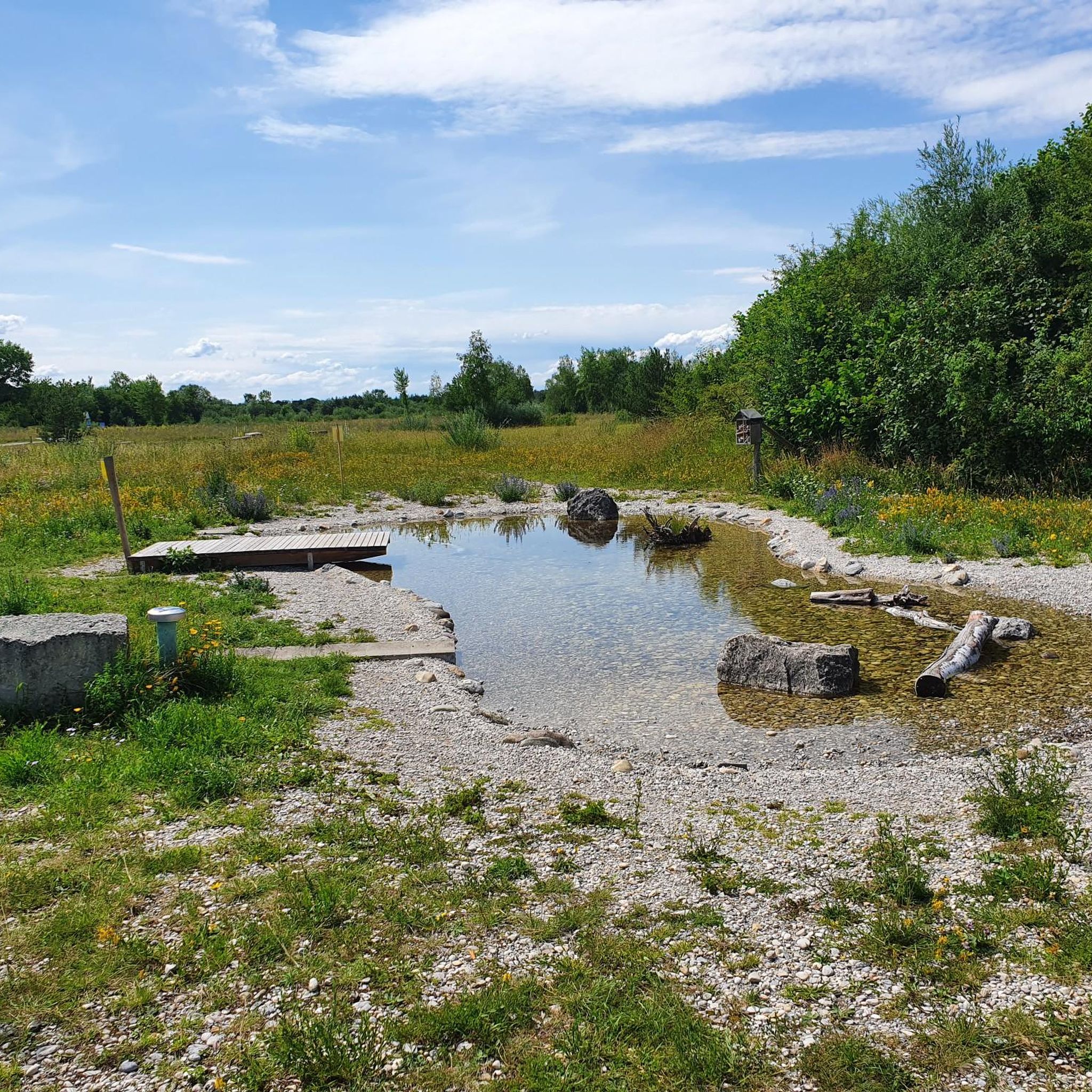
You'll find a unique mosaic of grasslands, heathland, pine forests, open meadows, and shallow ponds. This varied terrain supports an exceptional range of flora, including rare plant species with Mediterranean, Alpine, and Eastern European origins. It's also a vital habitat for insects, reptiles, and amphibians like sand lizards and natterjack toads.
Are there specific viewpoints to appreciate the heathland?
Yes, you can visit the Heath Viewpoint, an elevated spot offering expansive views of the heathland. From here, you can also learn about the protection zones for ground-nesting birds.
What is the historical significance of the Südliche Fröttmaninger Heide?
The landscape's current appearance was shaped by its past use as a military training ground since the 19th century, first by German forces and later by the US Army. This history contributed to the dynamic habitats that now thrive with specific animal and plant species, though it also means visitors must stay on marked paths due to potential unexploded ordnance.
What outdoor activities are available in the Südliche Fröttmaninger Heide?
The area offers a network of approximately 20 kilometers of marked paths, perfect for walking and exploring. You can find various easy hikes and gravel biking routes. For example, you can enjoy a path Through the heath, which offers a distinct landscape with sparse vegetation.
Is the Südliche Fröttmaninger Heide suitable for families?
Yes, the Südliche Fröttmaninger Heide is considered family-friendly. The marked paths provide safe exploration opportunities, and the diverse natural environment offers educational experiences. The HeideHaus, an information and environmental education center, also provides insights into the biodiversity of the heath landscape.
Are dogs allowed in the Südliche Fröttmaninger Heide?
Dogs are generally allowed, but specific rules regarding leashing requirements apply depending on the protection zone within the reserve. This is to ensure the protection of the sensitive ecosystem and the safety of visitors.
What are the rules for visiting the nature reserve?
Visitors are required to stay on designated paths to protect the sensitive ecosystem and for safety reasons, due to the area's past as a military training ground. Respecting these rules helps preserve the unique environment.
Can I see the Allianz Arena from the Südliche Fröttmaninger Heide?
Yes, the Südliche Fröttmaninger Heide offers a unique juxtaposition of nature and modern architecture, providing views of the Allianz Arena while walking through the heathland. This contrast is often highlighted by visitors.
Where can I learn more about the natural environment of the Südliche Fröttmaninger Heide?
The HeideHaus serves as an information and environmental education center within the Südliche Fröttmaninger Heide. It provides valuable insights into the biodiversity and ecological importance of the heath landscape.
What do visitors enjoy most about the Südliche Fröttmaninger Heide?
Visitors appreciate the unique natural environment, the extensive network of trails for walking and running, and the sense of tranquility it offers so close to Munich. Many also enjoy the contrasting views of the Allianz Arena and the diverse flora and fauna, especially along paths like Through the heath.
Most popular routes in Südliche Fröttmaninger Heide
Most popular attractions in Südliche Fröttmaninger Heide

Get inspired with the komoot mobile app


Explore more
Extend your search for the best caves by checking out these guides of the top ones in Südliche Fröttmaninger Heide:
