Top 6 Natural Monuments in Cárdenas
Best natural monuments in Cárdenas are found within its broader municipality and the surrounding Matanzas Province. This region features a diverse natural landscape, including ecological reserves, ancient cave systems, and coastal areas. These sites offer opportunities to observe unique flora, fauna, and significant geological formations.
Best natural monuments in Cárdenas
- The most popular natural monuments is El Patriarca Cactus, a natural monument that features an ancient cactus believed to be over 500 years old. This specimen stands 9 meters…
Last updated: July 2, 2026
El Patriarca Cactus
Highlight • Natural Monument
Translated by Google •
Tip by

Cueva de Ambrosio
Highlight • Cave
Admission $3.
Translated by Google •
Tip by
Sign up now to discover places like this
Get recommendations on the best single tracks, peaks, & plenty of other exciting outdoor places.
Sign up for free
Cueva Saturno
Highlight • Cave
Translated by Google •
Tip by

Varahicacos Ecological Reserve
Highlight (Segment) • Forest
Translated by Google •
Tip by
Cueva Musulmanes Trail
Highlight • Trail
Birds, cats and plenty of lizards can be seen here.
Translated by Google •
Tip by
Cliffs and Beaches of Meliá Varadero
Highlight • Beach
Translated by Google •
Tip by
Start today with a free account
Your next adventure awaits.
Login or Signup
Popular around Cárdenas
Tips from the Community

The small cliffs next to the hotel offer a few caves from the sea side, which are connected to the surface through well shafts. When the surf is big, it's a great natural spectacle.
8
0
Nice complex on a small hill between two beaches.
8
0
A very large specimen and getting old.
7
0
On a narrow path through botany. Small swamp some small caves (one with skeleton) Birds, cats and plenty of lizards can be seen here.
7
0
You can visit the caves on your own without a guide. Lots of bats, a few daylight openings in the ceiling and dry stalactites to admire here.
7
0
The Ambrosio Cave is a small cave and is located almost at the end of the Varadero Peninsula. Admission $3.
7
0
There is also no shortage of water in the small reserve.
8
0

..... the picture does not show the complete complex of the facility but only the small bast huts on the rocky beach!!!!!
1
0
Frequently Asked Questions
What unique natural monuments can I explore in the Cárdenas region?
The Cárdenas region offers diverse natural monuments. You can visit El Patriarca Cactus, an ancient specimen over 500 years old and 9 meters high. The Varahicacos Ecological Reserve is home to a significant portion of Cuba's native flora and fauna, including diverse ecosystems. For a unique geological and historical experience, explore Cueva de Ambrosio, known for its pre-Columbian pictographs.
Are there any natural monuments suitable for swimming or water activities?
Yes, Cueva Saturno is a remarkable cenote-like cave where you can swim and dive in crystal-clear water that reaches depths of 20 meters. Additionally, the Río Canímar, located near Matanzas, offers opportunities for boat tours and kayaking amidst lush vegetation.
What kind of wildlife can I expect to see in the natural monuments around Cárdenas?
In the Varahicacos Ecological Reserve, you can observe numerous bird species, reptiles, hummingbirds, snakes, lizards, and iguanas. Cueva de Ambrosio is known for its many bats, while the Cueva Musulmanes Trail also features birds and plenty of lizards.
Are there family-friendly natural monuments in the area?
Yes, several natural monuments are suitable for families. El Patriarca Cactus is considered family-friendly, offering an interesting natural landmark. The Cliffs and Beaches of Meliá Varadero provide a scenic coastal environment for families to enjoy. Exploring the well-maintained trails of the Varahicacos Ecological Reserve can also be a great family activity.
What should I know before visiting the caves in the Cárdenas region?
When visiting caves like Cueva de Ambrosio or Cueva Saturno, be aware of entry fees (e.g., $3 for Ambrosio, about 4 euros for Saturno). Cueva de Ambrosio can be explored independently, but guided tours are often available in Spanish and English. Cueva Saturno offers swimming and diving, so bring appropriate gear. Both caves feature impressive geological formations and unique ecosystems, such as bats in Ambrosio.
Are there hiking trails near the natural monuments in Cárdenas?
Yes, there are several hiking opportunities. The Varahicacos Ecological Reserve features well-maintained trails. You can find various hiking routes in the region, including moderate trails like the "El Patriarca Cactus – Palm Grove at Cape Varadero loop." For more options, explore the Hiking in Cárdenas guide.
What outdoor activities can I do near these natural monuments?
Beyond exploring the monuments themselves, you can enjoy various outdoor activities. Hiking and running trails are available, such as those found in the Hiking in Cárdenas and Running Trails in Cárdenas guides. The Río Canímar is excellent for boat tours and kayaking, while Cueva Saturno offers swimming and diving.
What is the best time to visit the natural monuments in Cárdenas?
The Cárdenas region generally enjoys a warm climate. The dry season, typically from November to April, offers pleasant temperatures and less rainfall, making it ideal for exploring outdoor natural monuments and trails. This period is also good for activities like swimming in caves or enjoying coastal areas.
Are there any viewpoints or scenic spots among the natural monuments?
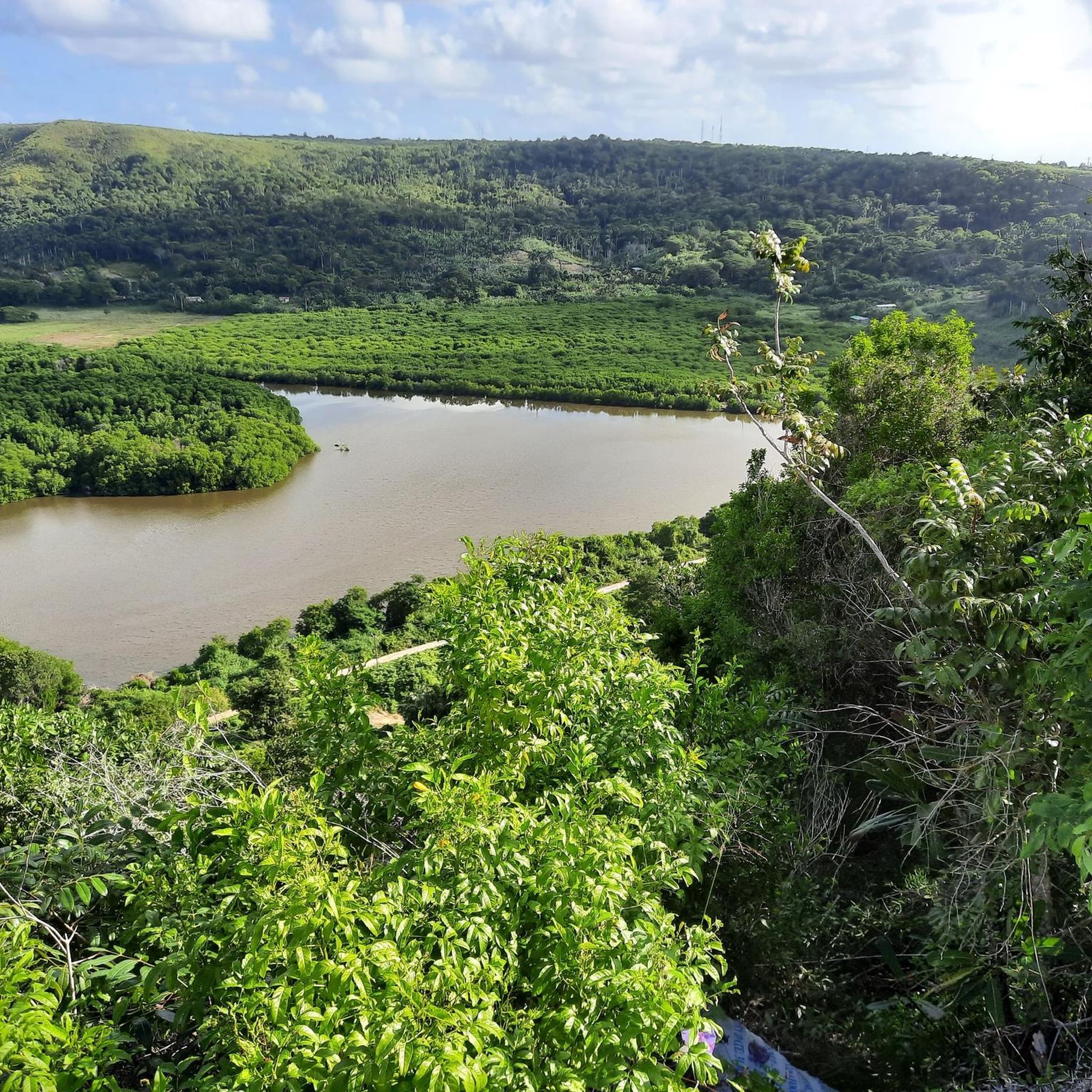
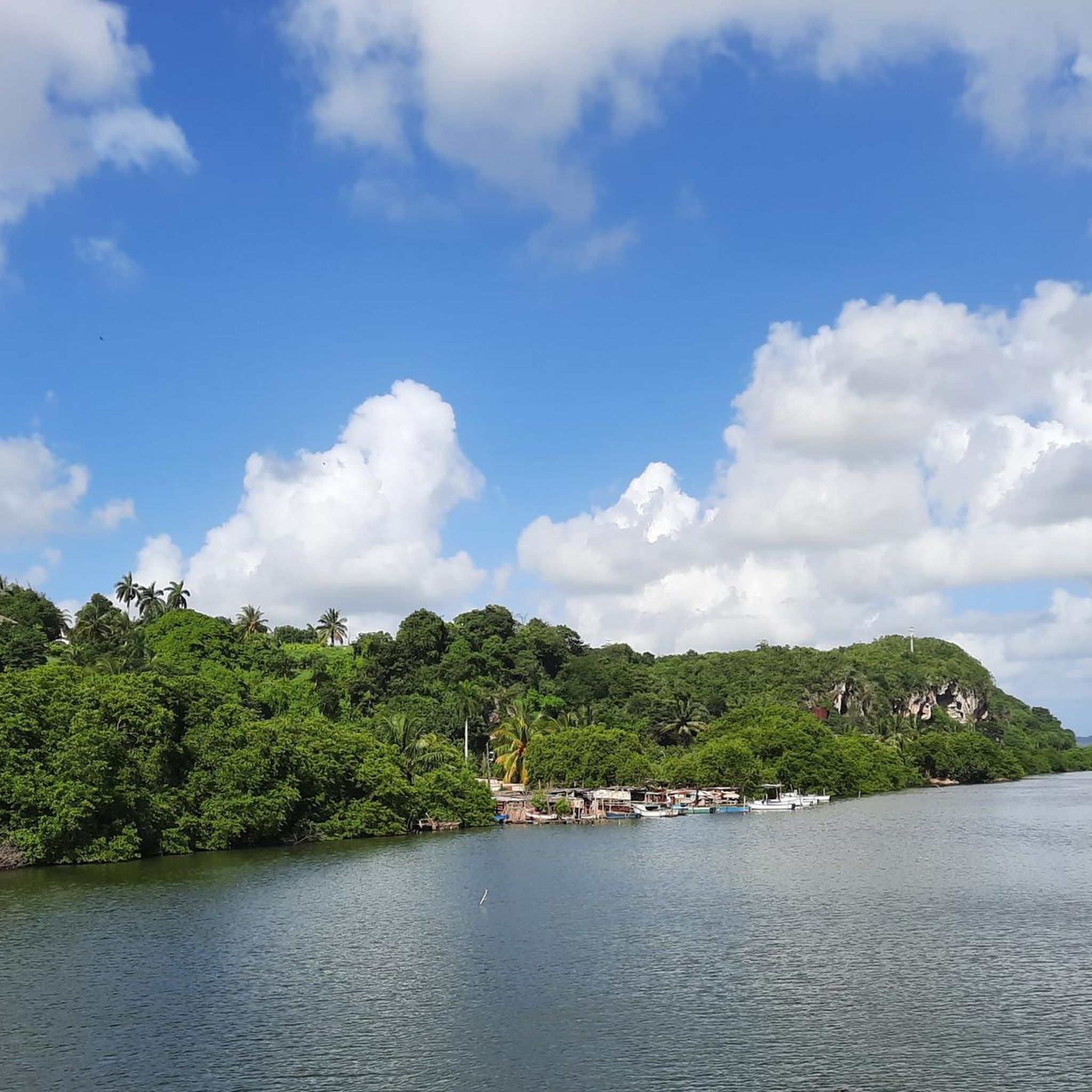
Yes, the Cliffs and Beaches of Meliá Varadero offer scenic views of the coastline. The Río Canímar also provides picturesque views with its lush vegetation and cliffs, making it a beautiful spot for enjoying nature's tranquility.
What are some lesser-known natural gems in the Cárdenas area?
Beyond the more popular sites, the Cueva Musulmanes Trail offers a unique experience with its narrow path through botany, small caves (one reportedly containing a skeleton), and abundant wildlife like birds and lizards. It provides a glimpse into the region's wilder side.
What historical or cultural significance do some of these natural monuments hold?
Cueva de Ambrosio is not only a natural wonder but also an important archaeological site, notable for its extensive collection of pre-Columbian pictographs. These ancient drawings offer a unique insight into the indigenous cultures that once inhabited Cuba, blending natural beauty with rich history.
What kind of flora can I observe in the natural monuments?
The Varahicacos Ecological Reserve is a prime location to observe Cuba's native flora, including coastal vegetation and semi-deciduous forests. It is famously home to El Patriarca Cactus, an ancient and impressive specimen. The Río Canímar also features lush vegetation, including mangroves along its banks.
Most popular attractions in Cárdenas

Get inspired with the komoot mobile app


