Top 7 Natural Monuments in Matanzas
Natural monuments in Matanzas showcase a rich natural heritage, featuring diverse landscapes from ancient caves to vast wetlands and lush valleys. These sites are known for unique geological formations, significant biodiversity, and historical importance. The region is traversed by rivers and boasts a variety of ecosystems, including mangroves and forests. Matanzas provides compelling destinations for nature enthusiasts and those interested in the region's natural history.
Best natural monuments in Matanzas
- The most popular natural monuments is El Patriarca Cactus,…
Last updated: July 1, 2026
El Patriarca Cactus
Highlight • Natural Monument
Translated by Google •
Tip by

Cueva de Ambrosio
Highlight • Cave
Admission $3.
Translated by Google •
Tip by
Sign up now to discover places like this
Get recommendations on the best single tracks, peaks, & plenty of other exciting outdoor places.
Sign up for free
Cueva Saturno
Highlight • Cave
Translated by Google •
Tip by

Varahicacos Ecological Reserve
Highlight (Segment) • Forest
Translated by Google •
Tip by
Cueva Musulmanes Trail
Highlight • Trail
Birds, cats and plenty of lizards can be seen here.
Translated by Google •
Tip by
Cliffs and Beaches of Meliá Varadero
Highlight • Beach
Translated by Google •
Tip by
Cave of the Fish
Highlight • Cave
Translated by Google •
Tip by

Start today with a free account
Your next adventure awaits.
Login or Signup
Popular around Matanzas
Tips from the Community

The small cliffs next to the hotel offer a few caves from the sea side, which are connected to the surface through well shafts. When the surf is big, it's a great natural spectacle.
8
0
Nice complex on a small hill between two beaches.
8
0
A very large specimen and getting old.
7
0
On a narrow path through botany. Small swamp some small caves (one with skeleton) Birds, cats and plenty of lizards can be seen here.
7
0
You can visit the caves on your own without a guide. Lots of bats, a few daylight openings in the ceiling and dry stalactites to admire here.
7
0
The Ambrosio Cave is a small cave and is located almost at the end of the Varadero Peninsula. Admission $3.
7
0
There is also no shortage of water in the small reserve.
8
0

..... the picture does not show the complete complex of the facility but only the small bast huts on the rocky beach!!!!!
1
0
Frequently Asked Questions
What are some of the most popular natural monuments in Matanzas?
Visitors frequently enjoy El Patriarca Cactus, a remarkable specimen over 500 years old and 9 meters high. Another favorite is the Varahicacos Ecological Reserve, known for housing 49% of all Cuban species, including various birds, reptiles, and insects.
Are there family-friendly natural monuments in Matanzas?
Yes, several natural monuments are suitable for families. El Patriarca Cactus is a great option for all ages. Additionally, the Cliffs and Beaches of Meliá Varadero offer a mix of natural beauty and recreational opportunities, and the Cave of the Fish provides a unique cave and lake experience that families can enjoy.
What unique geological formations can I explore in Matanzas?
Matanzas is rich in unique geological formations, particularly its caves. The Cueva Saturno features an underground lake with crystal-clear turquoise waters, perfect for swimming amidst impressive stalactites and stalagmites. The ancient Cuevas de Bellamar, discovered in 1861, extend over 23 kilometers with stunning galleries showcasing diverse formations like helictites and solid calcite crystals, and even an underground stream.
Where can I find ancient history and archaeological sites within Matanzas' natural monuments?
For a blend of natural beauty and history, visit Cueva de Ambrosio within the Varahicacos Ecological Reserve. This two-million-year-old cave features approximately 47 pre-Columbian rock paintings, primarily concentric circles, and was historically used as a refuge. The Valle de Yumurí also holds significant archaeological remains, adding a cultural layer to its natural splendor.
What kind of wildlife can I expect to see in Matanzas' natural areas?
Matanzas is a haven for wildlife. The Varahicacos Ecological Reserve is home to 49% of all Cuban species, including hummingbirds, snakes, lizards, and iguanas. The vast Ciénaga de Zapata (Zapata Swamp), a UNESCO Biosphere Reserve, is the largest wetland in the Caribbean and hosts numerous bird species, including endemic ones like the Cuban trogon and Zapata wren, as well as flamingos, manatees, and Cuban crocodiles.
Are there opportunities for hiking near the natural monuments in Matanzas?
Yes, Matanzas offers various hiking opportunities. You can find trails of different difficulties, from easy to moderate. For detailed routes and options, explore the Hiking in Matanzas guide or the Easy hikes in Matanzas guide. The Valle de Yumurí also provides excellent terrain for hiking and exploring.
Can I go swimming or diving in any of the natural monuments?
Absolutely. Cueva Saturno is famous for its underground lake where visitors can swim and dive in crystal-clear waters. The Zapata Peninsula, part of the Ciénaga de Zapata, offers excellent diving and snorkeling opportunities in the Bay of Pigs, featuring coral reefs and cenotes like Cueva de los Peces.
What are the entry fees for some of the natural monuments?
Entry fees vary by location. For El Patriarca Cactus, the entry fee is typically 2 CUC. Cueva de Ambrosio usually costs around $3 or 4.50€, and Cueva Saturno is approximately 4 euros (as of 2018). It's advisable to check current prices upon arrival.
What is the Ciénaga de Zapata and why is it significant?
The Ciénaga de Zapata, also known as the Zapata Swamp or Zapata Peninsula, is the largest wetland in the Caribbean and a UNESCO Biosphere Reserve. It's significant for its diverse ecosystems, including mangroves, marshes, and forests, and its exceptional biodiversity, hosting 30% of Cuba's native fauna. It's a prime destination for ecotourism, birdwatching, and exploring unique natural habitats.
Are there any running trails available near Matanzas' natural monuments?
Yes, there are several running trails in the Matanzas area. You can find moderate-difficulty routes that pass through scenic areas. For specific routes and distances, refer to the Running Trails in Matanzas guide.
What makes the Valle de Yumurí a unique natural monument?
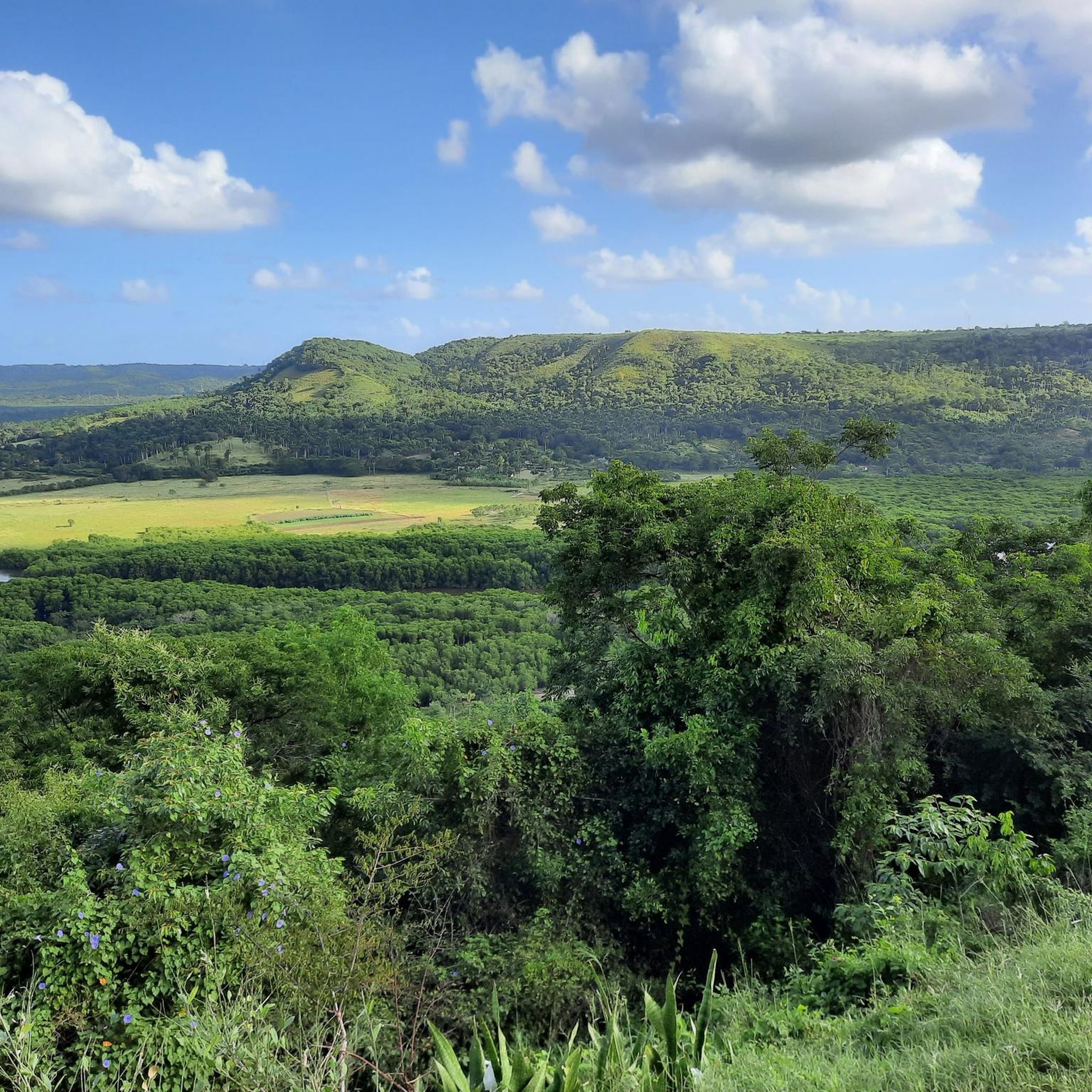
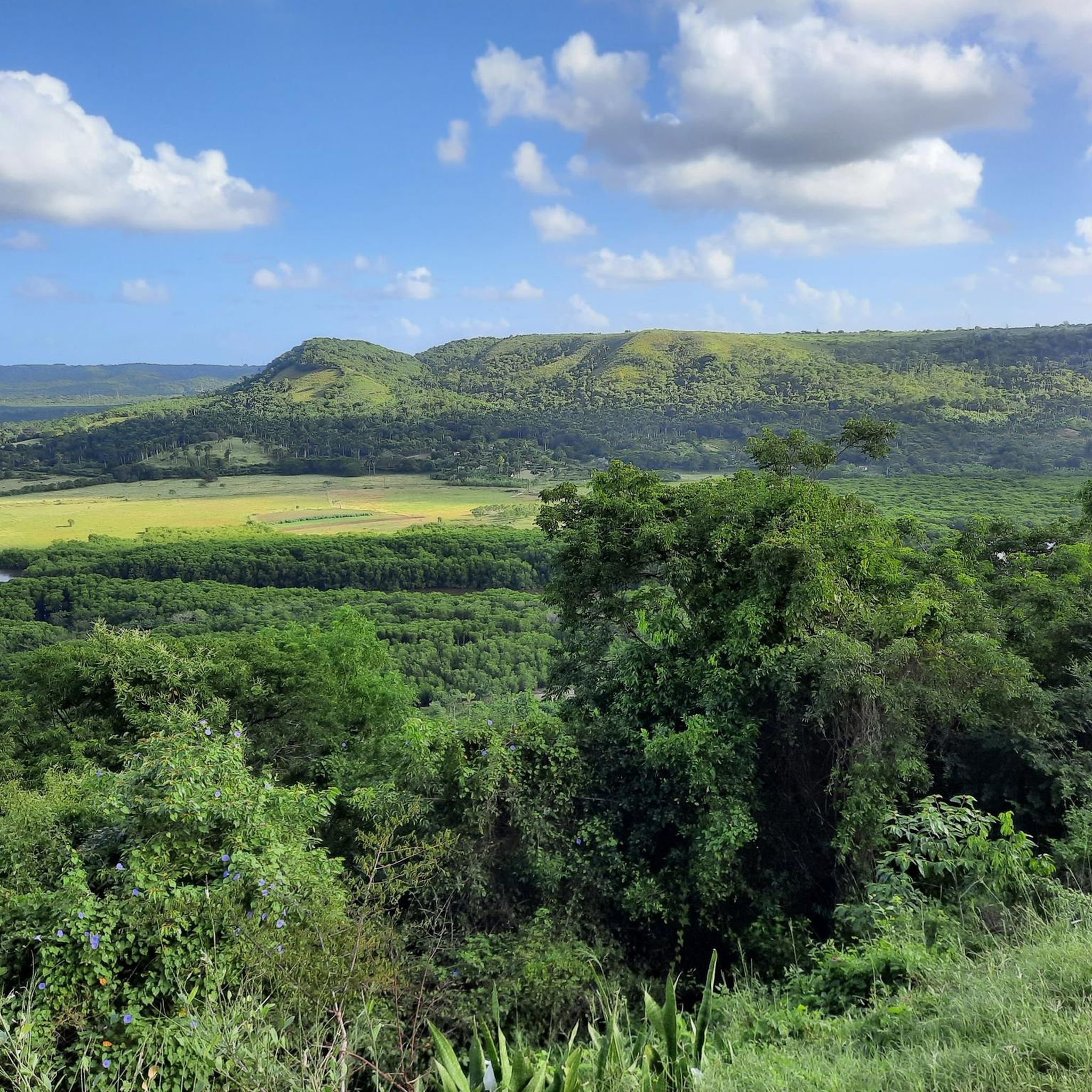
The Valle de Yumurí is a unique natural monument due to its expansive landscape of 9,666 hectares, characterized by abundant flora and fauna, significant archaeological remains, and elevations up to 150 meters. It's traversed by the Yumurí and Bacunayagua rivers and boasts a variety of vegetation, including rare endemic plant species. Its rich biodiversity, panoramic views, and cultural legends make it a multifaceted experience.
What should I bring for a visit to Matanzas' natural monuments?
When visiting Matanzas' natural monuments, it's recommended to bring essentials like water, sunscreen, insect repellent, and comfortable walking shoes. If you plan to swim in caves like Cueva Saturno, bring swimwear and a towel. For cave explorations, a flashlight can be useful, though some caves like Cueva de Ambrosio have natural light openings.
Most popular attractions in Matanzas

Get inspired with the komoot mobile app


Didn’t find what you were looking for?
Find even more amazing natural monuments in Matanzas by checking out the top Highlights region by region:
Explore more
Extend your search for the best caves by checking out these guides of the top ones in Matanzas:
