Top 10 Natural Monuments in Bajo Boquete
Best natural monuments in Bajo Boquete are found within Panama's Chiriquí Province, an area characterized by a cool microclimate and lush cloud forests. The region offers diverse natural landscapes, including volcanic peaks, ancient trees, and numerous waterfalls. These sites provide opportunities to experience unique biodiversity and varied terrain, from challenging ascents to tranquil riverside paths. Bajo Boquete serves as a central point for accessing these natural features.
Best natural monuments in Bajo Boquete
- The most popular natural monuments is Cenizo…
Last updated: July 1, 2026
Volcán Barú Summit
Highlight • Summit
Tip by

Cenizo (Ulmus Mexicana) – The 1,000-Year-Old Tree
Highlight • Natural Monument
Tip by

Sign up now to discover places like this
Get recommendations on the best single tracks, peaks, & plenty of other exciting outdoor places.
Sign up for free
Third Waterfall, Parque Internacional La Amistad
Highlight • Waterfall
Translated by Google •
Tip by

Waterfall at the End of Pipeline Trail
Highlight • Waterfall
Translated by Google •
Tip by
First waterfall
Highlight • Waterfall
Translated by Google •
Tip by
Sign up for free to discover even more natural monuments in Bajo Boquete.
Sign up for free
Already have an account?
Start today with a free account
Your next adventure awaits.
Login or Signup


Other adventures in Bajo Boquete

Tips from the Community


The ascent from Nueve Bambito is only possible with a guide, which must be arranged in advance. Unfortunately, the staff at the entrance to the park will not let you through if you do not have a reservation.
0
0

At the very end of the Pipeline Trail, this majestic view awaits you. Depending on the weather, more or less water falls down. Follow the course of the river bed to get to the waterfall. Pay attention to the weather conditions here. If it starts to rain heavily, the river bed fills up quickly.
0
0
You will meet this wonderful, wild waterfall at the very end of the trail. You need a bit of climbing and surefootedness - especially when it's raining - to get here. Then an amazing natural spectacle awaits you!
0
0
Not directly on the water, but a little higher you stand on the viewing platform and can watch the first waterfall as it rushes down. On the platform you will also find many magnificently blooming flowers in all kinds of colors.
0
0

An impressive experience! In about two hours, with breaks to marvel and take photos, you hike from almost 1,600 meters to over 1,800 meters in altitude to admire this 1000-year-old primeval being. On the way there are numerous unknown plants and animals to see and hear in addition to the typical changing mountain rainforest weather (extremely humid to light drizzle, alternating with sun). I'm glad I did the tour with a guide who was able to explain all these things to me. For me: very rewarding!
0
1

Very nice waterfall, the access is a bit more difficult than the 2 first ones so take some trekking shoes or sneakers.
2
0
Frequently Asked Questions
What are some natural monuments suitable for families in Bajo Boquete?
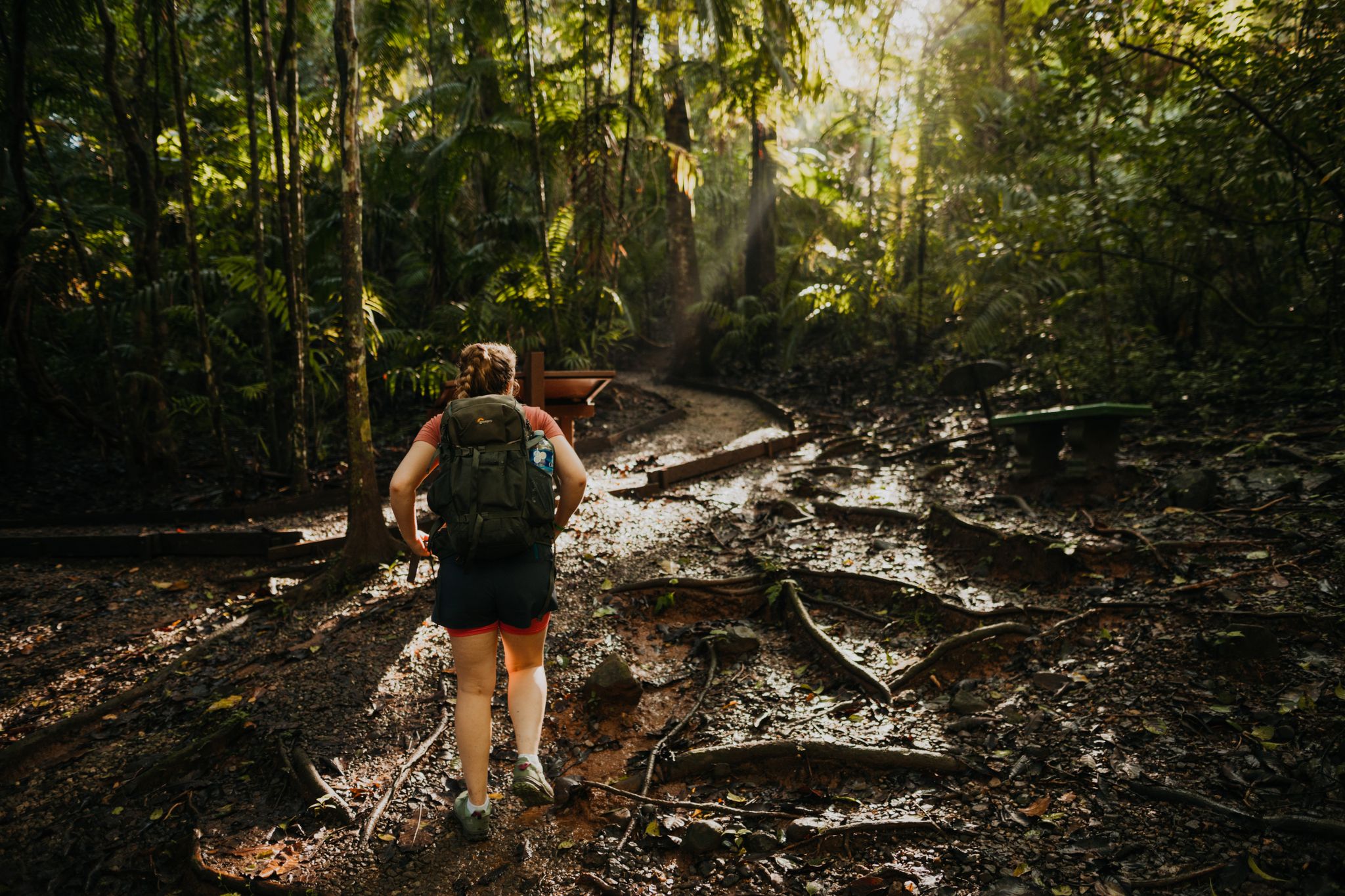
For a family-friendly experience, the Pipeline Trail is an excellent choice. It's a relatively flat walk through the jungle alongside a river, leading to an impressive waterfall. This trail offers a great chance to spot wildlife like howler monkeys and features a massive thousand-year-old tree. Another accessible option within Boquete is the Paseo del Río, a free trail along the Caldera River, perfect for a tranquil stroll.
Which natural monuments offer challenging hikes for experienced adventurers?
For a challenging and rewarding experience, consider the hike to Volcán Barú Summit, Panama's highest peak. The ascent typically takes 6 to 8 hours and on a clear day, you can see both the Pacific Ocean and the Caribbean Sea from the top. Another demanding option is the El Pianista Trail, known for its steep ascent through dense cloud forest and wild terrain, often requiring a certified guide.
Where can I see waterfalls in Bajo Boquete?
Bajo Boquete is home to several beautiful waterfalls. The Lost Waterfalls Trail features three distinct waterfalls within a moss-covered cloud forest. You can also find the majestic Waterfall at the End of Pipeline Trail, which is the rewarding conclusion of the Pipeline Trail. Additionally, the Third Waterfall, Parque Internacional La Amistad offers a wild and amazing natural spectacle, though it requires some climbing and surefootedness.
What is the best time of year to visit Bajo Boquete for natural monuments and wildlife viewing?
The dry season, typically from December to April, is generally considered the best time to visit Bajo Boquete for hiking and exploring natural monuments, as trails are less muddy. For wildlife viewing, particularly to spot the resplendent quetzal, the nesting season between January and April is ideal on trails like Sendero Los Quetzales. Early mornings or dusk are also recommended for better wildlife sightings.
Are there any natural monuments with unique trees or forest experiences?
Yes, the region boasts impressive ancient trees. The Cenizo (Ulmus Mexicana) – The 1,000-Year-Old Tree is an impressive primeval being found within a mountain rainforest, offering a unique forest experience. The Pipeline Trail also features a massive thousand-year-old tree along its route, surrounded by dense jungle.
What kind of wildlife can I expect to see near the natural monuments?
Bajo Boquete's cloud forests are rich in biodiversity. On trails like Sendero Los Quetzales and the Pipeline Trail, you might spot the resplendent quetzal, especially during nesting season (January to April). Volcán Barú National Park is home to around 250 bird species and several mammal species, including five feline species. Howler monkeys are also commonly seen along the Pipeline Trail.
Are there any natural hot springs in the Bajo Boquete area?
Yes, for relaxation after exploring, the Caldera Hot Springs are a short drive from Boquete. These natural springs provide warm, mineral-rich waters surrounded by nature, offering a peaceful retreat.
What are the options for hiking near the natural monuments in Bajo Boquete?
Bajo Boquete offers numerous hiking opportunities. You can find a variety of trails, from easy riverside walks to challenging mountain ascents. For more detailed hiking routes and options, you can explore the Hiking in Bajo Boquete guide, which includes routes like the 'Cool bridge – Cerro Piedra de Lino loop' and the 'Suspension Bridge – San Ramón Waterfall loop'.
Are there any viewpoints offering panoramic views of Boquete or the surrounding landscape?
Absolutely. The Piedra de Lino Trail, though short and steep, provides a unique panoramic viewpoint overlooking the town of Boquete. From Volcán Barú Summit, on a clear day, you can enjoy the rare sight of both the Pacific Ocean and the Caribbean Sea. The El Pianista Trail also leads to a summit with great views of Boquete.
What should I pack for a hike to the natural monuments in Bajo Boquete?
Given the region's cloud forest environment, it's advisable to pack proper hiking shoes, as terrain can be muddy and steep, especially on trails like the Lost Waterfalls. Rain gear is also recommended due to the typical changing mountain rainforest weather. For longer or more challenging hikes, consider bringing water, snacks, and potentially a local guide for safety and enhanced wildlife spotting.
Are there fees or permits required to access any of the natural monuments?
Yes, some natural monuments may require an entrance fee. For example, the Lost Waterfalls Trail typically requires an entrance fee of around $7, as it crosses private property. For trails within national parks, such as Volcán Barú National Park, permits or entrance fees may also apply. It's always best to check current requirements before your visit.
Can I go cycling or running near the natural monuments in Bajo Boquete?
Yes, the area around Bajo Boquete offers opportunities for both cycling and running. You can find various cycling routes, such as the 'Bike Path Along Water Channel – Waterfall loop', in the Cycling in Bajo Boquete guide. For runners, the Running Trails in Bajo Boquete guide features routes like the 'Running loop from Los Naranjos' and the 'Volcán Barú loop'.
Most popular routes in Bajo Boquete
Most popular attractions in Bajo Boquete

Get inspired with the komoot mobile app


Explore more
Extend your search for the best caves by checking out these guides of the top ones in Bajo Boquete:
