Top 5 Natural Monuments in Tulum
Natural monuments in Tulum, located on the Yucatán Peninsula, offer a blend of ecological wonders and ancient history. The region is characterized by diverse ecosystems, including vast protected areas, unique geological formations like cenotes, and vibrant marine environments. These sites provide opportunities to explore tropical forests, freshwater lagoons, and coastal areas with barrier reefs.
Best natural monuments in Tulum
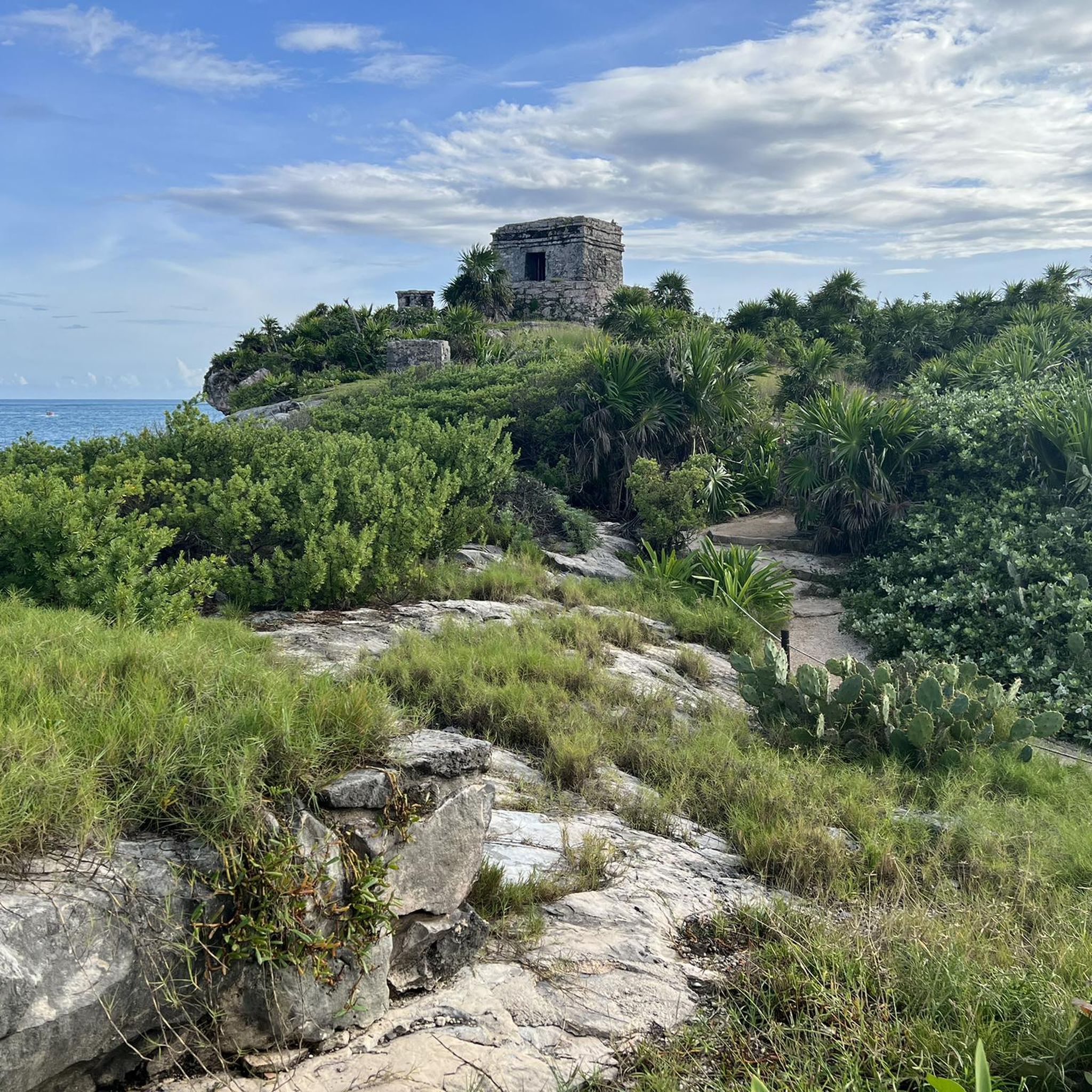
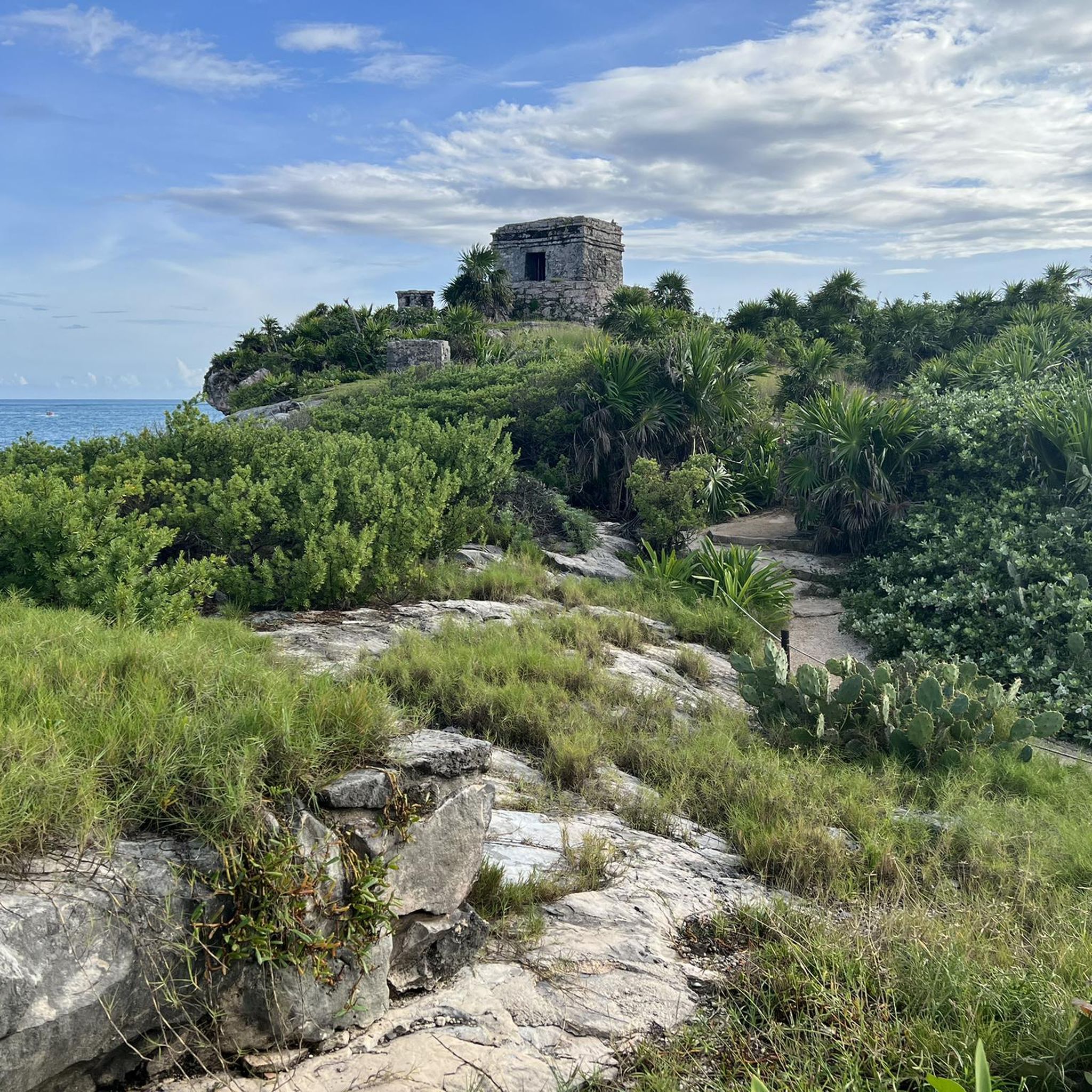
- The most popular natural monuments is Tulum Mayan Ruins, a historical site that offers dramatic coastal views of the Caribbean Sea. This site provides direct access to a beach for cooling off.
- Another must-see spot is Gran Cenote, a cave with crystal clear water. Visitors can expect refreshing swimming and diving experiences in a unique geological setting.
- Visitors also love Cenote Corazón del Paraíso, a lake with easy entry. It offers opportunities for swimming and observing small fish.
- Tulum is known for its cenotes, biosphere reserves, and coastal lagoons. These natural monuments provide a variety of experiences, from exploring underground caves to observing marine life.
- The natural monuments in Tulum are appreciated by the komoot community, with more than 40 upvotes and over 280 photos shared.
Last updated: June 17, 2026
Tulum Mayan Ruins
Highlight (Segment) • Historical Site
(As of 05/2018) - The journey from Tulum is easily possible by car or bicycle, of course it is also on foot. The bike has a clear advantage here, you can rent this for already 100 pesos for 24 hours and is very flexible. If you come by car, you can pay 180 pesos for the parking. Admission is very cheap at 70 pesos per adult. The ruin is open from 08:00 to 17:00 o'clock, early appearance secures as always the best places (say, there is hardly anyone there and the sun is not burning quite so strongly). In the area of the parking lot you will find everything you need in terms of amenities (food, drinks, souvenirs, toilets), on the premises you will not find such facilities.
For all bathing friends, you have the area also directly via a staircase access to the beach. So if you need a little cooling in between, pack bathing suits.
Translated by Google •
Tip by

Gran Cenote
Highlight • Cave
(As of 05/2018) - The journey is from Tulum easily by car (also taxi, Colectivo) or bike possible, of course it is also on foot. A parking lot is available free of charge directly at the entrance, here also the taxis wait. Admission is not so cheap at 160 pesos per adult. The facility is open from 10:00 - 17:00 clock, early appearance secures as always the best seats (say, there is hardly anyone there and the sun is not quite as strong). In the entrance you will find a small cafeteria, changing rooms and showers.
The resort is especially popular with divers, you can also rent mask and snorkel on site. Lockers for personal belongings are available directly on the bathing platform. PS .: do not forget the waterproof camera ;-) There is also an official website with the most important information and maps (grancenote.com/index.htm)
Translated by Google •
Tip by
Sign up now to discover places like this
Get recommendations on the best single tracks, peaks, & plenty of other exciting outdoor places.
Sign up for free
Cenote Corazón del Paraíso
Highlight • Lake
Translated by Google •
Tip by

Cenote Choo-Ha
Highlight • Cave
Translated by Google •
Tip by

Start today with a free account
Your next adventure awaits.
Login or Signup
Popular around Tulum

Tips from the Community

Beautiful cenote with easy entry. I saw lots of small fish and a sea turtle while diving. There are life jackets.
1
0

Great ruin complex, but there is only little shade, which is why you should not arrive in the midday sun. If you arrive individually, don't let the sometimes very aggressive and official-looking "guides" direct you to one of the parking lots. The official parking lot is right in front of the entrance and currently costs 100 pesos
5
0

initially a little flatter cenote to walk in, only gets deeper later, therefore also suitable for children
1
0

Truly unique location by the sea and a must see. However, you have to be prepared for the fact that this attraction is totally overcrowded and that has a negative effect on your stay. It's best to come very early...
2
0

Tulum was an important trading center for the Mayans. If you imagine the ruins in the splendid colors of that time, you get an impression of the beauty and mightiness of the city.
3
1

You can also swim underground in the Grand Cenote
0
0
Crystal clear water, pleasant water temperature
1
0
Wonderfully clear water, excellent for bathing
0
0
Frequently Asked Questions
What unique natural features can I explore in Tulum?
Tulum offers a diverse range of natural wonders. You can explore the vast ecosystems of the Sian Ka'an Biosphere Reserve, a UNESCO World Heritage Site with mangroves, tropical forests, and a barrier reef. The region is also famous for its cenotes, natural sinkholes like Gran Cenote and Cenote Escondido, offering crystal-clear waters for swimming. Additionally, the Yal-Kú Lagoon provides a unique confluence of fresh and saltwater, teeming with marine life.
Are there any historical natural monuments in Tulum?
Yes, the Tulum Mayan Ruins, situated within the Tulum National Park, combine ancient history with stunning natural beauty. This eco-archaeological site offers dramatic coastal views of the Caribbean Sea and direct access to a beach, allowing visitors to enjoy both the historical structures and the natural environment.
What kind of wildlife can I expect to see at Tulum's natural monuments?
Tulum's natural monuments are rich in wildlife. In the Sian Ka'an Biosphere Reserve, you can spot over 300 species of birds and various other flora and fauna. The Tulum National Park is a vital nesting site for white sea turtles, loggerhead turtles, and leatherback turtles. At Akumal Beaches and Yal-Kú Lagoon, you can swim alongside sea turtles, colorful tropical fish, and even manta rays in their natural habitat.
Are there family-friendly natural monuments in Tulum?
Many natural monuments in Tulum are suitable for families. Gran Cenote, Cenote Corazón del Paraíso, and Cenote Choo-Ha are known for their clear, calm waters, perfect for swimming and snorkeling. Casa Tortuga Tulum and Tankah Park also offer cenotes with amenities like zip lines that appeal to children. The Tulum Mayan Ruins are also a great experience for kids, especially with the free-roaming lizards.
What activities can I do at Tulum's natural monuments?
You can enjoy a variety of activities. Swimming, snorkeling, and diving are popular in the many cenotes, such as Gran Cenote. In the Sian Ka'an Biosphere Reserve, you can experience the unique Muyil River Float, explore Mayan ruins, or go dolphin watching. Tankah Park and Labnaha Cenotes & Eco Park offer zip-lining and kayaking. The coastal sites like Akumal Beaches are ideal for swimming with turtles and observing marine life.
What is the best time of year to visit Tulum's natural monuments?
The dry season, generally from November to April, offers pleasant weather with less humidity and rain, making it ideal for exploring. Visiting early in the morning is often recommended for any natural monument, as it ensures fewer crowds and cooler temperatures before the sun becomes too intense.
Are there options for hiking or cycling near these natural monuments?
Yes, there are several routes for outdoor activities. You can find easy hiking trails like the 'View of Tulum Ruins and Coast – Playa Ruinas loop' near the Tulum Mayan Ruins. For cycling, routes such as 'Playa Paraíso Viewpoint – Tulum Mayan Ruins loop' are available. You can explore more options for easy hikes, cycling, and running trails in Tulum.
What should I wear or bring when visiting natural monuments in Tulum?
It's advisable to bring sunscreen, sunglasses, and plenty of water, especially when visiting sites like the Tulum Mayan Ruins where shade might be limited. For cenotes and lagoons, pack appropriate swimwear, a towel, and consider bringing a mask and snorkel. Comfortable shoes are recommended for walking and exploring, and a waterproof camera can capture the unique underwater scenery.
Are there any lesser-known natural monuments worth visiting in Tulum?
While popular spots are great, Laguna Kaan Luum is considered a 'best-kept secret.' It's a large, distinctive lake with vibrant green and blue tones, featuring a deep central cenote for diving and shallow areas for swimming. Cenote Escondido and Cenote Corazón del Paraíso also offer beautiful, clear waters and a more tranquil experience compared to some of the more crowded cenotes.
What do visitors particularly enjoy about the natural monuments in Tulum?
Visitors frequently highlight the crystal-clear, refreshing waters of the cenotes, perfect for swimming and cooling off. The unique blend of history and nature at sites like the Tulum Mayan Ruins is also highly appreciated. Many enjoy the opportunity to observe abundant marine life while snorkeling in places like Yal-Kú Lagoon and Akumal Beaches, and the overall immersive experience in pristine natural environments like the Sian Ka'an Biosphere Reserve.
How long should I plan for a visit to a natural monument in Tulum?
The duration of your visit can vary. For a cenote like Gran Cenote, you might spend 2-3 hours swimming and exploring. A visit to the Tulum Mayan Ruins can take 2-4 hours, especially if you include time at the beach. For larger areas like the Sian Ka'an Biosphere Reserve, a full day trip is often recommended to fully experience its diverse ecosystems and activities.
Most popular attractions in Tulum

Get inspired with the komoot mobile app


