Top 20 Natural Monuments around Monmouth
Best natural monuments around Monmouth are situated within the Wye Valley Area of Outstanding Natural Beauty in southeast Wales. This region features scenic river valleys, ancient woodlands, and diverse nature reserves. The Rivers Monnow and Wye meet in Monmouth, providing opportunities for riverside walks. The area offers a variety of natural landscapes for exploration.
Best natural monuments around Monmouth
- The most popular natural monuments is View of the Wye Valley from Symonds Yat Rock, a viewpoint that offers expansive…
Last updated: July 1, 2026
King Arthur's Cave
Highlight • Cave
Tip by

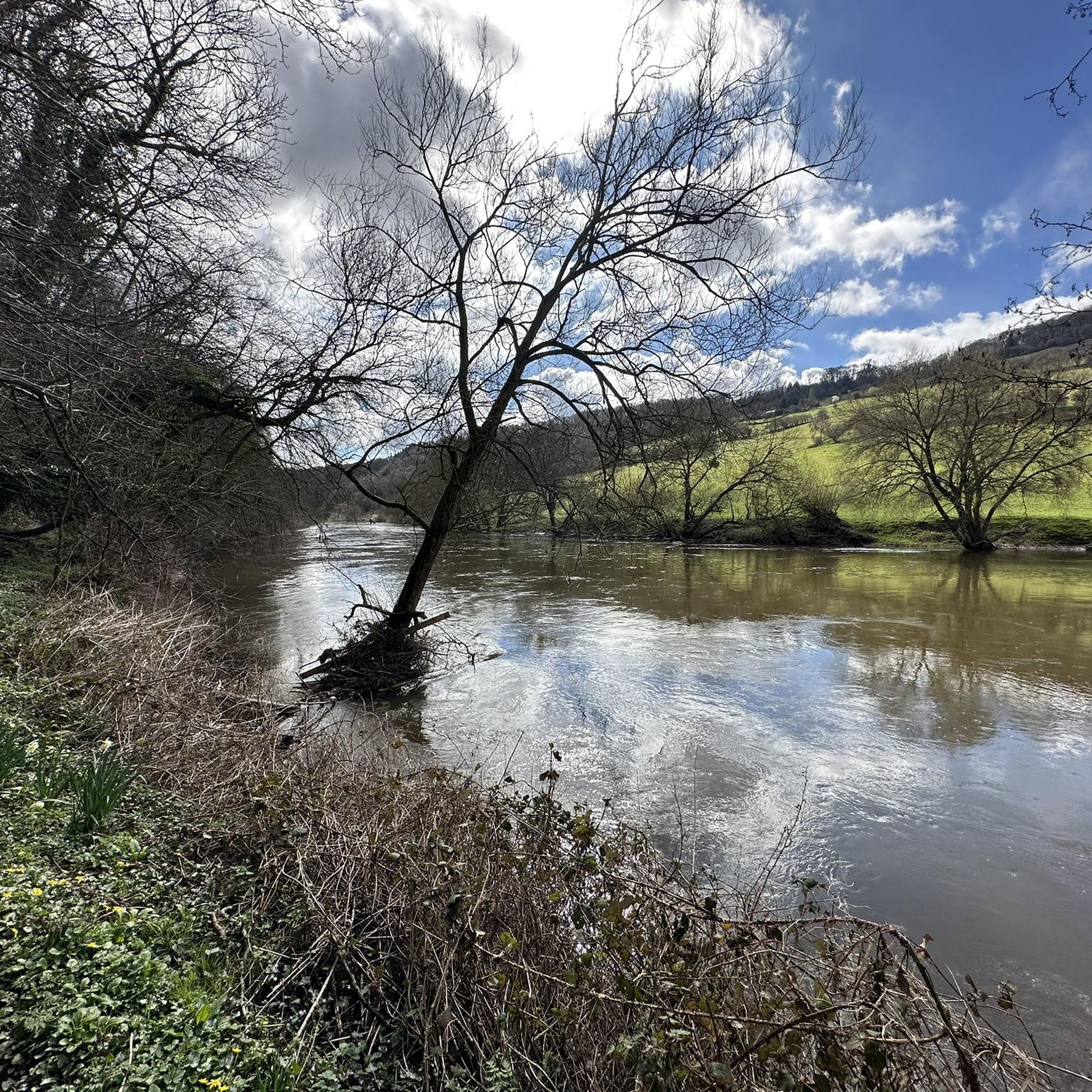
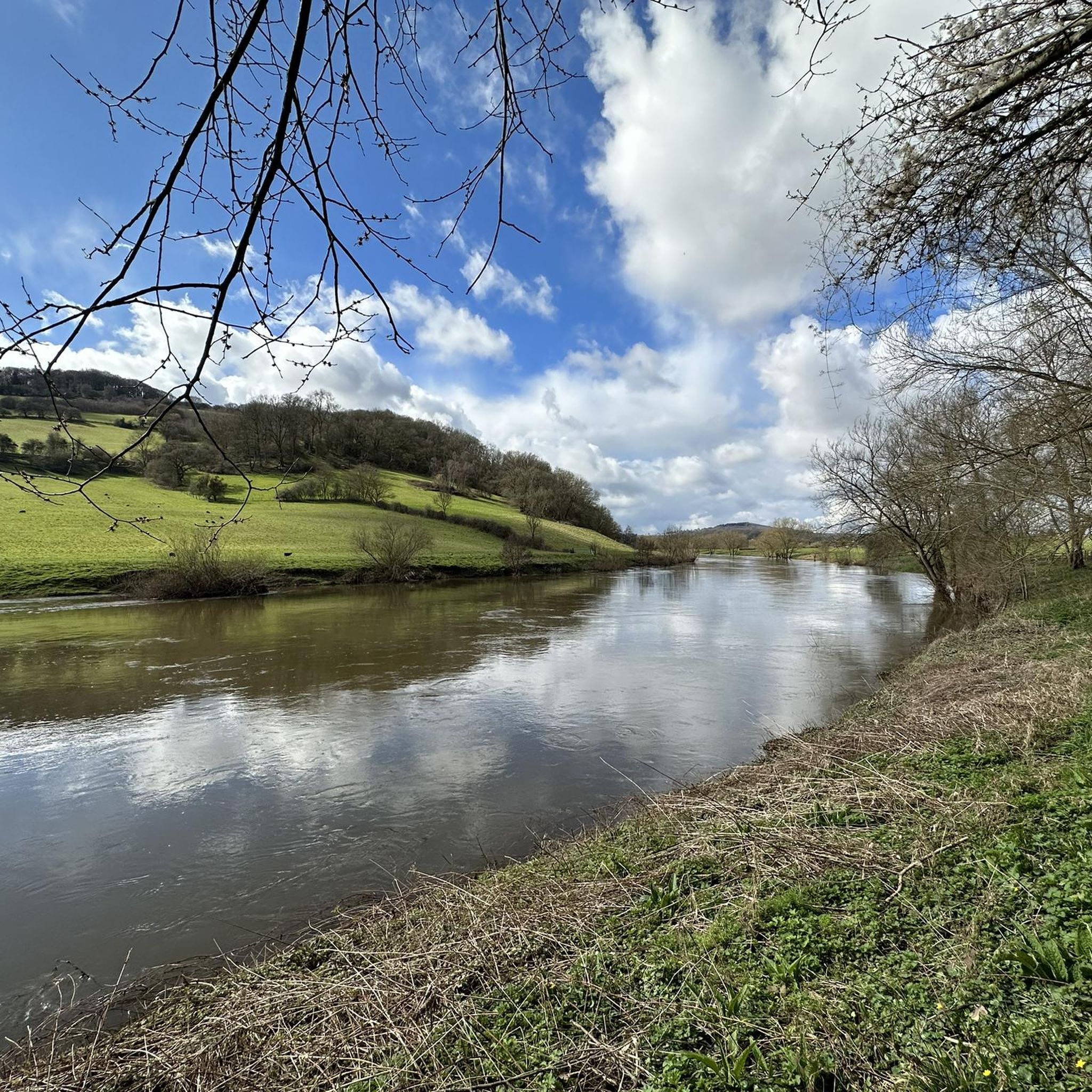
River Wye
Highlight • Natural Monument
Tip by

Sign up now to discover places like this
Get recommendations on the best single tracks, peaks, & plenty of other exciting outdoor places.
Sign up for free
Puzzlewood
Highlight (Segment) • Natural Monument
Tip by

Slade Brook Travertine Dams
Highlight • Natural Monument
Tip by

View of the Wye Valley from Symonds Yat Rock
Highlight • Viewpoint
Tip by

Sign up for free to discover even more natural monuments around Monmouth.
Sign up for free
Already have an account?
Start today with a free account
Your next adventure awaits.
Login or Signup
Popular around Monmouth
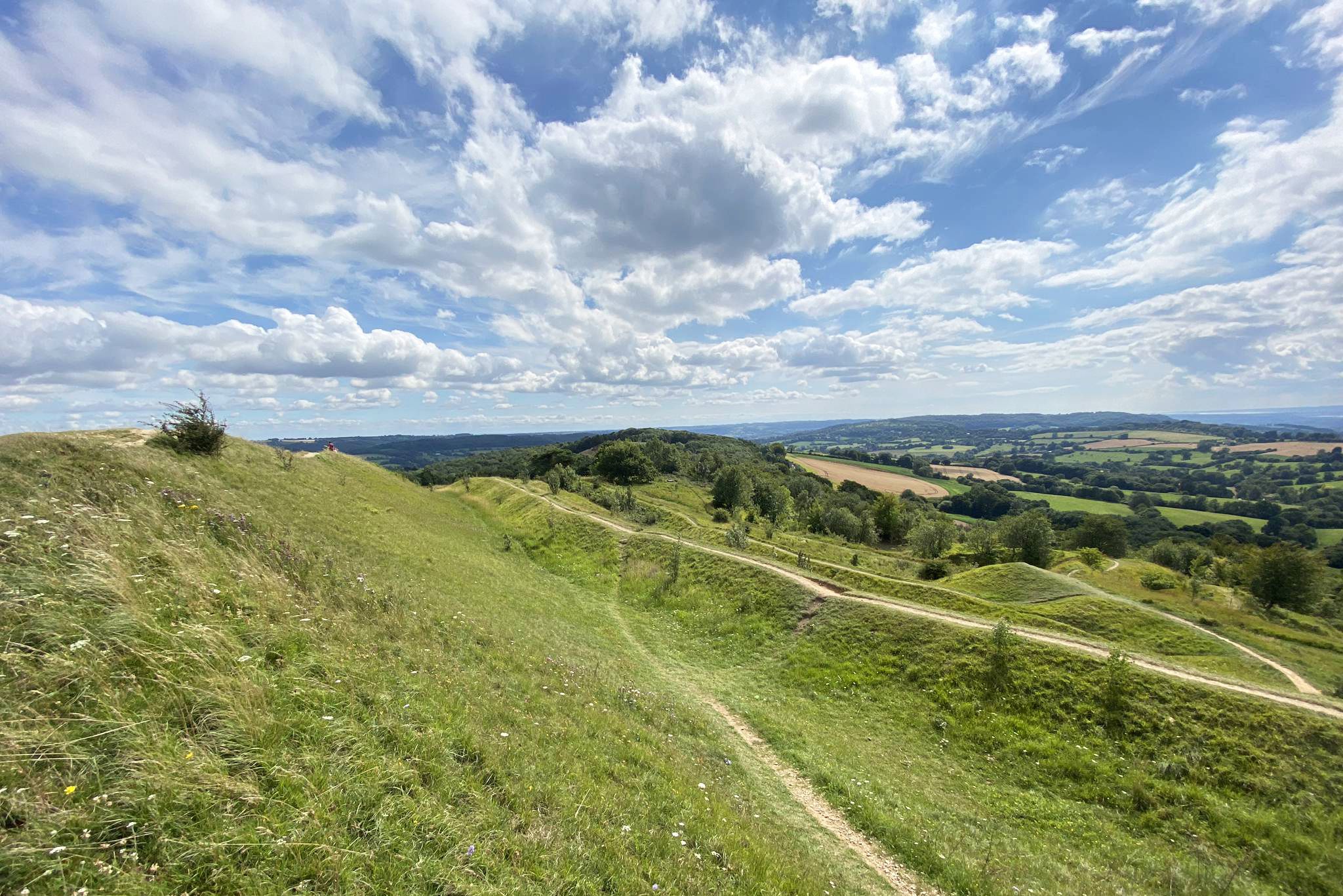
Wysis Way — Hike the golden link between the Wye and Thames
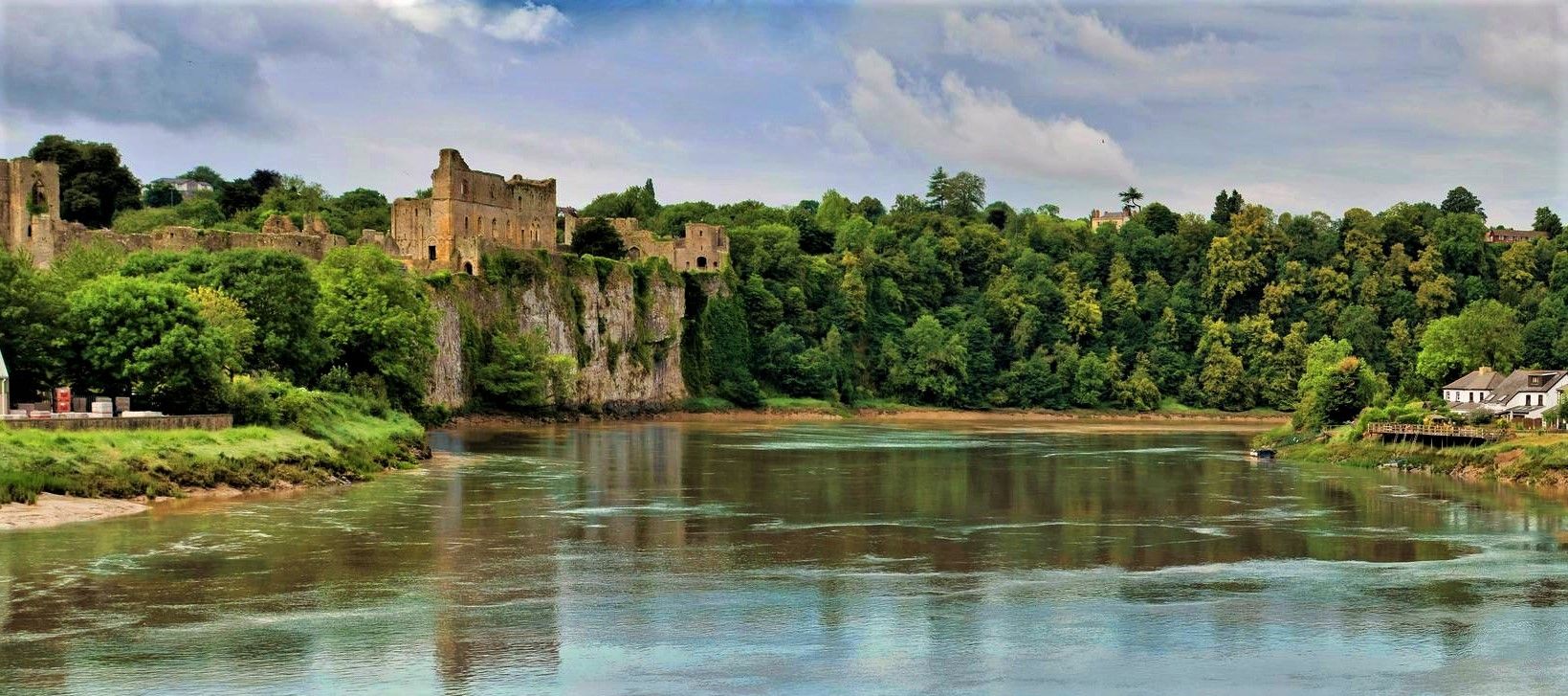
Wye Valley Walk — A riverside hike from lowlands to mountains
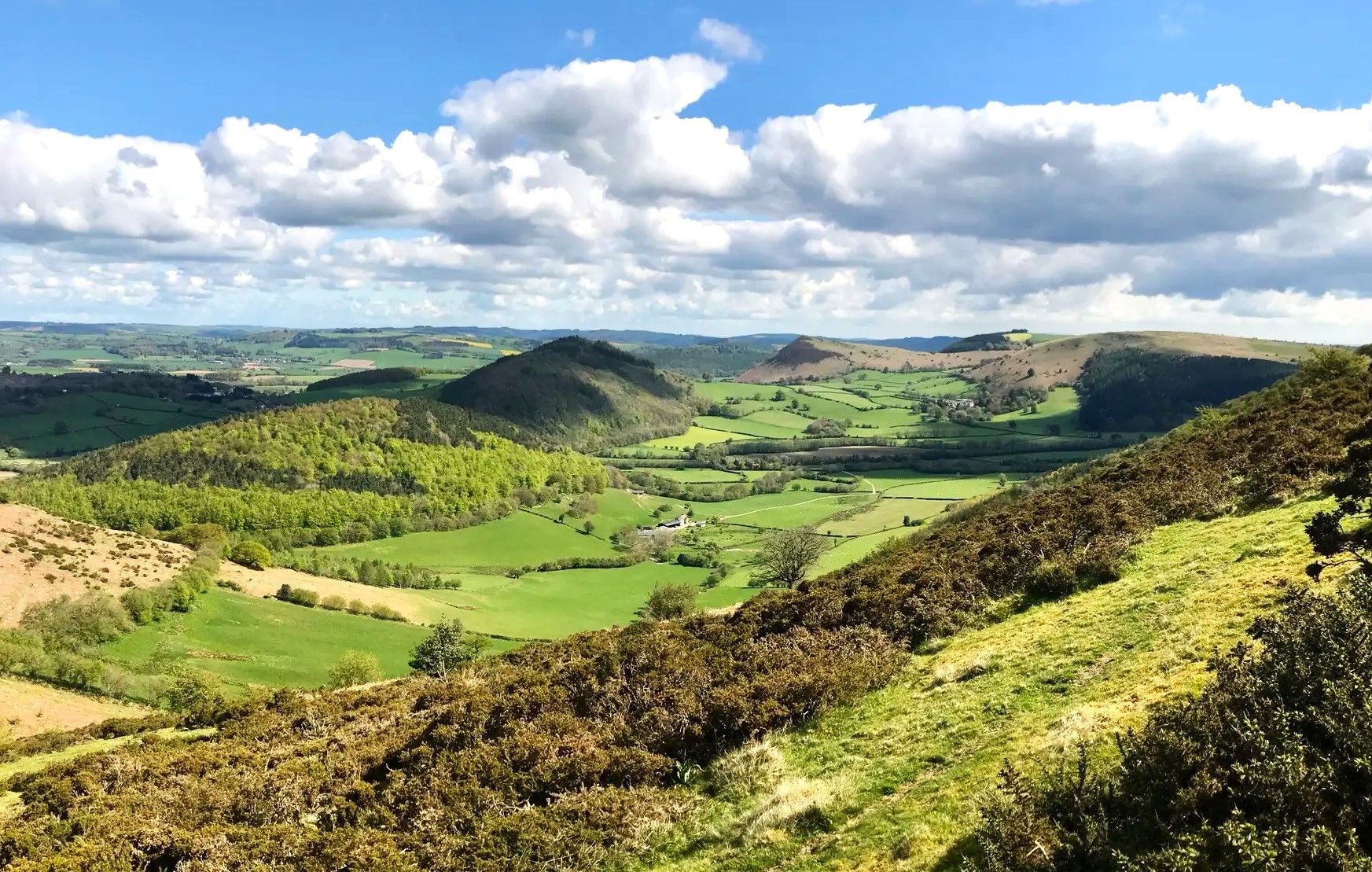
Offa's Dyke Path — Epic coast-to-coast hike along ancient monument
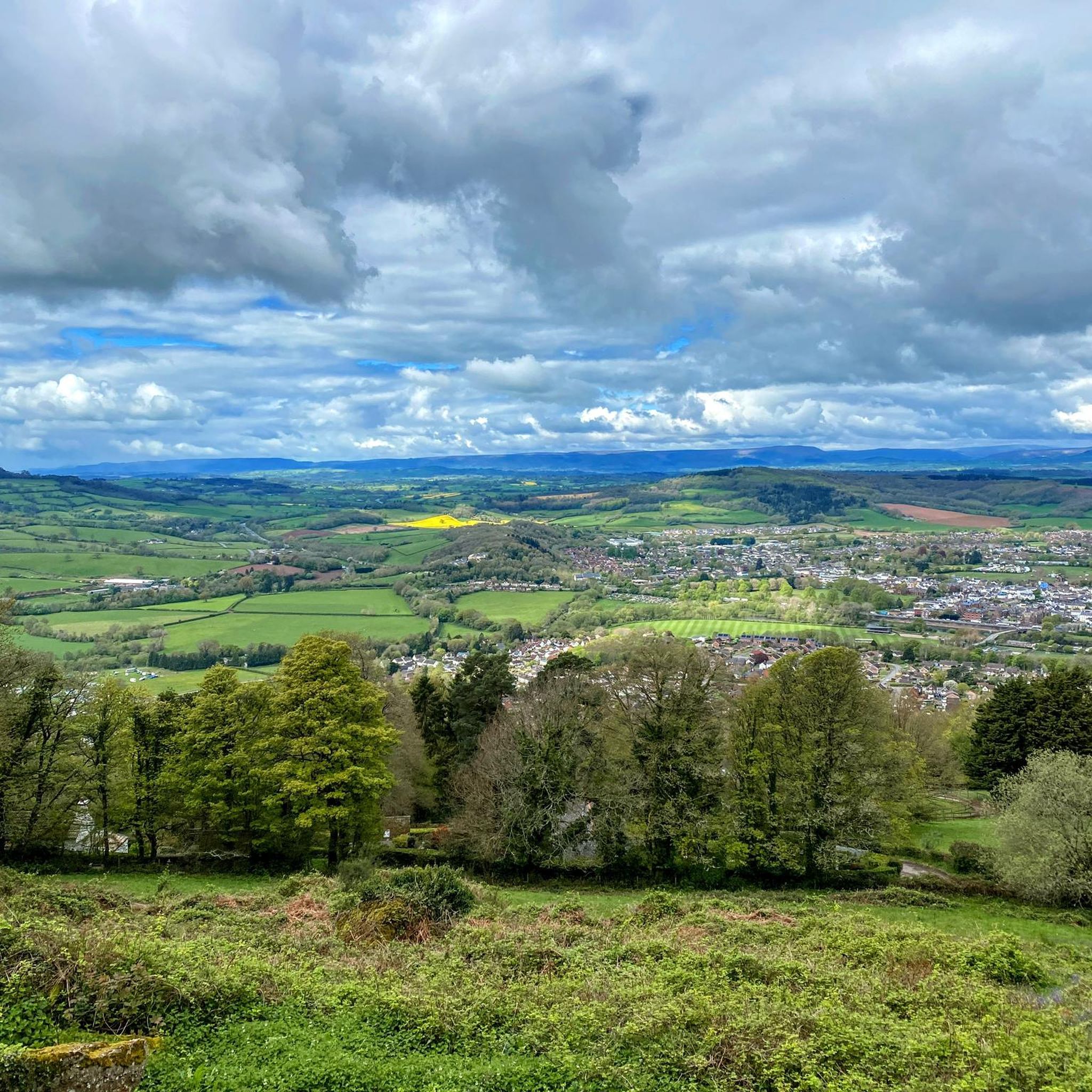
Hiking around Monmouth
Running Trails around Monmouth
Cycling around Monmouth
Gravel biking around Monmouth
Road Cycling Routes around Monmouth
MTB Trails around Monmouth
Other adventures around Monmouth


Tips from the Community


Symonds Yat is a wonderful place to come, but even better to catch it in the autumn when the trees are in full colour, with the sun on them to make them really shine.
0
0

The Wye was voted the nation’s favourite river in 2010. It starts not far from my home town in Brecon in mid-Wales and trundles south for some 150 miles before meeting the Severn. I have forgotten how many times I have cycled it, run it and kayaked it. Simply my favourite place on earth!
0
0

Jump off the bike and head on foot down the footpath east of the road to reach the Symonds Yat Rock. Symonds Yat Rock harbours the remnants of an Iron Age hillfort, erected roughly 2,500 years in the past. Presently, this locale stands as a Scheduled Ancient Monument, where traces of the fortifications endure as a series of embankments and trenches. In more contemporary times, Yat Rock and the Wye Valley have gained renown as the birthplace of British tourism. Beginning in the 18th century, they achieved popularity thanks to the efforts of Reverend William Gilpin, a trailblazer of the 'Picturesque' movement. His literary works left an indelible mark on the appeal of English landscape painting and served as inspiration for Romantic poets. Symonds Yat Rock viewpoint enjoys a well-earned reputation as one of the nation's prime spots for observing peregrine falcons. Yet, with a touch of patience, a multitude of bird species can be sighted here. Goshawks offer close-up viewing, sparrowhawks are frequent denizens nesting among the valley's trees, while soaring buzzards often grace the skies. Spring and autumn migrations frequently draw ospreys to this locale, with tawny owls occasionally spotted. Meanwhile, nearby nesting sites typically host barn owls, ravens, and kestrels.
2
0

The fourth-longest river in the UK, the Wye stretches 155 miles (250 km) from its source on Plynlimon in the Cambrian mountains to the Severn estuary. For much of its length, the Wye marks the border between England and Wales, with the lower section being designated an AONB. The Wye is important for nature conservation and recreation, but, particularly in recent years, is severely affected by pollution.
0
1
This pretty, wooded area with its network of small caves - the result of former quarrying - is a nature reserve with a rich variety of flora and fauna. Horseshoe bats and rare invertebrates such as the cave spider and hibernating herald moths make their homes within the caves.
0
0

Puzzlewood (grid reference SO578092) is an ancient woodland site and tourist attraction, near Coleford in the Forest of Dean, Gloucestershire, England. The site, covering 14 acres (5.7 ha), shows evidence of open-cast iron ore mining dating from the Roman period, and possibly earlier. Over a mile of pathways were laid down in the early 19th century to provide access to the woods, and provide picturesque walks. The area contains strange rock formations, secret caves and ancient trees, with a confusing maze of paths. The site is listed as a regionally important geological site in the 'Forest of Dean Local Plan Review'. The geological features on show at Puzzlewood are known as scowles. Scowles originated through the erosion of natural cave systems formed in the Carboniferous Limestone many millions of years ago. Uplift and erosion caused the cave system to become exposed at the surface. This was then exploited by Iron Age settlers through to Roman times for the extraction of iron ore. It is usually impossible to date open-cast extraction precisely, although ores with a chemical signature consistent with those from the Forest of Dean were certainly used to make tools and weapons in the late prehistoric period. Over 3,000 Roman-era coins were found by workers in 1848. The coins were stored in three earthenware jars in a cavity in the rock formations. The origin of the coins is unknown. Puzzlewood has been used as a filming location for both film and television in recent years. Notable examples include: Films Harry Potter and the Deathly Hallows – Part 1 (2010) Jack the Giant Slayer (2013) Star Wars: The Force Awakens (2015) The Huntsman: Winter's War (2016) A Midsummer Night's Dream (2016) The Secret Garden (2020) Television Doctor Who (2005-present) Merlin (2008-2012) Wizards vs Aliens (2012-2014) Tree Fu Tom (2012-2016) Atlantis (2013-2015) Da Vinci's Demons (2013-2015) Hidden Kingdoms (2014) The Dark Crystal: Age of Resistance (2019) Cursed (2020-present)
1
0

I was silly and forgot my tortch before first light don't do the same!
0
1
Frequently Asked Questions
What are some of the most notable natural monuments to visit around Monmouth?
Beyond the popular viewpoints, you can explore unique geological formations like the Slade Brook Travertine Dams, which feature a remarkable series of natural dams. Another fascinating site is Puzzlewood, an ancient woodland with strange rock formations, secret caves, and ancient trees, known for its Roman-era iron ore mining history.
Are there family-friendly natural monuments around Monmouth?
Yes, several natural monuments are great for families. Puzzlewood is a popular choice, offering a magical maze of pathways through ancient woodland and rock formations that children often enjoy. The View of the Wye Valley from Symonds Yat Rock is also family-friendly, providing stunning views and opportunities for birdwatching, including peregrine falcons.
What kind of outdoor activities can I do near these natural monuments?
The area around Monmouth offers a variety of outdoor activities. You can find excellent options for road cycling, gravel biking, and hiking. For example, there are numerous road cycling routes that explore the Wye Valley, and gravel biking trails in the nearby Forest of Dean. If you prefer walking, there are many easy hikes, including routes that take you to the Biblins Suspension Bridge.
Where can I find ancient or historical natural sites in the region?
Monmouth is rich in historical natural sites. King Arthur's Cave is a limestone cavern with evidence of human occupation during the Upper Palaeolithic era, where flint tools and woolly mammoth bones have been found. Puzzlewood also has a deep history, showing evidence of open-cast iron ore mining dating back to the Roman period.
Are there good viewpoints to experience the natural beauty of the Wye Valley?
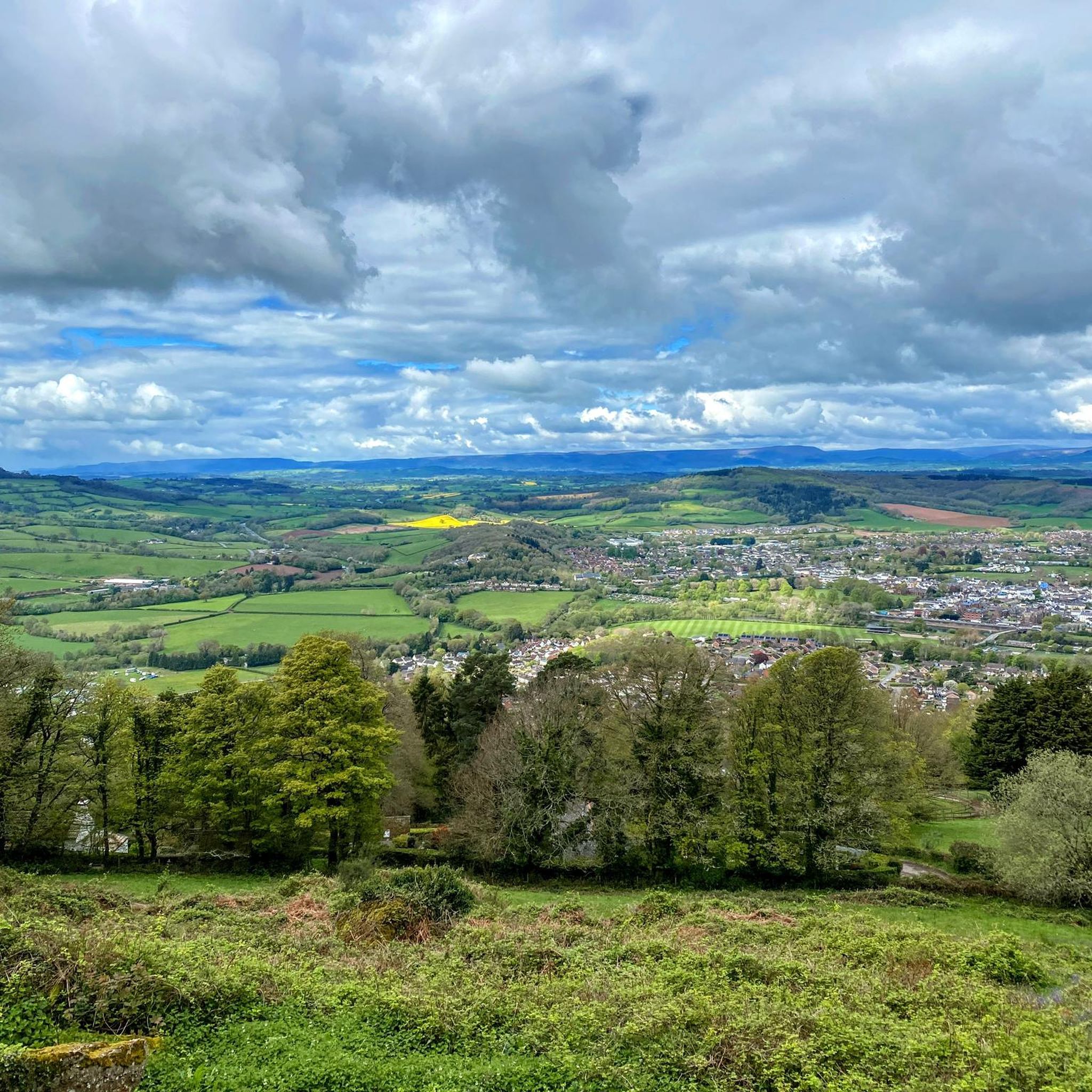
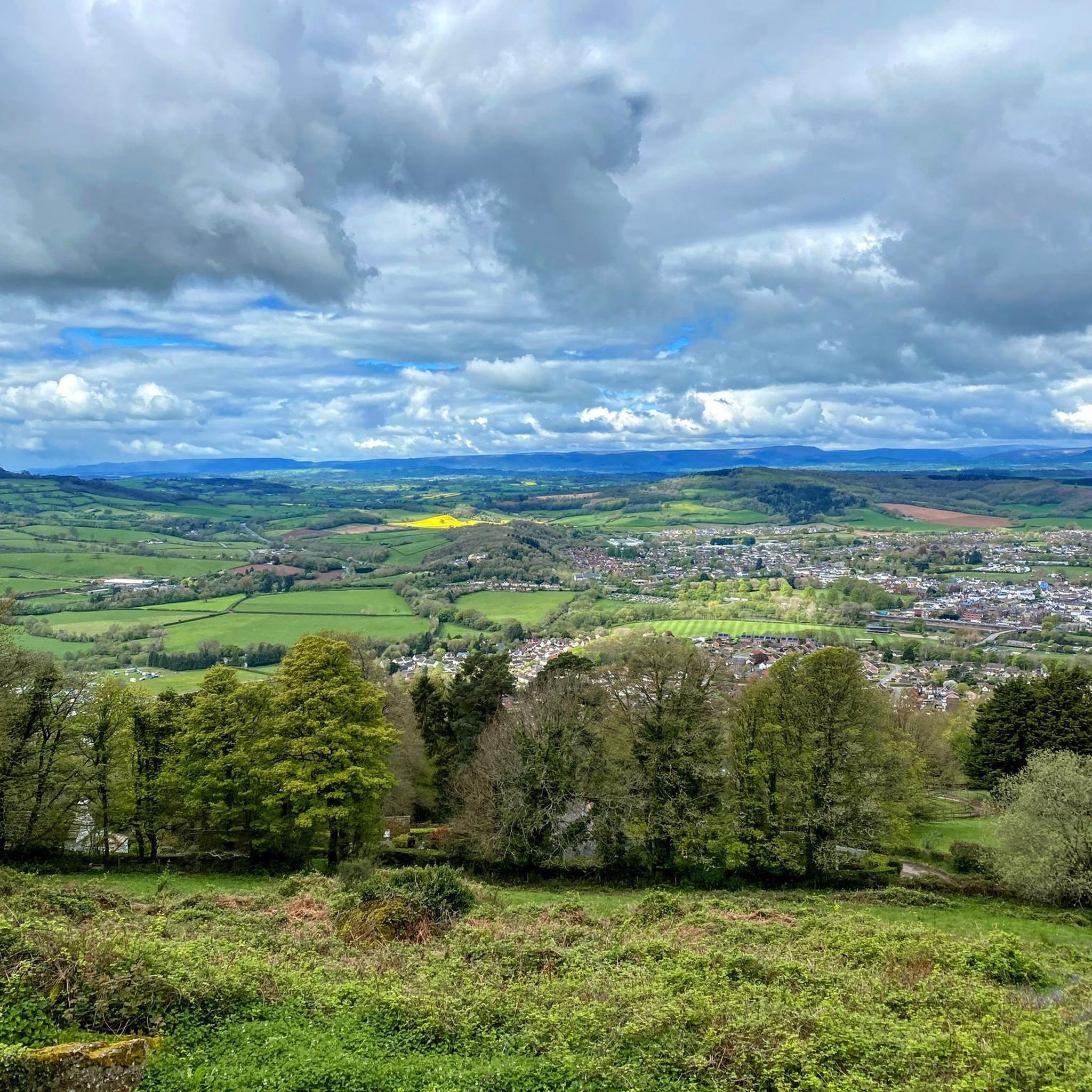
Absolutely. The View of the Wye Valley from Symonds Yat Rock offers expansive and stunning vistas over the picturesque Wye Valley. Another excellent spot is The Kymin, a hill overlooking Monmouth that provides magnificent views of the surrounding landscape, including the Wye Valley and potentially the Brecon Beacons on a clear day.
What kind of wildlife can I expect to see at the natural monuments?
The region is home to diverse wildlife. At Symonds Yat Rock, it's one of the best places in the country to watch peregrine falcons, along with sparrowhawks, ospreys, and buzzards. Nature reserves like Magor Marsh are known for kingfishers and dragonflies, while King Arthur's Cave is a habitat for horseshoe bats and rare invertebrates like the cave spider.
Are there any nature reserves worth visiting near Monmouth?
Yes, Monmouthshire boasts several enchanting nature reserves. Magor Marsh is a significant area of fenland, while Piercefield Woods offers extensive walking opportunities along the River Wye. New Grove Meadows provides spectacular views over the Vale of Usk, and Dixton Embankment Nature Reserve is a beautiful grassland area on the banks of the River Wye. For more information on local nature reserves, you can visit Visit Monmouthshire.
What is the best time of year to visit the natural monuments around Monmouth?
The natural monuments around Monmouth, particularly within the Wye Valley AONB, are beautiful year-round. Spring brings vibrant wildflowers and new growth, while autumn offers spectacular foliage. Summer is ideal for longer walks and water activities, and even winter provides crisp views and a serene atmosphere, especially along riverside paths.
Are there any unique geological features to explore?
Beyond the well-known caves, the Slade Brook Travertine Dams are a truly unique geological phenomenon. These natural dams are formed by lime-rich spring water depositing travertine over obstructions in the stream bed, creating a series of intricate structures that are considered one of the best examples in the country.
Can I find trails suitable for mountain biking near the natural monuments?
Yes, the nearby Forest of Dean is an excellent location for mountain biking. Trails like the Verderers' Trail offer a mix of hardpack and single trails with challenging climbs and demanding downhills, all set within ancient woodland. You can find various gravel biking routes that include sections suitable for mountain biking in the wider Monmouth area.
What do visitors enjoy most about the natural monuments around Monmouth?
Visitors frequently appreciate the stunning landscapes, the opportunities for outdoor activities like walking and cycling, and the rich ecological and scenic value of the area. The dramatic river scenery, ancient woodlands, and diverse nature reserves, particularly within the Wye Valley AONB, are often highlighted as key attractions. The community has shared 24 photos and given 94 upvotes to the natural monuments, reflecting their enjoyment.
Are there any natural monuments that are less strenuous to visit?
For easier access, many sections of the Wye Valley Walk offer relatively flat riverside strolls. The Kymin, while a hill, has walks designed to showcase specific scenic vistas that can be enjoyed without overly strenuous effort. Additionally, some of the nature reserves, like Dixton Embankment, provide gentle grassland walks along the riverbanks.
Most popular routes around Monmouth
Most popular attractions around Monmouth

Get inspired with the komoot mobile app


Explore more
Extend your search for the best caves by checking out these guides of the top ones around Monmouth:
