Top 12 Natural Monuments around Cwm Cadnant
Natural monuments around Cwm Cadnant, a community in Anglesey, North Wales, offer insights into the region's natural history and prehistoric past. The area features ancient woodlands, river valleys, and significant archaeological sites. These locations provide opportunities to observe diverse ecosystems and historical structures within picturesque settings.
Best natural monuments around Cwm Cadnant
- The most popular natural monument is Aber Falls, a waterfall that plunges 37 meters, creating a powerful display of water. It is a popular attraction accessible to…
Last updated: July 1, 2026
Aber Falls
Highlight • Waterfall
Tip by

Bryn Celli Ddu burial chamber
Highlight • Historical Site
Tip by
Sign up now to discover places like this
Get recommendations on the best single tracks, peaks, & plenty of other exciting outdoor places.
Sign up for free
Red Wharf Bay
Highlight • Viewpoint
Tip by
Aber Falls (Rhaeadr Fawr)
Highlight • Viewpoint
Tip by

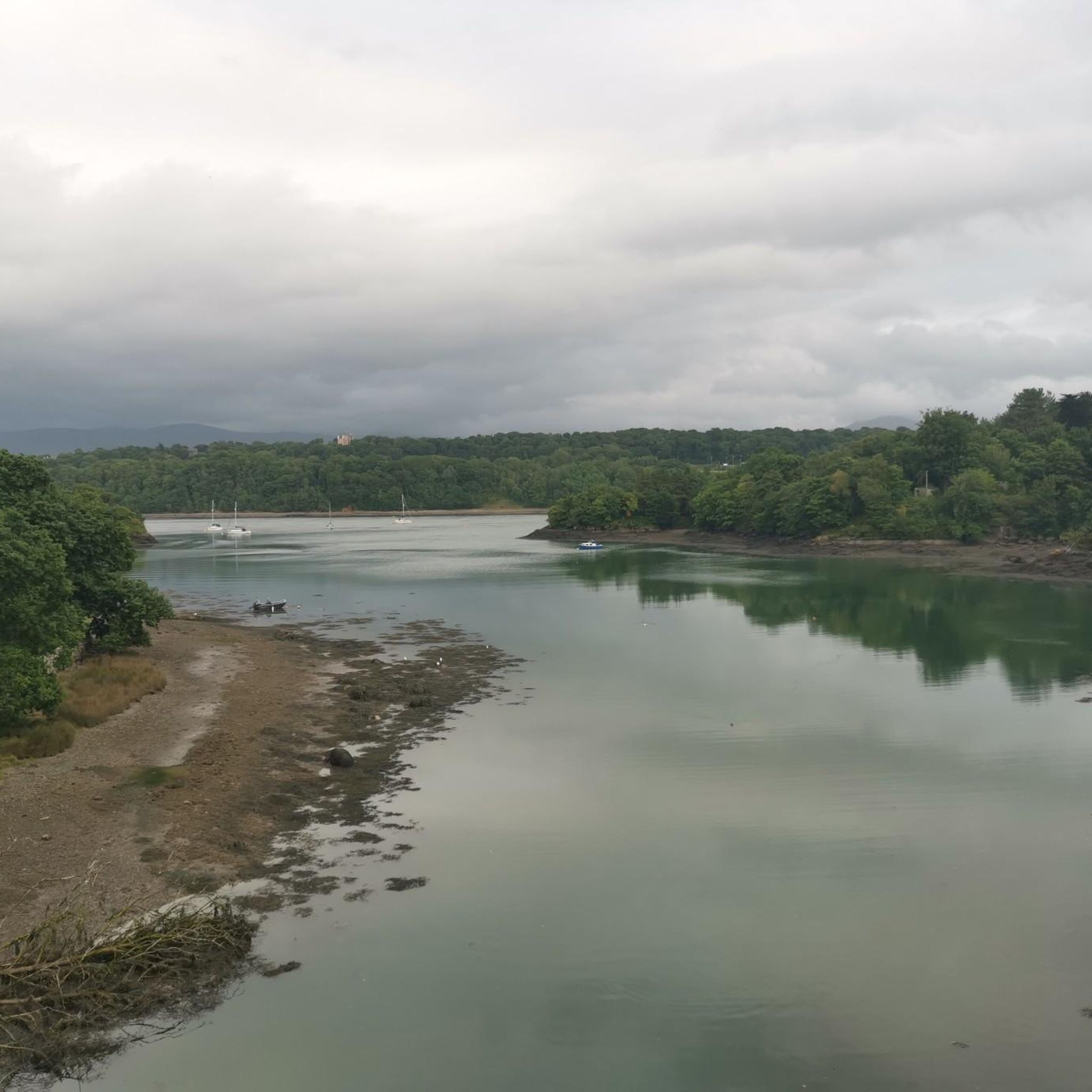
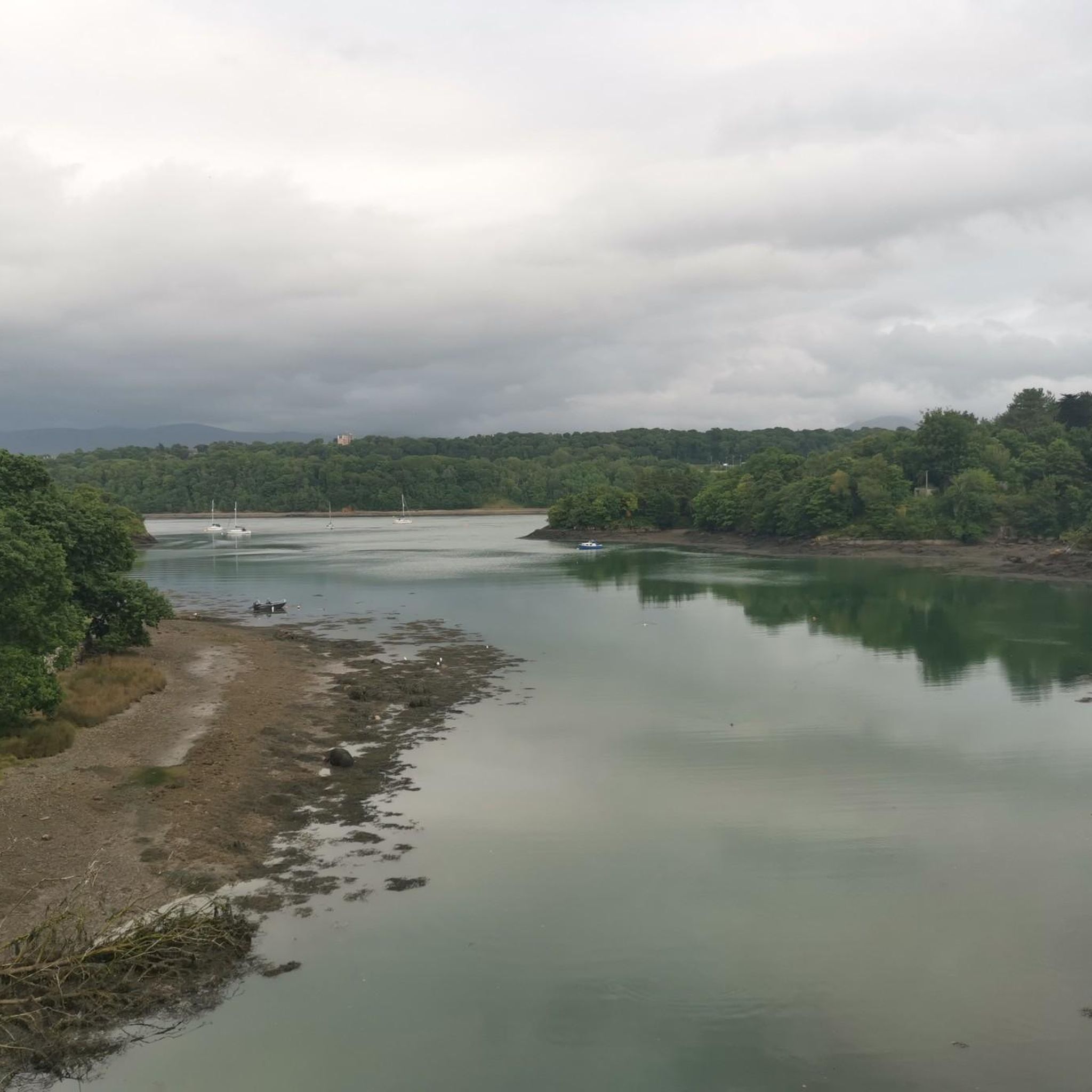
The Dingle Local Nature Reserve
Highlight • Gorge
Tip by

Sign up for free to discover even more natural monuments around Cwm Cadnant.
Sign up for free
Already have an account?
Start today with a free account
Your next adventure awaits.
Login or Signup
Tips from the Community


Aber Falls (known in Welsh as Rhaeadr Fawr, meaning 'big waterfall') is a stunning waterfall located in the foothills of the Carneddau range, about 3 km south of the village of Abergwyngregyn in Gwynedd, North Wales. It's a highly popular tourist destination within Snowdonia National Park. Beauty: The falls are beautiful in all seasons, but are particularly spectacular after heavy rain, especially in autumn and winter, when the water flow is at its most powerful. Plunge Pool: There's a shallow rocky plunge pool at the base of the falls, where some brave visitors even take a dip (though the water is very cold!). Rhaeadr Bach: A short distance to the west, there's a second, smaller waterfall called Rhaeadr Fach (or Rhaeadr-bach).
0
0

On the longest day of the year, sunlight flows into the passageway of this Neolithic burial grounds. Bryn Celli Ddu Burial Chamber is one of Anglesey’s most famous prehistoric landmarks, Bryn Celli Ddu (the ‘Mound in the Dark Grove’ in English) is actually two sites in one. In the early Neolithic (New Stone Age) period, a henge (bank and ditch) enclosing a circle of stones was built here, to be replaced later by a chambered tomb beneath a mound measuring up to 85ft/26m in diameter. Inside, a long, narrow passage leads to an octagonal chamber 8 feet/2.4m across, where artefacts such as human bones, arrowheads, and carved stones have been found.
3
0


Aber Falls is a waterfall located about two miles south of the village of Abergwyngregyn, Gwynedd, Wales. The waterfall is formed as the Afon Goch plunges about 120 feet over a sill of igneous rock in the foothills of the Carneddau range.
2
0

Large sandy bay surrounded by dunes. On the north side there are large, striking limestone cliffs of Castell Mawr - certainly geologically interesting, looks like climbers could have fun here... The beach itself is a really large (!) sandy bay, very popular in summer but largely deserted out of season. You can sometimes see kitesurfers and windsurfers here. There is parking behind the dunes and there is a small beach café and shop.
4
1

Pass over the bridge and head up the hill. Once there, you can walk down to the base of the falls. Depending on the section, you may need to do a little scramble, but nothing strenuous.
2
1
Frequently Asked Questions
What natural features can I explore in Cwm Cadnant?
Cwm Cadnant offers a variety of natural features. You can explore the ancient broadleaved woodland of Cadnant Dingle, which is a Site of Special Scientific Interest known for its rare mosses and liverworts. The Afon Cadnant river flows through this dingle. Additionally, the Pen-y-Maen Standing Stone, while potentially a historical marker, is notable for its unique quartz-rich composition, giving it an almost marble-like appearance.
Are there any ancient historical sites among the natural monuments?
Yes, Cwm Cadnant is rich in historical natural monuments. You can visit the Bronze Age Cremlyn Standing Stones, which are nationally important for understanding prehistoric practices. The Neolithic Bryn Celli Ddu burial chamber allows visitors to walk inside and is famous for its summer solstice alignment. There's also an ancient Clapper Bridge spanning the Afon Cadnant, representing medieval engineering.
Which natural monuments are suitable for families?
Several natural monuments in Cwm Cadnant are family-friendly. Aber Falls is a spectacular waterfall with well-maintained trails, suitable for all ages. Red Wharf Bay is a vast sandy beach and nature reserve, great for birdwatching and exploring. The Dingle Local Nature Reserve offers a wooded valley rich in wildlife and history, and the Bryn Celli Ddu burial chamber provides an engaging historical experience.
What outdoor activities can I do near these natural monuments?
The area around Cwm Cadnant is excellent for various outdoor activities. You can find numerous routes for hiking, mountain biking, and gravel biking. For example, there are many easy hikes, as well as MTB trails and gravel biking routes to explore the diverse landscapes.
When is the best time to visit Cwm Cadnant's natural monuments?
The best time to visit depends on your interests. Waterfalls like Aber Falls are particularly spectacular after heavy rain, especially in autumn and winter, when the water flow is most powerful. Coastal areas like Red Wharf Bay are popular in summer but can be beautifully deserted out of season. For ancient sites like Bryn Celli Ddu, the summer solstice offers a unique experience as sunlight illuminates the chamber.
What makes the Cadnant Dingle a significant natural monument?
The Cadnant Dingle is a Site of Special Scientific Interest (SSSI) due to its status as a prime example of ancient broadleaved woodland, featuring oak and ash trees. It's particularly notable for its rare mosses and liverworts, which thrive in the humid conditions of the steep-sided valley. The Afon Cadnant river flows through it, adding to its ecological and historical significance, as it once powered water mills.
Can I access the Plas Cadnant Hidden Gardens near the Dingle?
While the Plas Cadnant Hidden Gardens are a restored garden rather than a purely natural monument, they incorporate the valley's natural features, including waterfalls and ancient woodland, making them a closely related point of interest. You can find more information about visiting them on the Visit Anglesey website.
What do visitors enjoy most about the natural monuments in Cwm Cadnant?
Visitors frequently praise the spectacular beauty of sites like Aber Falls, especially after rain. The ability to walk inside the Neolithic Bryn Celli Ddu burial chamber and experience its summer solstice alignment is also a highlight. The vast sandy expanse and birdlife of Red Wharf Bay are also highly appreciated, as is the rich wildlife and history of the Dingle Local Nature Reserve.
Are there any unique geological formations to see?
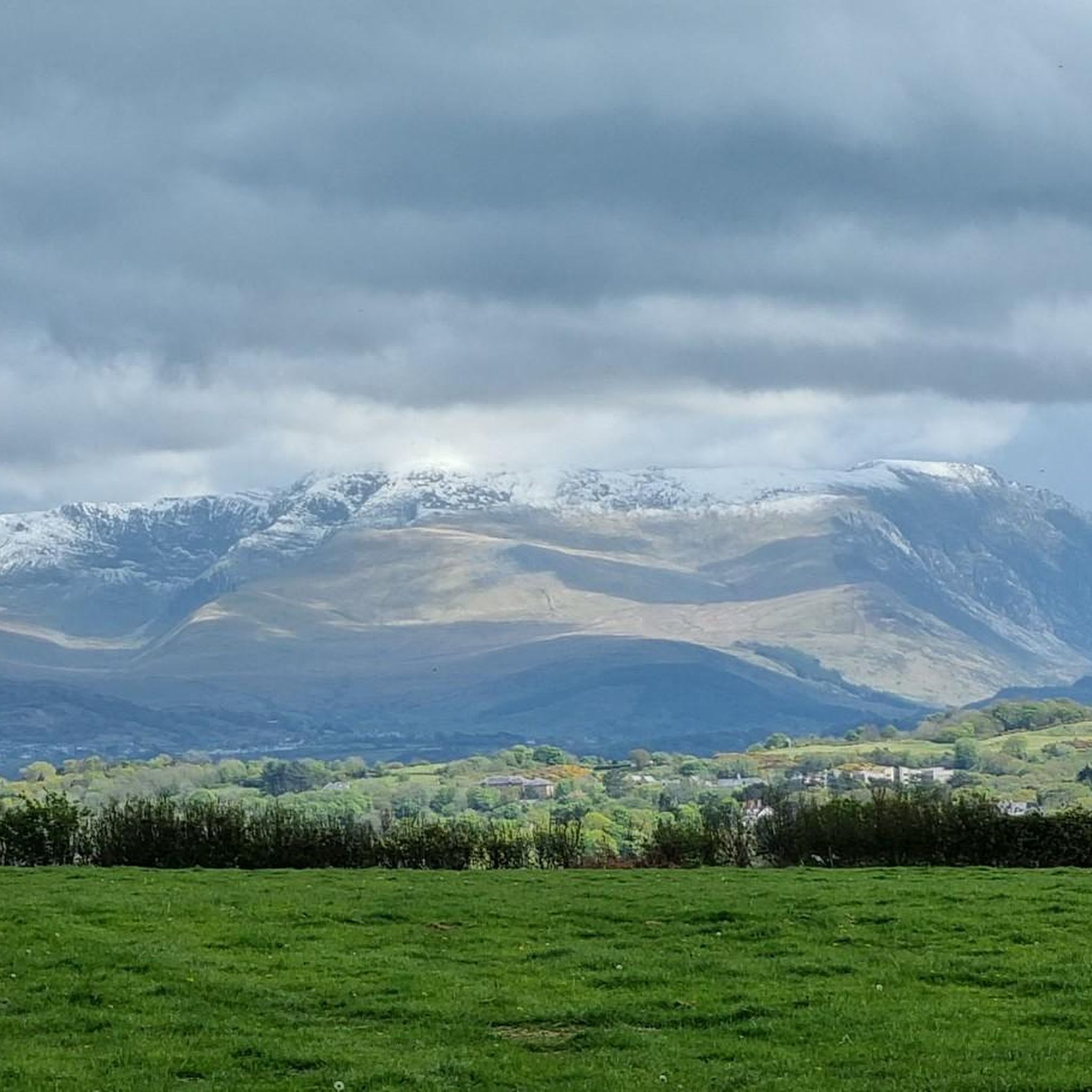
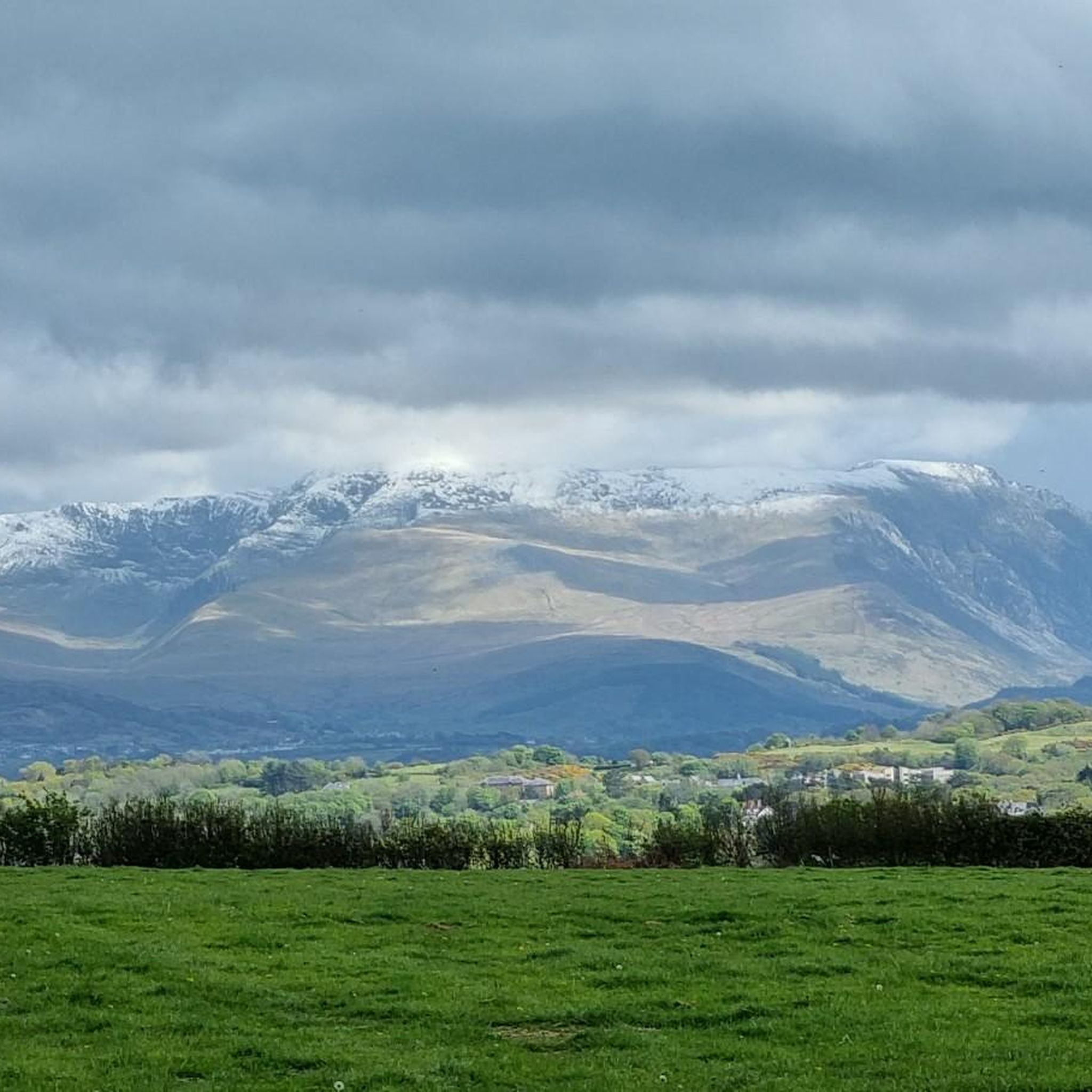
Yes, the Pen-y-Maen Standing Stone is a striking natural feature with a unique geological composition. It has a rough, cragged, and jagged surface permeated with thick, vertical seams of quartz, giving it an almost marble-like appearance. Its prominent position also offers excellent views of the distant Snowdonia mountains.
What is the significance of the Cremlyn Standing Stones?
The Cremlyn Standing Stones are two Bronze Age monoliths that are considered nationally important. They enhance our understanding of prehistoric burial and ritual practices, suggesting they served ritualistic or funerary functions for early communities. Their elevated position also provides commanding views, connecting visitors to the ancient past and the surrounding landscape.
Are there any natural monuments related to water?
Absolutely. The most prominent is Aber Falls, a powerful 37-meter waterfall. The Afon Cadnant river flows through the Cadnant Dingle, and an ancient Clapper Bridge spans it. Additionally, Red Wharf Bay is a vast coastal natural monument, known for its expansive sandy beach and diverse birdlife.
Can I find information about the Afon Cadnant river?
The Afon Cadnant is a small river that flows through the Cadnant Dingle. Historically, it was vital for powering water mills, reflecting Anglesey's past as a significant grain-producing region. You can learn more about the river's history and ecology on its Wikipedia page.
Most popular routes around Cwm Cadnant
Most popular attractions around Cwm Cadnant

Get inspired with the komoot mobile app


Explore more
Extend your search for the best caves by checking out these guides of the top ones around Cwm Cadnant:
