Top 7 Natural Monuments around Wick
Natural monuments around Wick, a historic coastal town in Caithness, Scotland, showcase a dramatic and geologically rich landscape. The region's coastline features rugged cliffs, sea stacks, and expansive bays shaped by the North Sea. These natural features offer insights into the area's geological history and provide habitats for various seabirds and marine life. The landscape around Wick is characterized by its raw beauty and the powerful forces that have shaped it over millennia.
Best natural monuments around Wick
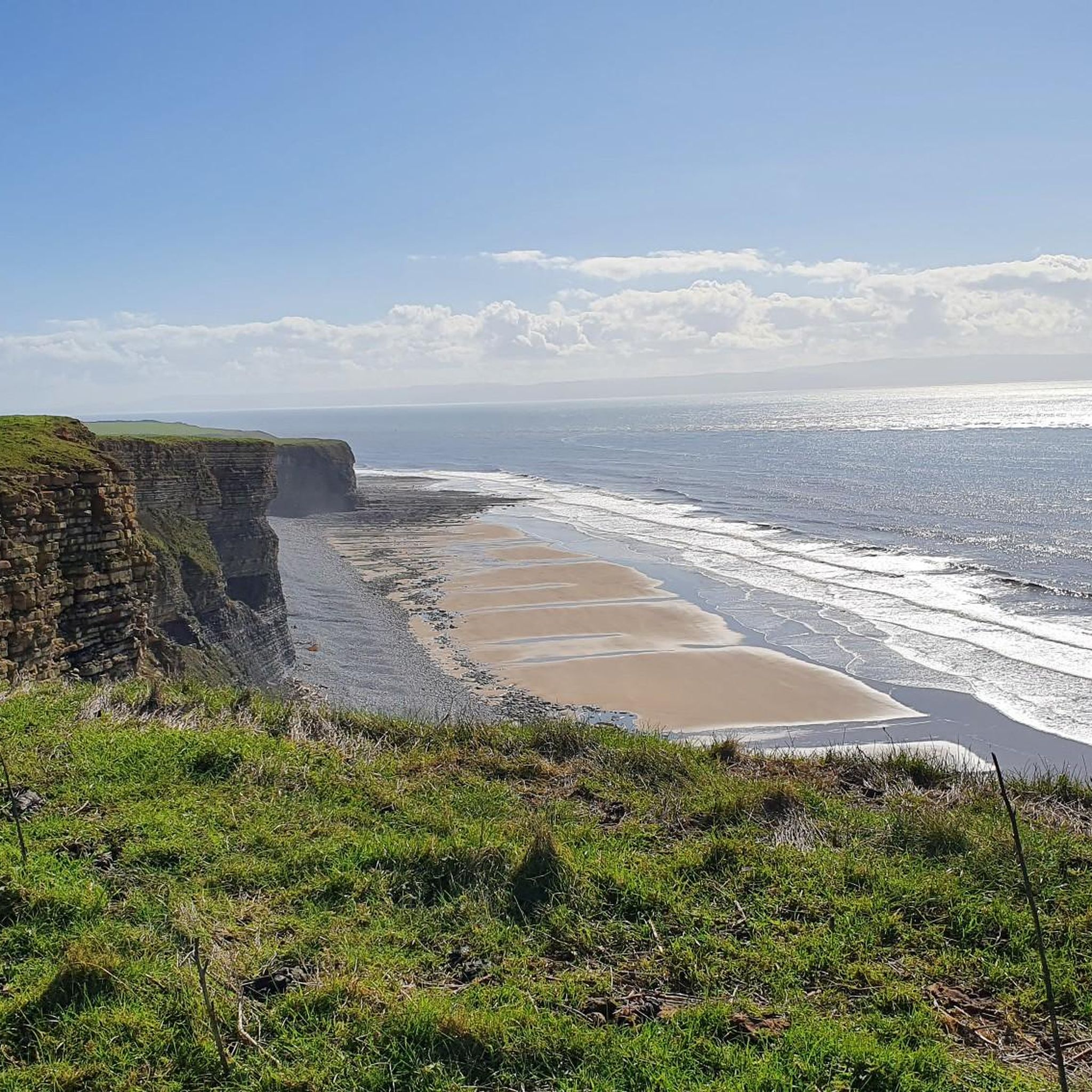
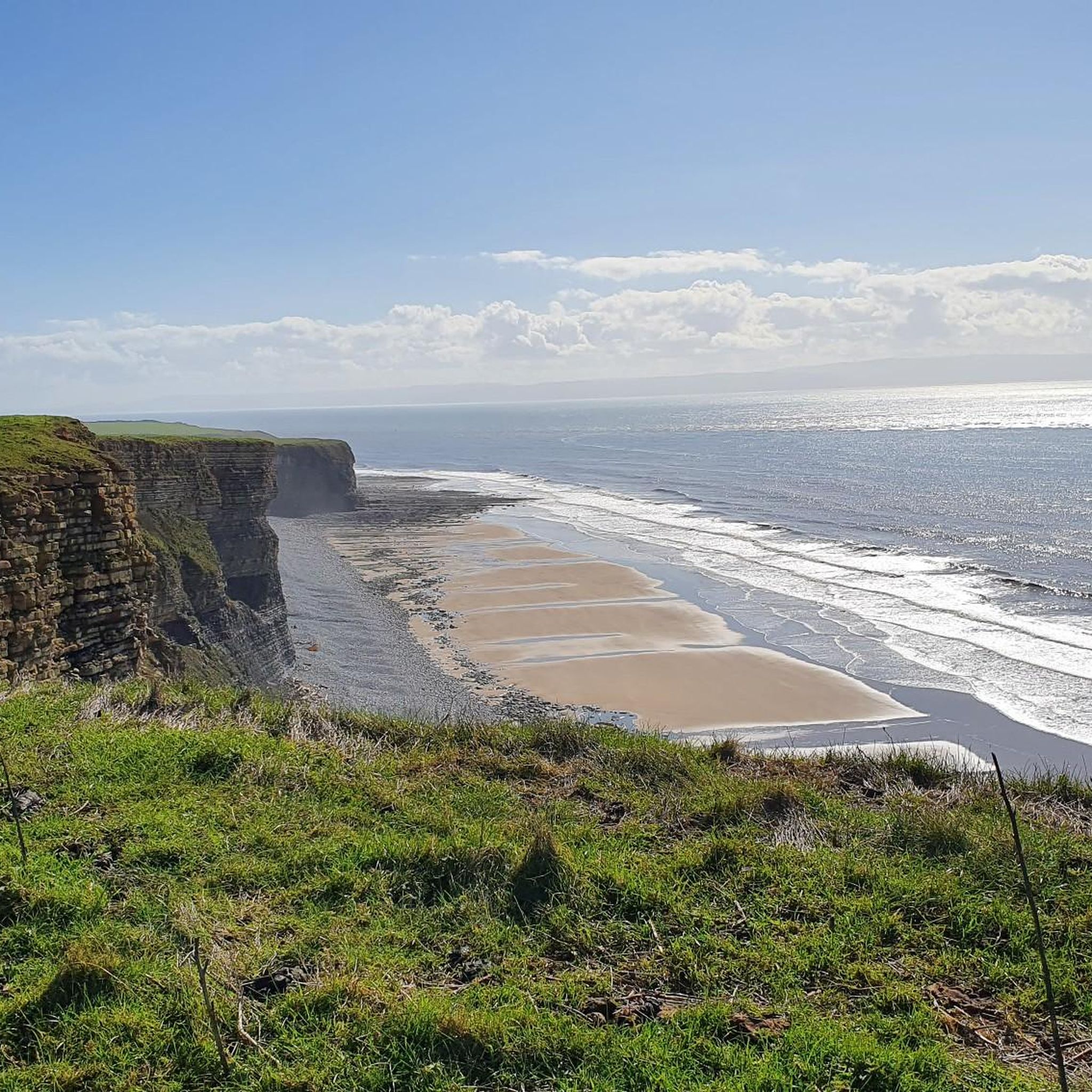
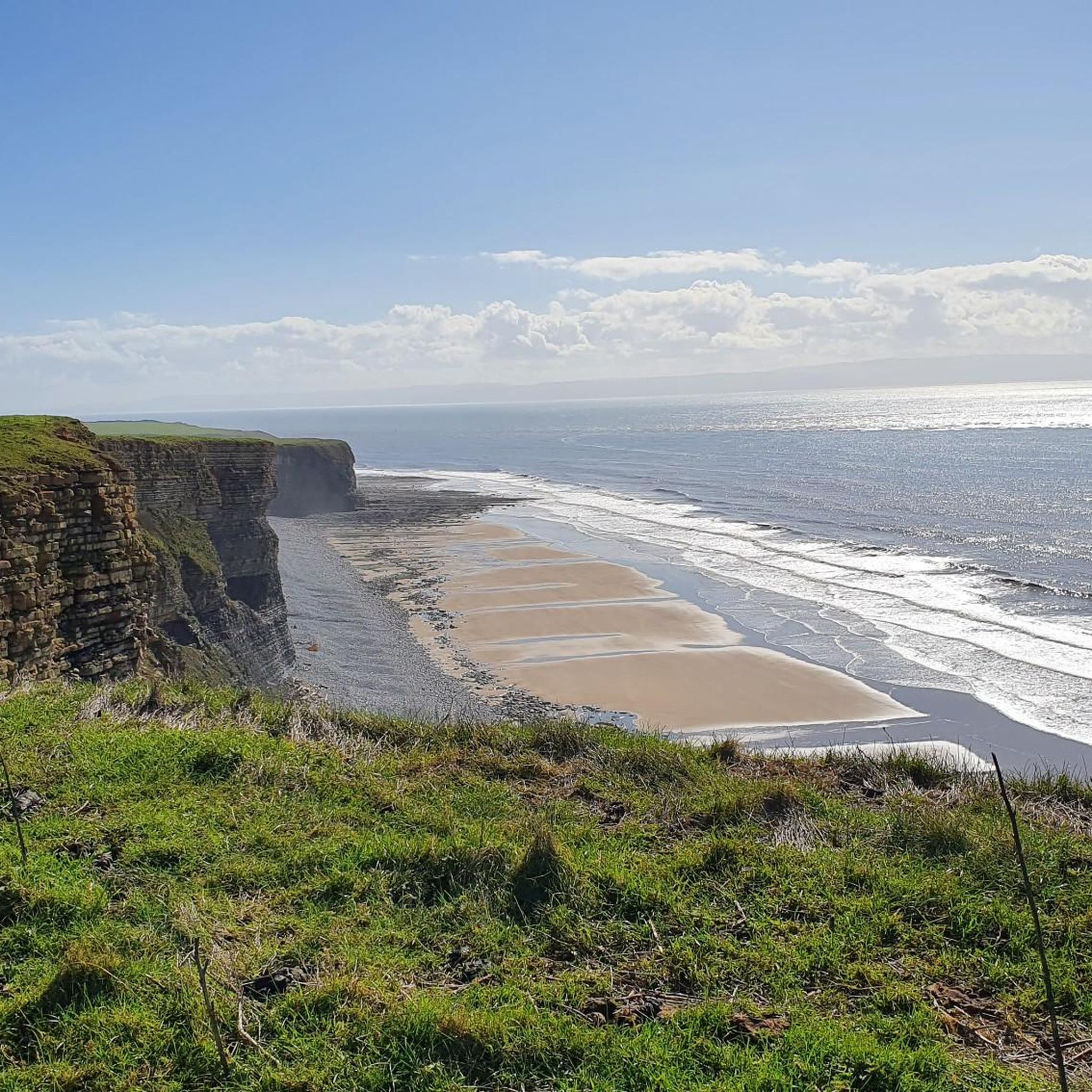
- The most popular natural monuments is Glamorgan Heritage Coast Cliffs and Rock Formations, a viewpoint that features plunging cliffs, secluded coves, and river estuaries. This protected coast spans 14 miles and offers views across the Bristol Channel.
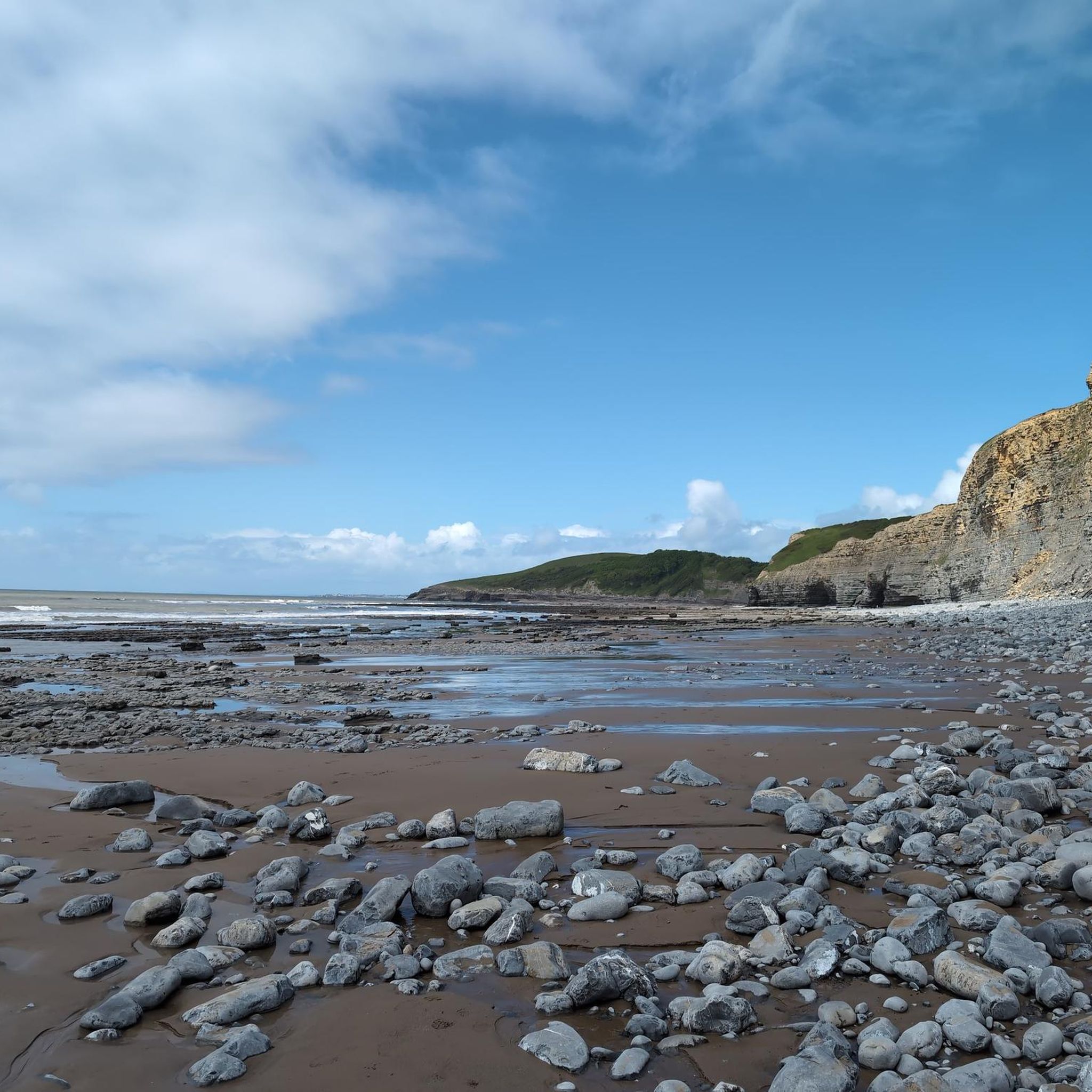
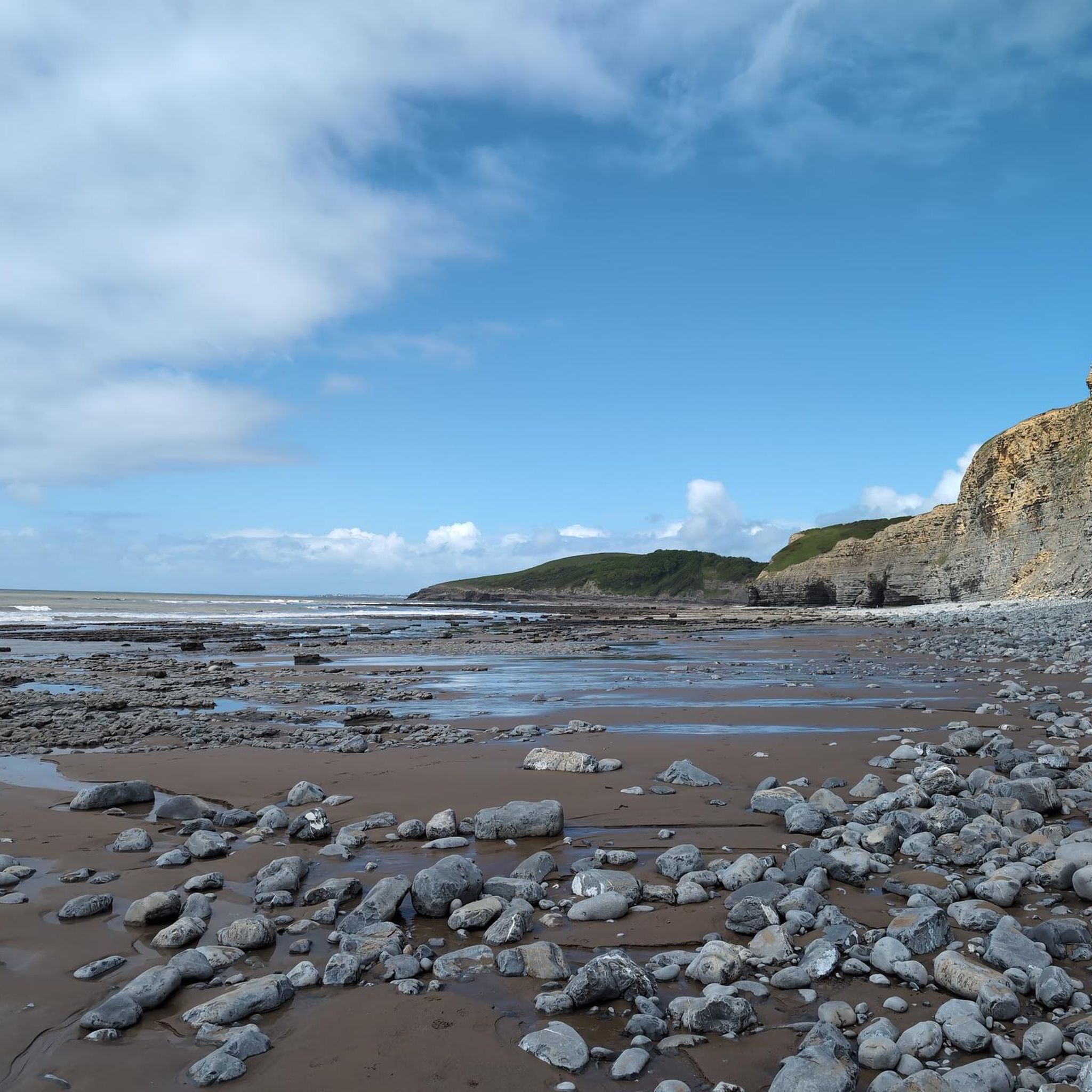
- Another must-see spot is Dunraven Beach, a viewpoint with a sandy beach and rocky areas exposed at low tide, enclosed by spectacular cliffs. The rocks here are rich in fossils, and there are rock pools to explore.
- Visitors also love Ogmore-by-Sea Beach and River, a natural monument known for its expanse of golden sand and numerous rock pools. From here, visitors can see views of Merthyr Mawr Sand Dunes across the Ogmore River.
- Wick is known for its dramatic coastal cliffs, sea stacks, and sandy beaches. The region offers a variety of natural monuments, from geological formations to scenic viewpoints, providing diverse exploration opportunities.
- The natural monuments around Wick are appreciated by the komoot community, with more than 100 photos shared by visitors.
Last updated: June 17, 2026
Dunraven Beach
Highlight • Viewpoint
Tip by

Nash Point Lighthouse and Cliffs
Highlight (Segment) • Natural Monument
Tip by

Sign up now to discover places like this
Get recommendations on the best single tracks, peaks, & plenty of other exciting outdoor places.
Sign up for free
Glamorgan Heritage Coast Cliffs and Rock Formations
Highlight • Viewpoint
The protected coast spans for 14 miles (22.5 km) between Aberthaw and Porthcawl and visits some fantastic locations along the way, including Nash Point, Dunraven Bay and Ogmore-by-Sea.
Tip by

Tresilian Bay
Highlight • Historical Site
The sheltered pebble beach, embraced by two majestic cliffs, unveils a slice of history with the presence of a WW2 pillbox.
Tip by
Ogmore-by-Sea Beach and River
Highlight • Natural Monument
From here you can see fantastic views of Merthyr Mawr Sand Dunes across the Ogmore River. The largest dune, known as The Big Dipper is the second-largest of its kind in Europe, measuring about 61 m.
Tip by

Sign up for free to discover even more natural monuments around Wick.
Sign up for free
Already have an account?
Start today with a free account
Your next adventure awaits.
Login or Signup

Tips from the Community


Great walking, views are stunning on clear day, rock formations on low tide are fascinating.
0
0
Great place to explore, great views along the coastline on a clear day
0
0

The Glamorgan Heritage Coast is a place of pure wonder and beauty. It's characterised by plunging cliffs, secluded coves, river estuaries, long sandy beaches, and breathtaking views across the Bristol Channel. The protected coast spans for 14 miles (22.5 km) between Aberthaw and Porthcawl and visits some fantastic locations along the way, including Nash Point, Dunraven Bay and Ogmore-by-Sea.
3
0
Tresilian Bay is renowned for its dramatic limestone cliffs, breathtaking views across the Bristol Channel, and a captivating white house nestled at the valley's edge, adding a touch of charm to the landscape. The sheltered pebble beach, embraced by two majestic cliffs, unveils a slice of history with the presence of a WW2 pillbox.
3
0
Such a fun little addition to a walk climbing down a cliff face onto the beautiful pebbly beach below! Not for the faint hearted - wouldn’t recommend for young kids or people with limited mobility
0
0

Use the footpath from Dimlands Road ( East of the Atlantic College ) to the coast path . There is parking on Dimlands road and then the Coast path in front of the college , Nash point and through Marcross and down to the church at the back of the college . A great circular walk
1
0
Frequently Asked Questions
What are the most prominent natural monuments to visit around Wick?
The Wick area in Caithness, Scotland, is rich in dramatic coastal natural monuments. Key sites include the rugged promontory of Castle Sinclair Girnigoe, the ancient clifftop ruins of the Castle of Old Wick (also known as The Old Man of Wick), and the soaring sea stacks near Noss Head and Duncansby. Sinclair's Bay, locally known as Reiss Beach, also offers significant natural beauty with its expansive sands and marine life.
Are there any natural monuments around Wick that are historically significant?
Yes, several natural monuments around Wick are deeply intertwined with history. The dramatic locations of both Castle Sinclair Girnigoe and the Castle of Old Wick (The Old Man of Wick) are prime examples. These castles are perched on formidable coastal cliffs, showcasing how natural defenses were utilized in ancient times. The Castle of Old Wick, dating back to the 1100s, stands as one of Scotland's oldest castles, its ruins enduring centuries of North Sea elements.
What kind of geological features can I expect to see near Wick?
The coastline around Wick is a geological marvel. You can expect to see dramatic plunging cliffs, impressive sea stacks formed by relentless erosion, and expansive sandy beaches like Sinclair's Bay. A unique geological site is the Grey Bools, a remarkable accumulation of large flagstone boulders deposited by powerful storm waves, offering tangible evidence of the region's extreme weather history and geological forces.
Are there family-friendly natural monuments or activities around Wick?
Sinclair's Bay (Reiss Beach) is a great family-friendly option, offering a beautiful expanse of white sand where you can observe rare Scottish seabirds and marine life like seals. While the clifftop castle sites like Castle Sinclair Girnigoe and the Castle of Old Wick offer stunning views, they require caution due to their cliff-edge locations. Exploring the rock pools at low tide on beaches can also be an engaging activity for families.
What outdoor activities can I do near these natural monuments?
The rugged landscape around Wick provides excellent opportunities for various outdoor activities. You can explore numerous running trails, such as those found in the Running Trails around Wick guide. For cyclists, there are gravel biking routes detailed in the Gravel biking around Wick guide, and mountain biking enthusiasts can find trails in the MTB Trails around Wick guide. Coastal walks are also popular, offering breathtaking views of the sea and cliffs.
What is the best time to visit the natural monuments around Wick?
The best time to visit the natural monuments around Wick is generally during the spring and summer months (April to September). During this period, the weather is milder, and daylight hours are longer, making coastal walks and exploration more enjoyable. This is also a good time for wildlife spotting, especially seabirds nesting on the cliffs and sea stacks.
Where can I see wildlife near Wick's natural monuments?
The coastal natural monuments around Wick are excellent for wildlife viewing. Sinclair's Bay is known for observing rare Scottish seabirds, seals, and occasionally orcas. The sea stacks near Noss Head and Duncansby are significant nesting sites for various seabirds. Keep an eye out for marine life along the rugged coastline during your visits.
Are there any natural monuments around Wick that are less crowded?
While popular sites like the castle ruins attract visitors, exploring areas slightly off the main paths or visiting during off-peak hours can offer a more solitary experience. The Grey Bools, for instance, while remarkable, might be less frequented than the more prominent castle sites. Coastal walks along less-trafficked sections of the coastline can also provide peaceful exploration.
What should I wear when visiting the natural monuments around Wick, especially in winter?
Given Wick's coastal location in Scotland, weather can be unpredictable. Always dress in layers, even in summer, and bring waterproof and windproof outer layers. Sturdy, waterproof walking boots with good grip are essential for navigating uneven coastal paths and potentially muddy terrain. In winter, warm hats, gloves, and extra layers are crucial due to strong winds and cold temperatures.
Is there public transport available to reach the natural monuments near Wick?
Public transport options to some of the more remote natural monuments around Wick can be limited. While Wick itself is accessible by bus and train, reaching specific clifftop sites or secluded bays often requires a car or a longer walk from the nearest public transport stop. It's advisable to check local bus schedules for routes that might pass closer to your intended destination.
What do visitors enjoy most about the natural monuments around Wick?
Visitors frequently express awe at the dramatic coastal scenery, the raw power of the North Sea, and the historical significance of the clifftop castles integrated into the natural landscape. The opportunity for scenic walks, photography, and wildlife spotting, particularly seabirds and marine life, are also highly valued experiences. The sheer scale and natural beauty of the geological formations leave a lasting impression.
Are there any natural monuments near Wick that are suitable for beginner hikers?
Many of the coastal paths around Wick offer varying levels of difficulty. While some clifftop trails can be challenging, there are also easier, flatter sections, particularly around Sinclair's Bay (Reiss Beach) which provides a pleasant, less strenuous walk along the sand. Always check local trail information for specific difficulty ratings, but generally, walks along the beaches or well-maintained sections of the coastal path are suitable for beginners.
Most popular attractions around Wick

Get inspired with the komoot mobile app


Explore more
Extend your search for the best caves by checking out these guides of the top ones around Wick:
