Top 6 Natural Monuments around Llangathen
Best natural monuments around Llangathen showcase the diverse natural features of Carmarthenshire, Wales. This region offers a landscape rich in geological formations and ancient woodlands. Visitors can explore sites that highlight the area's ecological importance and historical natural beauty. The natural monuments provide opportunities to experience the local environment.
Best natural monuments around Llangathen
- The most popular natural monuments is Carreg Cennen Castle, a castle that features a cave and offers panoramic views. This site combines historical significance with…
Last updated: July 1, 2026
Carreg Cennen Castle
Highlight • Castle
Tip by

Garn Goch Hill Forts
Highlight • Natural Monument
Tip by

Sign up now to discover places like this
Get recommendations on the best single tracks, peaks, & plenty of other exciting outdoor places.
Sign up for free
Llygad Llwchwr (Source of the River Loughor)
Highlight • Cave
Tip by

The Great Glasshouse, National Botanic Garden of Wales
Highlight • Natural Monument
Tip by

View of Castell Carreg Cennen
Highlight • Castle
Tip by

Sign up for free to discover even more natural monuments around Llangathen.
Sign up for free
Already have an account?
Start today with a free account
Your next adventure awaits.
Login or Signup
Tips from the Community

Wow just wow, didn’t expect the cave below the castle !!!
0
0

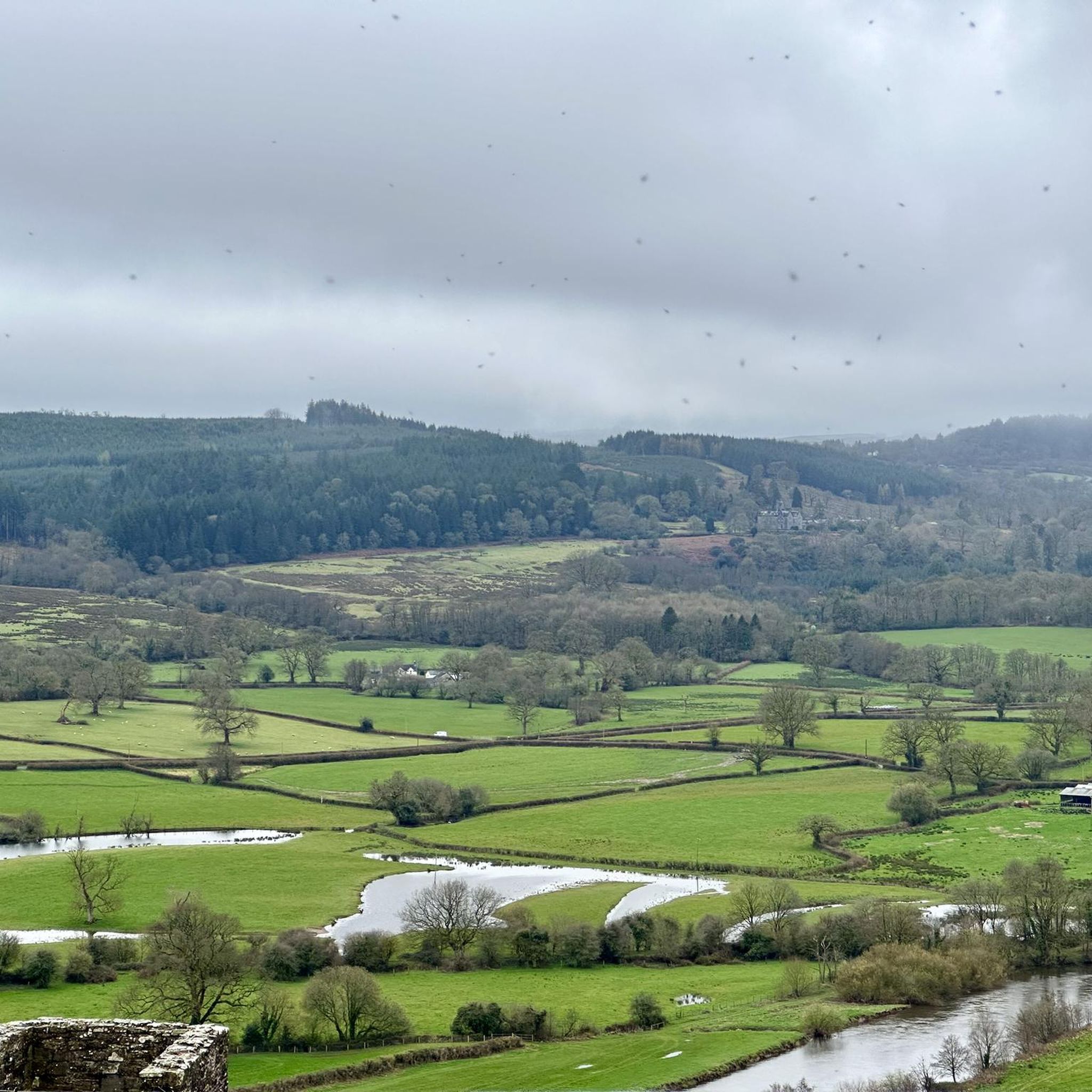
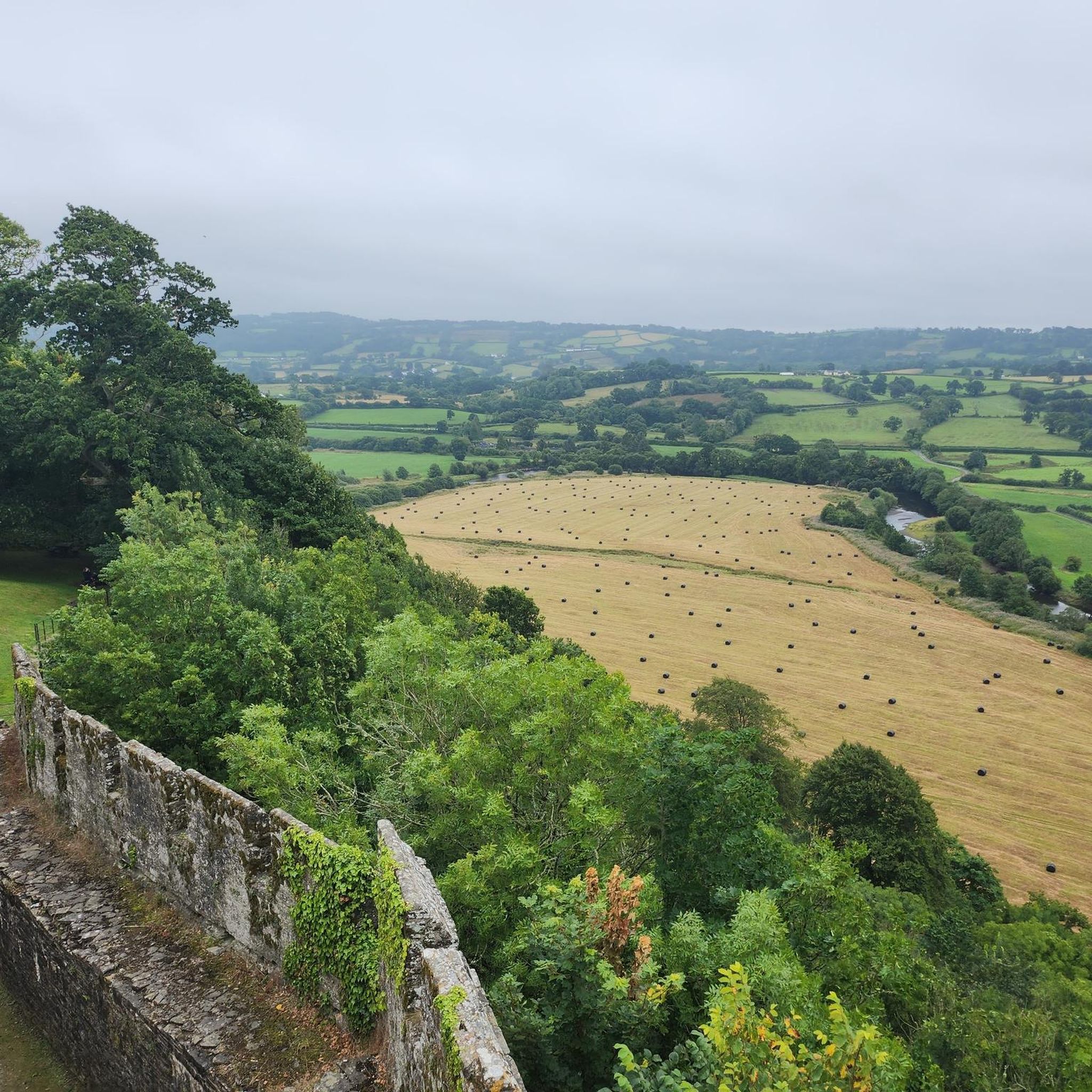
There are great views of Castell Carreg Cennen from here, looking north-west across the valley. The castle is perched gloriously on a rocky limestone outcrop, and its outer walls and towers look majestic and are a reminder of its former glory.
1
0

The River Loughor is a river in Wales that marks the border between Carmarthenshire & Swansea. The river is sourced from an underground lake at the Black Mountain emerging at the surface from Llygad Llwchwr, which translates from the Welsh as eye of the Loughor😀
2
0
Carreg Cennen Castle is erected sometime after 1284 by Baron John Giffard and his son on the site of an earlier Welsh fortification. In 1462, Carreg Cennen flies the Lancastrian flag. Taken on behalf of the Yorkist king Edward IV, it is slighted by pick and crowbar, ending its life as a stronghold. Carreg Cennen castle is spectacularly located on a great limestone crag about 90m above the river Cennen, offering views miles around.
2
0
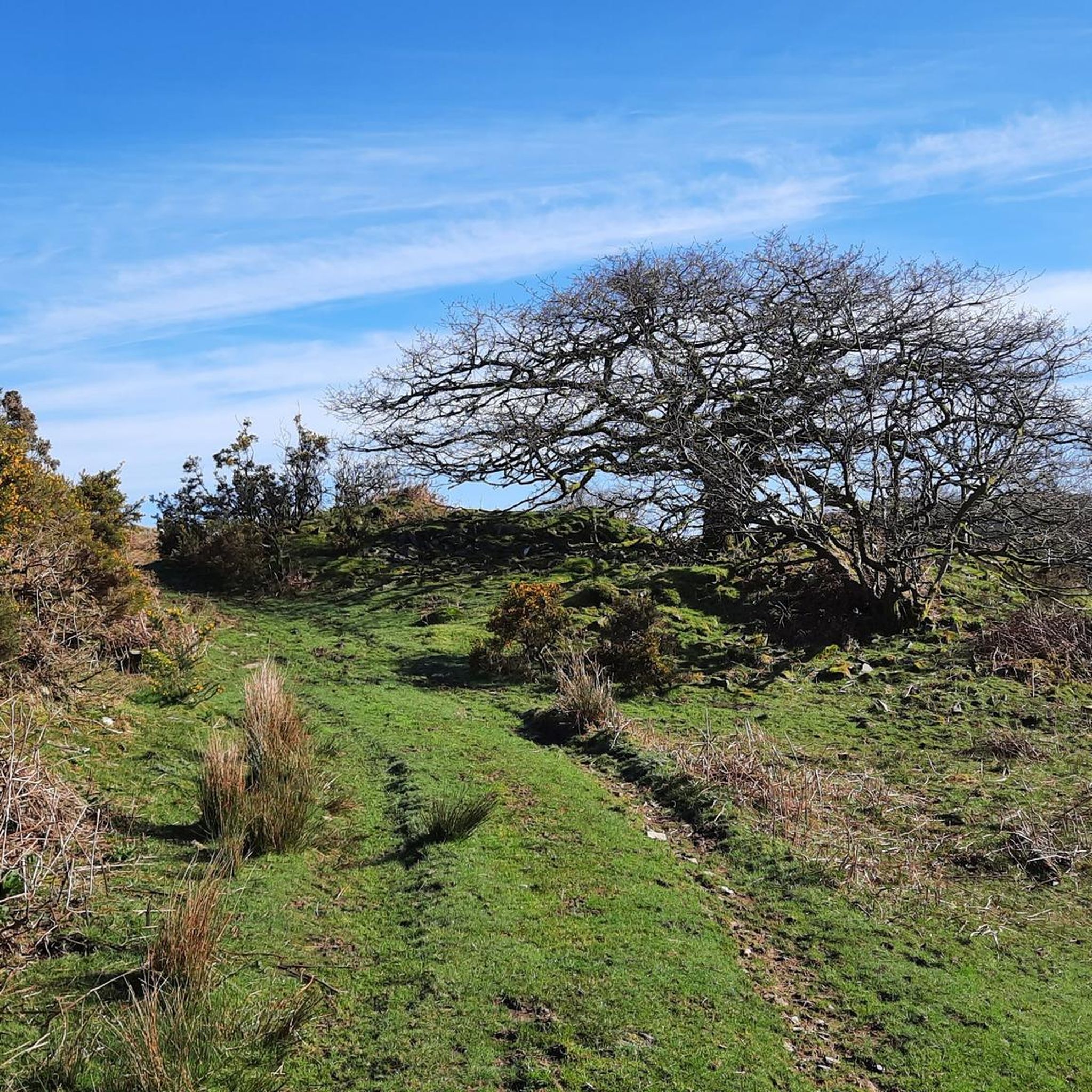
This is a very undervalued area of the western Brecon Beacons. The walking here is raw and wild, which is one of the reasons why it is also a quieter part of the park, so it will appeal to many. Here you also will find some of the best examples of Iron Age hillforts you can ever hope to see anywhere. Y Garn Goch and Y Gaer Fach are some of the most impressive hill forts in Wales. At 11.2 and 1.5 hectares, respectively, these are impressive structures and in their day provided considerable defensive structures to the native inhabitants. The large stone defensive ramparts, which are large rubble banks today, once stood 10m high and 5m thick. You can access both forts from a small car park at the base of the hill.
1
0

Ruin of a late thirteenth-century castle, on a limestone rock where there may already have been a fort in the Iron Age. The earliest castle was most likely the work of the dynasty of Welsh princes. The oldest found written mention of the castle dates "only" from 1248 when Rhys Fychan (died 1271), great-grandson of Lord Rhys, conquered the castle from the English. In 1277 the castle was captured by Edward I of England in his first campaign against Llewelyn ap Gruffudd of Gwynedd (died 1282).[1] The castle was briefly reconquered in 1282 and 1287. In 1282–83 Edward I completed his conquest of Wales and granted Carreg Cennen Castle in 1283 to his loyal supporter John Giffard (d. 1299), baron of Brimpsfield (Gloucestershire). The current castle was most likely built by Baron Giffard and his son John (died 1322), not too long after 1284. Being a resident of Ghent myself, I thought it was a nice fact that the castle was in the hands of John of Gaunt (yes, John of Gaunt), Duke of Lancaster, for a while in the 14th century. During the War of the Roses (1455-1485), Carreg Cennen Castle was initially in Lancaster hands, but was later conquered by the York supporters. In the late 18th century the castle became popular among amateur archaeologists and artists, with William Turner visiting the castle in 1798. In the 19th century the second Earl of Cawdor began restoration work on Carreg Cennen Castle. In 1932 the castle came under state management. In the 1960s the castle became the property of the Morris family, owners of the Castell Farm farm near the castle. Source: Wikipedia The castle can be visited 364 days of the year. Just not on Christmas Day. 9:30 am - 4:30 pm (from April to October until 5:00 pm) The ticket desk is located at the tea room / gift shop ("downstairs", where the parking is also located). In high season and on weekends, tickets can also be purchased near the entrance to the castle. Entrance prices range from £6.50 for adults, £4.00 for discount holders, to £20.00 for a family ticket.
1
1

This magical spot, Llygad Llwchwr which translates as "eye of the Loughor" is where the River Loughor emerges from its source - an underground lake at the Black Mountain. Below the surface from Llygad Llwchwr is a 1.2 km-long cave system in the Black Mountain. The cave contains a dry high level series and an active river level. Beyond the fourth river chamber exploration is only possible by cave diving.
3
0

Visit the Great Glass House at Botanical Gardens Wales. It's the largest single-span great glasshouse in the world houses the largest collection of Mediterranean plants in the Northern Hemisphere. it's a great day out and well worth the visit. You need to pay to enter the Botanical Gardens. Visit https://botanicgarden.wales/ for details
3
0
Frequently Asked Questions
What are some of the most popular natural monuments to visit around Llangathen?
Visitors frequently enjoy exploring Carreg Cennen Castle, which combines a historic castle with a natural cave and panoramic views. Another popular spot is Garn Goch Hill Forts, an Iron Age site offering expansive wild landscapes. For those interested in unique botanical collections, The Great Glasshouse, National Botanic Garden of Wales, is also a must-see.
Are there any natural monuments with historical significance in the Llangathen area?
Yes, the region is rich in historical natural monuments. Carreg Cennen Castle is a medieval fortress built on a dramatic limestone crag, featuring a natural cave. The Garn Goch Hill Forts are significant Iron Age remains, considered the largest hill fort remains in South Wales. Additionally, Mynydd Llangyndeyrn Summit and Standing Stones features prehistoric round cairns and a Bronze Age standing stone.
What unique geological features can I explore near Llangathen?
You can discover fascinating geological formations such as Llygad Llwchwr (Source of the River Loughor), a magical spot where the River Loughor emerges from an underground lake within the Black Mountain, featuring a 1.2 km-long cave system. The natural cave beneath Carreg Cennen Castle also offers a unique underground experience.
Are there family-friendly natural monuments around Llangathen?
Yes, The Great Glasshouse, National Botanic Garden of Wales, is wheelchair accessible and offers a great day out for families, housing a vast collection of Mediterranean plants. While other sites like Carreg Cennen Castle and Garn Goch Hill Forts are suitable for families, they involve more walking and varied terrain.
What kind of outdoor activities can I do near these natural monuments?
The Llangathen area offers diverse outdoor activities. You can find numerous hiking trails, including easy loops around Dinefwr Castle, by exploring the Hiking around Llangathen guide. For mountain biking enthusiasts, there are trails like the Brechfa Forest — Black Raven Trail, detailed in the MTB Trails around Llangathen guide. Cycling routes, such as the Amman Valley & Black Mountain loop, are also available in the Cycling around Llangathen guide.
Are there any natural monuments that are Sites of Special Scientific Interest (SSSI) in the area?
Yes, Allt y wern, a broadleaf woodland southwest of Llangathen village, is designated as a Site of Special Scientific Interest (SSSI), indicating its ecological significance and rich biodiversity. Additionally, Mynydd Llangyndeyrn Summit and Standing Stones is also an SSSI, recognized for its geological and historical features.
What are the best viewpoints to experience the natural beauty around Llangathen?
For breathtaking views, Carreg Cennen Castle offers panoramic vistas from its elevated position. The Garn Goch Hill Forts also provide expansive views of the wild landscape. You can also find excellent viewpoints from Mynydd Llangyndeyrn Summit.
What do visitors enjoy most about the natural monuments in Llangathen?
Visitors particularly appreciate the blend of history and nature. For instance, at Carreg Cennen Castle, many enjoy the tea room with home cooking and the rare longhorn cattle around the base, alongside the castle's historical significance. The wild and raw walking experience at Garn Goch Hill Forts is also highly valued for its quiet, unspoiled nature.
Can I find dog-friendly trails near the natural monuments?
Many of the outdoor areas around Llangathen are dog-friendly, especially the trails leading to natural monuments like Garn Goch Hill Forts and Mynydd Llangyndeyrn Summit. It's always advisable to keep dogs on a lead, especially in areas with livestock or protected wildlife. Please check specific site regulations before visiting.
What is the best season to visit the natural monuments around Llangathen?
The natural monuments around Llangathen can be enjoyed year-round, but each season offers a different experience. Spring brings blooming flora, while summer provides longer daylight hours for exploration. Autumn is particularly beautiful with changing foliage, especially in woodlands like Allt y wern. Winter offers a stark, serene beauty, though some paths might be muddy or slippery.
Are there any hidden gems among the natural monuments in Llangathen?
While popular, Llygad Llwchwr (Source of the River Loughor) is often described as a 'magical spot' and can feel like a hidden gem due to its unique geological nature as a river source emerging from an underground cave system. The wild and less-visited nature of Garn Goch Hill Forts also makes it feel like a discovery for many.
Are there any natural monuments that are easily accessible for all visitors?
Yes, The Great Glasshouse, National Botanic Garden of Wales, is noted as being wheelchair accessible, making it a great option for visitors with varying mobility needs. Other sites may involve uneven terrain or steps.
Most popular attractions around Llangathen

Get inspired with the komoot mobile app


Explore more
Extend your search for the best caves by checking out these guides of the top ones around Llangathen:
