Top 7 Natural Monuments around Llanynys
Best natural monuments around Llanynys are primarily found within the surrounding Vale of Clwyd and the Clwydian Range and Dee Valley National Landscape. This region features prominent hills, river valleys, and diverse ecosystems. Llanynys itself holds a historical connection to the River Clwyd, once forming an "island" during high water. The area offers varied terrain for exploration.
Best natural monuments around Llanynys
- The most popular natural monuments is Jubilee Tower on Moel Famau, a summit viewpoint that is the…
Last updated: July 1, 2026
Jubilee Tower on Moel Famau
Highlight • Monument
Tip by

Moel Gyw Summit
Highlight • Viewpoint
Tip by

Sign up now to discover places like this
Get recommendations on the best single tracks, peaks, & plenty of other exciting outdoor places.
Sign up for free
Penycloddiau Summit
Highlight • Viewpoint
The …
Tip by

Devil's Gorge Cave Entrance
Highlight • Viewpoint
Tip by

Moel Famau Summit
Highlight • Natural Monument
Tip by

Sign up for free to discover even more natural monuments around Llanynys.
Sign up for free
Already have an account?
Start today with a free account
Your next adventure awaits.
Login or Signup
Tips from the Community

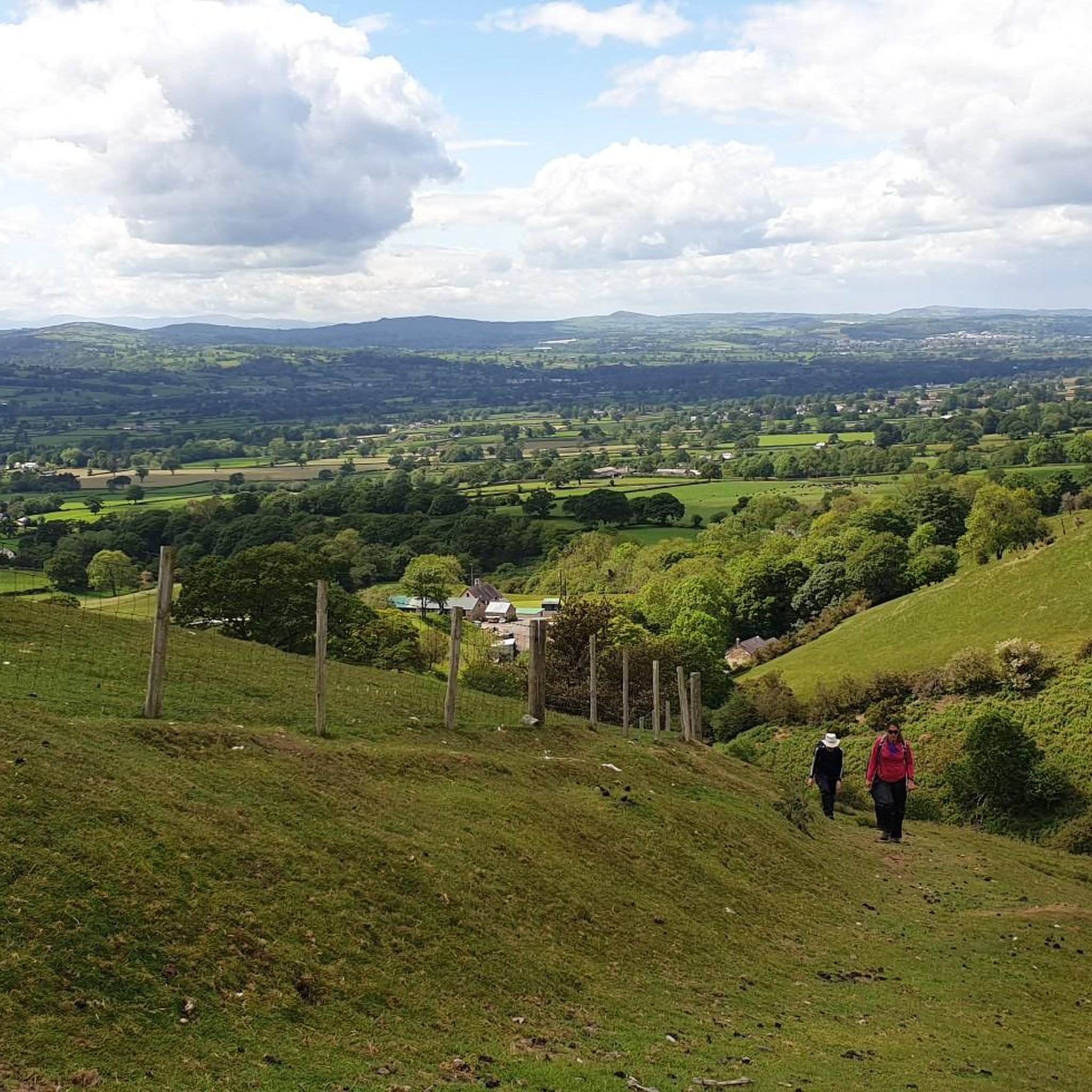
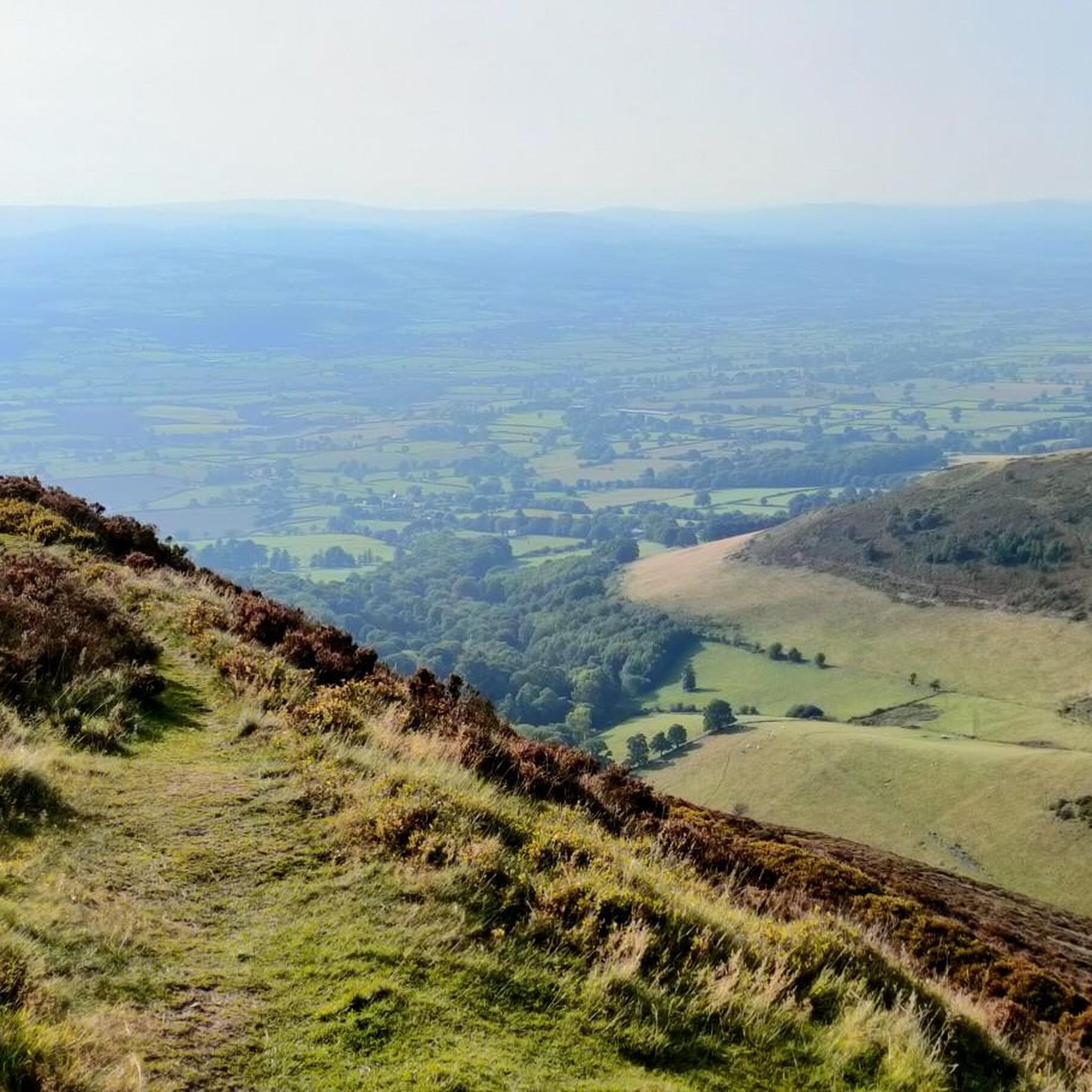
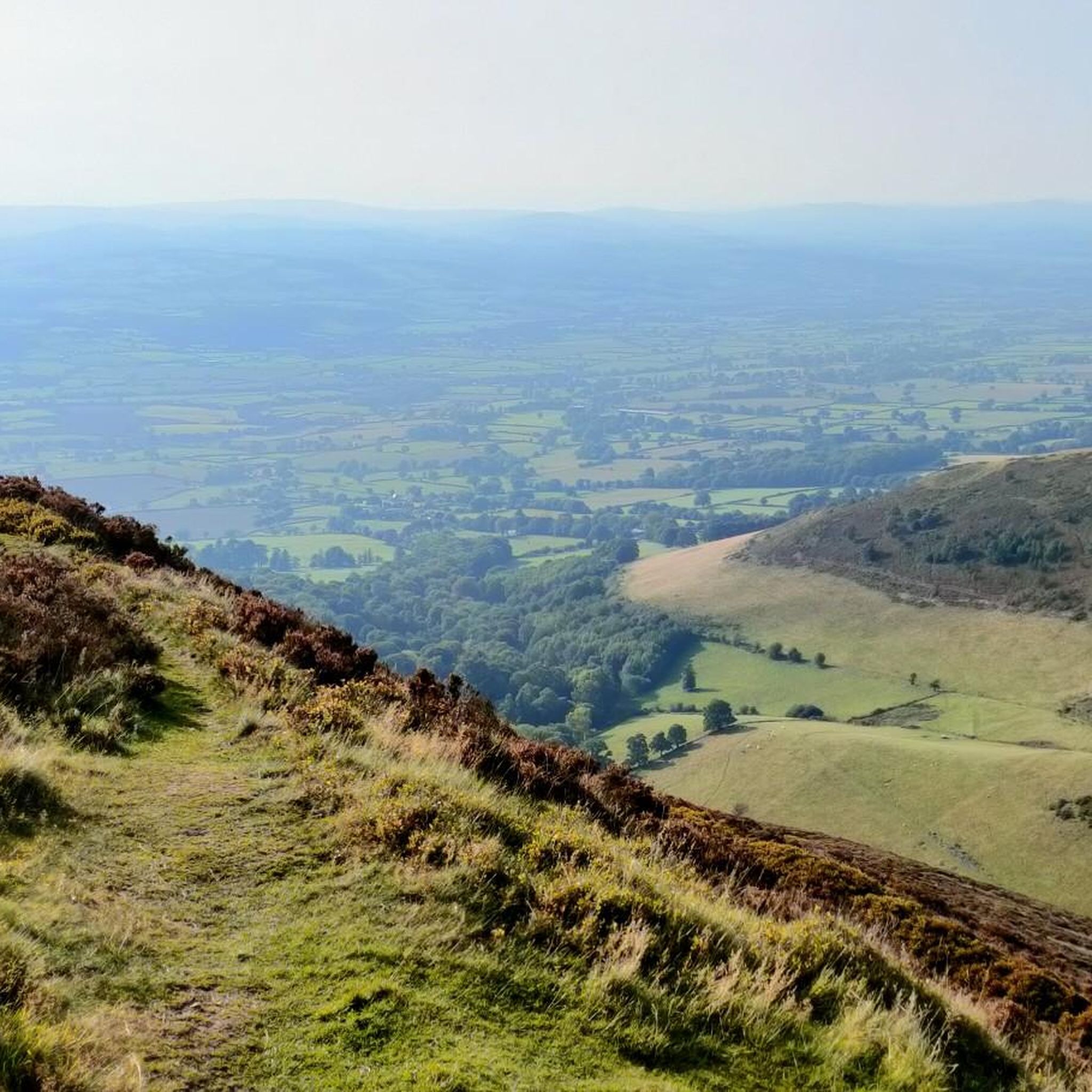
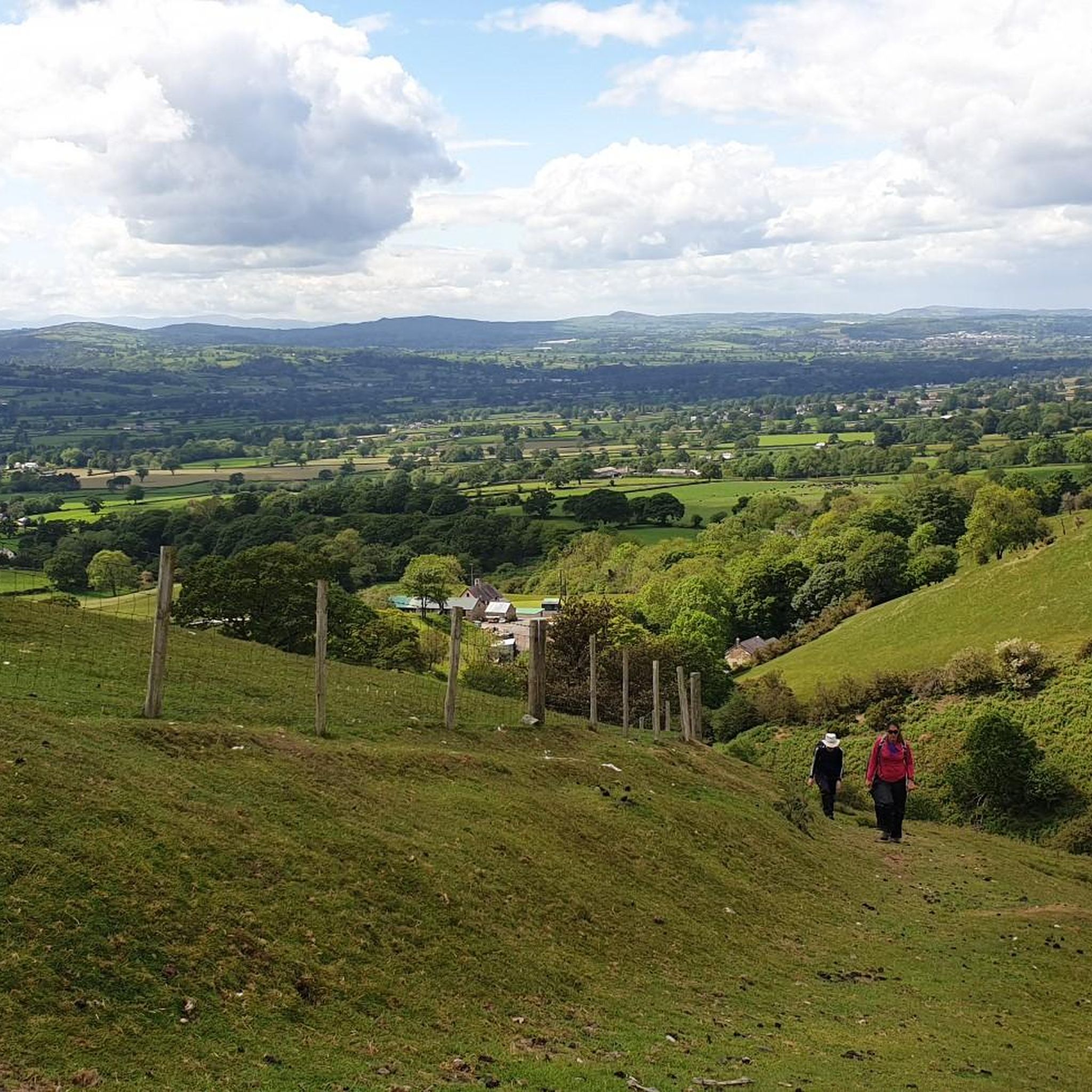
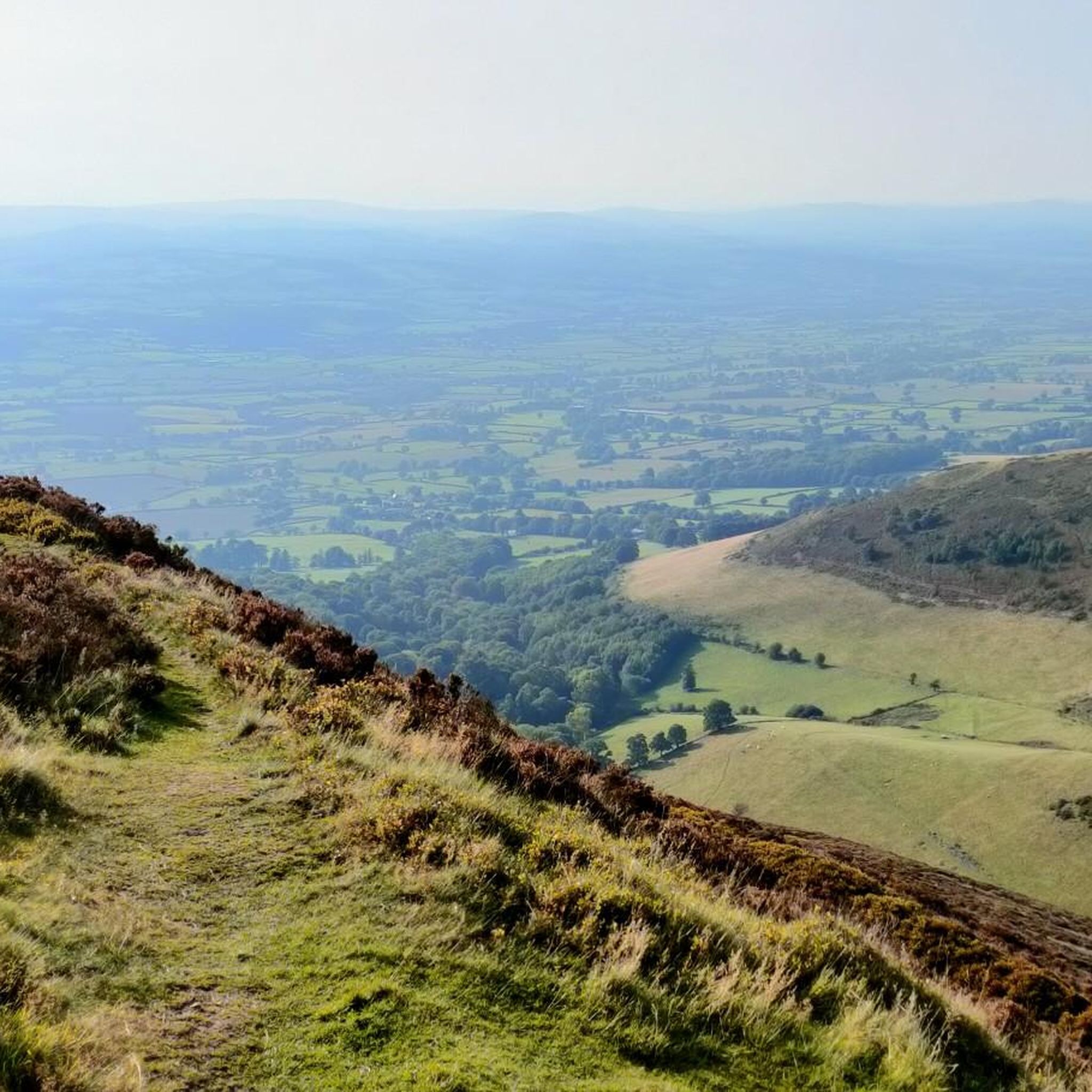
This beautiful place is perfect for an afternoon out.(mind the sun though) Views of Welsh farmland are all around including some enchanting woodlands! My dog loves it up here, not many people so nice and calm.
0
0

Not all trails in this area permit mountain bikes. Check it first. The rangers over there are zealots.
0
0

Like all hills the weather can turn in an instant take sturdy foot wear and a waterproof jacket :)
1
0

A really interesting monument and not at all how you think it will be when you see it from a distance
1
0


Great little surprise on a very nice walking path
1
0

Can get very windy up here and area is mostly exposed - very easy to get caught out by the weather, always worth carrying a rain coat or wind jacket with you to stay warm.
1
0
Frequently Asked Questions
What are some prominent natural monuments to visit near Llanynys?
The area around Llanynys, particularly within the Clwydian Range and Dee Valley National Landscape, offers several notable natural monuments. These include the summit of Jubilee Tower on Moel Famau, which is the highest point in the Clwydian Range and offers panoramic views. Another significant site is Penycloddiau Summit, known for its historical hill fort and extensive views. You can also explore the unique geological features of Devil's Gorge Cave Entrance.
What kind of outdoor activities can I do near these natural monuments?
The natural monuments around Llanynys are excellent for various outdoor activities. The Clwydian Range, where many of these monuments are located, is crisscrossed with numerous walking and hiking trails. You can also find opportunities for cycling and running. For specific routes, you can explore options like those found in the Cycling around Llanynys guide, the Road Cycling Routes around Llanynys guide, or the Running Trails around Llanynys guide.
Are there any family-friendly natural monuments or walks around Llanynys?
Yes, there are family-friendly options. For instance, the Ancient Horse Chestnut Trees offer an impressive and engaging natural sight, with some trees large enough to stand inside, making it a unique experience for children. Many of the trails in the Clwydian Range also cater to various difficulty levels, allowing families to find suitable walks.
What historical significance do some of the natural monuments hold?
Several natural monuments in the area have significant historical connections. Penycloddiau Summit was once an extensive hill fort, with remains dating back around 4,000 years. The Jubilee Tower on Moel Famau is a Grade II-listed structure built to commemorate the golden jubilee of George III in 1810. Additionally, Llanynys itself, meaning 'church on an island,' highlights the historical influence of the River Clwyd, which would historically isolate the village during floods.
What kind of views can I expect from the summits near Llanynys?
The summits in the Clwydian Range offer spectacular panoramic views. From Moel Famau, you can see across the Vale of Clwyd to Snowdonia in the west and the English border in the east. Penycloddiau Summit also provides glorious views of the surrounding countryside, including distant mountains on a clear day.
Is there any unique wildlife to spot in the natural areas around Llanynys?
Yes, the Clwydian Range and Dee Valley National Landscape is home to diverse wildlife. The heather moorland on Moel Famau is an important habitat for various birds of prey and mammals. Notably, it is a crucial habitat for the rare black grouse, making it a special place for wildlife spotting.
What is the geological significance of the area around Llanynys?
The landscape of the Clwydian Range and the Vale of Clwyd is shaped by geological fault lines. Older Carboniferous Limestones and younger Permo-Triasic sandstones contribute to the varied terrain you see today. The Devil's Gorge Cave Entrance is a prime example of the interesting geological features found in the region.
What is the best time of year to visit the natural monuments around Llanynys?
While the natural monuments can be visited year-round, spring, summer, and early autumn generally offer the most pleasant conditions for outdoor activities. During these seasons, the weather is typically milder, and the views from the summits are clearer. Winter can offer dramatic landscapes but may involve colder temperatures and more challenging trail conditions.
What do visitors enjoy most about the natural monuments in this region?
Visitors frequently praise the breathtaking scenic views, especially from summits like Moel Famau and Penycloddiau Summit. The diverse ecosystems, well-maintained paths, and opportunities for hiking and exploring are also highly appreciated. The unique historical elements, such as the ancient hill fort at Penycloddiau, add another layer of interest for many.
Are there any natural monuments that are less crowded but still offer a rewarding experience?
If you prefer a less populated experience, Penycloddiau Summit is often noted for being a great walk if you like quieter trails. While still offering glorious views and historical significance, it can provide a more serene experience compared to some of the more popular spots.
What is Moel Gyw Summit and what does it offer?
Moel Gyw Summit is another prominent peak in the Clwydian Hills, standing at 467 meters high. It is listed as a UK Marilyn, indicating its prominence. While not as well-known as Moel Famau, it offers excellent views and is a rewarding climb for those exploring the range.
Where can I find more information about the Clwydian Range and Dee Valley National Landscape?
You can find more information about the Clwydian Range and Dee Valley National Landscape, including details on its natural beauty and activities, on the Visit Wales website. This area is recognized for its exceptional natural beauty and diverse landscapes.
Most popular routes around Llanynys
Most popular attractions around Llanynys

Get inspired with the komoot mobile app


Explore more
Extend your search for the best caves by checking out these guides of the top ones around Llanynys:
