Top 5 Natural Monuments around Lowside Quarter
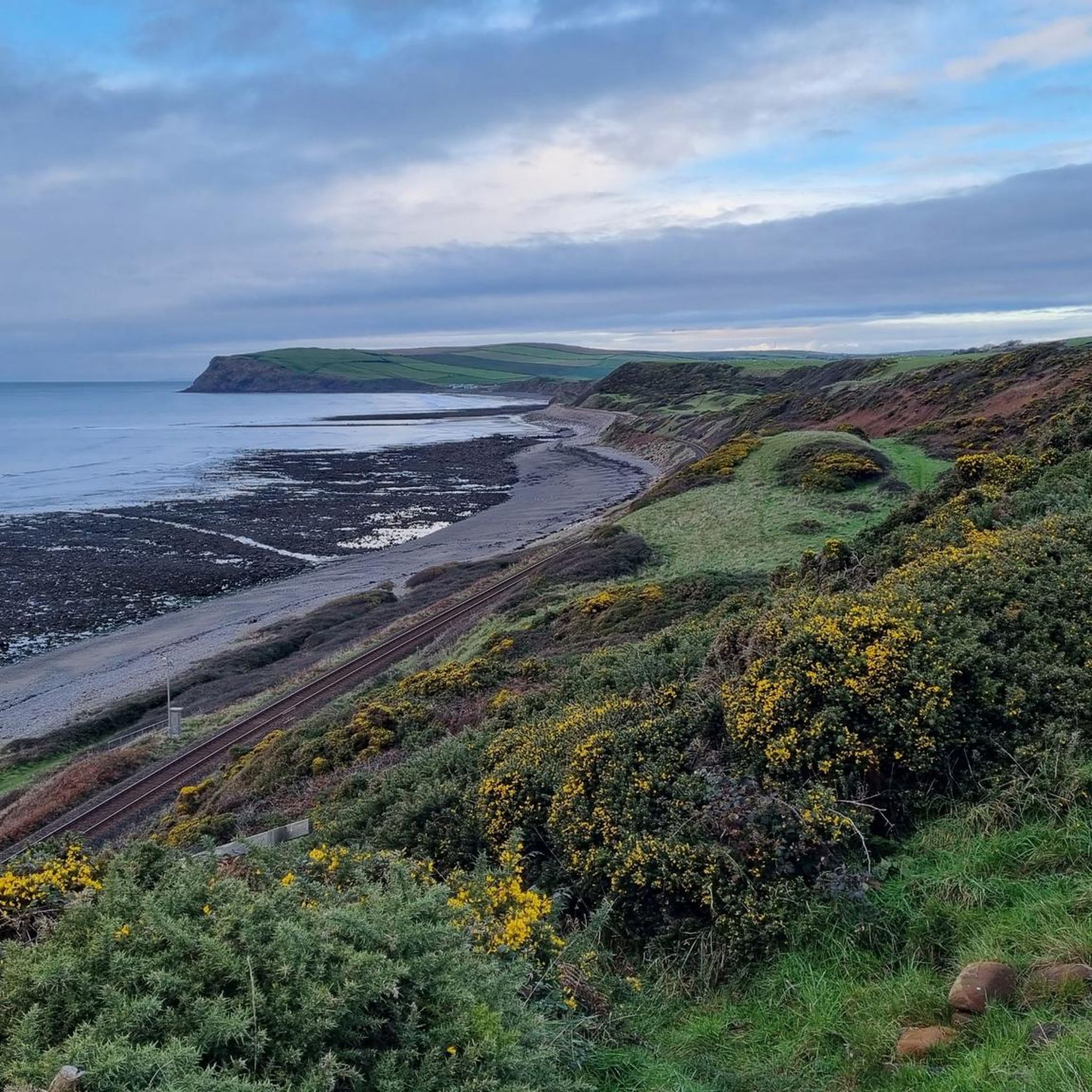
Best natural monuments around Lowside Quarter are characterized by its Irish Sea coastline and proximity to significant natural landmarks. This civil parish in Cumbria, England, offers a landscape shaped by its coastal location and agricultural heritage. The area provides access to scenic coastal features and views of the western fells of the Lake District. Its natural charm lies in its diverse coastal experiences and opportunities for wildlife observation.
Best natural monuments around Lowside Quarter
- The most popular natural monuments is…
Last updated: June 17, 2026
Lank Rigg Summit
Highlight • Viewpoint
Tip by

St Bees South Head
Highlight • Beach
Tip by

Sign up now to discover places like this
Get recommendations on the best single tracks, peaks, & plenty of other exciting outdoor places.
Sign up for free
Kinniside Stone Circle
Highlight • Natural Monument
Tip by
Fleswick Bay
Highlight • Natural Monument
Tip by

St Bees North Head
Highlight • Climb
Tip by
Sign up for free to discover even more natural monuments around Lowside Quarter.
Sign up for free
Already have an account?
Start today with a free account
Your next adventure awaits.
Login or Signup

Tips from the Community


The fell road between Calder Bridge and Ennerdale Bridge passes the small but impressive stone circle at Kinniside, below Blakeley Rise. The circle has been reconstructed, with some cast in concrete, and is formed from eleven stones with a diameter of 18 metres. The tallest stone is 1.15 metres high. Stunning views to Whitehaven and into the Lakes.
0
0

The red sandstone is impressive.
1
0

As Adv Nic said, most people come to Lank Rigg from the NE. However I came in from the West parking on the Ennerdale to Calder mountain road. There are a few places there to park but not many. It is a good place to start from to take in the three Western Wainwrights of Grike, Crag Fell and Lank Rigg. Mind you I did it on a horrid day and saw nothing for the 2nd day in a row!
2
0

Lank Rigg is a fell in the Western Lake District National Park. It is 1,775 feet (541 m) high. There is a trig pillar on the summit and views over to the coast and surrounding western fells. Lank Rigg is most commonly hiked from the north east, this is the only path that's shown on the map. Many link this fell to Crag Fell and Grike, creating a nice circular.
1
0

St Bees North Head is the highest point on the north west coast of England, rising to 295 feet (90 m) above sea level. From its clifftop paths are huge views west to the sea and east to the fells of Lakeland. It is part of the only western stretch of Heritage Coast between Wales and Scotland. Birdlife is abundant, with many nesting species. A lighthouse stands proud on the headland, whilst the cliffs also host rock climbers, with many bolted routes.
2
0
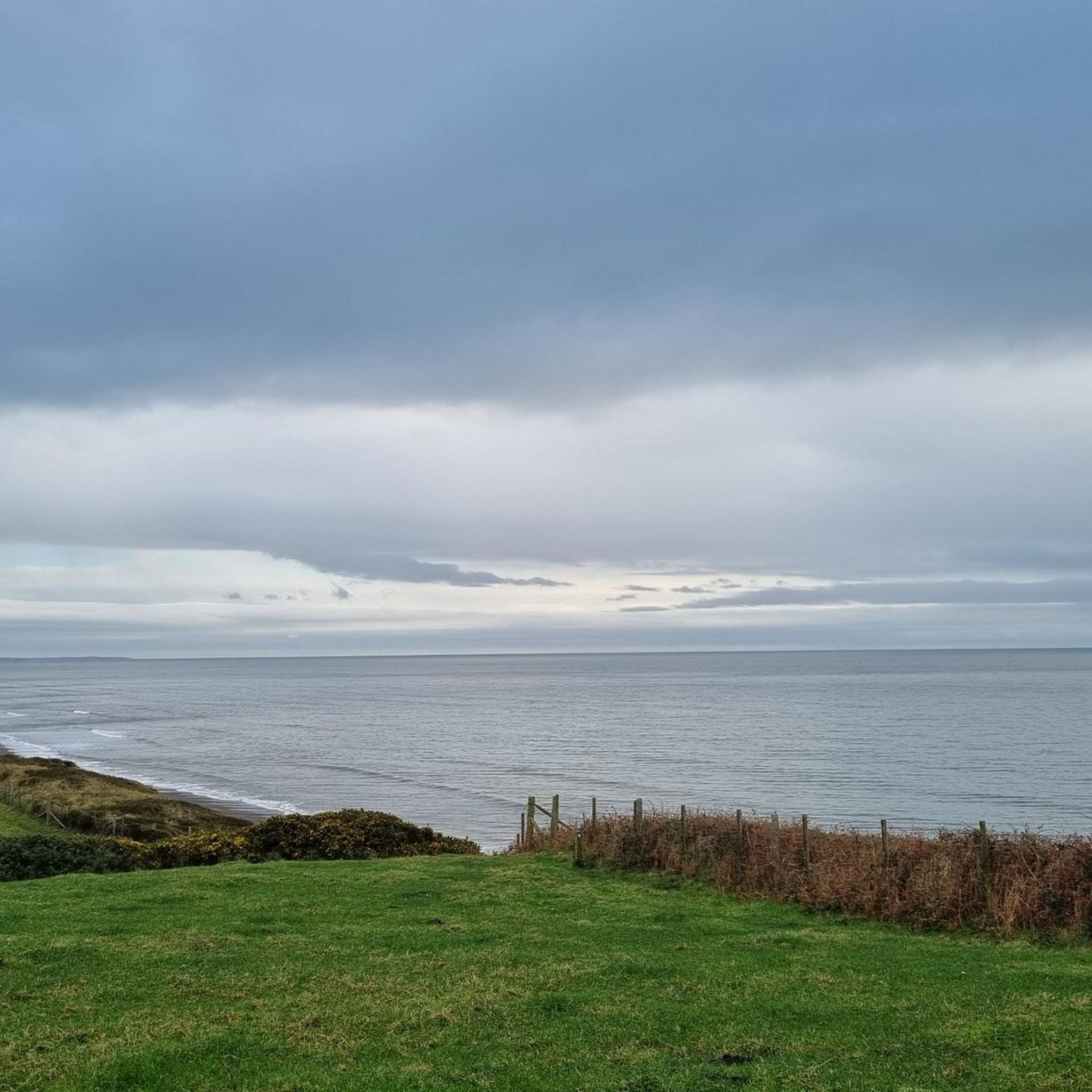
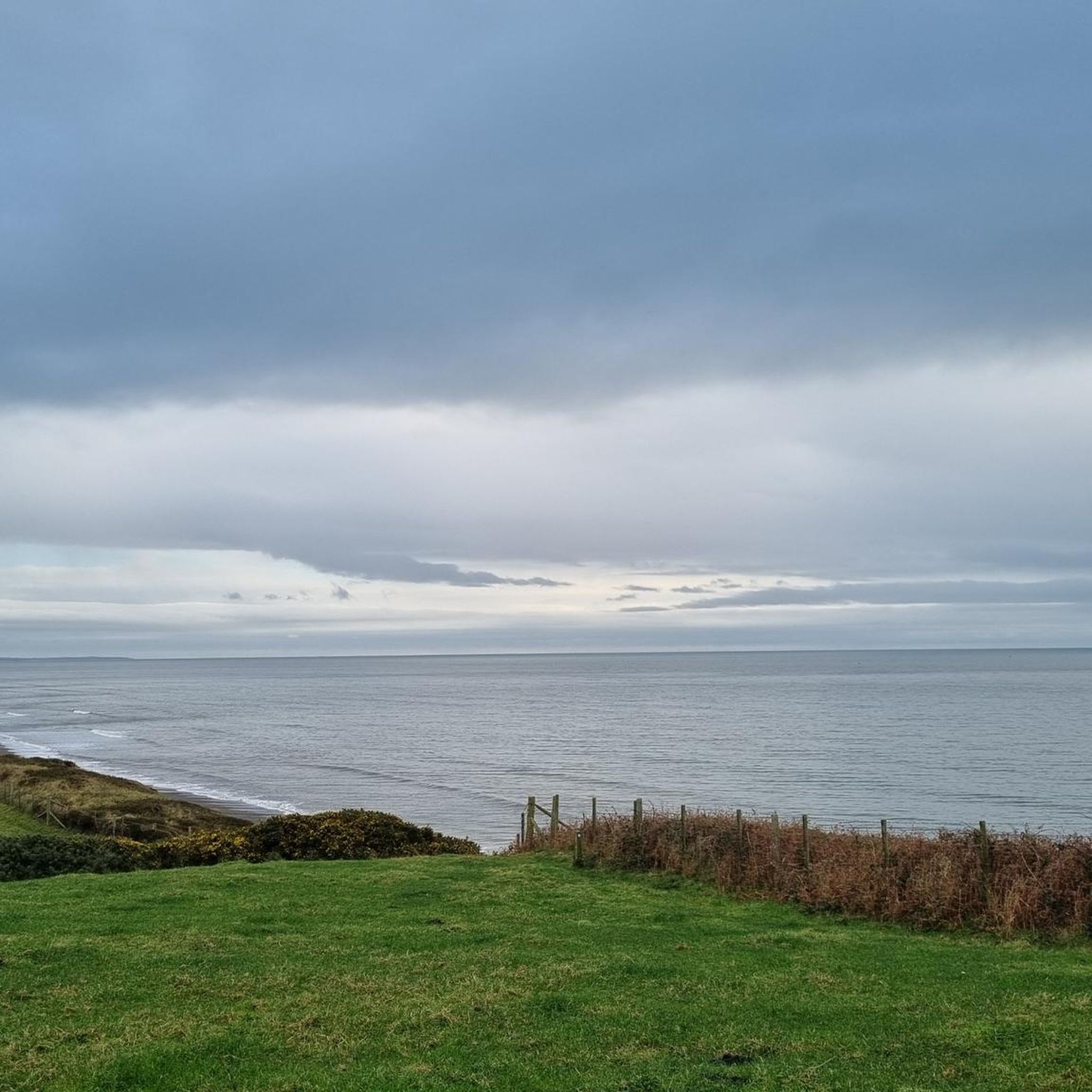
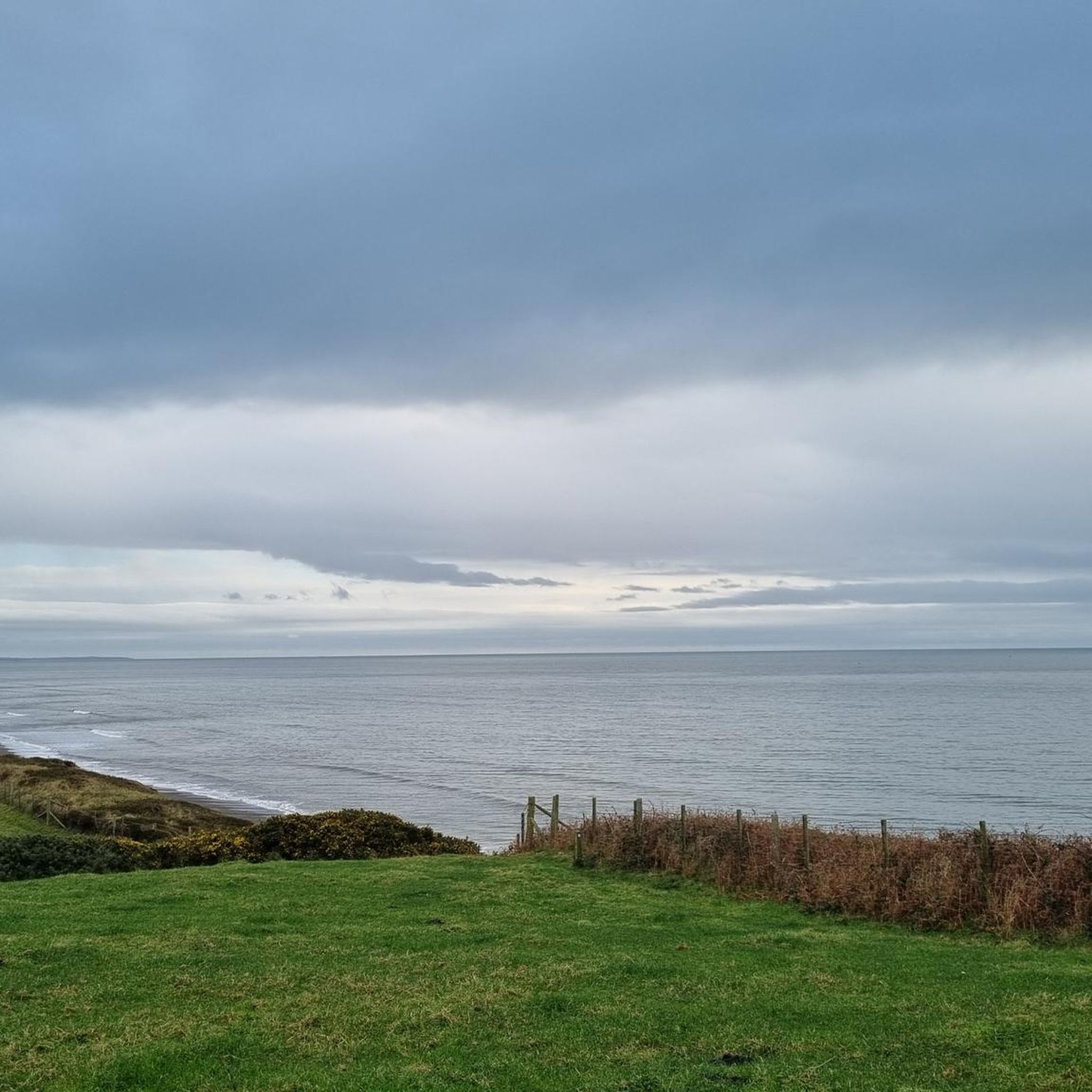
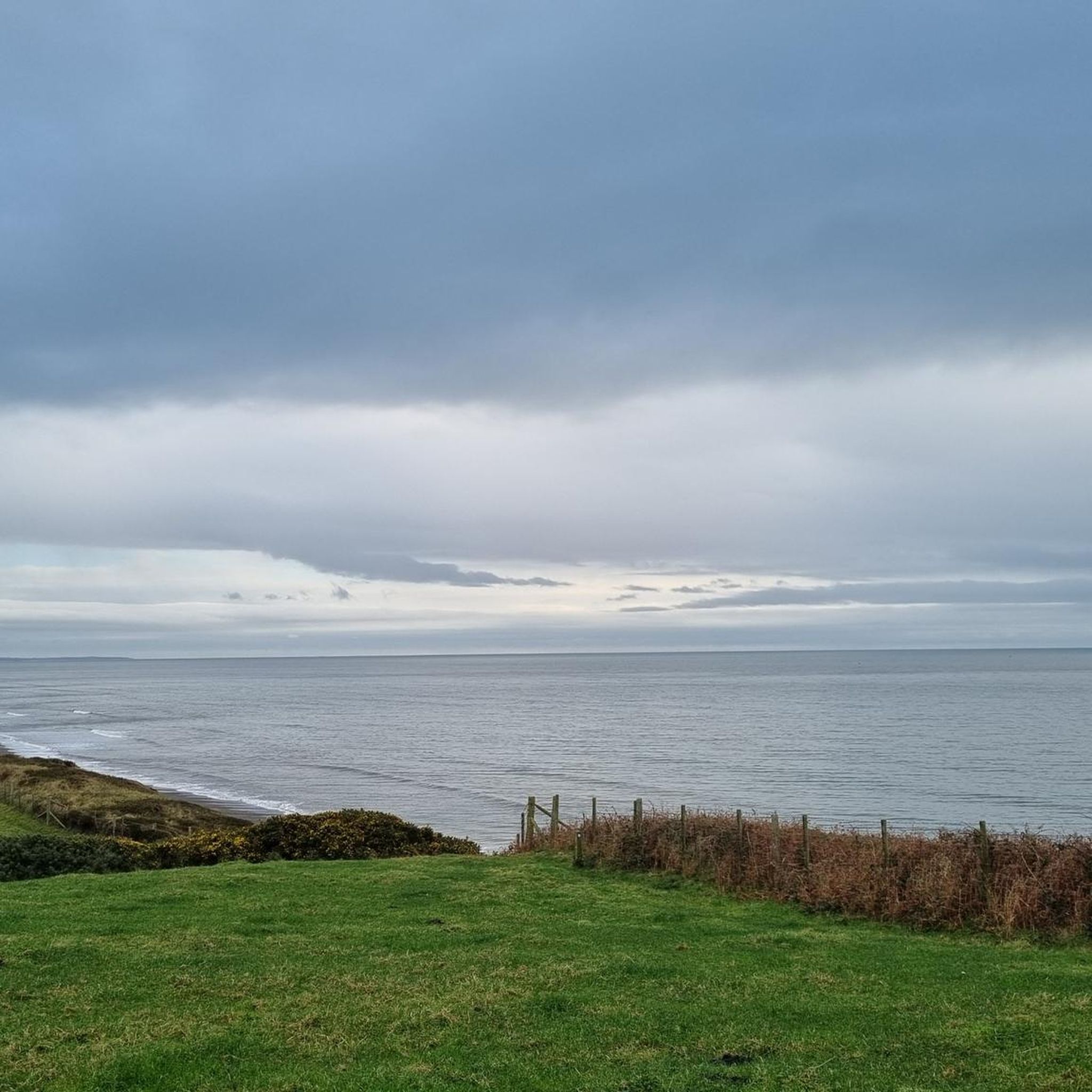
St Bees North and South Head (collectively referred to as St Bees Head) make up the most westerly point of northern England and rise some 295 (90 m) feet from the sea. The South Head, often known as Tomlin, is not as dramatic as its sibling, but it is still a fine viewpoint in its own right. It is the first landmark of note on Wainwright's Coast to Coast from St Bees to Robin Hood's Bay.
1
0
Frequently Asked Questions
What kind of natural features can I expect to see around Lowside Quarter?
Lowside Quarter is defined by its Irish Sea coastline, offering expansive views and beaches. You'll find dramatic red sandstone cliffs, particularly at St Bees South Head and St Bees North Head, which are part of Cumbria's only Heritage Coast. Secluded coves like Fleswick Bay showcase these geological formations. From coastal areas, you can also enjoy views of Black Combe mountain and the western fells of the Lake District.
Are there good viewpoints for scenic photography in the area?
Yes, the area offers several excellent viewpoints. St Bees South Head provides views from the most westerly point of northern England, rising 90 meters from the sea. St Bees North Head, the highest point on the northwest coast, offers huge views west to the sea and east to the Lakeland fells. Additionally, Lank Rigg Summit in the Western Lake District provides panoramic views over the coast and surrounding fells.
What historical or cultural sites are considered natural monuments in Lowside Quarter?
While primarily natural, the area also features historical elements. The Kinniside Stone Circle, though reconstructed, is a notable historical site consisting of twelve small granite stones, offering views towards Whitehaven and the Lake District.
What outdoor activities can I do near these natural monuments?
The region is excellent for various outdoor activities. You can enjoy easy hikes, such as the 'Seamill Foreshore – Coast Path Access loop from Lowside Quarter', which is nearly 6 km long. For more challenging adventures, there are road cycling routes like the 'Wast Water – Seascale Beach loop from Nethertown' (68.6 km, moderate difficulty) or gravel biking options like the 'Seascale Beach – Hardknott Pass Climb loop from Seascale' (47.4 km, difficult). You can find more details on these and other routes in the easy hikes around Lowside Quarter, road cycling routes, and gravel biking guides.
Are there hiking trails suitable for beginners or easy walks?
Yes, there are easy hiking options. For instance, the 'Seamill Foreshore – Coast Path Access loop from Lowside Quarter' is an easy 5.9 km hike. The coastal paths around St Bees Head also offer accessible sections for leisurely walks, providing stunning sea views. More easy hikes can be found in the easy hikes around Lowside Quarter guide.
What is the best time of year to visit Lowside Quarter for natural monuments?
The coastal areas and cliffs, particularly around St Bees Head, are beautiful year-round. Spring and summer are ideal for birdwatching, as this is when England's largest seabird colony is most active. The coastal paths are generally pleasant in milder weather, but dramatic views can also be enjoyed during autumn and winter, though conditions may be more challenging.
Can I observe wildlife, especially birds, near the natural monuments?
Absolutely. St Bees Head is a crucial site for birdwatching, home to England's largest seabird colony. You can witness thousands of guillemots, razorbills, kittiwakes, and fulmars nesting on the cliffs. Fleswick Bay, beneath the cliffs, is part of an RSPB nature reserve where you might spot black guillemots, puffins, and terns.
Are there family-friendly natural monuments or activities in the area?
The beaches at Nethertown, Coulderton, and Braystones offer natural settings for relaxation and exploration, particularly at low tide, which can be enjoyable for families. Leisurely walks along the Irish Sea coastline are also suitable. While some trails might be intermediate, many coastal sections are accessible for family strolls.
What are the beaches like around Lowside Quarter?
The beaches at Nethertown, Coulderton, and Braystones are characteristic of the Irish Sea coastline. They offer expansive views and are ideal for leisurely walks and exploration, especially at low tide. Fleswick Bay is a secluded shingle cove known for its red sandstone cliffs.
Is it possible to find cafes or amenities near the natural monuments?
Lowside Quarter itself is primarily a coastal and agricultural community. For more extensive amenities, including cafes and pubs, you would typically look to nearby towns such as St Bees, Whitehaven, or Ravenglass, which are easily accessible from the natural monument locations.
What makes the coastline around Lowside Quarter unique?
The coastline is unique for being the only designated Heritage Coast in Cumbria. It features dramatic red sandstone cliffs, particularly prominent at St Bees Head, which rise significantly from the sea. This geological formation, combined with its status as a major seabird colony, makes it a distinctive and important natural area.
Are there any circular walks that include natural monuments?
While specific circular routes for each monument aren't detailed, many visitors combine the coastal paths around St Bees Head to create circular walks that take in both St Bees South Head, St Bees North Head, and Fleswick Bay. For inland options, some hikers link Lank Rigg Summit with nearby fells like Crag Fell and Grike to form a circular route.
Most popular routes around Lowside Quarter
Most popular attractions around Lowside Quarter

Get inspired with the komoot mobile app


Explore more
Extend your search for the best caves by checking out these guides of the top ones around Lowside Quarter:
