Top 5 Natural Monuments around Billingsley
Best natural monuments around Billingsley offer diverse natural features for exploration. The area provides access to various landscapes, from forests to unique geological formations. These sites showcase different ecosystems, making them destinations for nature enthusiasts.
Best natural monuments around Billingsley
- The most popular natural monuments is Boyne Water Lake, a lake that is a tranquil spot tucked away in the Shropshire Hills. It makes a picnic spot and is considered for wild swimming.
- Another must-see spot is Ruskin Land…
Last updated: July 1, 2026
Worcestershire Natural Flood Management Project – Leaky Dams in Wyre Forest
Highlight • Natural Monument
The aim of this project is to reduce flooding in
the Dowles Brook catchment, by implementing at large number of …
Tip by

Ruskin Land
Highlight • Forest
Tip by
Sign up now to discover places like this
Get recommendations on the best single tracks, peaks, & plenty of other exciting outdoor places.
Sign up for free
Boyne Water Lake
Highlight • Natural Monument
Tip by

Dudmaston Big Pool
Highlight • Forest
Tip by

Highley Sandstone Cutting
Highlight • Gorge
Tip by
Sign up for free to discover even more natural monuments around Billingsley.
Sign up for free
Already have an account?
Start today with a free account
Your next adventure awaits.
Login or Signup


Tips from the Community

The Wyre Forest Beaver enclosure is worth stopping at. Can't guarantee to see any but you never know 😁
0
0

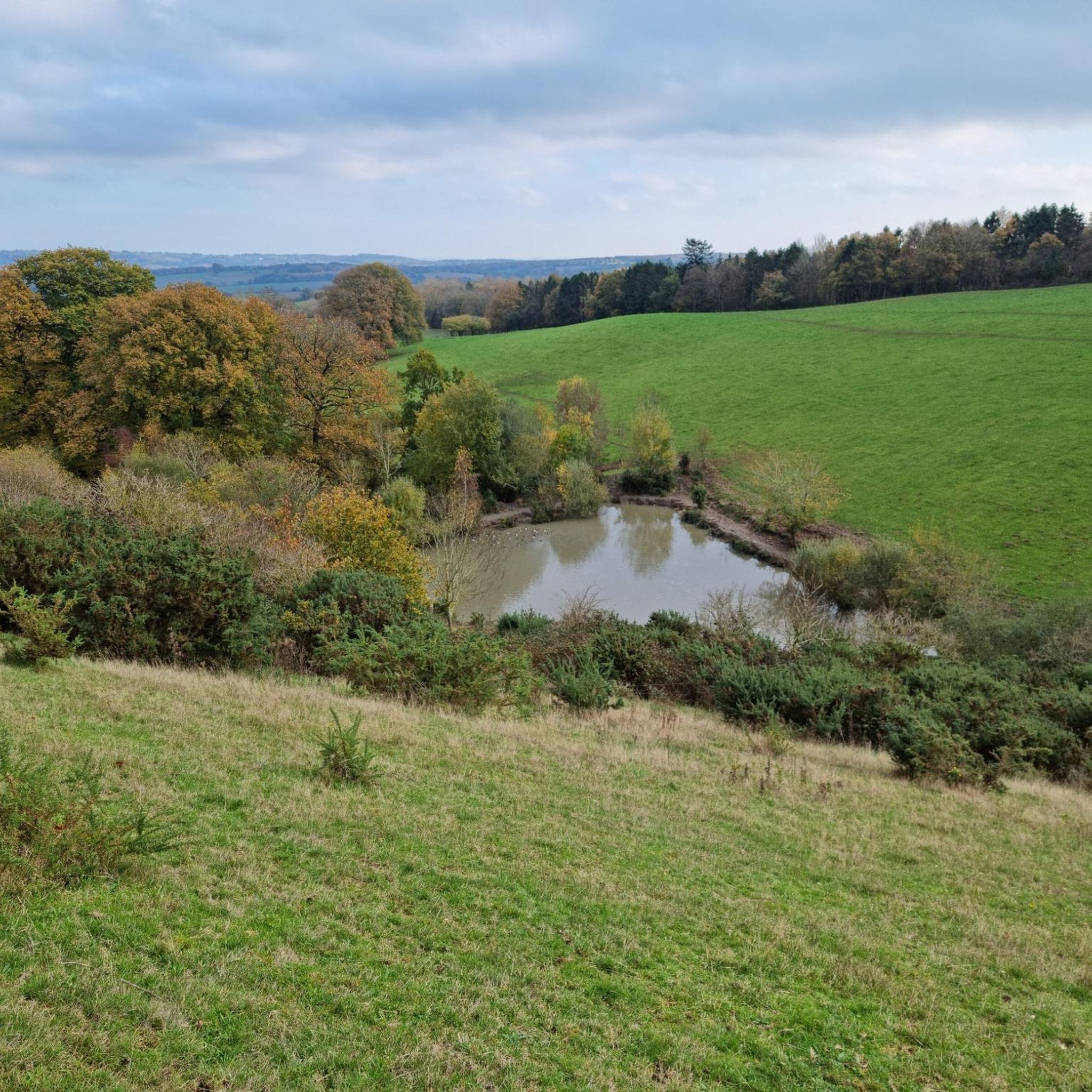
Fine man-made lake, with an excellent view across to Dudmaston Hall. The path on the west side may be closed on Fridays and Saturdays, so best check.
0
0

Beautiful, peaceful, wildlife-rich pond set in National Trust parkland at Dudmaston.
0
0

Discover this tranquil little lake tucked away in the Shropshire Hills. The lake makes a great picnic spot, or if you're feeling daring, a wild swimming spot, too.
1
0

Worcestershire Natural Flood Management (NFM) Project in the Wyre Forest. The aim of this project is to reduce flooding in the Dowles Brook catchment, by implementing at large number of small scale, natural interventions in upstream areas to help slow the flow of water and hold it back during times of high flows. These measures involve working on the tributaries of the Dowles Brook and could include things such as planting hedges, creating wetland areas. attenuation ponds, leaky dams, soll aeration and other land management techniques The intention is to slow the flood peak on the Dowdes so it does not coincide with the flood peak on the River Severn at Bewdley. Water moving at speed through the landscape is incredibly destructive and leads to erosion, soil loss and widespread damage, therefore slowing down the water has a wealth of positive impacts. It is the intention that many more features will be installed over the riext few years with the aim of slowing the flow throughout the catchment. If you would like more information, or are a landowner who is keen to get involved. please contact the NFM Project Officer al Worcestershire County Council. www.worcestershire.gov.uk/NFM Natural Flood Management - Leaky Dams Trees are sourced from the immediate stream side and used to build a lattice. Over time, especially in high flow, smaller woody debris accumulates naturally, and this increases the effectiveness of the leaky dam. The dars are wedged behind living tree stumps to prevent them moving or floating away, over time they bed in and naturalise as part of the landscape. Leaky dams work with nature, providing a food source and habitat for wildlife. This timber lattice allows wildlife, such as fish, to move freely upstream and downstream. Leaky dams are constructed to allow free passage of water in normal flows, and only hold water back when required during high rainfall. The backed up water is pushed out of the channel into appropriate sites upstream where silts are deposited. A single structure has little impact, but a series of leaky dams at various locations can help reduce the risk of flooding downstream. Felling by the river bank allows more sunlight to reach the watercourse and its banks. This leads to the growth of marginal vegetation, creating further food sources and habitats for wildlife.
0
0
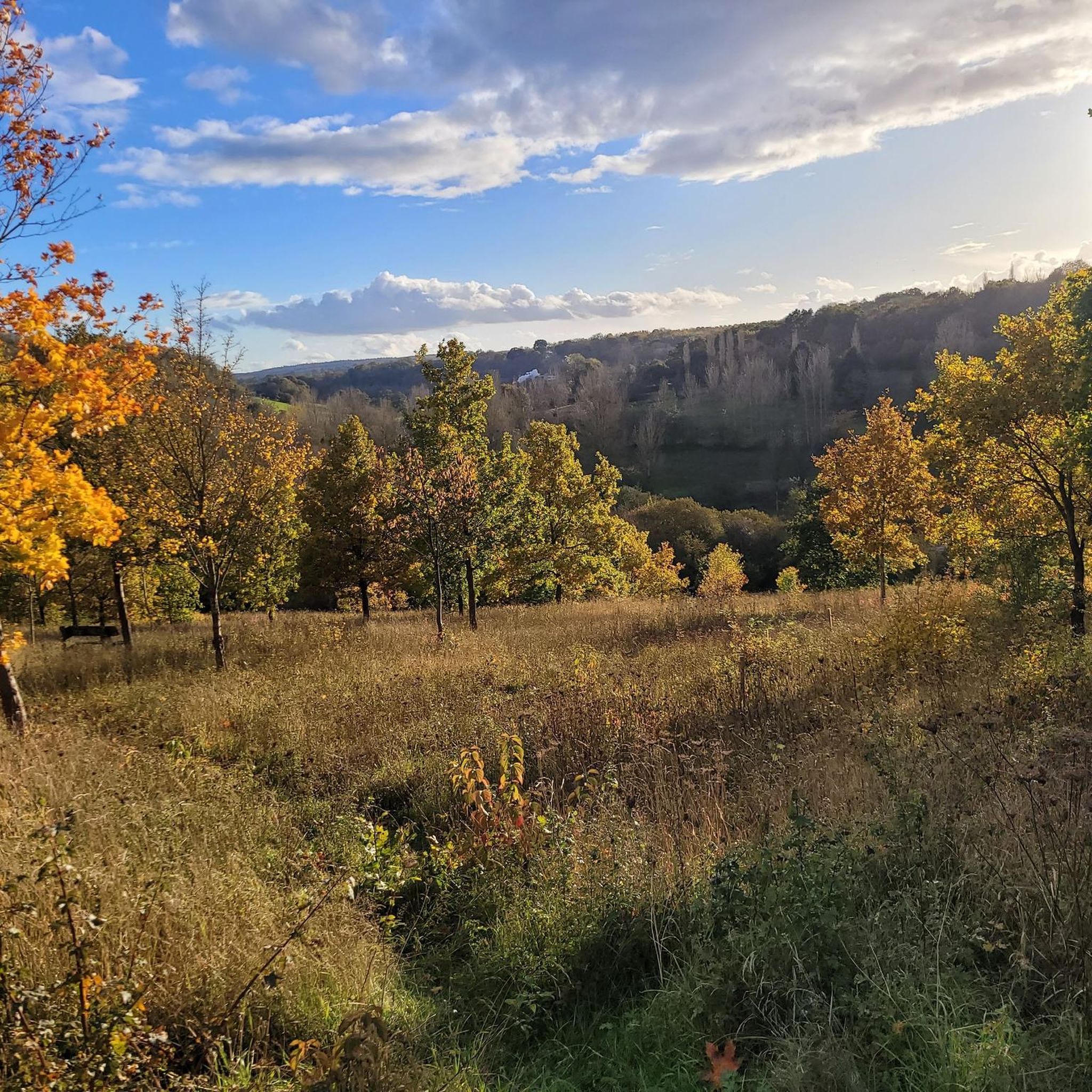
This area of the Wyre Forest Site of Special Scientific Interest belongs to John Ruskin's charity, the Guild of St George and is managed by the Wyre Community Land Trust. We are managing this area to support a mixture of high forest and heathland, which are valuable habitats for bats, birds and other species. In large areas of the woodland, the trees. are relatively young, and mainly comprise oak with bracken and bramble. This lack of diversity is a result of changes in woodland management following World War 1. when much of the woodland was no longer coppiced because of a collapse in the charcoal industry. In order to improve the habitat diversity, some trees have been removed to give those remaining more space to grow into large mature trees. The trees that are felled are extracted and processed at the Wyre Community land Trust's woodyard and sawmill at St George's Farm and used to make a variety of timber products and firewood. Volunteers have helped plant trees to ensure the forest has a diverse mixture of tree species that is more resilient to pests, disease and the effects of climate change.
0
0

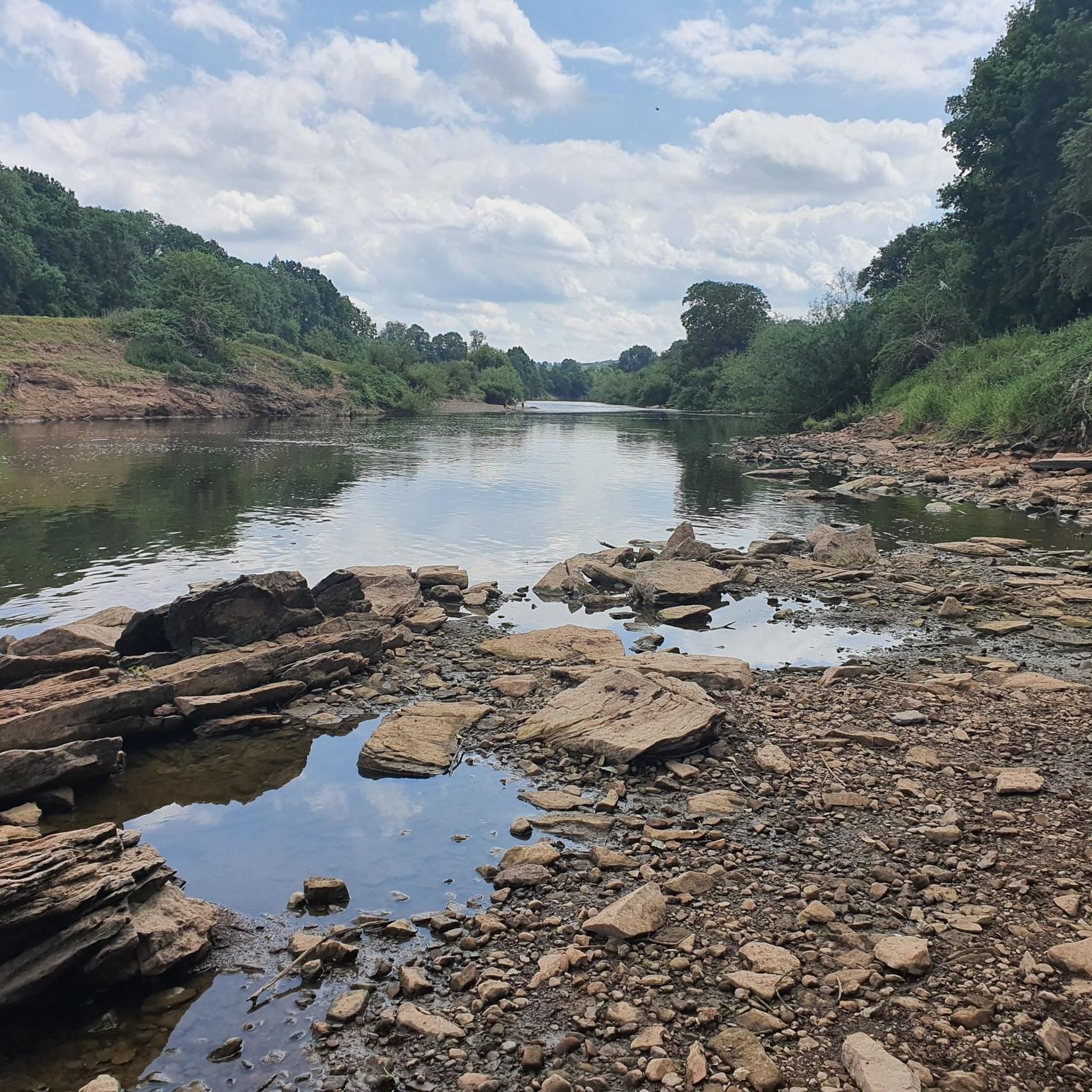
Obviously not wild swim today, but a great spot to consider in the summer months, if wild swimming is your thing. https://myoutdoors.co.uk/adventure/dark-adventures-in-the-shropshire-hills-katy-goes-wild-swimming
0
0
The cutting is through beds of Highley Sandstone. They were deposited in the river channels on swampy deltas 310 million years ago. Their characteristic grey-green tinge indicates deposition in oxygen-poor conditions of a humid swamp. This is in contrast to the red Alveley Sandstone, seen earlier, formed in the oxygen-rich environment of a semi-arid desert. The pronounced 'bedding planes' running almost horizontally across the rock face, represent breaks in deposition. 'Cross-bedded' or 'current-bedded' layers are inclined at angles to each other. This cross cutting relationship is a result of changing directions in the river current that deposited the sediments, in the same way as changes in wind direction caused the dune-bedding seen in the Bridgnorth Sandstone
0
0
Frequently Asked Questions
What are the most popular natural monuments around Billingsley?
Visitors particularly enjoy Boyne Water Lake, a tranquil spot perfect for picnics and wild swimming. Ruskin Land, a forest and natural monument, is also highly appreciated for its diverse habitats. Another popular site is the Worcestershire Natural Flood Management Project – Leaky Dams in Wyre Forest, which showcases innovative natural interventions.
Are there family-friendly natural monuments near Billingsley?
Yes, several natural monuments are suitable for families. Boyne Water Lake is a great picnic spot, and Ruskin Land offers forest exploration. The Worcestershire Natural Flood Management Project – Leaky Dams in Wyre Forest is also categorized as family-friendly, offering an educational experience about environmental management.
What unique geological features can I explore around Billingsley?
You can visit the Highley Sandstone Cutting, which reveals beds of Highley Sandstone deposited 310 million years ago. This site offers a fascinating glimpse into ancient river channels and swampy deltas, with distinct 'bedding planes' and 'cross-bedded' layers indicating past geological processes.
What kind of outdoor activities can I do near these natural monuments?
The area around Billingsley offers various outdoor activities. You can find excellent options for gravel biking, with routes like the Coalport Bridge – Jackfield Free Bridge loop. There are also numerous easy hikes, such as those in Severn Valley Country Park, and running trails, including loops from Highley and Alveley.
Are there hiking trails near the natural monuments?
Yes, there are several hiking opportunities. For easy walks, consider trails around Severn Valley Country Park, such as the Severn Valley Country Park – Highley and Alveley Footbridge loop. You can find more details and routes in the easy hikes guide around Billingsley.
What is the Ancient Morfe Forest Oak?
The Ancient Morfe Forest Oak is a significant natural monument located within what was once the medieval royal Morfe Forest. This area, historically bounded by the River Severn and River Worfe, offers a connection to the region's ancient woodland heritage, though much of the original forest has changed over centuries.
What is the purpose of the Leaky Dams in Wyre Forest?
The Worcestershire Natural Flood Management Project – Leaky Dams in Wyre Forest aims to reduce flooding in the Dowles Brook catchment. These small-scale, natural interventions help slow the flow of water during high rainfall, reducing erosion and widespread damage downstream. They are designed to work with nature, providing habitat for wildlife while managing water flow.
What kind of wildlife can be found in Ruskin Land?
Ruskin Land, managed by the Wyre Community Land Trust, supports a mixture of high forest and heathland. These diverse habitats are valuable for various species, including bats and birds. The management efforts focus on improving habitat diversity to support a resilient ecosystem.
Can I go wild swimming in any of the natural monuments?
Yes, Boyne Water Lake is noted as a tranquil spot that is considered suitable for wild swimming, especially during warmer months. It's also a great place for a picnic.
What do visitors enjoy most about the natural monuments around Billingsley?
Visitors appreciate the diverse natural features, from tranquil lakes like Boyne Water Lake to the unique geological formations of the Highley Sandstone Cutting. The community has shared 3 photos and given 12 upvotes, highlighting the scenic beauty and varied experiences these sites offer.
Are there any forests to explore near Billingsley?
Yes, the area features several forests. Ruskin Land is a forest and natural monument managed for its diverse habitats. Additionally, the Worcestershire Natural Flood Management Project is located within the Wyre Forest, offering opportunities to explore woodland environments.
Most popular attractions around Billingsley

Get inspired with the komoot mobile app


Explore more
Extend your search for the best caves by checking out these guides of the top ones around Billingsley:
