Tritlington And West Chevington
Tritlington And West Chevington
Top 7 Natural Monuments around Tritlington And West Chevington
Best natural monuments around Tritlington And West Chevington include a diverse range of natural features, from expansive coastlines to regenerated nature reserves. The area in Northumberland, England, offers significant natural landscapes and biodiversity. These sites provide opportunities to observe wildlife and explore varied terrain, including sandy beaches, dunes, lakes, and woodlands. The region's natural monuments are characterized by their ecological importance and recreational value.
Best natural monuments around Tritlington And West Chevington
- The most popular natural monuments is Queen Elizabeth…
Last updated: August 24, 2026
Queen Elizabeth II Country Park Lake
Highlight • Forest
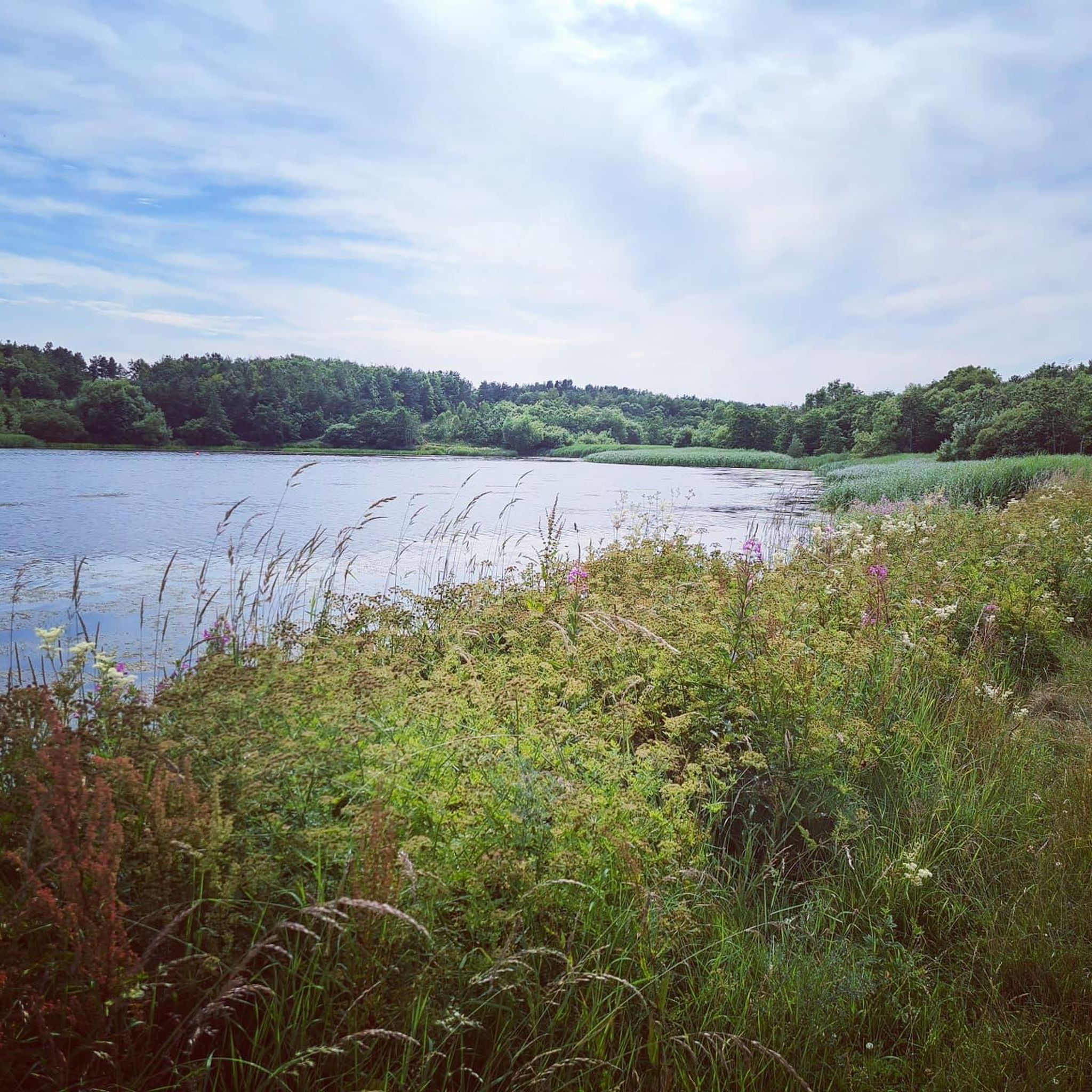
but a nice gentle stroll around a lake. easy going and just took it easy and rnjoyed the wildlife
Tip by

Hauxley Nature Reserve
Highlight • Natural Monument
This picturesque sanctuary attracts a diverse range of birds, including tree sparrows and …
Tip by

Sign up now to discover places like this
Get recommendations on the best single tracks, peaks, & plenty of other exciting outdoor places.
Sign up for free
Guyzance Tragedy Memorial and Weir
Highlight • Monument
Tip by

Ancient Submerged Forest Remains
Highlight • Natural
Tip by
Coquet Estuary Saltmarsh
Highlight • Natural Monument
Tip by
Sign up for free to discover even more natural monuments around Tritlington And West Chevington.
Sign up for free
Already have an account?
Start today with a free account
Your next adventure awaits.
Login or Signup
Tips from the Community

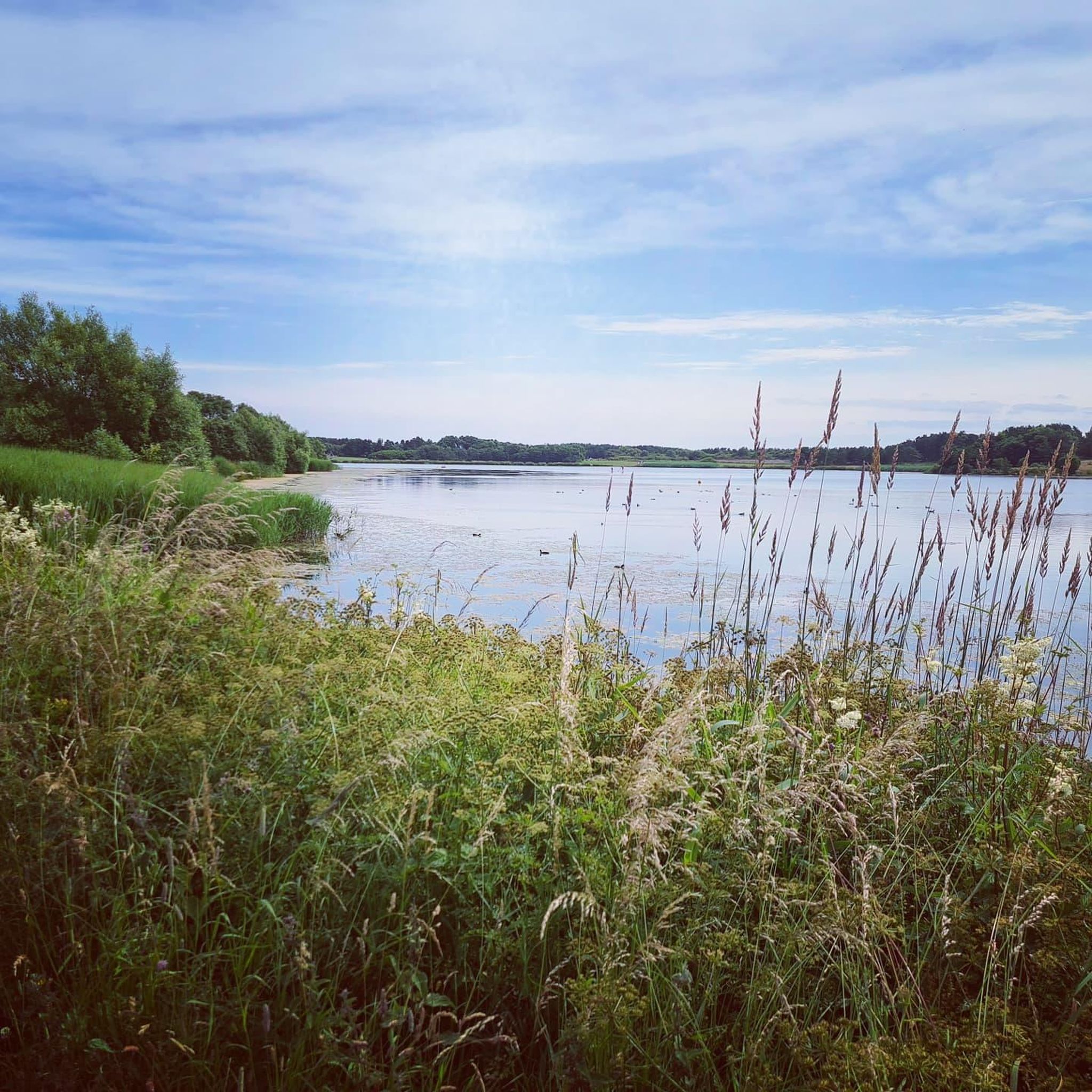
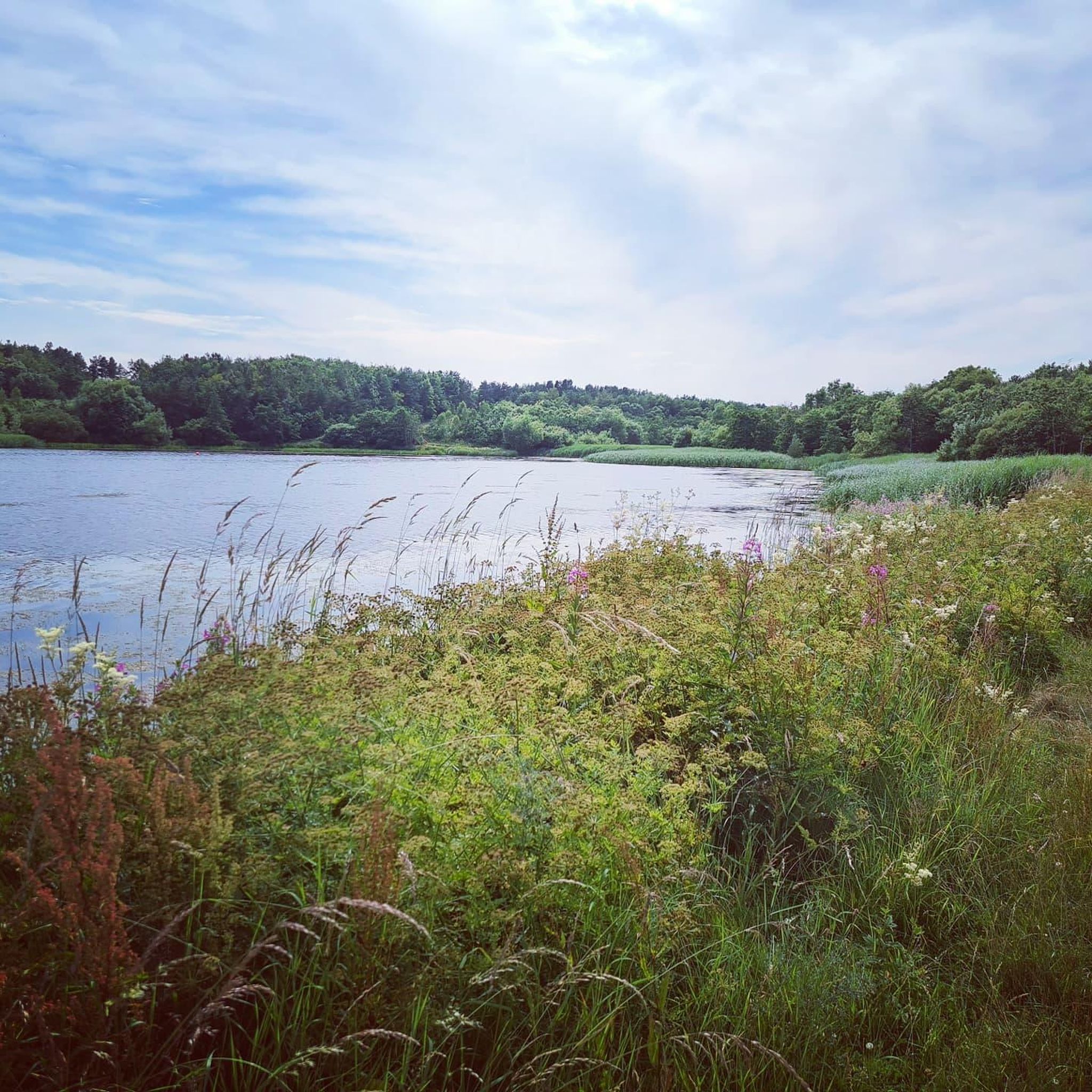
Free to park for 72 hours. theres a pub in the carpark that serves food. we didnt try it though but a nice gentle stroll around a lake. easy going and just took it easy and rnjoyed the wildlife
4
0

A paradise for terns. Also herons, barn owls, black-headed gulls, ...
0
0

even on a windy late March day theres dozens of species on the lake.
0
0

On 17 January 1945, ten soldiers drowned while taking part in a military exercise at Guyzance, on the River Coquet, in Northumberland. The river was in full flood and their boat was swept over the weir and capsized. The men, all aged 18, were weighed down by full combat gear and drowned. (Wikimedia Commons)
1
0

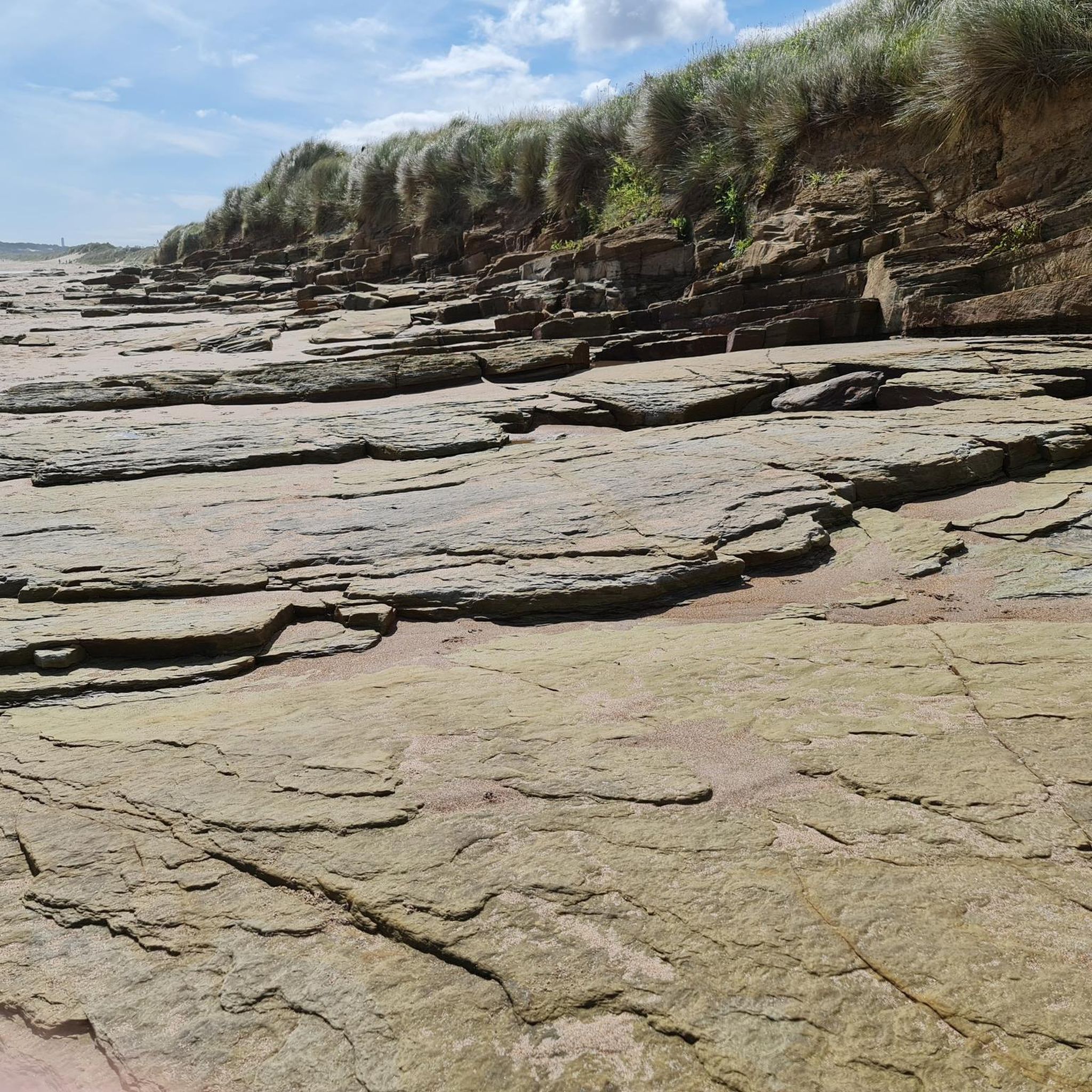
Beneath the dune sands, a layer of peat is marked by ancient tree trunks protruding from its surface. This layer and the tress burried within are approximatly 7000 years old. Directly beneath the peat lies stony clay, a deposit left behind by an ice sheet during the last glacial period, which ended roughly 15,000 years ago. The peat and its accompanying tree remnants provide a snapshot of the past ecosystem. Once part of a poorly drained lowland, the peat originated from vegetation that flourished here. The tree trunks, representing species like oak, alder, and hazel, stand as a reminder of a forested past.
0
0
The river Coquet is a desinated SSSI. In the saltmarsh you will find towards the front, Red Fescue grass (Restuca rubra), while closer to the sea, Saltmarsh Grass (Puccinallia maritima) dominates. Cord Grass (Spartina anglica) grows near the sea edge. The grass is frequently grazed by geese and swans, giving it a distinctive appearance. Among the grasses, you'll come across small red-leaved humps of Sea Pink (Armeria maritima), Sea Milkwort (Glaux maritima), Sea Aster (Aster tripolium), and Sea Plantain (Plantago maritima). In June, Common Scurvy Grass (Cochlearia officinalis) is in flower, adding touches of pinks and whites to the marsh. Further along the Coquet estuary, you can discover Sea Purslane.
0
0
Hauxley nature reserve has undergone a remarkable transformation, with the addition of the eco-friendly Wildlife Discovery Centre. This picturesque sanctuary attracts a diverse range of birds, including tree sparrows and coots. The reserve boasts stunning flowers like viper's bugloss and northern marsh orchids, attracting butterflies and dragonflies. Originally a coal mine, Hauxley was transformed by the Northumberland Wildlife Trust. Visitors can enjoy a circular walk, hides for bird watching, a wildlife sightings board, and a rubbing disc trail. The Lookout Café offers delicious refreshments with panoramic views. With volunteering opportunities and educational workshops, Hauxley nature reserve offers an immersive nature experience.
0
0

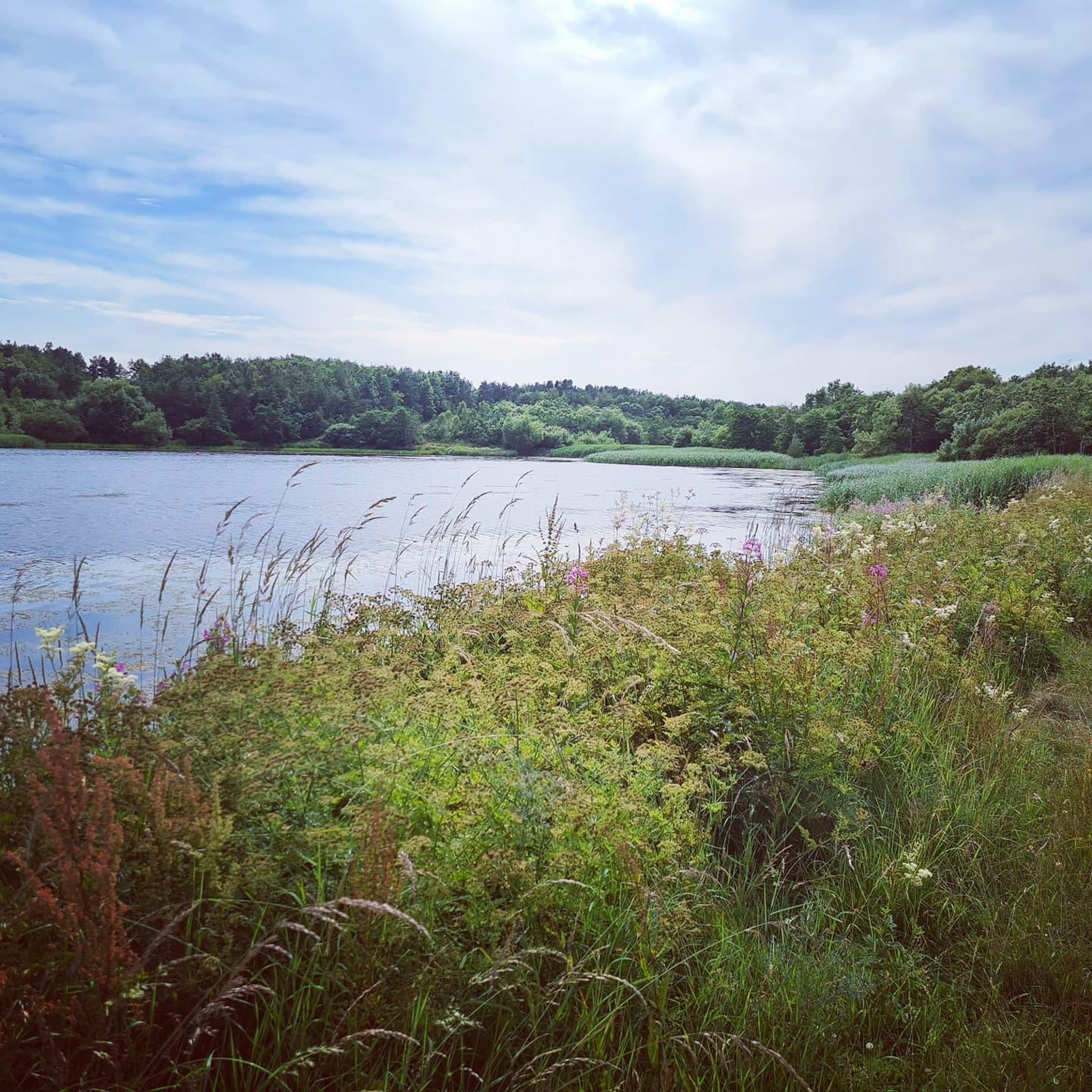
Once the spoil tip for nearby coal mines, this area is now a nature reserve with a large artificial lake. It's a great place for a walk either as part of a longer loop or as a gentle stroll just around the lake. Popular with families and dog walkers.
0
0
Frequently Asked Questions
What kind of wildlife can I expect to see around Tritlington And West Chevington's natural monuments?
The area is a haven for wildlife. At Hauxley Nature Reserve, you can spot diverse birds like tree sparrows and coots, along with butterflies and dragonflies attracted to stunning flowers. Druridge Bay is excellent for birdwatching, with wintering wildfowl, teal, goldeneye, and even otters on Ladyburn Lake. East Chevington Nature Reserve is renowned for water birds, including terns, water rails, snipe, and breeding marsh harriers, plus amphibians and various plant species like orchids.
Are there family-friendly natural monuments in the area?
Yes, several natural monuments are great for families. Queen Elizabeth II Country Park Lake offers a gentle stroll around a large artificial lake, popular with families and dog walkers. Hauxley Nature Reserve features an eco-friendly Wildlife Discovery Centre, a rubbing disc trail, and a café, making it engaging for all ages. Druridge Bay Country Park also provides well-maintained footpaths and picnic areas, ideal for family outings.
What outdoor activities can I do near these natural monuments?
The region offers a variety of outdoor activities. Druridge Bay is perfect for cycling, walking, paddling, and surfing, with Ladyburn Lake providing opportunities for windsurfing, canoeing, and sailing. You can find numerous routes for different sports. For cycling, explore options like the 'Druridge Bay – Druridge Bay Country Park loop' from Widdrington Village. If you prefer running, consider the 'Druridge Bay – View of the Lake loop' from East Chevington. Hiking enthusiasts can enjoy trails such as the 'View of the Lake – Chinese Bridge loop' from Druridge Bay Country Park. You can find more detailed routes on our guides for cycling, running, and hiking around Tritlington And West Chevington.
What unique natural features can be found here?
Beyond the well-known reserves, you can discover fascinating natural features. Explore the Ancient Submerged Forest Remains, where 7000-year-old tree trunks protrude from a peat layer beneath the dunes, offering a glimpse into a prehistoric ecosystem. The Coquet Estuary Saltmarsh is another unique site, a designated SSSI (Site of Special Scientific Interest) with distinct plant life like Sea Pink and Cord Grass, often grazed by geese and swans.
Are there any historical sites or monuments related to the natural landscape?
Yes, the area blends natural beauty with historical significance. Along Druridge Bay, you can still see evidence of World War II defenses, such as anti-tank blocks and pillboxes. Additionally, the Guyzance Tragedy Memorial and Weir on the River Coquet marks a historical event from 1945, offering a poignant connection to the river's past.
What is the best time of year to visit the natural monuments?
The natural monuments around Tritlington And West Chevington offer different experiences throughout the year. Spring and autumn are ideal for birdwatching, especially at East Chevington Nature Reserve, when migratory birds like pink-footed geese are common. Summer provides pleasant weather for beach activities and exploring the reserves. Even in winter, sites like East Chevington host elusive bitterns and offer unique birdwatching opportunities.
Are there accessible trails or facilities for visitors with limited mobility?
East Chevington Nature Reserve offers a network of designated walking trails with well-surfaced, level footpaths and bird hides, making it accessible for many visitors. Druridge Bay Country Park also has well-maintained paths suitable for gentle strolls. While specific wheelchair accessibility details vary, these sites generally aim to provide inclusive access to their natural wonders.
Where can I find food or accommodation near the natural monuments?
The area around Druridge Bay and East Chevington offers options for refreshments. Hauxley Nature Reserve has The Lookout Café, offering refreshments with panoramic views. There is also a pub in the car park near Queen Elizabeth II Country Park Lake that serves food. For broader options, nearby towns and villages will have pubs, cafes, and accommodation.
What makes Druridge Bay Country Park a significant natural monument?
Druridge Bay Country Park, part of the larger Druridge Bay, is significant for its diverse landscape regenerated from a former opencast coal mine. It features three miles of beach, sand dunes, and the 100-acre Ladyburn Lake. It's a vital wildlife haven, especially for birds, and offers extensive recreational activities like walking, cycling, and water sports, all within a scenic coastal setting.
What should I know about visiting East Chevington Nature Reserve?
East Chevington Nature Reserve is a premier birdwatching site with two large lakes, extensive reedbeds, and grasslands. It's managed by the Northumberland Wildlife Trust and is undergoing significant conservation efforts. Visitors can enjoy well-surfaced walking trails and bird hides. It's an excellent place to observe a wide variety of birds, amphibians, and diverse plant life. The site was formerly an opencast mine, now a thriving example of ecological recovery.
Are dogs allowed on the trails around these natural monuments?
Many areas, such as Queen Elizabeth II Country Park Lake, are popular with dog walkers. Druridge Bay also offers extensive sandy beaches where dogs are generally welcome, though restrictions may apply in certain areas or during specific seasons, especially near nature reserves to protect wildlife. Always check local signage and keep dogs under control, particularly in areas with ground-nesting birds or livestock.
How long does it take to explore the natural monuments?
The time needed varies greatly depending on the monument and your activity. A gentle stroll around Queen Elizabeth II Country Park Lake might take an hour or two. Exploring Hauxley Nature Reserve or East Chevington Nature Reserve, including birdwatching and visiting the visitor centers, could easily fill a half-day or more. Longer hikes or cycling routes along Druridge Bay could take several hours. Plan according to your interests and the specific trails you choose.
Most popular routes around Tritlington And West Chevington
Most popular attractions around Tritlington And West Chevington

Get inspired with the komoot mobile app


Explore more
Extend your search for the best caves by checking out these guides of the top ones around Tritlington And West Chevington:
