Top 7 Natural Monuments around Togston
Natural monuments around Togston showcase the diverse natural landscape of Northumberland. The region features coastal formations, significant wetlands, and ancient geological sites. These areas offer insights into the natural history and ecological richness of the Northumberland coast. The landscape is shaped by both ancient geological processes and more recent environmental changes.
Best natural monuments around Togston
- The most popular natural monument is Hauxley Nature Reserve, a natural monument and wetland that has undergone significant transformation. This sanctuary attracts a…
Last updated: July 1, 2026
Hauxley Nature Reserve
Highlight • Natural Monument
This picturesque sanctuary attracts a diverse range of birds, including tree sparrows and …
Tip by

Guyzance Tragedy Memorial and Weir
Highlight • Monument
Tip by

Sign up now to discover places like this
Get recommendations on the best single tracks, peaks, & plenty of other exciting outdoor places.
Sign up for free
Marden Rocks
Highlight • Natural
Tip by
Ancient Submerged Forest Remains
Highlight • Natural
Tip by
Coquet Estuary Saltmarsh
Highlight • Natural Monument
Tip by
Sign up for free to discover even more natural monuments around Togston.
Sign up for free
Already have an account?
Start today with a free account
Your next adventure awaits.
Login or Signup
Tips from the Community

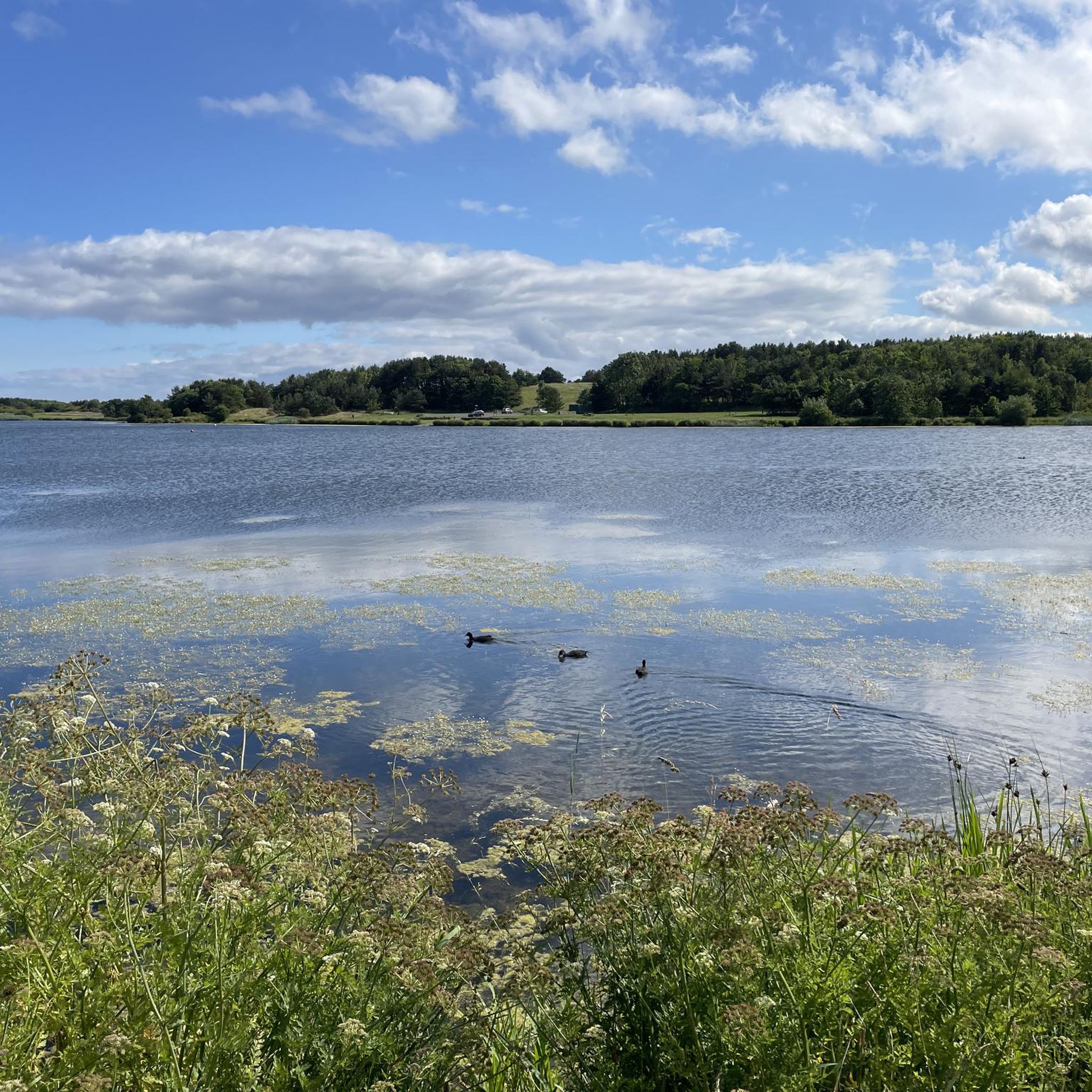
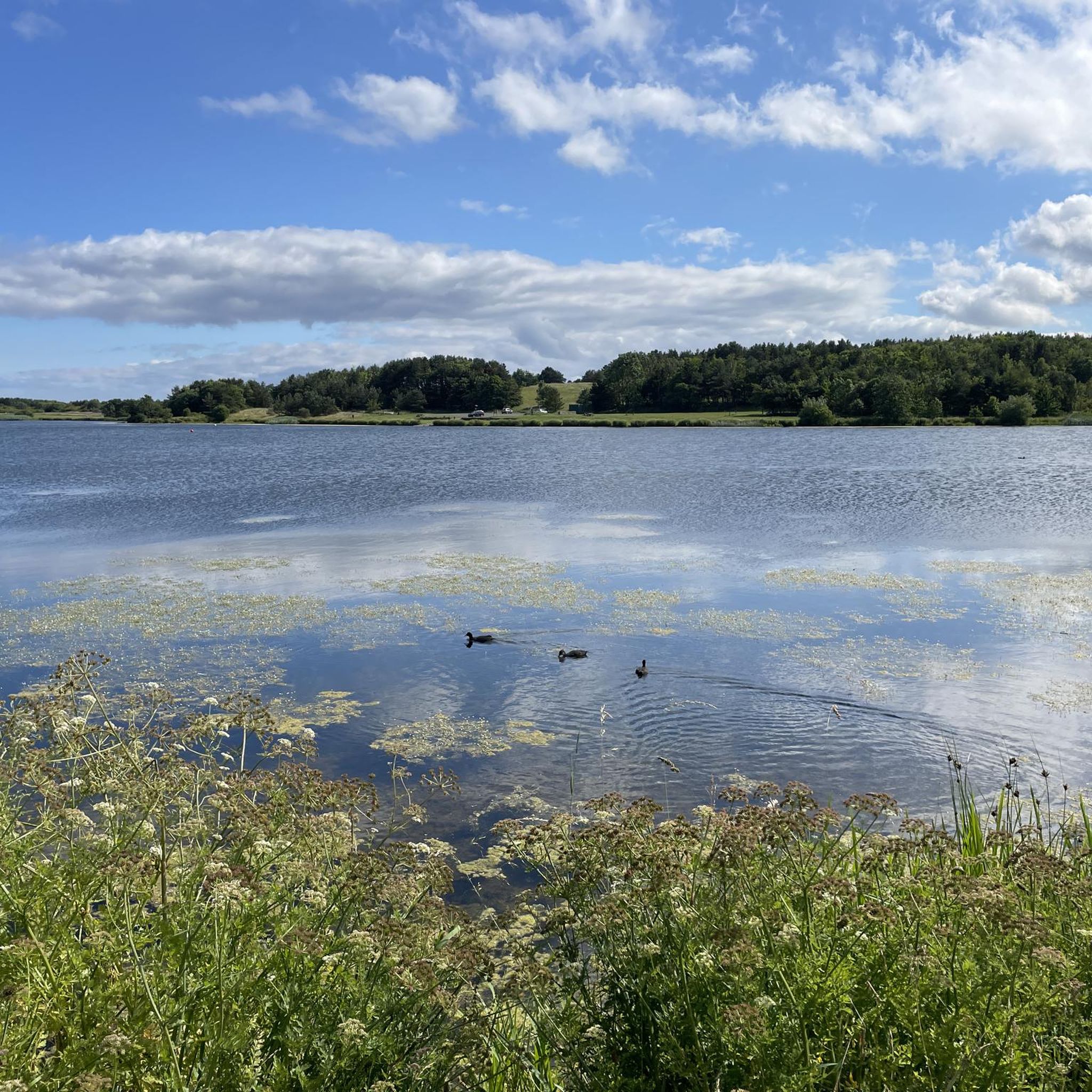
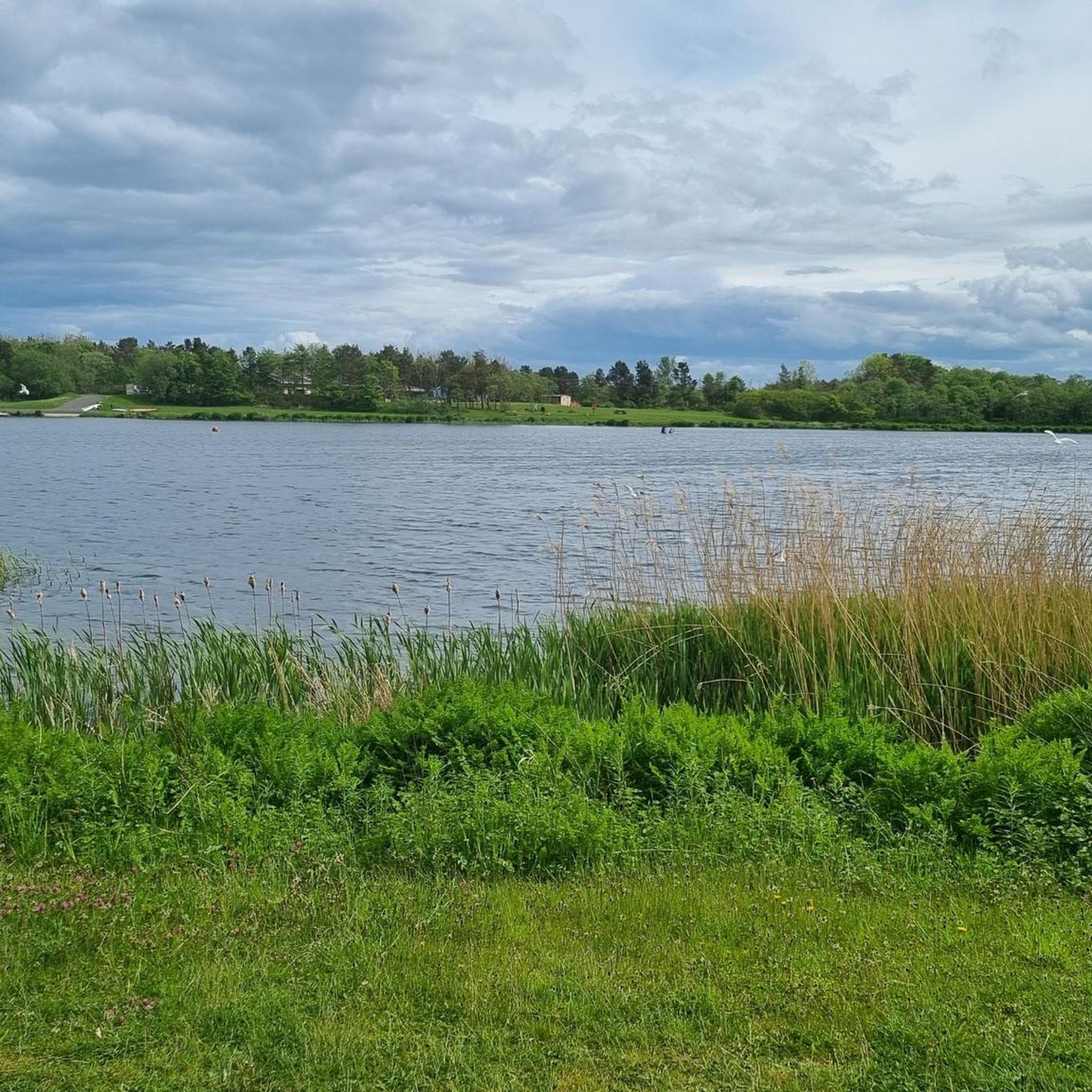
A paradise for terns. Also herons, barn owls, black-headed gulls, ...
0
0

even on a windy late March day theres dozens of species on the lake.
0
0

Marden Rocks are a series of sandstone rocks located on the Northumberland coast, between Alnmouth and Boulmer.
0
0

On 17 January 1945, ten soldiers drowned while taking part in a military exercise at Guyzance, on the River Coquet, in Northumberland. The river was in full flood and their boat was swept over the weir and capsized. The men, all aged 18, were weighed down by full combat gear and drowned. (Wikimedia Commons)
0
0
Beneath the dune sands, a layer of peat is marked by ancient tree trunks protruding from its surface. This layer and the tress burried within are approximatly 7000 years old. Directly beneath the peat lies stony clay, a deposit left behind by an ice sheet during the last glacial period, which ended roughly 15,000 years ago. The peat and its accompanying tree remnants provide a snapshot of the past ecosystem. Once part of a poorly drained lowland, the peat originated from vegetation that flourished here. The tree trunks, representing species like oak, alder, and hazel, stand as a reminder of a forested past.
0
0
The river Coquet is a desinated SSSI. In the saltmarsh you will find towards the front, Red Fescue grass (Restuca rubra), while closer to the sea, Saltmarsh Grass (Puccinallia maritima) dominates. Cord Grass (Spartina anglica) grows near the sea edge. The grass is frequently grazed by geese and swans, giving it a distinctive appearance. Among the grasses, you'll come across small red-leaved humps of Sea Pink (Armeria maritima), Sea Milkwort (Glaux maritima), Sea Aster (Aster tripolium), and Sea Plantain (Plantago maritima). In June, Common Scurvy Grass (Cochlearia officinalis) is in flower, adding touches of pinks and whites to the marsh. Further along the Coquet estuary, you can discover Sea Purslane.
0
0
Hauxley nature reserve has undergone a remarkable transformation, with the addition of the eco-friendly Wildlife Discovery Centre. This picturesque sanctuary attracts a diverse range of birds, including tree sparrows and coots. The reserve boasts stunning flowers like viper's bugloss and northern marsh orchids, attracting butterflies and dragonflies. Originally a coal mine, Hauxley was transformed by the Northumberland Wildlife Trust. Visitors can enjoy a circular walk, hides for bird watching, a wildlife sightings board, and a rubbing disc trail. The Lookout Café offers delicious refreshments with panoramic views. With volunteering opportunities and educational workshops, Hauxley nature reserve offers an immersive nature experience.
0
0
Frequently Asked Questions
What types of natural monuments can I explore around Togston?
Around Togston, you can explore a diverse range of natural monuments. These include significant wetlands like Hauxley Nature Reserve, coastal rock formations such as Marden Rocks, and the ecologically rich Coquet Estuary Saltmarsh. You can also discover ancient geological features like the Ancient Submerged Forest Remains.
Are there any family-friendly natural monuments in the Togston area?
Yes, Hauxley Nature Reserve is particularly family-friendly. It features an eco-friendly Wildlife Discovery Centre, a circular walk, hides for bird watching, and a rubbing disc trail, offering an immersive nature experience for all ages.
What kind of wildlife can I expect to see at the natural monuments near Togston?
At Hauxley Nature Reserve, you can spot a diverse range of birds, including tree sparrows, coots, terns, herons, and barn owls. The reserve also boasts stunning flowers like viper's bugloss and northern marsh orchids, attracting butterflies and dragonflies. The Coquet Estuary Saltmarsh is frequently grazed by geese and swans.
Are there historical natural monuments or sites of geological interest around Togston?
Yes, the Ancient Submerged Forest Remains offer a glimpse into the past, with 7000-year-old peat and tree trunks from oak, alder, and hazel. Additionally, the Guyzance Tragedy Memorial and Weir marks a historical event on the River Coquet.
What outdoor activities can I do near the natural monuments around Togston?
The area around Togston offers various outdoor activities. You can find numerous routes for gravel biking, mountain biking, and road cycling. For detailed routes and guides, explore options like Gravel biking around Togston, MTB Trails around Togston, and Road Cycling Routes around Togston.
Are there walking or hiking trails near these natural monuments?
Yes, many natural monuments are integrated into walking routes. For instance, Hauxley Nature Reserve features a circular walk. You can find various walking and hiking trails, including coastal paths, that allow you to explore these sites. Check the specific guide pages for gravel biking, MTB, and road cycling, as many of these routes also incorporate walking sections or scenic paths suitable for hiking.
Is there a café or facilities available at any of the natural monuments?
Yes, Hauxley Nature Reserve has the Lookout Café, which offers refreshments with panoramic views. The reserve also provides other facilities, including a Wildlife Discovery Centre.
What makes the Coquet Estuary Saltmarsh a significant natural monument?
The Coquet Estuary Saltmarsh is a designated Site of Special Scientific Interest (SSSI). It is characterized by specific grass species like Red Fescue, Saltmarsh Grass, and Cord Grass, and is frequently grazed by geese and swans. You can also find unique plants such as Sea Pink, Sea Milkwort, and Sea Aster.
What do visitors enjoy most about the natural monuments around Togston?
Visitors particularly enjoy the diverse birdlife and the tranquil atmosphere at places like Hauxley Nature Reserve. The scenic coastal formations of Marden Rocks and the unique ecological features of the Coquet Estuary Saltmarsh are also highly appreciated for their natural beauty and opportunities for exploration.
Are the natural monuments around Togston accessible by public transport?
While specific public transport routes directly to every natural monument may vary, many locations along the Northumberland coast are reachable by local bus services. It is advisable to check local bus schedules and routes for the most up-to-date information on reaching specific sites from Togston.
What is the best time of year to visit the natural monuments in Togston?
The best time to visit depends on your interests. Spring and summer are ideal for birdwatching and seeing wildflowers at places like Hauxley Nature Reserve. Coastal walks and exploring rock formations like Marden Rocks can be enjoyed year-round, though coastal weather can be unpredictable. Autumn offers different bird migration patterns and often pleasant walking conditions.
Can I bring my dog to the natural monuments around Togston?
Many outdoor areas and trails around Togston are dog-friendly, especially coastal paths and open natural spaces. However, specific rules may apply to nature reserves, particularly concerning areas with sensitive wildlife. For instance, at Hauxley Nature Reserve, dogs may be restricted to certain paths or require being on a lead to protect ground-nesting birds and other wildlife. Always check local signage.
Most popular attractions around Togston

Get inspired with the komoot mobile app


Explore more
Extend your search for the best caves by checking out these guides of the top ones around Togston:
