Top 10 Natural Monuments around Nunnykirk
Best natural monuments around Nunnykirk are found in a region characterized by diverse landscapes and significant geological features. Nunnykirk, a village in Northumberland, offers access to natural attractions within the Northumberland National Park. These areas showcase unique geological formations and varied terrain. The natural monuments in the vicinity provide opportunities for exploring the region's natural heritage.
Best natural monuments around Nunnykirk
- The most popular natural monuments is Simonside Summit, a natural monument that is a 429m (1400ft) summit. It…
Last updated: July 1, 2026
Simonside Summit
Highlight • Natural Monument
Tip by

Lordenshaw Cup and Ring Marked Rock
Highlight • Historical Site
Tip by

Sign up now to discover places like this
Get recommendations on the best single tracks, peaks, & plenty of other exciting outdoor places.
Sign up for free
View from Dove Crag
Highlight • Natural Monument
Tip by
Little Church Rock
Highlight • Natural Monument
Tip by

The Punch Bowl
Highlight • Natural Monument
Tip by

Sign up for free to discover even more natural monuments around Nunnykirk.
Sign up for free
Already have an account?
Start today with a free account
Your next adventure awaits.
Login or Signup

Tips from the Community

can be easy or difficult, depends which side you ascend from. so choose wisely
2
0

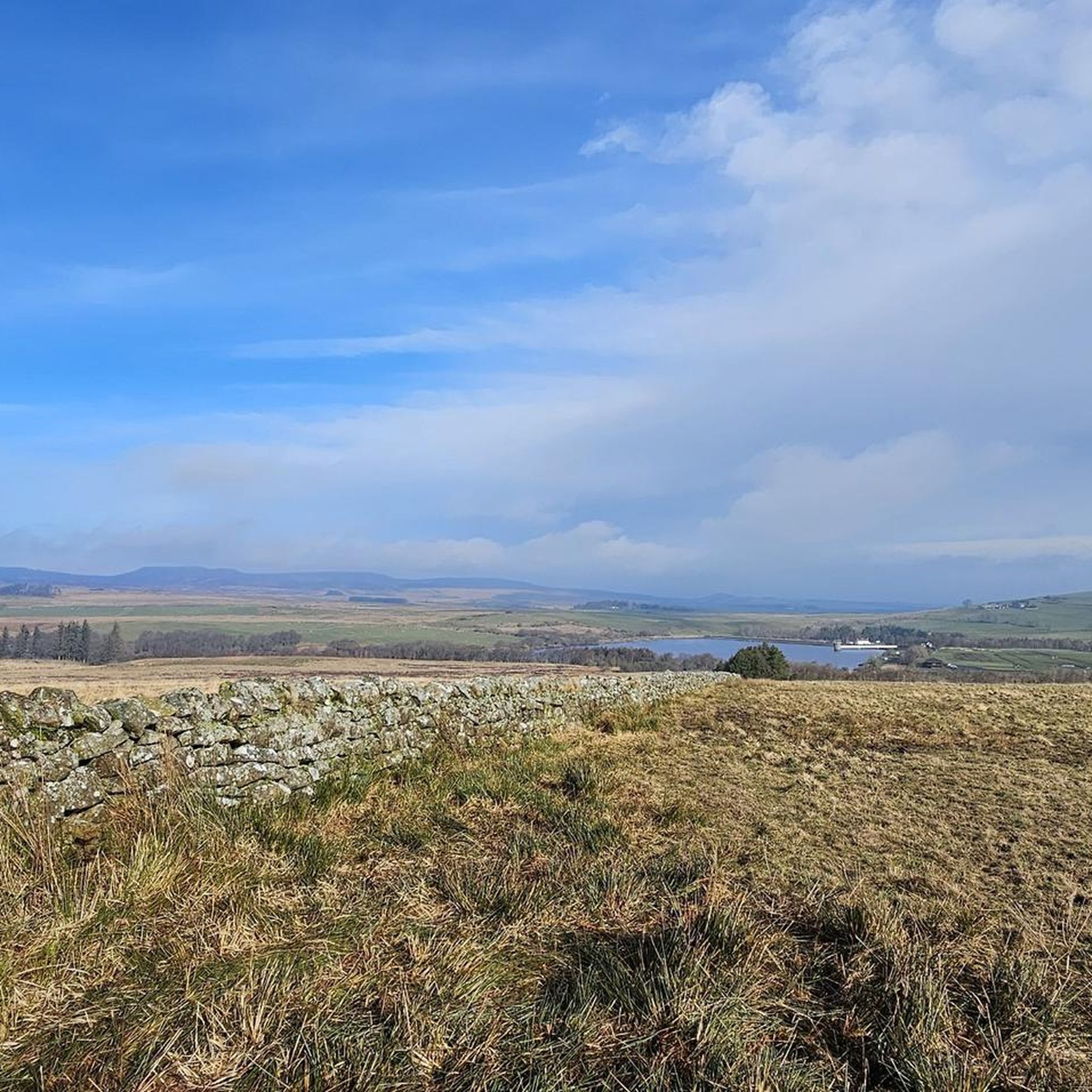
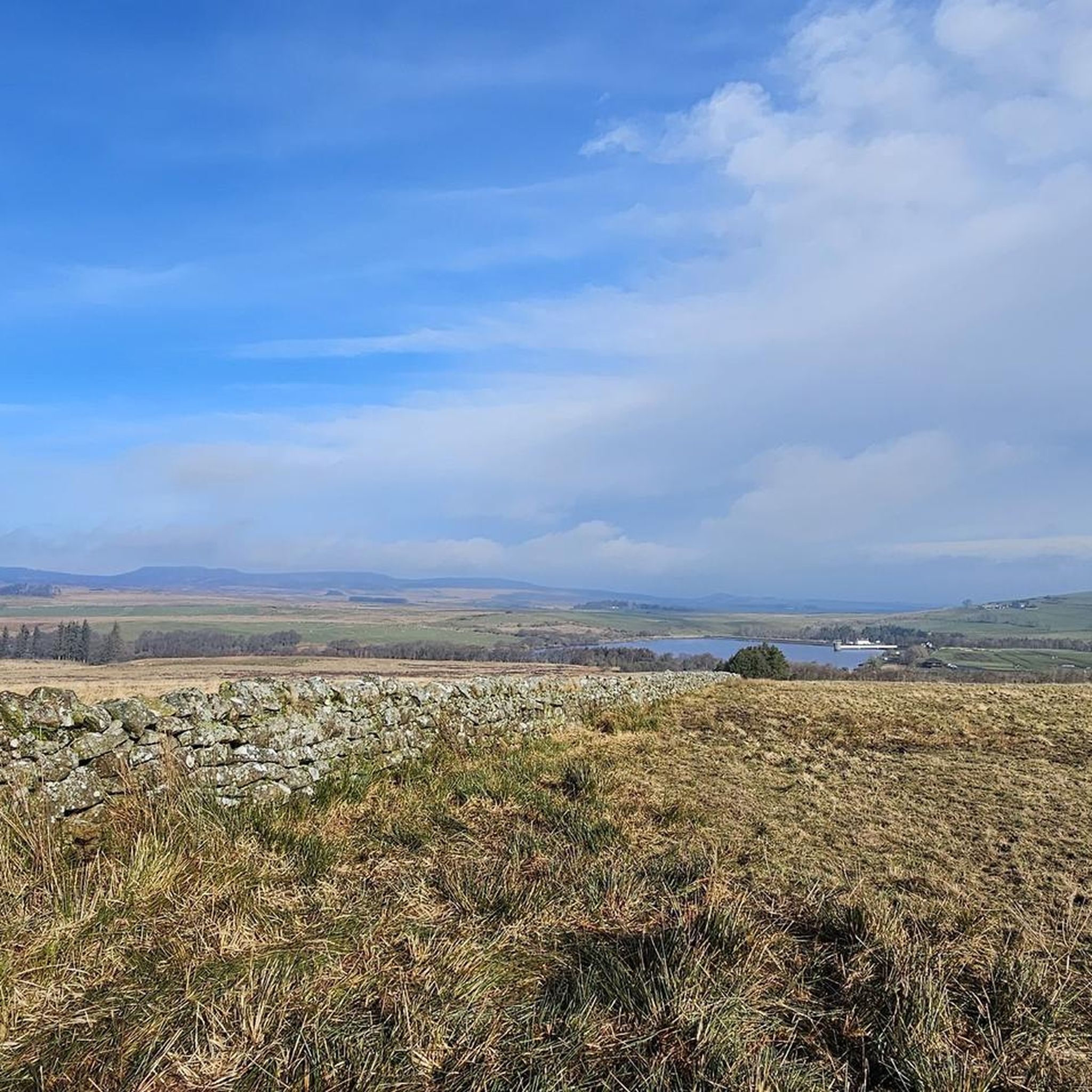
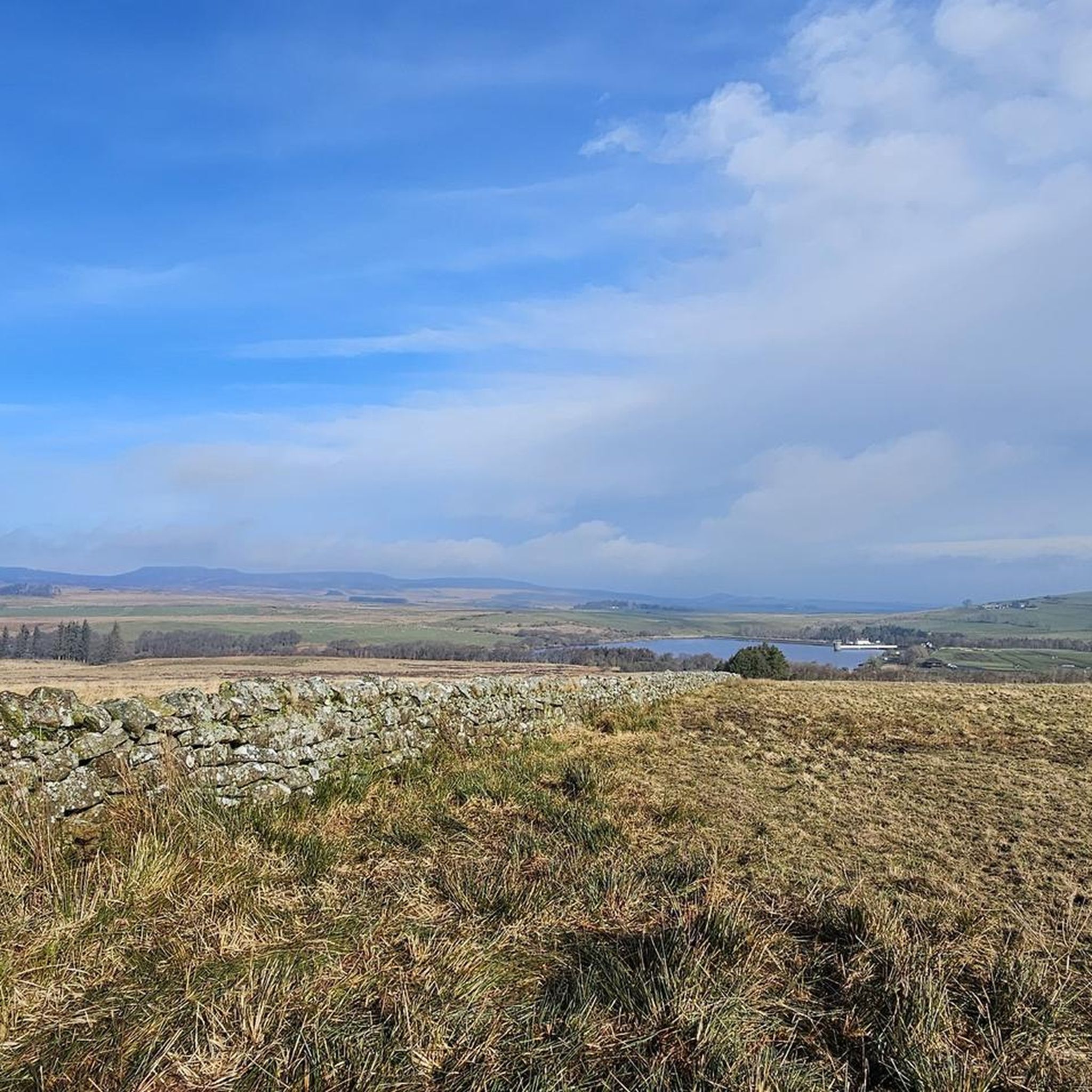
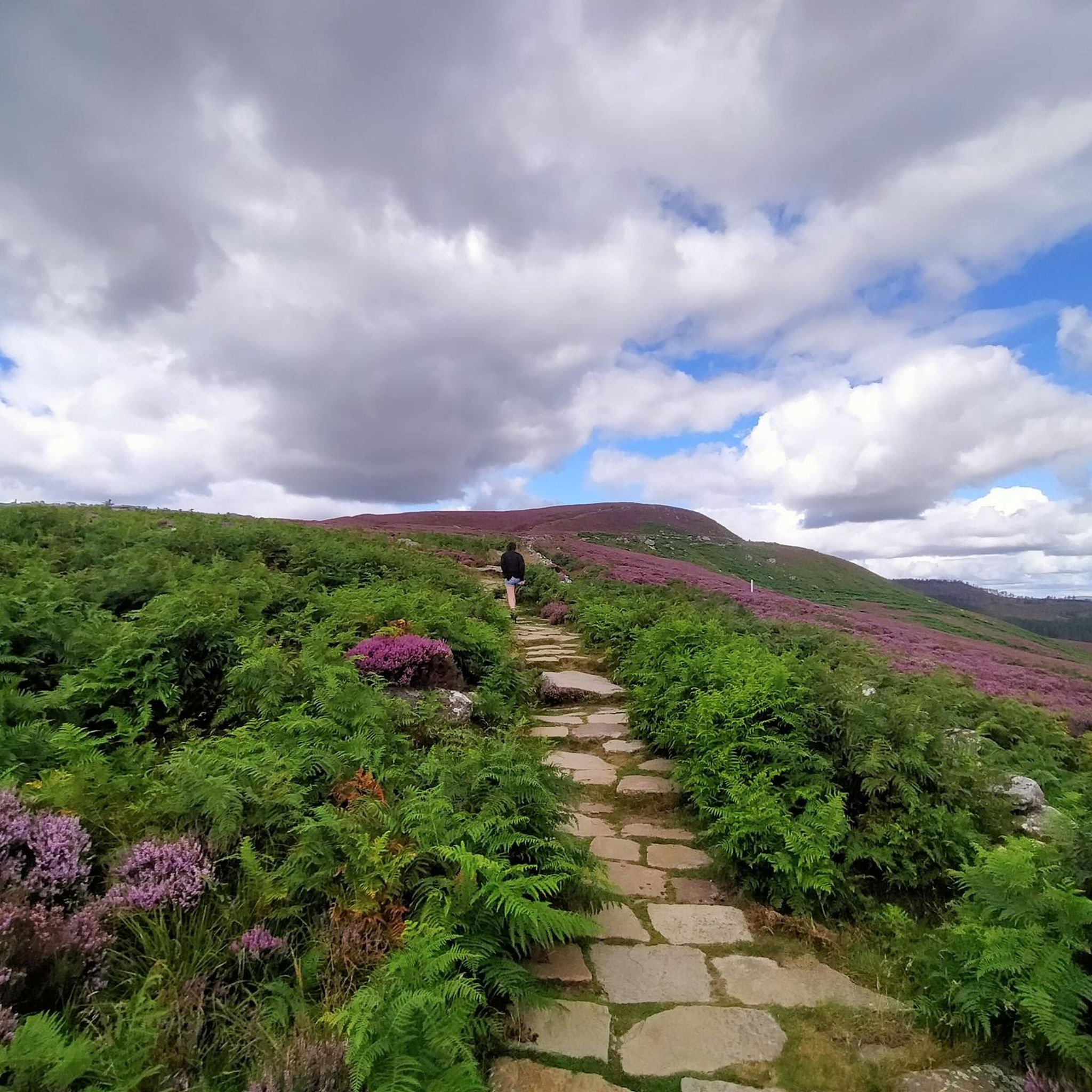
Simonside is a 429m (1400ft) summit perched atop the untamed wilderness of the Northumberland National Park. It boasts a rugged ridge that commands sensational views of the Cheviot Hills to the north and the whole Northumbrian coastline to the east. In close reach from Rothbury, Simonside is a top pick for epic views. Bring a flask of tea, settle in and relish the perfect scenery surround you.
3
0

A lovely lonely isolated outcrop of fell sandstone hidden in a dense forest. It may have been a gathering place in days past and hence its name. A very old and eerie gathering place at that. A lovely place full of character though.
2
0

Welcome to the Punch Bowl, a notable geological feature. It consists of a hollow depression on top of the large rock, naturally formed but enlarged by human intervention. To reach it, you'll need to climb up the side of the rock, so be cautious as it's a considerable drop. When facing the Punch Bowl, you'll notice a small boulder on the right known as the Piper's Chair. Give it a try and you'll understand why it's called that.
0
0


Lordenshaws is an ancient Iron Age hill fort built around 2000 years ago. There is also evidence of a Bronze Age burial mound. The cup and ring marks on this great stone are thought to be rock art etched into the stone by Neolithic and Bronze Age people between 6000 and 3500 years ago. It's well worth running up here from the car park before starting a loop of the Simonside Hills to have a look at this ancient monument and take in the views of the hills you're about to run. It's also on the St Oswald's Way long distance trail or on the way to the Simonside Hills from Rothbury.
0
0
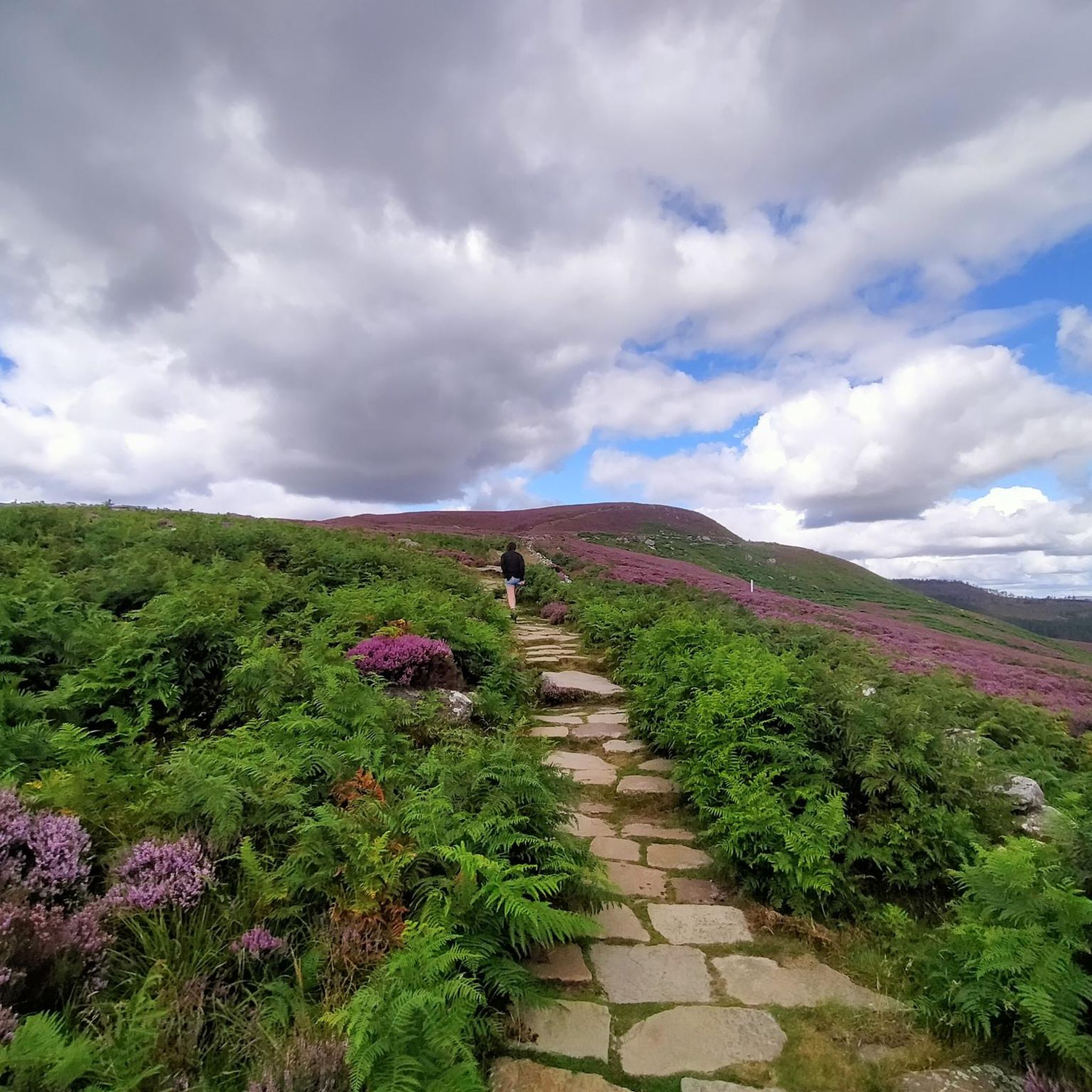
Simonside is a sandstone outcrop at 429m with great views over the Cheviots and out east to the North Sea. The running is on good trails across moorland and up to the edges. It's generally good underfoot with a wild feeling, especially if you run outside of peak times. Look out for curlew, red grouse, mountain bumblebee, emperor moth, and even red squirrels in the forest areas.
1
0

The ancient Fort on the top of the hill is fascinating. I loved seeing the cup and ring markings on the large rocks.
0
0
Frequently Asked Questions
What are some of the most striking natural monuments to visit near Nunnykirk?
Near Nunnykirk, you can explore several impressive natural monuments. The Simonside Summit offers panoramic views of the Cheviot Hills and the Northumbrian coastline. Another notable spot is the View from Dove Crag, a crag formed 15,000 years ago, providing spellbinding views over Northumberland.
Are there any natural monuments with historical significance around Nunnykirk?
Yes, the Lordenshaw Cup and Ring Marked Rock is a natural monument with significant historical value. It features ancient carvings created by Neolithic and Early Bronze Age ancestors, dating back 6,000 to 3,800 years ago. This site also includes an Iron Age hillfort and Bronze Age burial mounds.
What unique geological features can I find near Nunnykirk?
The region around Nunnykirk is rich in geological features. The Simonside Hills, for instance, are part of the Northumberland National Park's diverse geology. You can also find the Whin Sill, a hard dolerite intrusion forming dramatic escarpments, and the Cheviot Massif, composed of Devonian age volcanic rocks. For more detailed information on the region's geology, you can visit the Northumberland National Park website.
Are there any hidden or secluded natural monuments worth discovering?
Yes, Little Church Rock is an isolated outcrop of fell sandstone hidden within a dense forest. It's a secluded spot with character, featuring cup marks thought to be over 4,000 years old, suggesting it may have been an ancient gathering place.
What kind of outdoor activities can I do near the natural monuments?
The area around Nunnykirk offers a variety of outdoor activities. You can find numerous trails for hiking, running, and cycling. For example, there are many running trails and cycling routes that pass by or lead to these natural wonders. The Simonside Hills are particularly popular for walkers and hikers.
Are there any family-friendly natural monuments or walks?
Many natural monuments in the area can be enjoyed by families. The Lordenshaw Cup and Ring Marked Rock is considered family-friendly, offering an engaging historical element. Additionally, easy circular walks around the Harbottle Hills can lead to the Drake Stone and Harbottle Lake, providing accessible options for families.
What is The Punch Bowl and how can I visit it?
The Punch Bowl is a unique geological feature, a hollow depression on top of a large rock. It's naturally formed but has been enlarged by human intervention. To reach it, you'll need to climb the side of the rock, so caution is advised due to the considerable drop. Nearby, you'll also find the Piper's Chair.
Where can I experience coastal natural beauty near Nunnykirk?
For coastal natural beauty, Druridge Bay Country Park is a stunning option, though a bit further afield. It features golden sandy beaches, extensive dunes, and several nature reserves. This area is excellent for walks, cycling, and water sports, and is a haven for wildlife and grazing animals.
What wildlife can I expect to see around the natural monuments?
The natural monuments around Nunnykirk are home to diverse wildlife. In the Simonside Hills, which are a Special Area of Conservation, you might spot curlews, red grouse, wild goats, and even red squirrels in the forests below. The tranquil waters and riparian landscapes of Harbottle Lake and the River Coquet also provide habitats for various species.
What is the best time to visit the natural monuments near Nunnykirk?
The best time to visit depends on your preferred activity. Spring and summer offer pleasant weather for hiking and exploring, with vibrant flora and active wildlife. However, the Simonside Hills can be very boggy, especially after rain, so good footwear is essential regardless of the season. Autumn provides beautiful scenery with changing foliage, while winter offers a stark, wild beauty, though conditions can be challenging.
Are there any specific natural landmarks related to water features?
Yes, Harbottle Lake and the River Coquet are significant water features contributing to the region's natural beauty. Harbottle Lake is part of scenic walks, and the River Coquet, which flows nearby, is often included in routes highlighting riverside views. The river's course is also paralleled by the Acklington Dyke, a notable geological intrusion.
What is the Drake Stone and where is it located?
The Drake Stone is an impressive glacial erratic, a large boulder deposited by a glacier, located in the Harbottle Hills. It's a prominent natural landmark accessible from Alwinton and can be visited as part of easy circular walks that also include the ruins of Harbottle Castle and Harbottle Lake.
Most popular attractions around Nunnykirk

Get inspired with the komoot mobile app


Explore more
Extend your search for the best caves by checking out these guides of the top ones around Nunnykirk:
