Top 12 Natural Monuments around Hepple
Best natural monuments around Hepple are found within the Coquetdale area of Northumberland, offering a diverse natural landscape. The region is characterized by its rewilding efforts at Hepple Wilds, which encompasses over 4,000 acres focused on biodiversity and nature recovery. Visitors can explore significant natural features, including summits, crags, and unique geological formations, alongside historical elements like Iron Age hill forts. This area provides opportunities to engage with a thriving rewilded landscape and experience the wild nature of Northumberland.
Best…
Last updated: May 3, 2026
Simonside Summit
Highlight • Natural Monument
Tip by

Simonside Crag
Highlight • Climb
Tip by

Sign up now to discover places like this
Get recommendations on the best single tracks, peaks, & plenty of other exciting outdoor places.
Sign up for free
Lordenshaw Cup and Ring Marked Rock
Highlight • Historical Site
Tip by

The Drake Stone
Highlight • Natural
Tip by
View from Dove Crag
Highlight • Natural Monument
Tip by
Sign up for free to discover even more natural monuments around Hepple.
Sign up for free
Already have an account?
Start today with a free account
Your next adventure awaits.
Login or Signup
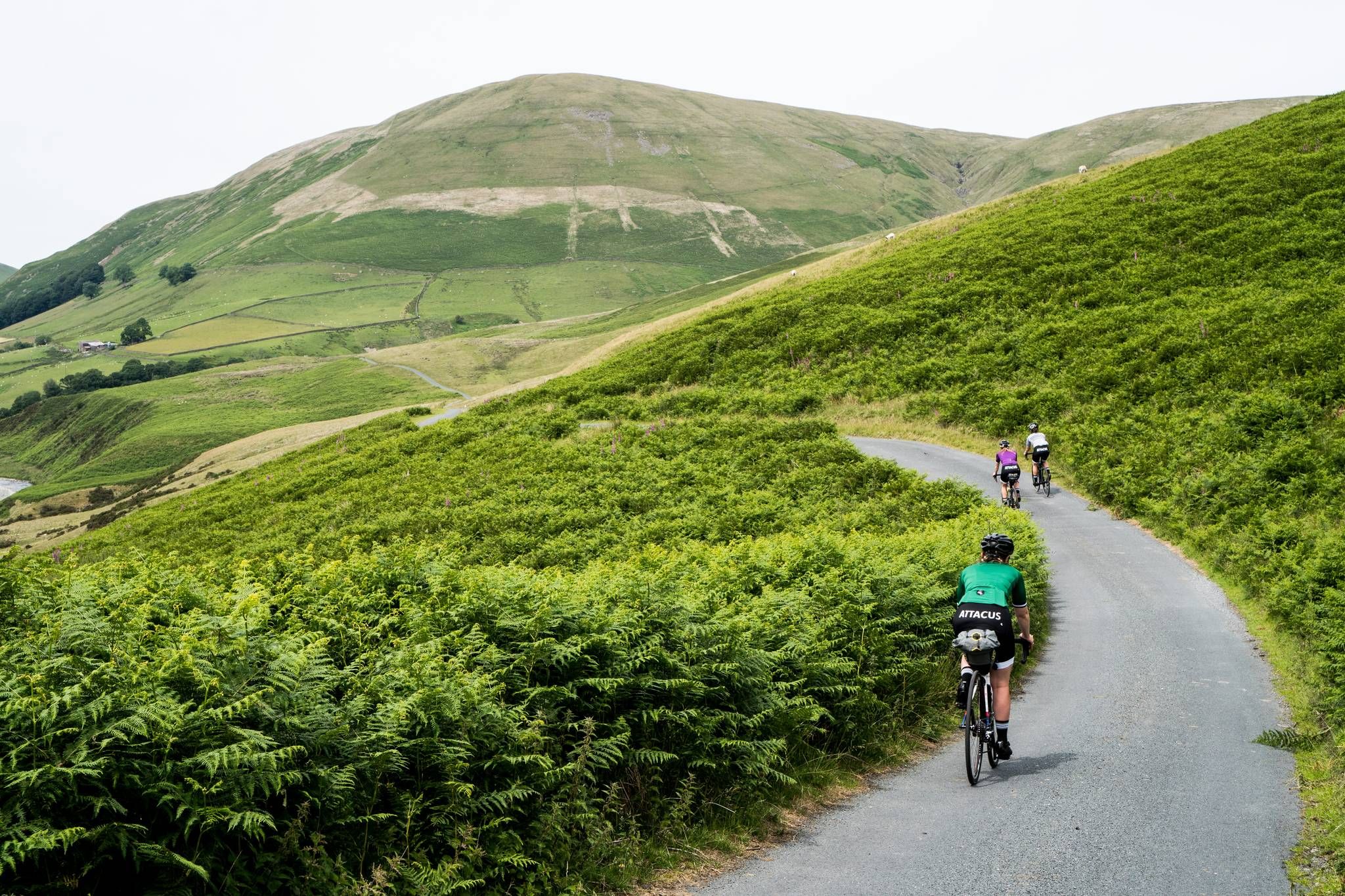
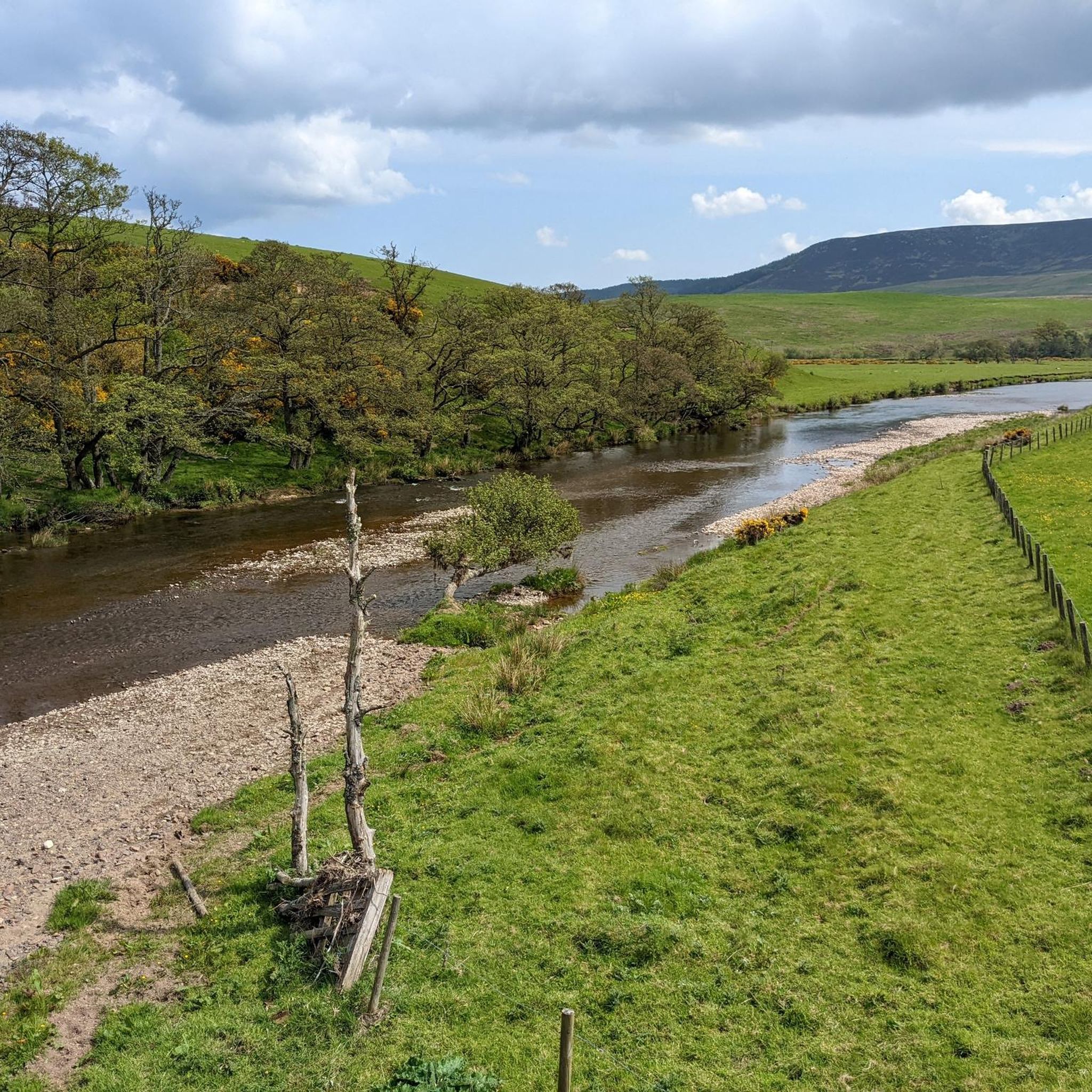
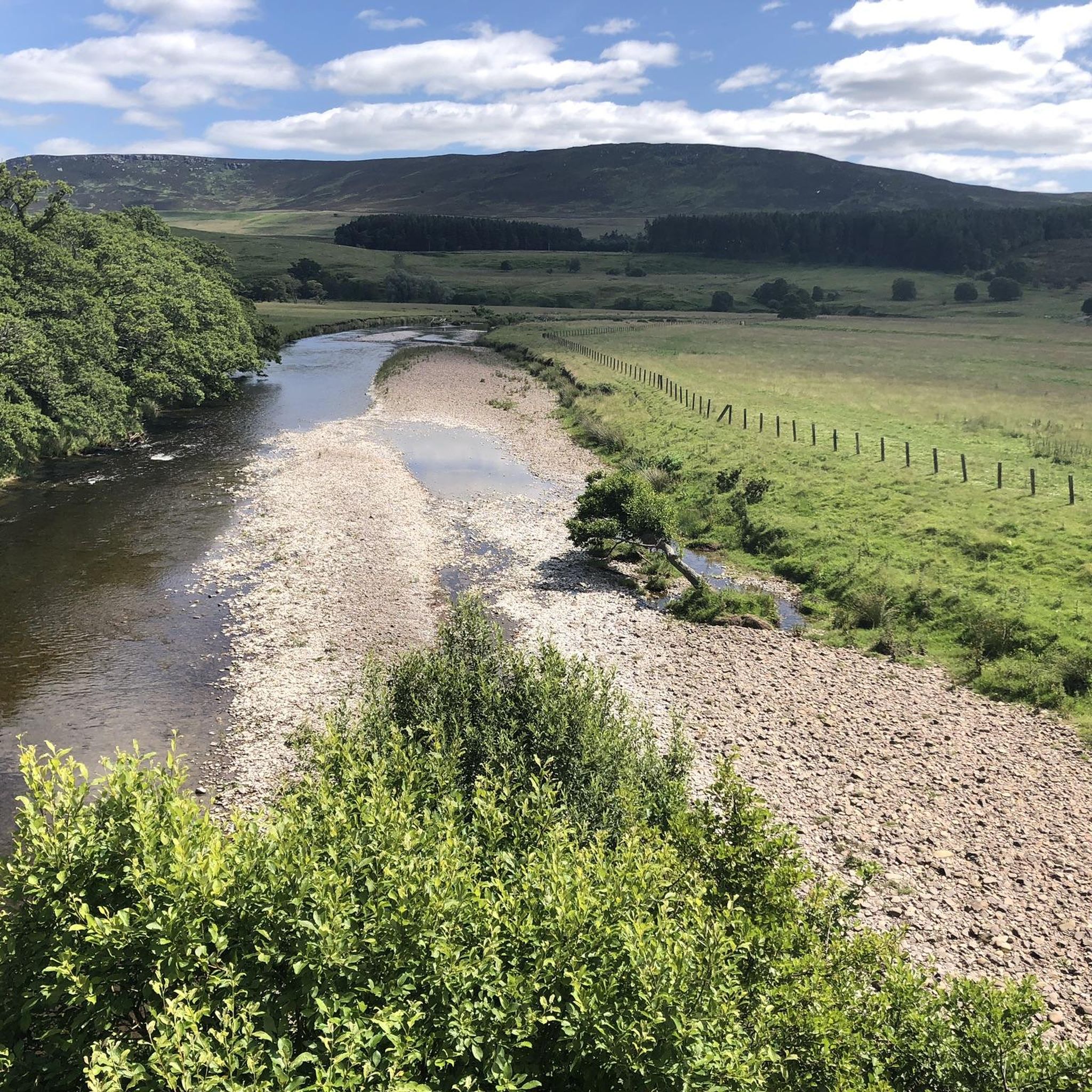

Other adventures around Hepple

Tips from the Community

can be easy or difficult, depends which side you ascend from. so choose wisely
2
0

A rocky scramble at the end of this climb really does make you feel like you’re almost a mountain climber. Wear sturdy shoes and take care and you’ll be treated with unmissable views
0
0

Simonside is a 429m (1400ft) summit perched atop the untamed wilderness of the Northumberland National Park. It boasts a rugged ridge that commands sensational views of the Cheviot Hills to the north and the whole Northumbrian coastline to the east. In close reach from Rothbury, Simonside is a top pick for epic views. Bring a flask of tea, settle in and relish the perfect scenery surround you.
3
0

The Drake Stone is a large sandstone boulder that is said to have healing powers and is believed to have been used by druids in their rituals. The stone is about 20 feet tall and weighs 2,000 tonnes. It is said that children who touch the stone are cured of their ailments. The Drake Stone is also said to be haunted. According to legend, a voice once boomed from the stone, warning workers who were attempting to drain the lake nearby that the village would be flooded if they continued. Additionally, those who spend the night near the stone are said to be unable to leave in the morning.
0
0


Lordenshaws is an ancient Iron Age hill fort built around 2000 years ago. There is also evidence of a Bronze Age burial mound. The cup and ring marks on this great stone are thought to be rock art etched into the stone by Neolithic and Bronze Age people between 6000 and 3500 years ago. It's well worth running up here from the car park before starting a loop of the Simonside Hills to have a look at this ancient monument and take in the views of the hills you're about to run. It's also on the St Oswald's Way long distance trail or on the way to the Simonside Hills from Rothbury.
0
0
Simonside is a sandstone outcrop at 429m with great views over the Cheviots and out east to the North Sea. The running is on good trails across moorland and up to the edges. It's generally good underfoot with a wild feeling, especially if you run outside of peak times. Look out for curlew, red grouse, mountain bumblebee, emperor moth, and even red squirrels in the forest areas.
1
0

The ancient Fort on the top of the hill is fascinating. I loved seeing the cup and ring markings on the large rocks.
0
0
Frequently Asked Questions
What unique natural features can I explore around Hepple?
Hepple is renowned for its diverse natural landscape, particularly within the Coquetdale area. You can explore significant natural features such as summits, crags, and unique geological formations. A prominent example is Simonside Summit, a 429m peak offering expansive views of the Cheviot Hills and the Northumbrian coastline. Another must-see is View from Dove Crag, which provides spellbinding views over Northumberland from a crag formed 15,000 years ago.
Are there any historical or archaeological sites among the natural monuments near Hepple?
Yes, the area integrates historical elements into its natural landscape. For instance, Lordenshaw Cup and Ring Marked Rock is an Iron Age hillfort with Bronze Age burial mounds, featuring ancient cup and ring carvings from 6,000 to 3,800 years ago. Within the Hepple Wilds rewilding estate, you can also discover an Iron Age Hill Fort with visible ramparts and remnants of an ancient duck pond.
What is Hepple Wilds and what makes it special?
Hepple Wilds is an ambitious 4,000-acre rewilding project within the Hepple Estate, focused on enhancing biodiversity and nature recovery. It's special because it's actively reshaping the Northumbrian landscape through 'managed wilding,' including the reintroduction of large grazing animals, extensive wetland creation, peat restoration, and tree planting. It offers a unique opportunity to engage with a thriving rewilded landscape and learn about conservation in action.
What kind of wildlife and flora can I expect to see at Hepple Wilds?
The rewilding efforts at Hepple Wilds are fostering a richer natural environment. Visitors might encounter local wildlife like Roe Deer, and various fungi such as False Turkey Tail and Candlesnuff fungus. The estate also features specific botanicals like green juniper, Douglas fir, lovage, bog myrtle, and blackcurrants, which are even used in the locally produced Hepple Gin.
Are there family-friendly natural monuments or activities around Hepple?
Yes, the Lordenshaw Cup and Ring Marked Rock is considered family-friendly, offering an engaging historical site amidst nature. The Hepple Wilds estate also provides nature-focused events and guided walks, which can be educational and enjoyable for families interested in ecological restoration and wildlife.
What outdoor activities can I do near Hepple's natural monuments?
The area around Hepple offers a variety of outdoor activities. You can find numerous routes for hiking, running, and mountain biking. For example, popular hiking trails include the Simonside and Dove Crag Circular, and the Darden Pike and Darden Lough Trail. You can explore more options for hiking, running, and mountain biking around Hepple.
Are there any unique geological formations to see?
Absolutely. Besides the crags like Dove Crag, you can visit The Drake Stone, a large sandstone boulder with legendary status, said to have healing powers and once a druid meeting place. Another interesting formation is Little Church Rock, an isolated outcrop of fell sandstone hidden in a dense forest, possibly used as a gathering place in ancient times.
What is the best time to visit the natural monuments around Hepple for walking?
While there isn't a single 'best' time, consider visiting during drier seasons. Some areas, particularly on higher ground like Simonside, can be very boggy, so good waterproof footwear is essential. Spring and autumn often offer pleasant temperatures and beautiful scenery, though summer provides longer daylight hours.
Can I learn more about the rewilding efforts at Hepple Wilds?
Yes, Hepple Wilds offers high-quality, bespoke nature-focused events, including guided walks led by resident naturalists. These tours provide insights into the rewilding practices, reveal hidden gems of the estate, and immerse visitors in the wild nature of the area. You can find more information about their offerings on the Visit Northumberland website.
Is there a local product associated with Hepple Wilds?
Yes, the Hepple Estate is home to Hepple Spirits, a micro-distillery that produces award-winning gin. This gin is inspired by and incorporates local wild botanicals found on the estate. Tours of the distillery are available through Hepple Wilds, combining natural exploration with a unique local product.
What do visitors enjoy most about the natural monuments around Hepple?
Visitors frequently highlight the stunning panoramic views from summits and crags, such as the 360-degree vistas from Simonside Summit. They also appreciate the tranquil and secluded nature of spots like The Drake Stone and Little Church Rock, often noting the unique character and historical intrigue of these sites. The opportunity to engage with the rewilded landscape and its diverse flora and fauna is also a significant draw.
Most popular attractions around Hepple

Get inspired with the komoot mobile app


Explore more
Extend your search for the best caves by checking out these guides of the top ones around Hepple:
