Top 18 Natural Monuments around Kinver
Best natural monuments around Kinver include the prominent Kinver Edge, a high heath and woodland escarpment characterized by its 250-million-year-old Triassic red sandstone ridge. This landscape features distinctive cliffs, caves, and rock formations, shaped by millions of years of erosion. The area also encompasses vital heathland and woodland habitats, supporting diverse wildlife. Additionally, ancient Iron Age hillforts and unique rock-cut dwellings contribute to the region's historical significance.
Best natural monuments around Kinver
- The most popular natural monuments is The Four…
Last updated: May 3, 2026
Kinver Edge
Highlight • Historical Site
Tip by

The Four Stones, Clent Hills
Highlight • Viewpoint
Tip by

Sign up now to discover places like this
Get recommendations on the best single tracks, peaks, & plenty of other exciting outdoor places.
Sign up for free
Jubilee Plantation, Waseley Hills Country Park
Highlight • Forest
Tip by
Chaddesley Wood National Nature Reserve
Highlight • Natural Monument
Tip by

Worcestershire Natural Flood Management Project – Leaky Dams in Wyre Forest
Highlight • Natural Monument
The aim of this project is to reduce flooding in
the Dowles Brook catchment, by implementing at large number of …
Tip by

Sign up for free to discover even more natural monuments around Kinver.
Sign up for free
Already have an account?
Start today with a free account
Your next adventure awaits.
Login or Signup
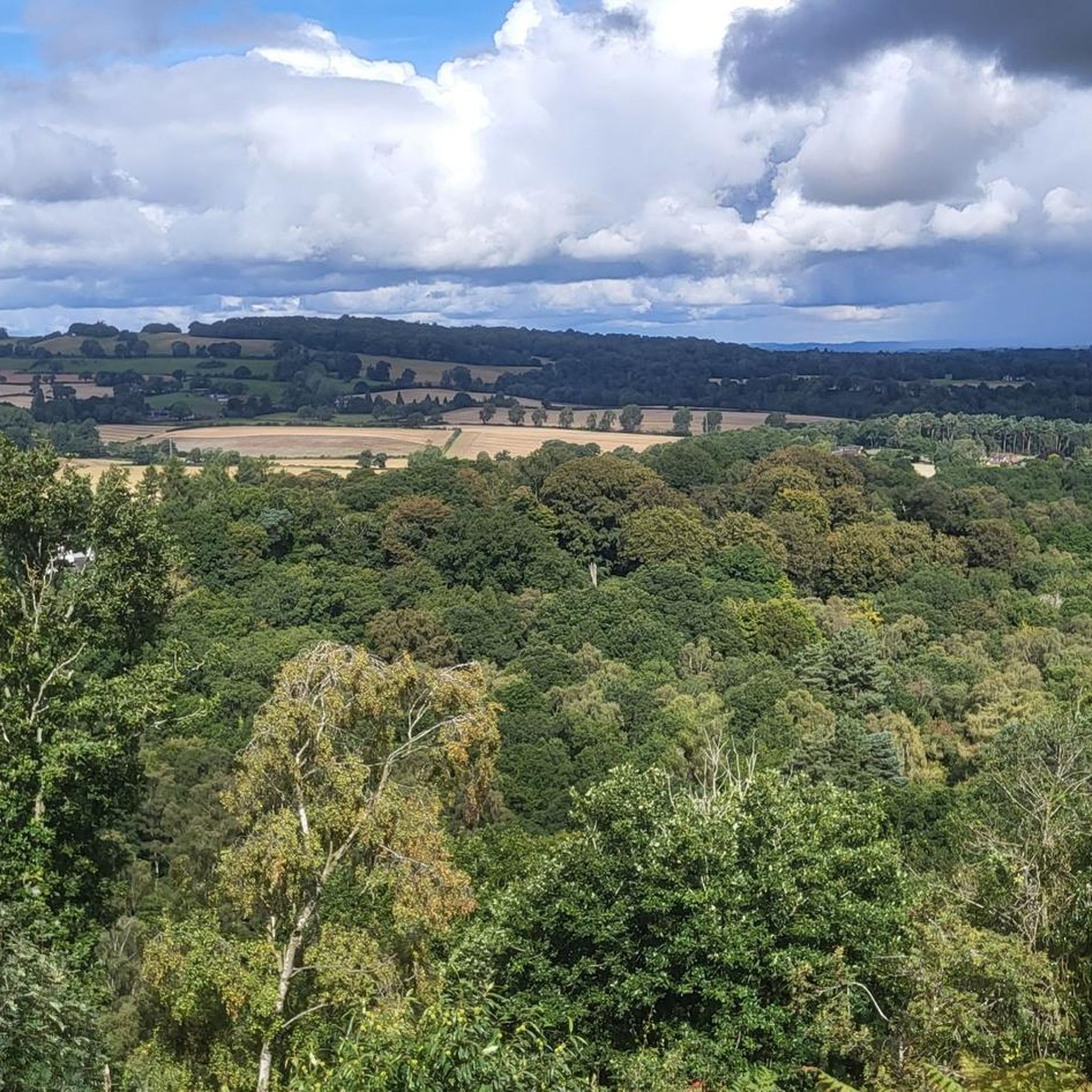
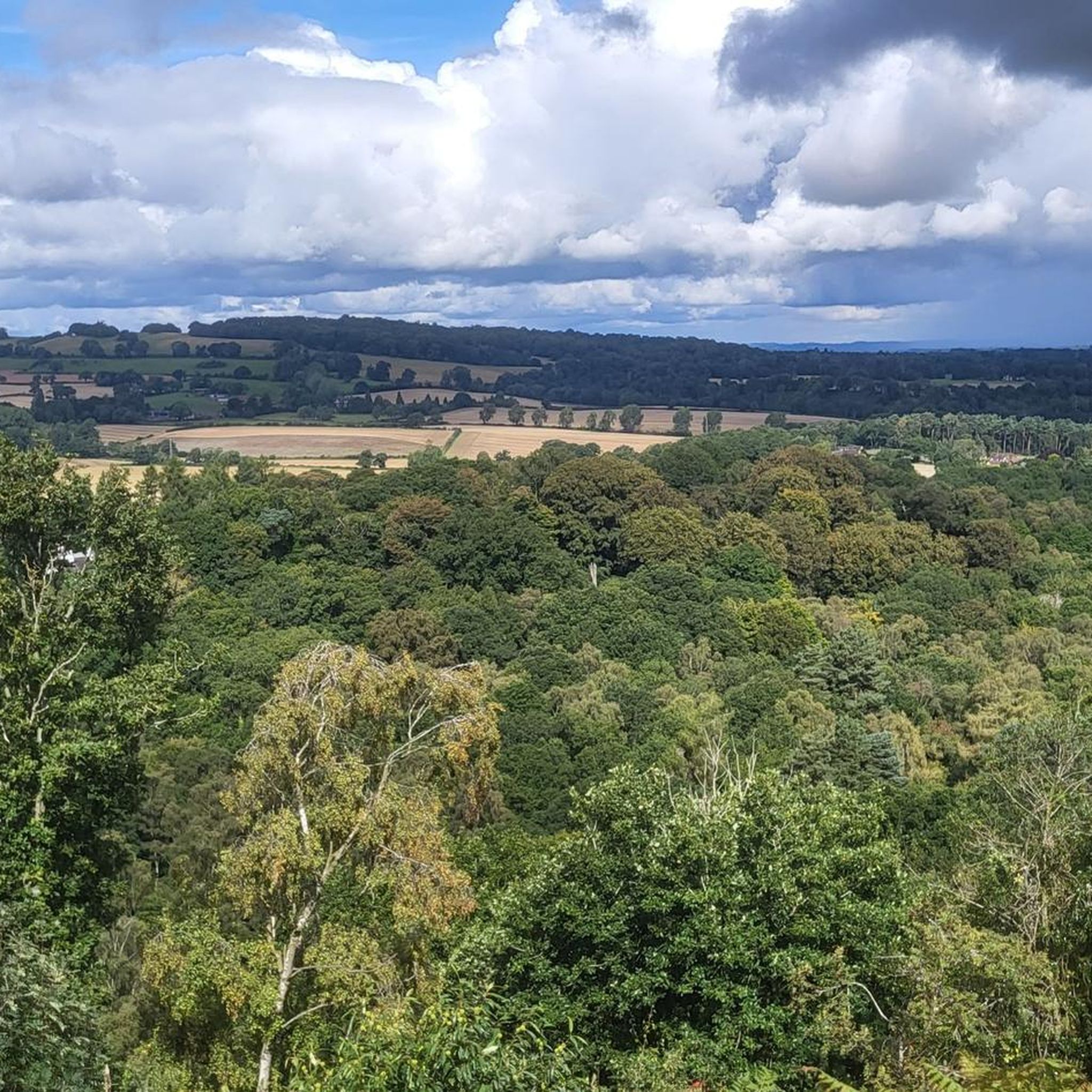
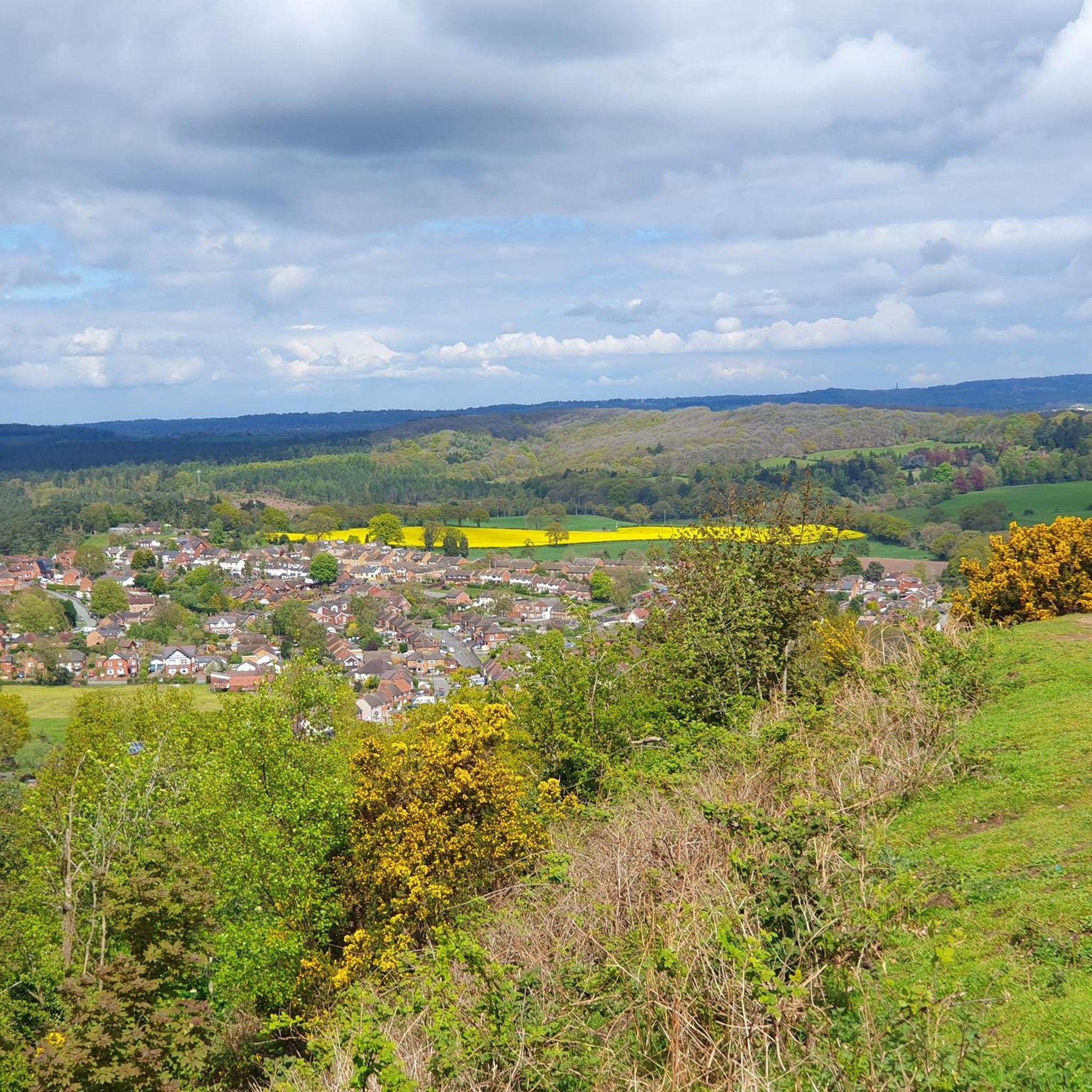
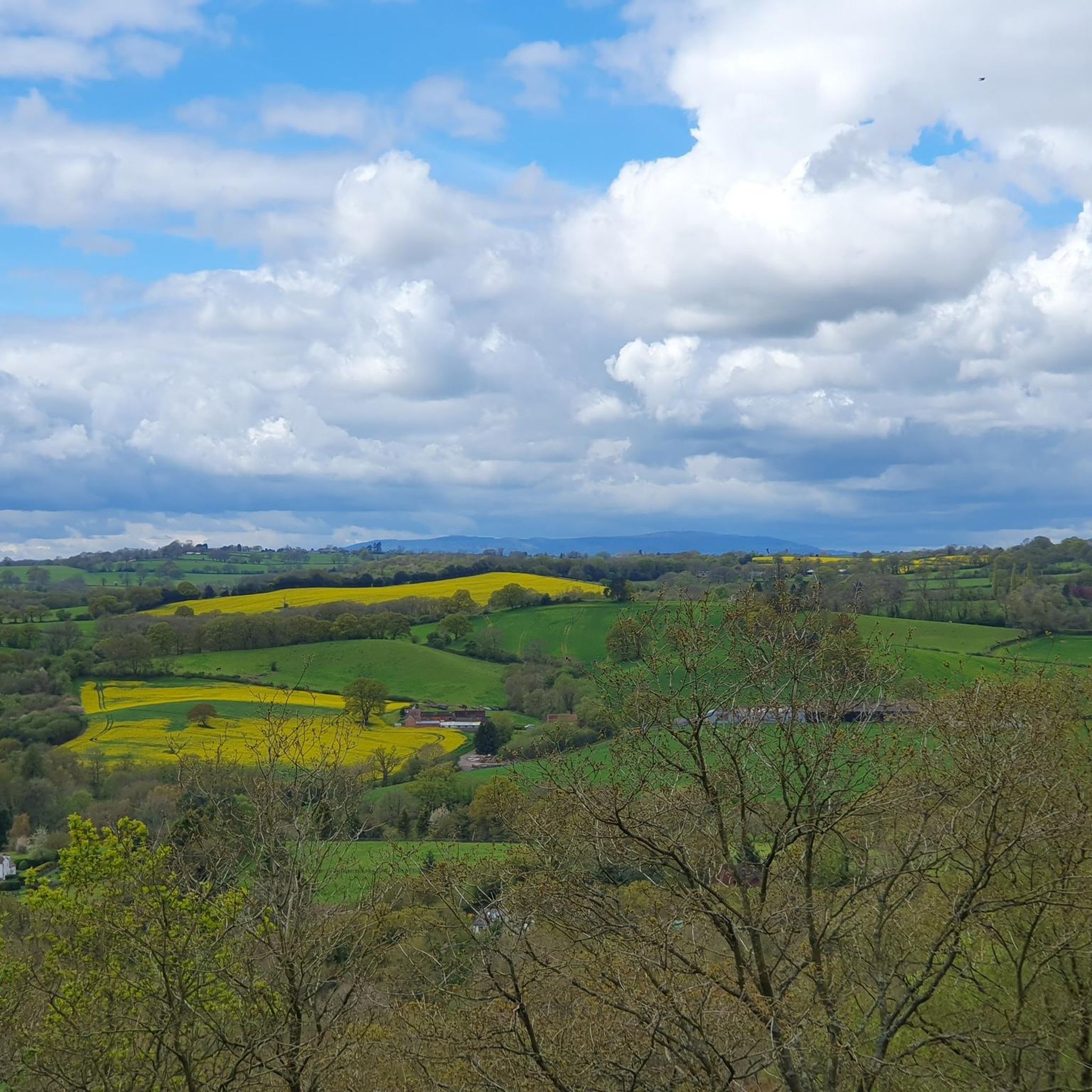
Tips from the Community

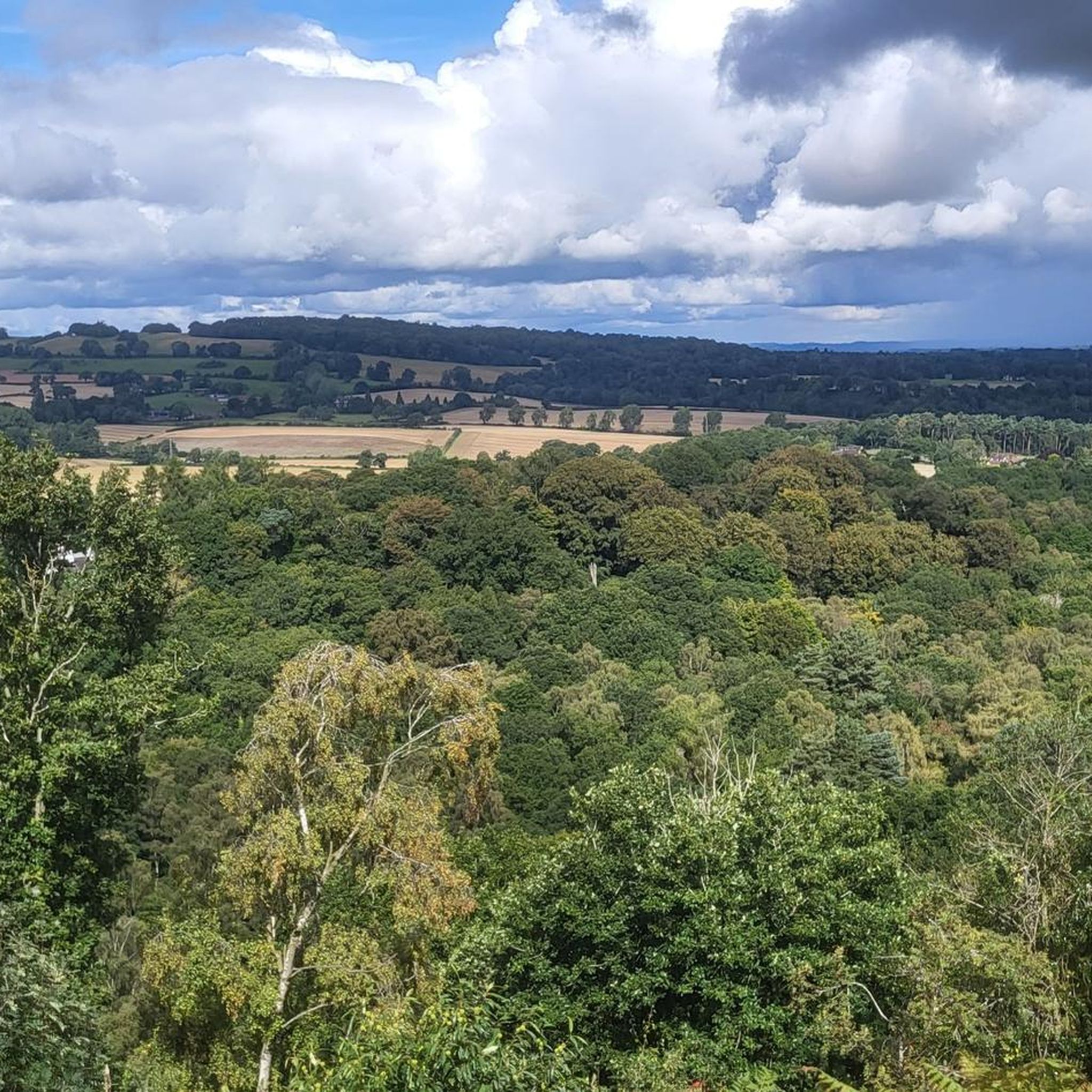
A fine stand of trees at the top of Waseley Hill
0
0

The Wyre Forest Beaver enclosure is worth stopping at. Can't guarantee to see any but you never know 😁
0
0


Worth a visit not only at sunset!
1
0

A great place to visit and wide veiws
0
0

The Four Stones were erected by Lord Lyttelton of Hagley Hall in the 18th century. Brilliant views over nearby Walton Hill and further towards the Cotswolds, Shropshire Hills and the Welsh Borders.
0
0
Frequently Asked Questions
What are the most prominent natural features to explore around Kinver?
The most prominent natural feature is Kinver Edge, a high heath and woodland escarpment. It's characterized by its 250-million-year-old Triassic red sandstone ridge, featuring distinctive cliffs, caves, and rock formations. The area also boasts vital heathland and woodland habitats, supporting diverse wildlife, and offers extensive panoramic views.
Are there any historical natural monuments or sites of interest near Kinver?
Yes, Kinver Edge is home to two ancient Iron Age hillforts, providing a glimpse into the area's past. Additionally, the unique Kinver Rock Houses, dwellings carved directly into the soft red sandstone cliffs, are an integral part of the historical experience, with some dating back to 700 AD.
What kind of wildlife can I expect to see at Kinver Edge?
The heathlands of Kinver Edge are vital habitats for wildlife such as adders, common lizards, and heathland birds like skylarks. The woodlands are home to a variety of birds, including common buzzards, Eurasian jays, and great spotted woodpeckers, as well as mammals like badgers and red foxes.
What are some family-friendly natural monuments or activities in the Kinver area?
For families, The Four Stones, Clent Hills, offers a gentle climb with good views and a unique stone circle. Another excellent option is Jubilee Plantation, Waseley Hills Country Park, which features picturesque hilltops, pastures, and small woodlands, perfect for exploring diverse flora and fauna. The Worcestershire Natural Flood Management Project in Wyre Forest also has family-friendly aspects, including the Wyre Forest Beaver enclosure.
What hiking opportunities are available near Kinver's natural monuments?
There are numerous hiking opportunities. You can find trails like the 'Kinver Edge to The Rock Houses loop' or the 'Holly Austin Rock Houses – Kinver Edge loop'. These routes offer diverse terrain through heathland and woodland, providing opportunities to experience natural beauty and historical sites. For more details and routes, explore the Hiking around Kinver guide.
Are there any natural monuments with impressive viewpoints around Kinver?
Absolutely. From the summit of Kinver Edge and its Iron Age hillforts, you can enjoy extensive views across Staffordshire, Shropshire, Worcestershire, and beyond, including landmarks like the Clent Hills, Wenlock Edge, and the Malvern Hills. The Four Stones, Clent Hills, also offers magnificent views.
What is the best time of year to visit the natural monuments around Kinver?
Kinver Edge offers beauty year-round. The heathland is vibrant in late summer with purple heather blooms, while spring brings fresh green leaves to the beechwoods of Jubilee Plantation. Autumn provides stunning foliage. For birdwatching and wildlife spotting, spring and summer are generally ideal, though the panoramic views from Kinver Edge are impressive in any season.
Are there any natural reserves or protected areas to visit?
Yes, Chaddesley Wood National Nature Reserve is a significant protected area. It's an ancient woodland, with parts potentially wooded since the Ice Age, and is home to ancient woodland indicator species like yellow archangel and wild service trees. It's an excellent spot for birdwatching and observing unique flora.
What kind of geological formations can be seen in the Kinver area?
The Kinver area is primarily known for its prominent Triassic red sandstone formations, approximately 250 million years old. Kinver Edge showcases this geology with its distinctive cliffs, caves, and rock formations, shaped by millions of years of erosion.
Are there opportunities for running or gravel biking near these natural monuments?
Yes, the area offers various routes for outdoor activities. For running, you can find routes like the 'Holy Austin Rock House – Kinver Hillfort loop'. Gravel biking enthusiasts can explore trails such as the 'Wombourne Station Café – Forest Cycle Track loop'. You can find more detailed routes and guides for these activities in the Running Trails around Kinver and Gravel biking around Kinver guides.
What do visitors particularly enjoy about the natural monuments around Kinver?
Visitors frequently praise the dramatic views from Kinver Edge, which include distant landmarks like the Clent Hills and Malvern Hills. The unique historical aspect of the Rock Houses and ancient hillforts also captivates many. The diverse habitats, from vibrant heathland to peaceful woodlands, and the opportunity for varied walks are also highly appreciated.
Most popular routes around Kinver
Most popular attractions around Kinver

Get inspired with the komoot mobile app


Explore more
Extend your search for the best caves by checking out these guides of the top ones around Kinver:
