Top 7 Natural Monuments around Silverdale
Best natural monuments around Silverdale are located within the Arnside and Silverdale Area of Outstanding Natural Beauty (AONB). This region features diverse landscapes, including ancient woodlands, reed beds, and unique geological formations. The area provides opportunities to observe wildlife and explore natural features. Silverdale's natural monuments offer varied terrain for outdoor activities.
Best natural monuments around Silverdale
- The most popular natural monuments is Hem Heath Woods Nature Reserve, a forest that is the largest woodland area in Stoke on…
Last updated: July 1, 2026
Ford Green Reed Bed
Highlight • Natural Monument
It has been designated because large numbers of …
Tip by

Parrot's Drumble Nature Reserve
Highlight • Forest
Parrot's Drumble is one of the Trust’s finest ancient woodland nature reserves. Ancient woodland is a phrase used to describe woodlands that have been continuously covered by …
Tip by
Sign up now to discover places like this
Get recommendations on the best single tracks, peaks, & plenty of other exciting outdoor places.
Sign up for free
Hem Heath Woods Nature Reserve
Highlight • Forest
Tip by
The Void Lake
Highlight • Natural Monument
Tip by

Druids Grove Yew Trees
Highlight • Forest
I do particularly like this tree for its gnarly roots and unusual trunk. They age in the most spectacular way.
Tip by
Sign up for free to discover even more natural monuments around Silverdale.
Sign up for free
Already have an account?
Start today with a free account
Your next adventure awaits.
Login or Signup
Tips from the Community

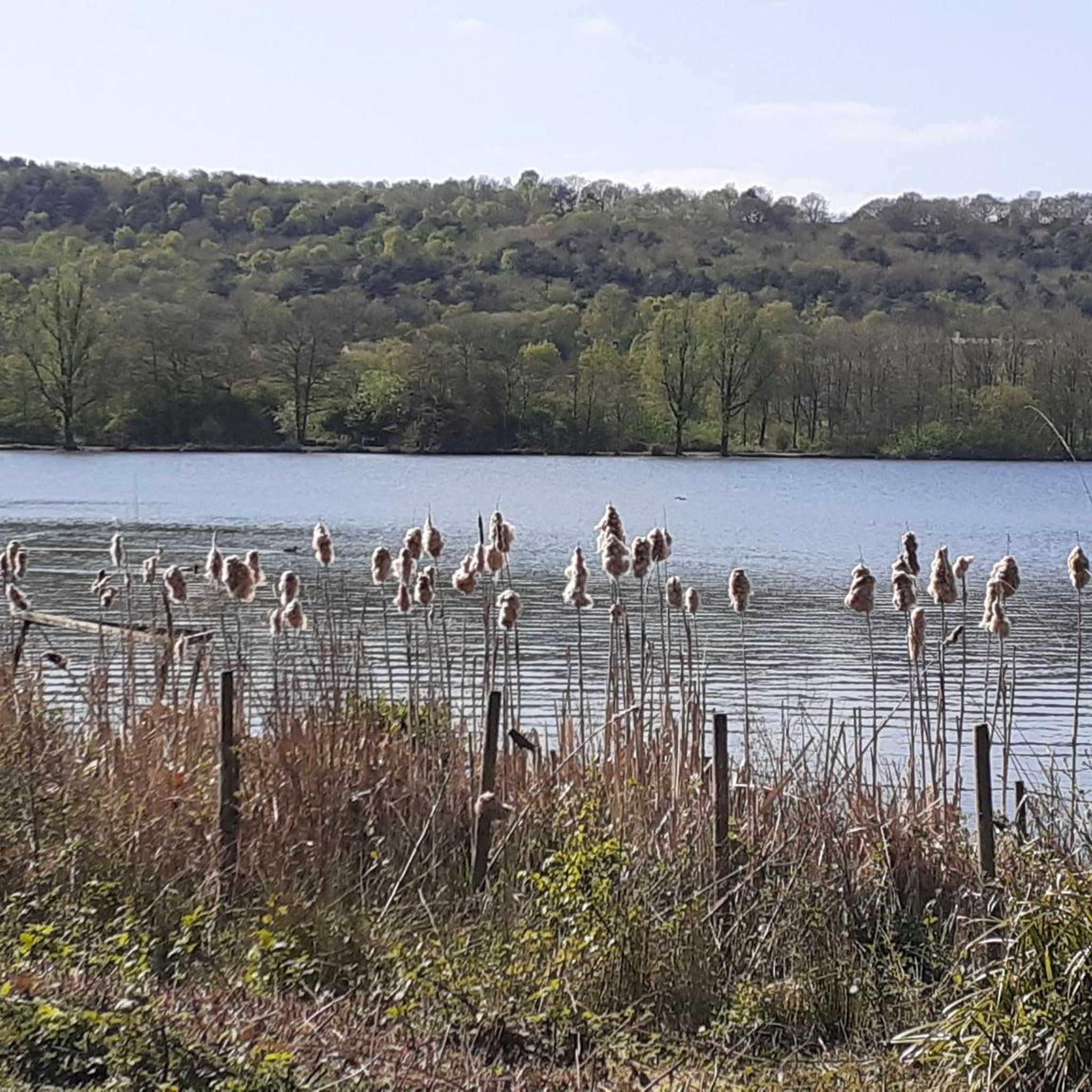
The Ford Green Reed Bed is a Site of Special Scientific Interest, designated because of the large numbers of swallows that gather there before migrating at the end of the summer.
1
0

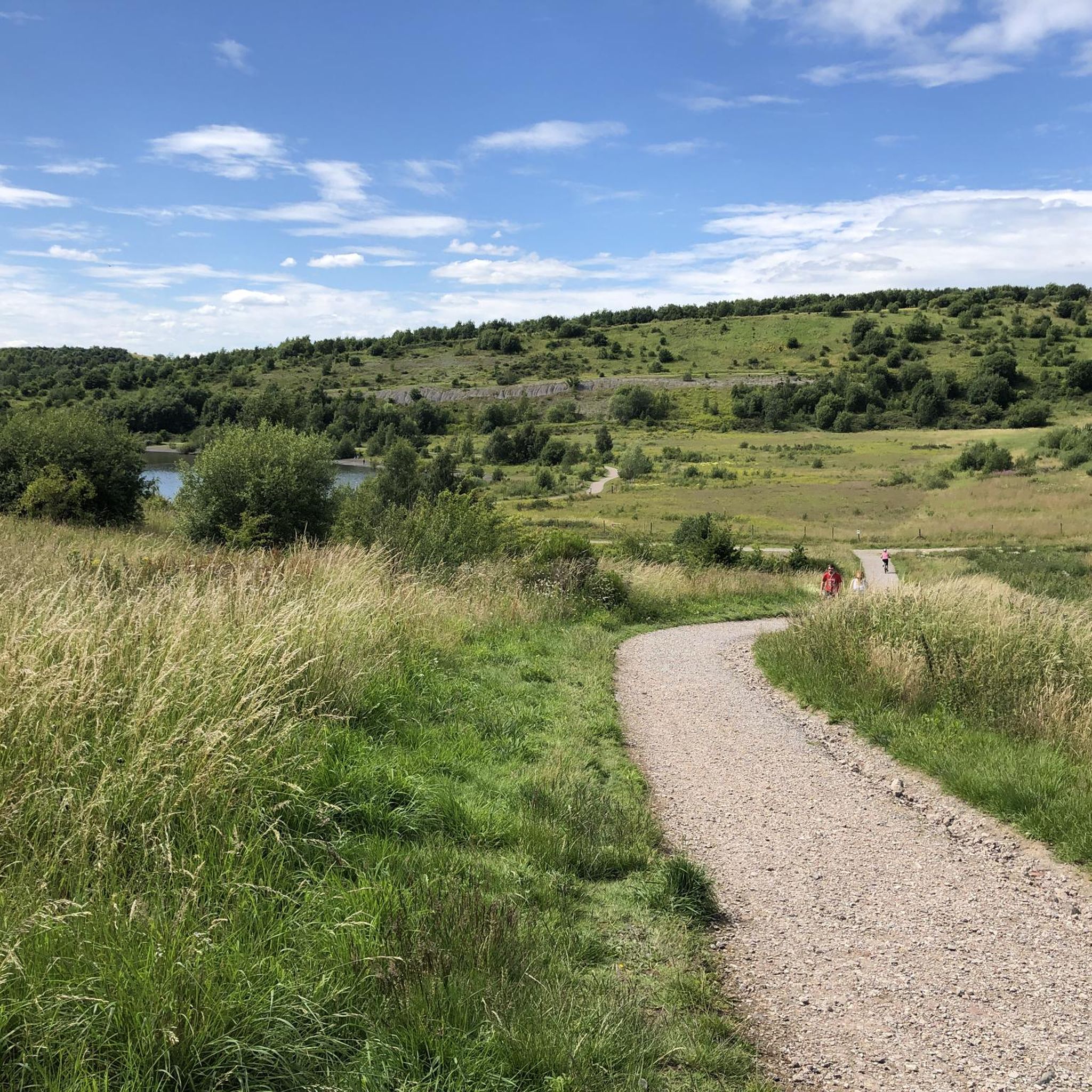
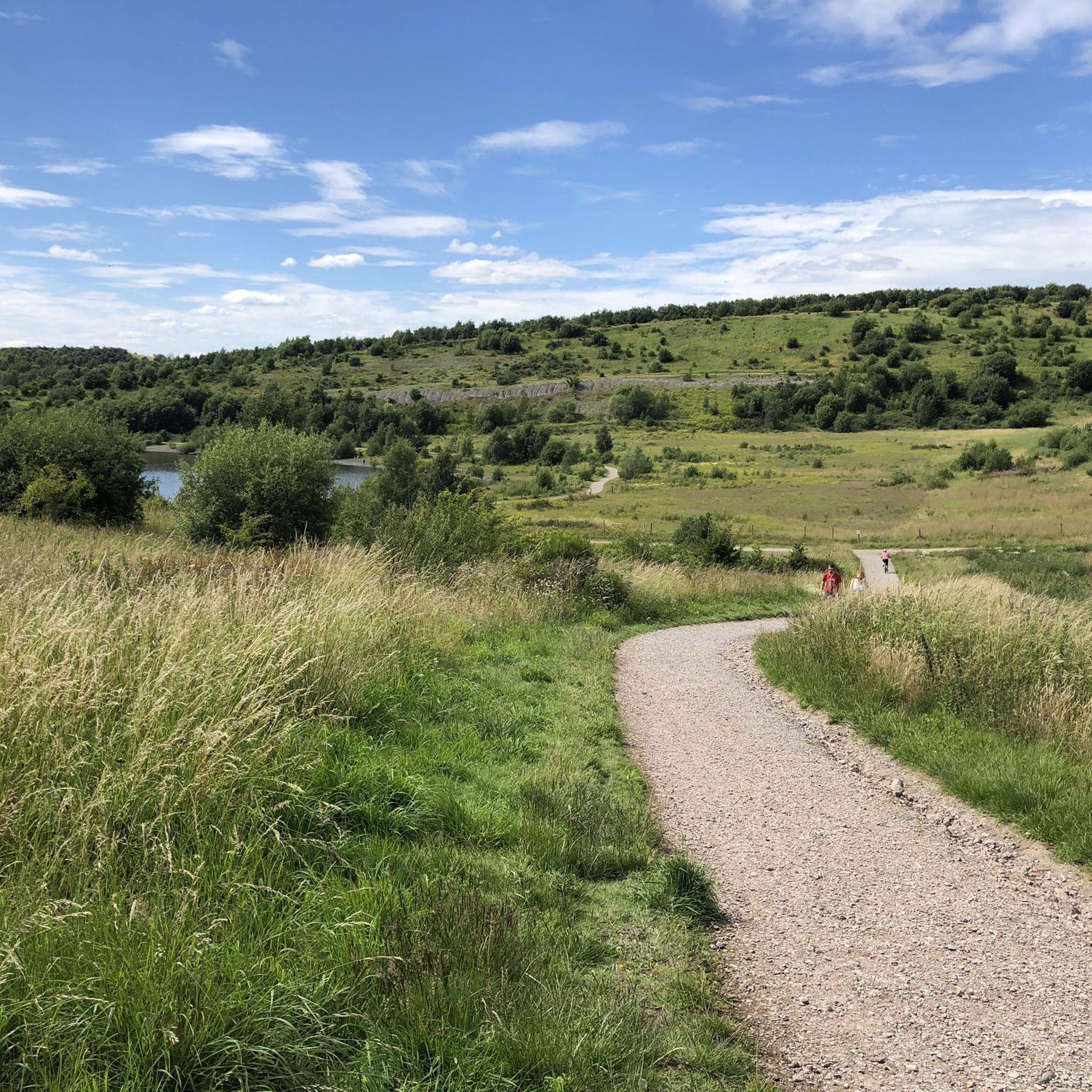
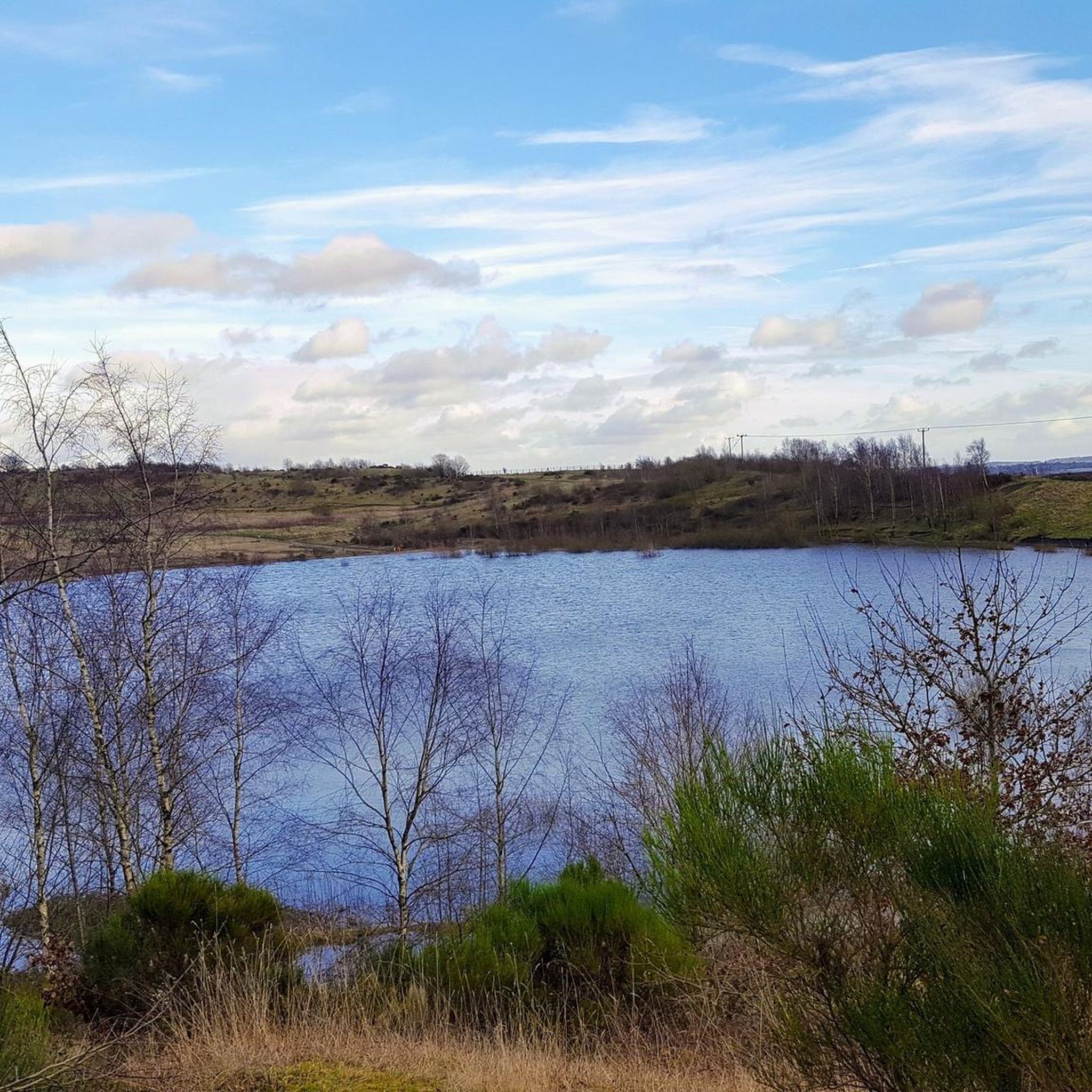
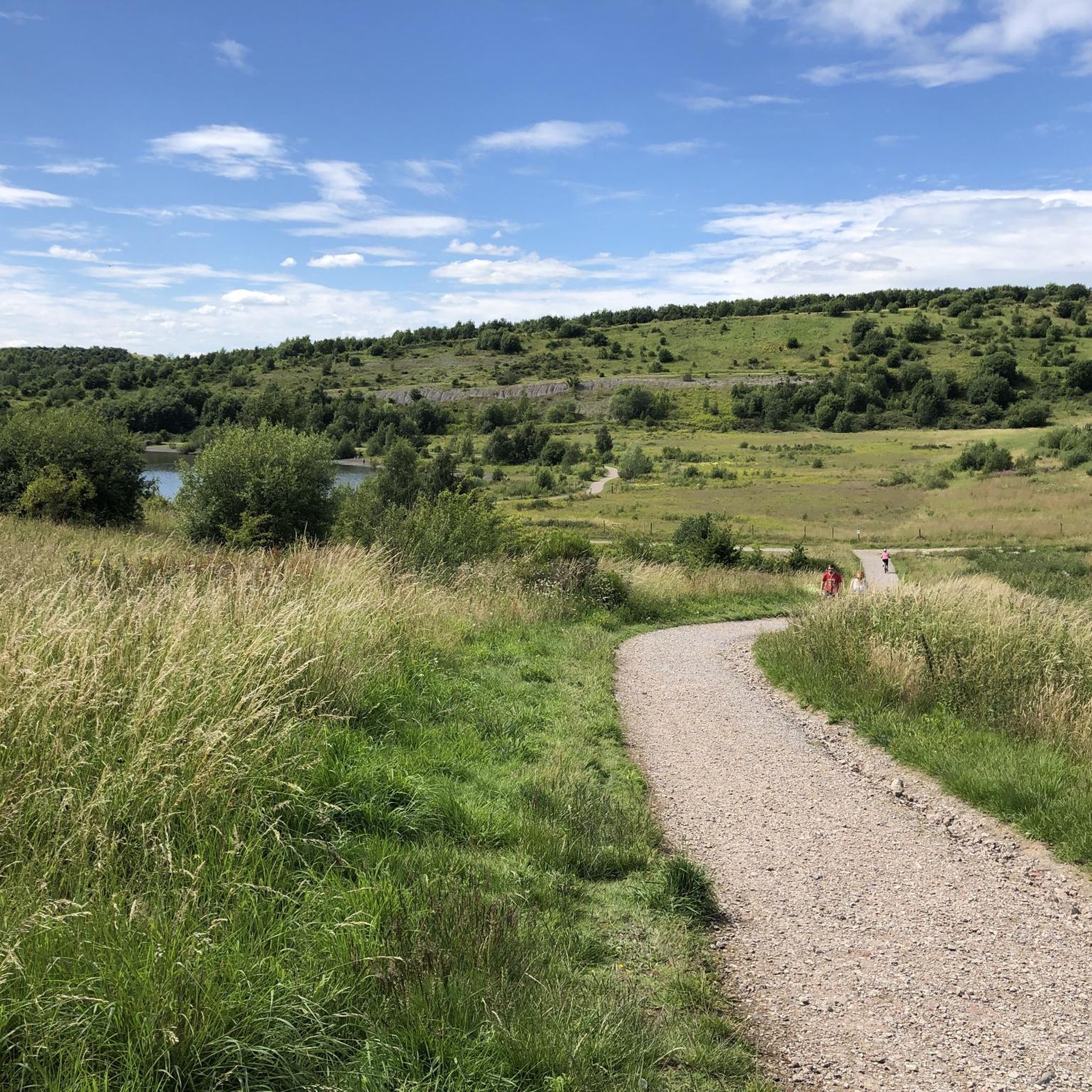
This area was once used for open cast mining, the history of which is detailed on the on-site information plaque. I am presuming the area was converted to a lake when the site was converted to a Country Park.
1
0

There must be around 12 to 14 yew trees grown together in this spot. I do particularly like this tree for its gnarly roots and unusual trunk. They age in the most spectacular way. It's unusual to see them planted thus together. Usually seen alone in graveyards but I've not seen them grouped like this other than in the druids grove in Knypersley😊.
8
0
An ancient place Parrot's Drumble is one of the Trust’s finest ancient woodland nature reserves. Ancient woodland is a phrase used to describe woodlands that have been continuously covered by trees since the 1600’s. That doesn’t mean the trees here are 400 years old (most of the trees here are significantly younger than that!), but it does mean that for the last 400 years there has always been woodland on this land. This has enabled special woodland plants to become established and thrive. As well as the carpets of bluebells In spring you will also see dog’s mercury, wood anemone, yellow archangel and wood sorrel. Moschatel, more commonly known as Town Hall Clock, can be easily overlooked – look carefully for its pale green ‘square’ flower heads. You won’t find many of these flowers in more recently planted woodlands. So, where are the Parrots? The reserve derives it’s unusual name from a combination of its previous owners, the Parrot family, and a local term for a stream running through a wooded valley, drumble. You may not see anything quite as colourful as a parrot but the woodland is a wonderful place for birds, particularly in spring when an early morning walk would reward you with the wonderful sounds of the dawn chorus. Listen out for blue tits, willow tits, wrens and willow warblers. Both greater and lesser spotted woodpeckers are found here – listen out for them pecking holes in the tree trunks as they look for insects. Nuthatches and tree creepers can often be seen spiralling up and down the trunks of the mature trees. Unwanted visitor There are many different types of trees within the reserve: oak, hazel, birch, rowan and ash, with willow and alder in the wetter areas along the stream. A number of additional tree species have been planted at some time in the past. You’ll easily notice the large beech trees as you enter the reserve and the row of poplars along the boundary. But you may not notice the Turkey oak. Easily mistaken for our native oak Turkey oak was introduced by the Victorians for it’s timber. Unfortunately the timber was found to be unsuitable for outdoor use – warping and splitting as it seasons! Once planted however Turkey oak spreads easily and crosses (hybrdisies) with our own native oak. It is also of less value to wildlife – over 400 species of insects and fungi use our native oak. As part of the management of the woodland we aim to prevent Turkey oak from hybridising and ensure that the native oaks regenerate to provide future mature trees. Naturally appealing (or not)? Don’t be alarmed by the colour of the stream! The Valley Brook is contaminated by iron-oxide leaching from historic mineworkings in the area. Despite its startling appearance there is still an abundance of bankside vegetation with marsh marigolds, golden saxifrage and horsetails. Source: staffs_wildlife
12
0
The Ford Green Reed Bed at the south end of the site is one of Stoke-on-Trent's two Sites of Special Scientific Interest. It has been designated because large numbers of swallows gather there before leaving the country at the end of the summer.
9
0
This is the largest woodland area in Stoke on Trent but it is a hidden gem.
26
0
A free car park with no curfew. If this car park is full, just go a bit further up to the Toby Carvery. It also has lots of free parking.
21
0
Frequently Asked Questions
What are some of the most popular natural monuments to visit in Silverdale?
Silverdale offers a variety of natural monuments. Highly regarded spots include Hem Heath Woods Nature Reserve, known as the largest woodland in Stoke on Trent and a hidden gem, and The Void Lake, a natural monument with a history of open-cast mining. Another favorite is Parrot's Drumble Nature Reserve, an ancient woodland continuously covered by trees since the 1600s, supporting special woodland plants and diverse birdlife.
Are there family-friendly natural monuments in Silverdale?
Yes, several natural monuments in Silverdale are suitable for families. Hem Heath Woods Nature Reserve, Parrot's Drumble Nature Reserve, and The Void Lake are all categorized as family-friendly. Additionally, Ford Green Reed Bed is also a great option for families.
Where can I experience panoramic views of the landscape in Silverdale?
For breathtaking panoramic views, visit Arnside Knott. This prominent hill offers expansive vistas of the Lake District, the Yorkshire Dales, and Morecambe Bay. Within Eaves Wood, the Queen Victoria Jubilee Monument, also known as the Pepperpot, provides elevated views of the surrounding area.
Which natural monuments are best for birdwatching and wildlife spotting?
Jack Scout is an excellent location for birdwatching, serving as a crucial breeding ground for songbirds and a feeding stop for migrating birds like oystercatchers, curlews, warblers, and thrushes. Ford Green Reed Bed is a Site of Special Scientific Interest, designated for the large numbers of swallows that gather there before migrating. Parrot's Drumble Nature Reserve is also a wonderful place for birds, especially in spring during the dawn chorus, with species like blue tits, willow tits, wrens, and woodpeckers.
Are there any natural monuments with historical or geological significance?
Yes, Jack Scout is an ancient geological site with limestone formed about 330 million years ago, where you can discover coral and brachiopod fossils. The Void Lake was once an open-cast mining area, with its history detailed on an on-site information plaque. Parrot's Drumble Nature Reserve is an ancient woodland, continuously covered by trees since the 1600s.
What kind of coastal natural monuments can I explore in Silverdale?
Silverdale Cove is a picturesque and tranquil beach offering stunning views of Morecambe Bay. It features a small cave, rocky terrain, limestone cliffs, and is known for beautiful sunsets and rock pooling. Jack Scout also offers stunning views out to sea and of the Lakeland fells, and is a great spot to potentially see the Arnside tidal bore. The Lots in Silverdale provides easy-walking grassland leading directly to the shore at Silverdale Cove with wonderful views over Morecambe Bay.
What outdoor activities can I do near Silverdale's natural monuments?
The area around Silverdale offers various outdoor activities. You can find numerous routes for gravel biking, including challenging loops like the Leek and Rudyard Railway from Longport, or moderate options like the Biddulph Valley Way from Stoke-on-Trent. For running, there are trails such as the Furnace Pool loop from Keele University or the Silverdale Community Park loop. Mountain biking enthusiasts can explore easy routes like the Apedale Community Country Park loop. You can find more details on these activities in the Gravel biking around Silverdale, Running Trails around Silverdale, and MTB Trails around Silverdale guides.
Are there any natural monuments known for their ancient trees or woodlands?
Yes, Eaves Wood is an ancient woodland known for its glades and rich variety of wildlife. Parrot's Drumble Nature Reserve is one of the finest ancient woodland nature reserves, continuously covered by trees since the 1600s. You can also find the unique Druids Grove Yew Trees, where multiple yew trees grow together in a spectacular way.
What should I be aware of when visiting Silverdale Cove?
While Silverdale Cove is beautiful and tranquil, caution is advised due to fast-moving tides and soft mud, especially at low tide when the sands stretch far out. It's more suited for exploration and rock pooling than traditional beach activities.
Is there free parking available at any of the natural monuments?
Yes, Hem Heath Woods Nature Reserve offers a free car park with no curfew. If it's full, additional free parking is available a bit further up at the Toby Carvery.
What makes Parrot's Drumble Nature Reserve unique?
Parrot's Drumble Nature Reserve is unique as an ancient woodland, meaning it has been continuously covered by trees since the 1600s. This has allowed special woodland plants like bluebells, dog’s mercury, and wood anemone to thrive. Its unusual name comes from its previous owners, the Parrot family, and 'drumble,' a local term for a stream running through a wooded valley.
Can I see the Arnside tidal bore from any of Silverdale's natural monuments?
Yes, Jack Scout provides excellent views of the Arnside tidal bore, a rare natural phenomenon, adding to its appeal for visitors interested in unique coastal sights.
Most popular routes around Silverdale
Most popular attractions around Silverdale

Get inspired with the komoot mobile app


Explore more
Extend your search for the best caves by checking out these guides of the top ones around Silverdale:
