LCPs of Fylingdales and Hawsker-cum-Stainsacre
LCPs of Fylingdales and Hawsker-cum-Stainsacre
Top 20 Natural Monuments around LCPs of Fylingdales and Hawsker-cum-Stainsacre
Best natural monuments around LCPs of Fylingdales and Hawsker-cum-Stainsacre encompass a diverse landscape within the North York Moors National Park. This region features expansive moorlands, dramatic coastal sections, and unique geological formations. Visitors can explore areas rich in natural beauty and historical significance, including ancient rock art. The varied terrain offers opportunities for walking and observing local wildlife.
Best natural monuments around LCPs of Fylingdales and Hawsker-cum-Stainsacre
- The most popular natural monuments is Mallyan Spout Waterfall, a waterfall that…
Last updated: August 24, 2026
Mallyan Spout Waterfall
Highlight • Natural Monument
Tip by

The Bridestones
Highlight • Natural
Tip by
Sign up now to discover places like this
Get recommendations on the best single tracks, peaks, & plenty of other exciting outdoor places.
Sign up for free
Simon Howe Bronze Age Cairn
Highlight • Viewpoint
Tip by

The Hermitage (North York Moors)
Highlight • Cave
Tip by

Staindale Lake
Highlight • Lake
Tip by
Sign up for free to discover even more natural monuments around LCPs of Fylingdales and Hawsker-cum-Stainsacre.
Sign up for free
Already have an account?
Start today with a free account
Your next adventure awaits.
Login or Signup
Popular around LCPs of Fylingdales and Hawsker-cum-Stainsacre
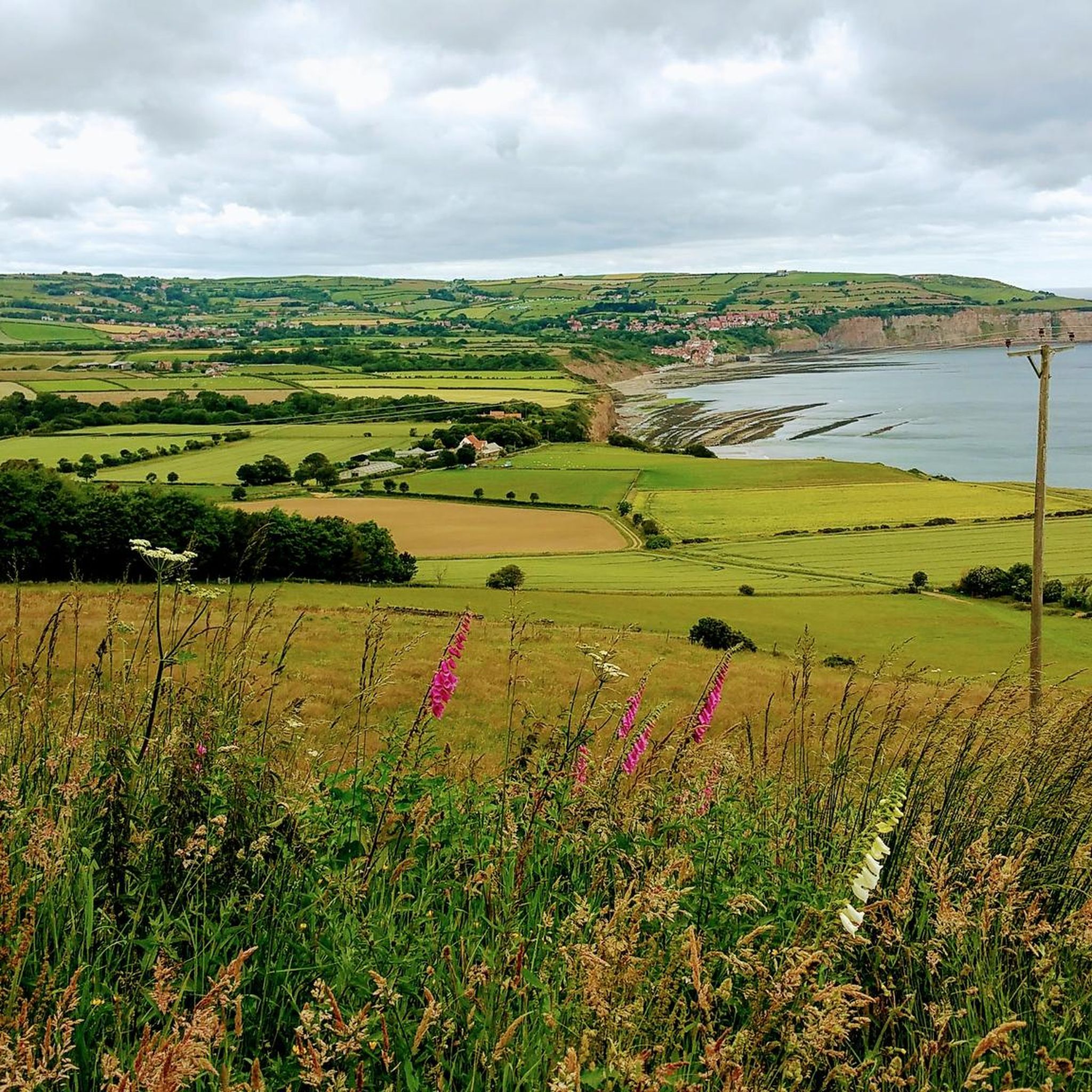
Hiking around LCPs of Fylingdales and Hawsker-cum-Stainsacre
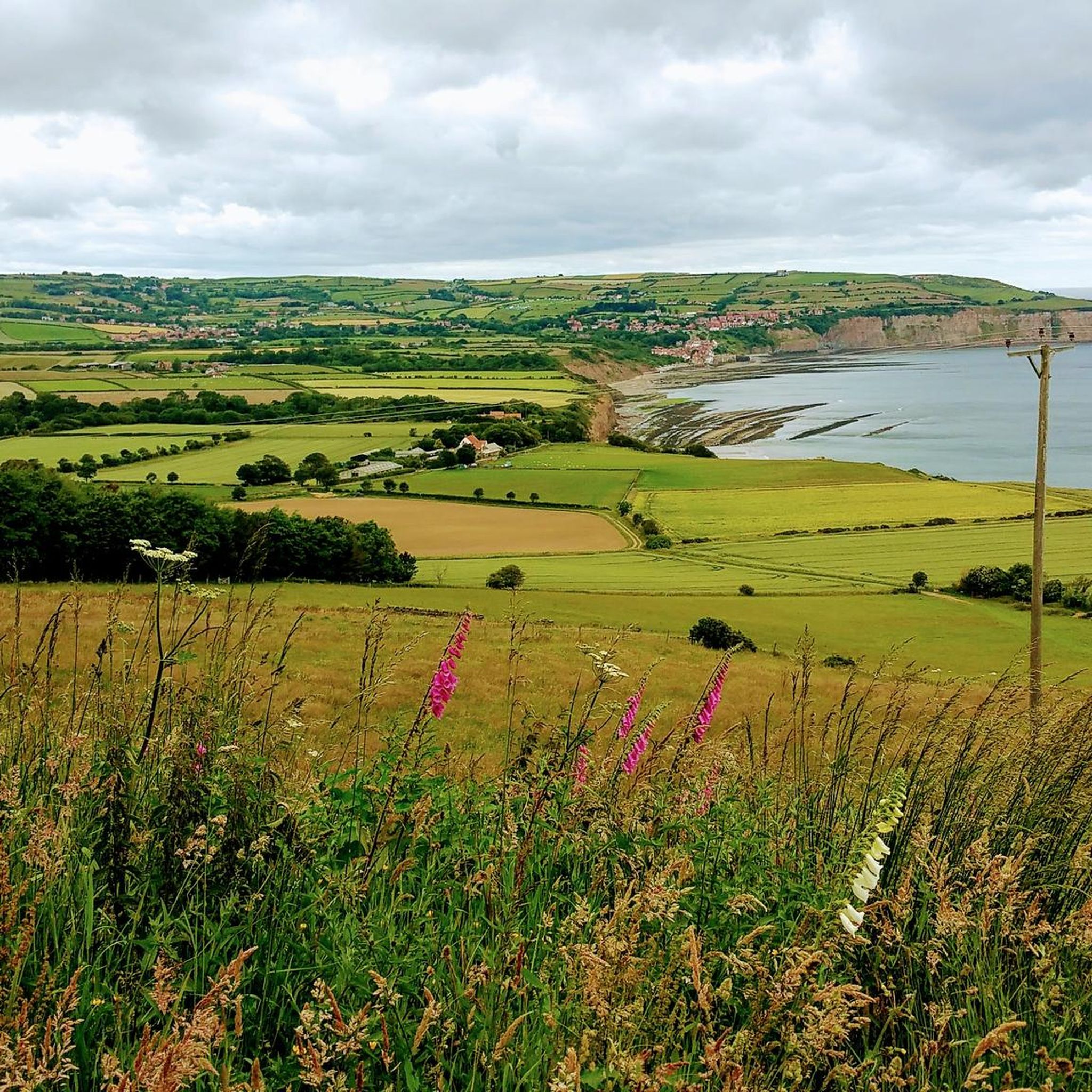
Cycling around LCPs of Fylingdales and Hawsker-cum-Stainsacre
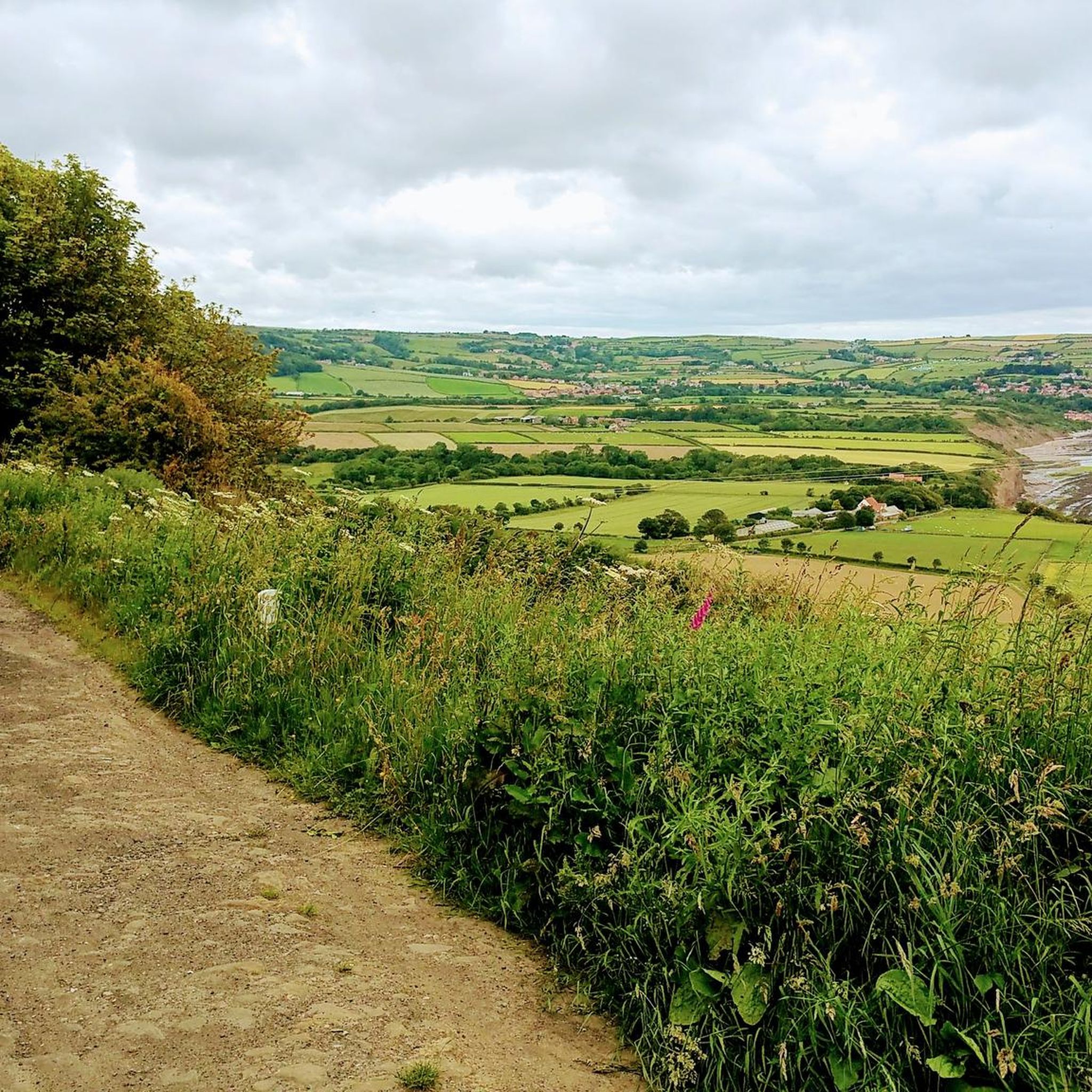
Running Trails around LCPs of Fylingdales and Hawsker-cum-Stainsacre
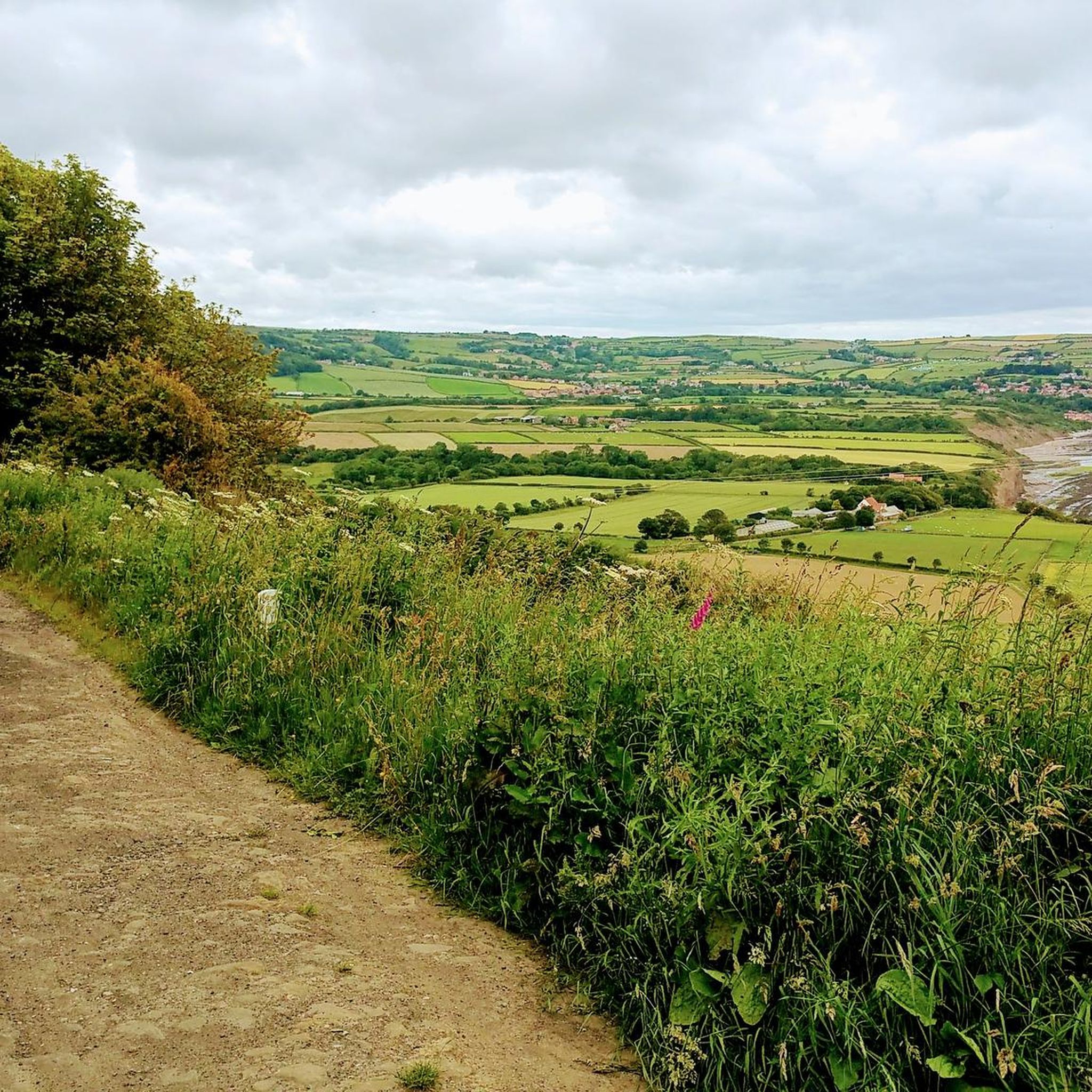
Road Cycling Routes around LCPs of Fylingdales and Hawsker-cum-Stainsacre
Gravel biking around LCPs of Fylingdales and Hawsker-cum-Stainsacre
MTB Trails around LCPs of Fylingdales and Hawsker-cum-Stainsacre
Tips from the Community

Bridestones are unique rock formations located in Dalby Forest, North Yorkshire. Originally formed by movement of glaciers during the last Ice Age, the sandstone formations date back 150 million years ago.
0
0

The Bridestones are the remnants of a sandstone cap, deposited during the Jurassic period, some 150 million years ago. The formations consist of alternating layers of hard sandstone and softer calcareous layers. Erosion by wind, frost, and rain over millennia has created the unique and bizarre shapes seen today. The term "Bridestones" may have originated from the Old Norse words "brink-stones" or "edge stones" The Bridestones are steeped in folklore and legend, connecting them to ancient cultures and mythical beings. Some legends suggest the Bridestones were ancient meeting places for Druids, while others tell tales of giants who once roamed the moors. One legend speaks of a young couple who eloped and found shelter among the rocks, whose love caused the stones to form a protective arch. Another story tells of Nan Moor and Jack Stone, guardians of the stones, who lived in a rock house and were possibly married there. The Bridestones are sometimes associated with the Celtic goddess Brigantia.
0
0
Whilst this waterfall is relatively accessible, as others point out it is a bit of a scramble, with the rocks still quite slippery and treacherous in the height of summer, as they are permanently in the shade and damp. In summer, the valley that the track to the waterfall runs through provides welcome respite from the heat of the day.
1
0
Fantastic 360 degree views and a variety of routeing options. I can't comment on the track west to Wheeldale Lodge or the bridleway south along Simon Howe Rigg to Cropton Forest, but both the bridleway north to Goathland, and the track east to Fen Bog Nature Reserve and the A169 are good quality tracks over easy terrain. The track east to Fen Bog is still quite waterlogged and boggy in some places even in July, but it is quite easy to skirt around these over the heather.
1
0

What a interesting place this must of taken a lot of making back in the day 1790.
0
0

It is said the Hermitage dates back to the 18th century and that it was the home of a hermit who lived a life of foraging for fuel and food in the woods. The Hermitage is ideal for an emergency bivvy shelter.
0
0

The beautiful 70 ft high Mallyan Spout waterfall is the tallest one in the North York Moors National Park. It is not recommended for anyone with mobility issues as it involves scrambling over rocks.
0
0
A scheduled monument, Simon Howe is a large round cairn on Goathland Moor that offers great views of the North York Moors National Park.
0
0
Frequently Asked Questions
What unique natural features can I explore in the Fylingdales area?
In the Fylingdales area, you can discover expansive heather moorlands, such as Fylingdales Moor, which is ecologically important and features around 200 examples of prehistoric rock art. Another impressive natural monument is Mallyan Spout Waterfall, the tallest waterfall in the North York Moors with a 70-foot (21 m) vertical drop.
What natural highlights are there near Hawsker-cum-Stainsacre?
Near Hawsker-cum-Stainsacre, you can experience the stunning coastal scenery along sections of the Cleveland Way, offering magnificent views of the sea and countryside. A short distance away is Robin Hood's Bay, a picturesque village set within a dramatic bay, excellent for exploring rocky shorelines and fossil hunting at low tide.
Are there any ancient historical sites among the natural monuments?
Yes, the region is rich in history. Fylingdales Moor features prehistoric rock art, particularly "cup-and-ring" motifs dating back to the Bronze Age and Iron Age. You can also visit Simon Howe Bronze Age Cairn, a well-preserved round cairn with a stone row and standing stone, offering insights into early societies. Additionally, The Hermitage (North York Moors) is a circular room cut into a huge block of grit stone, believed to be an 18th-century folly.
What kind of wildlife can I expect to see around these natural monuments?
The diverse landscapes support varied wildlife. Fylingdales Moor is ecologically important, supporting diverse species. At The Bridestones, designated as a nature reserve, you can expect plentiful wildlife. Staindale Lake is also known for its abundant wildlife, making it a great spot for observation.
Are there family-friendly natural monuments or activities in the area?
Absolutely! Staindale Lake is easily accessible with a car park right beside it and is considered family-friendly. The Bridestones, with their unusually-shaped rock formations, are also great fun for active children to climb and explore.
What are the best times to visit the natural monuments in Fylingdales and Hawsker-cum-Stainsacre?
The best time to visit depends on your interests. For vibrant colors, the heather bloom on Fylingdales Moor in late summer (August-September) is spectacular. Bird migration seasons also enhance the visiting experience for nature enthusiasts. Coastal areas like Robin Hood's Bay and the Cleveland Way are beautiful year-round, though paths can be challenging in wet or icy conditions.
Are there hiking trails near these natural monuments?
Yes, the region offers numerous hiking opportunities. For easy walks, you can explore trails around May Beck and Falling Foss. The Cleveland Way coastal path near Hawsker-cum-Stainsacre provides exceptional rural cliff-top walks. Remember that paths to places like Mallyan Spout Waterfall can be technical, requiring sturdy shoes.
Can I go gravel biking or running near these natural monuments?
Yes, the area is suitable for both gravel biking and running. You can find various routes for gravel biking, including loops from Whitby and Goathland. For running trails, options include the Cinder Track and routes around Robin Hood's Bay and Ravenscar.
What should I wear when visiting the natural monuments, especially for walks?
Given the varied terrain, sturdy shoes are highly recommended, especially for paths leading to Mallyan Spout Waterfall, which can be slippery. For moorland and coastal walks, layers of clothing are advisable to adapt to changing weather conditions, and waterproofs are always a good idea in the North York Moors.
Are there any natural monuments that offer great viewpoints?
Yes, several natural monuments provide excellent views. Simon Howe Bronze Age Cairn offers fantastic 360-degree views over the wild expanse of Goathland Moor. The Bridestones also provide enchanting views over the majestic heather moorland. Additionally, the Cleveland Way coastal path near Hawsker-cum-Stainsacre boasts magnificent sea views.
Is parking available near these natural monuments?
Yes, parking is available at some locations. For instance, Staindale Lake has a car park conveniently located right beside the lake. For other areas, it's advisable to check specific trailheads or visitor centers for designated parking facilities.
What do visitors enjoy most about the natural monuments in this region?
Visitors frequently appreciate the dramatic natural beauty, from the impressive 70-foot drop of Mallyan Spout Waterfall to the unique sandstone formations of The Bridestones. The rich history, such as the Bronze Age cairn at Simon Howe, and the opportunities for wildlife spotting and scenic walks are also highly valued.
Most popular routes around LCPs of Fylingdales and Hawsker-cum-Stainsacre
Most popular attractions around LCPs of Fylingdales and Hawsker-cum-Stainsacre

Get inspired with the komoot mobile app


Explore more
Extend your search for the best caves by checking out these guides of the top ones around LCPs of Fylingdales and Hawsker-cum-Stainsacre:
