Top 14 Natural Monuments around Wilton
Best natural monuments around Wilton include diverse landscapes such as heather moorland, dense forests, and tranquil lakes. The region features unique ancient sandstone rock formations and historical sites. These areas offer various opportunities for outdoor exploration and appreciating natural beauty.
Best natural monuments around Wilton
- The most popular natural monuments is The Bridestones, an other natural feature consisting of unusually-shaped ancient sandstone rock formations. Designated as a nature reserve, it offers plentiful wildlife and expansive views.
- Another must-see spot…
Last updated: June 17, 2026
The Bridestones
Highlight • Natural
Tip by

Staindale Lake
Highlight • Lake
Tip by

Sign up now to discover places like this
Get recommendations on the best single tracks, peaks, & plenty of other exciting outdoor places.
Sign up for free
Rhumbard Snout
Highlight • Viewpoint
Translated by Google •
Tip by

Dalby Forest Crossroads Rest Area
Highlight • Forest
Tip by
Blakey Topping Standing Stones
Highlight • Monument
Noch auffälliger ist der Berg selber, der …
Tip by

Sign up for free to discover even more natural monuments around Wilton.
Sign up for free
Already have an account?
Start today with a free account
Your next adventure awaits.
Login or Signup

Tips from the Community

Bridestones are unique rock formations located in Dalby Forest, North Yorkshire. Originally formed by movement of glaciers during the last Ice Age, the sandstone formations date back 150 million years ago.
0
0

The Bridestones are the remnants of a sandstone cap, deposited during the Jurassic period, some 150 million years ago. The formations consist of alternating layers of hard sandstone and softer calcareous layers. Erosion by wind, frost, and rain over millennia has created the unique and bizarre shapes seen today. The term "Bridestones" may have originated from the Old Norse words "brink-stones" or "edge stones" The Bridestones are steeped in folklore and legend, connecting them to ancient cultures and mythical beings. Some legends suggest the Bridestones were ancient meeting places for Druids, while others tell tales of giants who once roamed the moors. One legend speaks of a young couple who eloped and found shelter among the rocks, whose love caused the stones to form a protective arch. Another story tells of Nan Moor and Jack Stone, guardians of the stones, who lived in a rock house and were possibly married there. The Bridestones are sometimes associated with the Celtic goddess Brigantia.
0
0
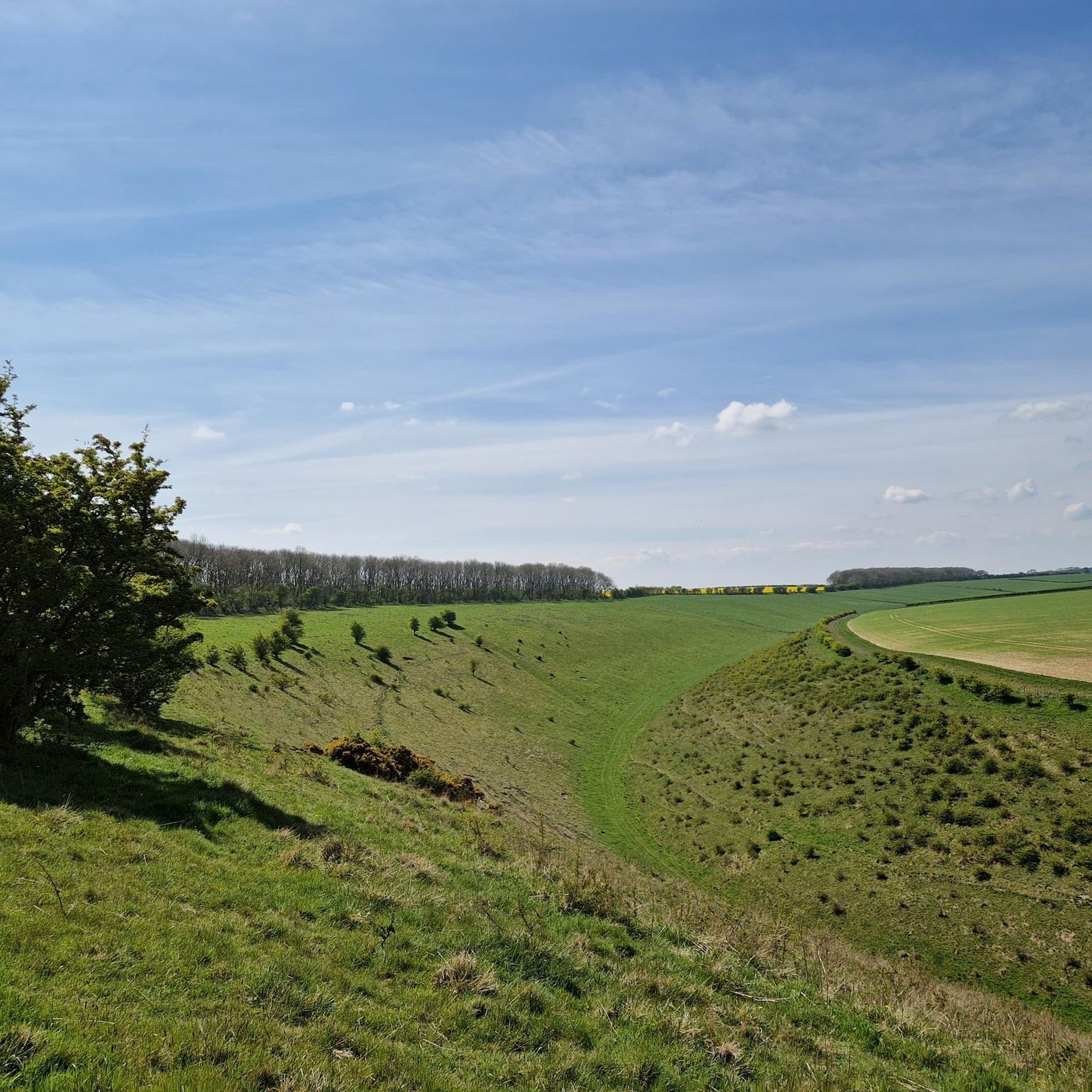
Rhumbard Snout is a scheduled monument, which includes the remains of a prehistoric field system, a medieval artificial rabbit warren known as a pillow mound and post-medieval mining test pits. It is located on the sloping southern tip of the wide, natural terrace which lies between the West Side Brow of Levisham Moor and Newton Dale to the west. See https://historicengland.org.uk/listing/the-list/list-entry/1020309?section=official-list-entry
0
1

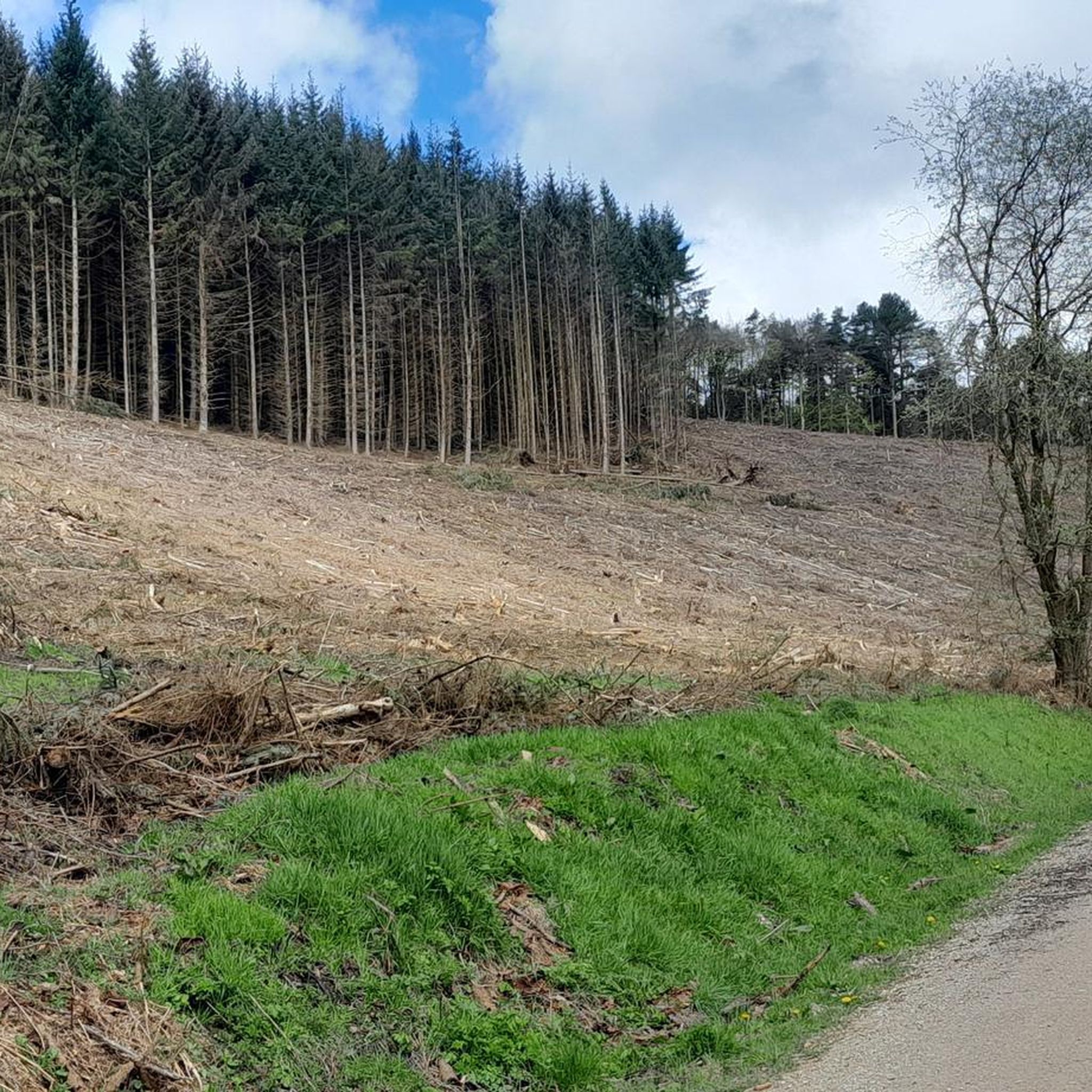
Many paths. Quiet and beautiful. Perfect for a mountain and a gravel bike.
0
0

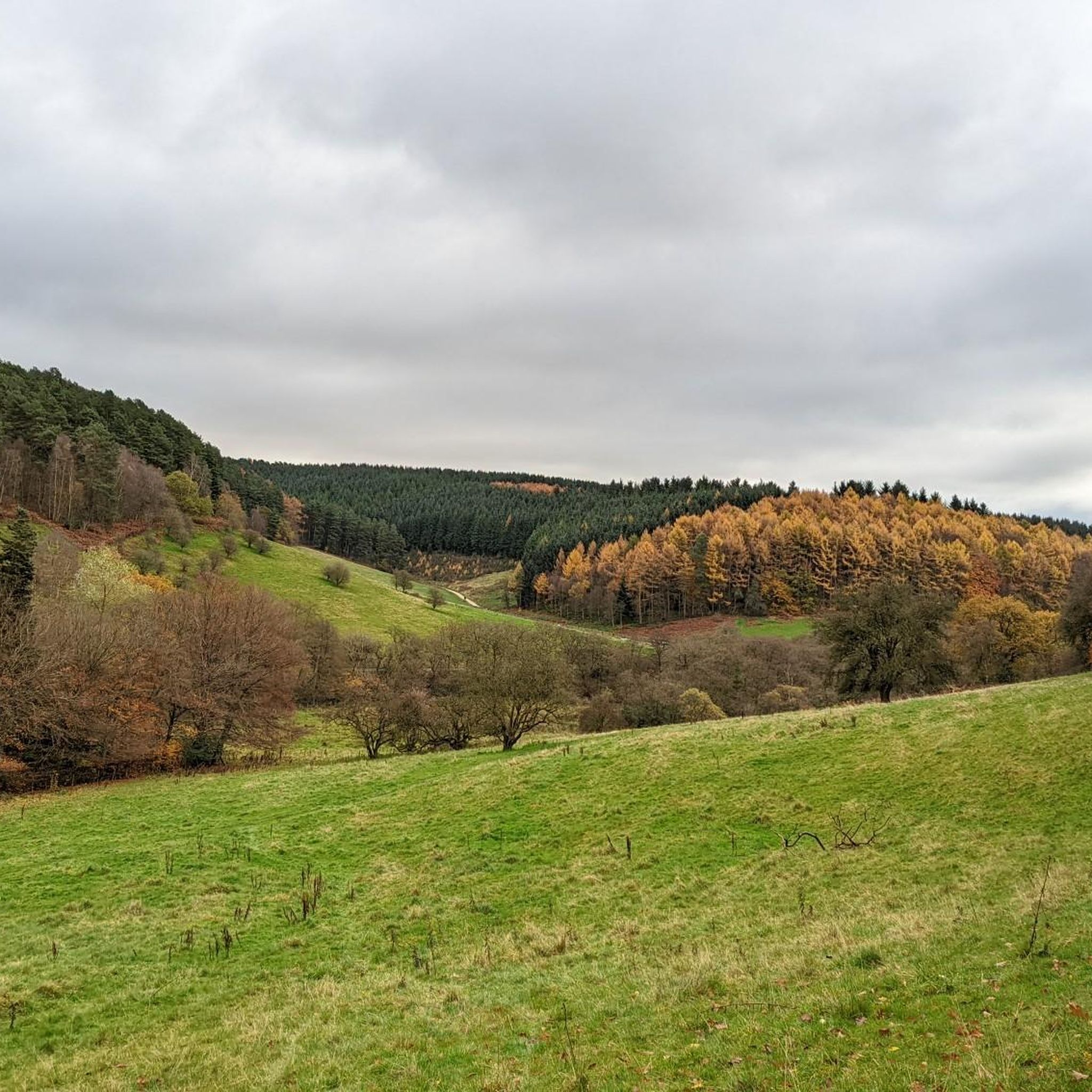
This location was about 10 miles into this trail. It is a crossroads in Dalby Forest. You can rest the bikes against several fences & gates, then sit down on an elevated drain type seat. Good point to rehydrate and eat
0
0

A very obvious place to stop; you won't need me to tell you that, as you will see the lake from the Dalby Forest Drive road, and you will want to immediately make a stop and look at it! Staindale Lake has a car park area, so it's easy to leave your bike here and have a look at the beautiful waters of the lake and spot some of the wildlife around here.
0
0
A lovely little lake, with a useful car park right next to it. Right in the middle of Dalby Forest, of course, with all its tracks to run on, and Bridestones Nature Reserve is close by as well.
1
0
Frequently Asked Questions
What diverse natural features can I explore around Wilton?
The Wilton area offers a variety of natural features. You can discover the unique ancient sandstone rock formations at The Bridestones, which rise above heather moorland. For a serene experience, visit Staindale Lake, nestled within Dalby Forest, known for its easy access and diverse wildlife. Additionally, Rhumbard Snout provides grand panoramas and a glimpse into the region's geological past.
Are there family-friendly natural monuments in the Wilton area?
Yes, several natural monuments are suitable for families. Staindale Lake in Dalby Forest is easily accessible with parking nearby and offers a scenic setting for walks. The Bridestones are also great for active children to explore and climb. The Dalby Forest Crossroads Rest Area is another family-friendly spot within the forest, offering various paths to explore.
What historical or cultural sites can be found among the natural monuments near Wilton?
Beyond natural beauty, the area around Wilton also features sites with historical significance. Rhumbard Snout is a scheduled monument that includes remains of a prehistoric field system, a medieval artificial rabbit warren (pillow mound), and post-medieval mining test pits. You can also visit the Blakey Topping Standing Stones, which are believed to be the remains of a stone circle or alignment, adding an ancient mystery to the landscape.
What outdoor activities can I do near these natural monuments?
The area around Wilton offers a wide range of outdoor activities. You can enjoy road cycling on routes like the 'Dalby Bike Barn – Dalby Forest Visitor Centre loop' or mountain biking on trails such as the 'Red 6 Trail loop'. There are also touring bicycle routes, including the 'Dalby Forest Visitor Centre – Dalby Forest loop'. For more details on routes and activities, explore the guides for Road Cycling, MTB Trails, and Cycling around Wilton.
Are there specific hiking trails or routes near the natural monuments?
Yes, many of the natural monuments are integrated into or are starting points for various trails. For instance, The Bridestones are situated within a nature reserve with trails across heather moorland. Staindale Lake offers scenic walks around its perimeter and connects to the wider Dalby Forest trail network. The Dalby Forest Crossroads Rest Area is a hub for many paths, perfect for mountain and gravel biking, as well as hiking.
What do visitors enjoy most about the natural monuments around Wilton?
Visitors frequently highlight the serene atmosphere and natural beauty. Many appreciate the unique geological formations of The Bridestones and the expansive views from Rhumbard Snout. The easy accessibility and wildlife spotting opportunities at Staindale Lake are also popular. The overall sense of tranquility and the chance to immerse oneself in nature are commonly praised.
Is there parking available at these natural monuments?
Yes, parking is available at several locations. Staindale Lake has a car park conveniently located right beside the lake, making it very accessible. For other areas within Dalby Forest, such as the Dalby Forest Crossroads Rest Area, there are designated parking facilities within the forest network.
Are the trails around Wilton's natural monuments suitable for all difficulty levels?
The trails offer a range of difficulties. For example, the paths around Staindale Lake are generally easy and suitable for leisurely walks. However, areas like The Bridestones can involve more challenging terrain across moorland. When planning your visit, it's advisable to check specific route details for difficulty ratings.
Can I bring my dog to the natural monuments?
While specific dog policies can vary by location, many natural areas in the UK are dog-friendly, often requiring dogs to be kept on a lead, especially in areas with livestock or sensitive wildlife. It's best to check local signage or specific guidelines for each natural monument, such as The Bridestones or Staindale Lake, to ensure a pleasant visit for everyone.
What is the highest point in Dalby Forest near Wilton?
The highest point in Dalby Forest is marked by a trig point located at the Dalby Forest Crossroads Rest Area. It stands at 248 meters (814 feet) above sea level, offering a unique spot to note during your exploration of the forest.
Are there any hidden gems among the natural monuments around Wilton?
While popular spots like The Bridestones are well-known, exploring the less-trafficked paths around Blakey Topping Standing Stones can feel like discovering a hidden gem, with its ancient history and unique hill formation. The quiet paths within Dalby Forest, away from the main visitor areas, also offer a sense of secluded natural beauty.
How long does it typically take to visit these natural monuments?
The duration of your visit can vary greatly depending on the monument and your activity. A quick stop at Staindale Lake might be 30 minutes, while exploring The Bridestones and its surrounding moorland could take a few hours for a good hike. For a more extensive experience, such as cycling through Dalby Forest, you could easily spend half a day or more.
Most popular attractions around Wilton

Get inspired with the komoot mobile app


Explore more
Extend your search for the best caves by checking out these guides of the top ones around Wilton:
