Top 13 Natural Monuments around Rudby
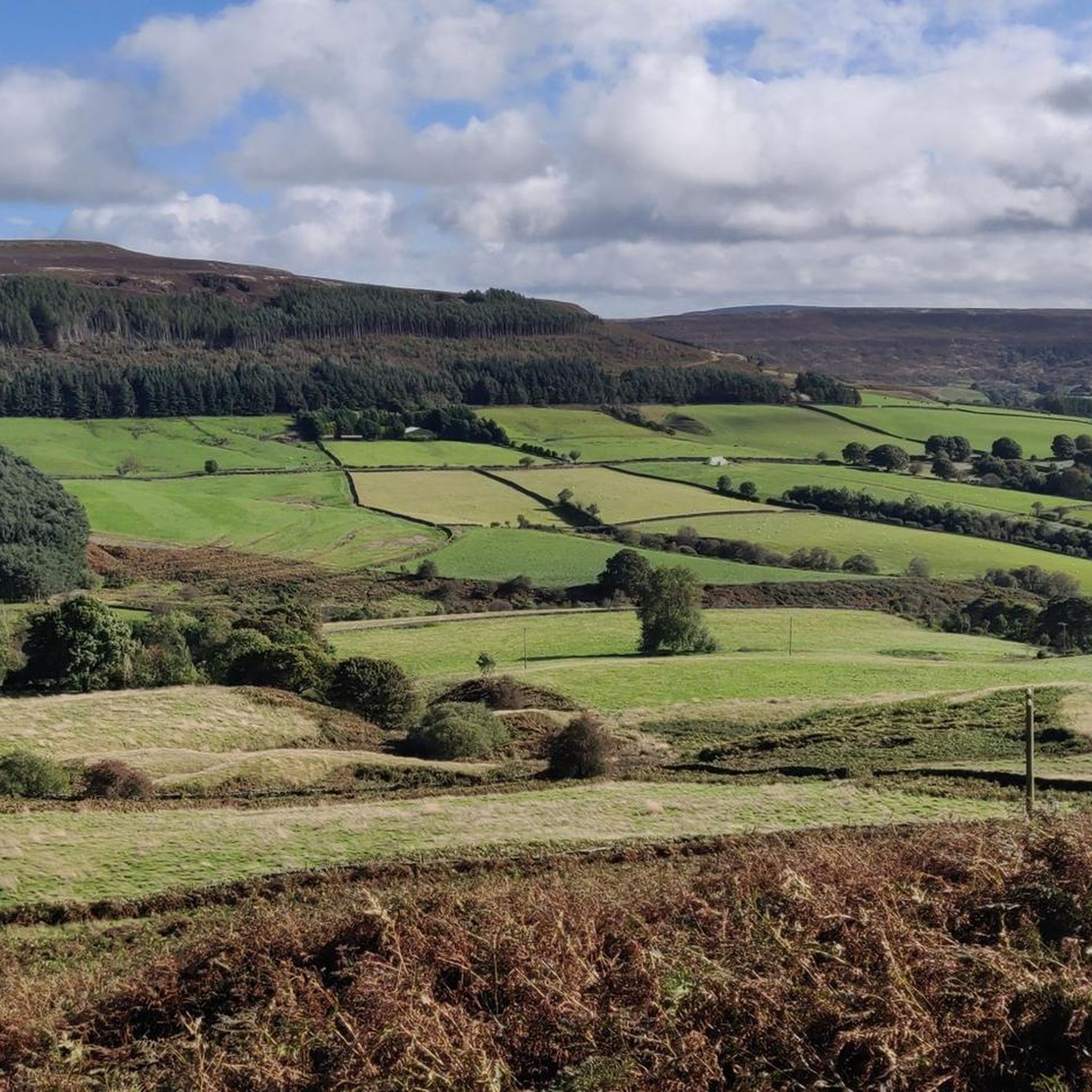
Best natural monuments around Rudby are found within the North York Moors, featuring a range of distinctive natural landscapes. The region is characterized by prominent hills, unique rock formations, and expansive moorland summits. These natural features provide opportunities to explore the area's geology and diverse ecosystems. Rudby's surroundings offer varied terrain and open spaces for outdoor activities.
Best natural monuments around Rudby
- The most popular natural monuments is Roseberry Topping Summit, a summit known for its distinctive half-cone shape.…
Last updated: July 1, 2026
Roseberry Topping Summit
Highlight • Summit
Tip by

Carlton Bank Summit Trig Point
Highlight • Natural Monument
To the northeast, you can see the distinctively shaped Roseberry Topping. To the east and south, the stunning undulations …
Tip by
Sign up now to discover places like this
Get recommendations on the best single tracks, peaks, & plenty of other exciting outdoor places.
Sign up for free
The Wainstones
Highlight • Climb
The rocks are situated on a hill called 'Hasty Banks', and there are fantastic views across to Middlesbrough …
Tip by
Three Howes Barrows
Highlight • Natural Monument
Tip by

Cliff Rigg Quarry
Highlight • Structure
Tip by

Sign up for free to discover even more natural monuments around Rudby.
Sign up for free
Already have an account?
Start today with a free account
Your next adventure awaits.
Login or Signup
Tips from the Community

Until 1912, Roseberry Topping had a smooth, sugarloaf‑like peak. A geological fault combined with underground mining caused a massive collapse, giving the summit its modern jagged profile. The climb up from the car park is steep and can be very busy, even before sunrise in winter where you can see a small procession of torches slowly ascending.
1
0
Cliff Rigg Quarry is a dramatic abandoned whinstone quarry on the Cleveland Dyke near Great Ayton, now a Site of Special Scientific Interest because it exposes one of the clearest geological cross‑sections of the dyke in the region. Quarrying began in 1869, producing high‑quality setts and aggregates for the expanding city of Leeds. The site was operated until work 1918.
1
0

This is where I realised wearing new boots for a hike this long was a BAD idea!
0
0
Lots of view points, people rock climbing and the up and downs test you as they are short, but a touch punchy for their short elevation!
0
0

A scheduled monument first listed in 1968, the barrow to the east of the track is quite prominent, the other two are on the west side of the track. Bowl barrows, the most numerous form of round barrow, are funerary monuments dating from the Late Neolithic period to the Late Bronze Age, with most examples belonging to the period 2400-1500 BC. They were constructed as earthen or rubble mounds, sometimes ditched, which covered single or multiple burials. The barrows each have an earth and stone mound which is round in shape. There are other similar barrows in this area of the Hambleton Hills. Many of these lie in closely associated groups, particularly along the watersheds. They provide evidence of territorial organisation marking divisions of land; divisions which still remain as some parish or township boundaries.
1
0
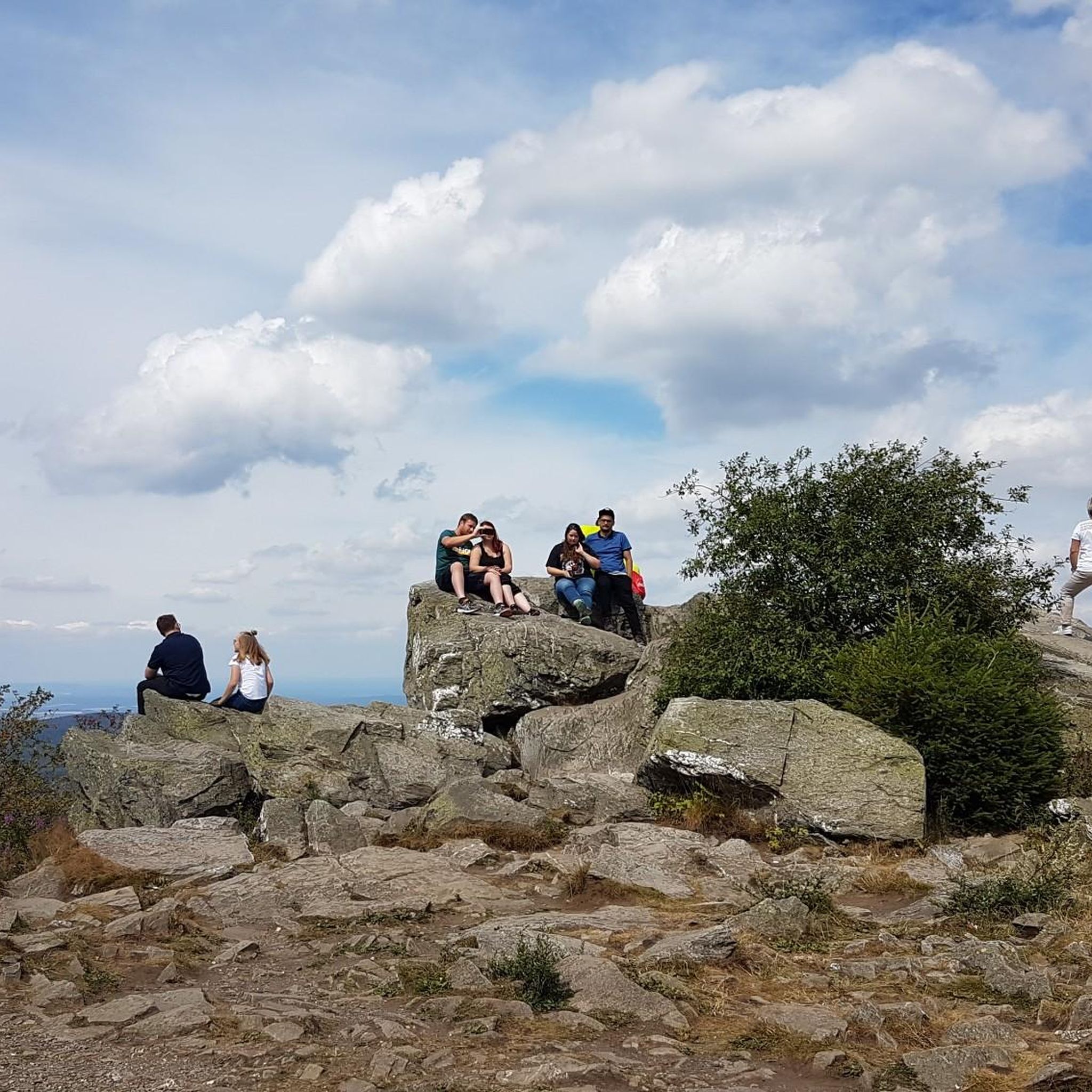
Judging from the number of recommendations, photos and tips, this is a hugely popular spot. If you can, get up there nice and early (I started 5.30am in May) to catch the rising sun and see the stones in a mix of sunlight and shadow, both from afar and close up. Spectacular rock formations and views all round.
3
0
More spectacular views. The approach from the west is easier with a more gentle incline than the approach from the east, which involves a series of twisting turning steep steps, good safe footing but hard going both up and down.
1
0
Frequently Asked Questions
What are some of the most popular natural monuments around Rudby?
The region around Rudby is known for its distinctive natural landscapes. Among the most popular are Roseberry Topping Summit, often called 'Yorkshire's Matterhorn' for its unique shape and panoramic views. Another highly regarded spot is The Wainstones, a dramatic rocky outcrop popular with hikers. Visitors also frequently enjoy Carlton Bank Summit Trig Point, which offers expansive vistas across the North York Moors.
Are there historical natural monuments near Rudby?
Yes, the area features natural monuments with historical significance. Three Howes Barrows are scheduled monuments dating from the Late Neolithic to Late Bronze Age, constructed as earthen or rubble mounds covering burials. Additionally, on the lower ground surrounding The Wainstones, there are small collections of rocks with prehistoric carvings, though these can be difficult to discern due to erosion.
What kind of views can I expect from these natural monuments?
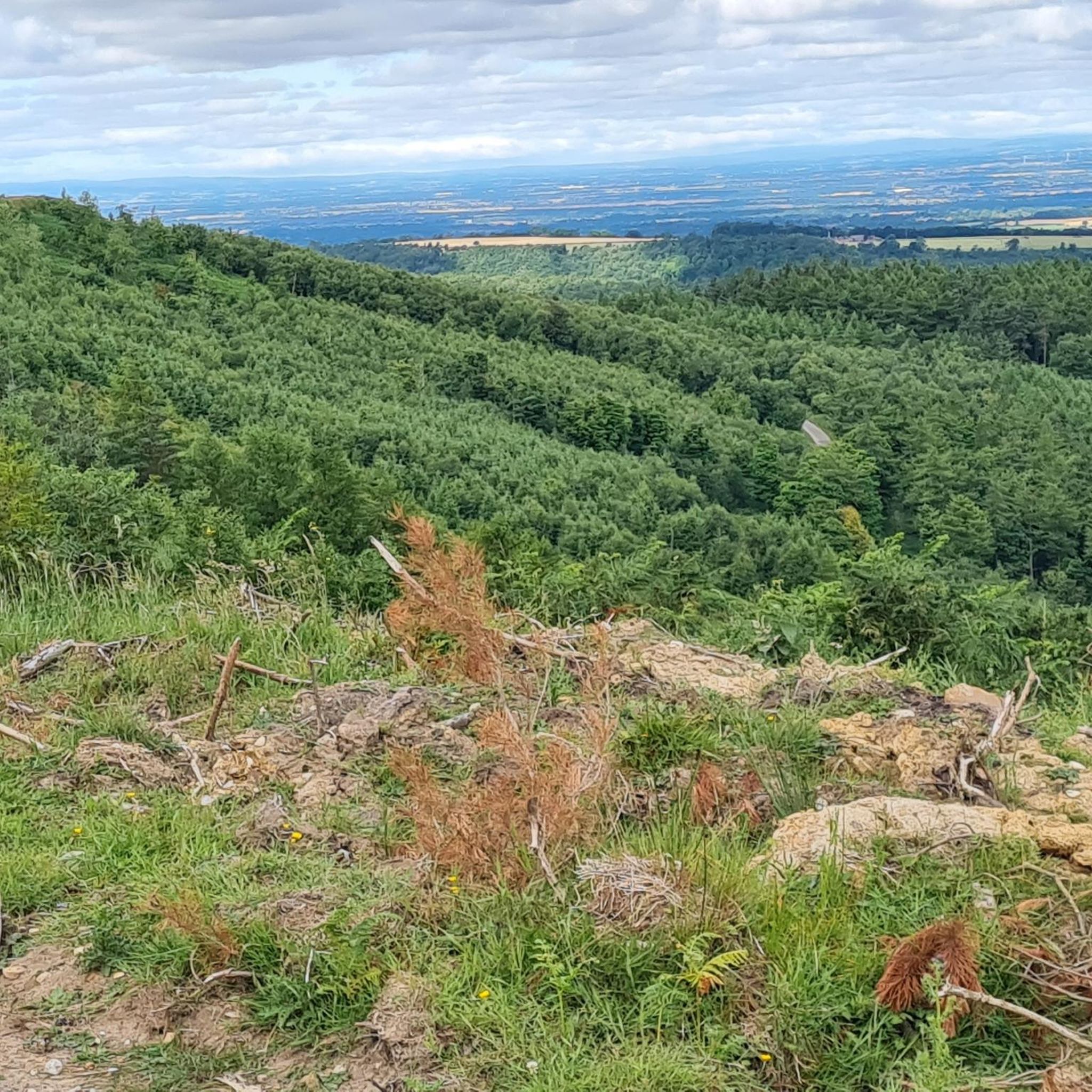
The natural monuments around Rudby offer breathtaking and varied views. From Roseberry Topping Summit, you can see the Cleveland Hills, the North York Moors, and the Tees Valley. Carlton Bank Summit Trig Point provides extensive views of Teesside, Roseberry Topping, and the distant Pennines. From The Wainstones, you can admire far-reaching views of the Cleveland Hills to the south and the plains leading up to Middlesbrough in the distance.
Are there family-friendly natural monuments around Rudby?
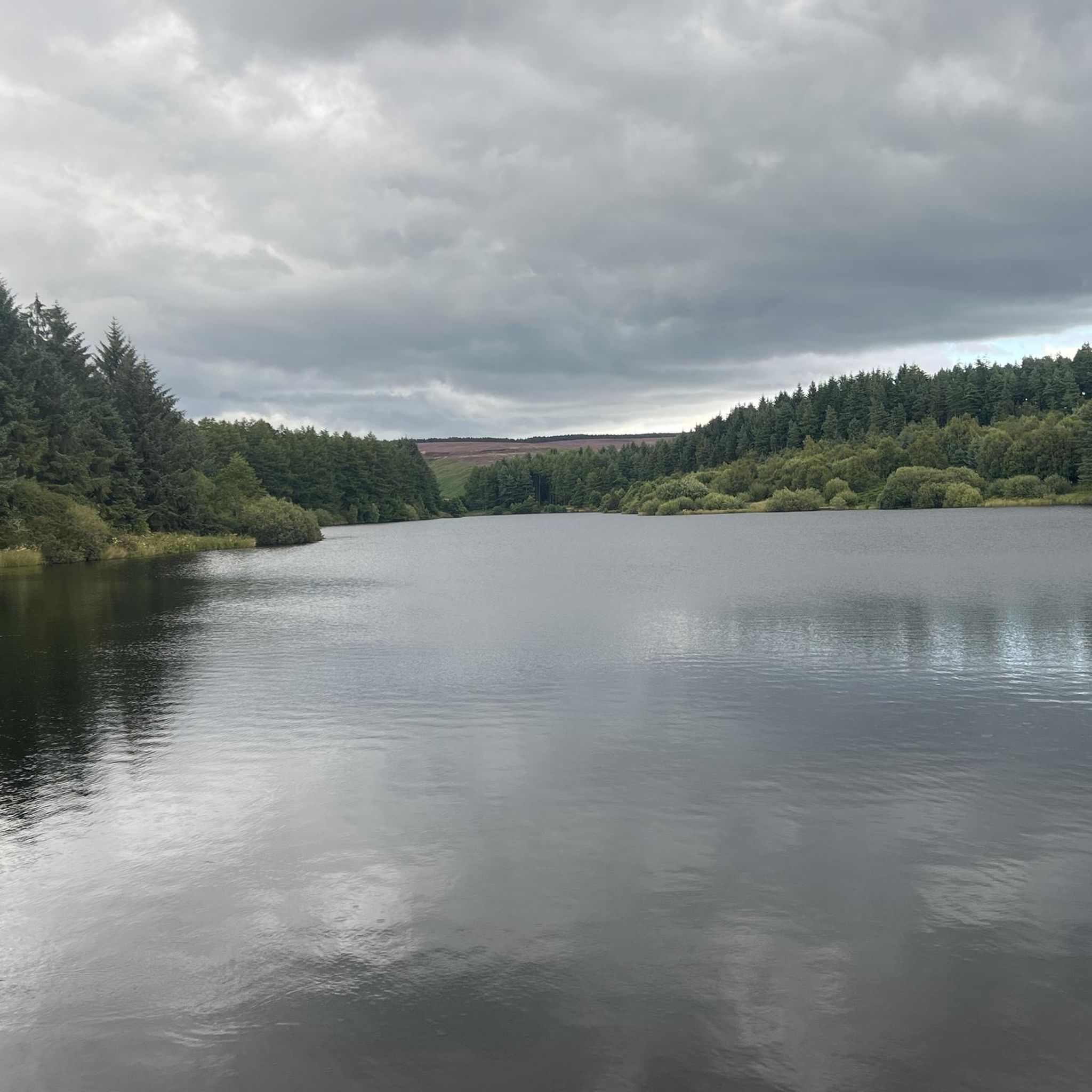
For families, Cod Beck Reservoir near Osmotherley offers a tranquil and scenic environment for leisurely walks. The 1.5-mile walk around its edge is suitable for all ages, providing cool breezes and numerous tracks to explore. Gormire Lake and Garbutt Wood Nature Reserve also offer a peaceful escape with varied landscapes, perfect for family walks and nature observation.
Can I bring my dog to the natural monuments near Rudby?
Many natural monuments and trails in the North York Moors are dog-friendly, but it's important to keep dogs under control, especially around livestock and ground-nesting birds. Cod Beck Reservoir is a popular spot for dog walking. Always check local signage for specific restrictions, particularly during lambing season or in nature reserves.
What outdoor activities can I do near these natural monuments?
The area around Rudby offers a variety of outdoor activities. You can find numerous running trails, such as the 'Hutton Rudby Spar – The Bay Horse loop' or 'View of the Cleveland Hills – Rudby Bank loop'. For cyclists, there are road cycling routes like the 'Carlton Bank Climb – Hutton Rudby Village loop' and gravel biking options including the 'Ingleby Greenhow – View from Clay Bank loop'. You can explore more options on the Running Trails around Rudby, Gravel biking around Rudby, and Road Cycling Routes around Rudby guide pages.
Are there specific hiking trails to reach these natural monuments?
Yes, there are various routes to reach the natural monuments. Roseberry Topping has several paths of varying difficulty leading to its summit. For Carlton Bank Summit Trig Point, the approach from the west is generally easier, while the east involves steeper steps. The Wainstones are also accessible via popular hiking trails, offering challenging terrain for outdoor enthusiasts.
What is the best time of year to visit the natural monuments around Rudby?
The North York Moors, where many of Rudby's natural monuments are located, are beautiful year-round. Spring and summer offer pleasant weather for hiking and enjoying the vibrant flora. Autumn brings stunning colors to the moorland. While winter can be challenging with colder temperatures and potential snow, it offers a dramatic and solitary experience for well-prepared hikers. Always check weather forecasts before your visit.
Are there any less crowded natural monuments to explore?
For a more tranquil experience, consider visiting Gormire Lake and Garbutt Wood Nature Reserve. This secluded spot offers peaceful walks through ancient woodland and around a freshwater lake, often less crowded than more prominent landmarks. Cod Beck Reservoir also provides a serene environment for leisurely strolls away from the busiest trails.
Where can I find parking when visiting these natural monuments?
Parking facilities are generally available near the access points for popular natural monuments. For Roseberry Topping, there are car parks nearby, often requiring a fee. For other locations like Cod Beck Reservoir or access points to the Cleveland Hills, smaller car parks or roadside parking might be available. It's advisable to research specific parking options for your chosen destination in advance.
What should I wear when visiting the natural monuments?
Given the varied terrain and often exposed nature of the North York Moors, it's best to dress in layers. Sturdy hiking boots are essential for comfort and safety on uneven paths. Waterproof and windproof outer layers are recommended, as weather conditions can change rapidly. Even on sunny days, a hat, gloves, and extra layers are wise, especially at higher elevations.
Are there any natural monuments with unique geological features?
Absolutely. Roseberry Topping is famous for its distinctive half-cone shape, a result of its hard sandstone cap resisting erosion. The Wainstones are a dramatic rocky outcrop with unique formations popular among climbers. Cliff Rigg Quarry, though an abandoned quarry, is a Site of Special Scientific Interest because it exposes one of the clearest geological cross-sections of the Cleveland Dyke in the region.
What wildlife might I encounter near Rudby's natural monuments?
The diverse habitats around Rudby's natural monuments support a variety of wildlife. In moorland areas, you might spot red grouse, curlews, and various birds of prey. Woodlands like those around Gormire Lake and Cod Beck Reservoir are home to diverse bird species, small mammals, and a rich array of insects. Keep an eye out for deer in quieter areas. The flora also includes heather, bilberry, and various wildflowers.
Are there any circular walks around the natural monuments?
Many of the natural monuments around Rudby can be incorporated into circular walks. For instance, there are numerous circular routes that include Roseberry Topping, often starting from nearby villages. The walk around Cod Beck Reservoir is a natural circular route. Local guidebooks and online resources, including komoot tours, can provide detailed maps and descriptions for circular walks that encompass these natural features.
Are there cafes or pubs near the natural monuments for refreshments?
While the natural monuments themselves are often in remote settings, nearby villages offer options for refreshments. Hutton Rudby and Stokesley have cafes and pubs. For example, after a hike around Cod Beck Reservoir, the village of Osmotherley offers places to eat and drink. It's a good idea to plan your route to include these villages if you're looking for a break or a meal.
Most popular attractions around Rudby

Get inspired with the komoot mobile app


Explore more
Extend your search for the best caves by checking out these guides of the top ones around Rudby:
