Top 20 Natural Monuments around Great Ayton
Best natural monuments around Great Ayton include distinctive hills, ancient moorlands, and river features, situated on the edge of the North York Moors National Park. The area offers diverse landscapes, from prominent peaks to historical sites and tranquil riverside spots. These natural features provide opportunities for outdoor exploration and offer panoramic views across the region. The landscape is shaped by geological formations and historical human activity, making it a notable destination for natural monuments.
Best natural monuments around Great Ayton
…Last updated: May 3, 2026
Roseberry Topping Summit
Highlight • Summit
Tip by

Carlton Bank Summit Trig Point
Highlight • Natural Monument
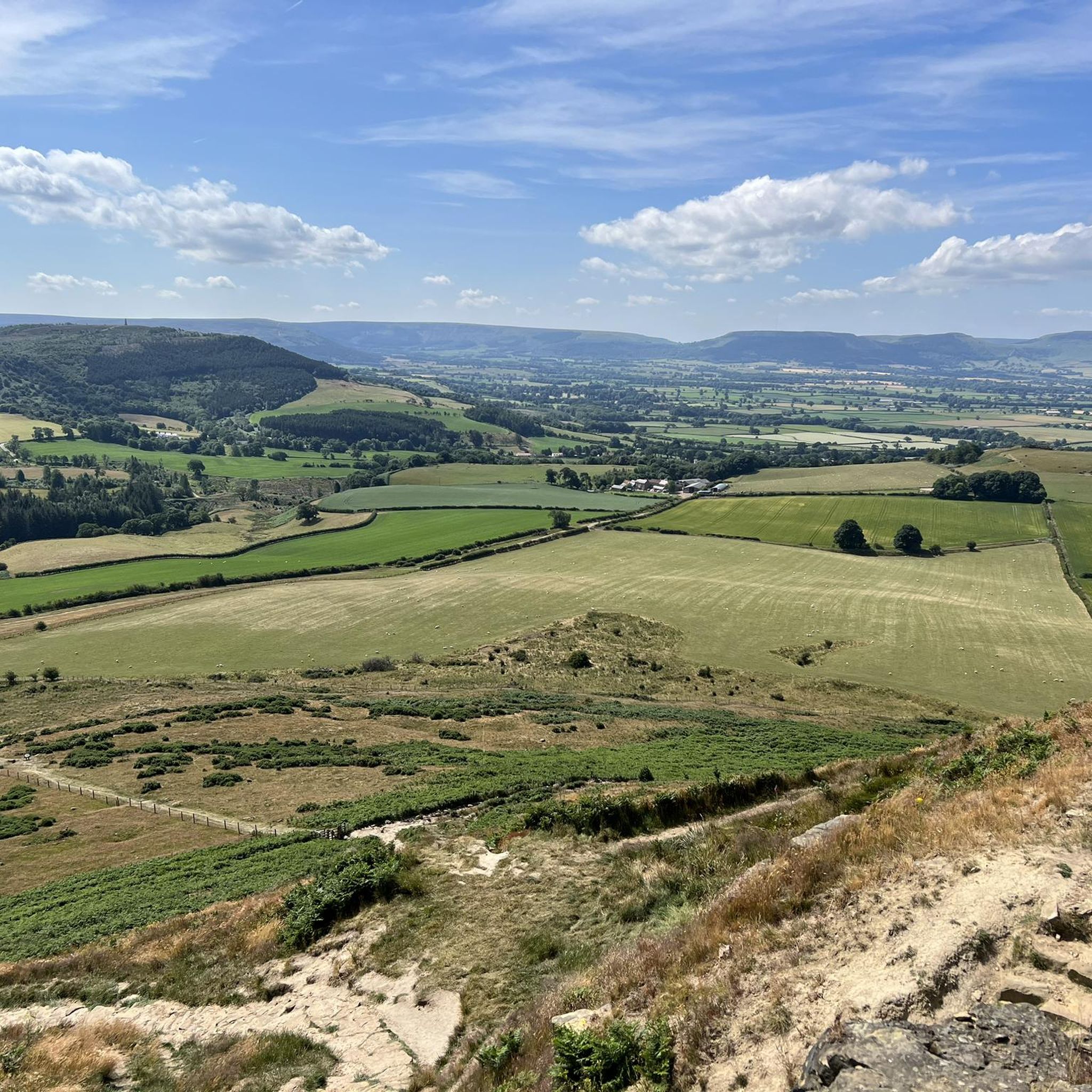
To the northeast, you can see the distinctively shaped Roseberry Topping. To the east and south, the stunning undulations …
Tip by
Sign up now to discover places like this
Get recommendations on the best single tracks, peaks, & plenty of other exciting outdoor places.
Sign up for free
The Wainstones
Highlight • Climb
The rocks are situated on a hill called 'Hasty Banks', and there are fantastic views across to Middlesbrough …
Tip by
Round Hill Summit (Highest Point of Urra Moor)
Highlight • Summit
Tip by

Three Howes Barrows
Highlight • Natural Monument
Tip by

Sign up for free to discover even more natural monuments around Great Ayton.
Sign up for free
Already have an account?
Start today with a free account
Your next adventure awaits.
Login or Signup
Popular around Great Ayton
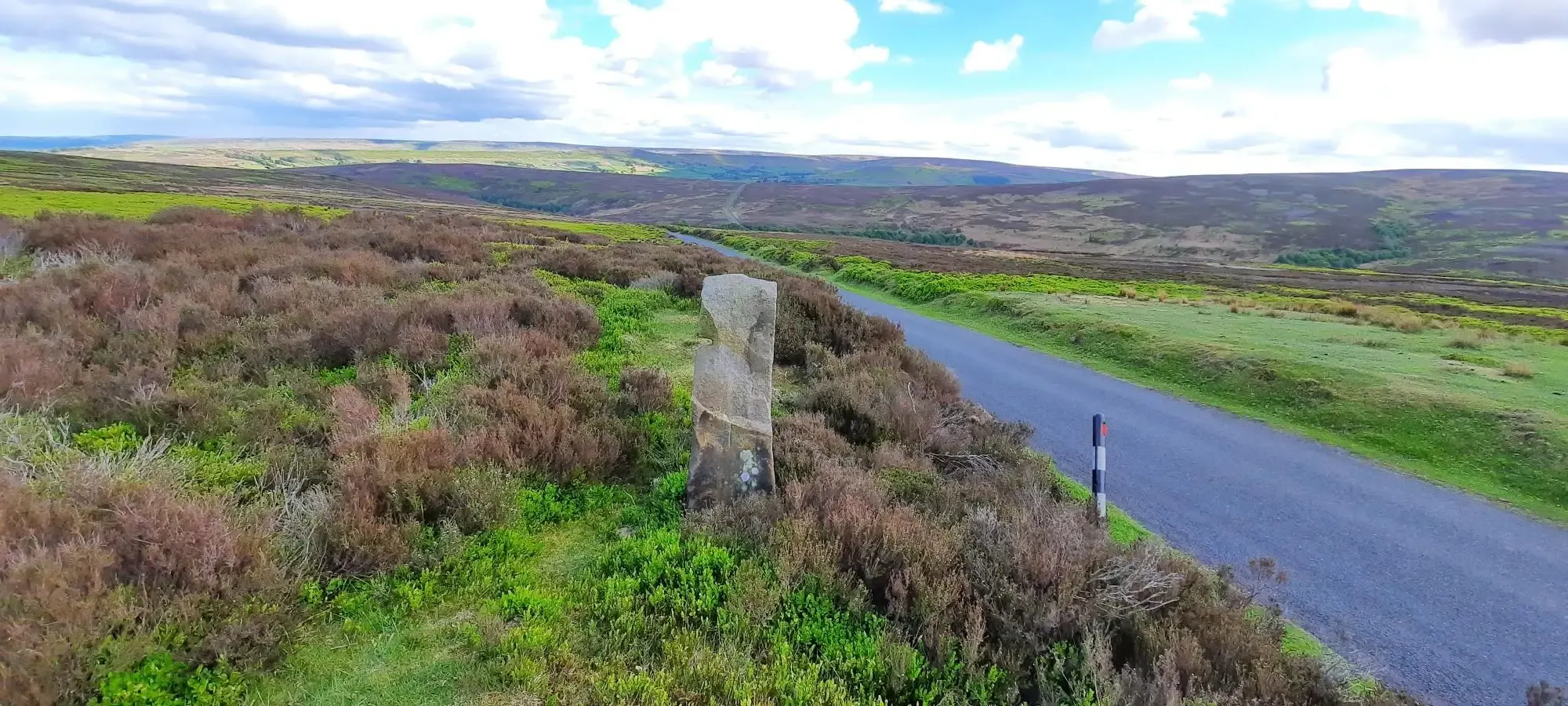
Road to Rail – Cycling in the North York Moors
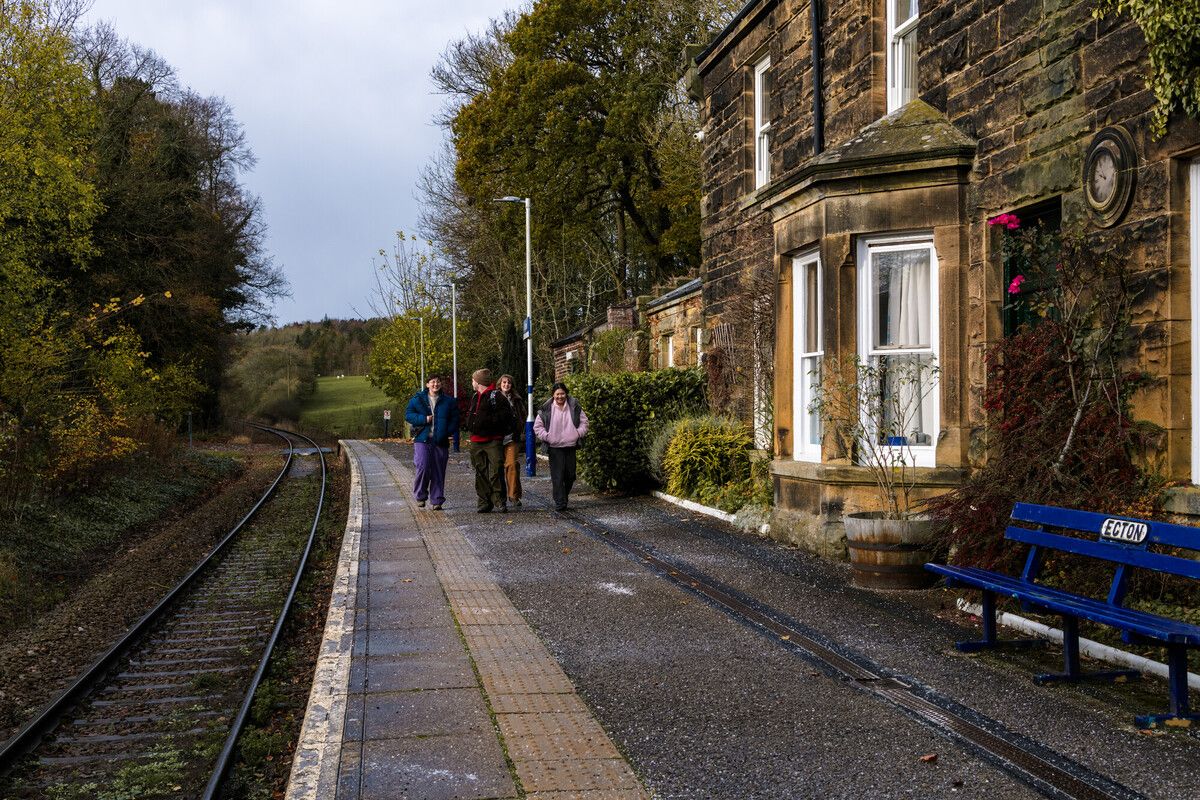
Explore the North York Moors on foot – beautiful hikes by train

North York Moors Gravel and Explorer Routes
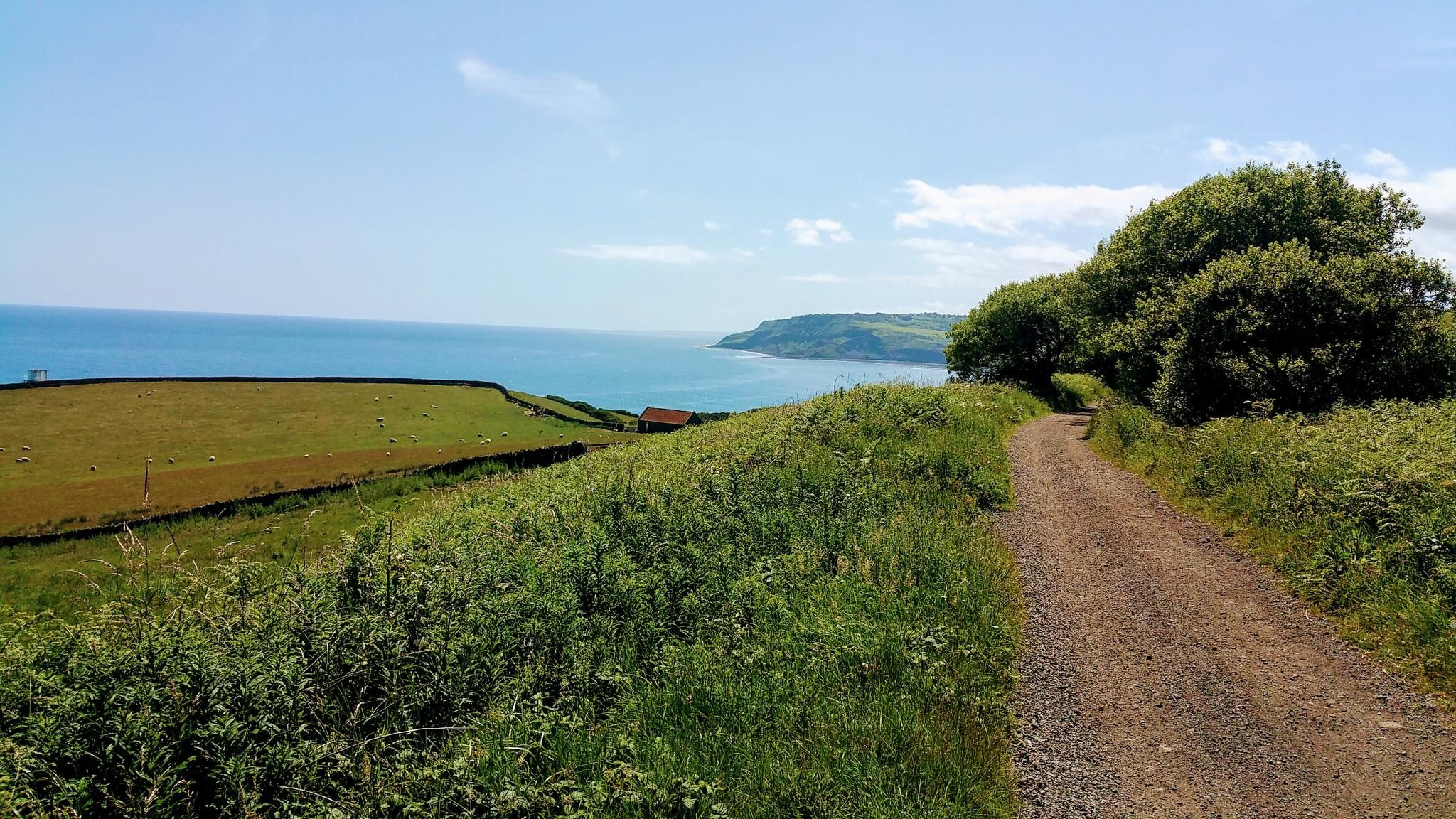
Gravel Cycling in North York Moors National Park
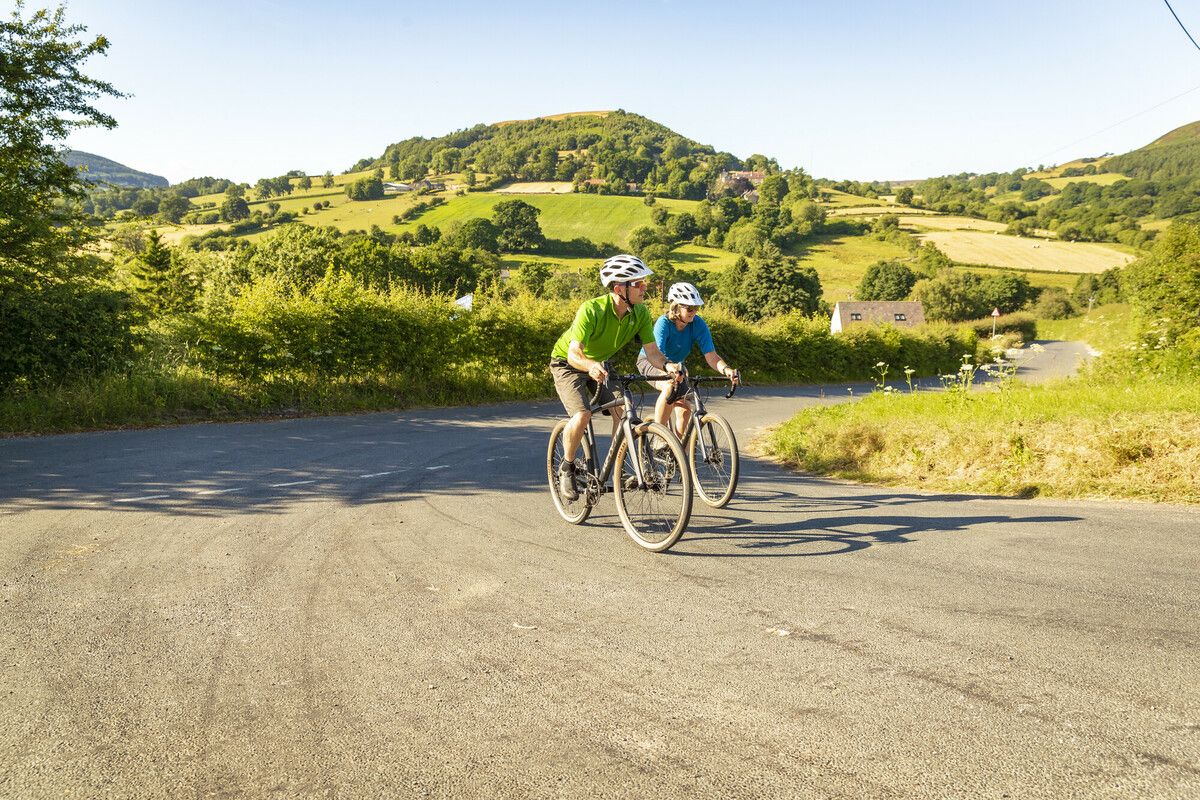
North York Moors National Park Cycle Routes
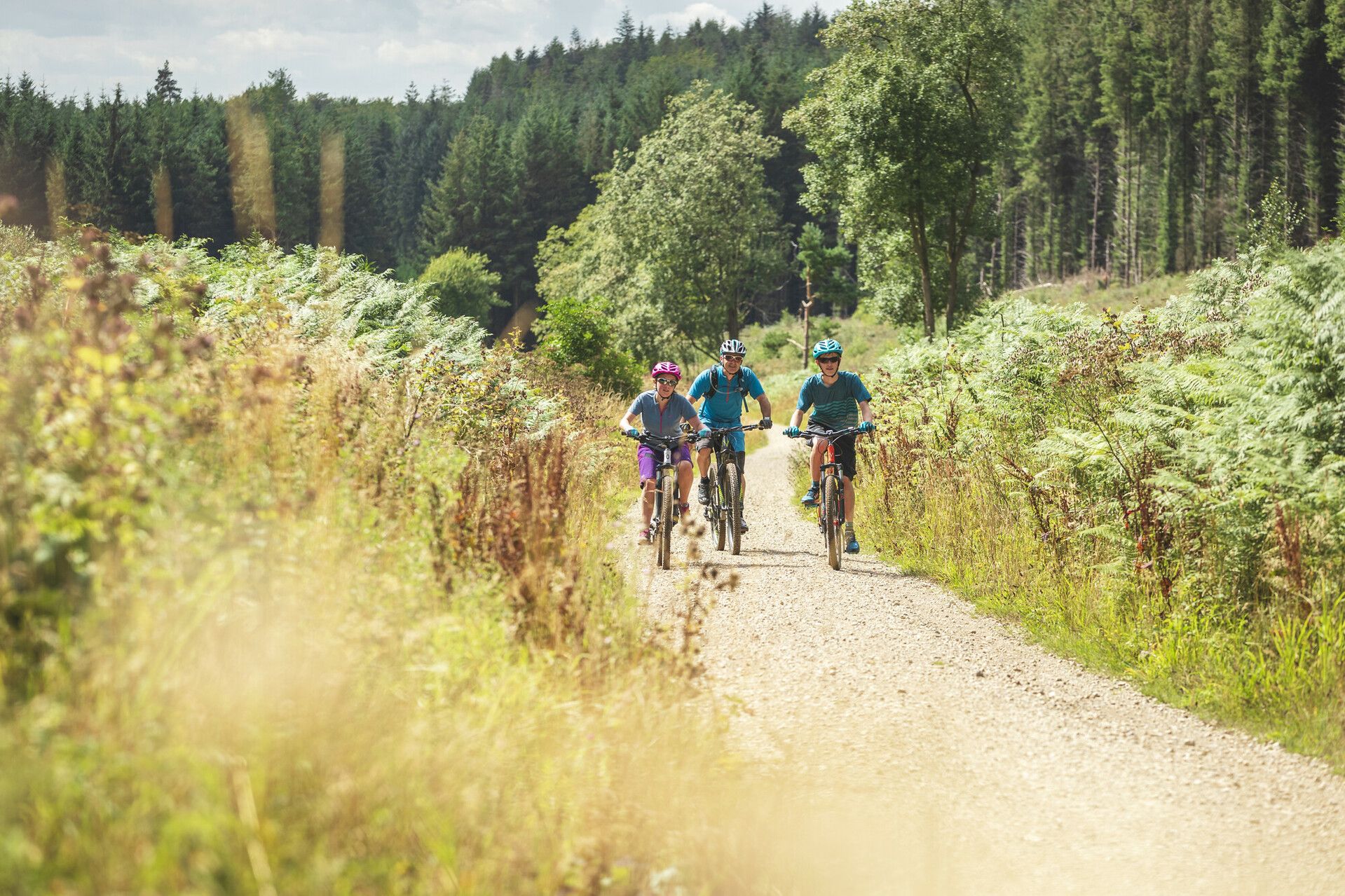
Moor to Sea – exploring the North York Moors National Park
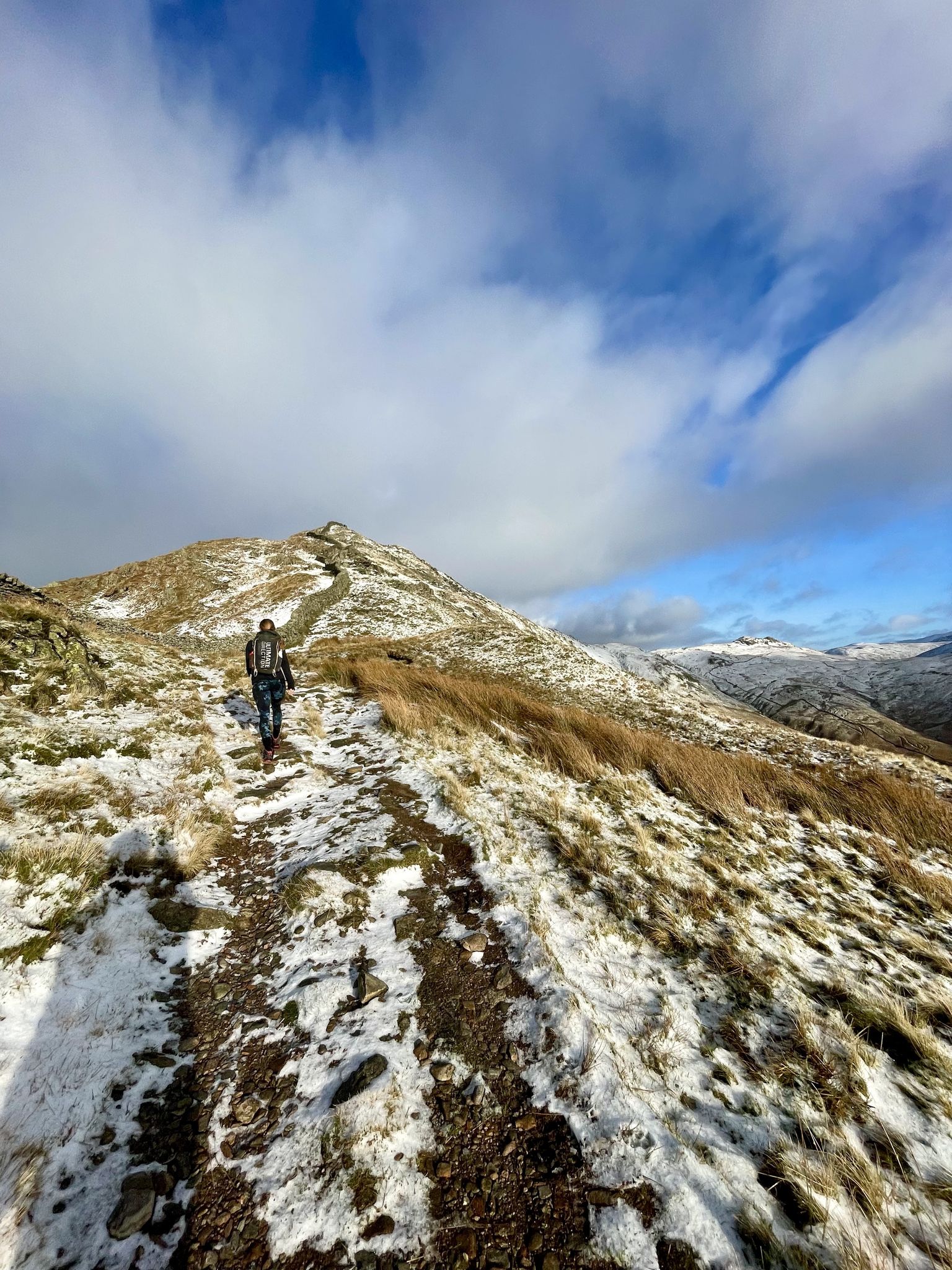
Walk Britain – 90 car-free adventures in England, Wales and Scotland
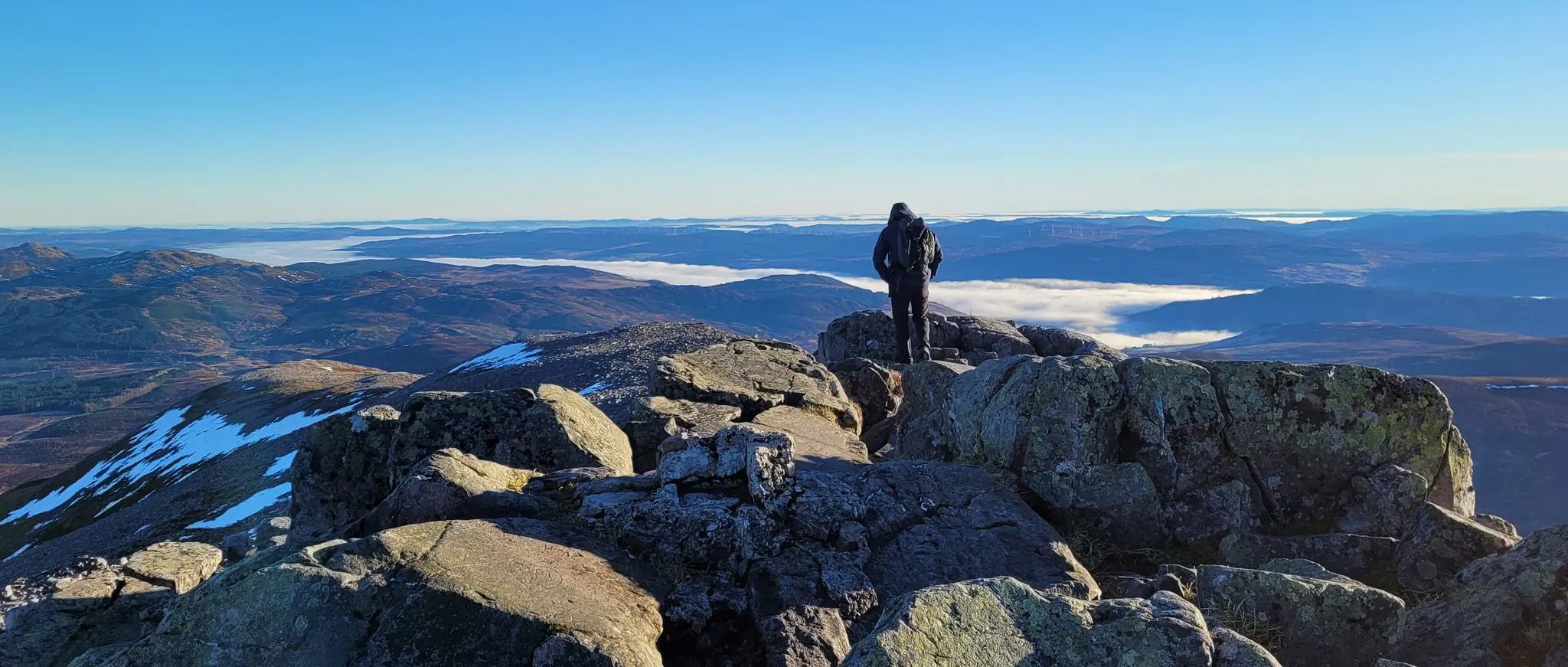
First Ascents – Magnificent UK Hill Walks for Beginners
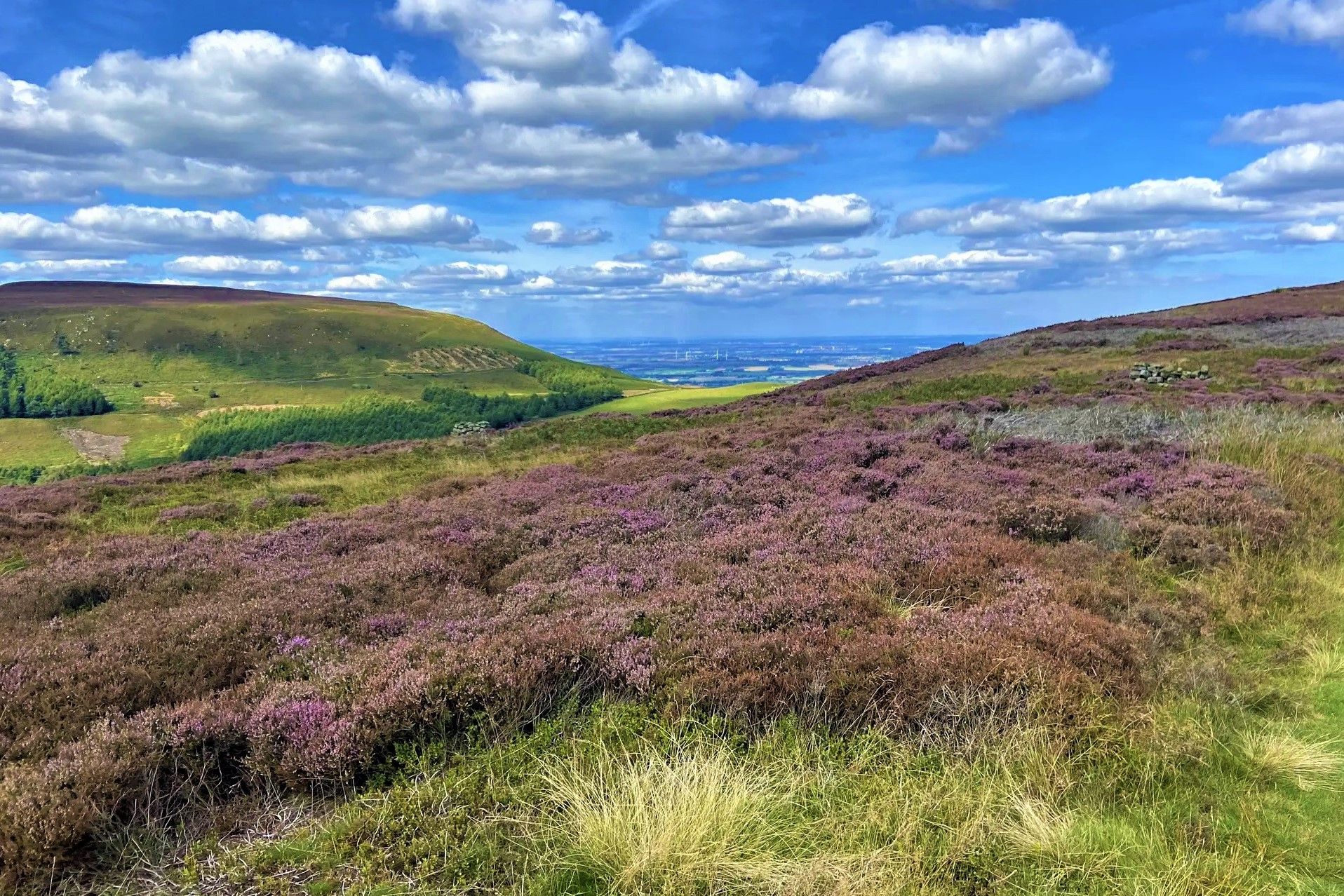
Purple heather, golden sand and classic hiking – North York Moors
Hiking around Great Ayton
Other adventures around Great Ayton


Tips from the Community

Until 1912, Roseberry Topping had a smooth, sugarloaf‑like peak. A geological fault combined with underground mining caused a massive collapse, giving the summit its modern jagged profile. The climb up from the car park is steep and can be very busy, even before sunrise in winter where you can see a small procession of torches slowly ascending.
1
0

This is where I realised wearing new boots for a hike this long was a BAD idea!
0
0
Lots of view points, people rock climbing and the up and downs test you as they are short, but a touch punchy for their short elevation!
0
0

Just off the Cleveland Way and about halfway between Carr Ridge to the west and Bloworth Crossing to the east, spectacular views all around on a clear day.
1
0
A scheduled monument first listed in 1968, the barrow to the east of the track is quite prominent, the other two are on the west side of the track. Bowl barrows, the most numerous form of round barrow, are funerary monuments dating from the Late Neolithic period to the Late Bronze Age, with most examples belonging to the period 2400-1500 BC. They were constructed as earthen or rubble mounds, sometimes ditched, which covered single or multiple burials. The barrows each have an earth and stone mound which is round in shape. There are other similar barrows in this area of the Hambleton Hills. Many of these lie in closely associated groups, particularly along the watersheds. They provide evidence of territorial organisation marking divisions of land; divisions which still remain as some parish or township boundaries.
1
0
Judging from the number of recommendations, photos and tips, this is a hugely popular spot. If you can, get up there nice and early (I started 5.30am in May) to catch the rising sun and see the stones in a mix of sunlight and shadow, both from afar and close up. Spectacular rock formations and views all round.
3
0
More spectacular views. The approach from the west is easier with a more gentle incline than the approach from the east, which involves a series of twisting turning steep steps, good safe footing but hard going both up and down.
1
0
Frequently Asked Questions
What are some other notable natural monuments to explore around Great Ayton?
Beyond the most popular spots, you can discover Round Hill Summit (Highest Point of Urra Moor), which offers vast, peaceful views as the highest point in the North York Moors. Another significant site is Three Howes Barrows, an ancient scheduled monument featuring bowl barrows from the Late Neolithic to Late Bronze Age periods, providing a glimpse into the region's prehistoric past.
What makes Roseberry Topping a unique natural monument?
Roseberry Topping is often called 'Yorkshire's Matterhorn' due to its distinctive half-cone shape and jagged cliff. This iconic hill, rising to about 1,049 feet, offers spectacular panoramic views across the Tees Valley and the North York Moors from its summit. Its unique appearance is a result of a geological fault and a 1912 mining collapse, making it a fascinating blend of natural and historical forces. You can find more details about the summit at Roseberry Topping Summit.
Are there easy walks to natural monuments near Great Ayton?
Yes, there are several easy walks. For instance, you can enjoy tranquil riverside strolls along the River Leven or visit Waterfall Park within Great Ayton village. For a slightly longer, but still easy, option, the route from Gribdale Gate car park to Captain Cook's Monument is considered simpler than other approaches. You can find more easy hiking options in the Easy hikes around Great Ayton guide.
What kind of hiking trails can I find around Great Ayton's natural monuments?
The area offers a variety of hiking trails, from moderate to challenging. You can undertake the relatively steep climb to Roseberry Topping Summit, explore the moorland paths leading to Carlton Bank Summit Trig Point, or navigate the rocky terrain around The Wainstones. Many routes offer stunning views across the Cleveland Hills and North York Moors. For more options, check out the Hiking around Great Ayton guide.
Are the natural monuments around Great Ayton suitable for families?
Many natural monuments offer family-friendly experiences. The woodland walks around Roseberry Topping are enjoyable, and the River Leven and Waterfall Park in Great Ayton provide peaceful, accessible spots for leisurely enjoyment. The walk to Captain Cook's Monument from Gribdale Gate car park is also a good option for families seeking a simpler route with rewarding views.
When is the best time of year to visit the natural monuments around Great Ayton?
Spring is particularly beautiful, especially around Roseberry Topping, where the lower slopes, notably Newton Wood, are covered in vibrant bluebells. Summer offers pleasant weather for hiking and exploring the moors. Autumn brings stunning colours to the landscape, while winter can offer dramatic, stark beauty, though trails may be more challenging due to weather conditions.
What kind of wildlife can I expect to see near these natural monuments?
The woodlands and moorlands around Great Ayton's natural monuments are home to various wildlife. You might spot warblers, hares, and roe deer, particularly in the wooded areas around Roseberry Topping. The open moorlands also support a range of birdlife and other small mammals, offering opportunities for nature observation.
How long does it take to hike to the summit of Roseberry Topping?
The hike to the summit of Roseberry Topping is relatively short but steep. It typically takes between 30 minutes to an hour to reach the top, depending on your pace and the route chosen. There are various paths of differing difficulties, all leading to spectacular views.
Where can I find parking for natural monuments like Captain Cook's Monument?
For Captain Cook's Monument, a convenient starting point is the Gribdale Gate car park, which offers a simpler route to the monument. Parking is also available for Roseberry Topping, with various trailheads offering access to different routes up the hill.
Are there any historical natural monuments in the area?
Yes, the region is rich in historical natural monuments. Great Ayton Moor itself features many prehistoric sites, including a Neolithic chambered cairn and evidence of Iron Age settlements. Additionally, Three Howes Barrows are ancient bowl barrows dating from the Late Neolithic to Late Bronze Age, offering a direct connection to the area's ancient past.
What cycling opportunities are there near Great Ayton's natural monuments?
For those interested in cycling, the area around Great Ayton offers gravel biking routes that allow you to explore the wider landscape. These routes often provide different perspectives of the natural monuments and the surrounding North York Moors. You can find more details on routes in the Gravel biking around Great Ayton guide.
Are there dog-friendly trails around the natural monuments?
Many of the trails and natural areas around Great Ayton are dog-friendly, allowing you to explore with your canine companion. However, it's always advisable to keep dogs on a lead, especially in areas with livestock or ground-nesting birds, and to follow the Countryside Code. Specific routes around Roseberry Topping and Captain Cook's Monument are popular with dog walkers.
Most popular routes around Great Ayton
Most popular attractions around Great Ayton

Get inspired with the komoot mobile app


Explore more
Extend your search for the best caves by checking out these guides of the top ones around Great Ayton:
