Top 9 Natural Monuments around Swepstone
Best natural monuments around Swepstone are found within the surrounding region of this Leicestershire village, which is part of The National Forest. This area is characterized by its evolving landscape, transforming former industrial sites into green, wooded areas. Visitors can explore woodlands, lakes, and various natural features that provide opportunities for outdoor activities and wildlife observation. The region offers a blend of natural beauty and environmental initiatives.
Best natural monuments around Swepstone
- The most popular natural monuments is Blackbrook Reservoir…
Last updated: October 4, 2026
Bardon Hill Trig Point
Highlight • Volcano
Tip by

Blackbrook Reservoir
Highlight • Natural Monument
Tip by

Sign up now to discover places like this
Get recommendations on the best single tracks, peaks, & plenty of other exciting outdoor places.
Queen Elizabeth Diamond Jubilee Wood
Highlight • Natural Monument
Tip by
Diana, Princess of Wales Memorial Woodland
Highlight • Forest
Tip by

Charnwood Nature Reserve
Highlight • Viewpoint
Tip by
Sign up for free to discover even more natural monuments around Swepstone.
Already have an account?
Start today with a free account
Your next adventure awaits.


Tips from the Community

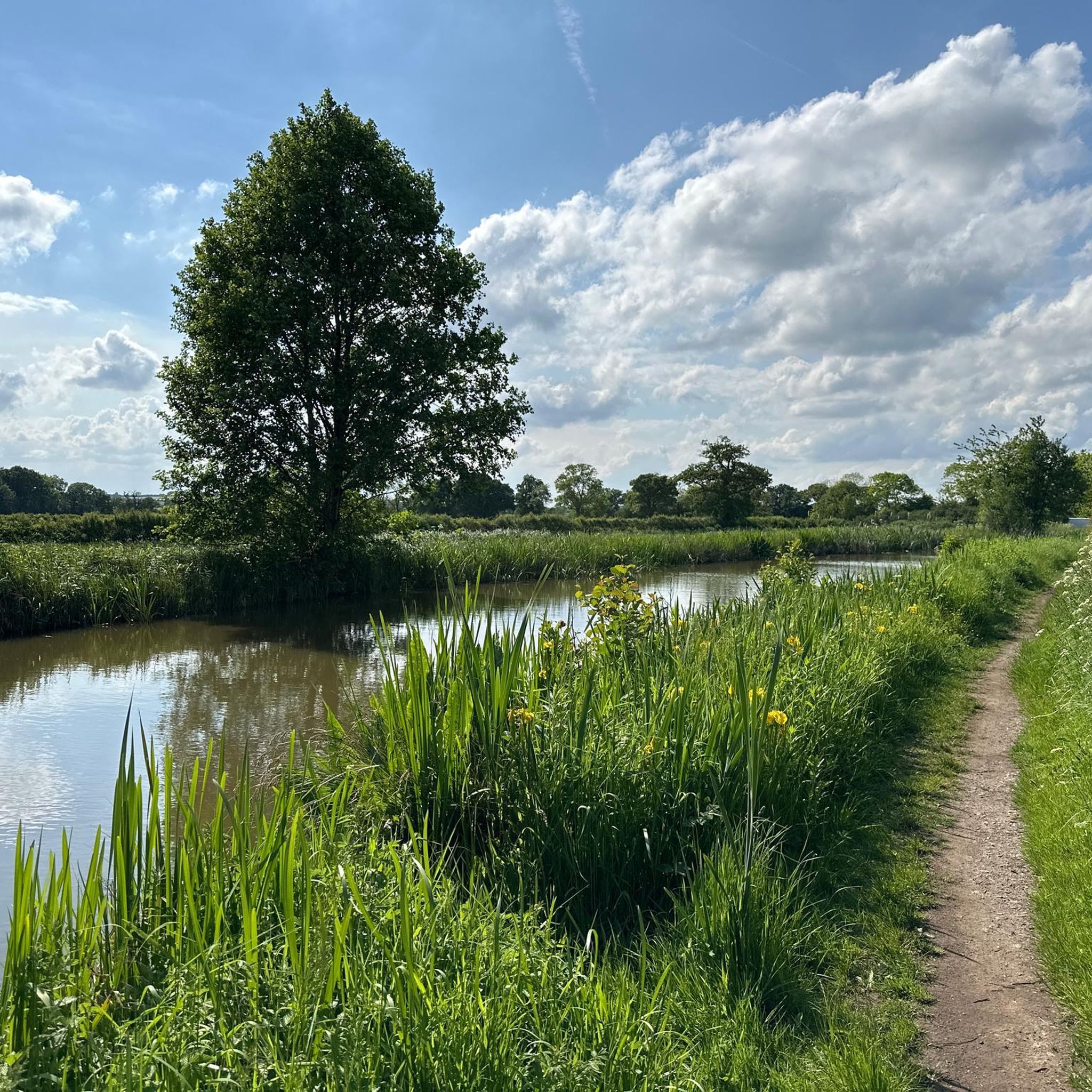
Following the planting of 300,000 native broadleaf trees from 2012-2015, QEDJW is now flourishing into a beautiful young woodland made up of oak, field maple, silver birch, beech and hornbeam, to name just a few. Bluebell and wood anemone light up the forest floor in the ancient woodland areas in springtime, and at the lake you’ll find vegetation including bull rush and yellow iris.
0
0

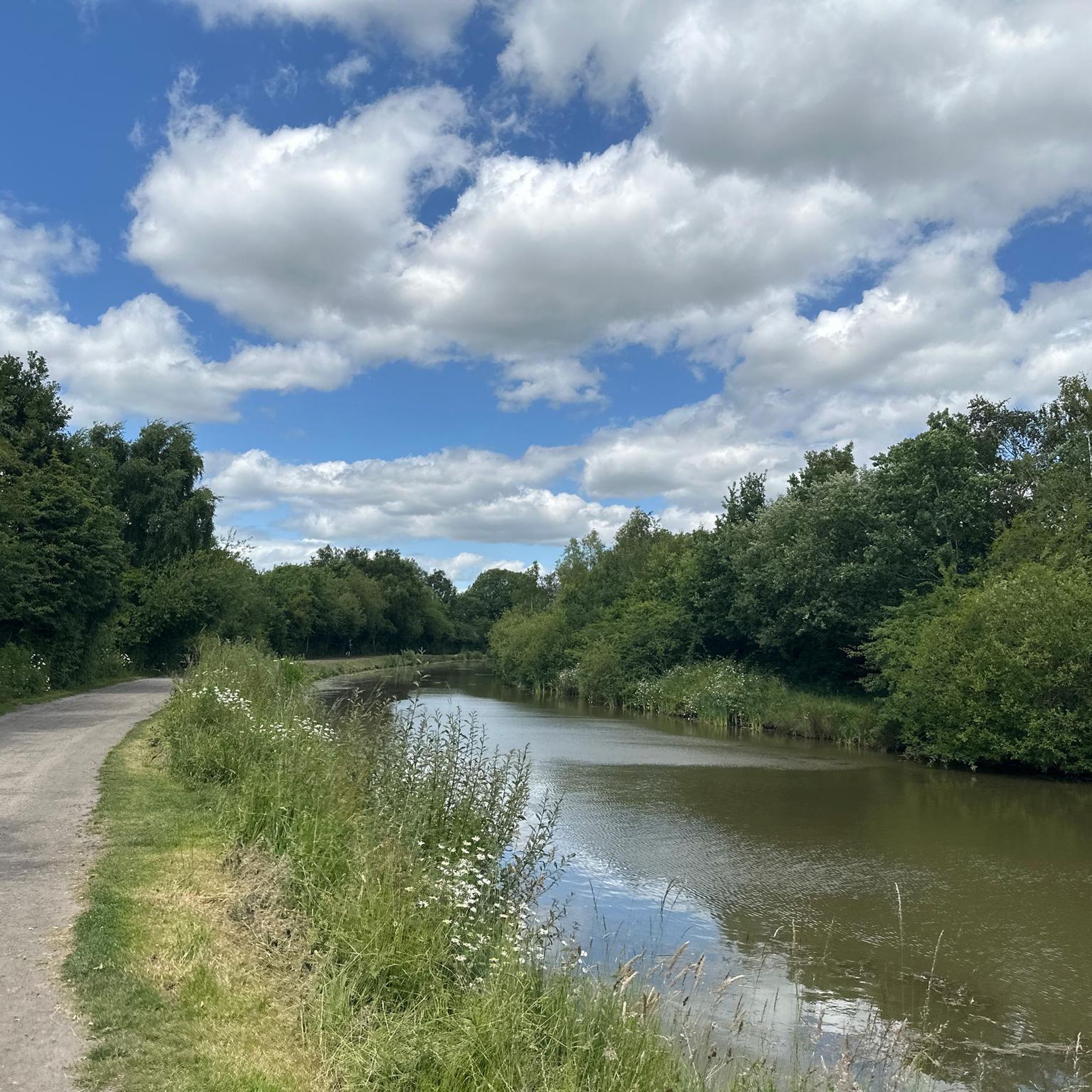
A nice place for a walk in the sunshine
0
0
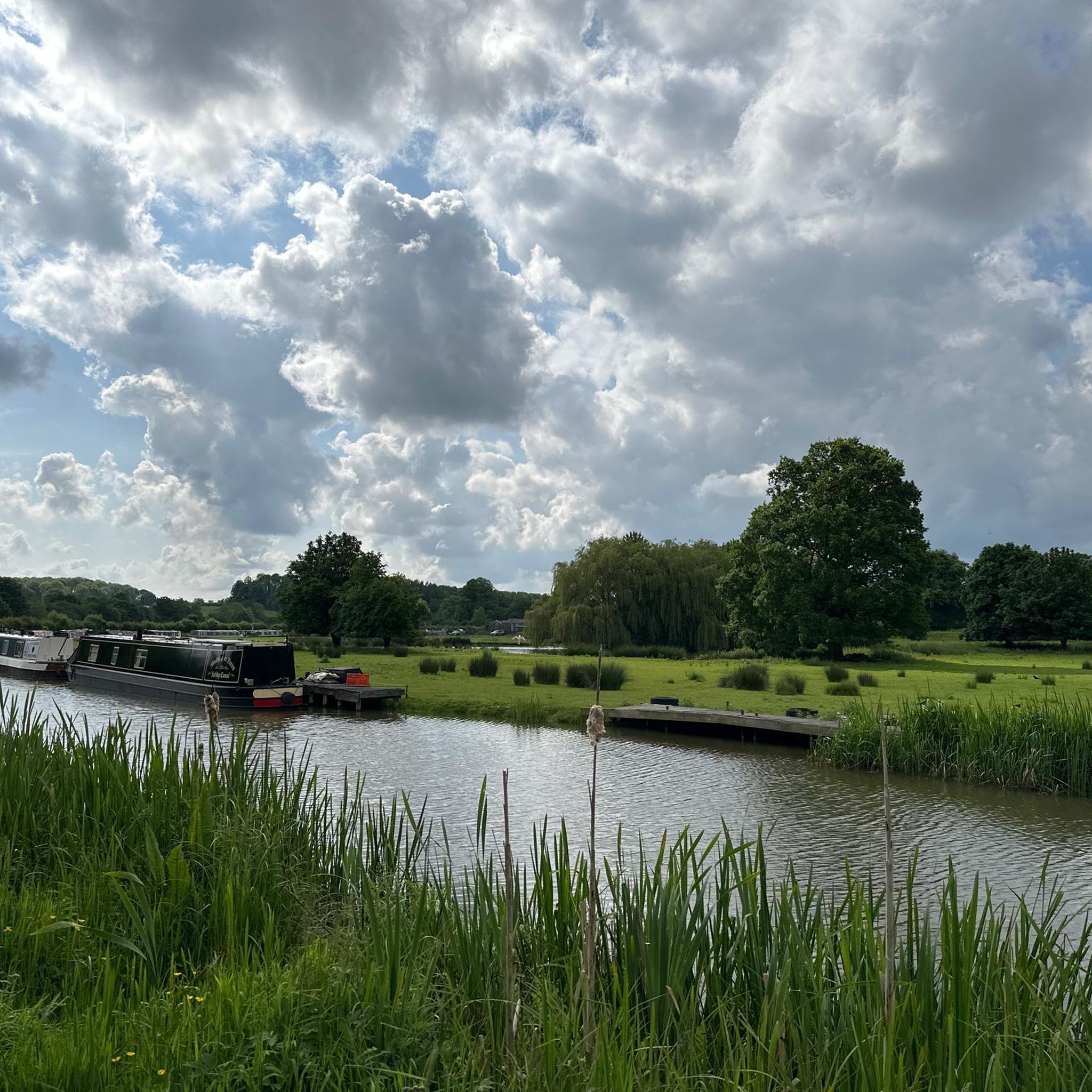
The reservoir has a plant community on its margins which is unique in the Midlands and only found in a few northern sites. Its unusual mix of flora includes Juncus filiformis at its most southern locations, and the lake itself has native white-clawed crayfish, where it is isolated from the invasive American signal crayfish.
0
0
At nearly 200 hectares, this beautiful nature reserve abounds with ancient history, atmosphere and wildlife. Grasslands support an array of butterflies in the summer, whilst the woodlands burst with birdsong in the spring, and turn fiery golden in the autumn. Prominent 600 million-year-old Precambrian rock outcrops protrude through the surrounding marl and other Triassic deposits.
0
0

Bardon Hill is the highest point in Leicestershire (278m) and reputedly on a clear day the Malvern and Shropshire Hills (approx. 50–60 miles), summits in Derbyshire (approx. 30–40 miles) and Lincoln Cathedral (almost 50 miles away) can be seen. Excitingly, Bardon Hill is part of the eroded remains of a volcano. At its summit are a trig point and a radio mast.
1
0

Bardon quarry hill the highest trigger point in Leicestershire
1
0
Walk to Bardon hill great for walking on a good weather at top of Bardon hill you can see far Good for mountain biking
1
1

It is an incredibly wet, boggy area. Even when all the other paths in the surrounding woods are bone dry, this part of the woodlands stays wet and boggy. Boots are needed.
1
0
Frequently Asked Questions
What kind of natural features can I expect to see around Swepstone?
The region around Swepstone, part of The National Forest, offers a variety of natural features. You can explore woodlands, lakes, and even the eroded remains of a volcano. Notable spots include the unique plant communities and white-clawed crayfish at Blackbrook Reservoir, and the extensive woodlands of Diana, Princess of Wales Memorial Woodland.
Are there any family-friendly natural monuments near Swepstone?
Yes, several natural monuments are suitable for families. Blackbrook Reservoir is a great option for gentle walks around the lake. Another excellent choice is Queen Elizabeth Diamond Jubilee Wood, a flourishing young woodland with diverse flora and fauna, perfect for exploring with children.
Where can I find panoramic views of the Leicestershire landscape?
For panoramic views, head to Bardon Hill Trig Point. As the highest point in Leicestershire, it offers extensive vistas on clear days, where you might even spot the Malvern and Shropshire Hills or Lincoln Cathedral.
What are some good places for walking or hiking near Swepstone's natural monuments?
The area offers many walking opportunities. Diana, Princess of Wales Memorial Woodland has footpaths that connect to the Ashby Heritage Trail and the National Forest Trail. For easy hikes, consider routes in Sence Valley Forest Park, such as the 'Sence Valley Country Park to Kelham Bridge Nature Reserve loop' or the 'Sence Valley Forest Park loop from Ravenstone with Snibstone'. You can find more options in the Easy hikes around Swepstone guide.
Are there any natural monuments with historical significance?
While many natural sites are valued for their ecology, Charnwood Nature Reserve stands out with its ancient history, featuring 600 million-year-old Precambrian rock outcrops. Additionally, the Diana, Princess of Wales Memorial Woodland, while a natural space, also serves as a memorial.
What kind of wildlife can I observe in the natural monuments around Swepstone?
The natural monuments around Swepstone are home to diverse wildlife. At Blackbrook Reservoir, you can find native white-clawed crayfish. Queen Elizabeth Diamond Jubilee Wood is known for bluebells and wood anemones in spring, and its lake features bull rush and yellow iris. Charnwood Nature Reserve supports an array of butterflies in summer and is vibrant with birdsong in spring.
Are there mountain biking trails near the natural monuments?
Yes, there are mountain biking opportunities in the wider area. You can explore trails like the 'Snipston Country Park and Queen Elizabeth Diamond Jubilee Wood loop' or routes around Hicks Lodge Trail Centre. For more details, check the MTB Trails around Swepstone guide.
What is the best time of year to visit the natural monuments around Swepstone?
Spring and autumn are particularly rewarding. In spring, woodlands like Queen Elizabeth Diamond Jubilee Wood come alive with bluebells and birdsong. Autumn transforms the forests, such as Charnwood Nature Reserve, with fiery golden foliage. Summer offers pleasant conditions for walks and observing butterflies, while winter walks can be peaceful, though some areas might be wet and boggy.
Are there any natural monuments that are part of The National Forest initiative?
Yes, the entire region around Swepstone is part of The National Forest. Specifically, Queen Elizabeth Diamond Jubilee Wood is a prime example, having been planted with 300,000 native broadleaf trees as part of this initiative. Sence Valley Forest Park, mentioned in regional research, is also a key part of The National Forest.
What should I wear for walks around Swepstone's natural monuments?
Given the varied terrain and potential for wet conditions, especially in woodlands, sturdy walking boots are highly recommended. Layers of clothing are advisable to adapt to changing weather, and waterproofs are always a good idea, particularly outside of summer. Some areas, like parts of Diana, Princess of Wales Memorial Woodland, can be quite boggy even when other paths are dry.
Are there opportunities for running near these natural monuments?
Yes, the area provides several running trails. You can find routes such as the 'Blower's Brook – Sence Valley Forest Park loop' or the 'Horseshoe Lake – David Taylor Wood loop'. More options are available in the Running Trails around Swepstone guide.
Where can I find parking when visiting natural monuments near Swepstone?
While specific parking details for every highlight aren't provided, Sence Valley Forest Park, a significant natural area near Swepstone, offers a free car park, making it a convenient starting point for exploring the surrounding natural features.
Most popular attractions around Swepstone

Get inspired with the komoot mobile app


Explore more
Extend your search for the best caves by checking out these guides of the top ones around Swepstone:
