Top 20 Natural Monuments around Lowick
Best natural monuments around Lowick, Northumberland, offer a diverse landscape rich in natural beauty and significant geological features. The region is characterized by its coastal formations, expansive tidal areas, and prominent hills. Visitors can explore unique environments that showcase the natural heritage of this part of England, from tidal islands to elevated viewpoints.
Best natural monuments around Lowick
- The most popular natural monument is Gummer's How, a natural monument situated on the eastern shore of Windermere. This hill, though…
Last updated: July 1, 2026
Gummer's How
Highlight • Natural Monument
Tip by

Carron Crag
Highlight • Viewpoint
Showing Translation
Tip by

Sign up now to discover places like this
Get recommendations on the best single tracks, peaks, & plenty of other exciting outdoor places.
Sign up for free
Stickle Pike summit cairn
Highlight • Viewpoint
Tip by

Banishead Quarry Waterfall
Highlight • Structure
Tip by

The Wood for the Trees Installation
Highlight • Structure
Showing Translation
Tip by
Sign up for free to discover even more natural monuments around Lowick.
Sign up for free
Already have an account?
Start today with a free account
Your next adventure awaits.
Login or Signup
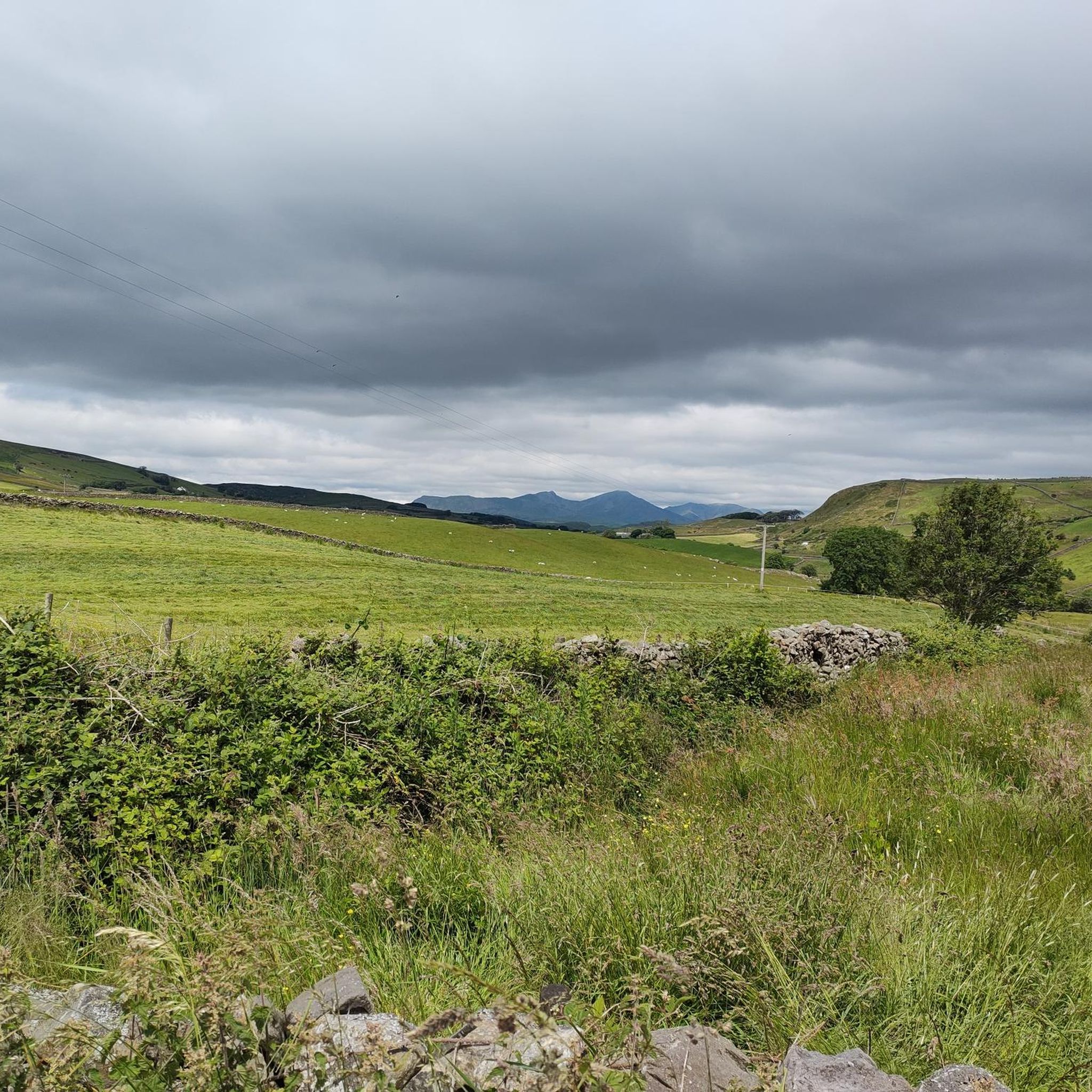
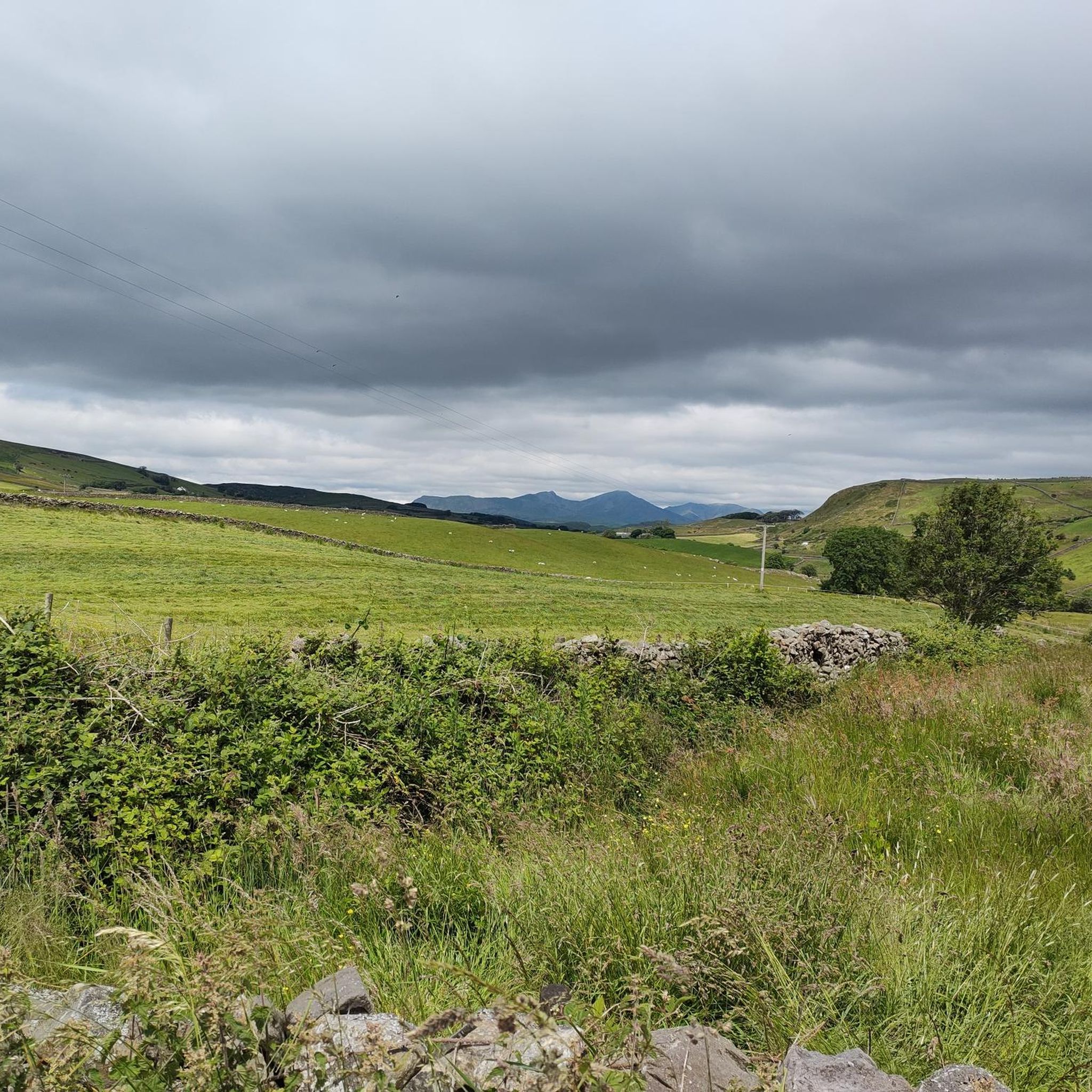
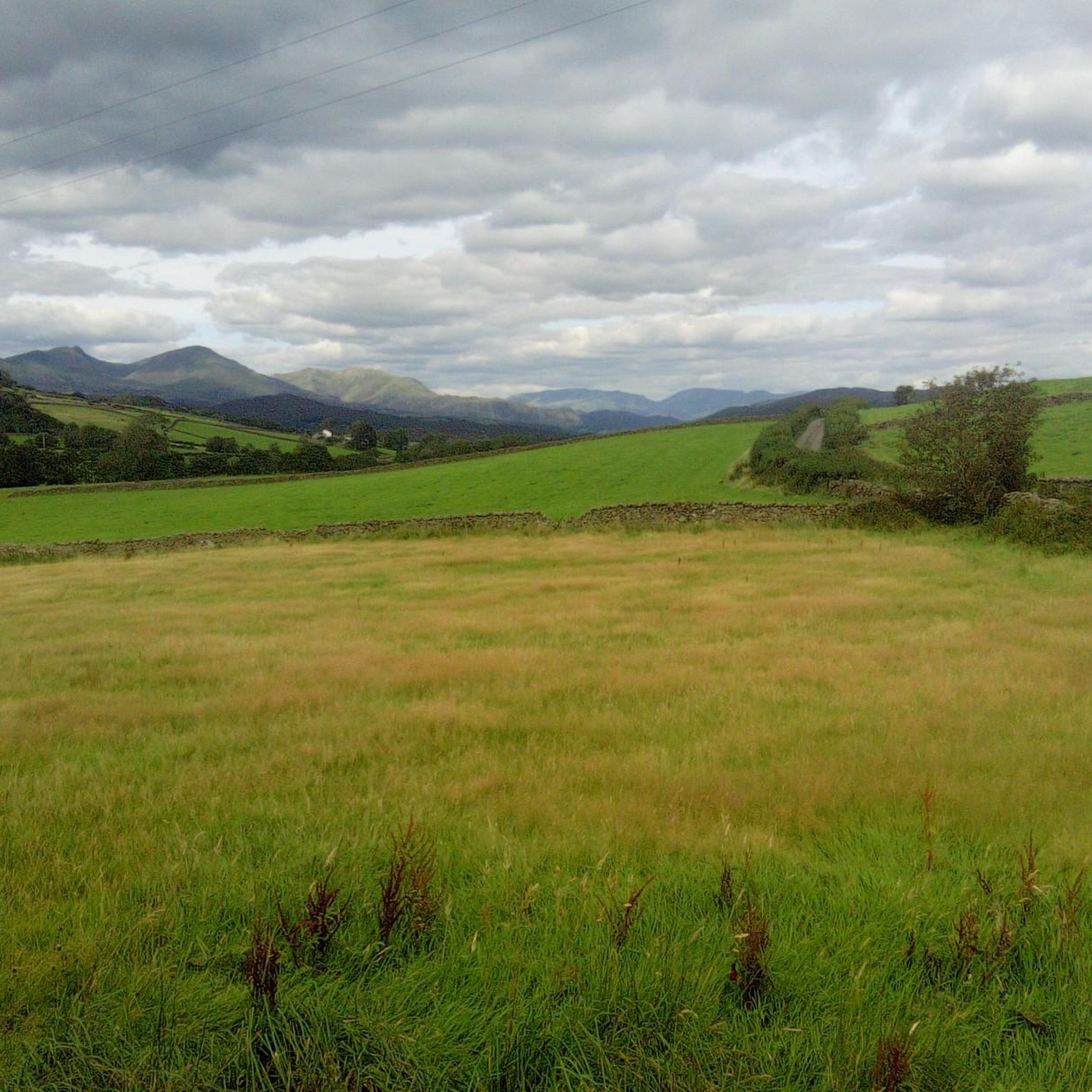
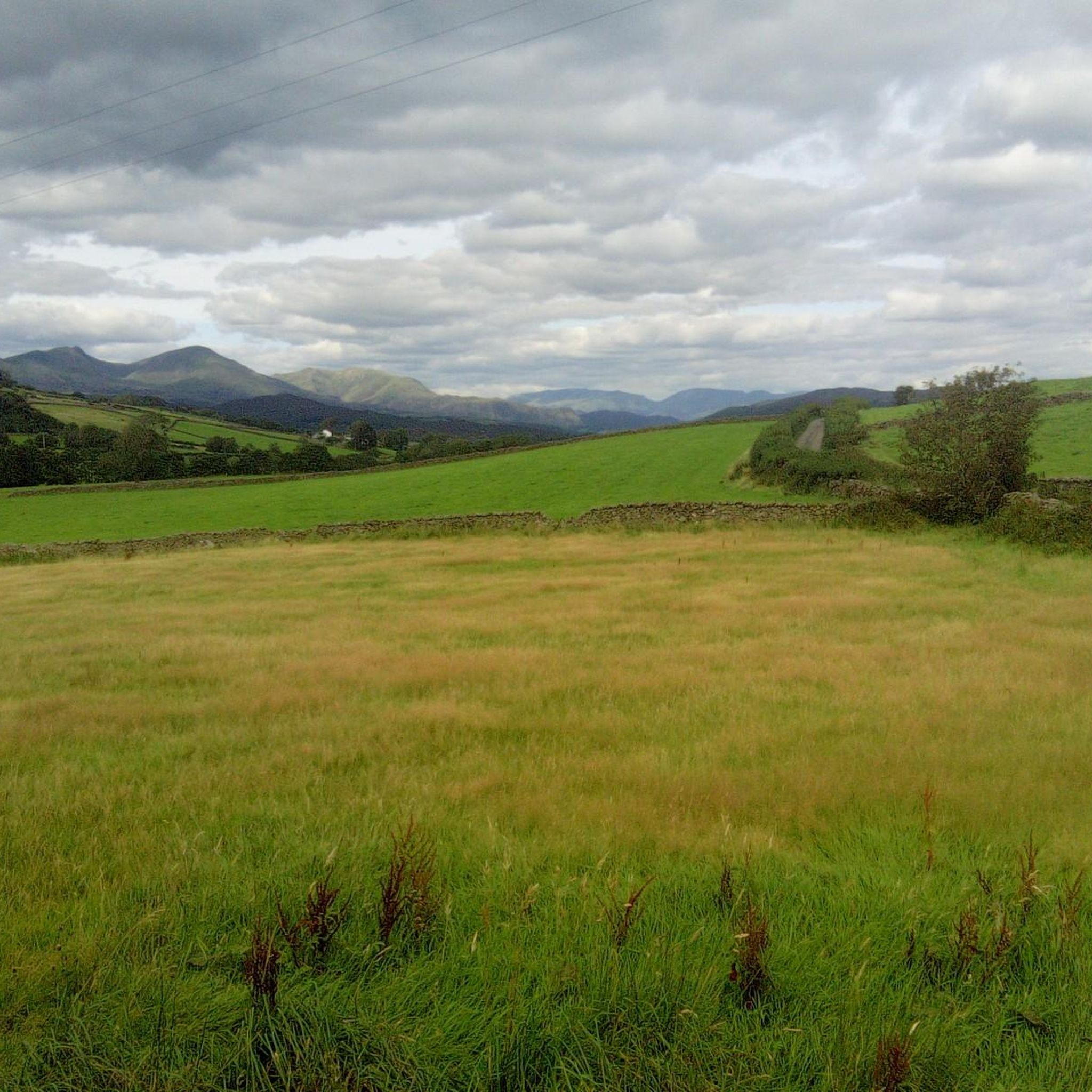

Tips from the Community

Carron Crag is a hilltop in the Lake District, in the Southern Fells region. Carron Crag is 314 meters high. Several hiking routes lead to Carron Crag. The summit can be recognised by the rock two meters north-east of the triangulation point. There is a beautiful view and also a ring sculpture, which is located just below the summit, in a southerly direction.
6
0
The Wood for the Trees is an art installation at the entrance to the Grizedale Forest Visitor Centre. The sculpture was designed by the London-based design collaboration muf architecture/art and was installed in 2011. It features a huge section of an oak tree that fell during the severe storms of 2005. (https://www.grizedalesculpture.co.uk/)
5
0

After similar trips, I often look for something easy online in the evening, just to relax for a while. That's how I stumbled upon https://spinmama-casino.com/cs-cz/ once and tried it out of curiosity. At first, I just watched how it all works, but gradually I started to notice the rhythm of the individual rounds. When you approach it calmly, it's quite a pleasant way to unwind after an active day.
0
0

Good footwear required. Some of the best views of Lake Windermere to the North and South
0
0
Carron Crag summit at 1,030 feet (314m) is the second-highest point in Grizedale Forest. The summit is clear of trees, so there are good Lake District views from the summit.
0
0

Banishead Quarry is a rarely publicised beauty spot in the Lake District that is hidden away on the eastern flanks of the Old Man of Coniston. It is a super beautiful location and even has its own waterfall and an 80 foot (24 m) at that. It is a very popular wild swimming spot in the summer months. The waterfall was apparently born out of mischief when three local boys had a flash of inspiration to play ‘Let's divert the river with rocks’ back in the 1950’s. Their efforts obviously worked! If you do stop here, be aware of the dangers of wild swimming and jumping from high ledges at an unknown location.
2
0

Bannishead Quarry and tarn is a real hidden gem. You don’t see it until you are right next to it and most of the tourists heading up Coniston Old Man don’t come this way so you are likely to have it to yourself. A beautiful quarry lake made more spectacular by the waterfall.
2
0
Frequently Asked Questions
What are the most popular natural monuments around Lowick?
The most popular natural monuments in the wider Lowick area include the unique Holy Island of Lindisfarne, known for its tidal nature and wildlife, and Ros Castle (Ros Hill), offering panoramic views. Other highly-rated spots include Gummer's How with its magnificent views over Windermere, and the hidden Banishead Quarry Waterfall.
What unique natural features can I expect to see around Lowick?
The region boasts diverse natural features. You can experience the unique tidal causeway to Holy Island of Lindisfarne, which is only accessible at low tide. There are also expansive tidal mudflats, salt marshes, and dunes forming crucial nature reserves. Inland, you'll find prominent hills like Ros Castle (Ros Hill) with its moorland summit, and various tarns and forests such as Grizedale Tarn within Grizedale Forest.
What kind of wildlife can I expect to see at the natural monuments?
The Holy Island of Lindisfarne, part of the Lindisfarne National Nature Reserve, is a haven for wildlife. You can observe a vast array of wildfowl in autumn and wading birds during winter. Pale-bellied brent geese fly in from Svalbard, and grey seals can often be seen in the water or sunbathing on the sands. The dunes also support specialized plants like Bloody Cranesbill and the rare Lindisfarne Helleborine. At Grizedale Tarn, visitors often spot amazing dragonflies.
Are there family-friendly natural monuments around Lowick?
Yes, several natural monuments offer family-friendly experiences. Grizedale Tarn, located within Grizedale Forest, is noted as family-friendly and provides a beautiful spot for a snack break. The ascent to Ros Castle (Ros Hill) is relatively easy, making it accessible for a rewarding walk with families to appreciate the vast landscapes.
What is the best time to visit the natural monuments around Lowick?
The best time to visit depends on your interests. For birdwatching and observing wildfowl, autumn and winter are ideal, especially at Holy Island of Lindisfarne. The purple heather on Ros Castle (Ros Hill) is most vibrant in late summer. Always check tidal times before planning a visit to Holy Island of Lindisfarne to ensure safe crossing of the causeway.
How accessible is Holy Island of Lindisfarne?
Holy Island of Lindisfarne is a tidal island connected to the mainland by a causeway that is only accessible at low tide. This means the island is cut off twice a day. Visitors must check the safe crossing times before planning their journey. For current tidal information, it's advisable to consult local tide tables or official visitor information sources like Visit Northumberland.
Are there any historical aspects to these natural monuments?
Yes, some natural monuments in the region have historical significance. Ros Castle (Ros Hill), despite its name, is crowned with the earthworks of a 3,000-year-old Iron Age hill fort. While primarily known for its natural beauty, Holy Island of Lindisfarne also has deep historical and religious roots, though its natural features are the focus here.
What outdoor activities can I do near these natural monuments?
The area around Lowick offers various outdoor activities. You can find numerous hiking trails, such as those leading to Gummer's How or Carron Crag. For more structured routes, explore the hiking routes around Lowick. The region also has options for road cycling and gravel biking; you can discover road cycling routes and gravel biking routes in the vicinity.
What do visitors enjoy most about the natural monuments around Lowick?
Visitors frequently praise the breathtaking panoramic views, especially from summits like Ros Castle (Ros Hill) and Gummer's How. The unique experience of Holy Island of Lindisfarne's tidal causeway and its rich wildlife is also a major draw. Many appreciate the opportunity for peaceful walks and the discovery of hidden gems like Banishead Quarry Waterfall, often described as a beautiful, secluded spot for wild swimming.
Can I bring my dog to the natural monuments around Lowick?
Many outdoor areas in Northumberland are dog-friendly, but specific rules can vary for nature reserves and protected sites. For example, while dogs are generally welcome on walks to Ros Castle (Ros Hill), on Holy Island of Lindisfarne, dogs must be kept on a lead in certain areas, especially during bird nesting seasons, to protect wildlife. Always check local signage and regulations before visiting with your dog.
Are there cafes or pubs near the natural monuments?
While the natural monuments themselves are often remote, you can find amenities in nearby villages and towns. For instance, after visiting Banishead Quarry Waterfall, a walk from Torver allows for a visit to The Wilson's Arms. Holy Island of Lindisfarne has a small village with cafes and pubs. It's always a good idea to research specific locations for nearby refreshments before your trip.
What should I wear when visiting natural monuments in Lowick?
Given the varied terrain and often exposed nature of these sites, it's recommended to wear appropriate outdoor clothing. This includes sturdy walking boots, layers of clothing to adapt to changing weather conditions, and waterproofs, especially for coastal or higher elevation areas. Sun protection is also advisable. For visits to Holy Island of Lindisfarne, be prepared for potentially muddy conditions on the causeway and coastal paths.
Most popular attractions around Lowick

Get inspired with the komoot mobile app


Explore more
Extend your search for the best caves by checking out these guides of the top ones around Lowick:
