Top 3 Natural Monuments around Burgh By Sands
Natural monuments around Burgh By Sands are primarily defined by the Solway Coast National Landscape, a region characterized by its low-lying, open terrain and diverse habitats including coastal areas, salt marshes, and lowland peat bogs. The area offers expansive views across the Solway Firth, one of Britain's largest intertidal habitats, known for its significant tidal range and rich biodiversity. These natural features provide opportunities for exploring unique landscapes and observing varied wildlife, making them notable natural monuments and family friendly…
Last updated: July 1, 2026
Burgh Marsh
Highlight • Cycleway
Translated by Google •
Tip by

Bowness-on-Solway
Highlight • Natural Monument
Tip by

Sign up now to discover places like this
Get recommendations on the best single tracks, peaks, & plenty of other exciting outdoor places.
Sign up for free
Rickerby Park War Memorial
Highlight • Natural Monument
Tip by

Old Cherry Blossom Tree
Highlight • Natural
Tip by

Start today with a free account
Your next adventure awaits.
Login or Signup
Other adventures around Burgh By Sands

Tips from the Community

A noteworthy fact about Burgh Marsh is that it was the place where Edward the First, one of the most formidable English monarchs, died when he developed fever during a campaign against the Scots. Where he is supposed to have died on the Marsh is marked by a rarely visited monument that is well worth a visit. It is a tranquil and peaceful place.
1
0
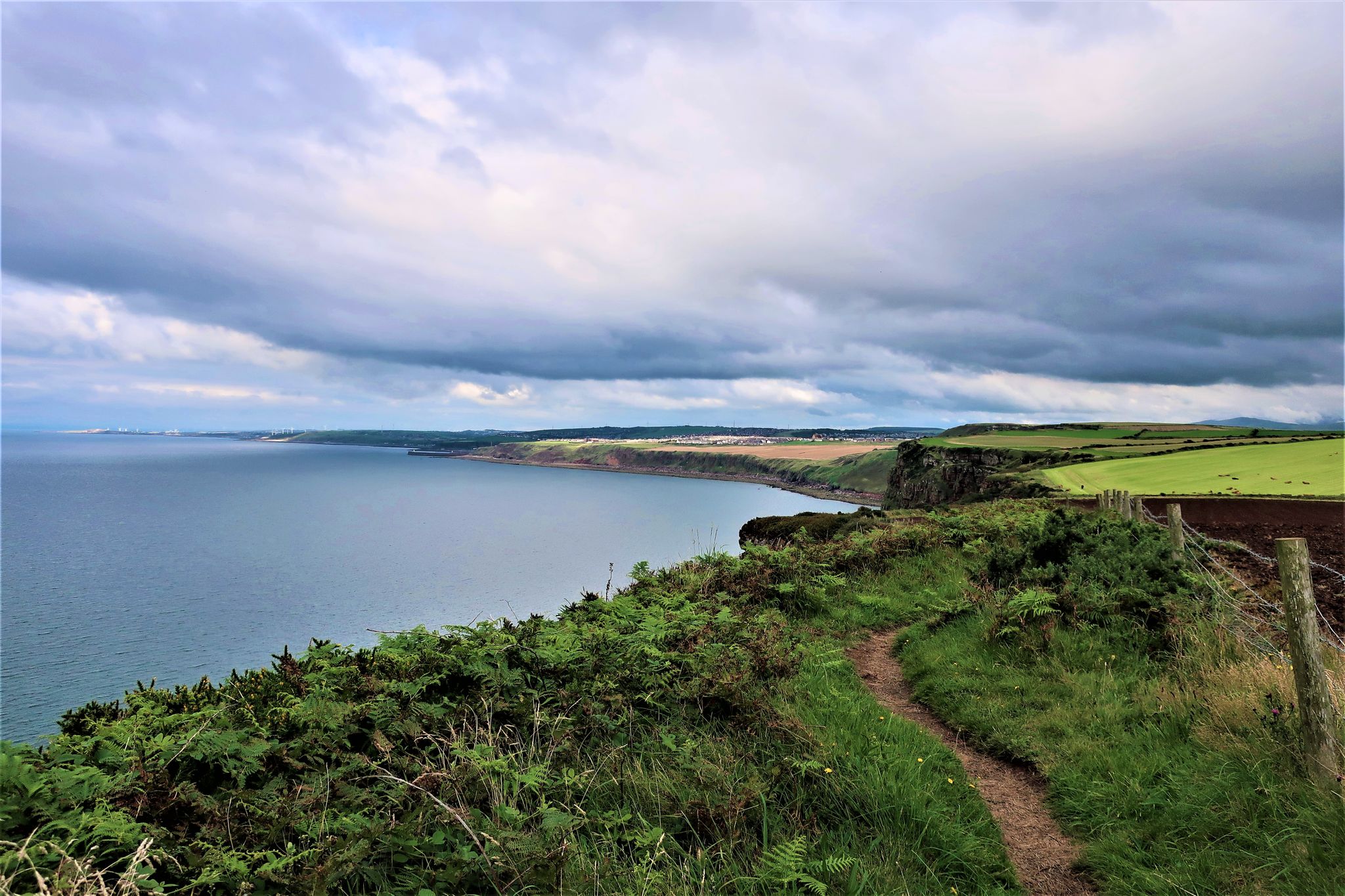
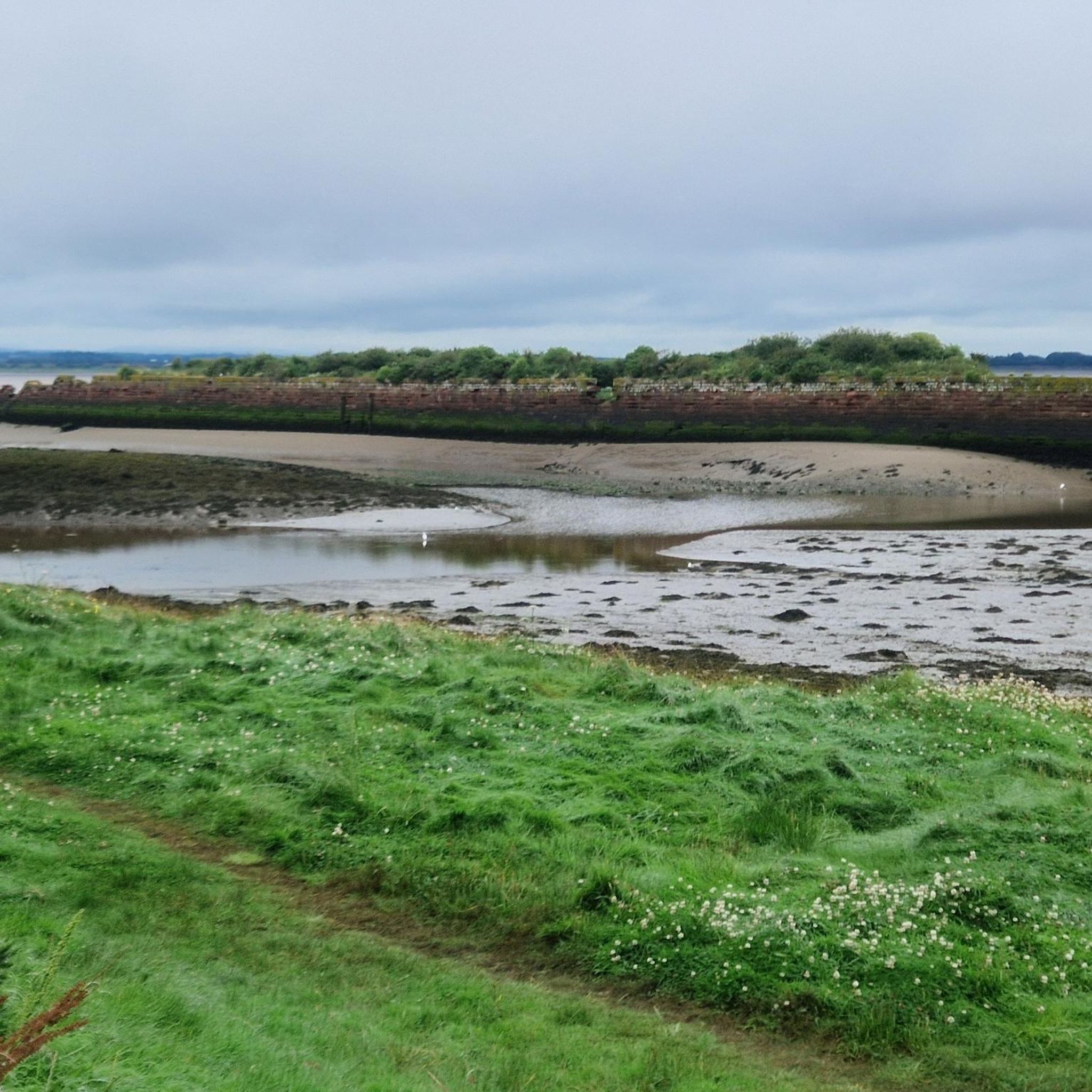
Bowness-on-Solway is best known as being the western end of the iconic Hadrian's Wall. There is a small shelter here to mark the start of this national trail. You will not see much of the wall until after Carlisle, but the wall did originally start at the village with even more forts further down the coast. Being an estuary, this area is also a haven for wildlife and birdwatching.
0
0

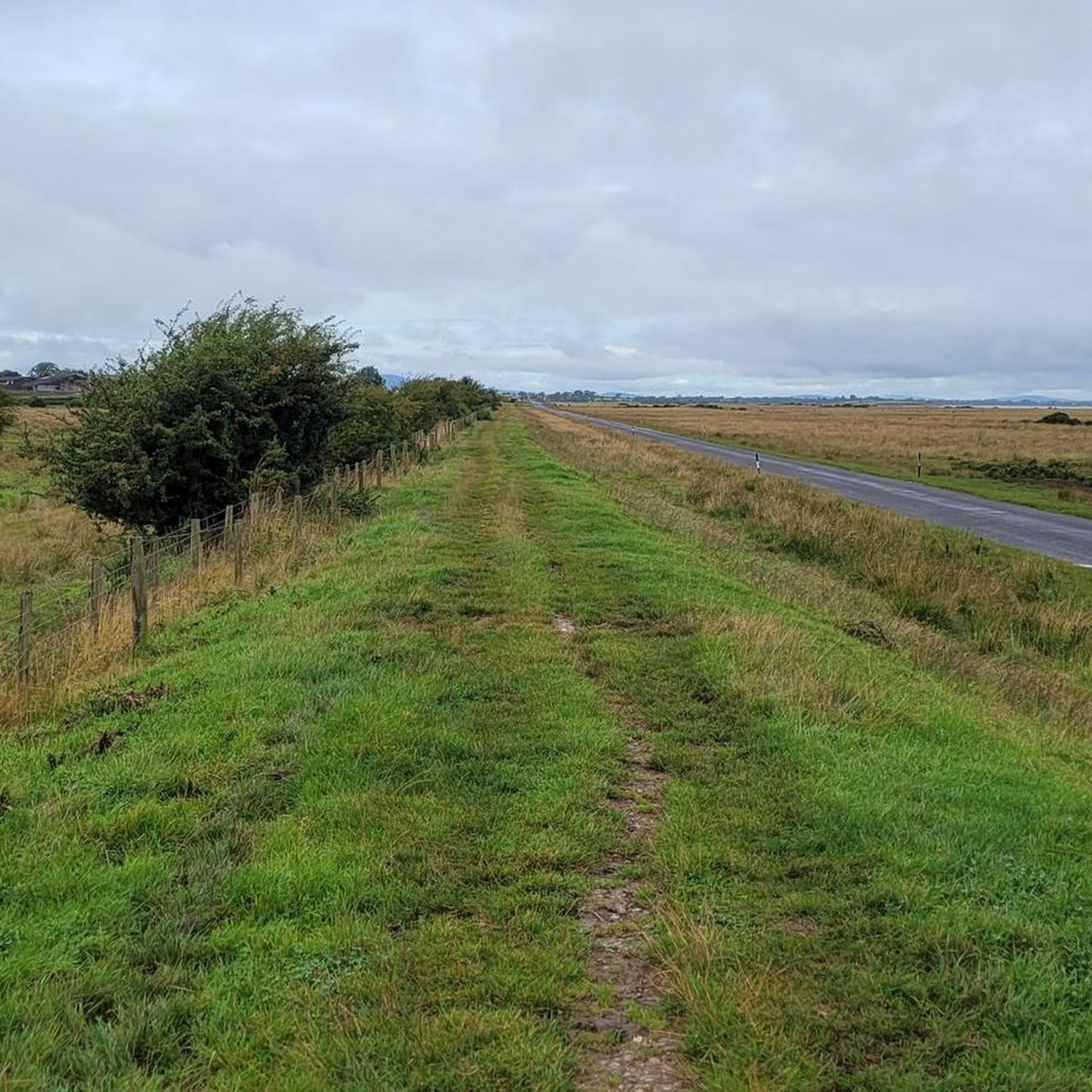
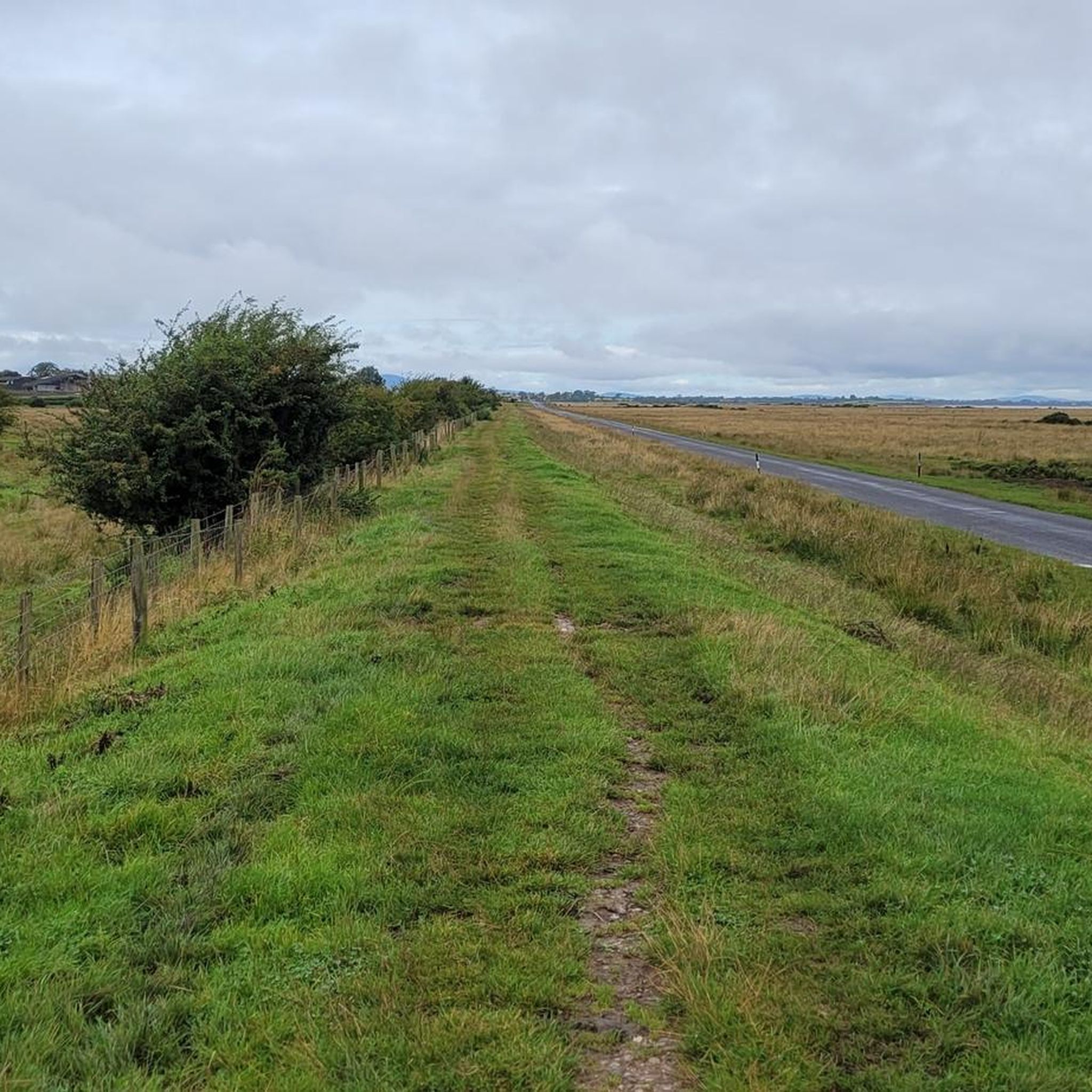
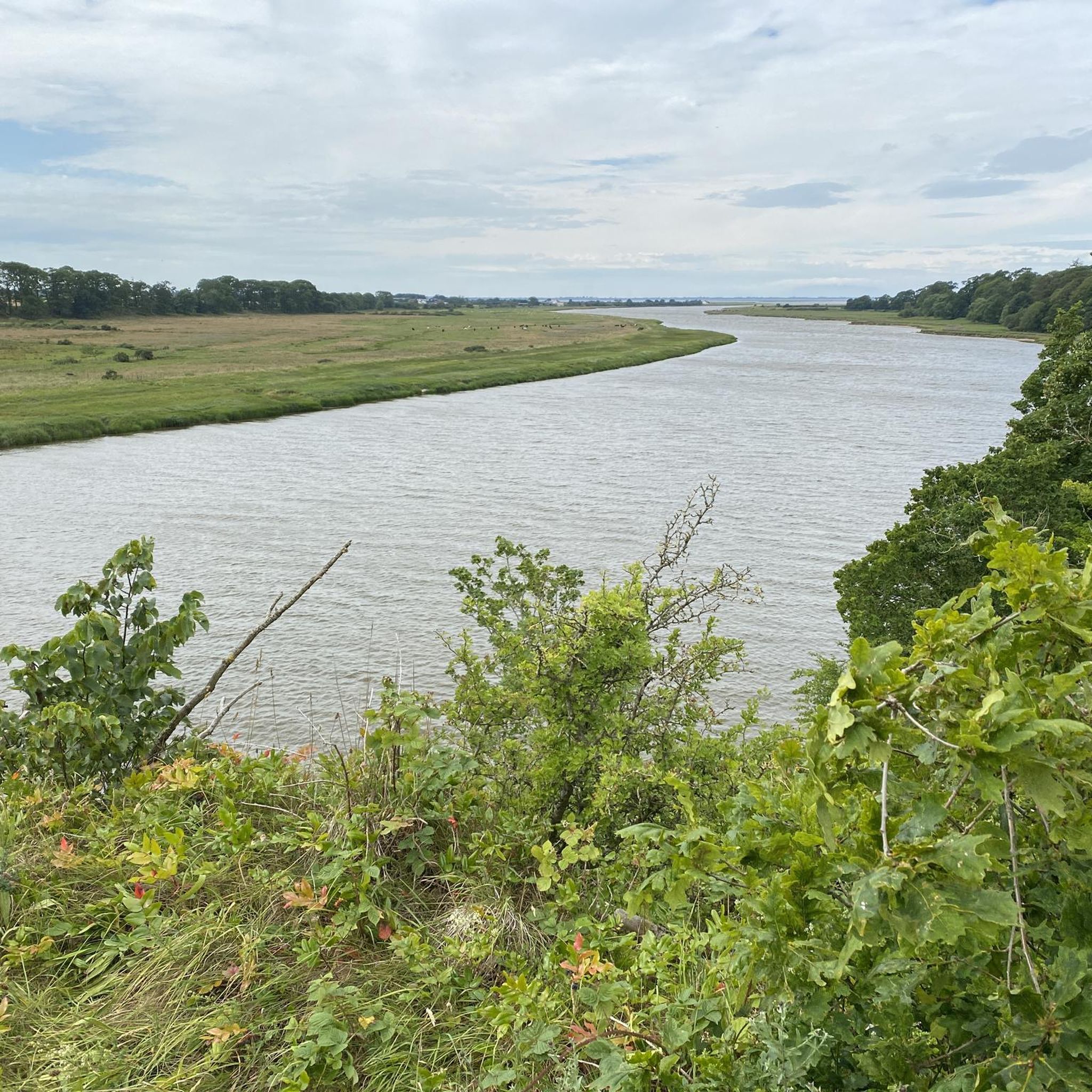
Burgh Marsh is a vast salt marsh on the Solway Firth, where nature, history, and mystery converge. Located near Burgh by Sands, the area forms a key part of the Solway Coast Area of Outstanding Natural Beauty. King Edward I died here in 1307 during his campaign against Scotland, an event marked by a monument in the middle of the marsh. Bordering the western section of Hadrian's Wall, Burgh Marsh also bears traces of the Roman presence. Today, Burgh Marsh stands as a silent witness to centuries of frontier history, with a landscape that invites reflection and exploration.
10
0

Sadly I managed to photograph the beautiful cherry 🍒 tree in its last blossom as it was cut down due degradation. The trunk still sadly stands there 😲😢
0
0
Church next to this cherry tree was build in 1828 and I would like to believe that the 2 trees were planted in that time. Unfortunately one "died" few years ago. Magnificent when in bloom and worth seeing 🍒
0
0

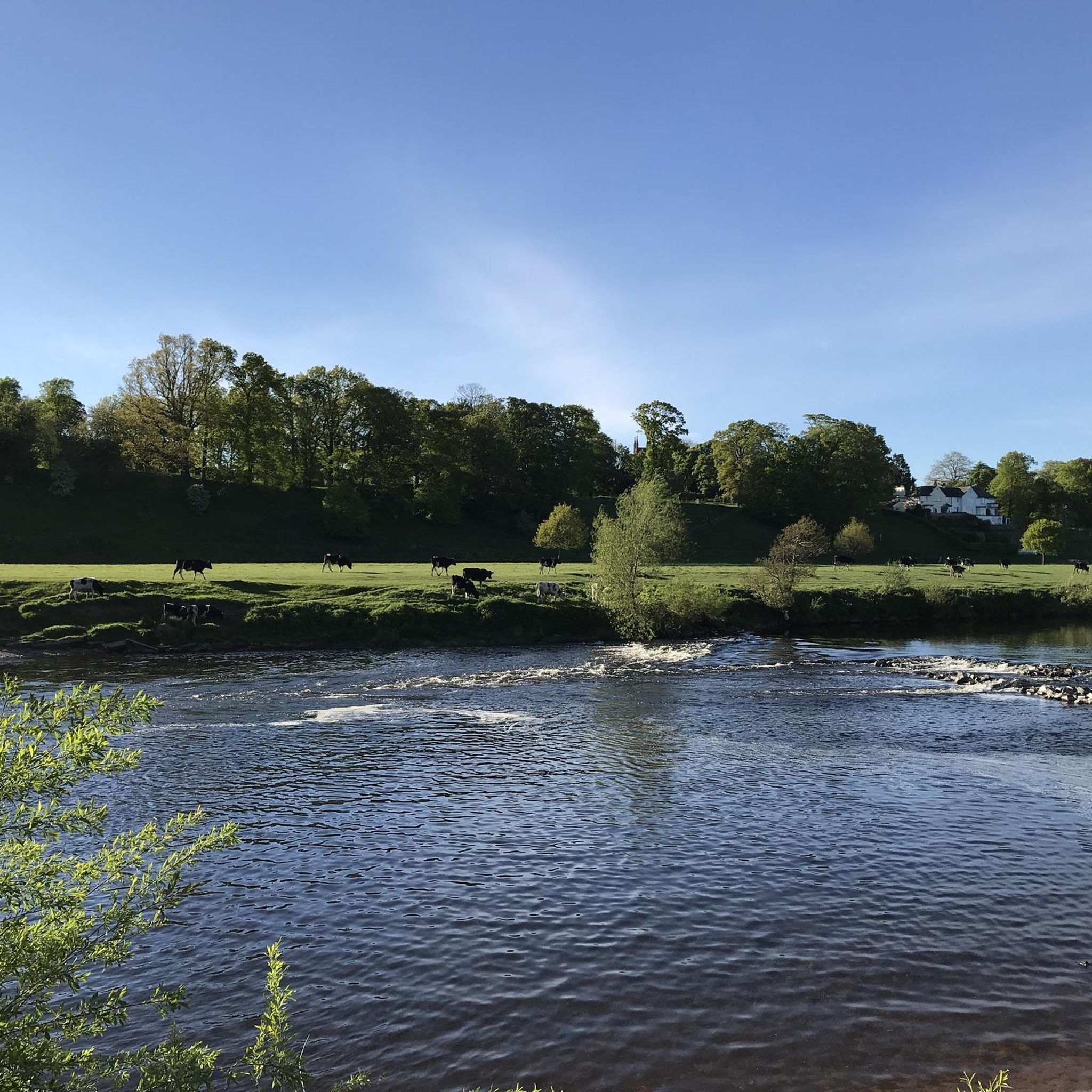
Rickerby Park is a traditional Victorian parkland located on the banks of the River Eden, in the grounds of Rickerby House. Within the park is an impressive War memorial. In fields just beyond Rickerby Park is an octagonal Victorian folly tower erected by George Head Head, mayor, magistrate, and banker of Carlisle. He owned Rickerby House in the 19th Century, at a time when towers and turrets were in vogue. There are several more towers built into the Rickerby Gardens and Farm buildings. source: https://www.visitcumbria.com/car/rickerby-park/
0
0

Rickerby Park is part of a gorgeous stretch of greenspaces along the River Eden, which meanders through the heart of Carlisle. It's a traditional Victorian parkland, which can easily be linked with an amble through Bitts Park and around the Sheepmount's many football fields and athletics track. The Hadrian's Wall Path long-distance trail also runs through the park.
0
0

Frequently Asked Questions
What are the most notable natural monuments to visit around Burgh By Sands?
The region is rich in natural beauty, with key highlights including Bowness-on-Solway, which marks the western end of Hadrian’s Wall and offers diverse coastal habitats. Another significant spot is Burgh Marsh, a vast salt marsh vital for wildlife. While not strictly a natural monument, Rickerby Park War Memorial is set within a traditional Victorian parkland along the River Eden, offering a tranquil natural setting.
What unique natural features can I explore in the Burgh By Sands area?
The area is defined by the Solway Coast National Landscape, featuring low-lying, open, and windswept terrain. You can explore extensive salt marshes like Burgh Marsh, coastal areas with sand dunes and shingle beds, and the wider Solway Firth, one of Britain's largest and most important intertidal habitats. These areas are crucial for diverse ecosystems and offer expansive views.
Are there family-friendly natural monuments around Burgh By Sands?
Yes, several natural monuments are suitable for families. Bowness-on-Solway offers coastal walks and wildlife spotting. Burgh Marsh provides an opportunity to observe unique wetland ecosystems. Additionally, Rickerby Park War Memorial is located within a traditional parkland, perfect for a family stroll along the River Eden.
What is the best time to visit the natural monuments around Burgh By Sands?
The Solway Coast National Landscape, including Burgh By Sands, offers beauty year-round. However, for birdwatching, autumn and winter are exceptional as the Solway Firth becomes an overwintering ground for huge numbers of wildfowl, including the entire Svalbard population of barnacle geese. Spring and summer are ideal for coastal walks and enjoying the milder weather.
What outdoor activities can I do near the natural monuments around Burgh By Sands?
The area provides various outdoor activities. You can find numerous running trails, such as the moderate Statue of Edward I – Burgh Marsh loop from Burgh by Sands. For cycling, there are road cycling routes like the easy Burgh Marsh loop from Beaumont, and MTB trails including the easy Carlisle & River Caldew loop.
Do the natural monuments around Burgh By Sands have historical significance?
Yes, the area is rich in history. Bowness-on-Solway marks the western end of Hadrian’s Wall, a UNESCO World Heritage site. Burgh Marsh is where King Edward I died in 1307 and bears traces of Roman presence, making it a landscape for reflection on centuries of frontier history.
Are there hiking trails near these natural monuments?
Absolutely. The Hadrian's Wall Path long-distance trail runs through the area, including Rickerby Park. You can also find various running trails that are suitable for hiking, such as the moderate Roman Campsite, Monkhill – St Mary's Church, Beaumont loop from Beaumont, offering scenic routes through the natural landscape.
What kind of wildlife can I expect to see in the Solway Coast National Landscape?
The Solway Coast National Landscape, particularly the Solway Firth and Burgh Marsh, is a haven for wildlife. You can spot a wide variety of birds, including golden and grey plover, barnacle geese, dunlin, and redshank. The intertidal habitats support invertebrates, crustaceans, molluscs, and are important nursery grounds for fish. Rare species like the Natterjack toad can be found in saltmarsh and sand dunes, and seals, dolphins, and porpoises are occasionally sighted offshore.
Is there parking available for visiting the natural monuments?
While specific parking details for every natural monument are not provided, areas like Bowness-on-Solway and Rickerby Park typically have visitor parking facilities. For more remote areas like Burgh Marsh, roadside parking or designated small car parks might be available in nearby villages. It's advisable to check local signage upon arrival.
Are the natural monuments around Burgh By Sands dog-friendly?
Many of the outdoor natural areas, including coastal paths and marshlands, are generally dog-friendly. For example, the Hadrian's Wall Path, which passes through areas like Rickerby Park and near Bowness-on-Solway, welcomes dogs. However, due to the presence of wildlife, especially ground-nesting birds and livestock, it's crucial to keep dogs on a lead, particularly in sensitive habitats like Burgh Marsh.
What should I wear when visiting the natural monuments around Burgh By Sands?
Given the low-lying, open, and often windswept terrain of the Solway Coast National Landscape, it's recommended to dress in layers. Waterproof and windproof outer layers are advisable, especially during cooler months or on coastal walks. Sturdy, comfortable walking shoes or boots are essential for exploring salt marshes and varied terrain. Don't forget sun protection during brighter days, as the open landscape offers little shade.
Are there any less crowded natural monuments to visit around Burgh By Sands?
While popular spots like Bowness-on-Solway can attract visitors, the expansive nature of the Solway Coast National Landscape means you can often find quieter spots. Exploring the wider areas of Burgh Marsh or venturing onto less-trafficked sections of the coastal paths can offer a more solitary experience amidst nature.
Most popular routes around Burgh By Sands
Most popular attractions around Burgh By Sands

Get inspired with the komoot mobile app


Explore more
Extend your search for the best caves by checking out these guides of the top ones around Burgh By Sands:
