Top 6 Natural Monuments around Crosscanonby
Best natural monuments around Crosscanonby are situated within the Solway Coast Area of Outstanding Natural Beauty. This region features a diverse landscape, including coastal areas, wetlands, meadows, and woodlands. The natural environment is complemented by historical industrial sites, such as the Crosscanonby Salt Pans. The area provides a variety of natural features for exploration.
Best natural monuments around Crosscanonby
- The most popular natural monuments is Watch Hill Summit, a viewpoint that offers a grassy and gradual approach. It is…
Last updated: July 1, 2026
Watch Hill Summit
Highlight • Viewpoint
Tip by

Tallentire Hill Trig Point
Highlight • Summit
Tip by
Sign up now to discover places like this
Get recommendations on the best single tracks, peaks, & plenty of other exciting outdoor places.
Sign up for free
Confluence of the Rivers Cocker and Derwent
Highlight • River
Tip by
Mawbray Banks Nature Reserve
Highlight • Natural
Tip by

View of Solway Coast
Highlight • Viewpoint
Translated by Google •
Tip by

Sign up for free to discover even more natural monuments around Crosscanonby.
Sign up for free
Already have an account?
Start today with a free account
Your next adventure awaits.
Login or Signup

Tips from the Community

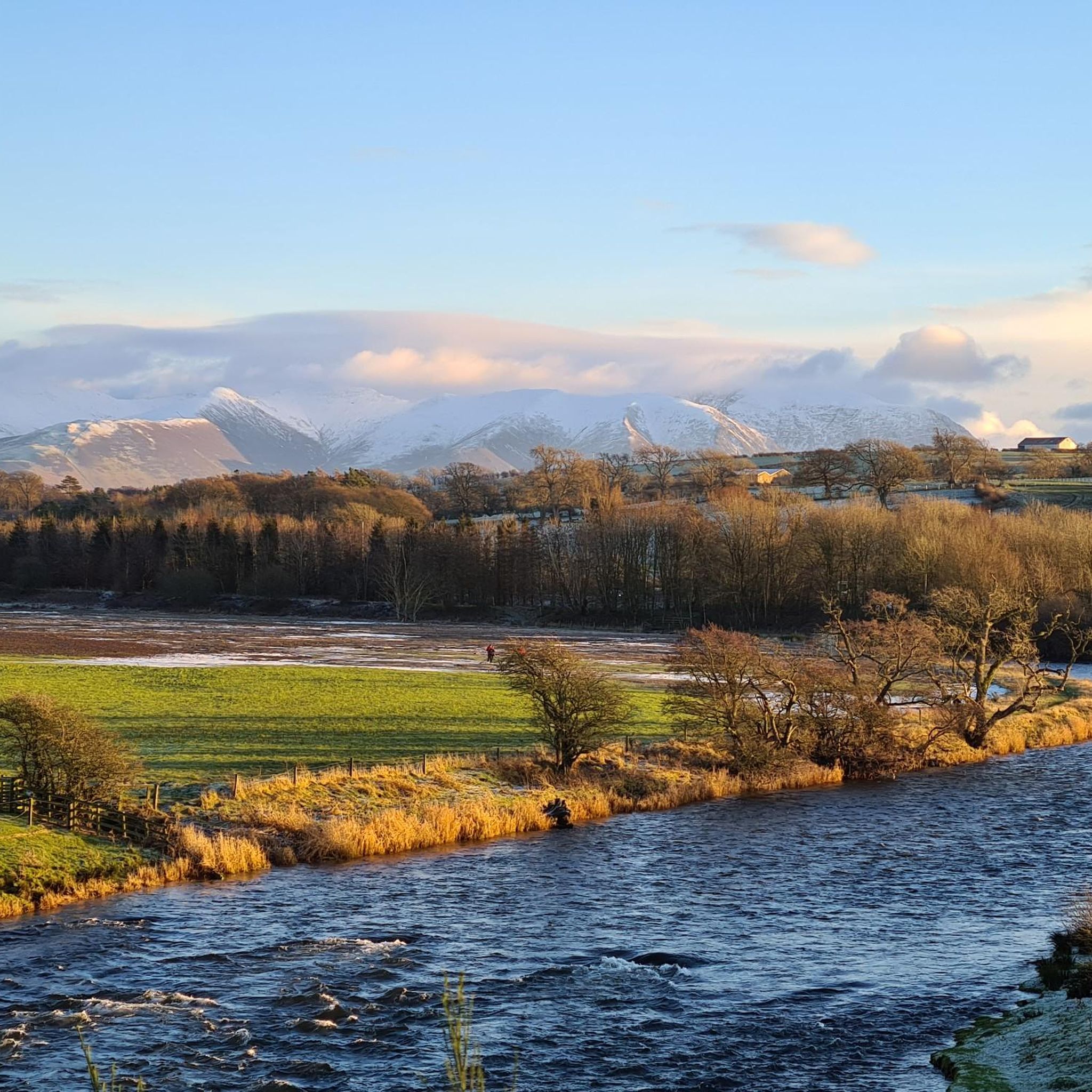
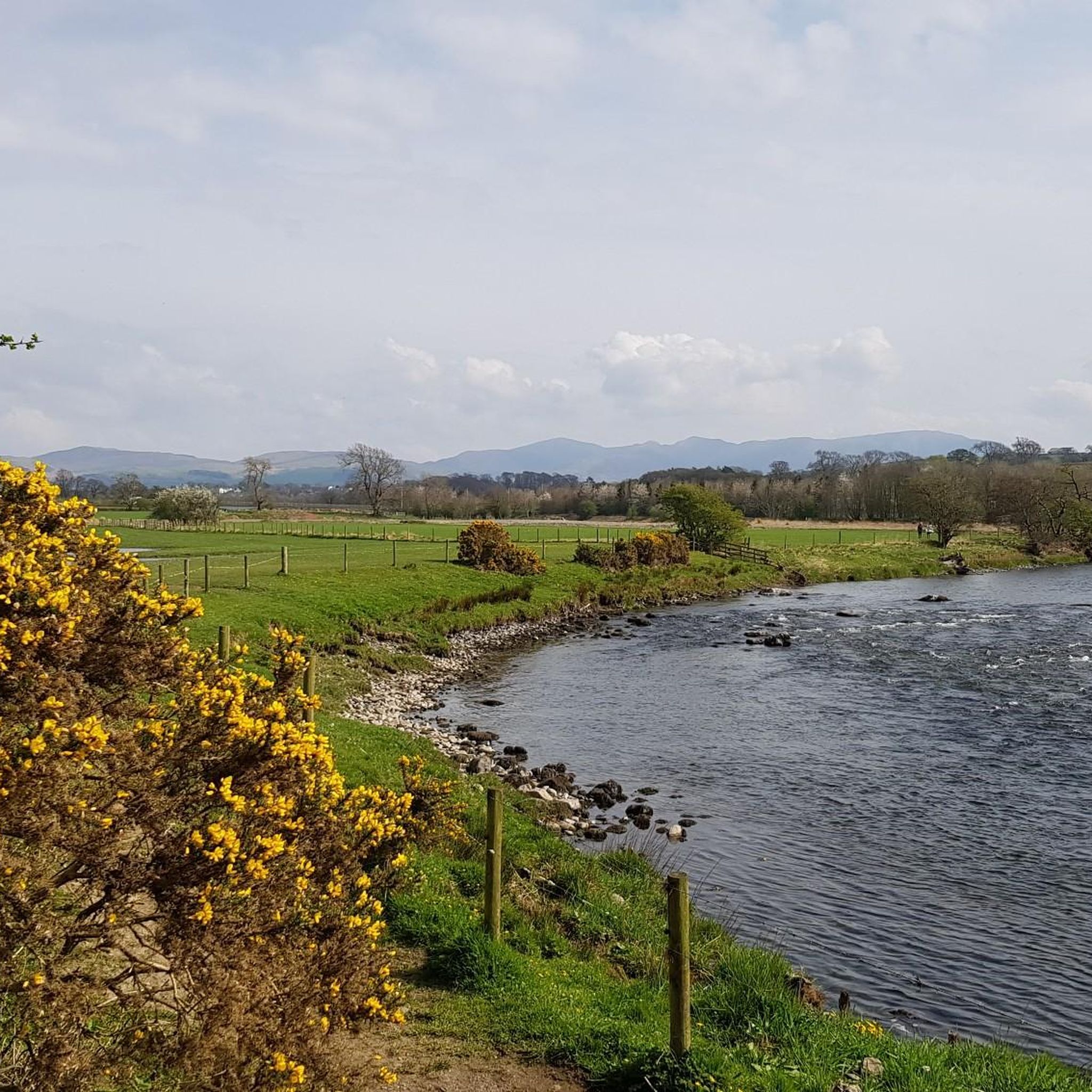
This is the place that gave the town its name, where the River Cocker joins the much larger River Derwent. With a small but well stocked garden in the summer and several seats, this is a contemplative spot.
0
0

Watch Hill is a lovely little hill to do from Cockermouth. I was up and back in less than an hour and a half. It is also a UK designated Marilyn. It has no summit cairn or marking.
1
0

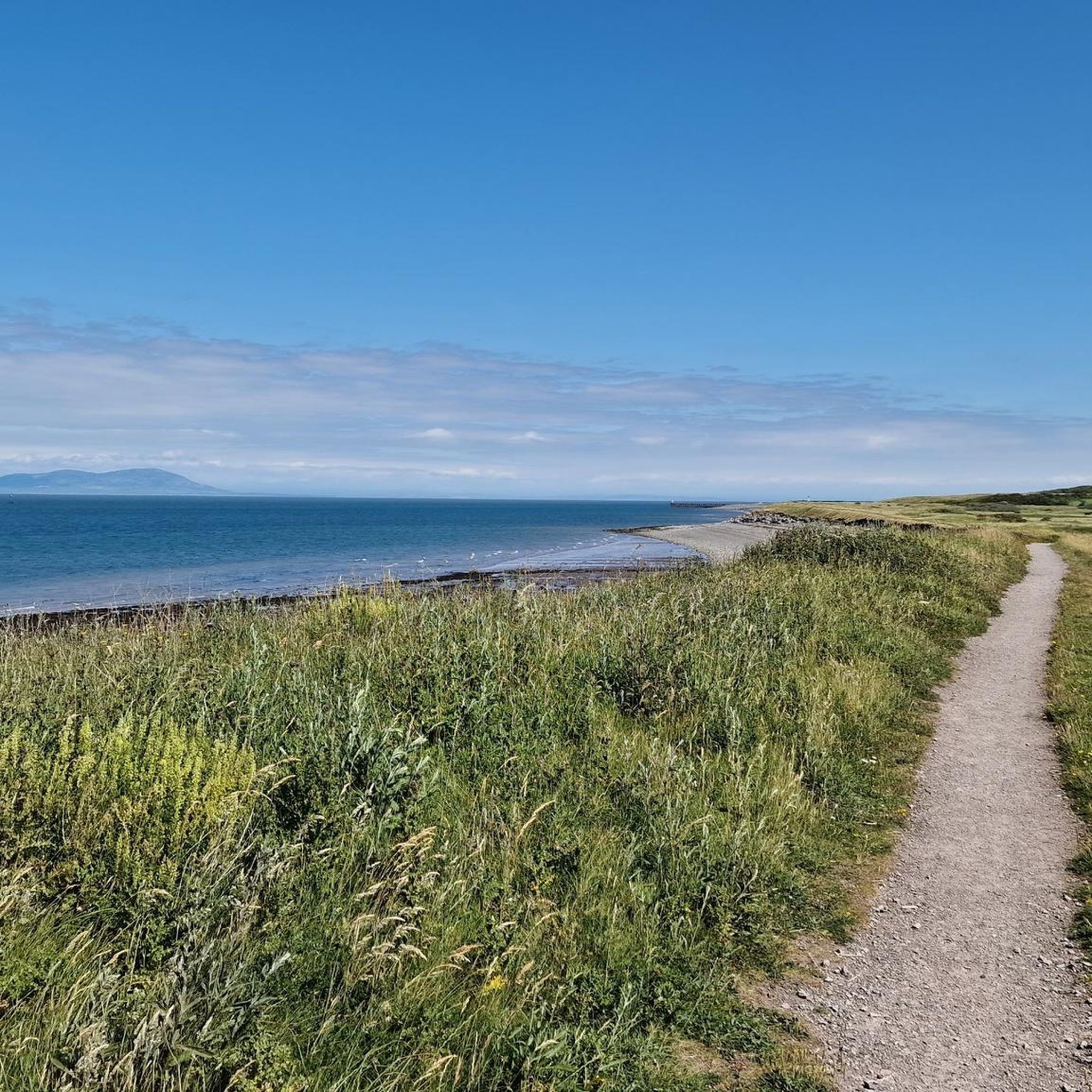
Some of the finest sand dunes on the Cumbrian coast are found at Mawbray Banks. The dune grasslands and dune heath found here are very rare and are important habitats for a number of species. Oystercatchers, curlews, stonechats, terns, bartailed godwits and ringed plovers all use the dunes for breeding and roosting. Better still, the views from here are magical. On a good day, Criffel rises from the Galloway coast across the Solway. Back inland is a stonking view of the Northern Lakeland Fells across the Solway Plain.
0
0

Watch Hill is one of the Wainwright Outlying Fells (235m). A grassy and gradual approach from Cockermouth over fields full of curious sheep. The ground beyond the summit is rippled and undulates on to Sethmurthy Common.
5
0
A trig pillar can be found atop this 223m hill in north west Cumbria. A right of way which is fenced on both sides can be followed up and over the hill. Views to Criffel (largest hill across the Solway Firth over in Dumfries and Galloway, Scotland) are outstanding from here. But the biggest treat comes with the view across to the Lake District mountains. Not only can you see the giants of the north and north western fells like Skiddaw, Grisedale Pike, Hopegill Head and Grasmoor, but on a good day you can even spot Helvellyn, Steeple and Pillar. What a stunning treat from a small hill that's probably seldom hiked.
2
0
The North bank of the River Derwent is a great vantage point to see the two rivers converge
2
0

Very nice place. Nearby are benches or the pubs of Cockermouth
0
0
On the promenade there are some stairs and ramps to get to the water. There is not much Sandstarnd but a few places to go into the water are available.
0
0
Frequently Asked Questions
What are some of the most popular natural monuments to visit around Crosscanonby?
Visitors frequently enjoy the Watch Hill Summit, known for its gradual, grassy approach and views over fields. Another favorite is the Tallentire Hill Trig Point, offering expansive views of Criffel and the Lake District mountains. The Confluence of the Rivers Cocker and Derwent is also a notable spot, significant for giving Cockermouth its name.
Are there any family-friendly natural monuments in the Crosscanonby area?
Yes, several natural monuments are suitable for families. Watch Hill Summit offers a gentle walk with curious sheep. The Confluence of the Rivers Cocker and Derwent is a contemplative spot with benches nearby. Additionally, Mawbray Banks Nature Reserve provides opportunities to explore sand dunes and observe wildlife, and Crosscanonby Carr features an 'Access for All Trail' for easy navigation.
What kind of natural features can I expect to see around Crosscanonby?
The region offers a diverse range of natural features. You can find summits like Watch Hill Summit and Tallentire Hill Trig Point with panoramic views. There are significant river features such as the Confluence of the Rivers Cocker and Derwent. The Solway Coast itself provides stunning coastal scenery, beaches, and viewpoints like the View of Solway Coast. Crosscanonby Carr is a notable wetland, meadow, and woodland habitat.
Are there any historical sites related to the natural landscape near Crosscanonby?
While not strictly natural monuments, the well-preserved Crosscanonby Salt Pans are located north of Crosscanonby Carr. These showcase a historical industry set against the natural coastal backdrop, offering a glimpse into the region's past interaction with its natural resources.
What outdoor activities can I do near the natural monuments around Crosscanonby?
You can enjoy various outdoor activities. For hiking, there are easy trails like the King Charles III England Coast Path: Maryport Loop, and moderate options such as the Tallentire Hill Trig Point loop. You can find more details on these and other routes in the hiking guide for Crosscanonby. Road cycling routes are also available, including longer rides like the View of the Northern Fells loop, detailed in the road cycling guide.
Are there accessible trails for visitors with disabilities near Crosscanonby's natural monuments?
Yes, Crosscanonby Carr, a significant nature reserve in the area, features an 'Access for All Trail'. This ensures that people with disabilities can also enjoy the wetland oasis and its diverse habitats.
What is the best time of year to visit the natural monuments in Crosscanonby?
The best time to visit depends on your interests. For observing large flocks of wading birds, late February to early May and the autumn migration periods are ideal, particularly along the coast near Crosscanonby Carr. In summer, Crosscanonby Carr is adorned with beautiful yellow flag irises, and the overall tranquil atmosphere is highly praised. The views from summits like Tallentire Hill Trig Point can be outstanding on a clear day, which are more common in spring and summer.
Where can I find unique wildlife and birdwatching opportunities?
Crosscanonby Carr is an excellent spot for wildlife observation, boasting a rich mosaic of wetland, meadow, and woodland habitats. It's a haven for various animals, birds, and plants. During migration periods (late February to early May and autumn), you can see large flocks of wading birds. Mawbray Banks Nature Reserve is also important for breeding and roosting birds like oystercatchers, curlews, and terns.
What makes the Solway Coast, where Crosscanonby is located, special?
The Solway Coast is designated an Area of Outstanding Natural Beauty (AONB) and offers stunning scenery, including views across the Solway Firth to Scotland. It holds significant historical and scientific interest, making the entire coastal stretch a valuable natural and cultural landscape. Crosscanonby Carr, the first nature reserve within this landscape, exemplifies its ecological importance.
Are there any less crowded alternatives to popular natural monuments in the area?
While the listed natural monuments are generally peaceful, exploring the broader Solway Coast AONB offers many tranquil spots. Crosscanonby Carr is frequently praised for its peaceful and tranquil atmosphere, making it a good choice if you seek a quieter experience. The various coastal paths and smaller trails within the AONB can also provide a sense of solitude.
Can I bring my dog to the natural monuments around Crosscanonby?
Many outdoor areas around Crosscanonby, including the Solway Coast paths and the approaches to summits like Watch Hill Summit, are generally dog-friendly. However, it's always recommended to keep dogs on a lead, especially in areas with livestock (like the curious sheep on Watch Hill) or ground-nesting birds, and to follow local signage regarding pet regulations in nature reserves like Crosscanonby Carr and Mawbray Banks Nature Reserve.
What do visitors enjoy most about the natural monuments in Crosscanonby?
Visitors particularly appreciate the stunning views from elevated points like Tallentire Hill Trig Point, which offers vistas of the Lake District mountains and Criffel. The peaceful and tranquil atmosphere of places like Crosscanonby Carr is also highly valued. Many enjoy the diverse natural habitats and the opportunities for birdwatching and gentle walks.
Most popular routes around Crosscanonby
Most popular attractions around Crosscanonby

Get inspired with the komoot mobile app


Explore more
Extend your search for the best caves by checking out these guides of the top ones around Crosscanonby:
