Top 6 Natural Monuments around Heiton And Roxburgh
Best natural monuments around Heiton And Roxburgh are found within the Scottish Borders, an area known for its rich natural landscape, distinctive geological formations, and scenic vistas. The region features iconic landmarks like the Eildon Hills, characterized by three shapely summits composed of ancient igneous rocks. River valleys, including the Tweed and Teviot, reveal significant geological exposures from the Lower Carboniferous period. This diverse terrain of rounded hills, plateaus, and river systems supports varied habitats and wildlife.
Best natural monuments…
Last updated: July 1, 2026
Eildon Hill North
Highlight • Summit
Tip by

Eildon Wester Hill
Highlight • Summit
Tip by

Sign up now to discover places like this
Get recommendations on the best single tracks, peaks, & plenty of other exciting outdoor places.
Sign up for free
Lilliard's Stone and Lilliot Cross
Highlight • Historical Site
Tip by
Stichill Linn Waterfall
Highlight • Natural Monument
Tip by

Crystal Well Pump House
Highlight • Natural Monument
Tip by
Sign up for free to discover even more natural monuments around Heiton And Roxburgh.
Sign up for free
Already have an account?
Start today with a free account
Your next adventure awaits.
Login or Signup
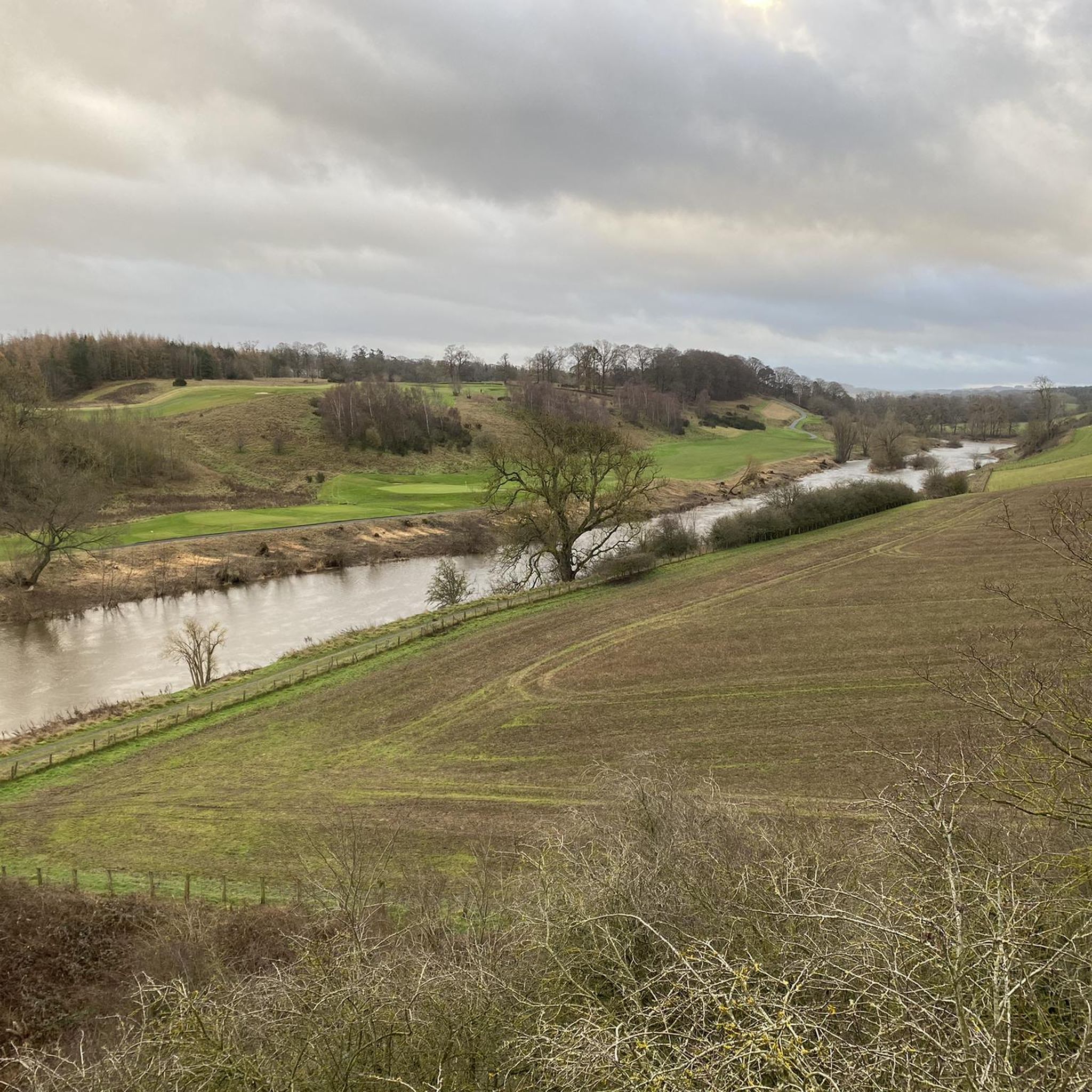
Tips from the Community

Some say Maid Lilliard fought at Lilliard’s Edge during the Battle of Ancrum Moor to avenge her slain lover, while others believe she sought revenge for her lost family. According to legend, she either killed the ruthless English leaders Sir Ralph Evers and Sir Brian Laiton or rallied the outnumbered Scots to victory. After the battle, searchers found her body near the fallen English leaders. Though badly injured, she was recognized by her golden hair and white plume. Whether she truly struck down Laiton remains unknown, but she was given an individual burial, and a memorial was later erected in her honor.
0
0

Eildon Hill North is an historic, photogenic and widely visible landmark in the Scottish Borders. At 1325 feet (404 m) this peak is the second highest of the three Eildon (pronounced ‘Eeldon’) Hills located just south of Melrose. The significance of Eildon Hill North was recognised by Bronze Age and Iron Age peoples and by the Romans. This peak was the site of the largest Iron Age hill fort in Scotland. Up to 2000 people are thought to have lived here at the same time. Today the pockmarks from hundreds of roundhouse platforms and nearly 1-mile of defences are still visible. When the Romans came in about 80 AD they built their mighty garrison fort called ‘Trimontium’ (named after the three Eildon peaks) immediately below Eildon Hill North and also placed a signal station on this summit. Trimontium was the largest Roman settlement north of Hadrian’s Wall. The short but steep climb up Eildon Hill North is well worth the effort! On a clear day you will be rewarded with stunning views. The popular St Cuthbert’s Way that runs from Melrose Abbey to Holy Island in Northumberland climbs over the col in the Eildon Hills and provides a pleasant way up Eildon Hill North.
2
0

A very impressive, 40ft tall waterfall on Eden Water. Tucked away in a way, as you would expect this kind of thing in the Highlands, not necessarily in the gentler, less dramatic area such as the Borders, but there it is!
2
0
Crystal Well is the romantic name for the spring here, which was a good source of water for the Benrig House at the top of the hill. In the mid-1800s, the Elliot family built a pump to help with the carrying of the water back to the house. The old pumping house can be seen here, and there is a good information plaque placed here as well.
1
0

The most western and the lowest of the three Eildon Hills this is also the furthest from Melrose which is the normal starting point for this run. The Wester Hill stands at 371m and like the other two summits you still get great views.
0
0
The north summit of the Eildon Hills stands at 404m. It was the largest Iron Age hill fort in Scotland with spaces flattened for at least 300 dwellings and a set of walls and ramparts around the whole summit. Later the Romans built a signalling station here. Today it's a great running loop from Melrose taking in the three summits in a nice loop.
0
0

Great views of the surrounding area and the other Eildon HIlls. A steep mid section adds an element of toughness but the majority of the climb is pretty easy going.
0
0

Found it, however make sure you have decent clothing on to get through muddy pathways, well worth the trek.
0
0
Frequently Asked Questions
What are the most significant natural features to explore in Heiton And Roxburgh?
The Heiton And Roxburgh area, nestled within the Scottish Borders, offers a variety of significant natural features. The iconic Eildon Hills, particularly Eildon Hill North and Eildon Wester Hill, are prominent with their distinctive shapely summits and panoramic views. You can also discover the impressive Stichill Linn Waterfall, a 40-foot cascade on Eden Water, and the dramatic basalt crags at Smailholm Tower.
Are there any natural monuments with historical significance in the Heiton And Roxburgh area?
Yes, several natural monuments in the region are steeped in history. Eildon Hill North is not only a natural landmark but also the site of Scotland's largest Iron Age hill fort, which once housed up to 2,000 people. It was also recognized by Bronze Age and Roman peoples. Additionally, Lilliard's Stone and Lilliot Cross marks a historic spot near the Dere Street Roman road, associated with the Battle of Ancrum Moor.
What kind of geological features can I expect to see among the natural monuments?
The Heiton And Roxburgh area is rich in geological diversity. The Eildon Hills are composed of ancient igneous rocks, specifically trachytic sill-like intrusions dating back approximately 352 million years. The Smailholm Tower stands on crags of dark grey basalt, exhibiting impressive columnar jointing from ancient lava flows. The River Tweed and Teviot valleys also reveal significant geological exposures of Lower Carboniferous sediments, including ripple-bedded sandstones and an 80 cm thick nodular white limestone forming a natural weir.
Are there family-friendly natural monuments or activities suitable for children?
Many natural monuments in the Heiton And Roxburgh area are suitable for families. Gentle walks around the base of the Eildon Hills offer scenic views without strenuous climbs, and children might enjoy exploring the historical aspects of the Iron Age hill fort. The Stichill Linn Waterfall provides an exciting natural spectacle that can be a fun destination for a family outing, though paths can be muddy. Always check local conditions for accessibility with younger children.
What hiking opportunities are available near the natural monuments?
The region offers excellent hiking opportunities. The popular St Cuthbert's Way traverses the Eildon Hills, providing a pleasant route up Eildon Hill North. For more hiking options, you can explore routes like the 'Borders Abbeys Way: Roxburgh and Kelso Loop' or the 'Roxburgh Viaduct loop from Roxburgh'. Find more details and routes on the Hiking around Heiton And Roxburgh guide.
What is the best time of year to visit the natural monuments in Heiton And Roxburgh?
The natural monuments in Heiton And Roxburgh can be enjoyed year-round, but late summer is particularly glorious, especially when the heather on the Eildon Hills is at its most vibrant. Spring and early autumn also offer pleasant weather for hiking and exploring, with beautiful seasonal colours. Always check the weather forecast before your visit, as conditions can change rapidly in the Scottish Borders.
Are there cycling routes that pass by or near these natural monuments?
Yes, the area is well-suited for cycling. While some natural monuments like the Eildon Hills require hiking to reach the summits, many road cycling and mountain biking routes offer views of or pass near these natural wonders. For instance, you can find routes like the '4 Abbeys Cycleway' or 'Harestanes loop via Floors Castle'. Discover more options on the Road Cycling Routes around Heiton And Roxburgh guide and the MTB Trails around Heiton And Roxburgh guide.
What do visitors enjoy most about the natural monuments in Heiton And Roxburgh?
Visitors frequently praise the breathtaking panoramic views from the summits, especially from Eildon Hill North, which offers stunning vistas of the Scottish Borders. The unexpected beauty of Stichill Linn Waterfall is also a highlight, often described as a hidden gem. The historical significance of sites like the Iron Age hill fort on Eildon Hill adds another layer of appreciation for the area's natural and cultural heritage.
Can I find information about the local wildlife near the natural monuments?
The natural monuments and surrounding areas in Heiton And Roxburgh support diverse wildlife. The river valleys, such as the Tweed and Teviot, are home to species like otters and dippers. The broader Scottish Borders region offers habitats for various bird species and red squirrels. For more detailed information on biodiversity sites in the Scottish Borders, you might find resources from the local council helpful.
Are there any 'hidden' natural monuments or lesser-known spots worth discovering?
While not entirely hidden, the Stichill Linn Waterfall is often described as a delightful surprise, tucked away in a landscape where such a dramatic cascade might not be expected. Another interesting, albeit lesser-known, spot is the Crystal Well Pump House, which marks a historic spring and offers a glimpse into local heritage alongside its natural water source.
Is public transport available to reach any of the natural monuments?
While specific routes to individual natural monuments can vary, public transport options exist within the Scottish Borders. Melrose, a town often used as a starting point for exploring the Eildon Hills, is accessible by bus. For other, more remote natural monuments, planning your journey in advance and potentially combining public transport with walking or cycling may be necessary. Local bus services connect many towns and villages in the region.
Most popular attractions around Heiton And Roxburgh

Get inspired with the komoot mobile app


Explore more
Extend your search for the best caves by checking out these guides of the top ones around Heiton And Roxburgh:
