Top 5 Natural Monuments around Charleston
Best natural monuments around Charleston showcase the Lowcountry's diverse ecosystems and natural features. The region is characterized by its coastal estuaries, barrier islands, and ancient live oak trees. These areas provide opportunities to experience the interaction between land and sea, observe wildlife, and explore unique geological formations. Charleston's natural landscape offers a variety of outdoor experiences.
Best natural monuments around Charleston
- The most popular natural monuments is Craigie Linn Waterfall, a viewpoint that is 26 feet tall and best…
Last updated: July 1, 2026
Craigie Linn Waterfall
Highlight • Viewpoint
Tip by

Linn Park Waterfall
Highlight • Natural Monument
Tip by

Sign up now to discover places like this
Get recommendations on the best single tracks, peaks, & plenty of other exciting outdoor places.
Sign up for free
I Remember – Scotland's Covid Memorial Walk, Pollok Country Park
Highlight • Monument
Tip by
The Gnarled Tree
Highlight • Natural Monument
Tip by

Saucel Hill Trig Point
Highlight • Natural Monument
Tip by

Start today with a free account
Your next adventure awaits.
Login or Signup


Tips from the Community


"I Remember" is a memorial walk through Pollok Country Park. There are 40 tree supports installed alongside the paths. The idea was to create a safe place for anyone affected by the pandemic to walk in nature and remember, reflect and hope for healing.
0
0
The second largest area of parkland in Glasgow Linn Park is banked by White Car Water. There is a pretty footbridge and a waterfall. There is a golf course, equestrian centre, cemetery and a large area of parkland to explore.
0
0

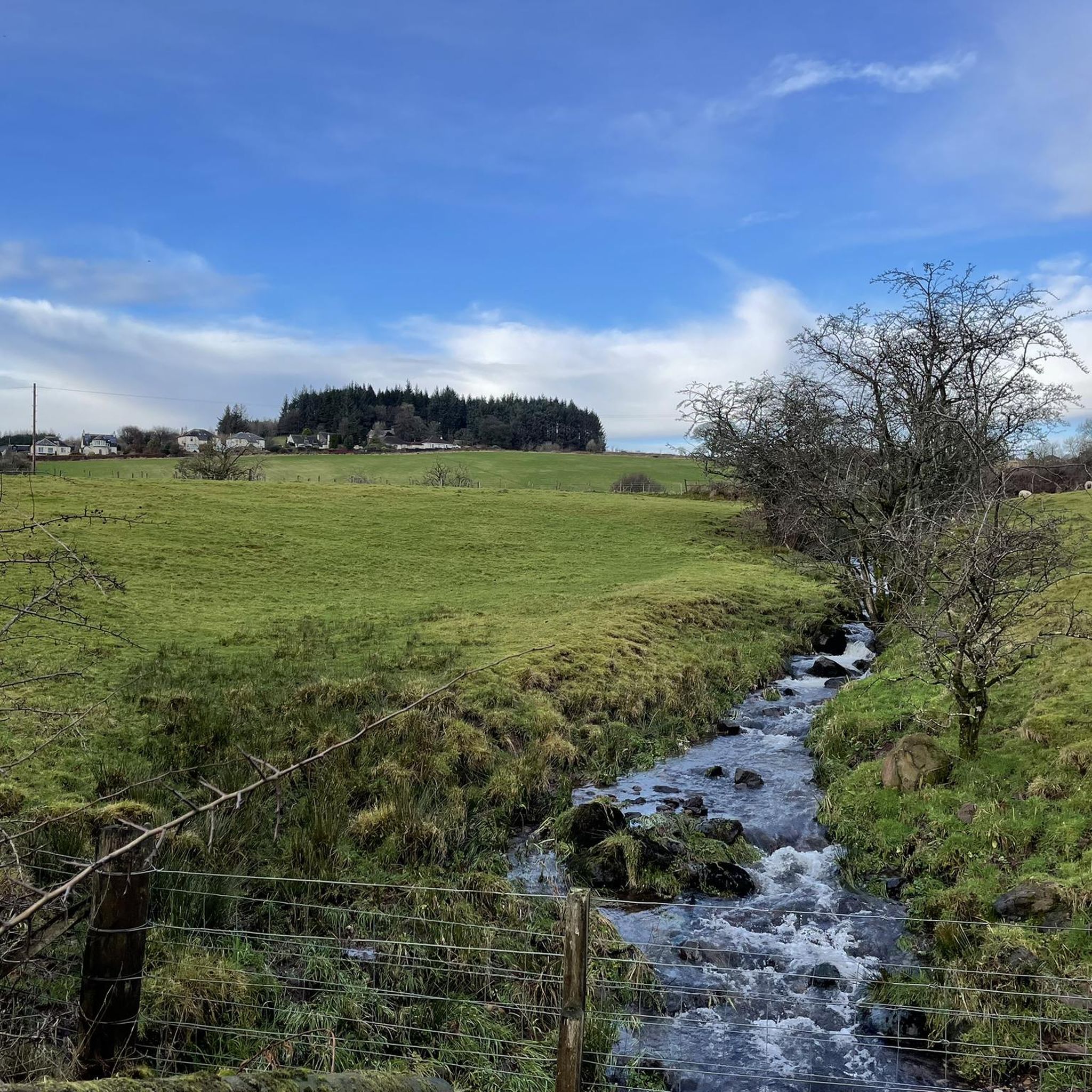
The waterfall is 26 feet tall and best seen after a good deluge of rain to add some flow to it. Consequently is is usually better seen in the autumn and winter. To reach the waterfall jump off the bike and take the path heading south where this highlight is.
2
0

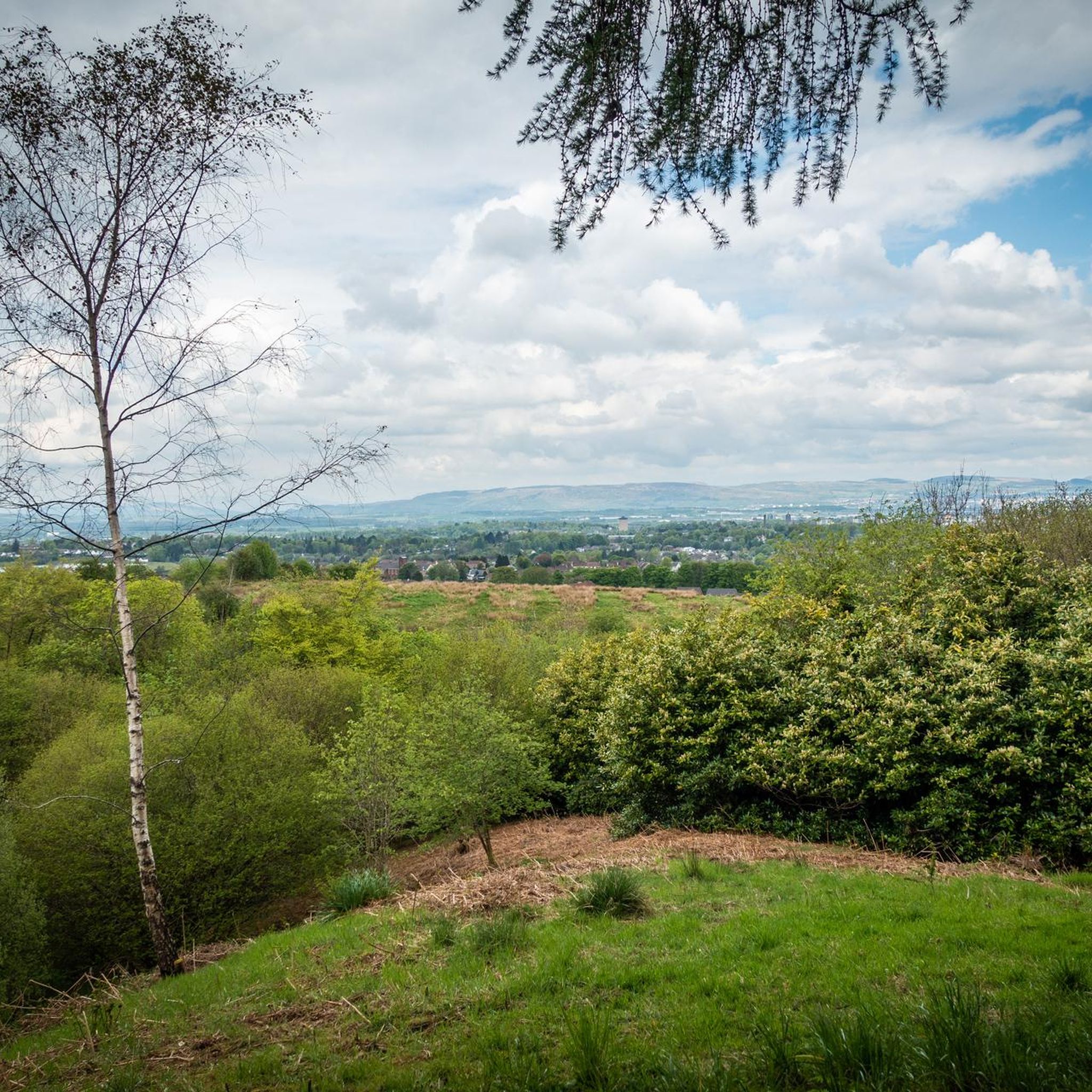
The trig point on Saucel Hill offers an incredible view of Paisley, including the town centre with Paisley Abbey and Town hall easily recognised. To the South the Gleniffer Braes can be seen and to the North, the view includes Glasgow Airport and the Kilpatrick Hills. A perfect place to catch a stunning sunset.
0
0
About 26 feet tall, this waterfall is a wee hidden gem. It's best seen after a few days of rain, so best to visit in Autumn, Winter or Spring, when it's quite breath taking.
0
0

Remember to turn at this tree, it's easy to keep walking straight (as that's where the path continues).
0
0
Frequently Asked Questions
What are some of the most unique natural monuments to visit around Charleston?
Charleston offers several unique natural monuments. The Angel Oak Tree on Johns Island is a majestic Southern live oak, estimated to be between 400 and 1,500 years old, with sprawling branches creating an impressive canopy. Another distinctive spot is Cypress Gardens, known for its blackwater cypress swamp, which you can explore via flat-bottom boat rides or hiking trails.
Are there family-friendly natural monuments around Charleston?
Yes, several natural monuments are great for families. Cypress Gardens offers boat rides and easy trails suitable for all ages. The beaches like Folly Beach, Sullivan's Island, and Isle of Palms are also excellent for family outings, offering opportunities for swimming, shelling, and observing marine life. The Angel Oak Tree is a popular spot for its awe-inspiring size, captivating children and adults alike.
What kind of wildlife can I expect to see at Charleston's natural monuments?
The ACE Basin National Wildlife Refuge is a prime location for wildlife viewing, including a wide array of waterfowl, migratory birds, and elusive wildlife like endangered sea turtles. Along the coast at places like Folly Beach or near Morris Island Lighthouse, you can observe coastal birdlife and potentially dolphins, especially when kayaking along Shem Creek.
What is the best time of year to visit the natural monuments in Charleston?
The natural monuments around Charleston can be enjoyed year-round, but spring and fall offer the most pleasant weather for outdoor activities, with mild temperatures and lower humidity. Winter can also be a good time to visit, especially for viewing waterfalls like Craigie Linn Waterfall, which are best seen after rain.
Are there hiking opportunities near Charleston's natural monuments?
Yes, there are various hiking opportunities. The ACE Basin National Wildlife Refuge offers trails for exploring its diverse habitats. Cypress Gardens features 3.5 miles of hiking trails through its unique blackwater swamp. For more general hiking options in the area, you can explore hiking trails around Charleston.
Can I go running near these natural monuments?
Yes, many areas offer great running environments. The expansive beaches of Folly Beach, Sullivan's Island, and Isle of Palms provide scenic routes for beach running. For dedicated running trails, you can find various options by checking out running trails around Charleston.
What are the unique geological features found in Charleston's natural areas?
Charleston's natural areas are characterized by coastal estuaries, barrier islands, and the distinctive 'pluff mud' found in the salt marshes behind the beaches. This mud is formed from river sediments and is a diagnostic feature of the Lowcountry's geology. The dynamic coastal erosion and shifting sands around places like Morris Island Lighthouse also showcase ongoing natural geological processes.
Are there any natural monuments that offer impressive viewpoints?
The Morris Island Lighthouse, viewed from Folly Beach, offers a striking natural landmark against the backdrop of the ocean, providing picturesque views, especially at sunrise or sunset. The Saucel Hill Trig Point also offers incredible panoramic views of the surrounding landscape.
What activities can I do at the ACE Basin National Wildlife Refuge?
The ACE Basin National Wildlife Refuge offers extensive opportunities for wildlife viewing, birdwatching, hiking, biking, fishing, and kayaking. Visitors can immerse themselves in a thriving coastal ecosystem, explore preserved rice field systems, and take driving tours through avenues of live oaks.
Is there parking available at the natural monuments?
Most major natural monuments and attractions in the Charleston area, such as the Angel Oak Tree, Cypress Gardens, and the various beaches, provide designated parking areas. It's always advisable to check specific location websites for details on parking availability and any potential fees before your visit.
What makes the Angel Oak Tree so special?
The Angel Oak Tree is special due to its immense age, estimated between 400 and 1,500 years, making it one of the oldest living things east of the Mississippi River. Its massive, sprawling branches, some reaching over 187 feet, create an awe-inspiring canopy and a profound connection to nature's enduring power.
Can I explore the natural monuments by bike?
Yes, biking is an option in several natural areas. The ACE Basin National Wildlife Refuge offers opportunities for biking, and many of the barrier islands have roads and paths suitable for cycling. For mountain biking enthusiasts, you can find MTB trails around Charleston.
Most popular routes around Charleston
Most popular attractions around Charleston

Get inspired with the komoot mobile app


Explore more
Extend your search for the best caves by checking out these guides of the top ones around Charleston:
