Top 5 Natural Monuments around Muthill And Tullibardine
Best natural monuments around Muthill And Tullibardine offer a diverse landscape for exploration. This area in Perth and Kinross, Scotland, features serene river walks and elevated viewpoints. The natural features provide opportunities to observe the contrast between lowlands and the rising Southern Highlands. Visitors can explore a variety of natural monuments, from waterfalls to ancient standing stones.
Best natural monuments around Muthill And Tullibardine
- The most popular natural monuments is Lord Melville's Monument, a viewpoint that stands on top…
Last updated: July 1, 2026
Deil's Cauldron Waterfall
Highlight • Viewpoint
Tip by

Lord Melville's Monument
Highlight • Viewpoint
Tip by
Sign up now to discover places like this
Get recommendations on the best single tracks, peaks, & plenty of other exciting outdoor places.
Sign up for free
Avenue of Giant Redwoods
Highlight (Segment) • Forest
Tip by

Waterfall Near Comrie Croft
Highlight • Viewpoint
Tip by
Wester Tullybannocher Standing Stones
Highlight • Historical Site
Tip by

Sign up for free to discover even more natural monuments around Muthill And Tullibardine.
Sign up for free
Already have an account?
Start today with a free account
Your next adventure awaits.
Login or Signup
Popular around Muthill And Tullibardine

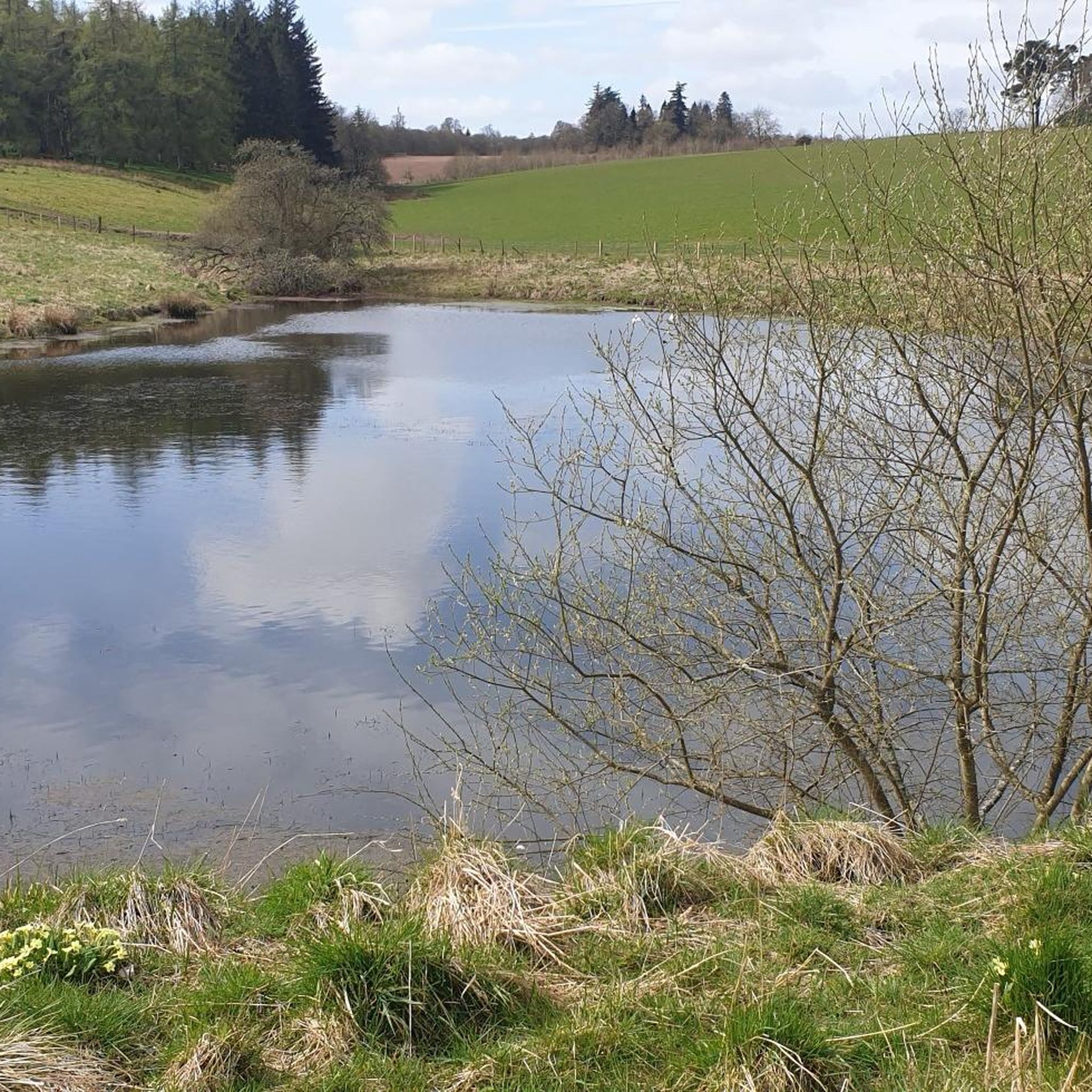
Tips from the Community

Always worth a viist when there has been a lot of rain. A huge amount of water gushes through the narrow rocks.
0
0

A stunning waterfall that's just a short walk from Comrie Croft. Sit and enjoy the soothing sound as the water cascades over the rocks. It's at its best after rainfall and is stunning in every season.
0
0
The Deil’s Cauldron (Devil’s Kettle) is a dramatic waterfall that roars down a narrow gorge on the River Lednock, boiling and hissing as it plunges into a deep pool. Legend has it that it was the haunt of a water elf who lured victims to their doom. You need to leave you bike at the top and go down the wooden steps. They lead you to the viewpoint. Be careful, the steps are slippery in the wet.
0
0
When cresting the summit of Dun More, you're rewarded with stunning views south. The trig point details the hills that can be seen on the skyline. It's very obvious standing here that you are on the very edge of the Highlands. The lowlands span the south; look north and the Southern Highlands rise up.
1
0

Only two stones remain of this stone circle although there were three up to c.1883 when one fell down and was removed. The stones are 22' apart and 5' and 4'8" high respectively. The western stone has two or possibly three cupmarks. - https://www.megalithic.co.uk/article.php?sid=3519 - https://canmore.org.uk/site/24858/wester-tullybannocher
0
0

Built in 1812, this monument commemorates the life of Henry Dundas, Viscount Melville (1742 - 1811). It stands on top of Dun More, a 840-foot (256 m) hill north of Comrie.
1
0
The Deil’s Cauldron (Devil’s Kettle) is a dramatic waterfall that roars down a narrow gorge on the River Lednock, boiling and hissing as it plunges into a deep pool. Legend has it that it was the haunt of a water elf who lured victims to their doom. Steps lead down to the viewpoint. Be careful, they're slippery in the wet.
3
0

This is a nice track past some towering redwoods. Note that the trail on to Comrie Croft isn't direct. It goes north up some steep slopes.
0
0
Frequently Asked Questions
What are some popular natural monuments to visit in Muthill And Tullibardine?
Visitors often enjoy the panoramic views from Lord Melville's Monument atop Dun More. Other popular spots include the dramatic Deil's Cauldron Waterfall and the unique Avenue of Giant Redwoods.
Are there family-friendly natural monuments in the area?
Yes, the Waterfall Near Comrie Croft is considered family-friendly and offers a short, enjoyable walk to a beautiful cascade. Lady Mary's Walk, though not a listed highlight, is also a popular scenic path along the River Earn, suitable for families.
Where can I find the best panoramic views in Muthill And Tullibardine?
For stunning panoramic views, head to Lord Melville's Monument. Located on Dun More, an 840-foot hill, it offers expansive vistas to the south, clearly showing the transition from the lowlands to the rising Southern Highlands.
Are there any waterfalls to visit in the region?
Absolutely. You can visit the dramatic Deil's Cauldron Waterfall, which plunges into a deep pool in a narrow gorge. Another beautiful option is the Waterfall Near Comrie Croft, known for its soothing sounds, especially after rainfall.
What kind of historical natural monuments can I explore?
The region features historical sites intertwined with its natural beauty. Lord Melville's Monument, built in 1812, stands on Dun More, offering both historical significance and natural views. Additionally, the Wester Tullybannocher Standing Stones are ancient megaliths that provide a glimpse into the area's past.
Are there any accessible natural walks or monuments for buggies or wheelchairs?
Lady Mary's Walk, following the River Earn, is a well-surfaced path that is generally accessible for buggies and wheelchairs. It offers a peaceful riverside environment with mature woodland.
What outdoor activities can I do near these natural monuments?
The area around Muthill And Tullibardine offers diverse outdoor activities. You can find numerous hiking trails, including easy options like 'Lady Mary’s walk & Laggan Hill loop from Crieff'. For cyclists, there are road cycling routes such as 'Kinkell Bridge – Eppie Callum's Oak loop from West Mains', and mountain biking trails like 'The Glenturret Distillery – Comrie Croft Café loop from Crieff'. You can find more details on these activities in the hiking guide, road cycling guide, and MTB trails guide for the region.
Can I find unique natural areas with impressive trees?
Yes, the Avenue of Giant Redwoods offers a unique natural experience. This track features towering redwood trees, providing an impressive and memorable walk through a distinct forest environment.
What do visitors enjoy most about the natural monuments in Muthill And Tullibardine?
Visitors particularly appreciate the stunning views from elevated points like Dun More, the dramatic beauty and soothing sounds of the waterfalls, and the peaceful, scenic walks through mature woodlands. The blend of natural beauty with historical elements also adds to the appeal.
Are there any easy natural walks suitable for a leisurely stroll?
Lady Mary's Walk is an excellent choice for a leisurely stroll. This scenic path along the River Earn is well-surfaced and features an avenue of mature trees, offering a peaceful and enjoyable experience.
What kind of wildlife might I encounter near the natural monuments?
While specific wildlife sightings are not guaranteed, the diverse landscapes of Muthill And Tullibardine, including riverside paths, woodlands, and hills, provide habitats for various birds and small mammals. Keep an eye out for local bird species along Lady Mary's Walk and in the forested areas.
Most popular routes around Muthill And Tullibardine
Most popular attractions around Muthill And Tullibardine

Get inspired with the komoot mobile app


Explore more
Extend your search for the best caves by checking out these guides of the top ones around Muthill And Tullibardine:
