Top 8 Natural Monuments around Tannach And District
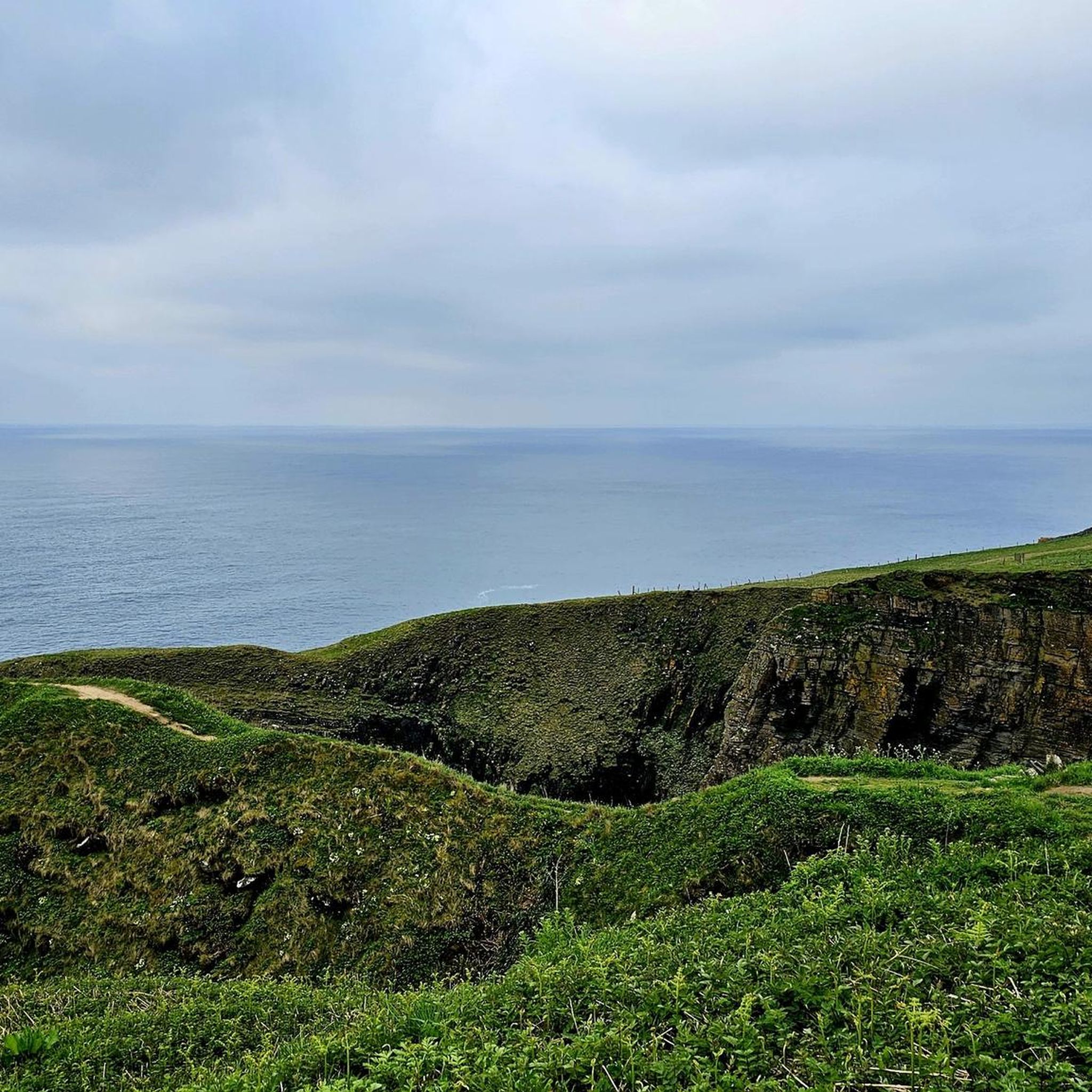
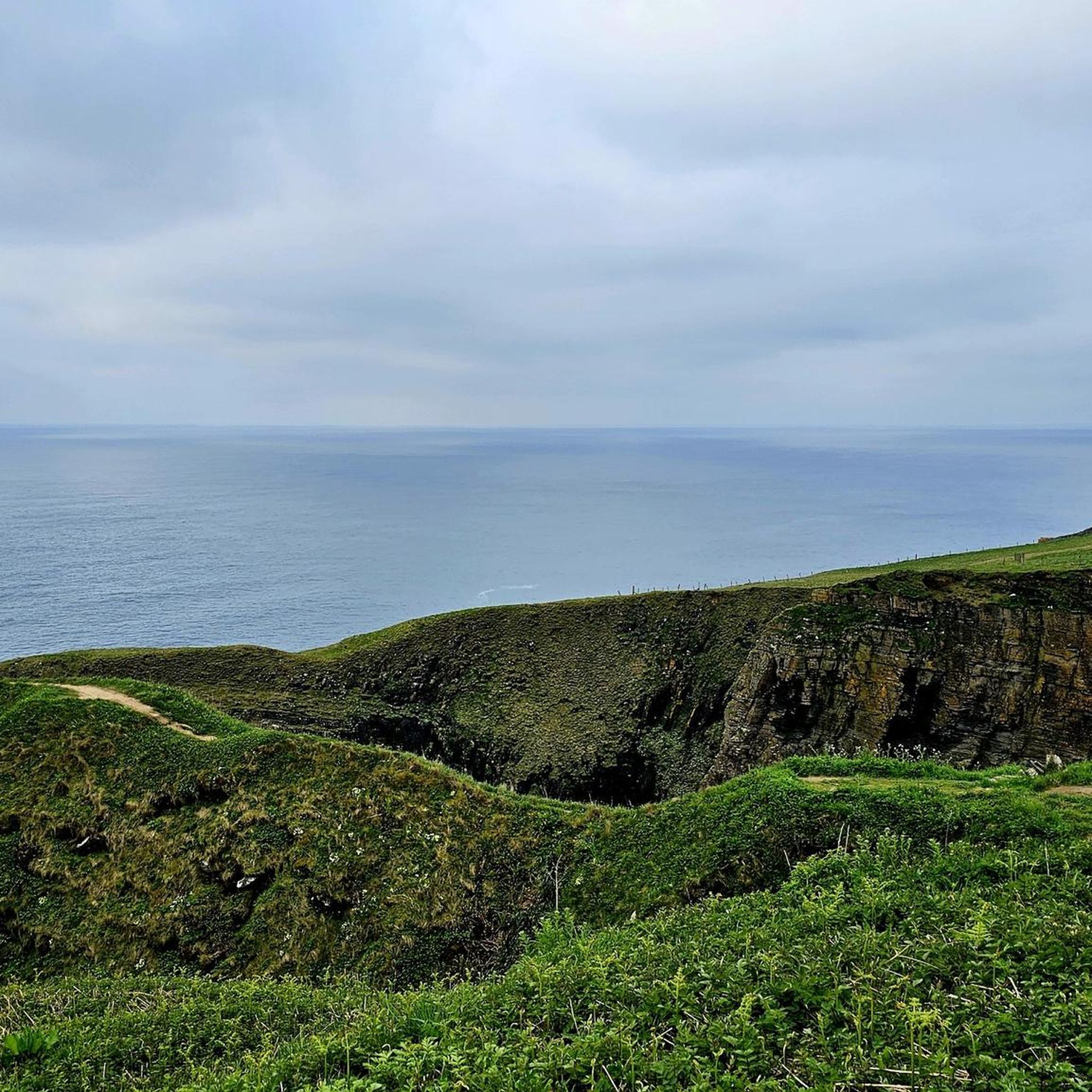
Best natural monuments around Tannach And District are found within the Caithness region of Scotland, characterized by its dramatic coastline and diverse landscapes. The area offers a range of natural features, including sea cliffs, stacks, and unique rock formations. While specific formal designations are limited within the immediate district, the broader region provides numerous natural attractions. These natural attractions contribute to the area's recognized cultural and heritage significance.
Best natural monuments around Tannach And District
- The most popular natural monuments…
Last updated: October 17, 2026
Castle Sinclair Girnigoe
Highlight • Natural Monument
Tip by

Whaligoe Steps
Highlight • Structure
Translated by Google •
Tip by

Sign up now to discover places like this
Get recommendations on the best single tracks, peaks, & plenty of other exciting outdoor places.
Old Wick Castle
Highlight • Castle
Tip by

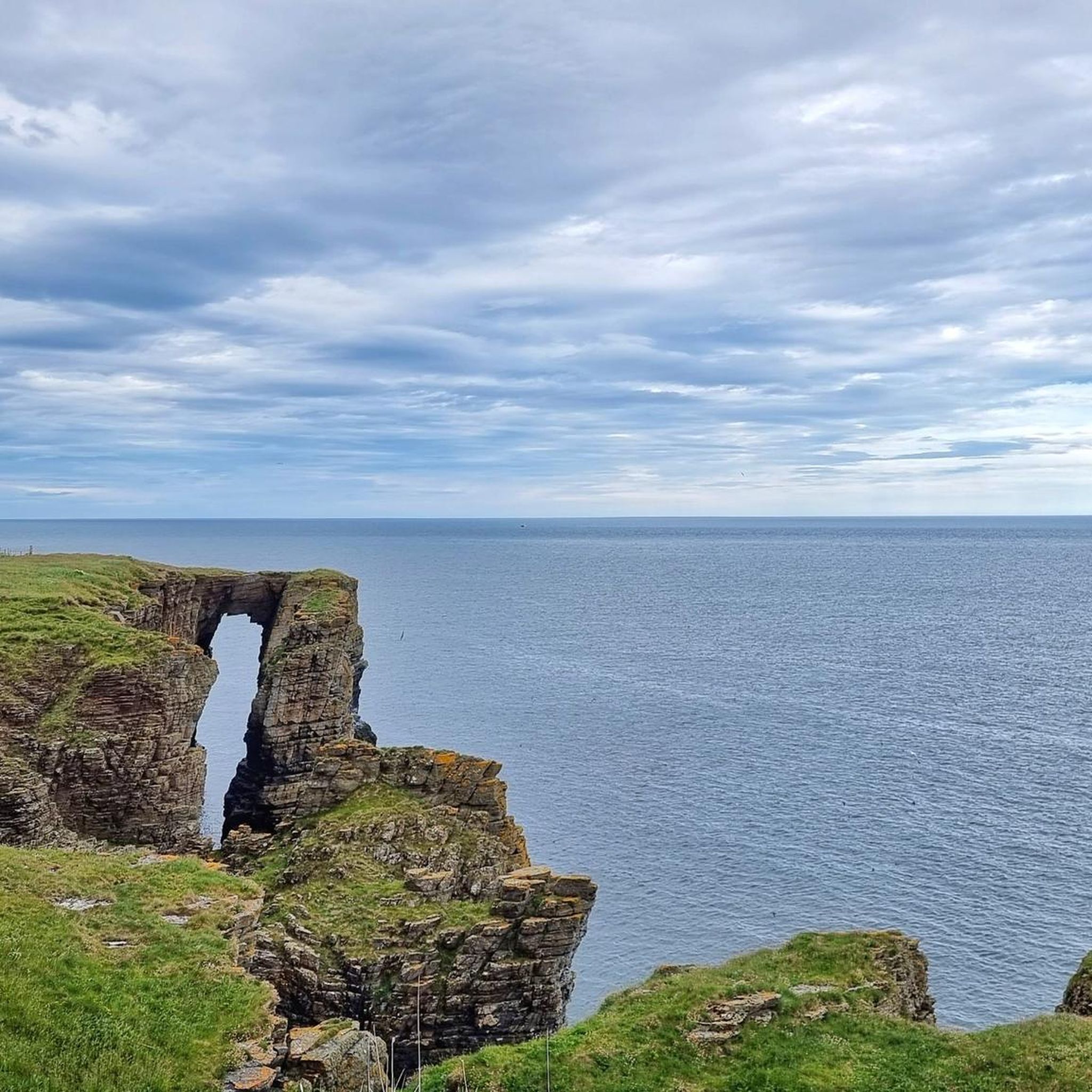
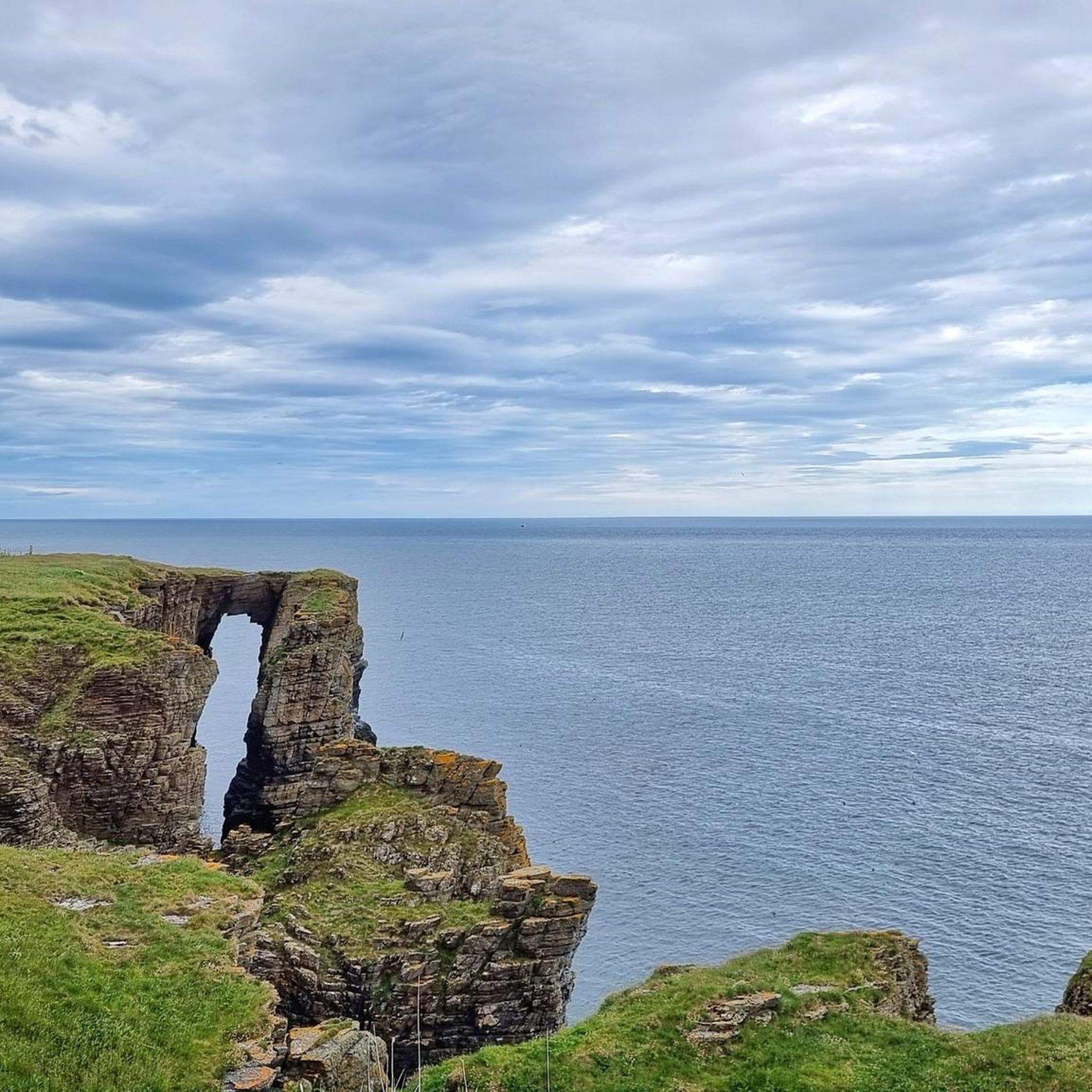
Stack o' Brough Natural Arch
Highlight • Natural Monument
Tip by

Grey Cairns of Camster
Highlight • Historical Site
Tip by

Sign up for free to discover even more natural monuments around Tannach And District.
Already have an account?
Start today with a free account
Your next adventure awaits.
Tips from the Community

Not much to see anymore, but you can get in.
0
0
A very steep staircase leads down. Unfortunately, no lift back up.
0
0
A well-preserved ruin with numerous information boards.
0
0

What a great little castle. Amazing to see it still standing after so many years. Very cool little place to visit and explore the ruins - never quite seen anything like it.
2
0

The stairs are quite steep, so you should not be afraid of heights.
0
0

The path to the viewpoint is now very easy, you no longer have to go around the valley (there is a comfortable path with wooden steps and a bridge). However, there can be a nasty wind at the top of the ledge, there are no railings!
0
0

From the paid parking lot, you can reach the ruins via an easy path. Access to the ruins is generally free, and there is a donation box at the entrance. After exploring, you should also pay a visit to the lighthouse.
4
1

Castle Sinclair Girnigoe is a complex of ruined stone structures built and modified over a 200-year period by the Sinclair earls of Caithness, historically one of northern Scotland’s most powerful families. It is located about 3 miles north of Wick on the east coast of Caithness, Scotland, on a rocky promontory jutting out into the North Sea. It comprises the ruins of two castles: the 15th-century Castle Girnigoe, and the early 17th-century Castle Sinclair, which was built as an extension of the earlier castle and connected by a drawbridge over a ravine. The castle was the seat of Clan Sinclair and witnessed several conflicts and intrigues, such as the imprisonment and death of John Sinclair, Master of Caithness, by his own father in 1582, and the siege and capture of the castle by George Sinclair of Keiss in 1680. The castle was abandoned after the siege and fell into decay. It is now owned by the Clan Sinclair Trust and undergoing restoration and archaeological research3. Castle Sinclair Girnigoe is a historic and scenic landmark that showcases the engineering and natural beauty of Scotland.
4
1
Frequently Asked Questions
What types of natural monuments can I explore around Tannach And District?
The region, part of Caithness, is known for its dramatic coastline and diverse landscapes. You can explore a variety of natural features including sea cliffs, unique rock formations like the Stack o' Brough Natural Arch, and historical sites perched on rocky outcrops such as Castle Sinclair Girnigoe and Old Wick Castle. The broader Caithness area also features significant natural wilderness like the Flow Country.
Are there any family-friendly natural monuments in the area?
Yes, Castle Sinclair Girnigoe is listed as family-friendly. The path to the ruins from the paid parking lot is easy, making it accessible for families to explore the historic site and enjoy the coastal views.
What historical natural monuments can I visit?
The area is rich in historical natural monuments. Castle Sinclair Girnigoe is a complex of ruined stone structures built by the Sinclair earls, located on a rocky promontory. Old Wick Castle, believed to be one of Scotland's oldest castles from the 1100s, is perched on a rocky outcrop. Additionally, the Grey Cairns of Camster are ancient Neolithic chambered cairns, dating back about 5,000 years, offering a glimpse into complex prehistoric architecture.
What is the best time of year to visit the natural monuments around Tannach And District?
The best time to visit for hiking and exploring the natural monuments is generally during the warmer, drier months, typically from late spring to early autumn (May to September). This period offers more favorable weather conditions for coastal walks and exploring historical sites. However, the dramatic landscapes can be enjoyed year-round, with sturdy shoes recommended, especially in damp weather, as seen with the Whaligoe Steps.
Are there hiking trails near these natural monuments?
Yes, there are several hiking opportunities. For example, you can find easy hikes like the 'Cairn o' Get & Whaligoe Steps from Whaligoe' or the 'Wick Centre to Stack o' Brough'. For more options, explore the Hiking around Tannach And District guide, which includes routes of varying difficulties.
What are the Whaligoe Steps and what should I know before visiting?
The Whaligoe Steps are a painstakingly maintained stone staircase of 330 steps leading down to a hidden harbor at the base of cliffs. It's a must-see highlight, but requires sturdy shoes, especially in damp weather, due to the steep descent. The steps have been restored, making the descent safer.
Can I bring my dog to the natural monuments and trails?
While specific dog-friendly designations for each monument are not provided, the general outdoor nature of the region's trails and natural areas often welcomes well-behaved dogs on leads. When visiting historical sites or sensitive natural areas, always check local signage for any restrictions. Many of the coastal walks and trails are suitable for dogs.
What kind of wildlife can I expect to see around the natural monuments?
Given the dramatic coastline of Caithness, you can expect to see diverse birdlife, especially seabirds nesting on cliffs and stacks. The wider region, including the Flow Country, is also known for its unique ecological importance, supporting various species adapted to bogland environments. Keep an eye out for marine life along the coast.
Is parking available at the natural monuments?
Parking is generally available at or near the natural monuments. For instance, Castle Sinclair Girnigoe has a paid parking lot from which an easy path leads to the ruins. For other sites, roadside parking or small designated areas are often present, but it's advisable to check specific locations beforehand.
What do visitors enjoy most about the natural monuments in Tannach And District?
Visitors frequently appreciate the historical significance and dramatic coastal scenery. The ruins of Castle Sinclair Girnigoe are praised for their enduring presence and unique location. The Whaligoe Steps are considered a real highlight for their unique engineering and hidden harbor. The blend of history, natural beauty, and the opportunity to explore ancient structures like the Grey Cairns of Camster are highly valued.
Are there any challenging natural monuments or trails for experienced hikers?
While many trails offer easy to intermediate options, some routes around the natural monuments can be more challenging. For example, the Whaligoe Steps, while a short descent, is steep and requires good footing. Longer, more difficult hikes like the 'Lybster loop to Hill o' Many Stanes' can be found in the Hiking around Tannach And District guide, offering more strenuous options for experienced adventurers.
Can I access these natural monuments using public transport?
Public transport options in the immediate vicinity of some natural monuments might be limited. However, towns like Wick, which are close to several sites like Castle Sinclair Girnigoe and Old Wick Castle, are generally served by local bus routes. From these towns, you might need to arrange local taxis or walk to reach specific monument locations. Planning ahead is recommended.
Most popular attractions around Tannach And District

Get inspired with the komoot mobile app


Explore more
Extend your search for the best caves by checking out these guides of the top ones around Tannach And District:
