Fort William, Inverlochy And Torlundy
Fort William, Inverlochy And Torlundy
Top 15 Mountain Passes around Fort William, Inverlochy And Torlundy
Best mountain passes around Fort William, Inverlochy And Torlundy offer access to some of Scotland's most dramatic mountain landscapes. This region features iconic glens, high mountain ranges, and challenging ridges carved by ancient glaciers. It provides diverse terrain for outdoor activities, ranging from accessible scenic routes to demanding climbs. The area is characterized by its mountainous topography, including the UK's highest peaks and numerous Munros.
Best mountain passes around Fort William, Inverlochy And Torlundy
- The most popular mountain passes is…
Last updated: October 17, 2026
Sgòrr Dhearg (Beinn a' Bheithir) Summit
Highlight • Viewpoint
Tip by

Devil's Staircase (West Highland Way)
Highlight • Mountain Pass
Tip by

Sign up now to discover places like this
Get recommendations on the best single tracks, peaks, & plenty of other exciting outdoor places.
Mullach nan Coirean
Highlight • Mountain Pass
Tip by

Old Military Road: Kinlochleven to Fort William
Highlight (Segment) • Cycleway
Tip by

View of the Three Sisters, Glencoe
Highlight • Viewpoint
Tip by
Sign up for free to discover even more mountain passes around Fort William, Inverlochy And Torlundy.
Already have an account?
Start today with a free account
Your next adventure awaits.
Popular around Fort William, Inverlochy And Torlundy
Supporting the National Three Peaks FKT in true Green Runners’ Style
Ephemeral Lines – Stunning UK Winter Ridges
Scottish winter – five superb mountaineering routes in Lochaber
Cape Wrath Trail – Scotland’s wildest and most spectacular hiking route
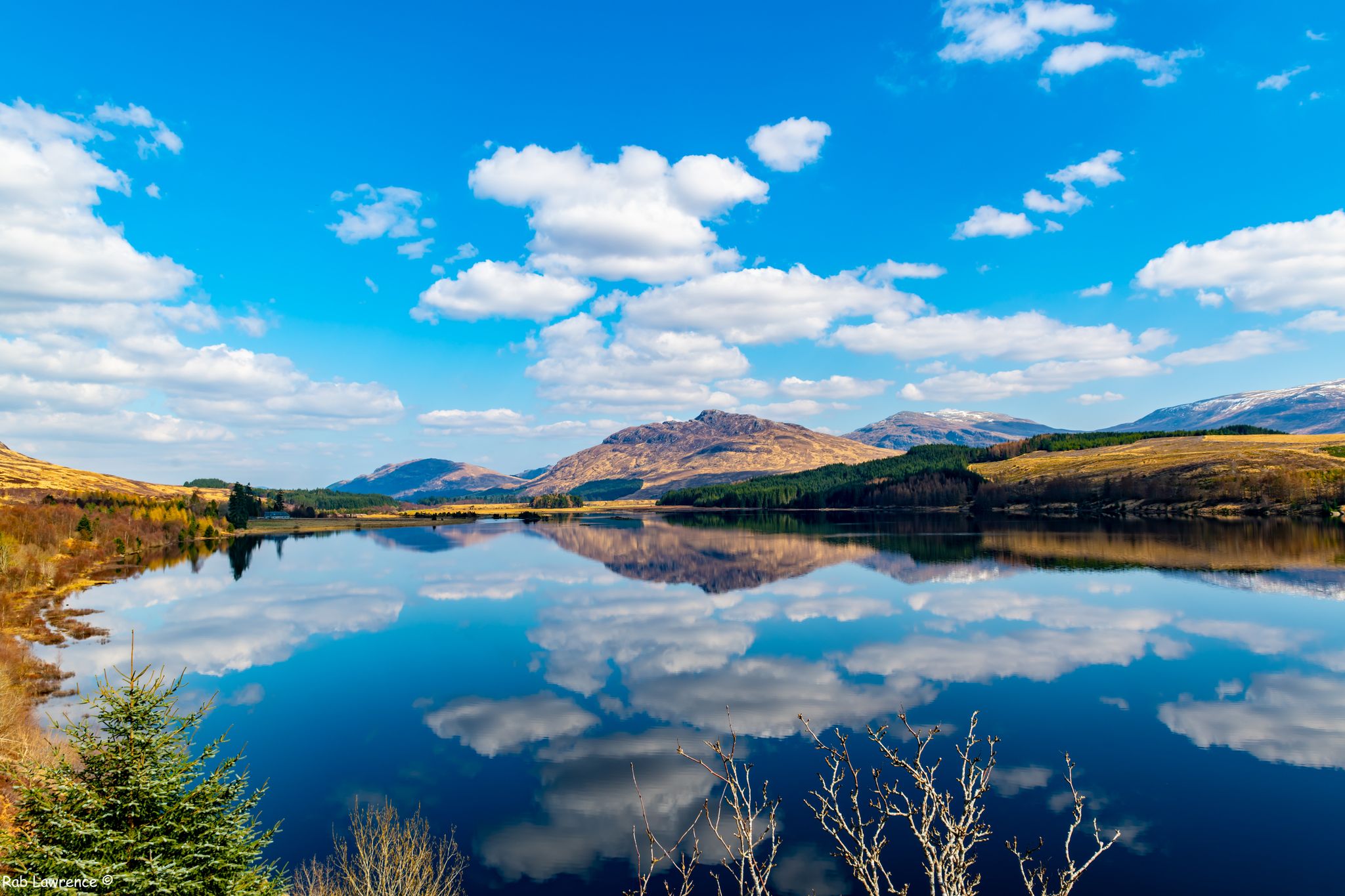
East Highland Way — Hike through Scotland's remote, mountainous heart
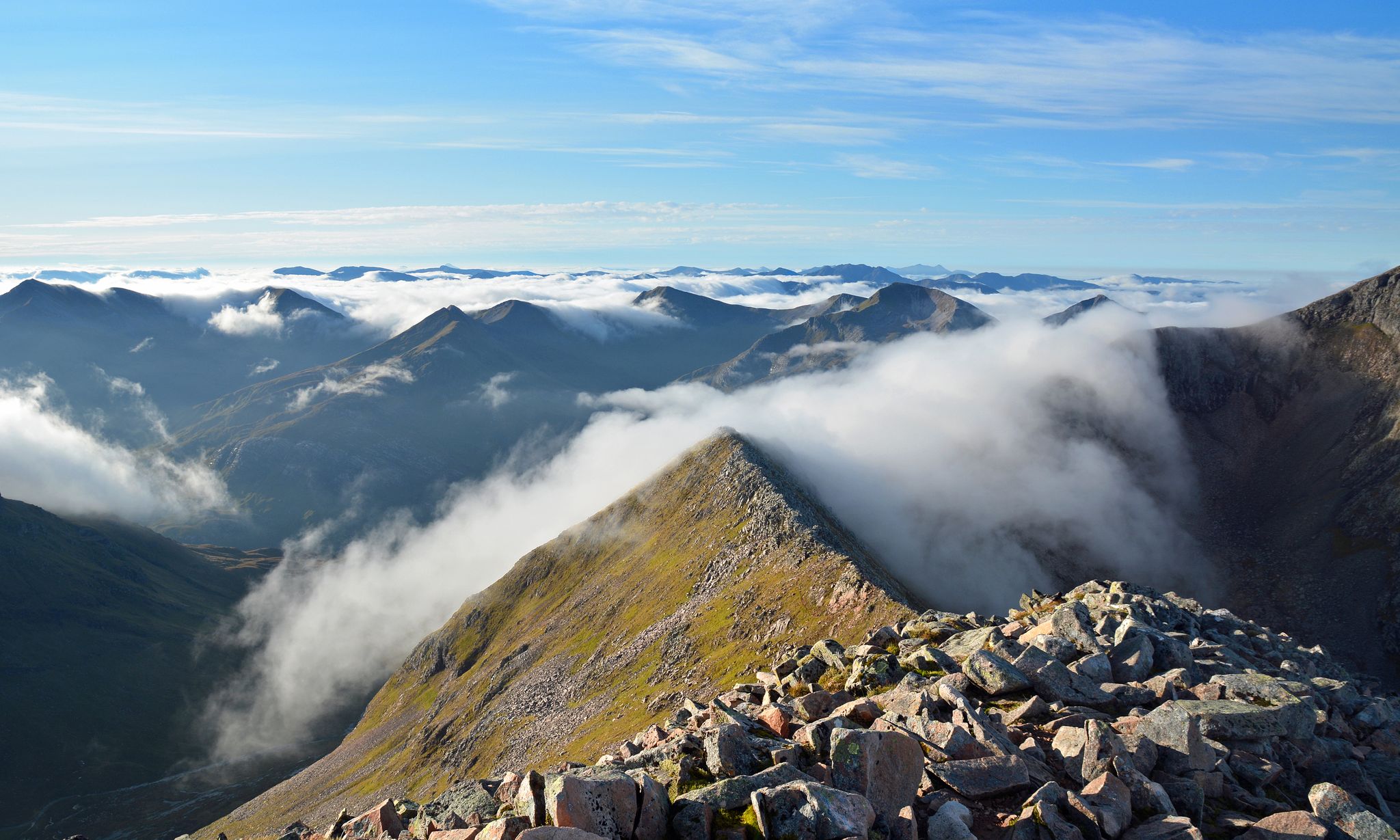
Charlie Ramsay Round — Feet in the clouds, hiking Scotland's Highlands
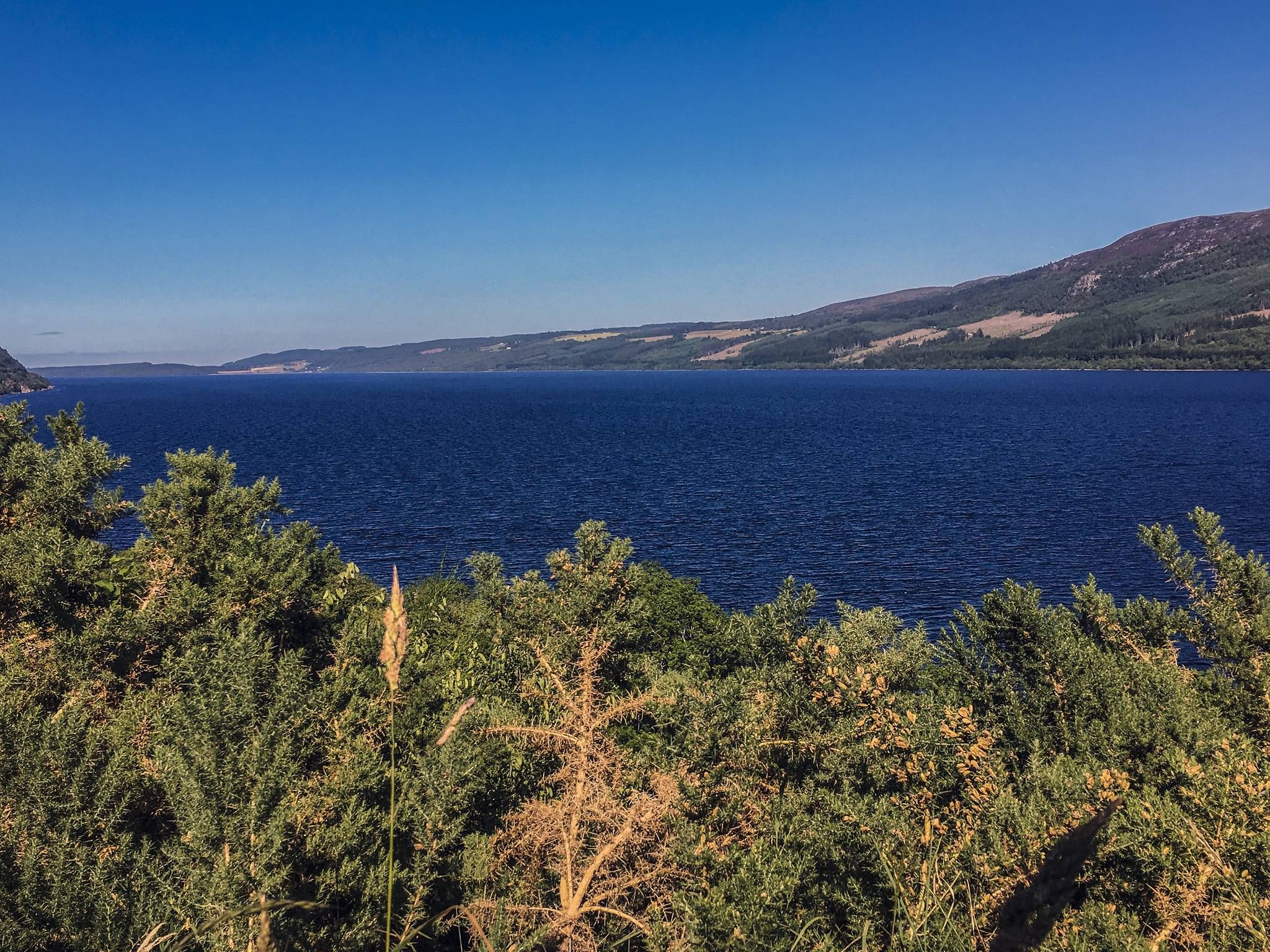
Caledonia Way – Cycling Coast to Coast through the Scottish wilds
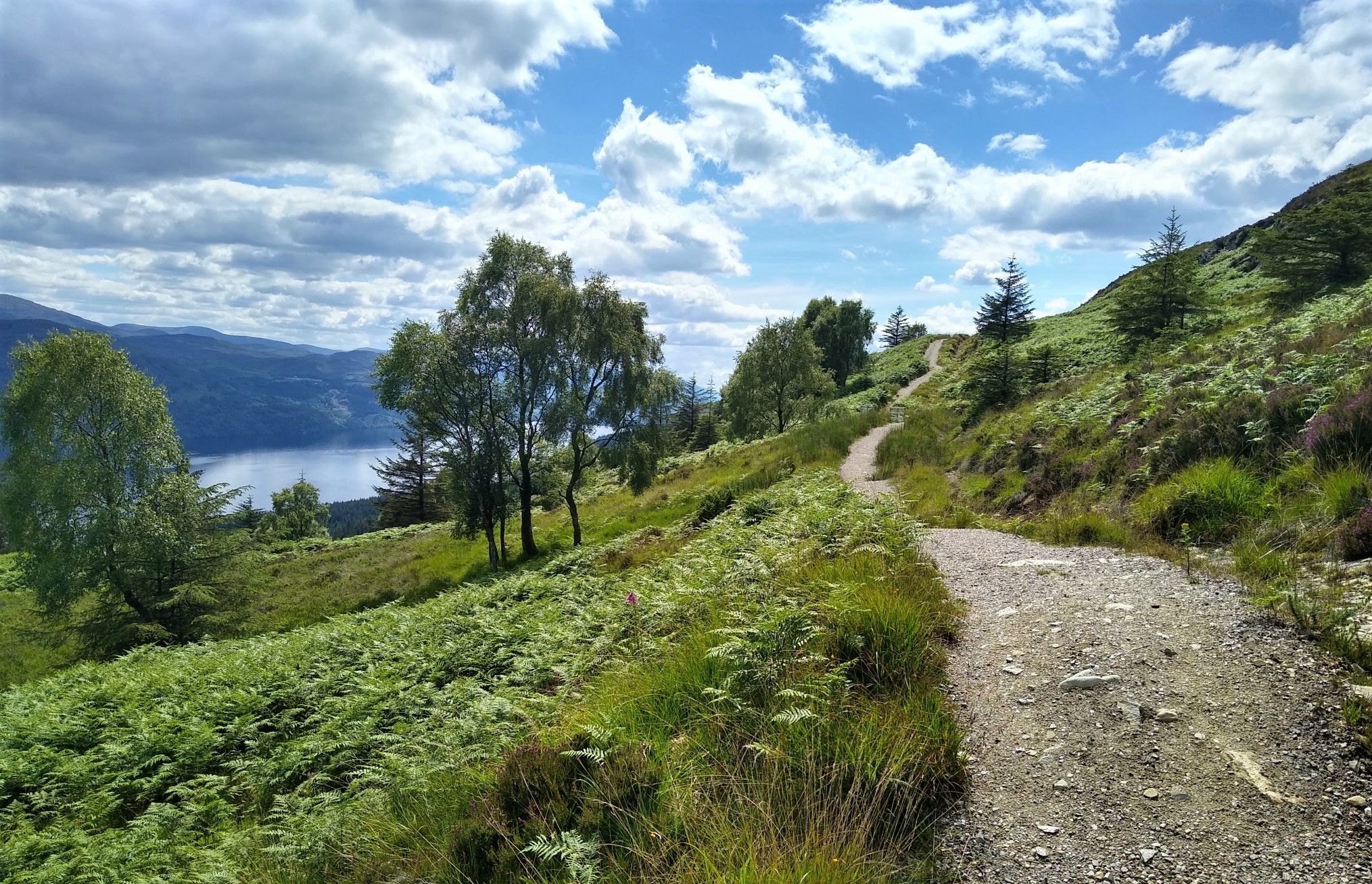
Great Glen Way: An epic coast-to-coast across the Highlands
All The Peaks: Running the UK's Big Three Rounds
Walk Britain – 90 car-free adventures in England, Wales and Scotland
Other adventures around Fort William, Inverlochy And Torlundy


Tips from the Community

Mullach nan Coirean sounds like a fantastic mountain to explore! The stunning Highland scenery, beautiful views over Glen Nevis, and its status as a Munro make it a great destination for hiking enthusiasts. Definitely a rewarding climb for anyone who loves Scotland’s wild landscapes! https://www.openskycc.com.co
0
0
Hardly suitable for gravel bike. Very gravelly and you have to walk a lot
0
0

Superb summit with ridges falling away in three directions.
0
0

One of the most beautiful off road tracks. I recommend to go at least with a gravel bike.
0
0

The hiking car park is a good starting point for activities in one of the side valleys. From here you also have an ideal view of the “Three Sisters”. If you're driving through the magnificent Clencoe, stop here and take in the scenery.
1
2

Wish I'd have taken a picture. Quite technical, but oh so astonishing.
0
0

Sgòrr Dhearg is the highest of the two Munros in Beinn a' Bheithir, and is the end of the beautiful arched ridge from the lower Sgòrr Bhan. With a summit height of 1024 metres, the climb to the summit is long, yet rewarding, with some technical mountain running trails and easy scrambling to be enjoyed on its ascent.
0
0
We took this road during our gravel bike-packing trip; we do not recommend it for this purpose. It requires a lot of attention and you may need to go off the bike often...but probably best enjoyed on a MTB!
2
0
Frequently Asked Questions
What are some of the most popular mountain passes around Fort William, Inverlochy, and Torlundy?
The region offers several renowned mountain passes. Among the most popular are the challenging Devil's Staircase (West Highland Way), known for its extensive views, and the scenic Old Military Road: Kinlochleven to Fort William, which provides gradual climbs and views of Ben Nevis. Glen Coe, with its dramatic Pass of Glen Coe, is also a highly celebrated area.
Are there any easy or family-friendly mountain passes in the area?
While many passes in the region are challenging, the Nevis Range offers accessible mountain experiences for all ages. You can take the Mountain Gondola up Aonach Mòr to an elevation of 650m, where you'll find well-defined footpaths and panoramic views suitable for families. For a less strenuous walk, parts of Glen Nevis offer gentle trails and picnic spots, though the full walk to Steall Falls is more adventurous.
What are some challenging mountain passes for experienced hikers?
For experienced hikers, the region provides several demanding options. The Devil's Staircase (West Highland Way) is a difficult path over the Aonach Eagach ridge. The Mamores range, including Munros like Mullach nan Coirean, offers multi-day traverses and challenging day hikes. The Càrn Mòr Dearg Arête route on Ben Nevis is a grade one scramble for those seeking a more thrilling ascent with superb views of Ben Nevis's North Face.
What natural features and viewpoints can I expect to see?
The mountain passes are rich in natural beauty. Glen Coe features iconic landmarks like Buachaille Etive Mòr and The Three Sisters, along with the rocky defile of The Study. Glen Nevis boasts Steall Falls, Scotland's second-highest waterfall, and the dramatic Nevis Gorge. From viewpoints like Sgòrr Dhearg (Beinn a' Bheithir) Summit and Sgòrr Bhan (Beinn a' Bheithir), you can often see Ben Nevis and the surrounding Highlands.
Are there historical sites or points of interest along these mountain passes?
Yes, some passes have significant historical context. The Devil's Staircase was built by British soldiers in the early 1700s as part of General Wade's road-building program. Glen Coe itself is historically significant due to the Massacre of Glencoe in 1692. The Old Military Road also follows a historic route.
What outdoor activities can I do near the mountain passes?
Beyond hiking, the region offers a variety of outdoor activities. You can find numerous cycling routes, including the Loch Eil loop from Fort William. Mountain biking is popular, especially at Nevis Range, which is a world-famous destination with trails for all levels, and you can explore routes like the Cow Hill Circuit. In winter, Glencoe Mountain Resort and Nevis Range offer skiing and snowboarding.
Are there specific hiking trails near these mountain passes?
Absolutely. Glen Nevis is a popular starting point for the Ben Nevis Mountain Path. For a classic outing, the 'Ring of Steall' in the Mamores is a famous circuit encompassing four Munro peaks. You can also explore various waterfall hikes, such as the walk to Steall Falls.
What is the best time of year to visit the mountain passes?
The best time to visit largely depends on your planned activities. For hiking and cycling, late spring to early autumn (May to September) generally offers the most favorable weather conditions, with longer daylight hours. However, the Scottish Highlands can experience changeable weather year-round. Winter (December to March) provides opportunities for snowsports and dramatic snowy landscapes, but requires appropriate gear and experience for mountain passes.
How accessible are the mountain passes by public transport?
Public transport options exist, though they may not reach every trailhead directly. Bus services connect Fort William to areas like Glen Coe and the Nevis Range. For example, buses can take you to the entrance of Glen Coe or near the Nevis Range gondola. Planning ahead and checking local bus schedules is recommended, especially for more remote starting points.
What do visitors enjoy most about the mountain passes in this region?
Visitors frequently praise the awe-inspiring scenery, the sense of challenge, and the diverse outdoor opportunities. Many highlight the panoramic views from summits and ridges, the dramatic glens carved by glaciers, and the thrill of tackling iconic routes like the Devil's Staircase. The unique experience of the Nevis Range Mountain Gondola also receives high acclaim for making mountain vistas accessible.
Can I find less crowded mountain walks or passes?
While popular spots can attract many visitors, especially during peak season, it's possible to find quieter routes. The eastern end of The Mamores, for instance, includes remote peaks like Binnein Beag and Sgurr Eilde Mòr, offering a more secluded experience. Exploring less-trafficked paths within Glen Nevis or seeking out some of the less-known Munros can also provide a sense of solitude.
Are there opportunities for wild swimming near the mountain passes?
The region's numerous lochs and rivers offer potential spots for wild swimming, though caution is always advised regarding water temperature, currents, and access. Glen Nevis, with its river and pools, is a popular area for cooling off, particularly near the Lower Falls. Always assess conditions and ensure safe entry and exit points.
Most popular routes around Fort William, Inverlochy And Torlundy
Most popular attractions around Fort William, Inverlochy And Torlundy

Get inspired with the komoot mobile app


Explore more
See even more epic mountain passes by checking out these guides around Fort William, Inverlochy And Torlundy:
