Top 8 Natural Monuments around Musselburgh And Inveresk
Best natural monuments around Musselburgh And Inveresk include diverse natural spaces and significant features. The area, situated along the Firth of Forth and bisected by the River Esk, offers coastal stretches, riverine habitats, and elevated viewpoints. These locations provide opportunities to observe local wildlife and experience varied natural environments. The landscape combines historical significance with ecological interest, making it suitable for exploration.
Best natural monuments around Musselburgh And Inveresk
- The most popular natural monuments is Arthur's Seat, a summit…
Last updated: August 24, 2026
Arthur's Seat
Highlight • Summit
Tip by

Nelson Monument, Calton Hill
Highlight • Monument
Tip by

Sign up now to discover places like this
Get recommendations on the best single tracks, peaks, & plenty of other exciting outdoor places.
Sign up for free
St Bernard's Well
Highlight • Monument
Translated by Google •
Tip by

View of Edinburgh from Calton Hill
Highlight • Viewpoint
Tip by

Princes Street Gardens
Highlight (Segment) • Monument
Translated by Google •
Tip by

Sign up for free to discover even more natural monuments around Musselburgh And Inveresk.
Sign up for free
Already have an account?
Start today with a free account
Your next adventure awaits.
Login or Signup
Popular around Musselburgh And Inveresk
Tips from the Community

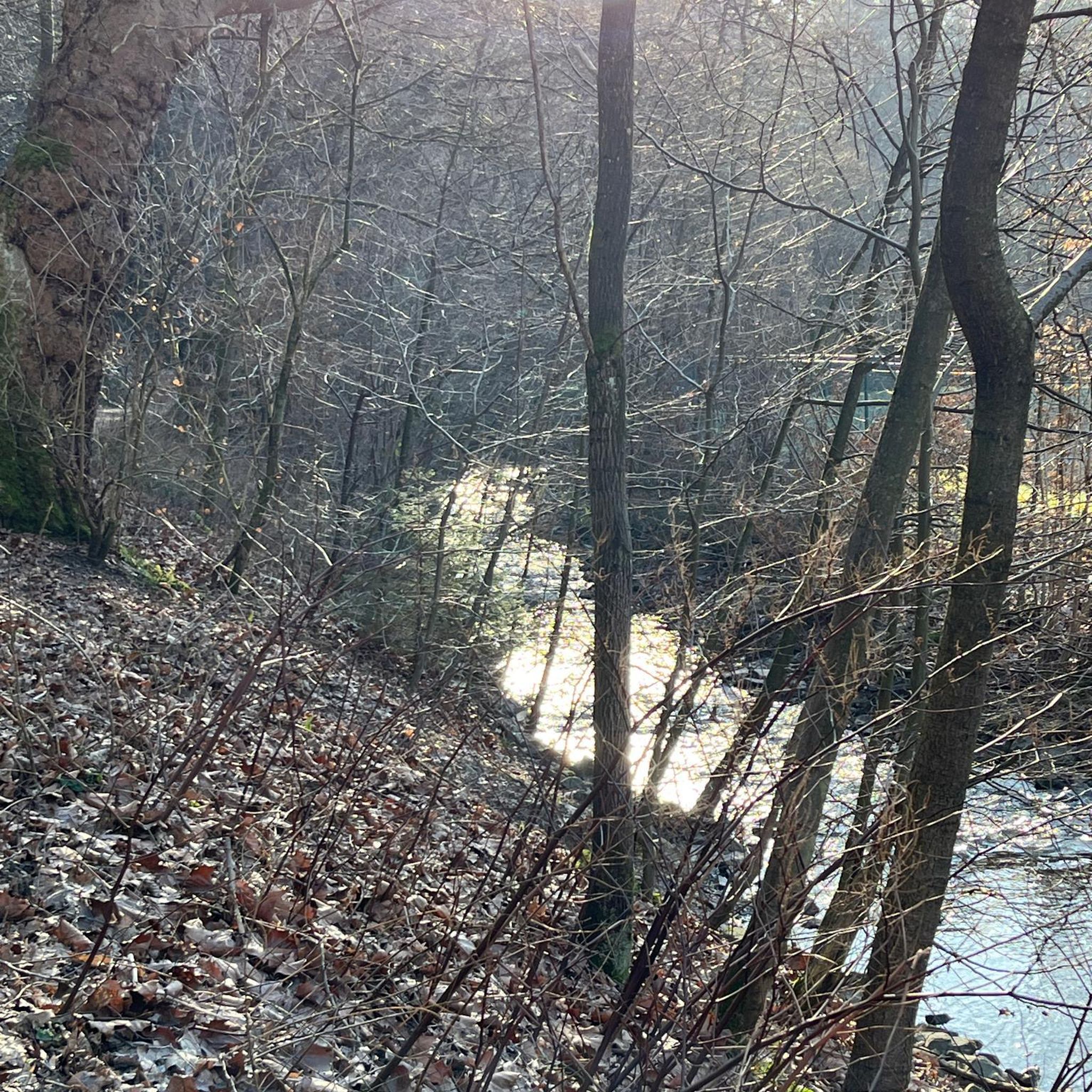
It's actually a well! It was once believed that the water here had healing powers and could cure arthritis and poor eyesight. Another fun fact: the well is mentioned in Mary Shelley's Frankenstein. Either way, it's a beautiful spot by the river and a little different, a place that not everyone knows about yet.
0
0

If you are in Edinburgh you must also go to Princes Street
0
0

The gardens are beautiful all year round. This is where many locals meet, especially at the Ross Fountain, the park’s most important landmark. This cast iron structure was installed in 1872 after the Great Exhibition of 1862 in London. Each year at Christmas, part of the gardens is transformed into a ‘Winter Wonderland’ with a Christmas market, an ice rink and many other fun attractions, including a 108-foot (33 m) high Ferris wheel, often called The Edinburgh Eye. https://www.introducingedinburgh.com/princes-street-gardens
3
0
Princes Street Gardens was created by draining Edinburgh’s largest lake, the Nor Loch. The Nor Loch was originally a marshland on the north side of Edinburgh, initially used as a natural medieval defence alongside Edinburgh Castle. With the north and west sides of the city protected, Edinburgh only needed fortifications to the east and south of the city. From the Middle Ages until the 19th century, it is believed that the Nor Loch was a place where ‘witch ducking’ would take place (a way of discovering whether a suspect was guilty of witchcraft), an ideal place to dispose of dead bodies, where waste water was dumped, and some historians believe that many citizens even walked to the loch for fresh water despite this. Princes Street Gardens was first designed in 1770, but was inaugurated in 1820 when the loch was completely drained. https://www.introducingedinburgh.com/princes-street-gardens
3
0
Princes Street Gardens is one of the most important city parks located in the heart of Edinburgh. It separates the Old Town from the New Town. The gardens cover over 37 acres (150,000 m2) and are divided into two parts by The Mound, a man-made hill that connects the New Town and Old Town of Edinburgh and is home to the Scottish National Gallery. https://www.introducingedinburgh.com/princes-street-gardens
3
0

Part of the New Town plan designed by James Craig in 1767, and took its name from the sons of King George III. In stark contrast to today, it started out as a residential street with the first inhabitants moving in during the 1770s. Its elegant Georgian and Victorian architecture, lush gardens and panoramic views of the castle, create a scene of urban grandeur. The street’s array of shops, boutiques, and historic landmarks make it a hub of commerce, culture, and leisure today.
0
0

The Water of Leith Walkway is a 13-mile route along the riverbank from Balerno to Leith, passing many attractions and areas of interest.
0
0

The Nelson Tower was completed in 1816, to commemorate Nelson's victory at Trafalgar, subsequently restored in 2009. It marks the highest point of Calton Hill (171m) and the monument itself is 32m high. A time ball was installed in 1853 and is raised just before 1pm, and at precisely 1pm is dropped from the top of the mast.
2
0
Frequently Asked Questions
What natural features can I explore around Musselburgh and Inveresk?
The area offers a diverse range of natural features. You can enjoy the coastal beauty of Fisherrow Sands, explore the rich ecosystem along the River Esk and its Estuary, or discover the significant birdlife at the Musselburgh Lagoons Bird Reserve. Inland, Lewisvale Park provides peaceful green spaces and woodland, while Inveresk Lodge Garden combines cultivated beauty with wilder hillside woods.
Are there any natural monuments offering panoramic views?
Yes, several locations provide excellent viewpoints. While slightly further afield, Arthur's Seat offers commanding views across the Edinburgh region and the Firth of Forth. Closer to the area, the View of Edinburgh from Salisbury Crags also provides stunning vistas of the city and surrounding landscape.
What historical natural monuments can I visit?
The region is rich in historical natural monuments. Nelson Monument, Calton Hill, while a man-made structure, sits atop a natural hill offering historical significance and views. St Bernard's Well is a natural spring housed within a Greco-Roman temple, known for its historical healing reputation. Additionally, Lewisvale Park and Inveresk Lodge Garden are situated in areas with Iron Age and Roman settlement remains, blending natural beauty with ancient history.
Are there family-friendly natural monuments in Musselburgh and Inveresk?
Absolutely. Fisherrow Sands is ideal for families with its soft sand and gentle waves, perfect for leisurely walks and picnics. Lewisvale Park offers open spaces and woodlands for children to explore. Princes Street Gardens, while in Edinburgh, is also a popular family-friendly spot with beautiful landscapes and seasonal attractions.
Where can I observe wildlife near these natural monuments?
The Musselburgh Lagoons Bird Reserve is a prime location for birdwatching, attracting a wide variety of species throughout the year. Along the River Esk and its Estuary, you can often spot swans, herons, kingfishers, and even otters. Fisherrow Sands is also excellent for observing marine life and various bird species along the shore and estuary.
What kind of walking routes are available near the natural monuments?
You'll find a variety of walking routes. For easy coastal walks, consider routes near Fisherrow Sands or the River Esk. More challenging options include the ascent to Arthur's Seat. For specific hiking trails, you can explore options like the "Musselburgh Lagoons & Prestongrange Museum loop" or the "Portobello Beach – Portobello Promenade loop" which are detailed in our Hiking around Musselburgh And Inveresk guide.
Can I go running or cycling near these natural attractions?
Yes, the area offers opportunities for both running and cycling. For runners, routes like the "Portobello Beach Promenade loop from Musselburgh" are popular. Cyclists can find gravel biking routes such as the "Longniddry Bents Beach – Longniddry Old Railway Path loop." You can find more details in our Running Trails around Musselburgh And Inveresk and Gravel biking around Musselburgh And Inveresk guides.
What is the best time to visit the natural monuments in Musselburgh and Inveresk?
The natural monuments can be enjoyed year-round. Spring and summer offer pleasant weather for coastal walks and exploring gardens like Inveresk Lodge Garden. Autumn provides beautiful foliage in parks such as Lewisvale Park. For birdwatching, the Musselburgh Lagoons are active throughout the year, with different species present seasonally. Winter walks can also be rewarding, especially along the coast or river, though appropriate clothing is recommended.
Are there any dog-friendly natural monuments or walks?
Many of the natural outdoor spaces in the area are dog-friendly. Fisherrow Sands is a popular spot for dog walks, and the paths along the River Esk are generally suitable. Lewisvale Park also welcomes dogs, provided they are kept under control. Always check local signage for any specific restrictions, especially in nature reserves like Musselburgh Lagoons, to protect wildlife.
What do visitors enjoy most about the natural monuments in this region?
Visitors frequently appreciate the diverse natural beauty, from the coastal views and marine life at Fisherrow Sands to the tranquil riverine habitats of the River Esk. The opportunity for birdwatching at Musselburgh Lagoons is highly valued. Many also enjoy the blend of natural landscapes with historical elements, such as the ancient volcano of Arthur's Seat or the Roman history intertwined with Lewisvale Park and Inveresk Lodge Garden.
How accessible are the natural monuments by public transport?
Musselburgh and Inveresk are well-served by public transport, making many natural monuments accessible. Local bus services connect to various points near Fisherrow Sands, the River Esk, and Lewisvale Park. For destinations like Arthur's Seat or Calton Hill, public transport from Musselburgh to Edinburgh city centre is readily available.
Most popular routes around Musselburgh And Inveresk
Most popular attractions around Musselburgh And Inveresk

Get inspired with the komoot mobile app


Explore more
Extend your search for the best caves by checking out these guides of the top ones around Musselburgh And Inveresk:
