Top 15 Natural Monuments around Mull
Natural monuments around Mull showcase a landscape shaped by ancient volcanic activity and coastal erosion. The Isle of Mull, part of the Inner Hebrides, features dramatic coastlines, unique geological formations, and diverse natural features. These sites offer insights into the Earth's past and provide varied terrain for exploration. Visitors can discover sea caves, basalt columns, and ancient fossil beds across the island.
Best natural monuments around Mull
- The most popular natural monuments is Ben More Summit, a natural monument…
Last updated: June 17, 2026
Ben More Summit
Highlight • Natural Monument
Tip by

Ben Hiant
Highlight • Viewpoint
Tip by

Sign up now to discover places like this
Get recommendations on the best single tracks, peaks, & plenty of other exciting outdoor places.
Sign up for free
MacLean’s Cross
Highlight • Religious Site
Tip by

Fingal's Cave
Highlight • Cave
Tip by

Well of Eternal Youth (Tobar na H-Aoise)
Highlight • Summit
Tip by

Sign up for free to discover even more natural monuments around Mull.
Sign up for free
Already have an account?
Start today with a free account
Your next adventure awaits.
Login or Signup
Popular around Mull
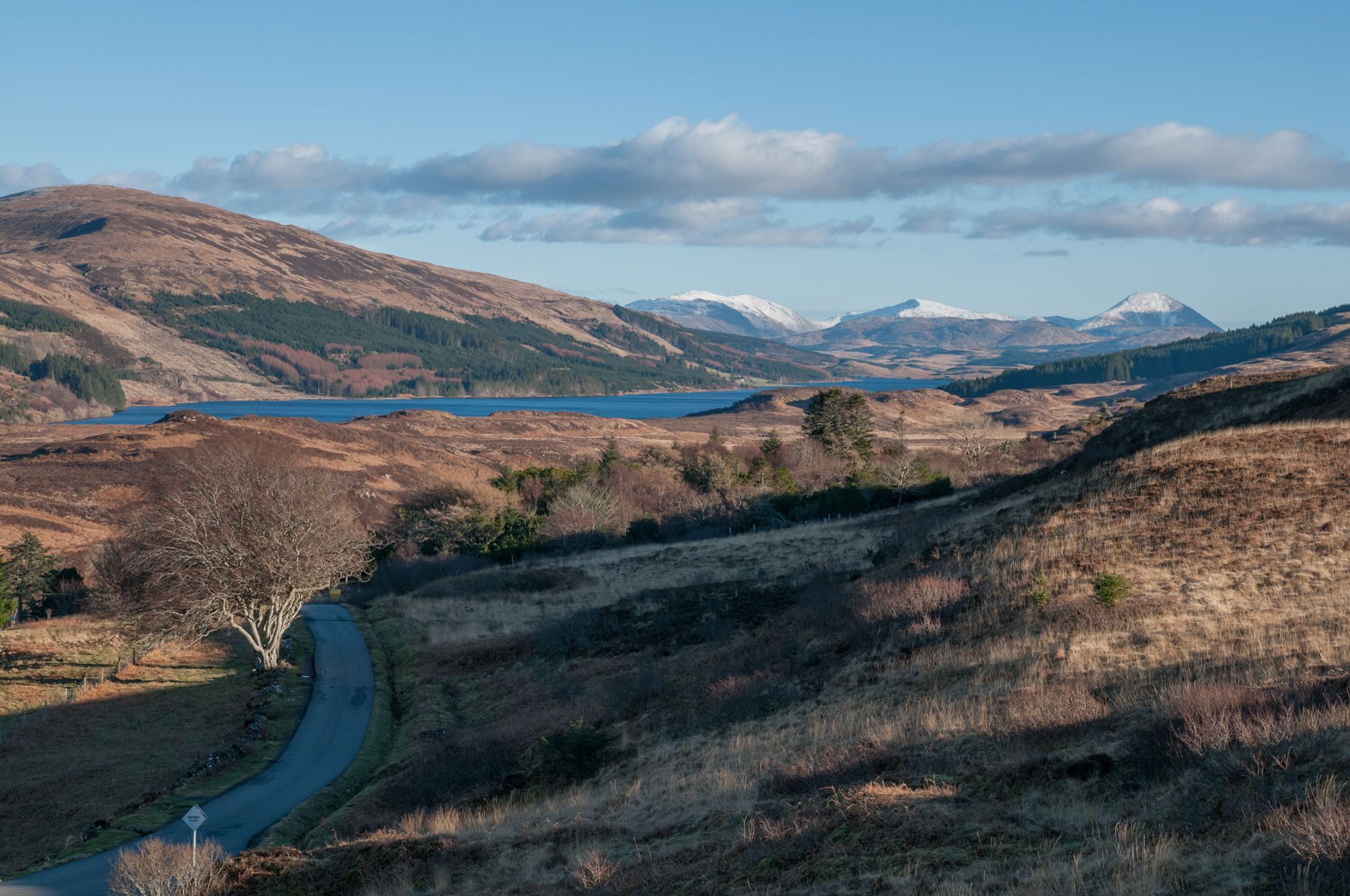
West Island Trail – Island hopping by bike in the Inner Hebrides
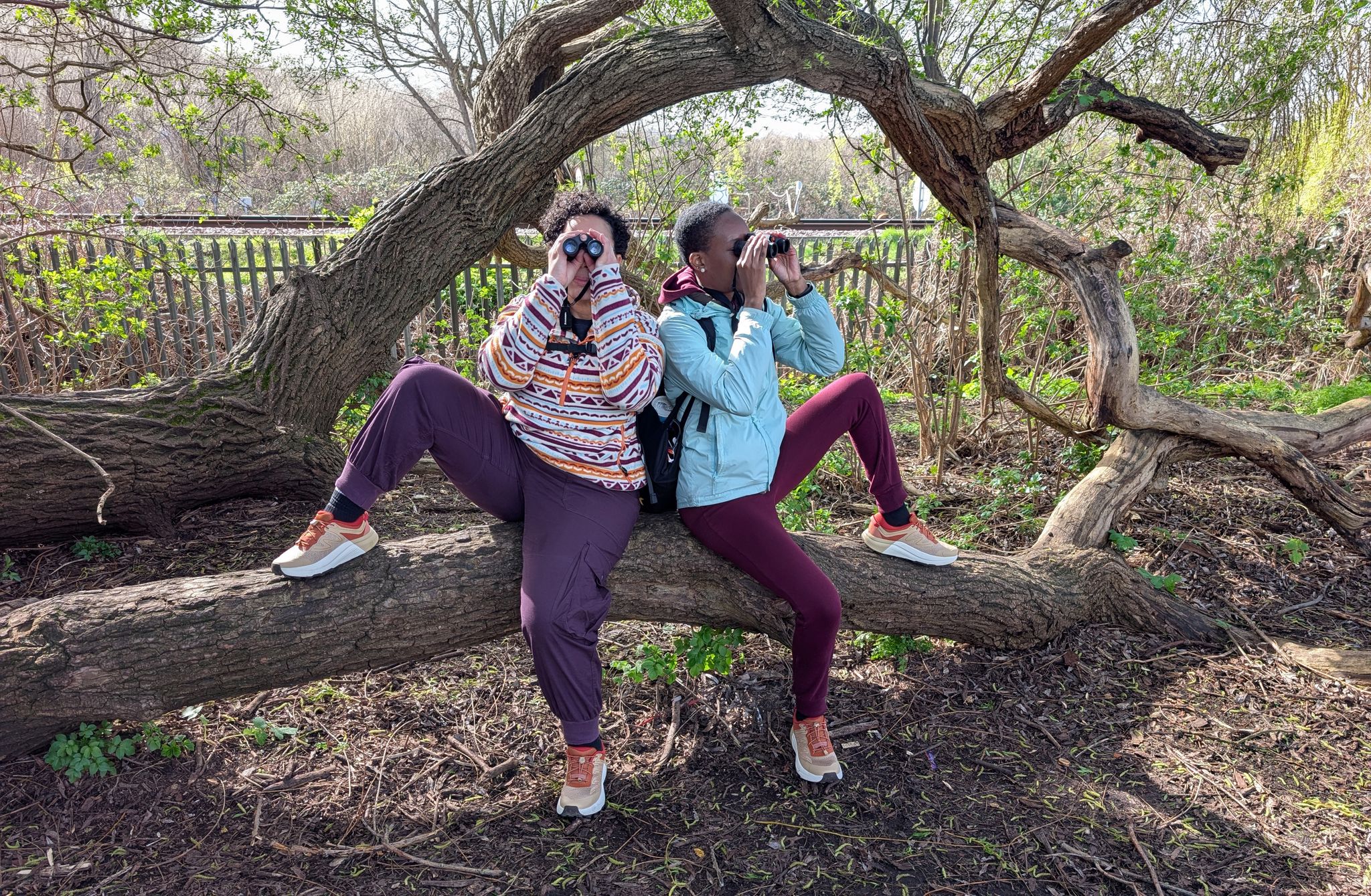
Europe’s Seasonal Birding Hotspots
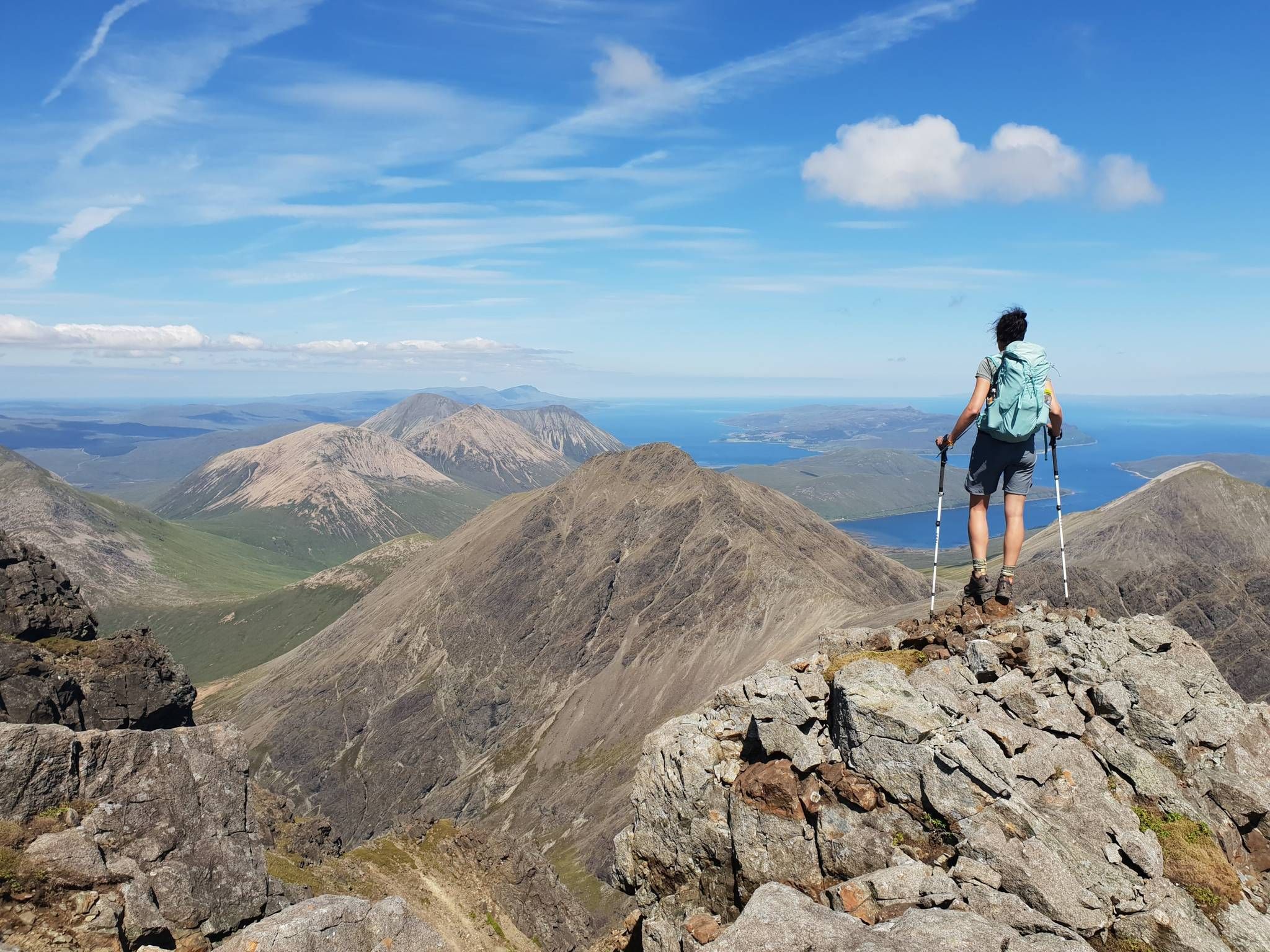
Hiking the 282 munro mountains of Scotland in 95 routes
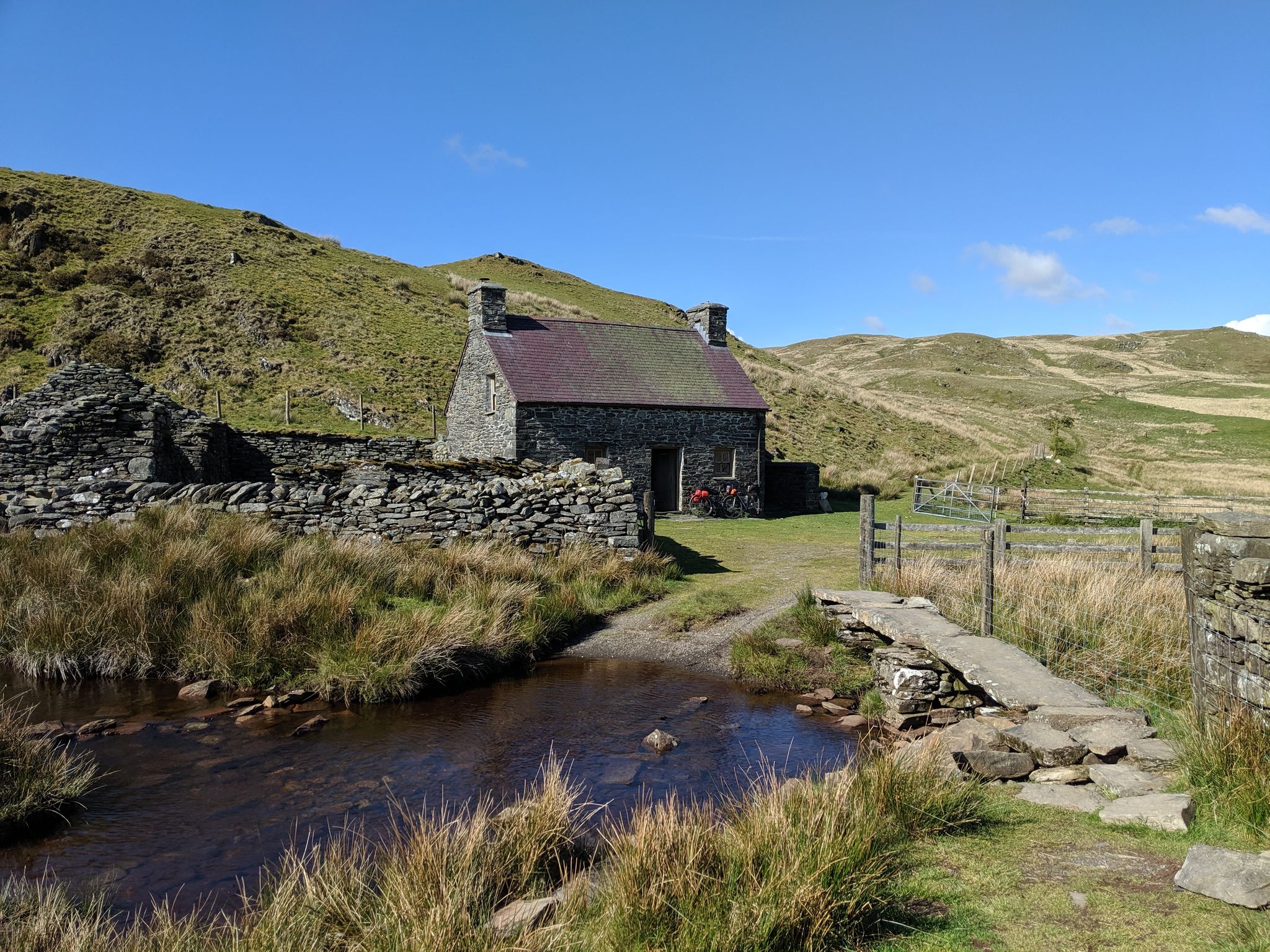
Bikepacking the best of British Bothies
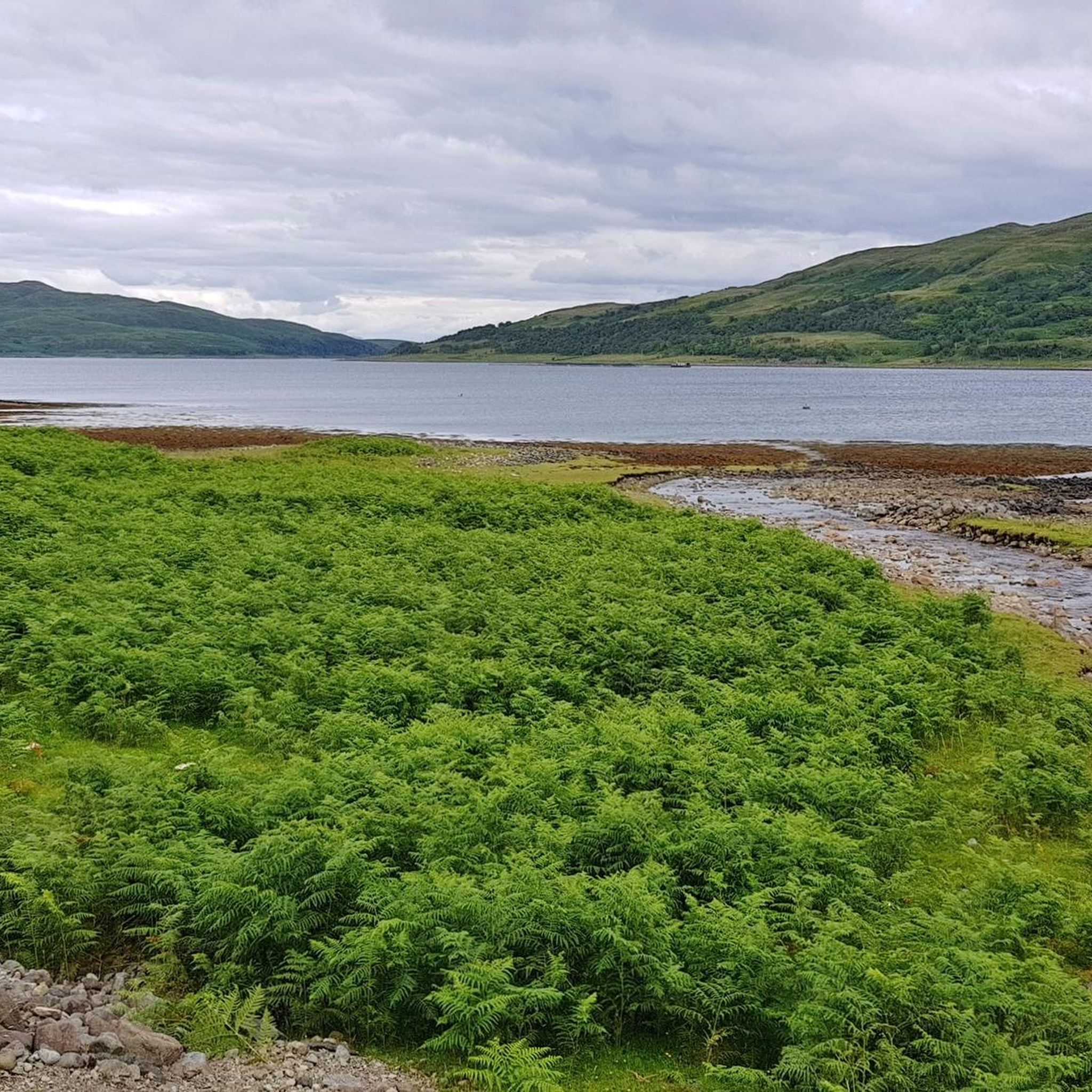
Hiking around Mull
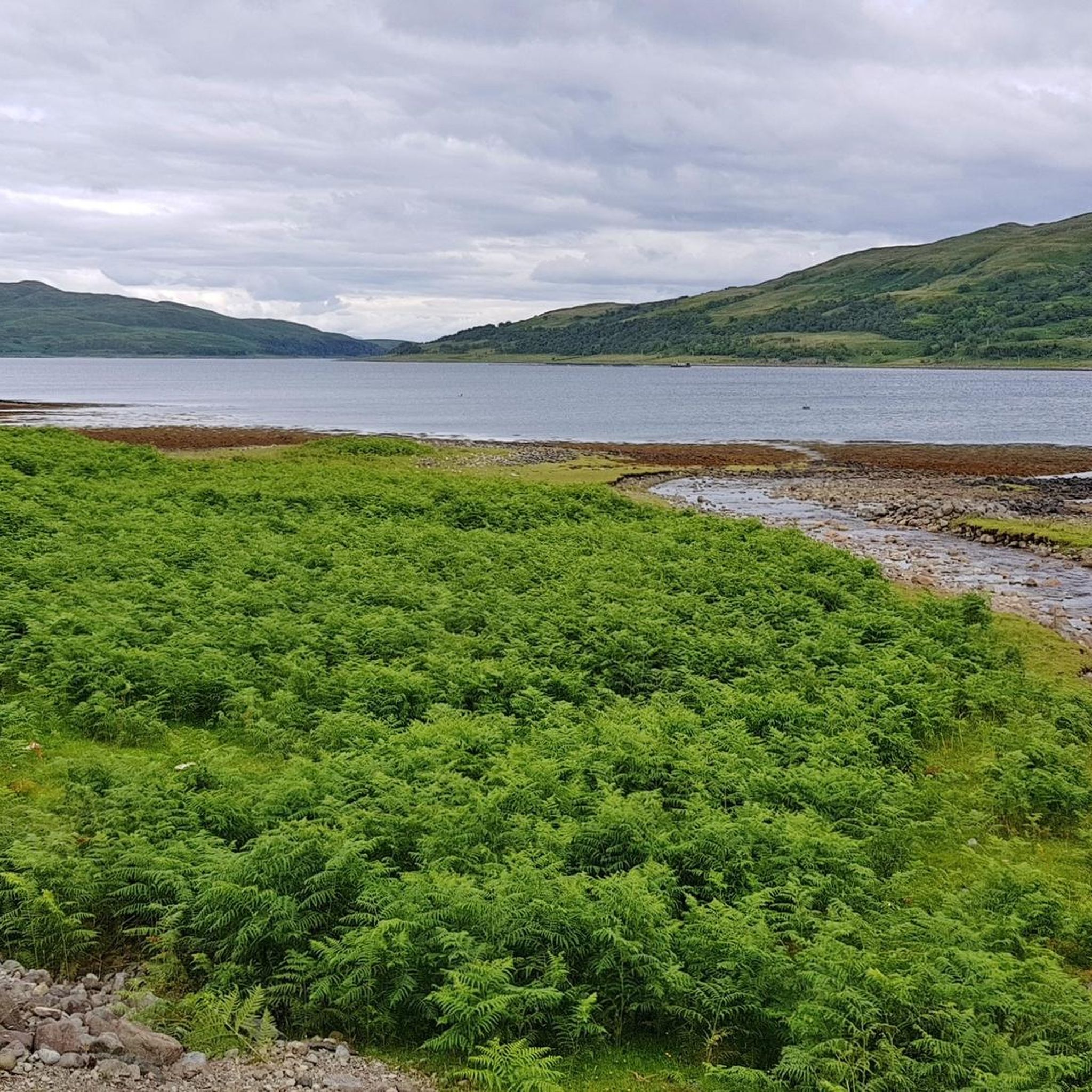
Road Cycling Routes around Mull
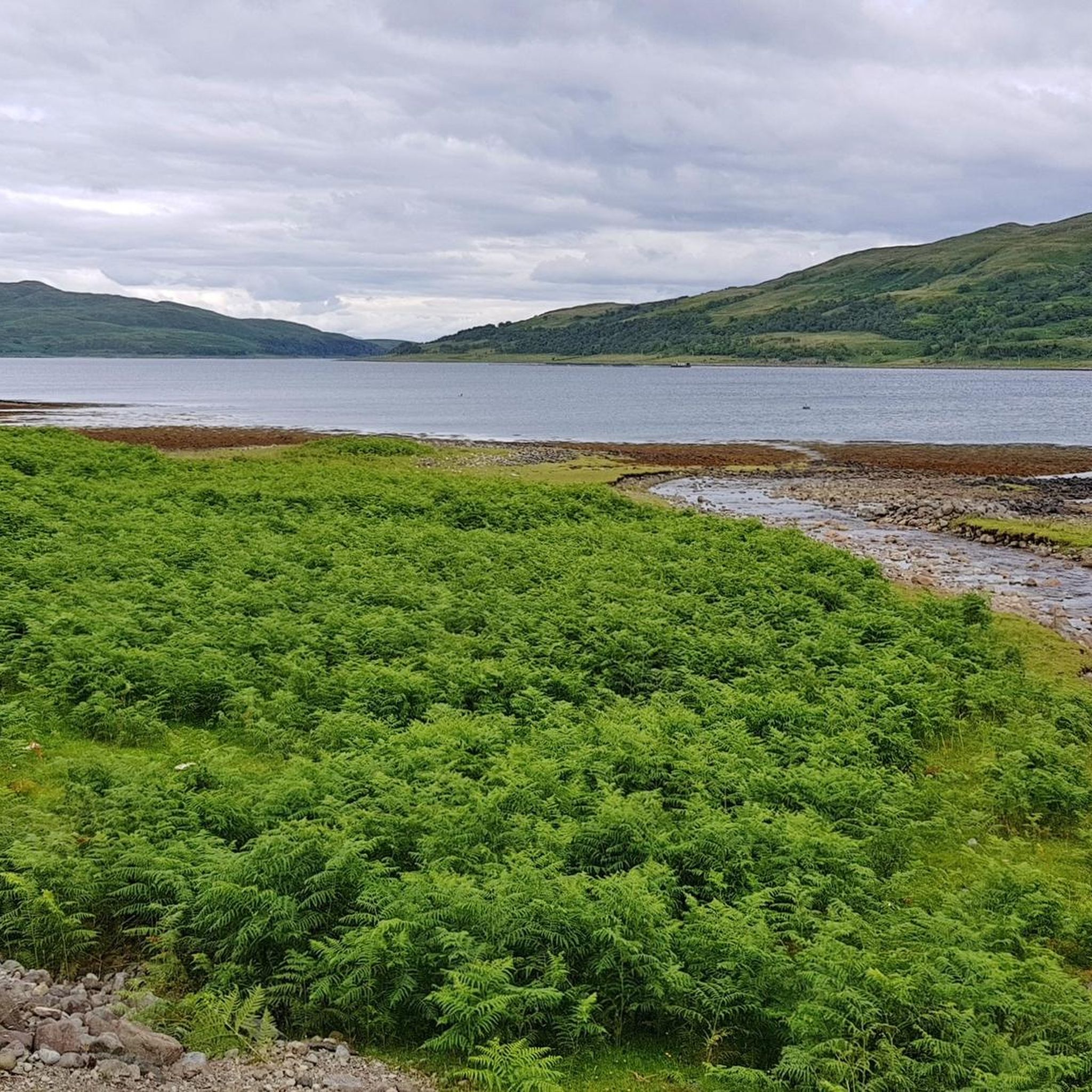
Cycling around Mull
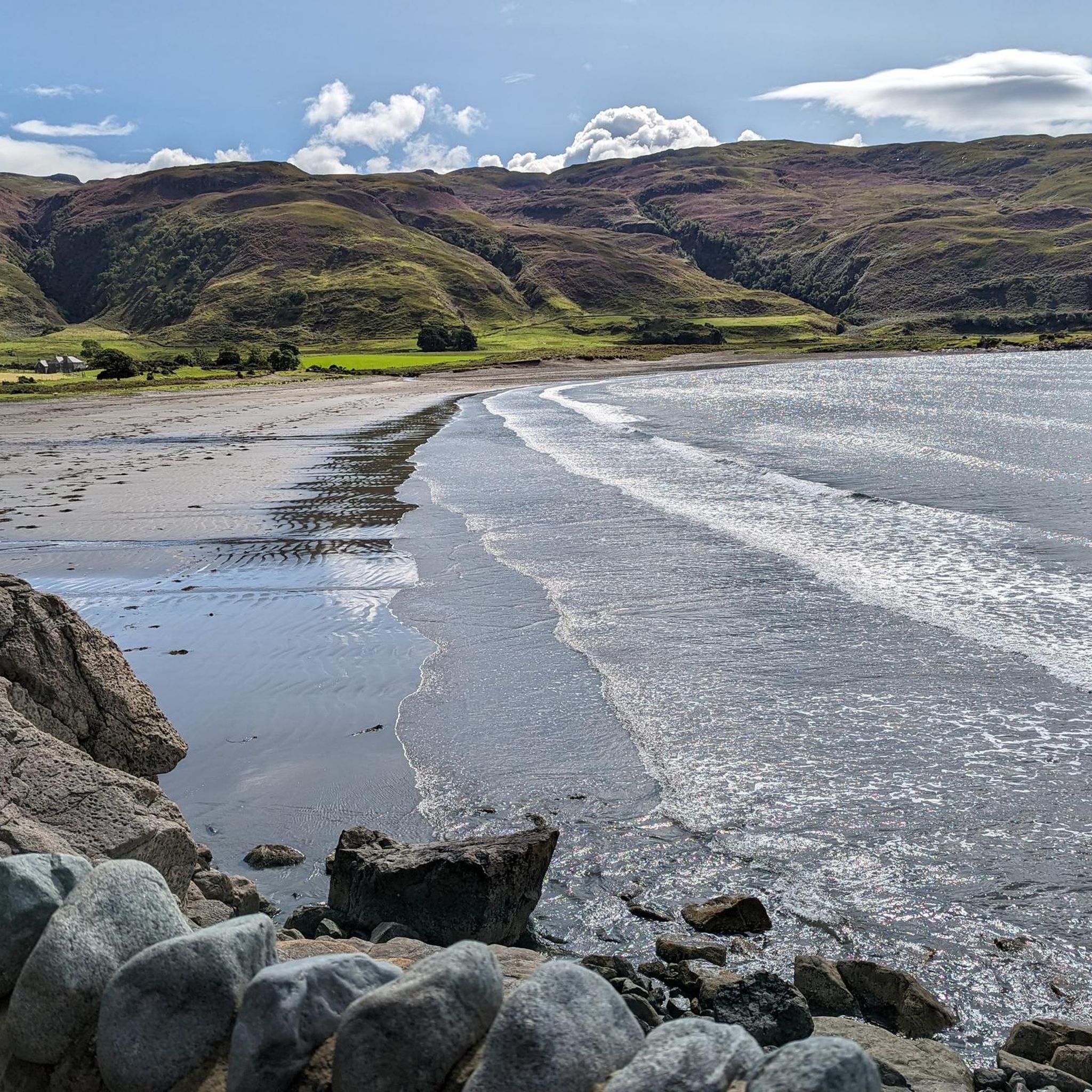
Running Trails around Mull
MTB Trails around Mull

Gravel biking around Mull
Other adventures around Mull


Tips from the Community

Medieval pilgrims stopped here to pray on their way to the abbey. On this side of the cross, they could contemplate the eternal, intertwined patterns that sprang from the tails of two animals. On the other side is the poignant image of the crucifixion. The cross, erected around 1500, was paid for by the powerful MacLean family as a public display of their support for the abbey. (Information board on site)
1
0


The detour is definitely not worth it! Yes, the view is quite nice. But even if I hadn't broken my ankle on the nonexistent path, I wouldn't recommend climbing this hill.
0
0

The ‘Well of Eternal Youth’ (Tobar na H-Aoise) is located on the top of Dùn-Ì. It is a unique little pool of water nestled beside a cliff on the north-eastern side of the top of the 333 feet (101 metres) highest hill on Iona. The Well is heart-shaped and a wonder to behold. A natural basin formed in the crystal-granite rock boulders that surround the well creates a perfect pool to collect water. The beautiful well is fed by a deep opening in the rock that is connected to a subterranean spring, and the well is also regularly replenished by rain. Once, I saw a fish swimming in the pool. It is a magical place! (credit returnofthedoves.com)
0
0

Awesome view to the Ardnamurchan peninsula and the islands of Eorsa and Ulva in Loch na Keal. Munro giants (Ben Nevis and co) on the mainland can be seen to the north-east. This is Mull's only Munro and it was actually my first ever Munro. It also makes for a great 'final Munro' due to the novelty/fun of the ferry journey over and the relative ease of the walk in comparison to other Munros.
1
1

You can watch the ferry crossing the water whilst having a drink in the cafe/ bar rather than waiting in the queue
0
0

on the way out of the village heading north. It's impressive that the cross is still so well preserved after centuries.
0
0

MacLean’s Cross is a free-standing stone construction dating to the late 1400s. Carved from a single slab more than 3m high, the disc-headed cross is carved on both sides.
0
0
Frequently Asked Questions
What are the most impressive geological features to see around Mull?
Mull is rich in geological wonders. You can explore the striking hexagonal basalt columns of Fingal's Cave on the Isle of Staffa, or witness the dramatic sea arches carved from ancient basalt lava flows at the Carsaig Arches on the south coast. The Ardtun Basalt Columns also showcase distinct polygonal pillars, alongside unique fossil leaf beds.
Are there any natural monuments on Mull that are particularly good for families?
While many natural monuments involve challenging terrain, easier coastal walks like those near Calgary Cliffs offer dramatic views that can be enjoyed by families. For a truly unique experience, boat trips to Staffa to see Fingal's Cave are popular, though landing on Staffa can be weather-dependent and involves some walking.
What is the best time of year to visit Mull's natural monuments?
The best time to visit Mull's natural monuments is generally during the warmer, drier months from late spring to early autumn (May to September). This period offers more stable weather conditions, which are crucial for boat trips to Staffa and for tackling the more challenging coastal walks. However, Mull's dramatic landscapes are beautiful year-round, with winter offering a wilder, more solitary experience for those prepared for colder, wetter conditions.
What kind of hiking trails can I find near Mull's natural monuments?
Mull offers a variety of hiking trails near its natural monuments. For instance, you can find challenging routes like the ascent to Ben More Summit, Mull's only Munro, offering extensive views. The remote MacCulloch's Fossil Tree on the Burg peninsula also involves an all-day hike over rough terrain. For easier options, explore the coastal paths near Calgary Bay. You can find more detailed hiking routes in the running trails and easy hikes around Mull guides.
Are there any unique fossil sites on Mull?
Yes, the Ardtun Basalt Columns and Fossil Leaf Beds on the Ross of Mull are particularly unique. These beds contain exceptionally well-preserved fossilized leaves, foliage, fruit, and stems from ancient trees, estimated to be around 58 million years old. They provide crucial evidence of a subtropical climate that once existed in the region and are a designated Area of Special Scientific Interest.
How long should I plan to spend at Fingal's Cave?
Visiting Fingal's Cave typically involves a boat trip from Mull to the Isle of Staffa. The boat journey itself can take a few hours, and visitors usually have about an hour on Staffa to explore the cave and its surroundings. The total excursion can range from half a day to a full day, depending on the departure point and tour operator. Check tour schedules and weather conditions before planning your visit.
What wildlife can I expect to see near Mull's natural monuments?
Mull's natural monuments are often havens for wildlife. Around the remote Carsaig Arches, you might spot seals and various seabirds. The Burg peninsula, home to MacCulloch's Fossil Tree, is known for golden eagles, red deer, feral goats, and otters. Keep an eye out for diverse birdlife and marine mammals along the dramatic coastlines.
Are there any natural monuments that offer panoramic views of the region?
Absolutely. The Ben More Summit, Mull's highest peak, offers extensive views of the Ardnamurchan peninsula, the islands of Eorsa and Ulva, and even distant Munros on the mainland. Ben Hiant also provides superb views reaching as far as the Small Isles, Skye, Loch Sunart, and the hills of Morvern, with a less strenuous climb.
What makes MacCulloch's Fossil Tree unique among natural monuments?
MacCulloch's Fossil Tree, located on the remote Burg peninsula, is unique because it's not a petrified tree, but rather the preserved impression of a massive, ancient tree trunk embedded vertically in a basalt cliff face. This conifer's cast was formed when it was surrounded by hot lava 50 to 60 million years ago, preserving its shape in the cooling volcanic rock. It's a remarkable testament to Mull's fiery geological past.
Can I explore the natural monuments with my dog?
Many of Mull's natural monuments are accessible for dogs, especially those along coastal paths and open hillsides, provided they are kept under control. However, some areas, particularly those with sensitive wildlife or livestock, may require dogs to be on a lead. Always be mindful of local signage and respect the natural environment and other visitors. Boat trips to Staffa may have restrictions for dogs, so it's best to check with tour operators in advance.
Are there opportunities for mountain biking near Mull's natural monuments?
While some natural monuments are in remote areas, Mull offers various mountain biking trails across the island. You can find routes that explore different parts of the island, providing a different perspective on its rugged beauty. For specific trails and difficulty levels, refer to the MTB Trails around Mull guide.
What should I know about accessing the Carsaig Arches?
Reaching the Carsaig Arches is a challenging but rewarding adventure. It involves a long and strenuous coastal walk that requires good fitness, careful planning, and awareness of tidal conditions due to uneven and potentially slippery terrain. Its remote location contributes to its wild and unspoiled character, making it an unforgettable destination for those seeking a dramatic landscape.
Most popular routes around Mull
Most popular attractions around Mull

Get inspired with the komoot mobile app


Explore more
Extend your search for the best caves by checking out these guides of the top ones around Mull:
