Top 10 Natural Monuments in Finne
Best natural monuments in Finne are found within this low mountain range in Saxony-Anhalt, Germany. The region features a landscape shaped by geological history, offering diverse natural environments. Visitors can explore areas characterized by forests, springs, and unique geological formations. These natural attractions contribute to the broader natural beauty of Saxony-Anhalt.
Best natural monuments in Finne
- The most popular natural monuments is Kiefer Spring, a natural monument that offers fresh, clear spring water. This spot provides a relaxing place…
Last updated: June 30, 2026
Brauteiche (Quercus robur L.)
Highlight • Natural Monument
Translated by Google •
Tip by

Kiefer Spring
Highlight • Natural Monument
Translated by Google •
Tip by

Sign up now to discover places like this
Get recommendations on the best single tracks, peaks, & plenty of other exciting outdoor places.
Sign up for free
Finne rampart (Stamping point 372)
Highlight • Historical Site
Translated by Google •
Tip by

Rest area at the Twin Oak
Highlight • Rest Area
Translated by Google •
Tip by

Raspenburg Ruins
Highlight • Historical Site
Translated by Google •
Tip by

Sign up for free to discover even more natural monuments in Finne.
Sign up for free
Already have an account?
Start today with a free account
Your next adventure awaits.
Login or Signup
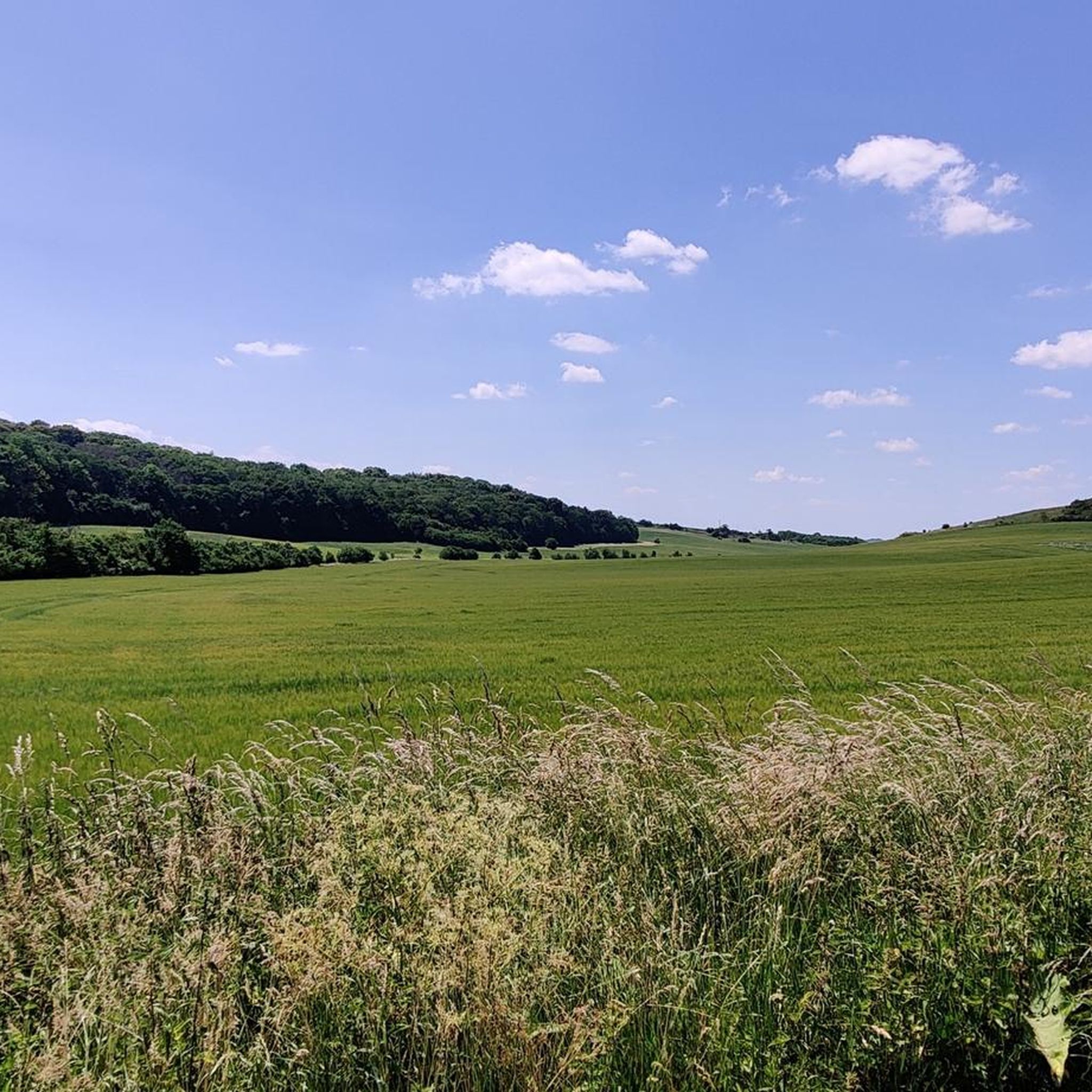
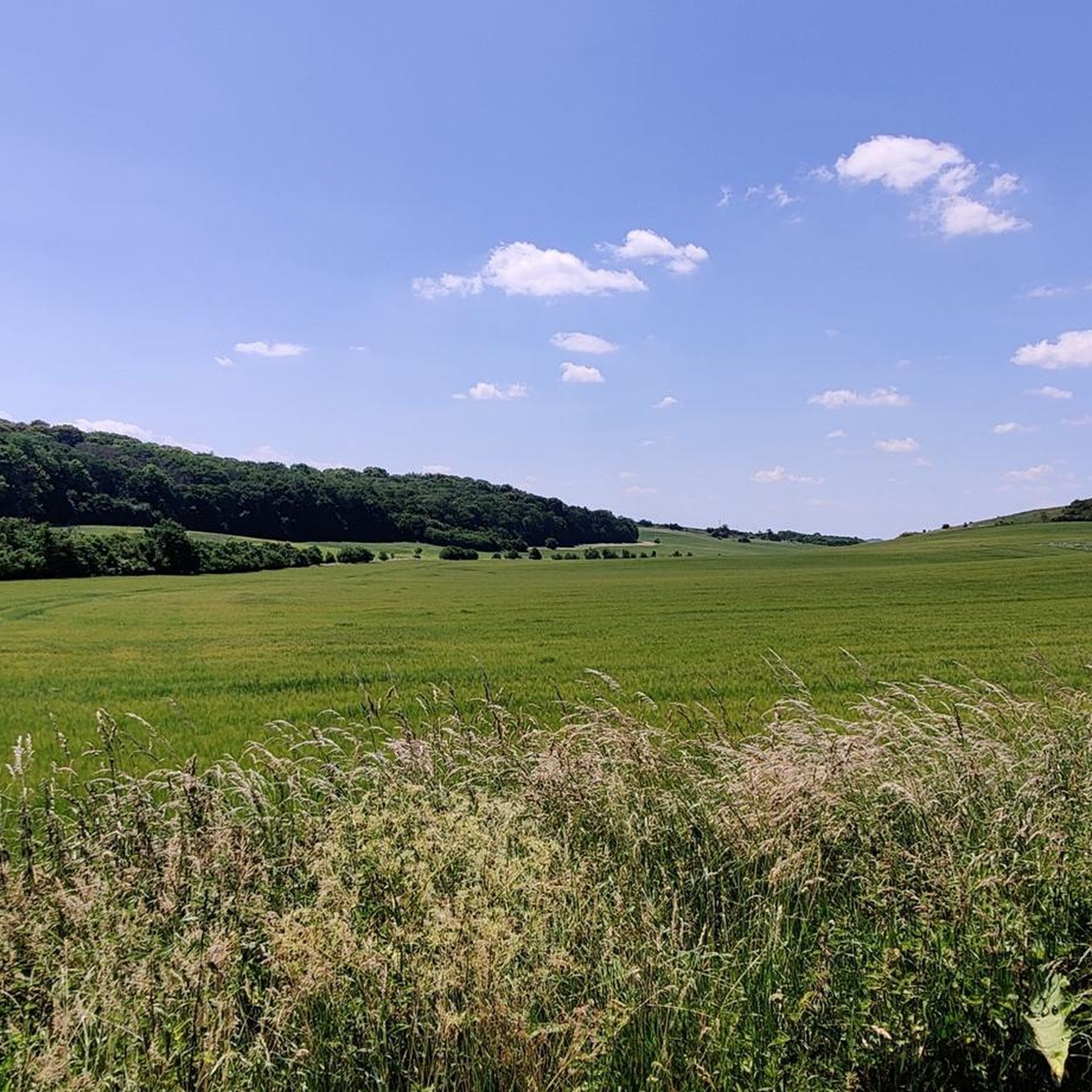
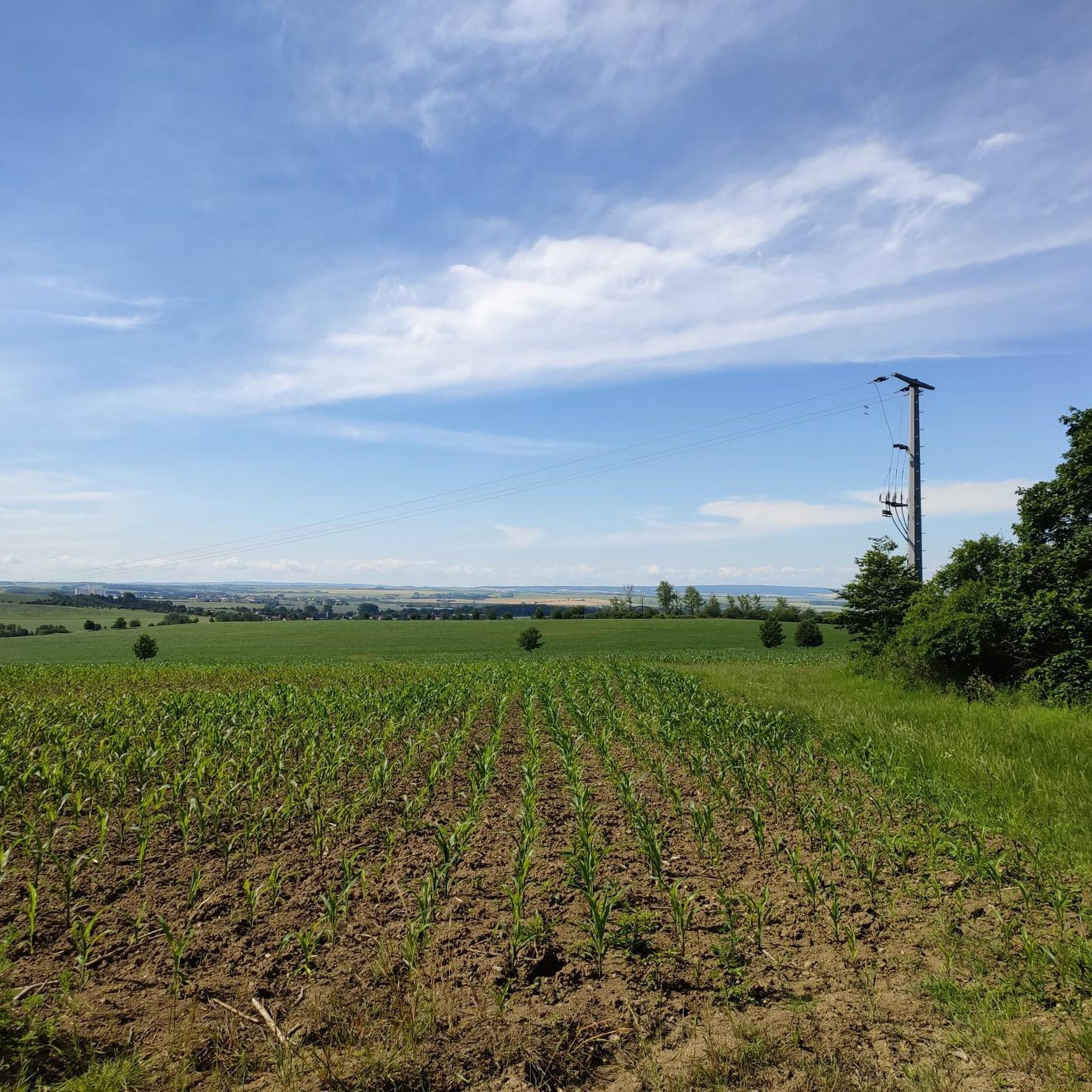
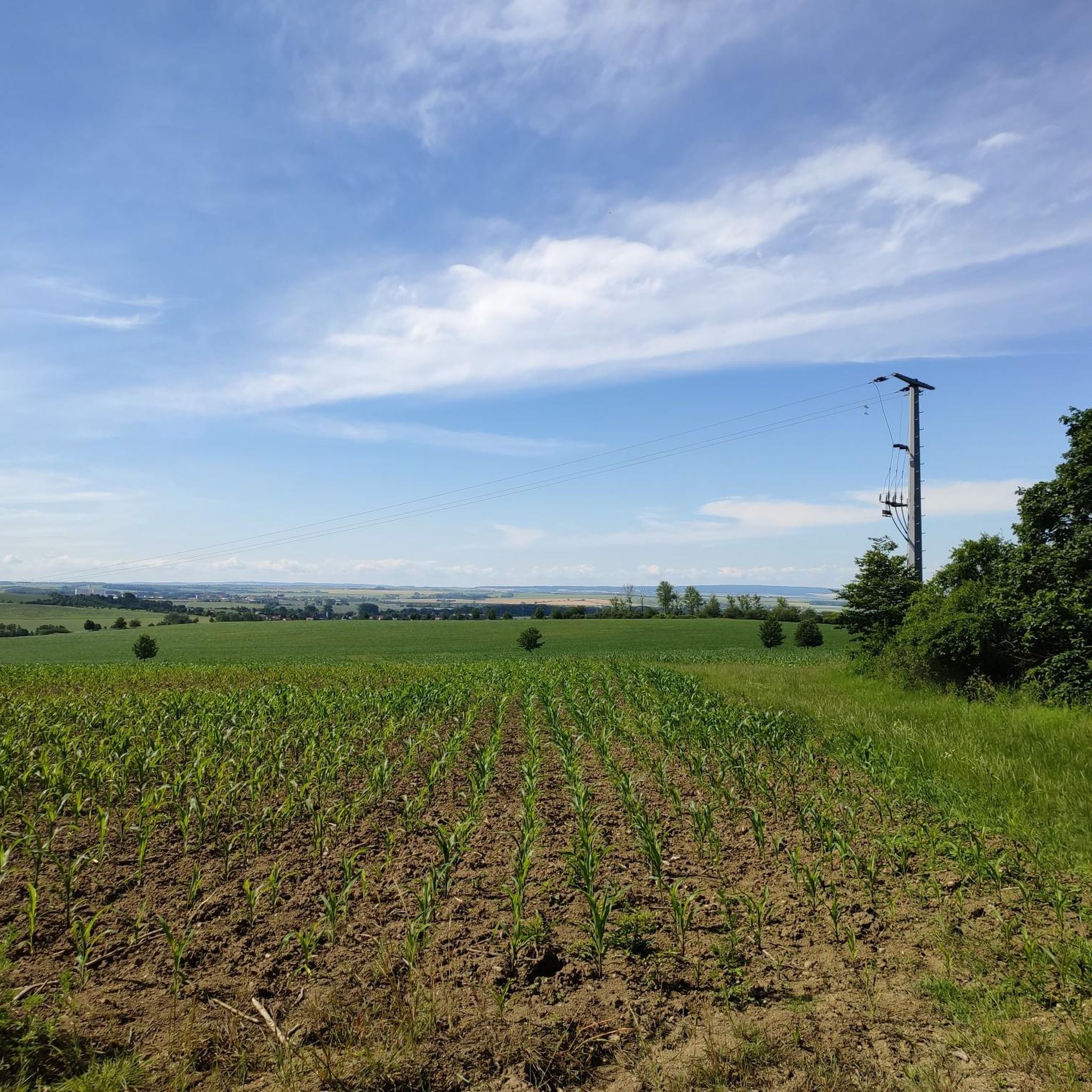
Tips from the Community

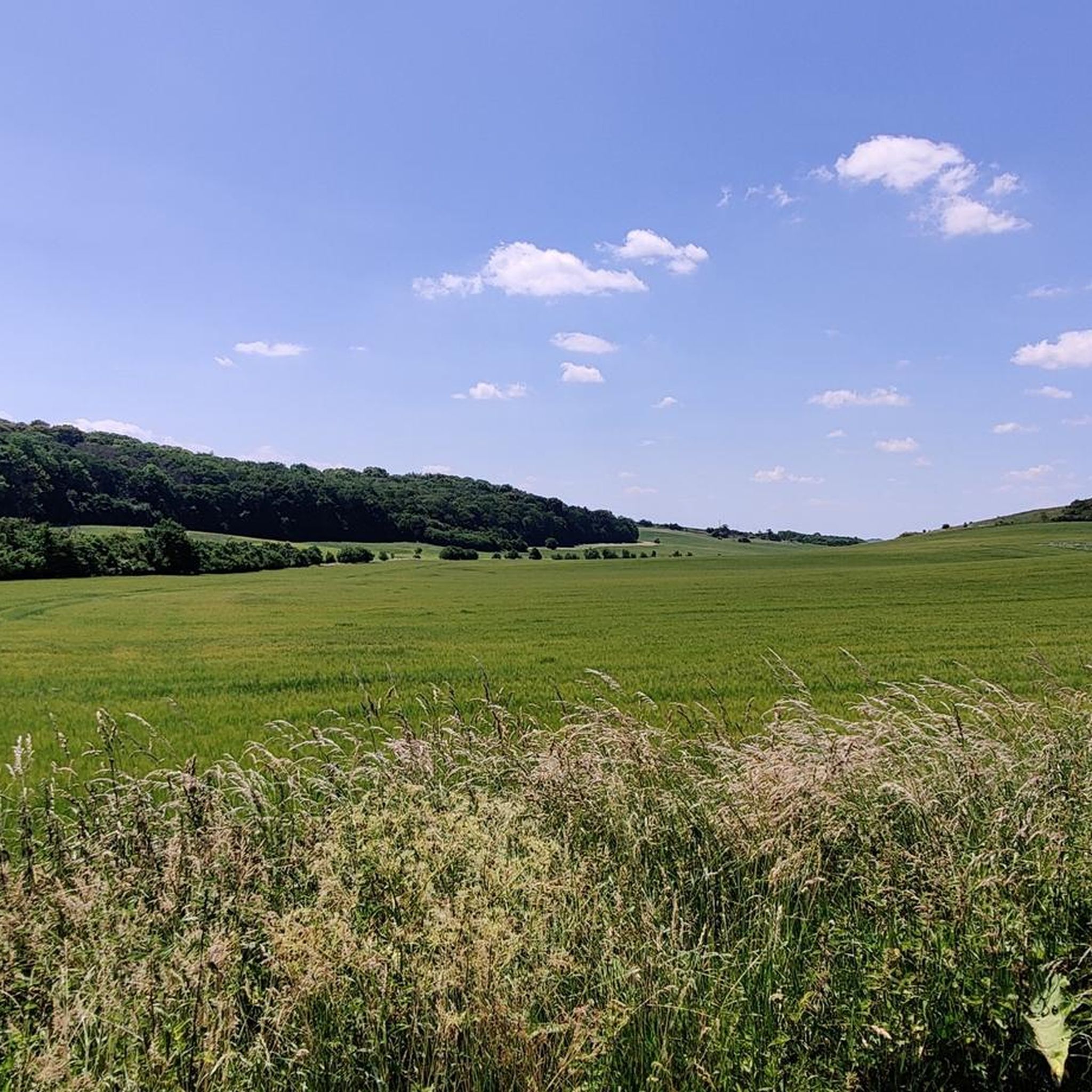
The ramparts are still clearly visible; beautiful paths and a Touringen stamp station are your destinations here.
5
0

Really interestingly designed and informative
0
0
A wonderful destination for a day trip and highly recommended.
1
0
Collecting stamps is a bit addictive ;-)
0
0

We took a short break in the countryside and then continued
0
0

Touring stamp point 372, shady rest area
0
0

All alone and carelessly placed on the side of the road.
1
0
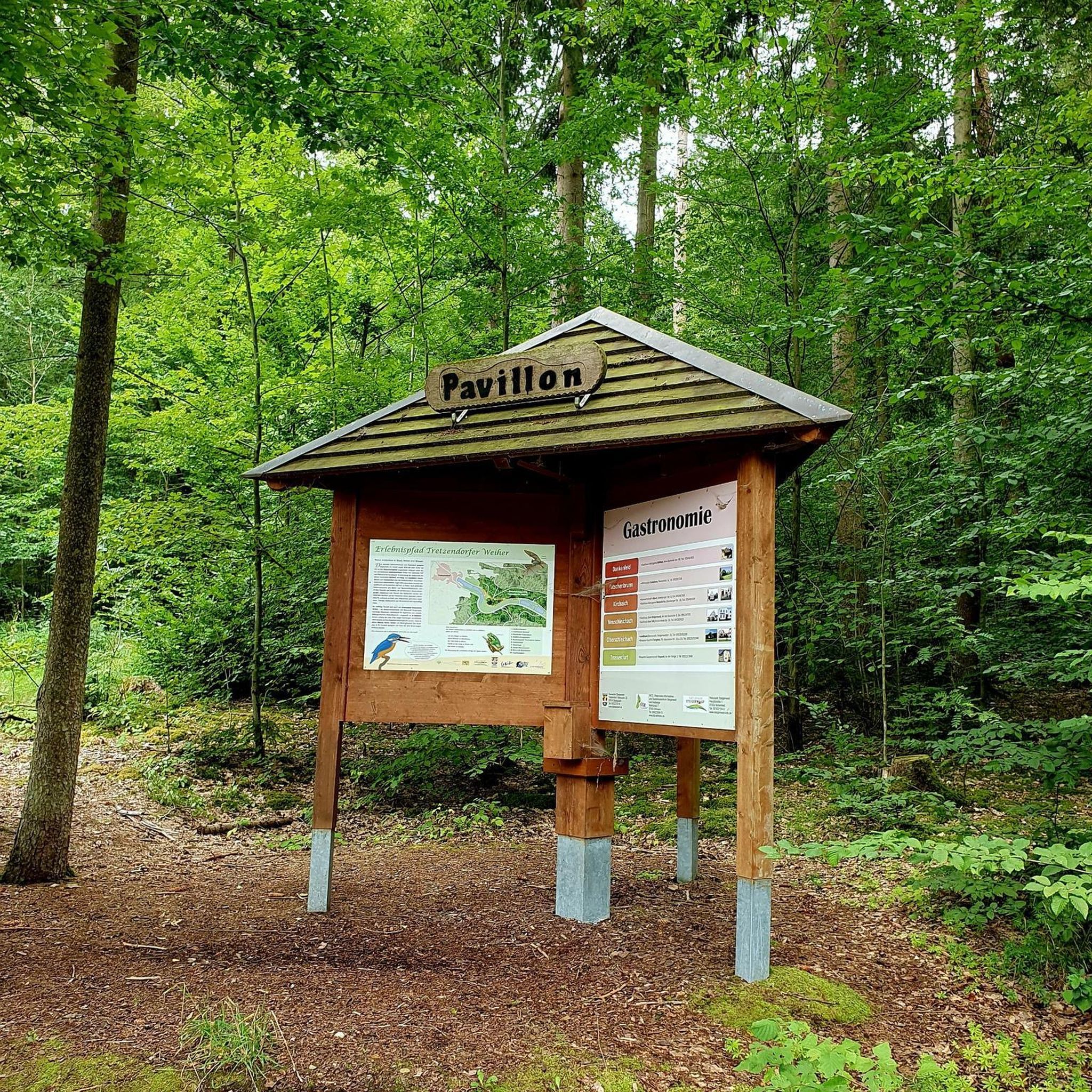
Tall grass cannot hide this gazebo. :)
1
0
Frequently Asked Questions
What are some of the most popular natural monuments to visit in Finne?
Visitors to Finne often enjoy the tranquil Kiefer Spring, known for its fresh, clear water and as a relaxing spot. Another highly regarded site is the Finne rampart (Stamping point 372), which combines historical significance with beautiful paths. For panoramic views, the Fuchsturm Pavilion and Views over Rastenberg offers stunning vistas from a limestone cliff with an interesting geological outcrop.
Are there family-friendly natural monuments in Finne?
Yes, several natural monuments in Finne are suitable for families. The Kiefer Spring is a pleasant spot for a short visit and to refill water bottles. The Finne rampart (Stamping point 372) offers easy paths and an interesting historical context. Additionally, the Fuchsturm Pavilion and Views over Rastenberg provides accessible views that can be enjoyed by all ages.
What kind of natural features can I expect to see in the Finne region?
The Finne region is characterized by a diverse landscape shaped by its geological history. You can expect to find ancient trees like the impressive Brauteiche (Quercus robur L.), natural springs such as Kiefer Spring, and unique geological formations, including limestone cliffs and outcrops visible from places like the Fuchsturm Pavilion. The area is largely forested, offering a natural environment for exploration.
What outdoor activities can I do near the natural monuments in Finne?
The Finne region is excellent for outdoor activities, especially hiking and cycling. You can find numerous routes that pass by or near these natural monuments. For hiking, explore options like the 'View of Burgberg – Rastenberg Forest Pool loop' or 'Billroda Shelter – Großer Poltererplatz Rest Area loop'. Cyclists can enjoy routes such as 'Rastenberg Town Hall – Our Lady's Church, Rastenberg loop'. For more detailed routes and options, refer to the Hiking in Finne guide or the Cycling in Finne guide.
Are there historical sites among the natural monuments in Finne?
Yes, the Finne region offers a blend of natural beauty and historical significance. The Finne rampart (Stamping point 372) is a notable example, where ancient earthworks are still clearly visible. While not strictly a natural monument, the nearby Raspenburg Ruins also offer an interesting historical perspective with views over Rastenberg.
What do visitors enjoy most about the natural monuments in Finne?
Visitors frequently praise the tranquility and natural beauty of the area. Many appreciate the well-maintained paths and the opportunity to connect with nature. Specific highlights include the fresh spring water at Kiefer Spring, the clear visibility of the ancient ramparts at Finne rampart, and the expansive panoramic views from the Fuchsturm Pavilion. The presence of ancient trees like the Brauteiche also adds to the unique charm.
Are there any easy hiking trails near the natural monuments in Finne?
Absolutely. Many of the trails in Finne are suitable for easy hikes, allowing you to explore the natural monuments without strenuous effort. Routes like the 'Mariental Ponds – Marienthal Monastery and Castle loop' and 'Großer Poltererplatz Rest Area – Dweger Gülchtemenk Rail Bench loop' are rated as easy. For more options, consult the Easy hikes in Finne guide.
Can I find any hidden gems or less-known natural attractions in Finne?
While the main natural monuments are well-loved, the Finne region has many smaller, charming spots. The Brauteiche (Quercus robur L.), a magnificent 400-year-old oak, is a hidden gem often discovered by hikers on the 'deep valley' or 'Finn hike' circular routes. Its secluded location and local traditions make it a unique find.
What is the best time of year to visit the natural monuments in Finne?
The Finne region is beautiful throughout the year, but the best time depends on your preferred activities. Spring and autumn offer pleasant temperatures for hiking and cycling, with vibrant foliage in autumn. Summer is ideal for longer days outdoors, while winter can provide a serene, snow-covered landscape for those interested in winter hiking, though some paths might be more challenging. Always check local weather conditions before your visit.
Are there other significant natural areas in Saxony-Anhalt that are similar to Finne's natural monuments?
While Finne offers its unique charm, Saxony-Anhalt is rich in diverse natural wonders. For broader natural experiences, consider visiting the Harz National Park, known for its dense forests and the Brocken mountain. The Middle Elbe Biosphere Reserve protects extensive floodplain landscapes, and the Karst Landscape Südharz Biosphere Reserve features unique gypsum karst formations and caves. These areas offer different but equally impressive natural monuments and protected landscapes within the state.
Are there any facilities or amenities near the natural monuments in Finne?
Some natural monuments, like Kiefer Spring, offer basic facilities such as a place to relax and replenish water. For more extensive amenities like cafes and pubs, you would typically need to visit nearby towns or villages such as Rastenberg. It's advisable to carry your own supplies, especially when venturing into more secluded areas of the Finne.
Most popular routes in Finne
Most popular attractions in Finne

Get inspired with the komoot mobile app


Explore more
Extend your search for the best caves by checking out these guides of the top ones in Finne:
